
UK Home Secretary Shabana Mahmood is poised to unveil a significant transformation of the nation’s immigration and asylum system later this month, drawing inspiration from Denmark’s stringent policies. The Danish model, renowned as one of Europe’s toughest, has been under close scrutiny by UK officials, who recently visited Copenhagen to study its implementation. Key aspects of Denmark’s system include stricter family reunification rules, temporary refugee stays, and expedited expulsion of individuals without legal residency rights. Mahmood aims to reduce incentives for migration to the UK while streamlining the removal of unauthorized individuals. However, her plans face opposition within her own party, with some Labour MPs criticizing the approach as overly harsh and reminiscent of far-right ideologies. Mahmood’s strategy aligns with her pledge to regain control of Britain’s borders, a promise she reiterated at the Labour conference in September. Denmark’s success in reducing asylum claims to a 40-year low, excluding pandemic-related restrictions in 2020, has particularly impressed her. The Danish system also includes measures such as financial incentives for asylum seekers to return to their home countries and stricter conditions for acquiring permanent residency. While the UK is unlikely to adopt all aspects of the Danish model, Mahmood is expected to introduce more restrictive family reunification rules, including potential language and financial requirements. Denmark’s Immigration and Integration Minister, Rasmus Stoklund, emphasized the importance of protecting societal norms and ensuring that immigrants contribute positively to the country. The UK’s exploration of the Danish model reflects broader political dynamics, with the Labour Party seeking to counter the rise of Reform UK by addressing voter concerns on immigration. Critics, however, caution against directly transplanting Danish policies, citing differences in political and electoral systems. The debate underscores the challenges of balancing progressive ideals with public demand for stricter immigration controls.
博客
-

Serbia clears the way for controversial Trump-linked property plan
Serbia’s parliament has enacted legislation enabling a contentious property development project in Belgrade, led by Jared Kushner, son-in-law of former US President Donald Trump. The project, spearheaded by Kushner’s firm Affinity Partners, aims to construct a luxury hotel and apartment complex on the site of the former Yugoslav Army headquarters. This site, bombed by NATO forces in 1999 during the Kosovo conflict, holds significant symbolic value for many Serbians, who view it as a memorial and a symbol of resistance against NATO. Despite widespread protests and legal challenges, Serbian President Aleksandar Vucic, a close ally of Trump, has endorsed the project. Last year, the Serbian government revoked the building’s protected status and granted a 99-year lease to Kushner’s firm, which plans a $500 million development. This decision sparked public demonstrations and prompted an investigation into allegations of forged documentation used to alter the building’s status. In a June interview with the BBC, Vucic defended the project, emphasizing the need to move past the events of 1999 and strengthen ties with the US. The parliamentary vote, pushed through by Vucic’s majority party, has been criticized by opposition politicians, who argue it is unconstitutional and erases national history for the sake of foreign interests. Architectural experts and anti-corruption organizations, including Transparency Serbia, have also voiced concerns. The project’s approval highlights Serbia’s delicate balancing act in maintaining relations with both Washington and Moscow, amid ongoing economic pressures from US tariffs and Russian sanctions.
-
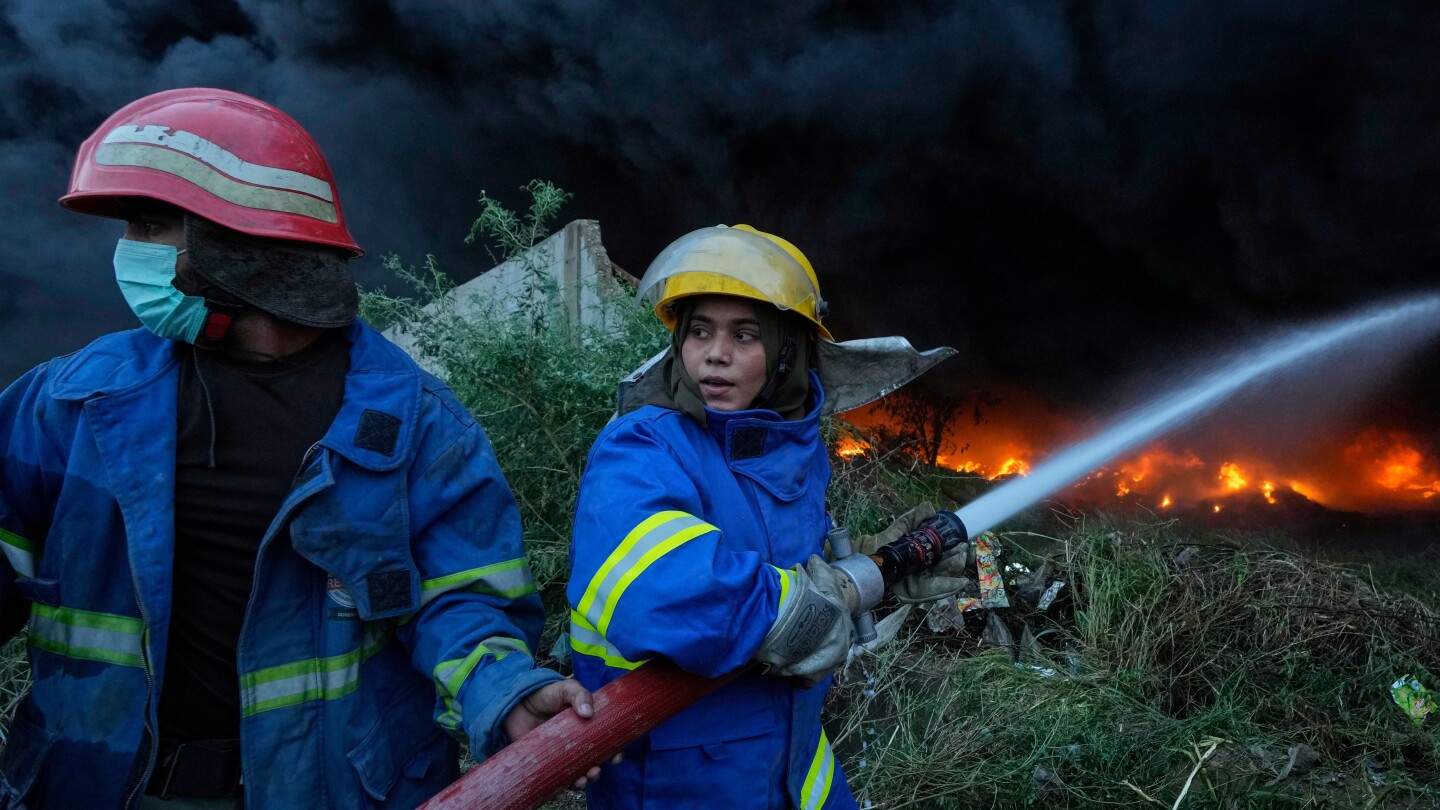
Women make inroads in Pakistan as they become firefighters and barriers slowly fall
In a groundbreaking shift for Pakistan’s deeply patriarchal society, women are increasingly stepping into roles traditionally dominated by men, particularly in emergency services. Last week, 23-year-old firefighter Syeda Masooma Zaidi led her team in combating a massive blaze at a tire storage facility in Karachi, Pakistan’s largest city. The fire, which sent thick black smoke billowing into the sky, threatened nearby factories but was eventually contained without loss of life, though it caused significant financial damage. Zaidi’s bravery and skill highlighted the growing presence of women in Pakistan’s firefighting units, a field where they were virtually unheard of until recently. Her journey began at the Punjab Rescue Service Academy, where she trained in high-angle rescues and various emergency scenarios. Despite facing skepticism from onlookers who question her ability, Zaidi and her female colleagues continue to prove their mettle. Areeba Taj, another 23-year-old firefighter, and their supervisor, Ayesha Farooq, emphasize the unique strengths women bring to rescue operations, especially in situations involving women and children. Dr. Abid Jalaluddin Shaikh, chief of the Sindh Emergency Service, noted that Zaidi is one of 50 women firefighters in the province, with 180 more in training for various emergency roles. This gradual shift reflects a broader societal change, as more women in Pakistan challenge traditional norms and pursue careers in fields like firefighting, earning respect and paving the way for future generations. Zaidi’s story is not just about courage and duty but also about breaking gender barriers and inspiring others to follow suit.
-
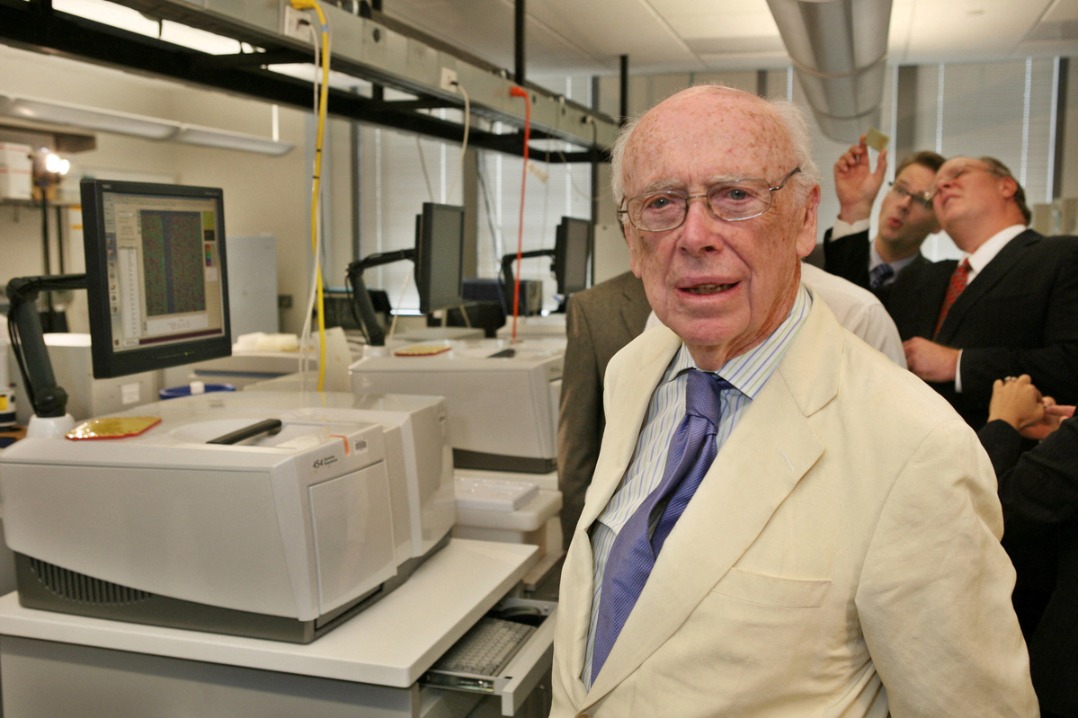
James Watson, co-discoverer of DNA’s double helix, dead at 97
James D. Watson, the renowned American biologist who co-discovered the double-helix structure of DNA, has died at the age of 97. His groundbreaking work in 1953 laid the foundation for modern genetics and catalyzed the biotechnology revolution. Watson’s death was confirmed by Cold Spring Harbor Laboratory on Long Island, where he spent much of his career. According to The New York Times, he passed away this week at a hospice in the same region. Watson’s discovery, made alongside Francis Crick and Maurice Wilkins, earned them the Nobel Prize in Physiology or Medicine in 1962. Despite his scientific achievements, Watson’s later years were marred by controversy due to his contentious remarks on race and genetics. His legacy remains a complex blend of monumental scientific contributions and polarizing public statements.
-
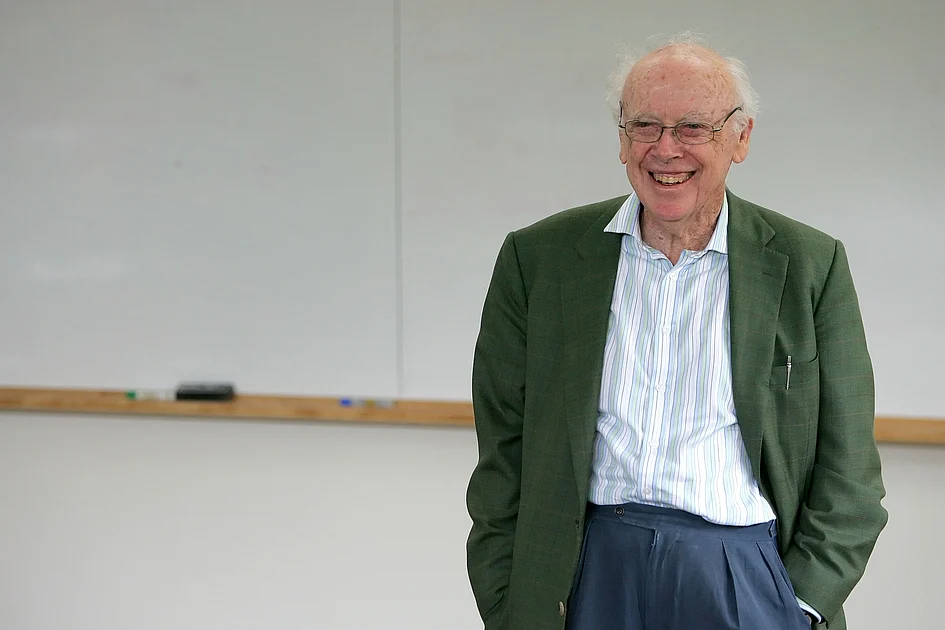
James Watson, Nobel prize-winning DNA pioneer, dead at 97
James Watson, the renowned scientist who co-discovered the double-helix structure of DNA, has died at the age of 97. His passing was confirmed by the Cold Spring Harbor Laboratory, where he spent a significant portion of his career. Watson died on Thursday while in hospice care on Long Island, New York. Watson’s groundbreaking work alongside Francis Crick in 1953 revolutionized the field of molecular biology, earning them the Nobel Prize in Physiology or Medicine in 1962. Their discovery laid the foundation for modern genetics and biotechnology, cementing Watson’s legacy as one of the most influential scientists of the 20th century. However, Watson’s later years were marred by controversy due to his repeated racist remarks, which led to widespread criticism and the revocation of several honors. Despite this, his contributions to science remain monumental. The Cold Spring Harbor Laboratory acknowledged his scientific achievements while distancing itself from his personal views, stating that his work ‘transformed our understanding of life itself.’ Watson’s death marks the end of an era for the scientific community, as the world reflects on his complex legacy of groundbreaking discovery and personal controversy.
-

UAE sends relief aid to Afghanistan after deadly earthquake
In a swift response to the catastrophic earthquake that struck northern Afghanistan, the United Arab Emirates (UAE) has mobilized a comprehensive humanitarian aid mission. The initiative, spearheaded by a collaborative effort involving the Joint Operations Command, the UAE Aid Agency, and the Emirates Red Crescent, underscores the UAE’s commitment to global solidarity in times of crisis. The mission aims to provide immediate relief to the affected communities, ensuring they receive essential supplies and medical assistance.
-
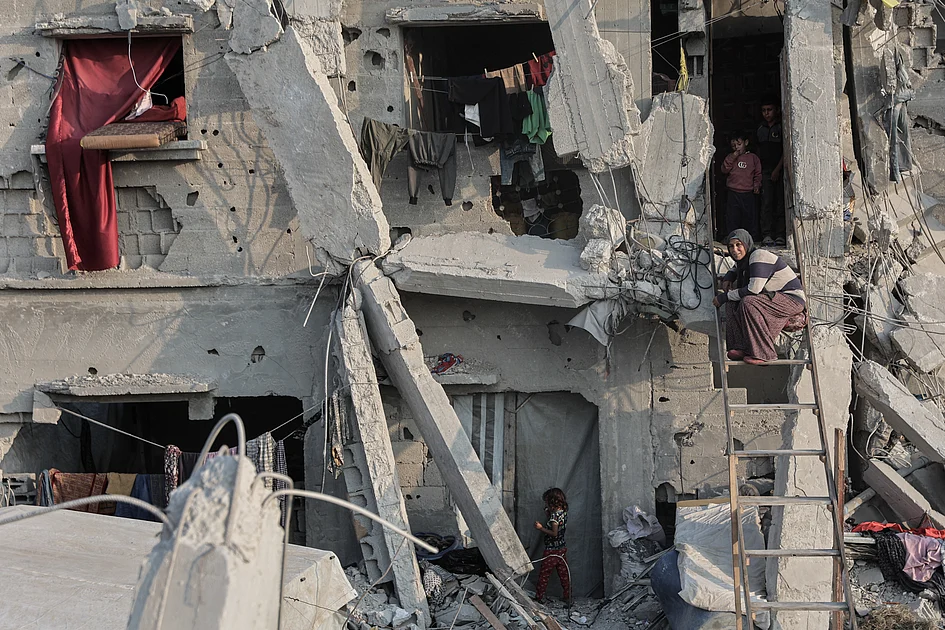
Turkey issues genocide arrest warrant against Israel PM Netanyahu
In a significant escalation of diplomatic tensions, Turkey has issued arrest warrants for Israeli Prime Minister Benjamin Netanyahu and several senior officials, accusing them of genocide and crimes against humanity. The warrants, announced by the Istanbul prosecutor’s office on Friday, target 37 individuals, including Israeli Defence Minister Israel Katz, National Security Minister Itamar Ben Gvir, and army chief Lieutenant General Eyal Zamir. The move underscores Turkey’s ongoing criticism of Israel’s actions in Gaza, which it claims constitute systematic violations of international law. The prosecutor’s statement specifically referenced the destruction of the ‘Turkish-Palestinian Friendship Hospital’ in Gaza, a facility built by Turkey and bombed by Israel in March. This development follows Turkey’s decision last year to join South Africa’s case against Israel at the International Court of Justice (ICJ), accusing the nation of genocide. Meanwhile, a fragile ceasefire brokered as part of US President Donald Trump’s regional peace plan has been in effect in Gaza since October 10, offering a temporary respite in the conflict.
-
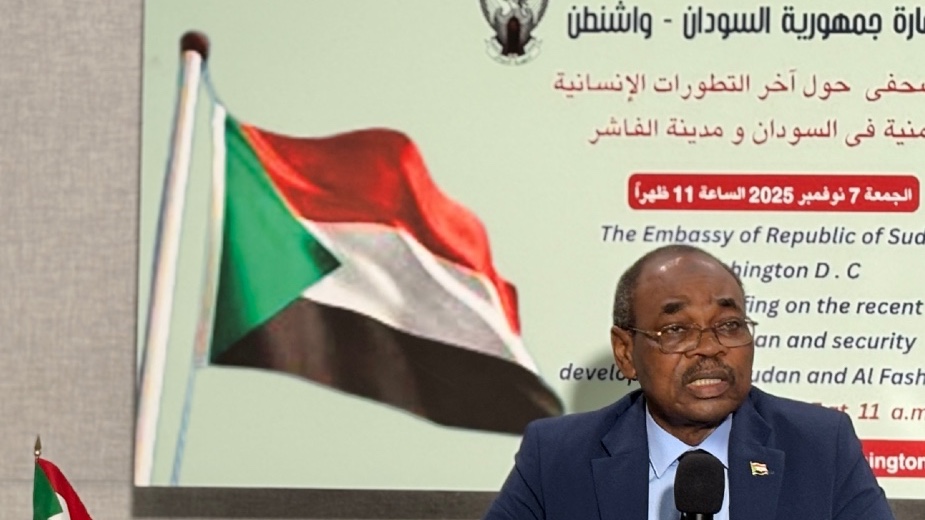
Sudan urges Trump to designate RSF a terrorist entity as it rules out UAE-linked peace proposals
Sudan’s ambassador to the United States, Mohamed Abdalla Idris, has called on the Trump administration to classify the Rapid Support Forces (RSF) as a terrorist organization. Speaking at a press briefing in Washington on Friday, Idris emphasized Sudan’s rejection of a UAE-backed peace proposal to end the ongoing civil war, now in its third year. He criticized Abu Dhabi’s support for the RSF as “destructive” and stated that Sudan cannot accept a peace deal involving the UAE as a mediator, given its role in the conflict. Despite the UAE’s membership in the “Quad”—a coalition including the US, Saudi Arabia, and Egypt—Idris argued that the UAE cannot simultaneously be a party to the conflict and a mediator. The Quad recently unveiled a coordinated roadmap to resolve Sudan’s war, which Idris acknowledged as a positive step but reiterated Sudan’s opposition to UAE involvement. He also urged US President Donald Trump to take a more active role in pressuring the UAE to cease its support for the RSF, which has roots in the Janjaweed militia responsible for the Darfur genocide. The ambassador highlighted bipartisan efforts in the US Senate to designate the RSF as a terrorist organization, citing its ongoing atrocities in El-Fasher. He also called for independent investigations into war crimes committed by both the RSF and the Sudanese Armed Forces. The conflict has resulted in over 150,000 deaths and displaced 12 million people, with 17 countries allegedly involved in the crisis. Sudan has raised these concerns with the Arab League and the African Union, though its AU membership remains suspended.
-

Disney, YouTube TV remain in talks to restore ABC and ESPN
Disney and YouTube TV are still engaged in discussions to reinstate ABC and ESPN on the platform after the networks were removed due to a failed licensing agreement. The negotiations, which began earlier this year, have been marked by disputes over terms and concessions. Disney has proposed a deal that would cost less than the previous agreement, potentially allowing YouTube TV to pass savings on to its customers. However, YouTube TV has been reluctant to accept terms it deems below market value. The removal of Disney’s networks, including ABC and ESPN, has left millions of YouTube TV subscribers without access to key programming, particularly during significant events like Election Day coverage. Both companies have issued separate statements acknowledging the ongoing talks but have yet to reach a resolution. The outcome of these negotiations could have significant implications for the future of pay-TV services and content distribution.
-
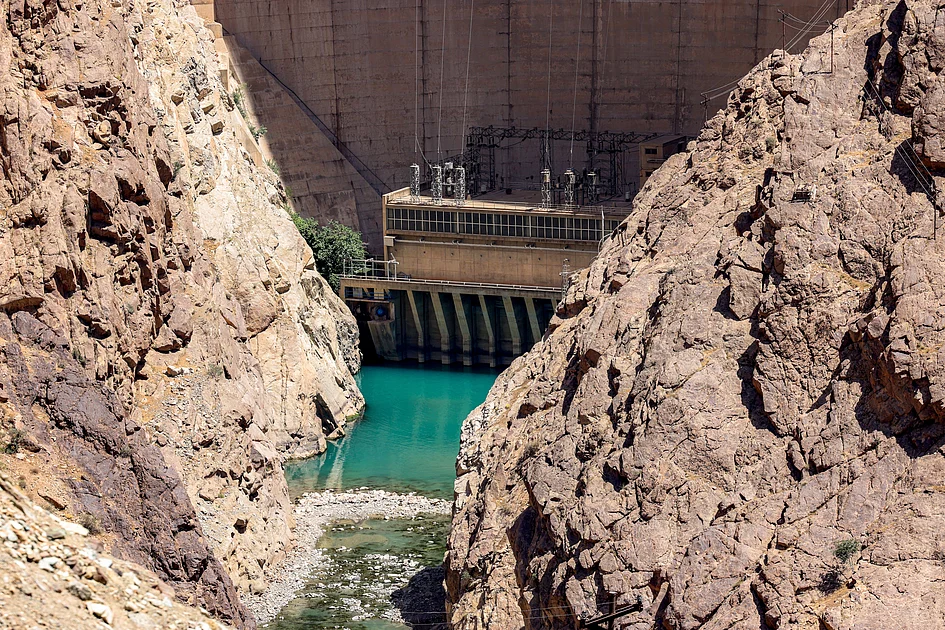
Iran president warns Tehran may face evacuation due to drought
Iranian President Masoud Pezeshkian issued a stark warning on Friday, stating that the capital city of Tehran may face evacuation due to an escalating water shortage crisis. In a televised address, Pezeshkian emphasized that if significant rainfall does not occur by the end of the year, the city will be forced to implement water rationing measures. He further cautioned that continued drought conditions could lead to the complete depletion of water reserves, necessitating the evacuation of Tehran’s 10 million residents. The announcement comes as Iran grapples with one of its most severe droughts in decades, exacerbated by a 40% decline in precipitation compared to the 57-year average. Tehran, a sprawling megacity, is particularly vulnerable, with its main reservoir reportedly holding only two weeks’ worth of water. Recent conservation efforts, including water supply cuts in several neighborhoods and public holidays declared to save water and energy, have failed to mitigate the crisis. Authorities have urged citizens to reduce water consumption by 20% to stabilize the situation until the anticipated winter rains. The dire circumstances underscore the urgent need for long-term solutions to address Iran’s water scarcity challenges.