博客

  • Five African lion cubs make debut at Chongqing theme park

    Five African lion cubs make debut at Chongqing theme park

    In a rare winter spectacle, five African lion cubs made their highly anticipated public debut at Locajoy Theme Park in Chongqing’s Yongchuan district on Wednesday. The quintuplets, born just last month, represent a significant conservation achievement for the facility.

    The newborn cubs, comprising both males and females, appeared healthy and active during their first public appearance under the careful supervision of park caretakers. The event coincided with an unusual sunny winter day in Chongqing, creating perfect conditions for the special unveiling.

    Remarkably, the cubs’ mother was herself born and hand-raised within the same theme park, establishing a multi-generational legacy of successful lion breeding at the Chinese facility. This familial continuity demonstrates the park’s long-term commitment to wildlife conservation and animal welfare.

    Park keeper Shen Wei confirmed the cubs’ excellent health condition while noting that naming decisions for the five siblings remain pending. The caretaking team continues to monitor the litter closely as they develop under their mother’s watchful care and the supplemental support from experienced park staff.

    The successful birth and presentation of these African lions contribute to global conservation efforts for the species, classified as vulnerable by international wildlife organizations. Locajoy Theme Park’s breeding program represents China’s growing role in exotic animal preservation and public education about wildlife conservation.

  • Carney’s new Alberta oil pipeline deal already faces opposition

    Carney’s new Alberta oil pipeline deal already faces opposition

    In a landmark political development, Canadian Prime Minister Mark Carney and Alberta Premier Danielle Smith have finalized a comprehensive energy agreement that establishes the framework for a proposed oil pipeline to the Pacific coast. The Thursday signing in Calgary represents a significant policy shift from previous federal administrations, granting the prospective project exemptions from select federal environmental regulations, including the coastal tanker ban off British Columbia’s shoreline and the federal oil and gas emissions cap.

    The accord establishes a reciprocal arrangement where Alberta must intensify its environmental commitments by accelerating carbon pricing mechanisms and expanding carbon capture initiatives to counterbalance emissions. The agreement explicitly mandates that the pipeline must secure Indigenous co-ownership and private sector financing, prohibiting the use of public tax dollars for its development.

    This arrangement marks a substantial departure from the policies of former Prime Minister Justin Trudeau and addresses Alberta’s longstanding grievances about federal impediments to resource development. Premier Smith characterized the agreement as signaling the end of “dark times” for her province’s energy sector.

    Despite this bilateral progress, the project faces formidable opposition. British Columbia Premier David Eby expressed vehement opposition, labeling the pipeline “fictional” and criticizing the exclusion of his province from preliminary negotiations. The project currently lacks both private financial backing and support from First Nations communities whose territories would be traversed by the pipeline.

    Prime Minister Carney defended the initiative as crucial for Canada’s economic diversification, noting that over 90% of Canadian crude exports currently go to the United States—a vulnerability highlighted by recent protectionist trade policies. The administration aims to double non-U.S. exports within the next decade, with Asian markets representing a key strategic objective.

    The agreement commits both federal and Alberta governments to immediately engage British Columbia in subsequent discussions, though the project remains in preliminary stages without a defined route to BC’s northern coast.

  • China, US militaries maintain working-level contact

    China, US militaries maintain working-level contact

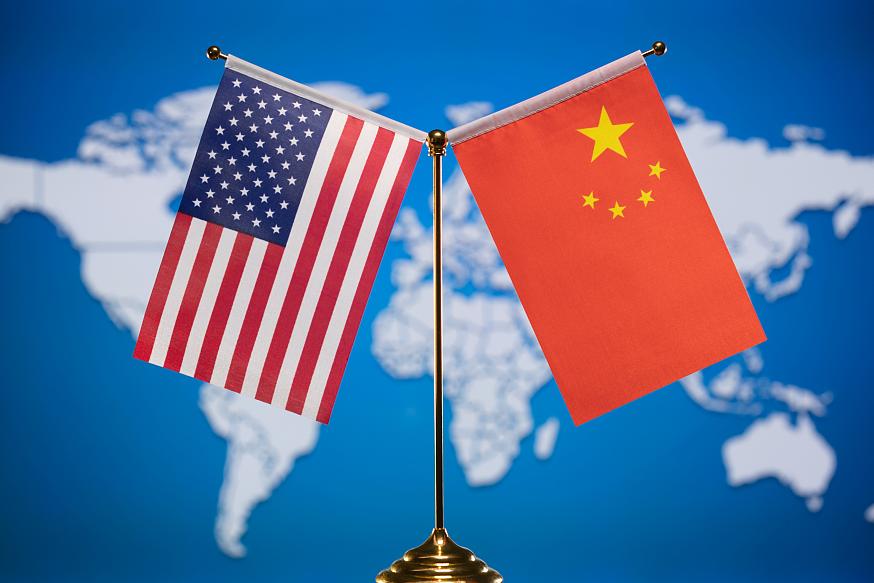
    The Chinese and US militaries are actively maintaining working-level communications to foster future exchanges, as confirmed by a Chinese defense spokesperson on Thursday. Jiang Bin, spokesperson for China’s Ministry of National Defense, addressed this during a routine press briefing in Beijing, highlighting recent military engagements between the two nations.

  • Saudi Arabia takes legal action against 6 for inciting public opinion online

    Saudi Arabia takes legal action against 6 for inciting public opinion online

    Saudi Arabia’s General Authority for Media Regulation has taken decisive legal action against six individuals accused of publishing content aimed at inciting public opinion online. The accused have been detained, and regulatory procedures have been finalized to refer them to the competent court. This move underscores the Kingdom’s commitment to maintaining public order and enforcing media regulations. The charges fall under paragraph (1) of Article (6) of the Anti-Cyber Crime Law, which criminalizes the production, dissemination, or storage of content that threatens public order, religious values, public morals, or the sanctity of private life. Violators face penalties of up to five years in prison and fines not exceeding 3 million riyals. The General Authority for Media Regulation emphasized its zero-tolerance policy toward any media content that violates these laws, vowing to take all necessary measures against offenders. This case highlights Saudi Arabia’s stringent approach to regulating online discourse and safeguarding societal stability.

  • France to restore voluntary military service of 10 months from 2026

    France to restore voluntary military service of 10 months from 2026

    In a significant shift in national defense policy, French President Emmanuel Macron announced on Thursday the establishment of a voluntary 10-month military service program set to commence in 2026. This strategic initiative marks France’s response to evolving security dynamics in Europe, particularly influenced by Russia’s ongoing conflict in Ukraine.

    Addressing troops at Varces-Allieres-et-Risset in southeastern France, Macron detailed that the program would initially deploy approximately 3,000 volunteers during its pilot phase next summer, with ambitious expansion targets of 10,000 participants by 2030 and 50,000 by 2035. The program primarily targets citizens aged 18-19, though it will accommodate individuals with specialized skills up to age 25.

    The President emphasized the voluntary nature of the service while acknowledging parliamentary authority to mandate participation during exceptional national crises. ‘This national service will operate primarily with volunteers selected to meet our armed forces’ requirements,’ Macron stated, adding that deployments would be restricted to French territory exclusively.

    This defense modernization effort emerges against the backdrop of heightened alerts from French military leadership. Armed Forces Chief of Staff Fabien Mandon recently cautioned that Russia appears to be ‘preparing for a confrontation by 2030 with our countries,’ prompting serious national security evaluations.

    The administration has actively addressed concerns about potential combat deployment, with Macron explicitly clarifying that ‘we are not going to send our young people to Ukraine.’ The initiative aligns with similar measures adopted by European neighbors including Latvia, Lithuania, and Denmark, reflecting a continental trend toward strengthened defense preparedness.

    France’s military currently maintains 200,000 active personnel and 47,000 reservists, with projections indicating growth to 210,000 and 80,000 respectively by 2030. The voluntary service program aims to enhance these numbers while creating a substantial reservoir of trained reservists capable of mobilization during emergencies.

  • Dubai announces 3-day free public parking for UAE National Day

    Dubai announces 3-day free public parking for UAE National Day

    Dubai’s Roads and Transport Authority (RTA) has unveiled comprehensive complimentary transportation initiatives in celebration of UAE National Day, offering residents and visitors enhanced mobility options throughout the extended holiday period. The authority confirmed that all public parking zones will be fee-exempt for three consecutive days, spanning from Sunday, November 30 through Tuesday, December 2, coinciding with the Eid Al Etihad holiday observance. Parking charges will officially recommence on Wednesday, December 3. It should be noted that this parking exemption excludes multi-level parking facilities and the specific Al Khail Gate N-365 zone.

    Complementing the parking incentives, Dubai’s metro network will implement expanded operational schedules to accommodate increased passenger traffic. On Saturday, November 29, both Red and Green Line services will operate from 05:00 until 01:00 the following morning. Sunday services will commence slightly later at 08:00, continuing through 01:00. The holiday period of Monday and Tuesday will see metro services running from 05:00 to 01:00 daily.

    Dubai Tram services will similarly extend operations, with Saturday, Monday, and Tuesday schedules running from 06:00 to 01:00, while Sunday operations will begin at 09:00. For public bus routes and marine transportation services, passengers are advised to consult the S’hail application for specific timing adjustments during the holiday period.

    Regarding customer service accessibility, all physical RTA Customer Happiness Centers will remain closed during the official holiday dates of Monday and Tuesday. However, Smart Customer Happiness Centers located in Umm Ramool, Deira, Al Barsha, Al Twar, and RTA Headquarters will maintain uninterrupted 24/7 operations. Service Provider Centers will resume standard business hours following the holiday conclusion on Wednesday, December 3.

  • ICC ‘in limbo’ as chief prosecutor’s fate uncertain ahead of member states assembly

    ICC ‘in limbo’ as chief prosecutor’s fate uncertain ahead of member states assembly

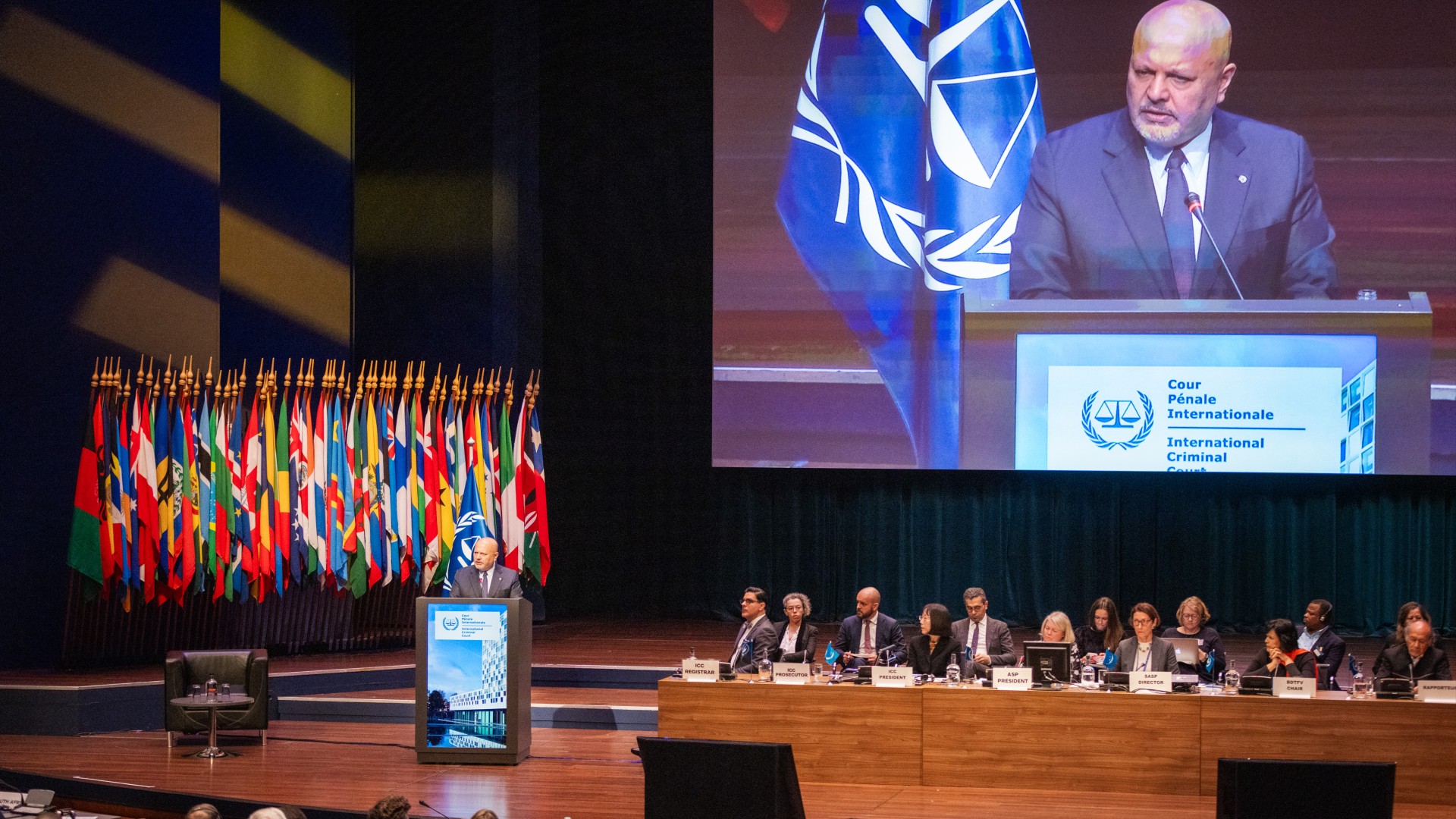
    The International Criminal Court faces mounting institutional uncertainty as its Assembly of States Parties convenes in The Hague amid prolonged delays in an externally-managed investigation into Chief Prosecutor Karim Khan over alleged sexual misconduct claims. The unprecedented outsourcing of this probe to the UN’s Office of Internal Oversight Services (OIOS) has created legal ambiguities and operational paralysis within the world’s permanent war crimes tribunal.

    Khan, who vehemently denies the allegations, has been on leave since May pending the investigation’s outcome, leaving deputy prosecutors to manage the Office’s docket. The ASP Bureau initially anticipated the OIOS report by October’s end, but complete silence from both the ASP and UN investigators has left the court in operational limbo with no updated timeline provided.

    This leadership vacuum coincides with unprecedented external pressures on the ICC, particularly from the United States. The Trump administration imposed financial and visa sanctions against Khan, his deputies, and six judges in response to the court’s investigation into alleged Israeli war crimes in Gaza. These sanctions have reportedly caused significant case delays, including shelved arrest warrant applications for two Israeli ministers regarding apartheid charges.

    Legal experts describe the situation as “uncharted territory” with profound implications for international justice. The decision to bypass the ICC’s own Independent Oversight Mechanism (IOM)—the body expressly mandated for such investigations—has raised serious procedural concerns. Although ASP President Paivi Kaukoranta cited “particular circumstances” and perception issues for outsourcing, no legal basis for this decision has been publicly provided, contradicting Article 46 of the Rome Statute and Rule 26 of the ICC’s Rules of Procedure.

    The lack of transparency extends to the judicial panel that will eventually review OIOS findings. Their identities, terms of reference, and working methods remain confidential, with only vague assurances about geographical and gender representation. This opacity has drawn criticism from human rights organizations and legal scholars alike, who note the apparent contradiction between the court’s mandate for judicial transparency and its handling of this internal matter.

    With multiple investigations—including those concerning Palestine, Ukraine, Darfur, Libya, DRC, and the Philippines—potentially affected by the leadership uncertainty, observers warn that the court’s ability to fulfill its mandate is increasingly compromised. The ongoing crisis highlights the fragile intersection of international justice, geopolitical pressures, and institutional governance at the world’s foremost permanent war crimes tribunal.

  • Hong Kong comes together to help fire victims

    Hong Kong comes together to help fire victims

    China Daily Information Co (CDIC) has reinforced its stringent copyright protection measures for all content published across its digital platforms. The company’s comprehensive policy explicitly prohibits the unauthorized republication or utilization of any materials—including textual content, photographs, and multimedia information—without obtaining prior written authorization from CDIC.

    The policy notice further specifies technical recommendations for optimal user experience, suggesting browsers with 1024*768 resolution or higher for best viewing performance. This technical guidance underscores CDIC’s commitment to maintaining both content integrity and quality user engagement.

    Additionally, the publication has disclosed its official multimedia publishing license (0108263) and registration number (130349), demonstrating full compliance with China’s digital media regulations. These credentials validate CDIC’s operational legitimacy and commitment to lawful information dissemination practices.

    The notice concludes with references to corporate information channels including advertising opportunities, contact details, employment provisions (including expatriate positions), and social media connectivity options. This comprehensive approach reflects CDIC’s multifaceted strategy toward content protection, user experience optimization, and transparent corporate communication.

  • UAE weather tomorrow: Partly cloudy day ahead, chance of rainfall

    UAE weather tomorrow: Partly cloudy day ahead, chance of rainfall

    The UAE is set to experience a partly cloudy day tomorrow, with intermittent cloud cover expected over coastal, northern, and eastern regions, according to the National Centre of Meteorology. There is also a possibility of rainfall in these areas. Temperatures across the country will vary significantly, with highs reaching up to 31ºC and lows dropping to 7ºC in internal regions. In Abu Dhabi, temperatures will range between 19ºC and 29ºC, while Dubai will see temperatures between 20ºC and 29ºC. Humidity levels will rise by night and into Saturday morning, ranging from 30% to 85% in Abu Dhabi and 30% to 80% in Dubai. Winds will be light to moderate, shifting from Southeasterly to Northwesterly, with speeds of 10–25 kmph, occasionally reaching 35 kmph. Sea conditions will remain slight to moderate in the Arabian Gulf and slight in the Oman Sea.

  • British soldiers trained in Israel during Gaza genocide

    British soldiers trained in Israel during Gaza genocide

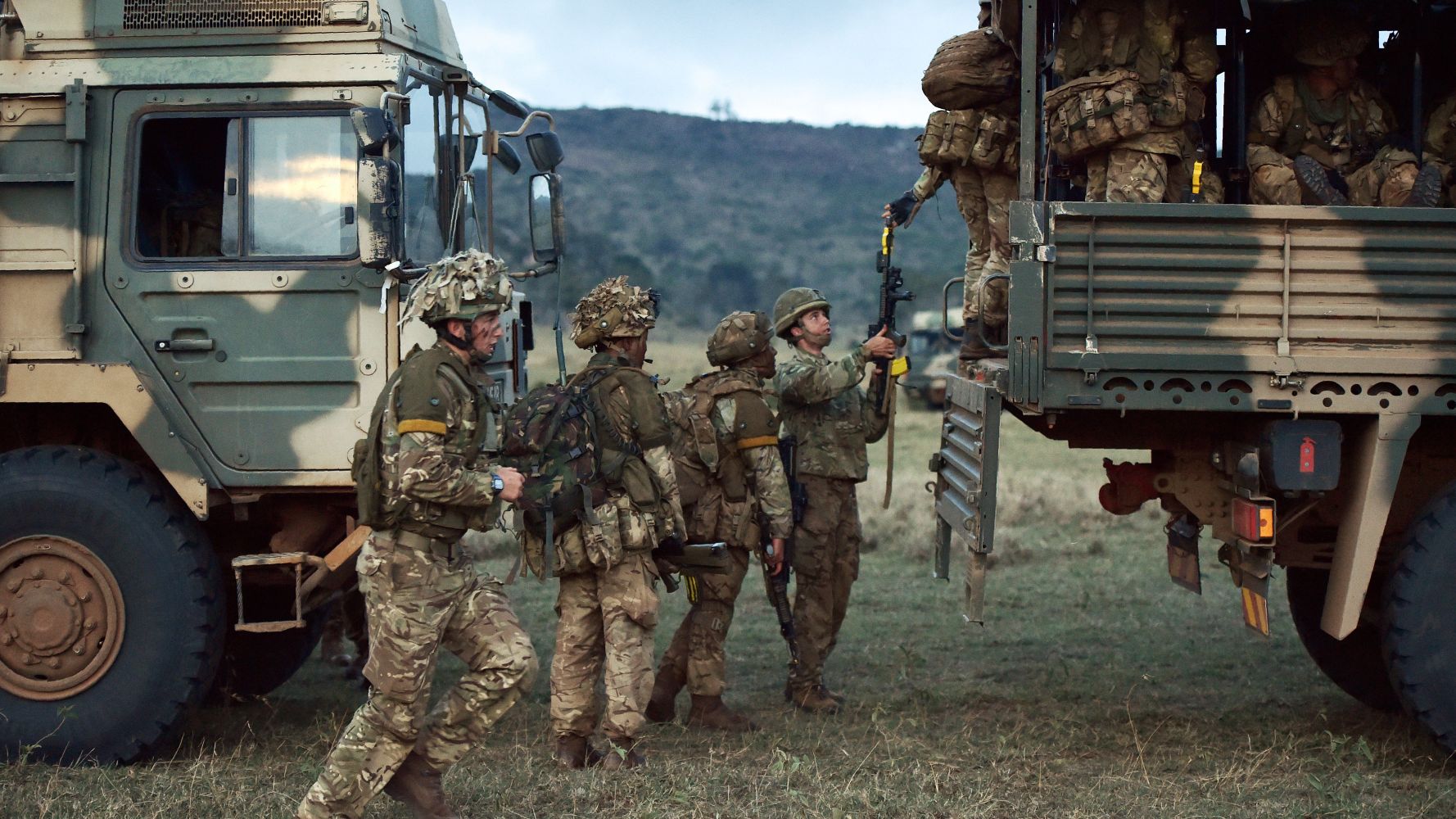
    The British government has formally acknowledged that members of its armed forces received training in Israel during the ongoing military operations in Gaza that commenced in October 2023. This revelation came through an official statement from Parliamentary Under-Secretary for Veterans Al Carns, who disclosed that “fewer than five British Armed Forces personnel have studied on educational staff courses in Israel since October 2023.

    This admission represents the first official confirmation of UK military presence within Israeli military academies following the October 7th attack by Hamas-led fighters on southern Israel. The disclosure emerges against a backdrop of serious international legal challenges facing Israel, including the International Court of Justice’s finding of a “plausible” case for genocide in Gaza and the International Criminal Court’s issuance of arrest warrants against Israeli Prime Minister Benjamin Netanyahu and former Defense Minister Yoav Gallant for alleged war crimes and crimes against humanity.

    The training revelation has drawn sharp criticism from military experts and politicians alike. Retired British General Charlie Herbert characterized the disclosure as “absolutely extraordinary,” stating that “all such exchanges should have immediately ceased given the credible allegations of war crimes against the political and military leadership of the IDF.” He further expressed concern that this association “does our armed forces a huge disservice” and “adds to the accusations of UK complicity in this genocide.”

    According to a study by Germany’s Max Planck Institute for Demographic Research, the conflict has likely resulted in at least 100,000 Palestinian fatalities. Despite growing criticism of Israel’s conduct in Gaza, the UK maintains its staunch alliance with Israel, continuing both military and commercial collaboration.

    This ongoing partnership includes significant arms contracts, with the British arm of Israeli weapons manufacturer Elbit Systems reportedly close to securing a £2 billion contract to become a “strategic partner” of Britain’s Ministry of Defence. The agreement would position Israel’s largest arms manufacturer to train approximately 60,000 British soldiers annually. Elbit Systems provides approximately 85% of Israel’s drones and land-based military equipment, playing a major role in supplying weaponry used in Gaza.

    In September 2024, the British government suspended 30 of 350 arms export licenses to Israel following a review that identified a clear risk of British-made weapons being used in violation of international humanitarian law. Notably, licenses for components for F-35 fighter jets, which are actively deployed in Gaza, were exempted from this embargo.