博客

  • Flu positivity hits 51% in China as school clusters rise

    Flu positivity hits 51% in China as school clusters rise

    China is confronting a significant escalation in influenza activity, with health authorities reporting that the nation has entered a high-transmission period for respiratory illnesses. Recent epidemiological data reveals an alarming surge in cases, particularly within educational institutions.

    According to the latest surveillance report from the Chinese Center for Disease Control and Prevention (China CDC), influenza positivity rates have reached concerning levels. For the week commencing November 24, 2025, testing confirmed that 51.1% of outpatient visits for influenza-like illnesses were positive for flu viruses, marking a substantial increase from the previous week’s rate of 44.8%.

    The epidemic pattern shows distinct demographic concentration, with children aged five to fourteen demonstrating markedly higher infection rates compared to other age groups. Multiple infection clusters have been identified within school environments, creating particular concern among public health officials.

    While influenza dominates the current respiratory disease landscape, other pathogens continue to circulate. Respiratory syncytial virus (RSV) maintains a positivity rate of 3.5%, with rhinovirus following at 5.3%. Both viruses show declining trends but remain at notable levels of community transmission.

    In response to the escalating situation, health authorities have issued enhanced guidance for high-risk environments. The China CDC recommends intensified health monitoring in schools, nursery facilities, and elderly care homes. Emphasis has been placed on early detection and rapid management of infection clusters to prevent further spread.

    The public has been advised to implement personal protective measures, including mask-wearing in crowded settings, enhanced hand hygiene, and seeking medical attention when experiencing respiratory symptoms. Health officials emphasize that these measures are particularly crucial during the current peak transmission season for respiratory infectious diseases.

  • Trump’s security strategy slams European allies and asserts US power in Western Hemisphere

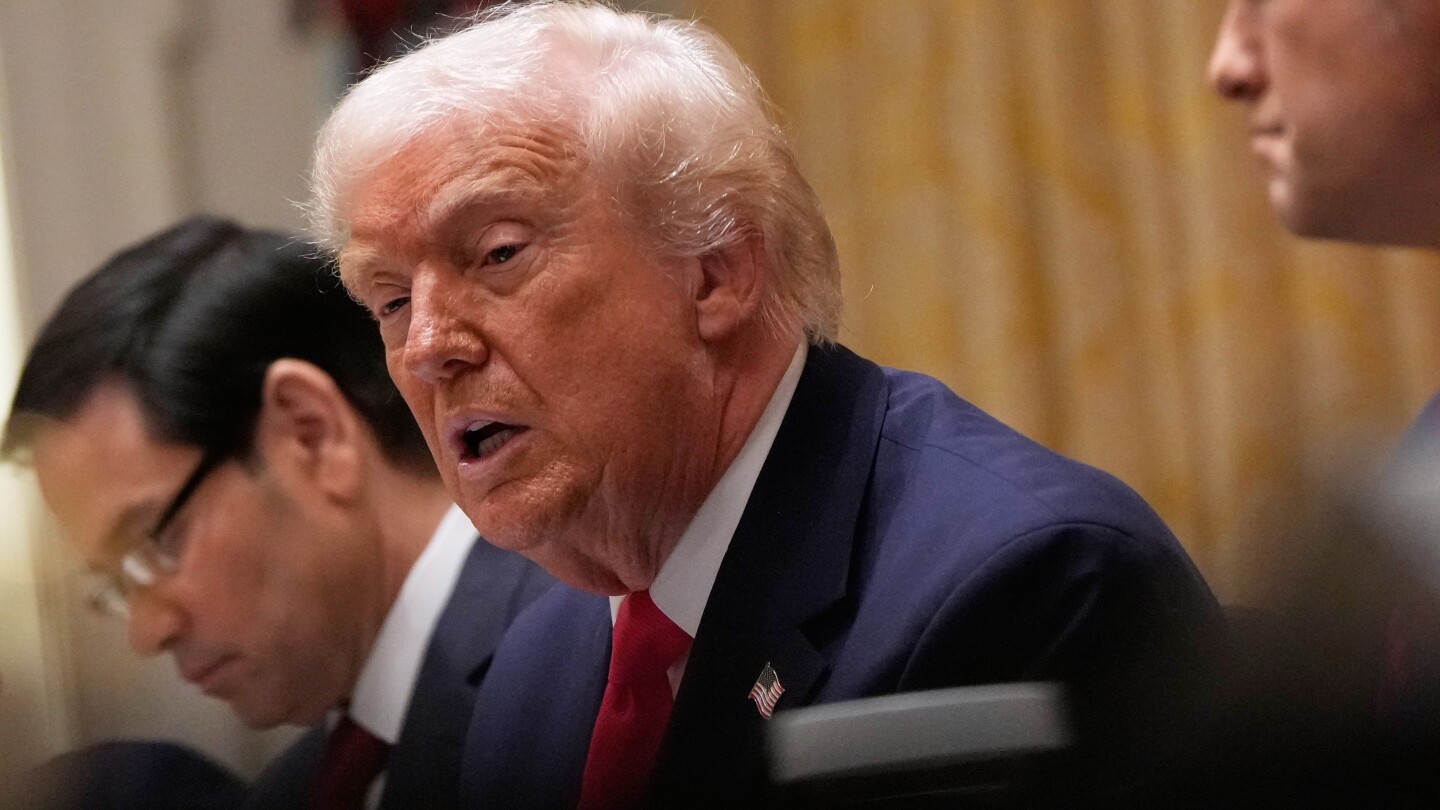
    Trump’s security strategy slams European allies and asserts US power in Western Hemisphere

    The Trump administration has formally released its National Security Strategy, presenting a stark departure from previous foreign policy approaches by directly criticizing long-standing European allies while advocating for reinforced American dominance in the Western Hemisphere. The document, mandated by law and published Friday, characterizes European nations as facing potential “civilizational erasure” due to their immigration policies, declining birth rates, and restrictions on free speech.

    This strategic framework solidifies President Trump’s ‘America First’ doctrine, emphasizing non-interventionist foreign policy, reassessment of traditional alliances, and the unequivocal prioritization of American interests. The administration questions the long-term reliability of European partners, suggesting their current trajectory may render them unrecognizable within two decades and potentially incapable of maintaining robust economies or military capabilities.

    Despite its non-interventionist rhetoric, the strategy simultaneously outlines an expanded military approach in the Western Hemisphere, referencing a ‘Trump Corollary’ to the Monroe Doctrine. This includes targeted deployments and potential use of lethal force against cartels, alongside military strikes already conducted against alleged drug traffickers in Caribbean and Pacific waters.

    The document further acknowledges the administration’s intent to broker an end to the Russia-Ukraine conflict, identifying resolution of the nearly four-year war as vital to reestablishing strategic stability with Russia. This positioning marks a significant shift from the previous administration’s approach to Moscow, which treated Russia as a global pariah following its aggressive actions in Ukraine.

  • IndiGo cancels 225 flights Friday morning; Delhi Airport issues travel advisory

    IndiGo cancels 225 flights Friday morning; Delhi Airport issues travel advisory

    India’s aviation sector faced significant disruption on Friday, December 5, 2025, as budget carrier IndiGo cancelled 225 flights from Delhi’s primary airport hub. The widespread cancellations, affecting both arrivals and departures, created substantial travel chaos for thousands of passengers during the morning operational window.

    Delhi International Airport promptly issued an official travel advisory through social media platform X, alerting travelers to ongoing operational challenges impacting domestic services. The airport authority strongly recommended that passengers verify their flight status directly with airlines before departing for the airport to avoid unnecessary congestion.

    Despite the domestic turmoil, aviation experts confirmed minimal impact on international routes to destinations including the UAE. Mohammed Safeer, General Manager of Smart Travels, clarified following direct communication with IndiGo that “none of the international flights have been impacted” and that scheduled international services would continue uninterrupted.

    The crisis follows emergency discussions between IndiGo’s senior leadership and India’s Directorate General of Civil Aviation (DGCA) on Thursday. The airline has formally requested temporary operational exemptions from specific Flight Duty Time Limitations (FDTL) provisions for its A320 fleet until February 10, 2026. The DGCA stated that IndiGo has committed to implementing corrective measures to restore normalized operations by this deadline.

    Current cancellation rates have surged to approximately 170-200 flights daily, markedly exceeding the airline’s typical operational disruption levels. Airport authorities have deployed dedicated ground teams working collaboratively with airline partners to mitigate passenger inconvenience and maintain safety standards throughout the operational challenge.

  • The Center for Islamic Civilization in Uzbekistan: A new cultural and educational code for the world

    The Center for Islamic Civilization in Uzbekistan: A new cultural and educational code for the world

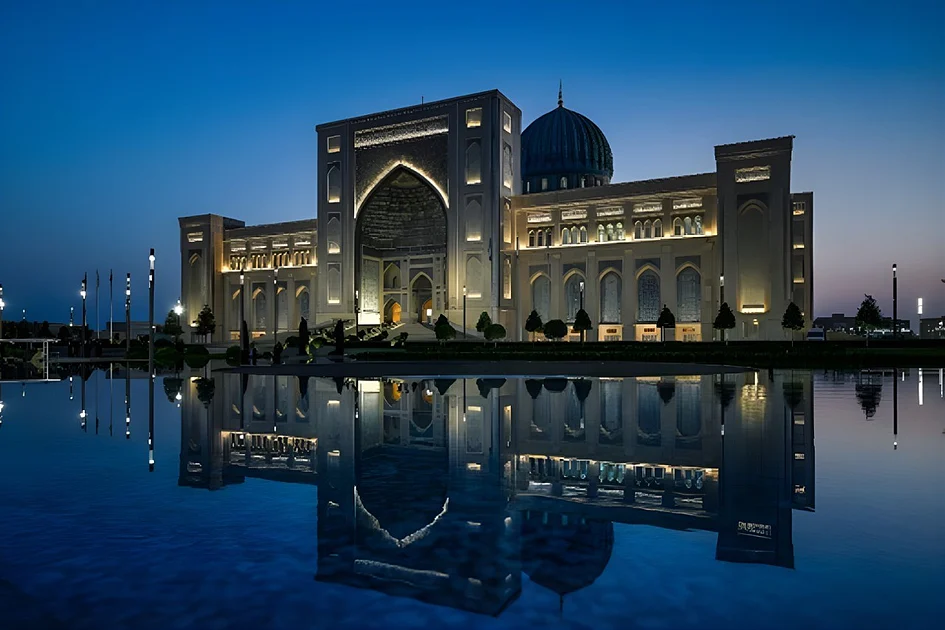
    TASHKENT – In a landmark achievement for cultural diplomacy, Uzbekistan has unveiled the Center for Islamic Civilization, positioning itself as a global nexus for intercultural dialogue and heritage preservation. The monumental complex, situated in Tashkent’s historic Hast-Imam district, represents the culmination of an eight-year vision first articulated by President Shavkat Mirziyoyev at the United Nations.

    The architectural marvel features a 65-meter dome and four symbolic portals representing regional unity. At its heart lies the Hall of the Holy Qur’an, safeguarding the UNESCO-inscribed 7th-century Mushaf of Uthman manuscript. Beyond its museum function, the center operates as a dynamic intellectual ecosystem housing a 200,000-volume library, calligraphy school, restoration laboratories, and craft workshops.

    UNESCO Director-General Khaled El-Anany, during his November visit, praised the institution as “a true testament to cultural diversity, tolerance, and openness” that should “become a light for the entire world.”

    The center’s mission extends beyond preservation to active heritage reclamation. Through coordinated efforts with auction houses and private collectors, over 1,000 cultural artifacts have been repatriated to Uzbekistan. The World Society (WOSCU) contributed approximately one thousand manuscripts and artifacts from across the Islamic world.

    Dr. Firdavs Abdukhalikov, director of the center, emphasized its transformative potential: “Everything that for centuries was scattered across history is being gathered into a single whole. These spiritual heights acquire new unity, transforming into a space of memory, enlightenment, and future.”

    The institution serves as both research hub and diplomatic space, hosting offices for UNESCO, ICESCO, and IRCICA alongside a 460-seat conference hall. With over 800 research projects involving 1,500 specialists from 40 countries, the center aims to reshape global understanding of Islamic heritage as a civilization of knowledge, peace, and enlightenment.

  • British Orchard Nursery expands with 15th government-linked branch

    British Orchard Nursery expands with 15th government-linked branch

    Dubai’s premier early childhood institution, British Orchard Nursery (BON), has marked a significant expansion milestone with the inauguration of its newest facility within the Ports, Customs and Free Zone Corporation (PCFC) headquarters. This opening represents the nursery chain’s 15th establishment within a UAE government entity and its 37th branch nationwide, reinforcing its position as the Emirates’ most decorated early education provider.

    The timing of this launch carries profound national significance, coinciding with both the UAE’s 54th National Day celebrations and the official designation of 2025 as the ‘Year of the Community’. This dual alignment underscores the nursery’s commitment to fostering social cohesion, familial support structures, and collaborative community development—cornerstones of the nation’s current strategic vision.

    The inauguration ceremony witnessed the presence of distinguished leadership including Sultan Ahmed bin Sulayem (PCFC Chairman), Nasser Al Neyadi (PCFC CEO), and Dr. Vandana Gandhi (BON Founder and CEO), alongside various departmental leaders. This high-level participation highlighted the institutional importance placed on early childhood development within government work environments.

    Dr. Gandhi emphasized the strategic significance of this expansion, noting its synchronization with nationwide educational quality enhancements. “Across the Emirates, regulatory bodies including KHDA, ADEK, and SPEA are implementing strengthened frameworks that prioritize educational excellence, transparency, and cultural preservation,” she stated. “Our BONQ inspection model, ISO-certified safety protocols, and EFQM-driven improvement culture directly align with these national objectives as we enter our twentieth operational year.”

    The new PCFC facility embodies contemporary pedagogical approaches centered on project-based, child-initiated learning experiences. Designed to stimulate curiosity and build emotional security, the nursery features open-ended resources, responsive learning environments, and culturally rich developmental spaces. This educational philosophy supports the UAE’s dual objectives of international benchmarking and cultural rootedness in early years’ education.

    Beyond educational services, this expansion represents a strategic partnership model between government entities and private providers. BON currently serves over fifteen government agencies, demonstrating how institutional collaboration can advance workforce support systems and sustainable, family-oriented workplace cultures. The PCFC branch specifically enhances work-life balance for government employees while extending quality early childhood services to broader community networks.

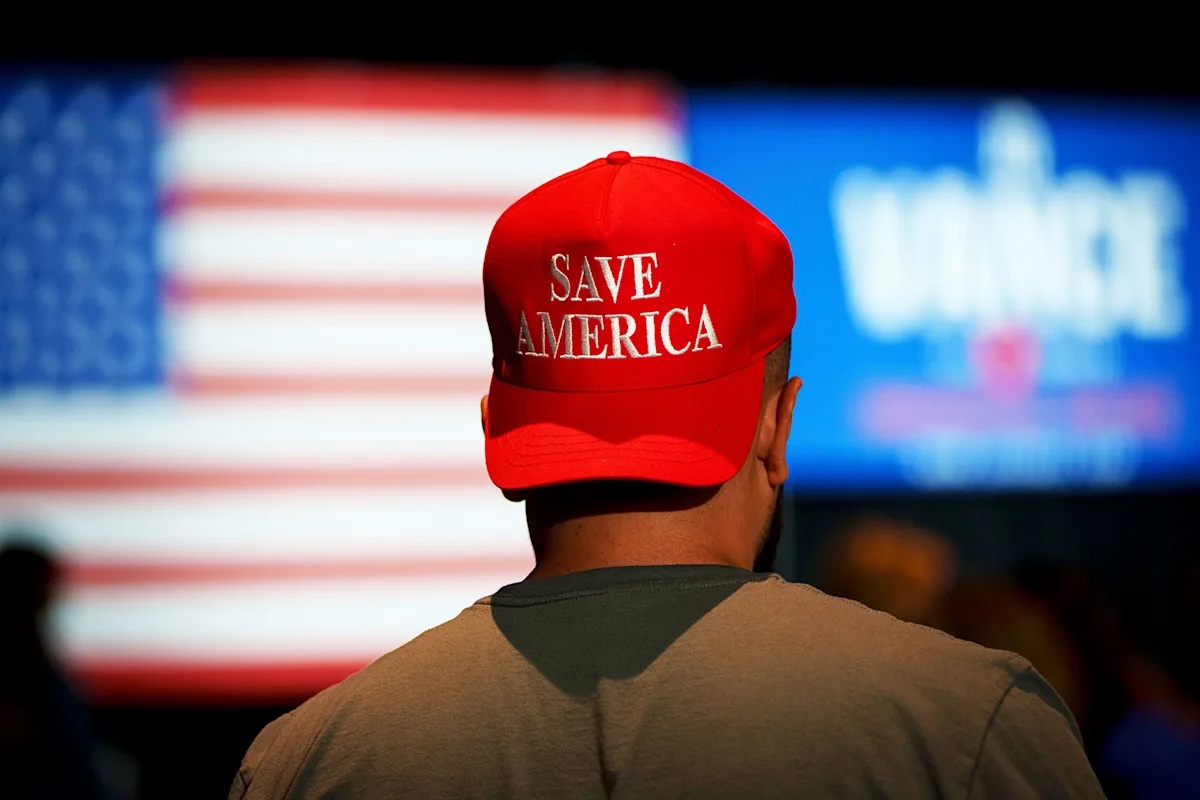
  • Why MAGA needs you to hate one group or another

    Why MAGA needs you to hate one group or another

    A profound ideological transformation has reshaped American political discourse regarding race and immigration. Throughout the 2010s, conservative voices increasingly embraced Martin Luther King Jr.’s vision of a colorblind society, particularly his famous aspiration that individuals “not be judged by the color of their skin but by the content of their character.” This marked a significant departure from historical patterns, where progressive advocates had traditionally championed King’s message.

    The landscape shifted as progressive movements increasingly rejected colorblindness as an adequate solution to systemic racial disparities. Instead, they advocated for race-conscious policies addressing income, wealth, and incarceration gaps through initiatives like Diversity, Equity, and Inclusion (DEI) programs. This approach manifested across American business, government, academia, and media spaces.

    Recently, however, a dramatic reversal has occurred within right-wing circles. Prominent MAGA figures including Donald Trump and former Homeland Security Advisor Stephen Miller have openly embraced racial collectivism—judging individuals based on their ethnic or national groups rather than personal character. This philosophy echoes early 20th-century immigration restrictionists who argued against admitting immigrants from “beaten races” and “underdeveloped nations.

    The current manifestation emerged through statements condemning entire ethnic groups based on individual actions or conditions in their countries of origin. Trump’s comments about Somali immigrants and Miller’s dismissal of individualism in favor of group-based assessment represent a fundamental philosophical shift from their previous embrace of King’s ideals.

    Historical parallels exist in the immigration debates of the late 19th and early 20th centuries, when restrictionists similarly argued that immigrants from Southern and Eastern Europe would degrade American society due to their countries’ relative underdevelopment.

    Empirical evidence contradicts the racial collectivist worldview. Indian immigrants, despite coming from a country with lower GDP per capita than El Salvador, have become one of America’s most successful demographic groups by household income, education levels, and entrepreneurial achievement. Similarly, El Paso—with its predominantly Mexican-American population—maintains dramatically lower violence rates than neighboring Juarez, demonstrating how American institutions transform outcomes regardless of ethnic composition.

    The MAGA movement’s emphasis on immigration restriction appears driven by this collectivist worldview rather than individual assessment. Recent attempts to portray immigrant groups negatively, such as false claims about Haitian immigrants in Ohio or highlighting welfare fraud among some Somalis in Minnesota, suggest strategic efforts to shift public discourse toward group-based judgment.

    This philosophical conflict ultimately represents a battle for America’s fundamental identity: whether the nation will maintain its traditional individualistic ethos or transition toward what historian John Higham termed “racism”—judging people according to collective racial accomplishments rather than individual merit.

    Recent polling indicates most Americans still support immigration and individual assessment principles, suggesting the collectivist approach may face significant public resistance despite its growing prominence in political rhetoric.

  • German parliament approves pension package after a rebellion in Merz’s party

    German parliament approves pension package after a rebellion in Merz’s party

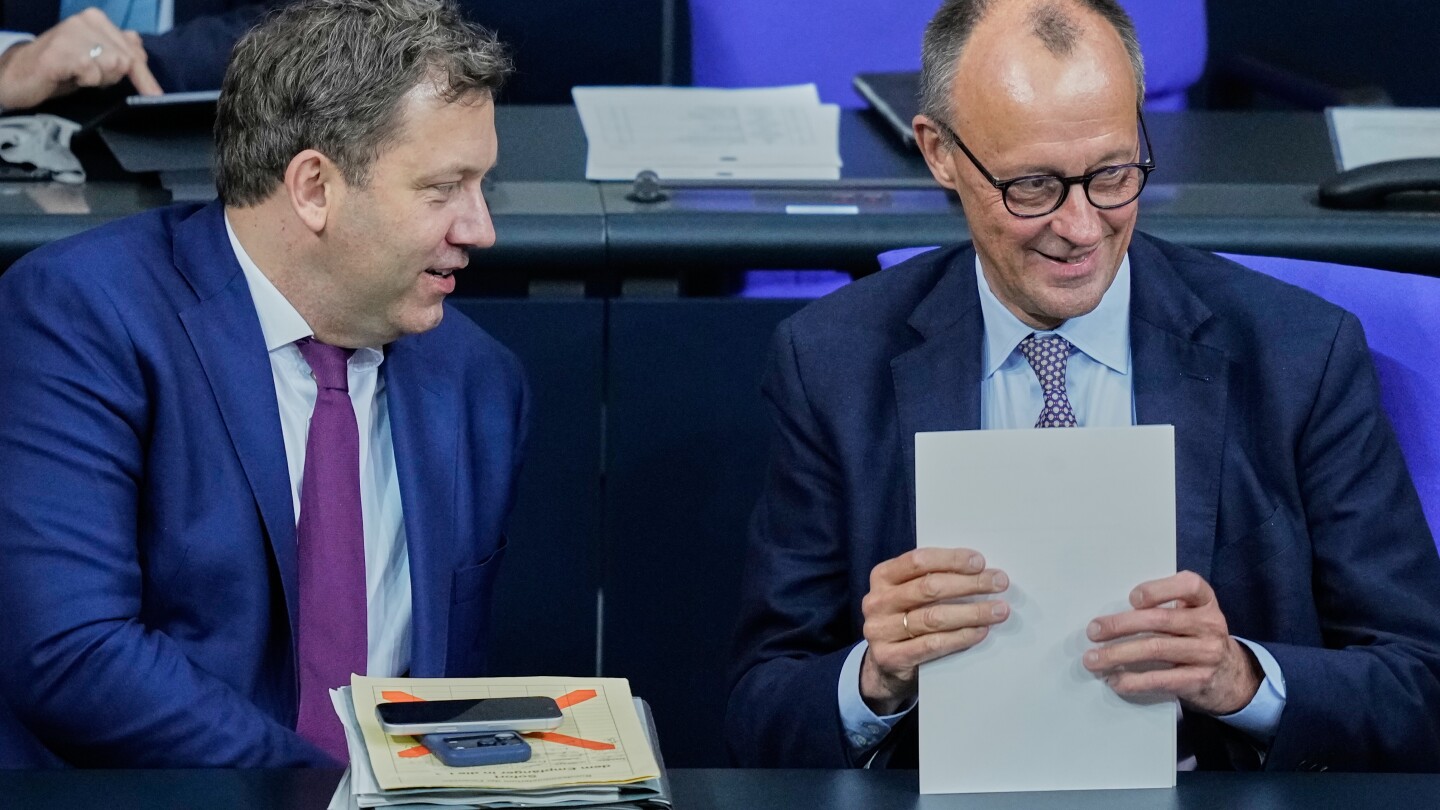
    BERLIN — Germany’s legislative body has formally endorsed a comprehensive pension reform package following weeks of internal dissent within Chancellor Friedrich Merz’s governing coalition. The legislation passed with 319 votes in favor, 225 against, and 53 abstentions in the Bundestag’s lower house on Friday.

    The approved measures include a landmark provision that will maintain state pension levels at 48% of average wages until 2031, addressing immediate concerns about retirement security. The reform package also incorporates tax incentives designed to facilitate continued employment for retirees, a concession to Merz’s conservative bloc.

    Significant opposition emerged from 18 young legislators within Merz’s center-right Union alliance, who expressed concerns about post-2031 provisions that would establish slightly higher pension levels than current law mandates. These dissenters projected potential annual costs reaching €15 billion ($17.5 billion), arguing that this financial burden would disproportionately affect younger generations.

    Coalition leaders have attempted to mollify critics by emphasizing that an independent commission will deliver proposals for more extensive pension system reforms by mid-2026. This initiative responds to Germany’s demographic challenges, particularly its aging population trend that mirrors patterns seen across many developed nations.

    The parliamentary victory comes during a politically turbulent period for Merz’s administration, which has faced multiple governance challenges since assuming power seven months ago. The chancellor has publicly acknowledged excessive public disagreements within his coalition government, which has prioritized economic revitalization and migration reduction since taking office.

  • Dubai: Man jailed, fined Dh100,000 for using bank account for drug trafficking

    Dubai: Man jailed, fined Dh100,000 for using bank account for drug trafficking

    In a decisive ruling that underscores the United Arab Emirates’ intensified campaign against narcotics-related financial crimes, a Dubai court has delivered a comprehensive verdict against an Asian national convicted of facilitating drug trafficking through his banking services. The defendant received a three-year prison sentence coupled with a substantial fine of Dh100,000, followed by mandatory deportation upon completion of his incarceration.

    The judicial authorities further mandated the complete confiscation of all funds within the defendant’s bank account and instituted a stringent two-year prohibition preventing him from processing monetary transfers or deposits for third parties, whether directly or through intermediary channels. This financial restriction requires explicit prior authorization from the UAE Central Bank, coordinated with the Ministry of Interior, before any future transactional activities can be conducted.

    The case originated from actionable intelligence received by Dubai’s General Department of Anti-Narcotics, indicating that four Asian men were actively engaged in drug consumption and storage at a Bur Dubai residence. Executing a prosecution-sanctioned raid, law enforcement officials uncovered heroin packets, precision weighing scales, and drug distribution paraphernalia within the property. Subsequent searches revealed additional narcotics quantities concealed inside a vehicle belonging to one of the suspects.

    During criminal investigations, one suspect admitted procuring narcotics from an Asian supplier, while another confessed that proceeds from drug sales were channeled through a UAE bank account. Financial records ultimately identified the defendant as the account holder. Despite maintaining that he merely lent his bank card to assist an acquaintance without knowledge of its illicit use, the court rejected his defense, establishing his responsibility for managing drug-related proceeds.

    This verdict represents the UAE’s strengthened judicial approach toward combating narcotics networks, particularly targeting the financial infrastructure that enables drug trafficking operations. The ruling serves as a stark warning about the severe consequences awaiting those who facilitate criminal activities, even through indirect financial assistance.

  • Non-capital function relocation fuels Xiong’an’s rapid growth

    Non-capital function relocation fuels Xiong’an’s rapid growth

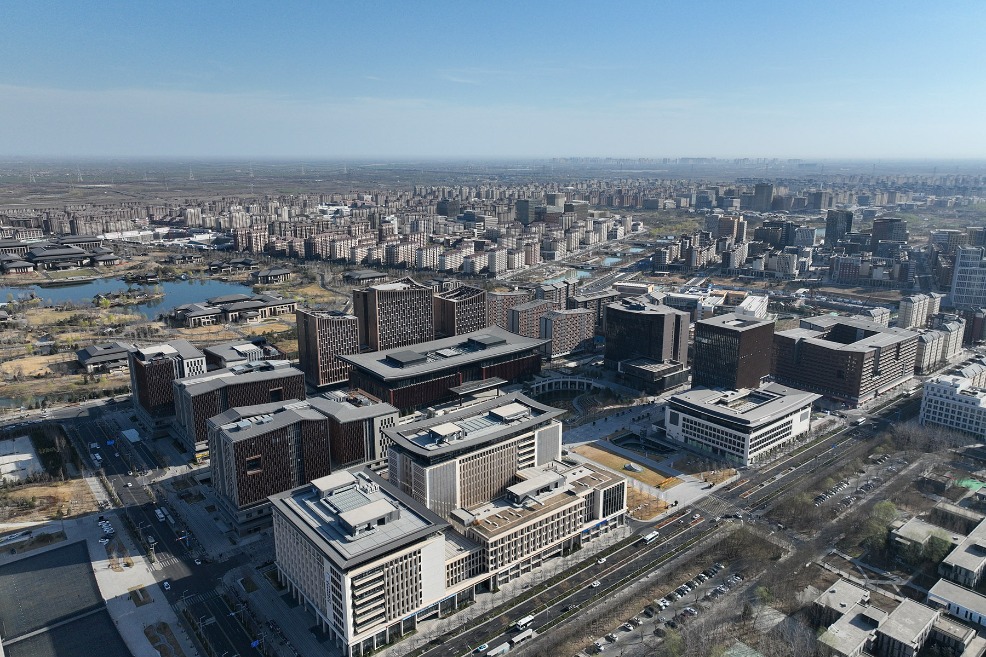
    Xiong’an New Area in Hebei Province has demonstrated remarkable economic transformation during China’s 14th Five-Year Plan period (2021-2025), establishing itself as the primary destination for Beijing’s non-capital function relocation initiative. This strategic decentralization drive has propelled the area into a phase of extensive development and quality growth, according to officials at a recent press conference.

    The statistics reveal an extraordinary economic performance, with Xiong’an achieving an average annual GDP growth rate of 17.1% over the past five years. This expansion has been supported by consistent annual investment approximating 200 billion yuan ($28 billion), accumulating to over one trillion yuan in total capital infusion, as reported by Wang Yanwei, director of Xiong’an’s Reform and Development Bureau.

    The relocation program has attracted major state-owned enterprises, with China Satellite Network Group, Sinochem Holdings, and China Huaneng Group having officially transferred their headquarters to the new area. Concurrently, construction is progressing rapidly on multiple fronts, including China Mineral Resources Group’s headquarters facility, along with four universities and two medical institutions in the initial relocation cohort.

    A subsequent wave of development is already underway, featuring the commencement of China Datang Corporation’s headquarters construction and finalized location agreements with additional enterprises and institutions, comprising three hospitals and five universities. This concentrated migration has generated powerful industrial clusters, with more than 400 subsidiaries and innovative business segments of central enterprises now established within Xiong’an.

    The area is rapidly evolving into a concentrated zone for higher education, elite talent, advanced medical resources, and state-owned enterprise innovation. This transformation is bolstered by substantial infrastructure advancements, including the nearing completion of critical transportation corridors such as the east-west axis railway and the Jingxiong Express Line connecting to Beijing Daxing International Airport.

    Public service capabilities have been systematically enhanced through the completion and operationalization of cultural and sports facilities, including the Xiong’an Sports Center and Xiong’an Library. Looking toward the 15th Five-Year Plan period (2026-2030), authorities plan to maintain focus on the relocation strategy to drive industrial innovation, technological advancement, and further talent aggregation, aiming for decisive progress in establishing a high-standard modern urban center.

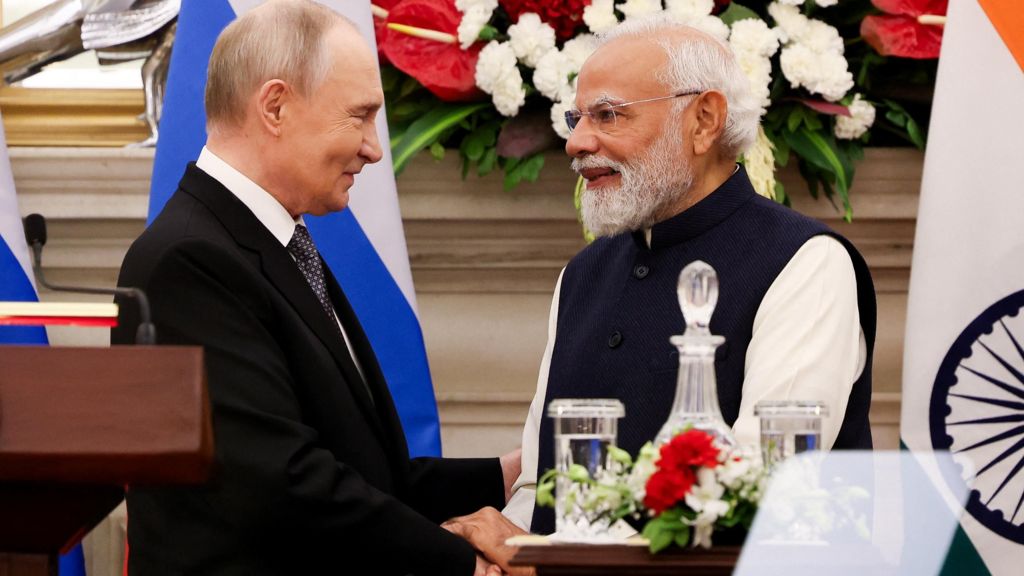
  • Putin says Russia ready to supply ‘uninterrupted’ fuel to India

    Putin says Russia ready to supply ‘uninterrupted’ fuel to India

    During a high-profile meeting in Delhi, Russian President Vladimir Putin assured India of Moscow’s commitment to providing “uninterrupted shipments” of fuel, directly challenging U.S. pressure on New Delhi to cease purchasing Russian oil. The bilateral talks between Putin and Indian Prime Minister Narendra Modi highlighted growing geopolitical tensions as the United States imposes significant tariffs on Indian products in response to India’s continued energy trade with Russia.

    Putin pointedly questioned the logic behind U.S. sanctions, noting that America itself continues to purchase nuclear fuel from Russia. “The United States itself still buys nuclear fuel from us for its own nuclear power plants. If the US has the right to buy our fuel, why shouldn’t India have the same privilege?” he asked during an interview with India Today.

    The meeting occurred against the backdrop of deteriorating India-U.S. relations, which have reached an all-time low due to unresolved tariff disputes. The U.S. has imposed 50% tariffs on most Indian products, citing India’s oil purchases as indirectly funding Russia’s war in Ukraine—an accusation India firmly denies.

    While addressing the Ukraine conflict, Putin presented an ultimatum: “Either we liberate these territories by force, or Ukrainian troops will leave these territories.” Meanwhile, Modi reiterated India’s position of supporting peace and seeking a lasting solution to the conflict, without explicitly endorsing either side.

    The leaders announced several bilateral agreements, including new visa schemes for Russian tourists, the opening of Indian consulates in Russia, and the launch of Russia Today in India. They also signed memorandums covering trade, agriculture, shipbuilding, civil nuclear energy, and critical minerals. Notably, both countries agreed on an economic program extending through 2030, with ambitions to increase bilateral trade from $60 billion to $100 billion.

    Energy security emerged as a cornerstone of the partnership, though Modi avoided specific mention of oil. India, the world’s third-largest crude consumer, has significantly increased Russian oil imports since 2022 but recently begun reducing them to comply with U.S. sanctions.

    The joint statement emphasized a strategic reorientation toward joint research, development, and production of advanced defense platforms. Both leaders also highlighted their cooperation within BRICS, positioning the alliance as promoting a “more just” and “multi-polar” world order.