博客

  • 2 workers trapped in S. Korean construction site collapse

    2 workers trapped in S. Korean construction site collapse

    Emergency response teams in Gwangju, South Korea, are conducting urgent rescue operations following the collapse of a steel structure at a library construction site on Thursday afternoon. The incident occurred at approximately 1:58 PM local time (0458 GMT) in the city located 270 kilometers south of Seoul.

    According to reports from Yonhap News Agency, two construction workers remain trapped beneath the collapsed framework. Fire and rescue authorities immediately deployed to the scene following the structural failure, though specific details regarding the workers’ conditions have not been disclosed.

    The collapse has raised immediate concerns about construction safety protocols at the developing site. Local officials have cordoned off the area while specialized teams work to stabilize the debris and extract the trapped individuals. The library project, part of the city’s urban development initiative, now faces scrutiny as investigators prepare to examine the causes behind the structural failure.

    This incident highlights ongoing challenges in construction safety within rapid development projects across South Korea. The response operation continues as rescue teams work against time to locate and extract the workers from the precarious situation.

  • EU pushes Ukraine membership bid forward despite Hungary’s objections

    EU pushes Ukraine membership bid forward despite Hungary’s objections

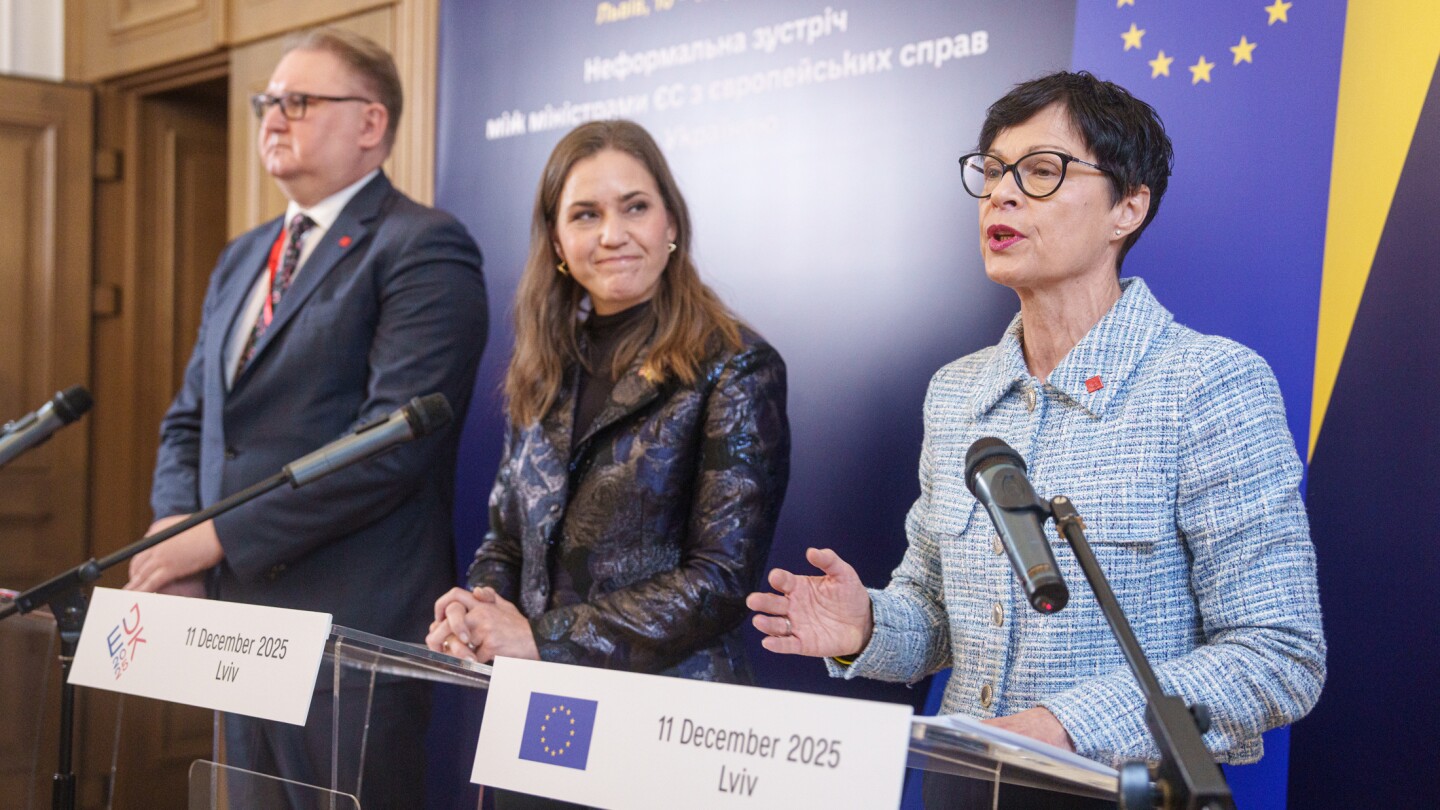
    In a significant move demonstrating continued support for Ukraine, the European Union presented Kyiv with a comprehensive reform roadmap during high-level talks in Lviv on Thursday. This development comes despite Hungary’s persistent objections to advancing Ukraine’s membership aspirations during ongoing hostilities.

    EU diplomats and officials, meeting in western Ukraine, established detailed requirements covering approximately half of the necessary reform clusters needed for accession. This approach allows substantive progress while formal negotiations remain stalled due to Budapest’s opposition. Hungarian Prime Minister Viktor Orbán maintains that accession talks should not proceed during wartime, citing concerns about Ukraine’s Hungarian minority and potential economic risks. Hungary notably abstained from sending representation to the Lviv meeting.

    Denmark’s European Affairs Minister Marie Bjerre emphasized the broader EU consensus, stating, ‘Twenty-six member countries envision Ukraine’s future within the EU. The question is not if, but when this will happen.’

    Cyprus, which joined the EU in 2004 as a divided nation, emerges as a potential model for Ukraine’s accession path. As Cyprus prepares to assume the EU’s rotating presidency in January, its officials have pledged to maintain momentum on Ukraine’s bid. Cypriot Deputy Minister for European Affairs Marilena Raouna commended Kyiv’s ‘extraordinary political will’ to implement crucial reforms despite Russia’s ongoing aggression.

    Ukraine’s reform requirements are organized into six comprehensive clusters, with Thursday’s agreement covering three critical areas: rule of law and democratic institutions, internal market regulations, and external relations. Ukrainian Deputy Prime Minister Taras Kachka acknowledged that recent corruption scandals have elevated judicial and anti-corruption reforms as immediate priorities, noting that implementation pace now rests primarily with Kyiv.

    Should Ukraine eventually join the EU, it would become the bloc’s largest member by land area, surpassing France. Its accession would significantly enhance the union’s agricultural capacity, energy security, and geopolitical influence while countering Russian dominance in the region. EU Enlargement Commissioner Marta Kos affirmed that providing Kyiv with a clear roadmap would accelerate transformative changes, asserting that ‘nobody can veto Ukraine from implementing these reforms’ or ultimately block its membership.

  • Austria bans headscarves in schools for under-14s

    Austria bans headscarves in schools for under-14s

    Austria’s parliament has approved landmark legislation prohibiting girls under age 14 from wearing traditional Muslim head coverings, including hijabs and burkas, in both public and private educational institutions. The controversial measure, backed by the center-right coalition government comprising the ÖVP, SPÖ, and Neos parties, takes effect following a phased implementation schedule beginning February 2026.

    Government representatives champion the legislation as a progressive step toward gender equality and female empowerment. Yannick Shetty, parliamentary leader of the liberal Neos party, emphasized that the ban aims to protect young girls from potential oppression rather than target religious practices. Approximately 12,000 children are estimated to be affected by the new regulations.

    Enforcement protocols establish a graduated response system: initial violations trigger mandatory discussions involving school authorities and legal guardians, while repeated non-compliance requires notification to child welfare agencies. The ultimate penalty involves fines up to €800 for families or guardians.

    This legislative action revisits previous legal battles—Austria’s Constitutional Court overturned a similar 2020 ban targeting girls under 10 for specifically singling out Muslim practices. The current government asserts it has crafted the law to withstand constitutional scrutiny, though officials acknowledge potential judicial challenges.

    The far-right Freedom Party (FPÖ) supported the ban while criticizing its limited scope, advocating for expanded prohibitions encompassing all students and school staff. Conversely, opposition Greens and Austria’s Islamic Community (IGGÖ) condemn the legislation as constitutionally questionable and socially divisive. The IGGÖ announced plans to evaluate the law’s constitutionality, citing the 2020 court precedent that found such bans violate equality principles and target religious minorities.

    The measure has ignited intense debate regarding religious freedom, integration policies, and state intervention in cultural practices, reflecting broader European tensions surrounding Islamic symbols in public spaces.

  • Thousands ready to evacuate as flooding hits Pacific Northwest

    Thousands ready to evacuate as flooding hits Pacific Northwest

    The Pacific Northwest faces unprecedented flooding crises as an atmospheric river system unleashes torrential rains across Washington, Oregon, and British Columbia. Meteorological experts warn of potentially record-breaking flood levels along the Skagit and Snohomish river basins, prompting large-scale evacuations on both sides of the US-Canada border.

    Washington Governor Bob Ferguson declared a statewide emergency Wednesday, estimating approximately 100,000 residents might require evacuation as rising waters threaten communities. Skagit County, a vital agricultural region north of Seattle, issued immediate evacuation mandates for floodplain residents. Robert Ezelle, Director of Washington’s Emergency Management Division, confirmed evacuation operations targeting 75,000 people from vulnerable low-lying areas.

    Transportation networks have suffered severe disruptions, with major highways to Vancouver closed due to flooding, debris flows, and elevated avalanche risks. The emergency declaration highlighted concerns about supply chain interruptions and transportation system impacts throughout the affected regions.

    In British Columbia, evacuation orders encompass Tulameen, Eastgate, and several additional communities. Abbotsford authorities directed emergency evacuations for 371 properties late Wednesday as waters continued rising.

    The atmospheric river phenomenon—where evaporated moisture forms skyborne currents resembling terrestrial rivers—has dumped exceptional rainfall across the bi-national region. While the most intense precipitation should diminish by Thursday afternoon, hydrological experts note that water will continue feeding into river systems for days.

    Meteorological models predict another storm system approaching Sunday, compounding an already critical situation where saturated ground and swollen waterways have created potentially catastrophic flooding conditions.

  • Kenyan court suspends ‘landmark’ US health aid deal over data privacy concerns

    Kenyan court suspends ‘landmark’ US health aid deal over data privacy concerns

    A Kenyan high court has issued an interim injunction suspending the implementation of a major $2.5 billion health assistance agreement between Kenya and the United States, citing serious data privacy concerns. The ruling comes in response to a legal challenge filed by consumer rights advocates who argue the pact could enable unauthorized transfer of sensitive medical information.

    The court’s decision specifically prohibits Kenyan authorities from taking any action to implement the agreement insofar as it facilitates “the transfer, sharing or dissemination of medical, epidemiological or sensitive personal health data.” This suspension will remain in effect until the case receives full judicial review, scheduled for February 12.

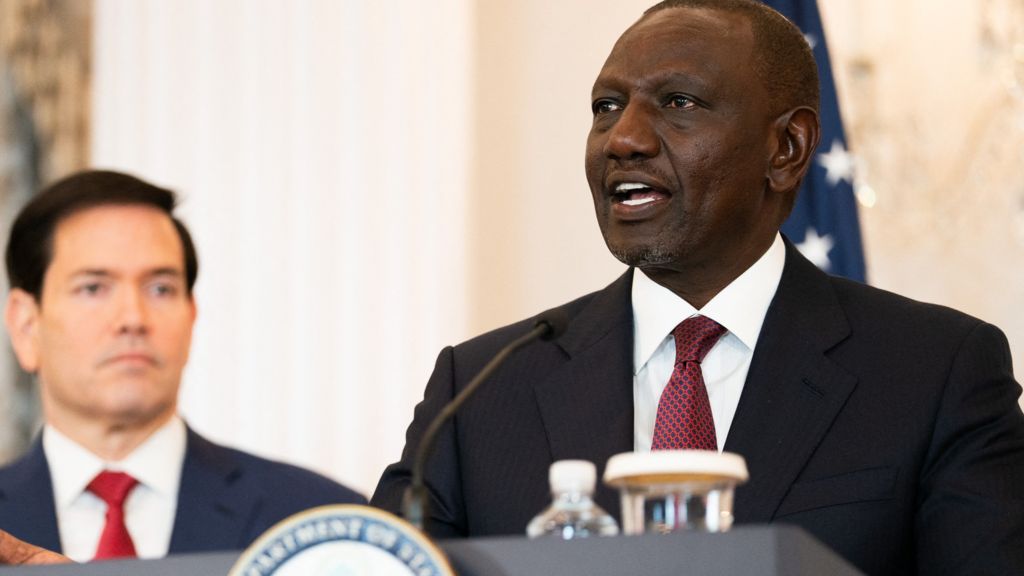
    The health agreement, hailed as “landmark” by US Secretary of State Marco Rubio during last week’s signing ceremony, represents a significant shift in American foreign aid strategy. The Trump administration has been pursuing direct government-to-government health partnerships across Africa, moving away from traditional aid agency channels. Under this new approach, recipient countries must increase their own health spending commitments. In the Kenya arrangement, the US pledged $1.7 billion while Kenya committed $850 million with plans to gradually assume greater financial responsibility.

    Despite government assurances, many Kenyans have expressed apprehension that the deal could grant US authorities access to highly personal medical records, including HIV status, tuberculosis treatment history, and vaccination data. The Consumer Federation of Kenya (Cofek), one of the petitioners, warned that external control over pharmaceuticals for emerging diseases and digital health infrastructure—including cloud storage of raw data—could compromise Kenya’s strategic control of its health systems.

    President William Ruto attempted to reassure citizens, stating that the attorney-general had meticulously reviewed the agreement to ensure Kenyan data protection laws would prevail. The US government has not publicly addressed the data privacy concerns raised by the court case. Similar health agreements have been signed with Rwanda, Lesotho, Liberia, and Uganda as part of the US global health strategy overhaul.

  • Bangladesh to hold national elections in February, the first since 2024 mass uprising

    Bangladesh to hold national elections in February, the first since 2024 mass uprising

    Bangladesh’s Chief Election Commissioner A.M.M. Nasir Uddin announced Thursday that the nation’s next general elections will take place on February 12, marking a pivotal moment in the country’s political landscape eighteen months after the ousting of former Prime Minister Sheikh Hasina. The electoral timetable was formally disclosed during a nationally televised address, revealing that citizens will simultaneously participate in a referendum concerning proposed political reforms while electing 300 parliamentary representatives.

    The electoral process will commence with nomination filings from December 12-29, followed by a six-day review period. January 20 has been designated as the final date for candidate withdrawals. This election represents the thirteenth national vote since Bangladesh achieved independence from Pakistan in 1971 following a bloody liberation war.

    The political environment remains deeply fractured since the massive protests of July-August 2024 that precipitated Hasina’s removal from power. The former leader, now residing in exile in India, received a death sentence in November from a Bangladeshi court for crimes against humanity related to the unrest. Since August 8, 2024, an interim government led by Nobel Peace Prize laureate Muhammad Yunus has governed the nation, implementing a ban on all activities of Hasina’s Awami League party that effectively excludes the former ruling party from electoral participation.

    Reactions to the election announcement have revealed stark political divisions. The Bangladesh Nationalist Party (BNP), along with Islamist party Jamaat-e-Islami and the newly formed National Citizen Party, welcomed the electoral timeline. BNP Secretary General Mirza Fakhrul Islam Alamgir characterized the announcement as ‘a day of joy,’ expressing confidence that the election commission and government were committed to implementing the people’s democratic rights.

    Conversely, Hasina’s Awami League condemned the election as illegitimate, asserting that excluding the party that led Bangladesh’s independence movement would plunge the nation into profound crisis. The interim government under Yunus congratulated the election commission, describing the upcoming vote as consolidating Bangladesh’s ‘new trajectory’ following last year’s historic uprising.

    International human rights organizations have raised concerns about Bangladesh’s democratic transition, with Human Rights Watch and Amnesty International questioning the rule of law under the interim government and the fairness of Hasina’s trial. The nation remains polarized as it attempts to break from the dominance of two dynastic political camps—Hasina’s Awami League and the BNP led by ailing former Prime Minister Khaleda Zia—while addressing concerns about rising Islamist influence.

    The concurrent referendum addresses demands by political parties to legitimize the ‘July National Charter’ of political reforms, which currently lacks binding legal status. In Bangladesh’s parliamentary democracy of 170 million people, only parliament can amend the constitution, making the referendum’s outcome potentially significant for the country’s governance framework. Over 127.6 million registered voters are eligible to participate in both the electoral and referendum processes.

  • Hunger Games fans thrilled by return of Jennifer Lawrence

    Hunger Games fans thrilled by return of Jennifer Lawrence

    Lionsgate’s blockbuster Hunger Games franchise is poised for a monumental reunion as original stars Jennifer Lawrence and Josh Hutcherson confirm their return for the upcoming prequel “Sunrise on the Reaping.” The actors, who haven’t shared the screen since 2015’s “Mockingjay – Part 2,” will reprise their iconic roles as Katniss Everdeen and Peeta Mellark in what industry reports describe as a flash-forward sequence integral to the new film’s narrative.

    According to exclusive reports from The Hollywood Reporter and Deadline, both actors expressed overwhelming enthusiasm for returning to the franchise that launched their careers. Lawrence, now 35, previously stated she’d be “totally” receptive to revisiting Katniss, while Hutcherson, 33, told Variety he’d join “in a heartbeat” without “any convincing at all.”

    The announcement has ignited passionate reactions across the Hunger Games fandom, with supporters comparing the news to “Rihanna returning to music” and “Jesus returning to Earth.” However, some fans expressed disappointment that the surprise element was revealed prematurely, suggesting it could have been an emotional cinematic moment.

    “Sunrise on the Reaping,” based on Suzanne Collins’ record-breaking novel that sold 1.5 million copies in its debut week earlier this year, features an ensemble cast including McKenna Grace, Maya Hawke, and Ralph Fiennes. The film continues the extraordinary commercial legacy of a franchise that has generated $3.3 billion since the 2012 premiere and recently expanded into theatrical productions.

    The Hunger Games maintains a formidable cultural presence over a decade after its initial release, with the new installment scheduled for global cinema release in November 2026. Lionsgate has not officially commented on the casting revelations.

  • PFL contract ends soon – Ngannou

    PFL contract ends soon – Ngannou

    Combat sports superstar Francis Ngannou has revealed his Professional Fighters League contract is approaching its conclusion, setting the stage for potential blockbuster matchups in 2026. The Cameroonian powerhouse made these revelations during a recent appearance on the Ariel Helwani Show, generating significant buzz throughout the mixed martial arts community.

    The former UFC heavyweight champion, now 39, acknowledged his contractual obligations with PFL are winding down, stating unequivocally that ‘everything can happen’ once he achieves free agency. Despite signing with the organization in 2023, Ngannou has competed just once under the PFL banner, delivering a spectacular knockout victory against Renan Ferreira last year.

    Ngannou specifically addressed the possibility of two dream matchups that have captivated fight fans worldwide: a long-anticipated clash with UFC legend Jon Jones and a crossover bout against former boxing world champion Deontay Wilder. While expressing openness to these opportunities, the fighter maintained a pragmatic perspective regarding the complexities of making such high-profile fights materialize.

    PFL CEO John Martin confirmed the contractual situation, noting Ngannou has one remaining fight obligation before both parties will engage in discussions about his future. Though Ngannou didn’t specify an exact contract expiration date, he indicated free agency could align with the UFC’s scheduled White House event on July 4th in Washington DC.

    The fighter’s departure from UFC in January 2023 stemmed from well-documented disagreements with promotion president Dana White, primarily concerning contractual freedom rather than financial compensation. This history adds intrigue to any potential UFC return, particularly given White’s recent characterization of Ngannou as a ‘bad guy’ following alleged physical confrontations after previous fights.

    Ngannou responded to these allegations with characteristic composure, expressing diminished energy for drama and emphasizing his desire for peace and professional respect. His career trajectory remains particularly fascinating given his recent foray into boxing, where he faced defeats against heavyweight boxing stars Tyson Fury and Anthony Joshua despite earning widespread respect for his performances.

    When questioned about re-signing with PFL, Ngannou maintained that securing fights remains his immediate priority, stating: ‘First I need a fight, because I don’t want to stay out this long. But if there is a fight, why not?’ This pragmatic approach underscores the fighter’s primary motivation: staying active against elite competition regardless of promotional banner.

  • The Olympic spirit: a guiding light in everyday life

    The Olympic spirit: a guiding light in everyday life

    Beyond the medal ceremonies and record-breaking performances, the Olympic spirit serves as a profound life philosophy that guides individuals through everyday challenges. Recent reflections from elite athletes demonstrate how competitive values translate into personal growth and resilience.

    Chinese women’s field hockey team members have embraced what they term the ‘snow lotus spirit’ – a metaphor for thriving in adverse conditions, much like the flower that blooms in high-altitude harsh environments. Meanwhile, Olympic sailors have drawn parallels between navigating treacherous waters and managing life’s unpredictable circumstances, emphasizing how the same discipline required in competition helps them weather personal storms.

    These athletes consistently highlight three core Olympic principles that prove invaluable in daily life: mutual respect that builds stronger communities, perseverance that turns obstacles into opportunities, and the continuous drive for self-improvement that propels personal development. Their experiences reveal that the pursuit of being ‘higher, faster, stronger’ extends far beyond athletic achievement to encompass intellectual growth, emotional maturity, and character building.

    The timing of these reflections is particularly significant as global sports communities prepare for future Olympic games. They serve as a reminder that while the world watches extraordinary physical feats during competitions, the most enduring impact of the Olympic movement may be its ability to inspire ordinary people to embrace challenge, respect opponents, and pursue excellence in their daily endeavors.

  • Ambassadors promote China-Africa cooperation at lecture tour in Shanxi

    Ambassadors promote China-Africa cooperation at lecture tour in Shanxi

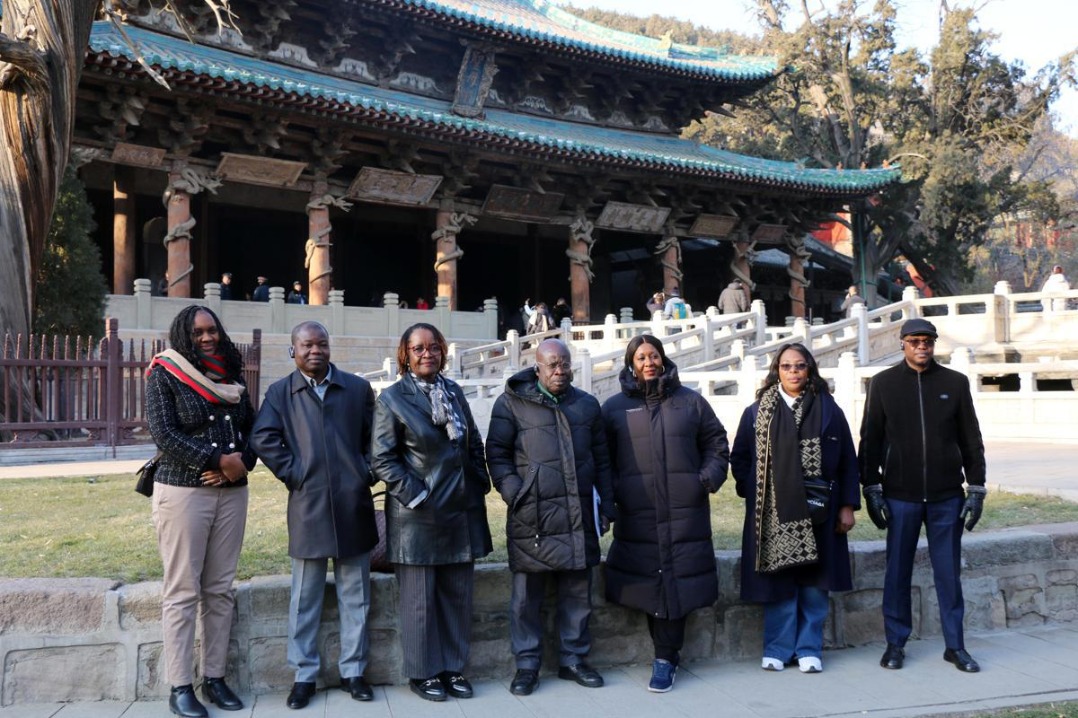
    TAIYUAN – In a significant diplomatic engagement, seven ambassadors from five African nations converged in Taiyuan for the “Lecture Tour by Ambassadors from African Countries · Shanxi 2025” event this Tuesday. This high-level forum served as a strategic platform to catalyze the high-quality development of Sino-African cooperation through concrete regional partnerships.

    The proceedings revealed substantial alignment between Africa’s developmental objectives and Shanxi’s economic transformation agenda. Namibian representative Bertha Amakali articulated her nation’s 35-year independence journey, emphasizing priorities in poverty reduction, economic self-sufficiency, and emerging energy sector development. She specifically outlined potential Chinese collaboration in energy infrastructure investment, technical capacity building, and long-term enterprise partnerships.

    Complementing these perspectives, Lu Xiangdong of the Chinese People’s Association for Friendship with Foreign Countries observed that African development priorities resonate strongly with Shanxi’s ongoing industrial modernization efforts. He emphasized that enhanced cultural and people-to-people exchanges would fundamentally strengthen bilateral relations.

    Economic data presented by Shanxi’s Department of Commerce Deputy Director Li Guorong demonstrated remarkable commercial momentum: provincial trade with Africa has surged from 5.25 billion yuan in 2020 to 11.17 billion yuan in 2024, achieving a 20.8% compound annual growth rate. The province has established commercial ties with over 50 African nations, with five countries individually exceeding 100 million yuan in trade volume.

    Burkina Faso’s Ambassador Daouda Bitie characterized Shanxi as a pivotal hub in practical China-Africa cooperation, citing particularly successful collaborations in energy development and vocational training. Zimbabwe’s Ambassador Abigail Shoniwa expressed admiration for Shanxi’s green transition and industrial diversification through innovation, noting parallel cultural richness between her nation and the Chinese province.

    The diplomatic delegation engaged in extensive field visits to Jinci Museum, Pingyao Ancient City, and several local enterprises, exploring synergistic opportunities in cultural tourism, green energy development, and technological exchange. According to Shanxi Foreign Affairs Office Director Dong Xiaolin, these exchanges form an integral component of the province’s broader internationalization strategy, which includes enhanced cultural understanding programs and exchange delegations.

    The event was jointly hosted by the Chinese People’s Association for Friendship with Foreign Countries and Shanxi’s foreign affairs authorities, representing a concerted effort to deepen Sino-African relations through provincial-level diplomacy.