博客

  • The US threatens to cut aid to South Sudan, citing its treatment of humanitarian groups

    The US threatens to cut aid to South Sudan, citing its treatment of humanitarian groups

    The United States has issued a stern warning to South Sudan’s government, indicating potential significant reductions in foreign assistance due to alleged obstruction of humanitarian operations. In an official statement released Thursday by the State Department’s Bureau for African Affairs, American officials accused Juba of imposing prohibitive fees on aid organizations and creating operational barriers that violate international obligations.

    Washington revealed it has channeled over $9.5 billion in assistance to South Sudan since the nation gained independence in 2011. This substantial support contrasts sharply with the approximately $25 billion in oil revenues collected by the South Sudanese government, which has reportedly failed to translate into meaningful public service development.

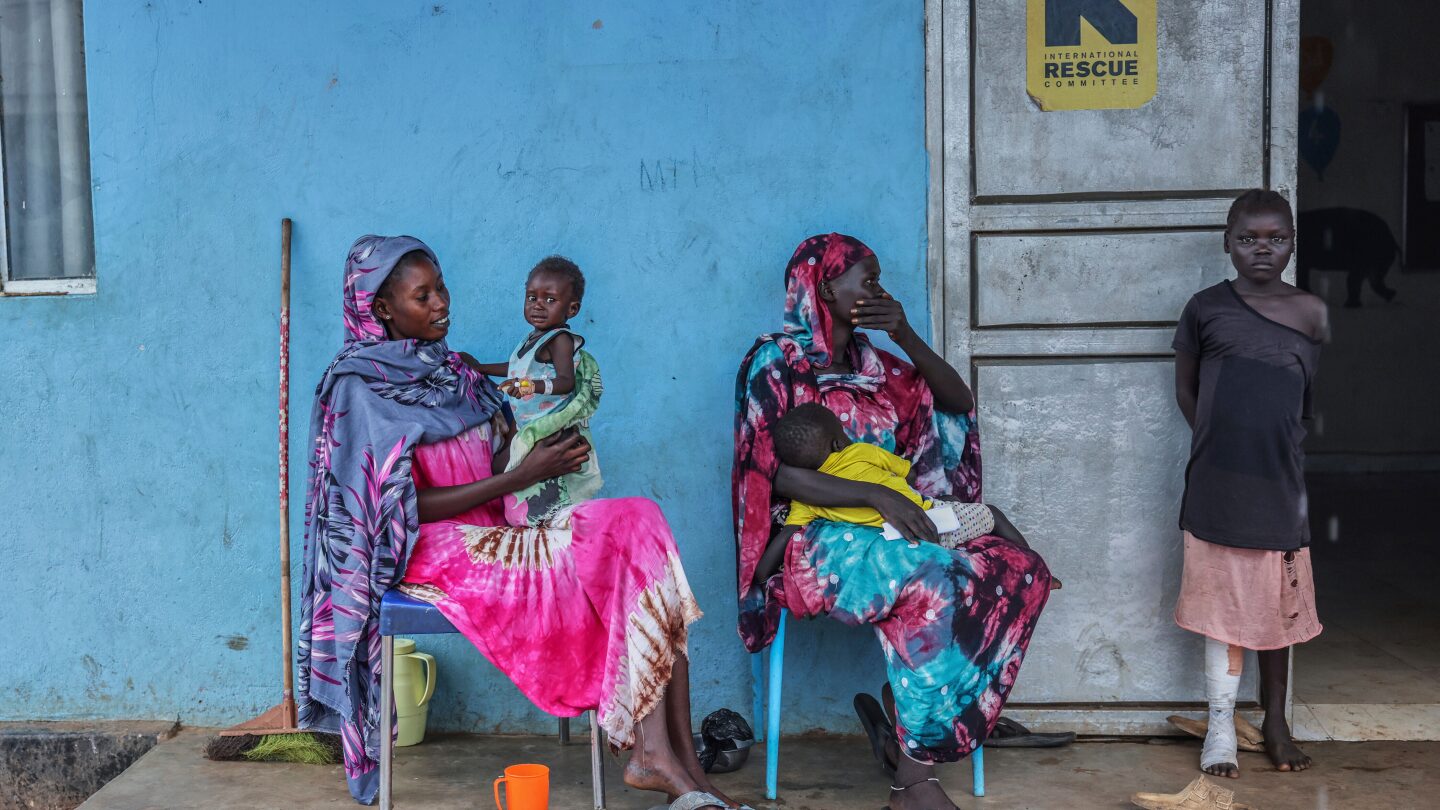
    The humanitarian situation remains critical, with United Nations data indicating more than 70% of South Sudan’s 11 million citizens depend on external aid for basic survival needs including food and healthcare. The U.S. statement attributed this crisis directly to systemic governance failures, misappropriation of public funds, security instability fostered by national leadership, and what it termed ‘predatory rent-seeking’ behavior targeting humanitarian resources.

    This diplomatic confrontation marks the latest strain in bilateral relations between the two nations. Earlier this year, the U.S. suspended visa issuances to South Sudanese citizens following a deportation-related diplomatic dispute. The South Sudanese government had not issued an immediate response to the latest allegations at the time of reporting.

  • Bulgarian PM and government resign after mass protests

    Bulgarian PM and government resign after mass protests

    Bulgaria’s political landscape underwent a seismic shift as Prime Minister Rosen Zhelyazkov announced the resignation of his minority government following massive nationwide demonstrations against alleged corruption. The dramatic decision came just hours before a scheduled parliamentary no-confidence vote and mere weeks before Bulgaria’s planned adoption of the euro currency on January 1st.

    Central Sofia witnessed an extraordinary display of public discontent as between 50,000 to 100,000 protesters flooded the Triangle of Power and Independence Square on Wednesday evening. The parliament building itself became a canvas for dissent with projections reading ‘Resignation’ and ‘Mafia Out’ illuminating its facade. These demonstrations, organized under the banner ‘Resignation! Peevski and Borissov Out of Power,’ targeted two controversial political figures: oligarch Delyan Peevski, who faces international sanctions for alleged corruption, and former Prime Minister Boyko Borissov.

    The government’s collapse marks the culmination of months of political tension. Despite surviving five previous no-confidence votes since taking power in January, Zhelyazkov’s administration could not withstand the growing public outrage. Last week, the government had already withdrawn a controversial budget proposal in response to initial protests, but this concession failed to quell the movement.

    In a televised address, Zhelyazkov acknowledged the public’s demands: ‘We hear the voice of citizens protesting against the government. Both young and old have raised their voices for our resignation. This civic energy must be supported and encouraged.’ The government website confirmed ministers would maintain their positions temporarily until a new cabinet forms.

    The political turmoil occurs against the backdrop of Bulgaria’s persistently low ranking on Transparency International’s corruption index, where it trails behind most European nations. Despite the governmental crisis, financial analysts suggest Bulgaria’s transition to the eurozone remains on track, with the central bank confirming the changeover schedule remains unaffected.

    President Rumen Radev, who had previously endorsed the protesters’ demands, now faces the challenge of facilitating a smooth political transition during this critical period for the Balkan nation.

  • Supply and marketing fair held in Lhasa

    Supply and marketing fair held in Lhasa

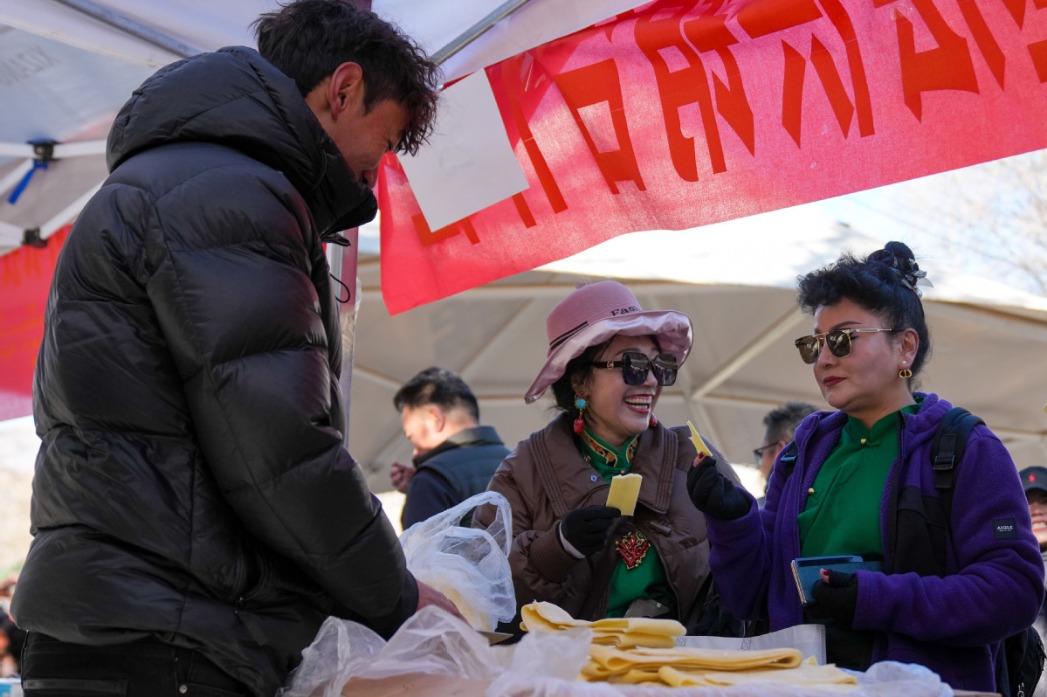
    Lhasa, the capital of China’s Xizang Autonomous Region, became a vibrant marketplace on December 10, 2025, as it hosted a comprehensive supply and marketing fair at a local park. The event transformed the urban green space into a bustling economic hub, featuring an extensive collection of over 1,000 distinctive agricultural products native to the Tibetan plateau.

    The fair served as a commercial platform highlighting the region’s unique agricultural heritage, with particular emphasis on highland barley derivatives, premium yak meat products, and traditional dairy items. These offerings represent not just commercial goods but centuries-old culinary traditions preserved by local farmers and herdsmen.

    Visitors engaged enthusiastically with vendors, examining and selecting from an array of authentic specialties while learning about their origins and production methods. The event’s design specifically facilitated direct interaction between producers and consumers, eliminating intermediary distribution channels.

    This initiative forms part of broader regional efforts to strengthen rural economies by creating direct market access for agricultural producers. By providing this platform, organizers aimed to boost income generation for farming and herding communities while simultaneously offering urban residents access to genuine regional products.

    The successful execution of this fair demonstrates the growing economic vitality of Xizang’s agricultural sector and its increasing integration with consumer markets. Such events contribute significantly to preserving cultural traditions while adapting them to contemporary economic frameworks, ensuring both economic benefits and cultural preservation.

  • Three things to know after US seizes Venezuelan oil tanker

    Three things to know after US seizes Venezuelan oil tanker

    In a significant maritime enforcement operation, United States naval forces have intercepted and seized a Venezuelan-flagged oil tanker navigating through international waters near the Venezuelan coastline. The action, authorized under U.S. federal court orders, represents the latest escalation in Washington’s ongoing campaign to apply economic pressure on the government of Nicolás Maduro.

    According to official statements from the U.S. Department of Justice, the seizure was executed based on allegations that the vessel and its cargo were involved in activities violating international sanctions regimes. The tanker, whose identity remains undisclosed in initial reports, was reportedly transporting crude oil allegedly tied to Venezuela’s state-owned petroleum company PDVSA, which has been subject to comprehensive U.S. sanctions since 2019.

    The operation unfolds against the complex backdrop of deteriorating U.S.-Venezuela relations, with the Biden administration maintaining sanctions intended to curb the Maduro government’s revenue streams. Maritime security analysts note this interception follows established patterns of U.S. enforcement actions targeting Venezuelan oil exports, which Washington believes improperly benefit the current administration rather than the Venezuelan populace.

    Regional security implications are being carefully monitored, with neighboring Caribbean nations expressing concern over escalating naval activities in their strategic waterways. The Venezuelan government has condemned the seizure as an act of “piracy” and violation of international maritime law, promising to pursue all available diplomatic and legal channels to challenge the action.

    Energy market observers suggest such enforcement actions contribute to tightening global oil supplies despite Venezuela’s substantial reserves, as the country’s export capabilities remain constrained by international sanctions and domestic production challenges.

  • ‘Architects of AI’ named Time Magazine’s Person of the Year

    ‘Architects of AI’ named Time Magazine’s Person of the Year

    Time Magazine has broken tradition by naming not an individual but a collective group as its 2025 Person of the Year: the architects of artificial intelligence. This landmark decision recognizes the transformative impact of AI pioneers including Nvidia’s Jensen Huang, Meta’s Mark Zuckerberg, X owner Elon Musk, AI pioneer Fei-Fei Li, OpenAI’s Sam Altman, AMD’s Lisa Su, Anthropic’s Dario Amodei, and Google’s Demis Hassabis.

    The magazine released two distinct covers symbolizing the AI revolution. One features an artistic representation of the letters ‘AI’ surrounded by workers, while the other reimagines the iconic ‘Lunch atop a Skyscraper’ photograph with tech leaders replacing the original ironworkers.

    Time’s editor-in-chief Sam Jacobs declared that ‘no one’ had greater impact in 2025 than those who ‘imagined, designed, and built AI.’ The recognition comes as AI continues its rapid expansion following OpenAI’s ChatGPT launch in late 2022, with Altman revealing the chatbot now serves approximately 800 million users weekly.

    Industry analysts note 2025 represents a tipping point in AI adoption. Forrester’s Thomas Husson observed that ‘most consumers use it without even being aware of it,’ noting AI integration into hardware, software, and services is progressing ‘much faster than during the Internet or mobile revolutions.’

    While many embrace AI for tasks ranging from vacation planning to recipe discovery, concerns persist regarding energy consumption, training data ethics, and workforce displacement. Fountech AI CEO Nik Kairinos cautioned that ‘recognition should not be confused with readiness,’ emphasizing the ongoing responsibility to develop ‘AI systems that are dependable, accountable, and aligned with human values.’

    This marks the fourth time Time has awarded the distinction to a collective, following recognition of Ebola fighters (2014), whistleblowers (2002), and ‘You’ representing internet users (2006). The 1982 ‘Machine of the Year’ award honoring the computer featured tech visionaries including Apple’s Steve Jobs, establishing a precedent for celebrating technological transformation.

  • Former CNOOC executive charged in bribery case

    Former CNOOC executive charged in bribery case

    In a significant development in China’s ongoing anti-corruption campaign, Yuan Guangyu, the former deputy general manager of China National Offshore Oil Corporation (CNOOC), has been formally indicted on bribery charges. The Supreme People’s Procuratorate announced on December 11, 2025, that the Xuzhou People’s Procuratorate in Jiangsu Province has filed charges against the 66-year-old former executive.

    The case follows an extensive investigation conducted by the National Supervisory Commission, which concluded its probe and transferred the findings to judicial authorities for prosecution. With jurisdiction designated by the Supreme People’s Procuratorate, Jiangsu Provincial People’s Procuratorate approved Yuan’s arrest on allegations of corruption.

    Prosecutors allege that Yuan exploited his influential positions—including director of CNOOC Bohai Oil Administration Bureau and executive vice-president and president of CNOOC Limited—to provide improper benefits to certain entities and individuals. According to the indictment, he accepted substantial illicit property from others, with the involved amount described as ‘extremely huge’ by judicial authorities.

    During the legal proceedings, judicial officials have followed standard protocol by informing Yuan of his defendant rights, conducting interrogations, and consulting with his defense counsel. The case represents another high-profile prosecution in China’s systematic anti-graft campaign targeting senior corporate executives in state-owned enterprises.

    Yuan, who had spent his entire career within the CNOOC system, was initially placed under investigation in March 2025, marking the beginning of a nine-month process that has now culminated in formal charges.

  • Man sentenced to 4 years in landmark dog poisoning case

    Man sentenced to 4 years in landmark dog poisoning case

    In a groundbreaking legal ruling, a Beijing court has sentenced a 65-year-old man to four years imprisonment for dispersing lethal toxins in a residential community, resulting in the deaths of nine pet dogs. The Chaoyang District People’s Court delivered the verdict on Thursday against defendant Zhang, convicting him of employing hazardous substances in public spaces—marking the first criminal case of its kind in Beijing’s judicial history.

    The tragic incident occurred in September 2022 when eleven dogs were poisoned within a Chaoyang district residential complex. Nine animals succumbed to sodium fluoroacetate, an extremely toxic compound commonly used in rodenticides that proves fatal through minimal contact or ingestion. Among the victims was a 13-year-old West Highland white terrier belonging to Li, who described the pet as her closest companion through her most formative adult years.

    The case gained significant attention as Li resigned from her employment to pursue justice, eventually representing multiple pet owners during October 2023 court proceedings. While Zhang admitted to dispersing the poisonous substance, he provided ambiguous motivations for his actions, citing general antipathy toward dogs while disputing direct responsibility for the fatalities.

    Legal experts highlight the case’s significance in establishing precedent for animal welfare litigation and defining legal boundaries regarding public endangerment through unauthorized use of toxic materials. The defendant has indicated intentions to appeal the verdict to a higher judicial authority.

  • Poland arrests Russian archaeologist wanted in Ukraine

    Poland arrests Russian archaeologist wanted in Ukraine

    Polish authorities have taken into custody a distinguished Russian archaeologist from St. Petersburg’s State Hermitage Museum following an international extradition request from Ukraine. The scholar, identified under Polish judicial protocols as Aleksandr B and publicly acknowledged by Russian officials as Alexander Butyagin, faces serious allegations regarding archaeological activities in Crimea.

    Ukrainian prosecutors assert that between February 2014 and November 2025, Butyagin conducted unauthorized excavations at the ancient Greek settlement of Myrmekion in Kerch. According to official statements, these activities resulted in partial destruction of the archaeological complex, with estimated damages reaching approximately 201.6 million Ukrainian hryvnia ($4.77 million).

    The arrest occurred on December 4th when Butyagin visited Poland to deliver academic lectures on Pompeii. Following detention, he was questioned by Warsaw prosecutors but declined to provide explanations regarding the allegations. Warsaw District Court has authorized his temporary incarceration at the Warsaw-Białołęka detention center for 40 days until January 13th pending extradition proceedings.

    Russia’s Foreign Ministry has condemned the detention as ‘absolute legal tyranny,’ vowing to pursue diplomatic channels to protect their citizen’s interests. The Kremlin identified Butyagin as head of the Ancient Archaeology of the Northern Black Sea region department at the prestigious Hermitage Museum.

    Myrmekion, an Ancient Greek colony established by Ionians in the sixth century BCE, represents significant cultural heritage in contemporary Crimea. Ukraine’s extradition request emphasizes that Butyagin operated without appropriate permits during what they term ‘the temporary occupation of Crimean territory.’

    The Russian Embassy in Warsaw has received official notification and is providing consular assistance to the detained academic, according to Polish judicial authorities.

  • China’s ‘Jiutian’ large drone takes first flight, aims for versatile civil roles

    China’s ‘Jiutian’ large drone takes first flight, aims for versatile civil roles

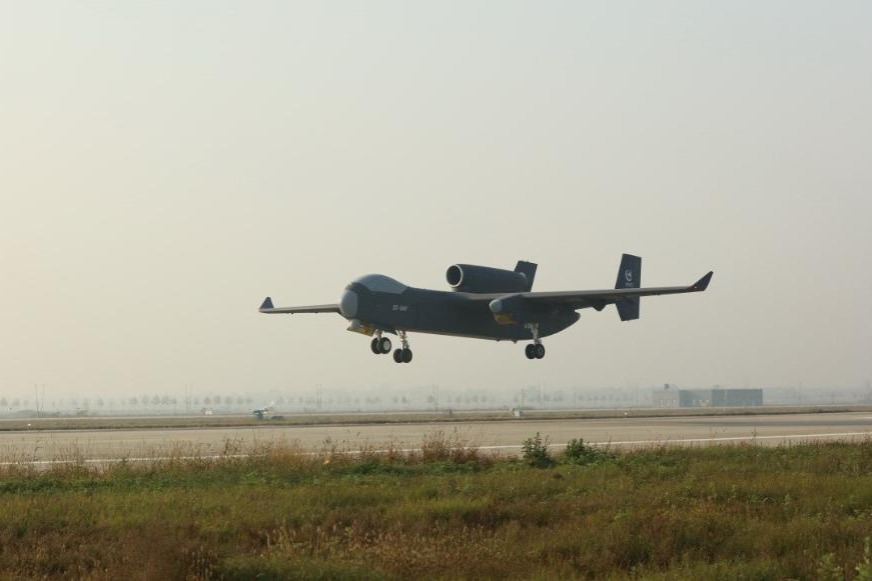
    China’s aviation sector has achieved a significant milestone with the successful inaugural flight of the ‘Jiutian,’ a large-scale unmanned aerial vehicle (UAV) developed by the state-owned Aviation Industry Corporation of China (AVIC). The demonstration took place on Thursday in Pucheng, located in Shaanxi province, marking a substantial advancement in the country’s indigenous drone capabilities.

    Engineered for exceptional performance metrics, the Jiutian drone features an impressive 16.35-meter length and a 25-meter wingspan. With a maximum takeoff weight of 16 tonnes, the aircraft can carry payloads up to 6,000 kilograms. Its operational specifications include an endurance of 12 hours and an extensive ferry range of 7,000 kilometers, enabling long-distance missions across diverse geographical regions.

    The UAV’s design incorporates advanced features including a high operational ceiling, broad speed range, and short takeoff and landing capabilities. These characteristics make it particularly suitable for challenging environments and various mission profiles. A key innovation is its modular payload system, which allows for rapid reconfiguration to address multiple civilian needs.

    Potential applications span critical sectors including precision logistics for delivering heavy cargo to remote areas, emergency communication support during disasters, comprehensive geographic surveying, and natural resource mapping. This versatility positions the Jiutian as a multi-role platform that could significantly enhance operational efficiency in fields requiring heavy-lift aerial capabilities without human pilot constraints.

    The development represents China’s growing expertise in high-end UAV technology and underscores the expanding applications of drone systems beyond military use into civilian and commercial domains, potentially creating new paradigms in transportation, emergency response, and resource management.

  • An airstrike on a hospital in a rebel-controlled area of Myanmar kills 34 and injures 80

    An airstrike on a hospital in a rebel-controlled area of Myanmar kills 34 and injures 80

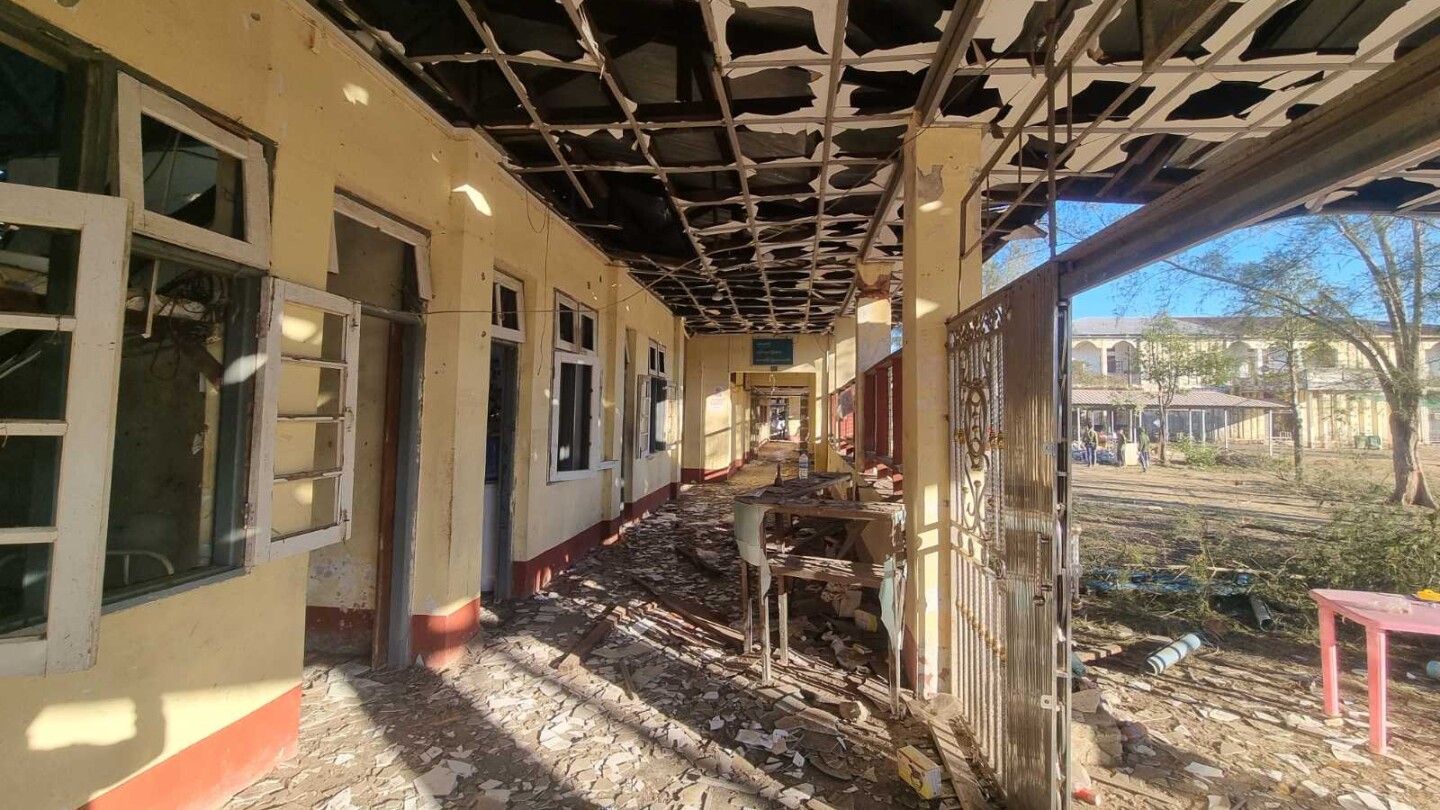
    In a devastating escalation of Myanmar’s ongoing civil conflict, a military airstrike has obliterated a critical hospital in Rakhine State, resulting in substantial casualties among patients and medical personnel. The assault occurred Wednesday evening in Mrauk-U township, an area under the control of the ethnic Arakan Army rebel force.

    According to verified reports from rescue workers and independent media outlets, the aerial bombardment killed 34 individuals—17 women and 17 men—while injuring approximately 80 others. Wai Hun Aung, a senior rescue services official in Rakhine, confirmed that a jet fighter deployed two bombs at 9:13 p.m., with one striking the hospital’s recovery ward and another landing adjacent to the main building. The attack reduced most of the medical facility to rubble and damaged nearby vehicles.

    This hospital had served as a vital healthcare lifeline for local communities after most medical facilities in Rakhine shuttered due to prolonged conflict. Doctors had recently regrouped in Mrauk-U to restore essential medical services when the strike occurred.

    The military junta that seized power in Myanmar’s 2021 coup has remained silent regarding the attack. Meanwhile, the shadow National Unity Government—formed by lawmakers barred from office—has strongly condemned the assault and called for international intervention to pressure the military regime.

    The Arakan Army, which captured Mrauk-U in February 2024, represents the armed wing of the Rakhine ethnic minority seeking autonomy from Myanmar’s central government. Their November 2023 offensive has secured 14 of Rakhine’s 17 townships, including a strategically significant regional army headquarters.

    This incident occurs against the backdrop of planned December 28 elections, which opposition groups decry as an attempt to legitimize military rule. The junta has intensified airstrikes against pro-democracy forces ahead of the polls, deepening Myanmar’s political crisis that began with the 2021 power grab.