博客

  • EU indefinitely freezes Russian assets so Hungary and Slovakia can’t veto their use for Ukraine

    EU indefinitely freezes Russian assets so Hungary and Slovakia can’t veto their use for Ukraine

    In a decisive move against Russian aggression, the European Union has enacted an indefinite freeze on Russian state assets held within its jurisdiction. The unprecedented measure, activated through a special economic emergency procedure on Friday, ensures that approximately €210 billion ($247 billion) in Russian Central Bank assets remain immobilized until Moscow ceases its war against Ukraine and provides compensation for the extensive damages inflicted.

    The strategic decision effectively neutralizes potential opposition from Hungary and Slovakia, both governed by Moscow-friendly administrations, by removing their ability to block the six-monthly sanctions renewals required to maintain the asset freeze. EU Council President António Costa declared the action fulfills the commitment European leaders made in October to sustain economic pressure on Russia.

    This foundational step enables EU leadership to finalize plans during their December 18 summit for leveraging these immobilized funds to underwrite substantial financial assistance for Ukraine. The proposed mechanism would convert frozen assets into collateral for a massive loan addressing Ukraine’s military and budgetary requirements through 2026-2027.

    The move explicitly prevents these resources from being utilized in any peace negotiations without European authorization, directly countering a 28-point U.S.-Russian draft plan that proposed distributing frozen assets among Ukraine, Russia, and the United States—a proposal previously rejected by Kyiv and its European allies.

    Hungarian Prime Minister Viktor Orbán, Vladimir Putin’s closest EU ally, condemned the decision as marking ‘the end of the rule of law’ within the bloc, vowing to ‘restore lawful order.’ Similarly, Slovak Prime Minister Robert Fico opposed using frozen assets for Ukraine’s military expenses, warning such actions could undermine U.S. peace initiatives.

    Meanwhile, Russia’s Central Bank has initiated legal proceedings in Moscow against Euroclear, the Belgian financial clearinghouse holding approximately €193 billion of the frozen assets, seeking damages for alleged mismanagement. EU Economy Commissioner Valdis Dombrovskis dismissed the lawsuit as ‘speculative,’ asserting the EU’s position remains ‘legally robust’ under international law.
  • Chinese hydrogen-powered drone sets longest distance flight record

    Chinese hydrogen-powered drone sets longest distance flight record

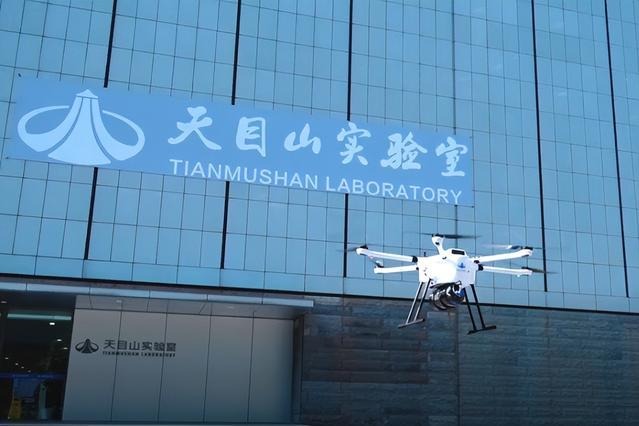
    China’s aerospace sector has achieved a groundbreaking milestone in unmanned aerial technology with its Tianmushan-1 hydrogen-powered drone setting a new Guinness World Record for the longest distance flight by a multirotor drone. The record-breaking flight of 188.605 kilometers was officially certified at the 7th Zhejiang International Intelligent Transportation Industry Expo in Hangzhou on December 11, 2025.

    Developed by the Tianmushan Laboratory under Beihang University, the advanced drone completed this historic flight on November 16th in Hangzhou, maintaining continuous operation for over four hours. The achievement was meticulously monitored in real-time and verified by Guinness World Records officials, who confirmed the drone’s propulsion system remained exceptionally stable throughout the entire journey with exemplary handling characteristics.

    The Tianmushan-1 represents a significant advancement in low-altitude economy technology, having successfully completed its maiden flight in August 2024 and entered production in April 2025. With a substantial 1,600 mm wheelbase and an empty weight of 19 kg, this zero-emission aircraft can carry payloads of up to 6 kg while delivering remarkable endurance capabilities.

    Technical specifications reveal even more impressive features: the drone can achieve up to 240 minutes of unloaded flight time, operate reliably in extreme temperatures ranging from -40°C to 50°C, and perform Beyond Visual Line of Sight (BVLOS) autonomous operations across 100-kilometer ranges.

    The practical applications for this technology span multiple sectors including high-speed ecological patrols, oil and gas pipeline surveys, renewable energy plant management, island resupply missions, urban traffic monitoring, and emergency response operations. This world record achievement underscores the substantial commercial potential of hydrogen-powered drone technology in transforming various industrial and logistical operations.

  • US seizes sanctioned oil tanker off Venezuela coast

    US seizes sanctioned oil tanker off Venezuela coast

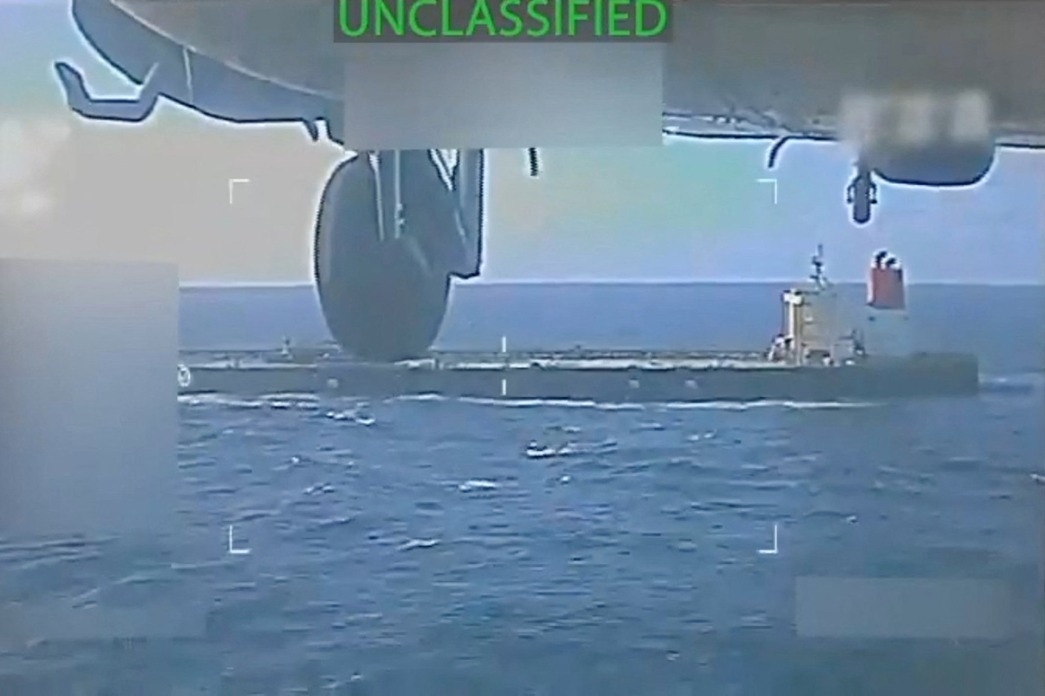
    In a dramatic escalation of maritime enforcement operations, United States military forces have intercepted and seized a massive sanctioned oil tanker off the Venezuelan coastline. The operation, confirmed by President Donald Trump on Wednesday, represents the first known seizure of a Venezuelan oil cargo under sanctions that have been in place since 2019.

    President Trump announced the seizure with characteristic bravado, stating: ‘We’ve just seized a tanker on the coast of Venezuela, large tanker, very large, largest one ever, actually.’ When questioned about the disposition of the confiscated crude, the president responded with a blunt: ‘We keep it, I guess.’

    The Venezuelan government immediately condemned the action as ‘blatant theft’ and ‘an act of international piracy’ in an official statement. President Nicolás Maduro addressed supporters in Caracas, demanding: ‘an end to the illegal and brutal interventionism of the United States government in Venezuela and in Latin America.’ Maduro characterized the seizure as part of broader destabilization efforts aimed at regime change and control of Venezuela’s substantial oil reserves, the largest in the world.

    The operational details emerged through social media posts by US Attorney General Pam Bondi, who revealed that the FBI, Homeland Security, and Coast Guard executed a seizure warrant with military support. Accompanying video footage depicted helicopters approaching the vessel and armed personnel in camouflage rappelling onto the deck.

    While US officials withheld specific identification of the vessel, maritime risk analysts from British firm Vanguard identified the ship as the very large crude carrier Skipper, previously known as Adisa. The tanker had been under US sanctions for alleged involvement in Iranian oil trading.

    The geopolitical repercussions were immediate. Iran’s embassy in Caracas denounced the seizure as a ‘grave violation of international laws and norms.’ Uruguay’s Foreign Minister Mario Lubetkin expressed serious concerns about escalating tensions in the Caribbean region amid ongoing US military deployments.

    Financial markets responded to the news with increased volatility. Brent crude futures climbed 0.4% to settle at $62.21 per barrel, while US West Texas Intermediate crude gained similarly to close at $58.46.

    The incident occurs within the context of increased US naval operations in the region, with the administration conducting over 20 strikes against suspected drug vessels since early September, resulting in more than 80 fatalities. A recent Reuters/Ipsos poll indicates significant domestic opposition to these military actions, including among approximately one-fifth of Republican voters.

  • Highest passenger station along Qinghai-Xizang Railway opens

    Highest passenger station along Qinghai-Xizang Railway opens

    In a landmark development for high-altitude transportation, Drakmuk Railway Station commenced passenger operations on Thursday, establishing itself as the highest-elevation passenger station along the Qinghai-Tibet Railway corridor. Perched at 4,721 meters above sea level in the Tibetan Autonomous Region, this engineering marvel officially opened its doors to travelers at approximately 11:00 AM local time when over fifty passengers boarded the Z9817 service bound for regional capital Lhasa.

    The station, situated in Drakmuk town within Amdo County of Nagchu City, represents a significant infrastructure upgrade from its previous status as an unattended facility. This transformation directly addresses growing transportation demands and tourism development opportunities in the surrounding region, which boasts natural attractions including the formidable Tanggula Mountain Range.

    China Railway Qinghai-Tibet Group Co., Ltd., the line’s operator, anticipates the station will serve approximately 10,000 residents from twenty-five neighboring villages while simultaneously boosting local tourism infrastructure. The enhanced accessibility is expected to stimulate growth in hospitality sectors including catering and accommodation services throughout the Amdo County region.

    The inauguration marks another milestone in the region’s transportation evolution since the initial operational launch of the Qinghai-Tibet Railway in July 2006. That historic achievement ended Tibet’s era without railway connectivity by establishing a vital link between Lhasa and Xining, Qinghai Province’s capital city.

  • Trump plans to name lineup for peace board

    Trump plans to name lineup for peace board

    In a significant development toward Middle East stabilization, U.S. President Donald Trump revealed plans to unveil the composition of the Gaza Board of Peace early next year. The announcement came alongside Hamas’s unprecedented proposal to freeze weaponry in exchange for a lasting ceasefire arrangement.

    Speaking at an economic event within the White House’s Roosevelt Room on Wednesday, Trump indicated widespread international interest in participating on the peace board, established under a U.S.-drafted framework that currently maintains a fragile truce between Israel and Hamas militants. “The kings, the presidents, prime ministers—they all want to be on the Board of Peace,” Trump stated, characterizing the prospective body as “one of the most legendary boards ever.”

    The board’s mandate derives from a November 17 United Nations Security Council resolution that authorized the creation of a temporary International Stabilization Force for Gaza. This transitional administration is tasked with establishing frameworks and coordinating reconstruction funding for the devastated territory, operating until the Palestinian Authority completes necessary reforms to reassume control.

    Concurrent with these diplomatic movements, Hamas political leader Khaled Meshaal presented a modified disarmament proposal during a Wednesday interview. Rather than complete weapons surrender, Meshaal suggested “a freeze, or storage of weapons” to provide security guarantees against military escalation from Gaza. He expressed confidence that “with pragmatic American thinking,” such an arrangement could be negotiated with U.S. officials.

    The proposed weapons freeze emerges as the U.S.-brokered ceasefire, effective since October 10, remains precarious with daily allegations of violations from both sides. Israeli Prime Minister Benjamin Netanyahu recently signaled the agreement’s impending transition to its second phase, with anticipated discussions with Trump later this month regarding subsequent steps.

    Despite diplomatic progress, tensions persist on the ground. Israeli police recently raided the United Nations Relief and Works Agency compound in East Jerusalem, prompting condemnation from UN Secretary-General Antonio Guterres, who demanded Israel uphold the inviolability of UN premises.

    International legal experts emphasize that protection of Palestinian detainees falls under the Fourth Geneva Convention concerning Protection of Civilian Persons in Time of War. Hadi Rahmat Purnama, assistant professor of international law at Universitas Indonesia, noted that Israel as occupying power remains bound by international humanitarian and human rights law obligations regarding treatment of protected persons in occupied territories.

  • Hong Kong’s first traditional Chinese medicine hospital opens

    Hong Kong’s first traditional Chinese medicine hospital opens

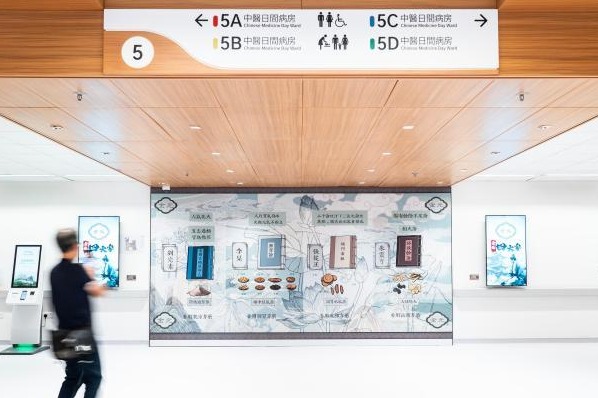
    Hong Kong has entered a new era in healthcare with the historic launch of its first dedicated Traditional Chinese Medicine (TCM) facility on December 12, 2025. The Chinese Medicine Hospital of Hong Kong commenced operations through a carefully structured phased approach that will progressively expand services throughout its initial year.

    The institution will initially offer outpatient and day-patient services before fully activating six specialized TCM departments: internal medicine, external medicine, gynecology, pediatrics, orthopedics and traumatology, and acupuncture and moxibustion. Beyond these core services, the hospital will implement twelve specialized disease management programs targeting conditions such as age-related degenerative diseases and post-stroke rehabilitation.

    Employing an innovative public-private partnership framework, the hospital operates under the management and maintenance leadership of Hong Kong Baptist University. This collaborative model enables the provision of three distinct treatment modalities: pure TCM therapies, TCM-led integrated care, and comprehensive Chinese-Western medical integration.

    Chief Executive Bian Zhaoxiang emphasized the institution’s multifaceted mission, stating the hospital will serve as a critical hub for advanced medical services, professional talent cultivation, and international exchange initiatives. This strategic positioning aims to establish Hong Kong as a global center for TCM excellence while providing patients with diverse treatment options that blend traditional and modern medical approaches.

  • Hong Kong fireman killed in Tai Po fire posthumously awarded honorary title

    Hong Kong fireman killed in Tai Po fire posthumously awarded honorary title

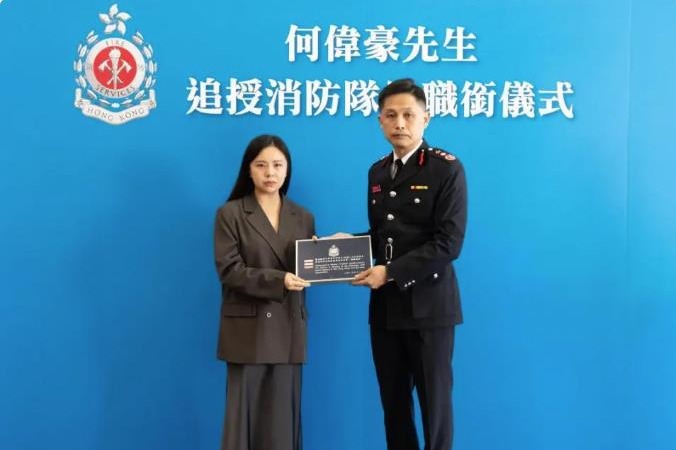
    The Hong Kong Fire Services Department (FSD) has posthumously bestowed the honorary rank of Senior Fireman upon the late Ho Wai-ho, who tragically lost his life while combating a residential fire in Tai Po last month. The solemn conferment ceremony took place Thursday at Sha Tin Fire Station, where Ho had been stationed throughout his distinguished career.

    During the emotionally charged proceedings, Ho’s family members received both the official posthumous title certificate and an embroidered insignia representing his elevated rank. The recognition comes as a tribute to Ho’s exceptional bravery and unwavering commitment to public safety demonstrated throughout his nearly nine years of service.

    The fatal incident occurred on November 26, 2025, when Fireman Ho sustained critical injuries while leading firefighting and rescue operations at Wang Fuk Court in Tai Po. Despite rescue efforts, the 38-year-old firefighter succumbed to his injuries, marking a profound loss for the fire services community and the city at large.

    Born in 1987, Ho joined the FSD in 2016 and quickly established himself as a dedicated professional known for his exemplary performance. His service record includes participation in numerous high-risk firefighting and rescue missions, where he consistently displayed remarkable competence and courage under pressure.

    The Fire Services Department has announced plans to honor Ho with a full honors funeral scheduled for December 19, following which he will be laid to rest with the dignity befitting his ultimate sacrifice in the line of duty.

  • Chinese exports to US decline as tariff pressures take a toll

    Chinese exports to US decline as tariff pressures take a toll

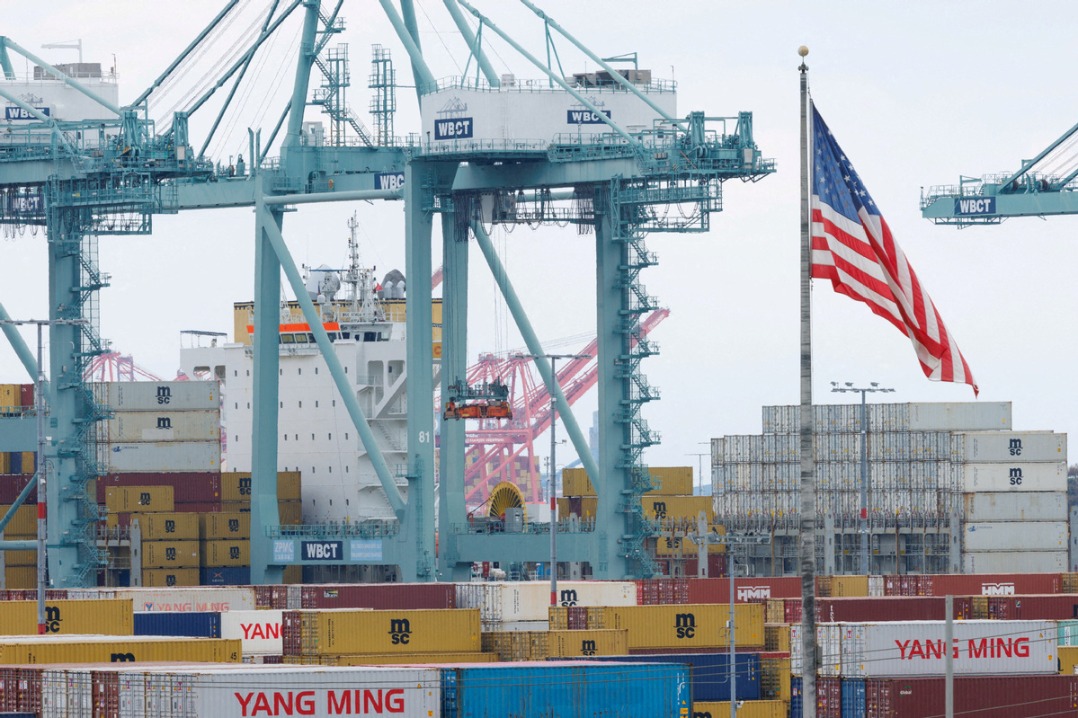
    The ongoing trade friction between the United States and China has manifested in stark export figures for November 2025, with Chinese shipments to American markets declining by approximately 29% year-on-year. This substantial contraction follows a year of volatile trade policy interventions that have reshaped bilateral commerce between the world’s two largest economies.

    Customs data reveals a parallel decline in American exports to China, which fell by 19% during the same period. The current tariff structure maintains substantial barriers, with average levies of 47.5% on Chinese goods entering the United States and 32% on American products reaching Chinese markets, according to analyses from the Peterson Institute for International Economics.

    Despite these bilateral challenges, China’s global export performance demonstrated resilience with a 5.9% increase to $330 billion in November, rebounding from an unexpected contraction the previous month. This growth underscores China’s strategic pivot toward diversifying its export destinations and reducing dependency on any single market.

    Financial analysts observe that China is actively rebalancing its economic model. Peter Boockvar, Chief Investment Officer at OnePoint BFG Wealth Partners, noted: “China continues to rely less on selling goods to the US. With substantial domestic savings, China is incentivizing consumer spending to decrease reliance on manufacturing and exports.”

    The agricultural sector has emerged as a particularly sensitive indicator of trade tensions. American soybean farmers experienced significant market disruption throughout the year, though recent data indicates gradual resumption of Chinese purchasing. In response to these challenges, the U.S. administration announced a $12 billion support package for affected farmers, drawing funds from tariff revenues and agricultural assistance programs.

    Cory Walters, Agricultural Economics professor at the University of Nebraska, emphasized that while temporary aid provides relief, “market access is paramount” for long-term agricultural sustainability. Chinese market share in global exports is projected to expand from 15% to 16.5%, driven by advanced manufacturing sectors including robotics, battery technology, and electric vehicles.

    The October truce agreement between both nations has yet to fully manifest in trade data, with economists anticipating that tariff reductions will gradually reflect in coming months’ export figures.

  • Kunming fund enhances global biodiversity efforts

    Kunming fund enhances global biodiversity efforts

    Global environmental leaders have hailed the Kunming Biodiversity Fund as a transformative force in advancing worldwide conservation initiatives, particularly across developing nations. Established by China in May 2024 with a substantial commitment of 1.5 billion yuan ($213 million), this international financing mechanism is rapidly scaling up biodiversity protection projects worldwide.

    At the recent seventh session of the United Nations Environment Assembly in Nairobi, Kenya, Elizabeth Mrema, deputy executive director of the UN Environment Programme, revealed the fund’s significant progress. The initiative has established an Independent Technical Advisory Group, launched calls for catalytic and full-size projects, and implemented operational manuals to ensure consistency and efficiency in its conservation efforts.

    The fund addresses a critical financing gap hindering implementation of the Kunming-Montreal Global Biodiversity Framework adopted in 2022. In a major development last October, the initiative endorsed 22 comprehensive projects valued at $27 million, supporting biodiversity action across 34 countries. These projects are translating global commitments into tangible national actions through policy strengthening, capacity building, and resource mobilization.

    Steven Victor, Environment Minister of Palau, emphasized the fund’s importance for Pacific Island nations facing unique challenges. “Food system transformation is critical for Palau, where we import 80 percent of our food,” Victor noted. He expressed hope that the project would provide scientific foundation and expertise needed to restore traditional connections with nature while addressing modern conservation needs.

    Sri Lanka’s Environment Minister Dammika Patabendi highlighted how the fund will support creation of a unified national biosecurity system to proactively address invasive species. “This investment is transformative,” Patabendi stated, explaining that it will institutionalize a comprehensive framework for invasive species prevention and establish a national digital monitoring system for real-time response capabilities.

    China’s Vice-Minister of Ecology and Environment Guo Fang reiterated the fund’s role in advancing global biodiversity governance and supporting developing countries in achieving 2030 conservation targets. The initiative represents China’s commitment to multilateralism and building a shared future for humanity, while playing a leading role in narrowing the global biodiversity financing gap.

  • About 200 West African soldiers in Benin for ‘clean-up’ after failed coup

    About 200 West African soldiers in Benin for ‘clean-up’ after failed coup

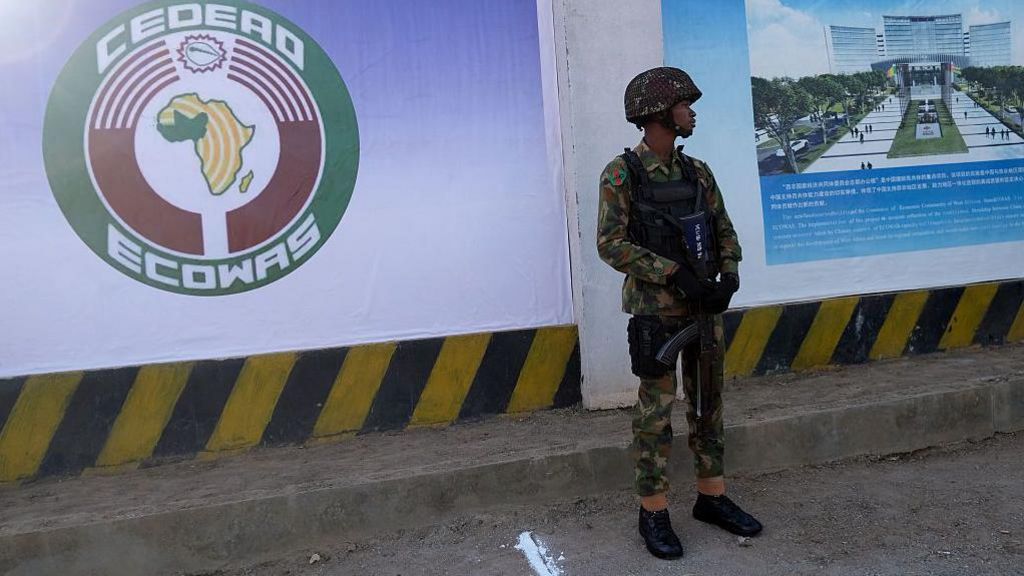
    Benin’s government has officially confirmed the presence of approximately 200 West African soldiers within its borders following Sunday’s thwarted coup attempt. Foreign Minister Olushegun Adjadi Bakari disclosed that these regional forces, primarily from Nigeria and Ivory Coast, remain engaged in “sweep and clean-up operations” to stabilize the nation.

    The failed takeover unfolded when mutineers seized a military base and state television headquarters before Nigerian fighter jets intervened decisively. This military support, coordinated through the Economic Community of West African States (ECOWAS), enabled Beninese forces to repel the insurgents with surgical precision to minimize civilian casualties.

    Minister Bakari, speaking alongside Nigerian counterpart Yusuf Maitama Tuggar in Abuja, emphasized that the coup had “already failed” before international assistance was formally requested. The collaborative response demonstrated unprecedented diplomatic and military coordination between neighboring nations.

    Security operations continue as the alleged coup leader remains at large, reportedly seeking refuge in neighboring Togo. The rebels had justified their actions by criticizing President Patrice Talon’s management of security challenges in northern Benin, where jihadist insurgencies from Niger and Burkina Faso have increasingly threatened stability.

    ECOWAS, facing regional pressure after multiple successful coups in West Africa, has signaled strengthened commitment to protecting democratic governance. The bloc deployed troops from Nigeria, Ghana, Sierra Leone, and Ivory Coast to secure critical infrastructure and prevent violence resurgence.

    Discussions regarding the duration of regional forces’ presence remain ongoing, with Bakari noting any decisions will prioritize coordination with Beninese defense forces who demonstrated considerable bravery during the crisis. The potential continued involvement of French special forces, who reportedly assisted loyalist troops, remains unconfirmed.

    President Talon, a Western ally completing his second term, is scheduled to leave office next year with elections anticipated in April.