博客

  • Vince Zampella, Call of Duty co-creator, dies in California car crash

    Vince Zampella, Call of Duty co-creator, dies in California car crash

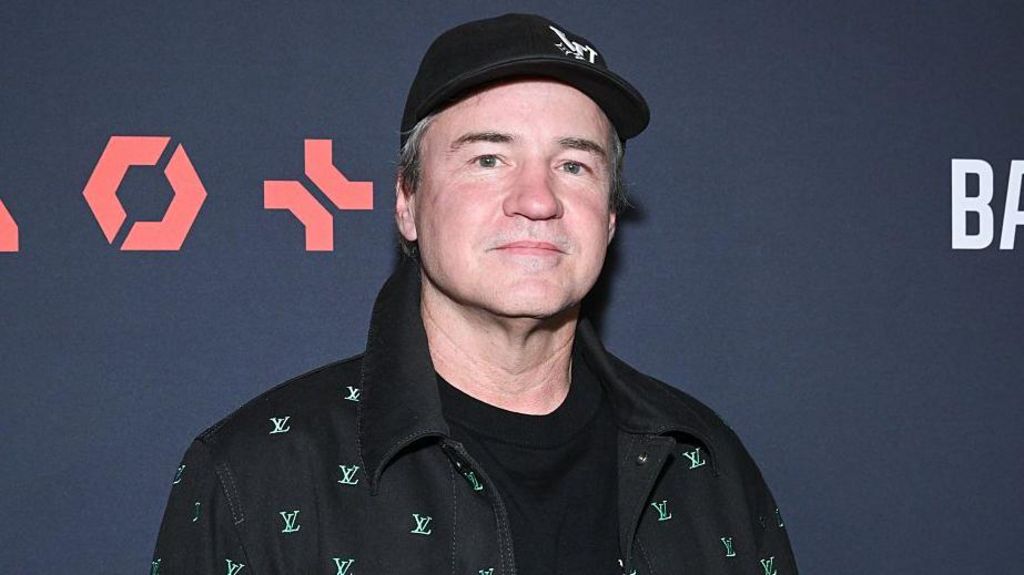
    The entertainment world was struck by tragedy this Sunday when Vince Zampella, the visionary co-creator of the groundbreaking Call of Duty franchise, perished in a high-speed vehicular accident in Los Angeles. The 55-year-old gaming pioneer was traveling in a Ferrari that dramatically veered off a California highway, collided with concrete barriers, and erupted in flames, according to official reports from the California Highway Patrol.

    Electronic Arts, parent company of Respawn Entertainment which Zampella co-established, confirmed the devastating news while expressing profound grief. ‘This represents an unimaginable loss that has reverberated throughout our organization,’ an EA spokesperson stated. ‘Our deepest sympathies extend to Vince’s family, friends, and the countless individuals worldwide whose lives he enriched through his extraordinary creative legacy.’

    Authorities reported that two individuals were present during the catastrophic incident—one occupant was ejected from the supercar while the other remained trapped within the burning wreckage. Investigation remains ongoing to determine the precise circumstances surrounding the accident and whether Zampella occupied the driver’s position.

    Zampella’s monumental impact on interactive entertainment began with his 2003 collaboration with Jason West to develop the original Call of Duty. Drawing inspiration from historical World War II narratives, their creation revolutionized military-themed gaming and achieved staggering commercial success with over 500 million copies sold. The franchise subsequently propelled Activision (now under Microsoft’s corporate umbrella) to unprecedented profitability and is currently being adapted into a live-action cinematic production.

    Beyond his signature achievement, Zampella’s innovative spirit fueled multiple successful franchises including Medal of Honor, Titanfall, and the battle royale phenomenon Apex Legends. Colleagues and industry observers consistently highlighted his player-centric philosophy and dedication to crafting immersive digital experiences. Keza MacDonald, video games editor at The Guardian, reflected: ‘His genuine passion for gameplay quality and player emotional engagement manifested clearly in every conversation. He possessed an extraordinary ability to translate creative vision into profoundly resonant entertainment.’
  • Mubadala invests €300m to Rezolv Energy, boosting UAE’s global renewable ambitions

    Mubadala invests €300m to Rezolv Energy, boosting UAE’s global renewable ambitions

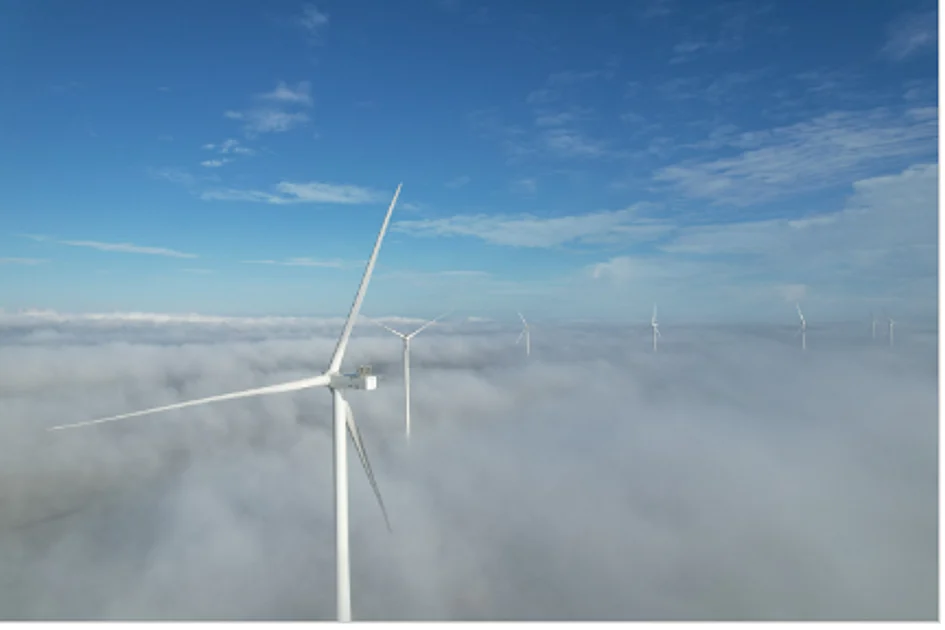
    Abu Dhabi’s sovereign wealth fund Mubadala Investment Company has announced a strategic €300 million investment to partner with UK-based sustainable infrastructure investor Actis in Rezolv Energy, marking a significant expansion of its European renewable energy portfolio. This substantial financial commitment positions Mubadala as a joint controller of the rapidly growing clean energy platform operating across Central and Eastern Europe.

    Rezolv Energy, established by Actis in 2022, has rapidly emerged as a leading renewable developer in a region grappling with energy security challenges and increasingly stringent climate regulations. The platform currently maintains an impressive development pipeline featuring 750 megawatts of renewable projects under construction in Romania and Bulgaria, complemented by an additional 1.5 gigawatts of solar and wind capacity in advanced development stages. Among its flagship projects is the Dama solar facility in Romania, poised to become Europe’s largest solar power generation project upon completion.

    The investment represents a strategic alignment between Mubadala’s decarbonization objectives and Rezolv’s operational expertise. The platform’s leadership team brings over fifteen years of regional clean energy development experience, having previously developed landmark wind projects in Croatia, the Czech Republic, and Romania. Mubadala’s capital infusion, combined with Actis’s continued support, is expected to accelerate Rezolv’s expansion and solidify its position as a market-leading renewable producer.

    Saed Arar, Head of Infrastructure at Mubadala Real Assets, emphasized that the commitment reflects the fund’s strategy to build scalable real-asset platforms that enable the transition to a low-carbon economy. Rezolv CEO Alastair Hammond noted that Mubadala’s involvement would enable the company to pursue even more ambitious energy transition goals across Central and Eastern Europe.

    This investment forms part of Mubadala’s broader global renewable strategy, which includes significant positions in Tata Power’s renewables platform in India and Skyborn Renewables, the world’s largest private offshore wind developer. The EU’s recent regulatory approval of Mubadala’s joint control of Rezolv underscores the strategic importance of this partnership within Europe’s renewable energy market.

    The move simultaneously advances the UAE’s broader ambitions to expand its international economic influence, diversify beyond hydrocarbons, and position itself as a global leader in climate action and energy security solutions for emerging markets.

  • How Modi’s 3-nation visit is recalibrating India’s global posture

    How Modi’s 3-nation visit is recalibrating India’s global posture

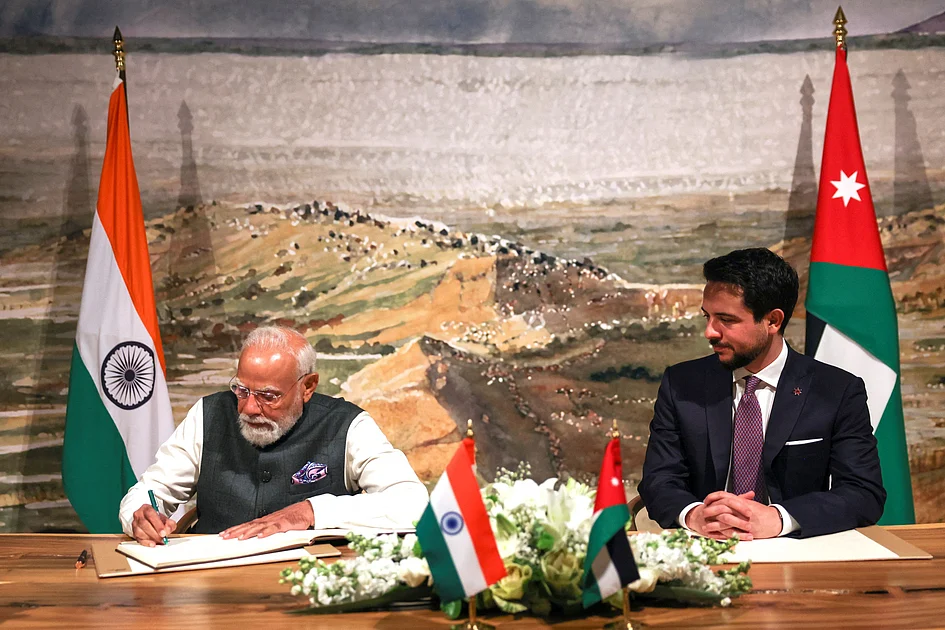
    Indian Prime Minister Narendra Modi’s recent three-nation tour through Jordan, Oman, and Ethiopia has signaled a significant evolution in India’s international positioning, demonstrating a nation confidently asserting its role as a global bridge-builder rather than aligning with rigid geopolitical blocs.

    The diplomatic journey, characterized by substantive engagements rather than ceremonial formalities, began with an unprecedented display of personal diplomacy in Jordan. Crown Prince Hussein Abdullah II, a 42nd-generation descendant of Prophet Muhammad, personally chauffeur-driven PM Modi to cultural sites and the airport—a gesture transcending conventional diplomatic protocols and symbolizing deepening bilateral trust.

    Jordan’s King Abdullah II provided robust endorsement of India’s economic ascent during the India-Jordan Business Forum, proposing an ambitious economic corridor leveraging Jordan’s strategic location and free trade agreements alongside India’s industrial capabilities. With current bilateral trade at $2.8 billion, Modi’s target of doubling this figure to $5 billion within five years reflects determined economic ambition. The nations expanded cooperation across renewable energy, water management—critical for water-scarce Jordan—digital infrastructure, and cultural exchange.

    In Oman, the visit yielded structural transformation through the landmark Comprehensive Economic Partnership Agreement (CEPA)—only Oman’s second such agreement in two decades, following one with the United States. The agreement grants zero-duty access on over 98% of Oman’s tariff lines, benefiting Indian textiles, gems, jewelry, engineering goods, pharmaceuticals, and automobiles while protecting sensitive sectors. The partnership enhances services trade, facilitates skilled professional mobility, and permits 100% foreign direct investment in major sectors, creating opportunities for Indian MSMEs, artisans, and women-led enterprises. Modi received the Order of Oman (First Class), joining recipients like Queen Elizabeth II and Nelson Mandela, marking the fifth GCC nation to confer its highest honor upon him.

    Ethiopia provided the philosophical dimension of the tour, where Modi addressed parliamentarians envisioning a world with equitable development, accessible technology, and respected sovereignty. Agreements covered education cooperation, counterterrorism collaboration, and establishment of a data center at Ethiopia’s Ministry of Foreign Affairs. Modi became the first foreign head of state to receive Ethiopia’s highest civilian honor, the Great Honor Nishan Ethiopia.

    The tri-nation mission demonstrates India’s strategic autonomy—a foreign policy approach that values-driven without being ideological, inclusive without being transactional, and confident without being confrontational. As Global South nations assert renewed influence, India positions itself as both an economic anchor and diplomatic bridge between Eastern and Western hemispheres, offering partnership, stability, and scale while maintaining independent strategic calculus.

  • PowerChina hosts “Corporate Open Day” event during UAE National Day

    PowerChina hosts “Corporate Open Day” event during UAE National Day

    DUBAI – In a strategic move to strengthen international partnerships, PowerChina hosted a corporate open day event on December 13th, aligning with the 54th UAE National Day celebrations. The event centered around an innovative basketball tournament that brought together Chinese and international employees from multiple PowerChina projects across the UAE.

    The basketball match, held at PowerChina’s Dubai residential complex, featured mixed teams comprising staff from China, Egypt, Pakistan, and other nations. This unique format broke down cultural barriers through the universal language of sports, with participants demonstrating seamless coordination on the court despite diverse backgrounds.

    Peng Gang, President of POWERCHINA MENA Regional Headquarters, emphasized the broader significance of the initiative: “These cross-cultural activities not only showcase the spirit of unity among our employees but also establish new platforms for China-UAE cooperation that transcend commercial contracts.”

    The event gained particular importance given PowerChina’s ongoing involvement in the UAE’s clean energy sector. The company is currently engaged in the PV3 Al Ajban 1.5GW Photovoltaic Project, a major renewable energy initiative, where maintaining strong relationships with project owner AL AJBAN Solar Energy is crucial. Fayçal Malki, Site General Manager of the project company, participated in the event, highlighting the growing partnership between the organizations.

    Participants noted that the informal setting allowed for genuine relationship building. “Basketball doesn’t need language – a look, a pass can build trust,” remarked one attendee after the match. The relaxed interactions during breaks helped shorten psychological distances between teams, injecting additional humanistic elements into their professional relationships.

    This initiative represents PowerChina’s broader commitment to localization and cultural integration in its international operations. By creating cross-cultural brand experiences and building national exchange platforms, the company is implementing the cooperation concept of “extensive consultation, joint contribution, and shared benefits” while advancing clean energy development in the region.

    Looking forward, PowerChina plans to expand these cultural exchange efforts through diverse formats including arts, festival celebrations, and additional sports activities. These initiatives aim to solidify PowerChina’s brand identity as a builder, partner, and contributor in overseas markets while supporting people-to-people connectivity under the Belt and Road Initiative.

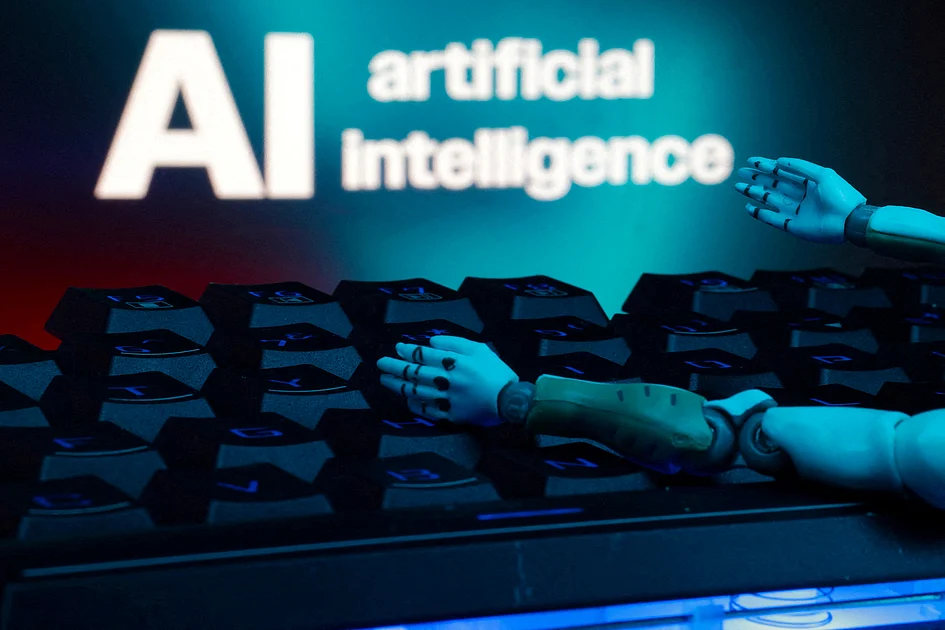
  • $500b Stargate project, first tech-driven legal system: UAE’s top 10 AI milestones in 2025

    $500b Stargate project, first tech-driven legal system: UAE’s top 10 AI milestones in 2025

    The United Arab Emirates has cemented its status as a global digital powerhouse in 2025, achieving an unprecedented 97% adoption rate of artificial intelligence tools across government entities—the highest worldwide. This remarkable milestone accompanies the nation’s growing tech workforce, which now exceeds 450,000 programmers.

    Among the year’s most significant achievements was the launch of the groundbreaking ‘Stargate UAE’ project, a $500 billion supercomputing collaboration involving industry giants G42, OpenAI, Oracle, Cisco, SoftBank, and Nvidia. This initiative will deploy NVIDIA Grace Blackwell GB300 systems, with its initial phase scheduled for 2026 deployment.

    The UAE’s AI advancements extended beyond infrastructure to include revolutionary applications across multiple sectors. The nation introduced the world’s first AI-driven legislative analysis system and an AI-powered HR assistant serving over 50,000 government employees while automating 108 public services.

    In education, Hamdan Bin Mohammed Smart University reported a transformative 95% reduction in faculty workload through AI implementation, accompanied by substantially improved student outcomes. The cybersecurity domain saw equal innovation with the establishment of a Cybersecurity Excellence Centre in partnership with Google Cloud, projected to generate more than 20,000 specialized jobs.

    Technological breakthroughs included the debut of Jais 2, a sophisticated 70-billion-parameter language model trained on 600 billion Arabic tokens—creating the largest Arabic-first dataset ever developed. The UAE also unveiled K2 Think, an open-source system designed for advanced AI reasoning.

    International cooperation formed a crucial component of the UAE’s AI strategy, with the establishment of a 5-gigawatt UAE-US AI Campus in Abu Dhabi—the largest supercomputing cluster outside the United States. Additional partnerships with France included a dedicated 1-gigawatt data center and joint ventures in renewable energy and semiconductor research.

    Financial commitments reached extraordinary levels, with total AI-related investments surpassing AED 543 billion during 2024-2025. The UAE further demonstrated global leadership by pledging $1 billion to the ‘AI for Development’ initiative at the G20 summit and partnering with the Gates Foundation on a $200 million AI ecosystem for agricultural innovation.

    To ensure cultural alignment in technological development, the UAE pioneered the ‘AI in the Ring’ index—the world’s first measurement system evaluating how closely AI models align with national cultural values and principles.

  • Colombia will use drones to destroy coca crops as it grapples with record cocaine production

    Colombia will use drones to destroy coca crops as it grapples with record cocaine production

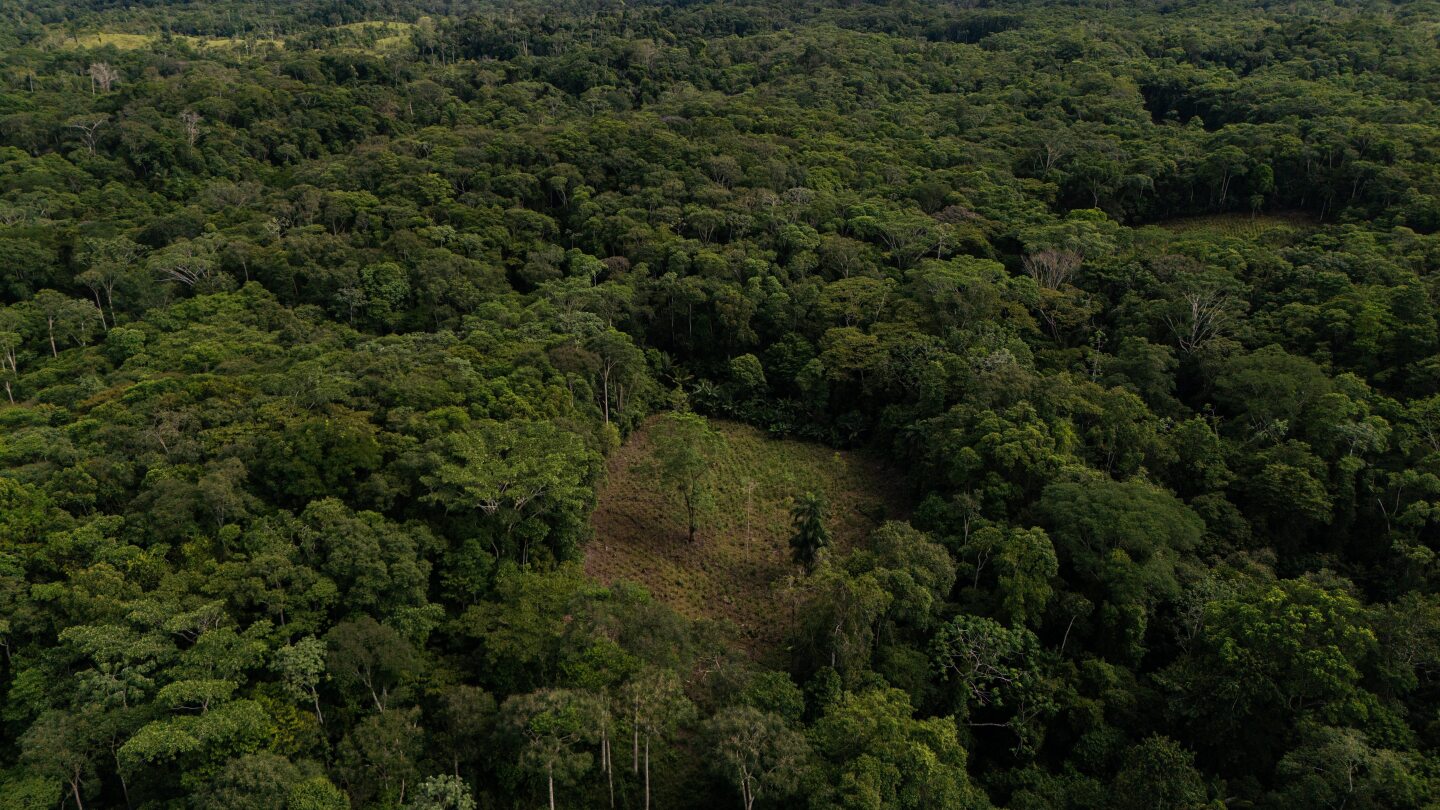
    In a significant policy reversal, Colombia’s government has authorized the use of drone technology to resume aerial eradication of coca crops, responding to unprecedented cocaine production levels that have strained relations with the United States. The controversial program, announced Monday by Justice Minister Andrés Idárraga, will commence Thursday using precision drones targeting remote coca plantations controlled by armed groups.

    The decision marks a dramatic shift from Colombia’s 2015 ban on aerial fumigation, implemented after the World Health Organization classified glyphosate herbicide as a potential carcinogen. Traditional crop-dusting aircraft, often operated by U.S. contractors, faced widespread criticism for contaminating water sources and legal crops, prompting environmental activism that led to the prohibition.

    Minister Idárraga emphasized the technological advantages of drone deployment, noting aircraft will operate within 1.5 meters of targets to minimize ecological impact. Each drone reportedly can clear one hectare of coca every thirty minutes while providing enhanced safety for security forces operating in hazardous regions defended by drug traffickers and rebel factions.

    The policy evolution reflects the Petro administration’s increasingly pragmatic approach to narcotics enforcement. Initially critical of forced eradication methods, the left-wing government has adopted more aggressive measures against cocaine production as rebel groups funding their operations through drug trafficking intensify attacks on urban centers.

    This strategic pivot occurs amid escalating diplomatic pressure from Washington. The Trump administration recently designated Colombia as non-cooperative in narcotics control for the first time in three decades, imposing personal sanctions on President Gustavo Petro and threatening military action against drug operations within Colombian territory.

    Despite reporting record cocaine interdiction rates, Colombian authorities acknowledge cultivation has nearly doubled since 2016, with UN estimates indicating 261,000 hectares currently dedicated to coca production—primarily in remote, mine-protected areas where manual eradication proves exceptionally dangerous.

  • Dave Chappelle draws online praise for saying ‘I stand with Israel’ is code for ‘they got me’

    Dave Chappelle draws online praise for saying ‘I stand with Israel’ is code for ‘they got me’

    In a stunning conclusion to his surprise Netflix special “The Unstoppable,” comedy legend Dave Chappelle unveiled what he described as a distress signal for artistic compromise—declaring that if he ever publicly states “I stand with Israel,” it should be interpreted as proof he has been coerced by powerful interests.

    The 75-minute special, released Friday evening, features Chappelle addressing multiple controversial topics including American politics, his recent performance in Saudi Arabia, and what he termed his “fear of co-option” by influential forces. The comedian explained to his audience: “We need a code… It’s gotta be something that I can say so that if I say it, you know that these n***** got me. The code is: ‘I stand with Israel.’”

    This provocative punchline immediately went viral across social media platforms, generating polarized reactions worldwide. Pro-Palestine advocates celebrated the bit as a courageous critique of perceived hypocrisy and pressure within entertainment industries regarding the Gaza conflict. Many users adopted the phrase as their own symbol of resistance against perceived coercion.

    However, the segment drew sharp condemnation from Jewish groups and activists who accused Chappelle of propagating antisemitic tropes about Jewish influence. Commentator David Bashevkin described it as “genuinely a scary moment to be Jewish,” arguing it normalized conspiracy theories about Jewish control.

    Earlier in the special, Chappelle mounted a vigorous defense of his decision to perform in Saudi Arabia, directly confronting comedian Bill Maher’s criticism. He highlighted what he characterized as Western hypocrisy regarding journalist killings: “They said, ‘Well, Saudi Arabia killed a journalist’… But Israel’s killed 240 journalists in the last few months, so I didn’t know y’all were still counting.”

    This comparison referenced the 2018 assassination of Jamal Khashoggi alongside the documented deaths of 249 media workers in Gaza since October 2023—the deadliest period for journalists ever recorded by the Committee to Protect Journalists.

    The special has ignited intense debate about artistic autonomy, geopolitical bias, and the boundaries of comedy when addressing complex international conflicts, establishing Chappelle once again as both celebrated and controversial figure in contemporary discourse.

  • Premier League: Amorim fears United captain Fernandes will be out ‘a while’

    Premier League: Amorim fears United captain Fernandes will be out ‘a while’

    Manchester United’s midfield resources have been severely depleted following confirmation that captain Bruno Fernandes faces an extended period on the sidelines with a soft tissue injury. The Portuguese international, who had started every Premier League match this season, sustained the setback during Sunday’s 2-1 defeat at Aston Villa.

    Manager Ruben Amorim expressed significant concern about the timeline for Fernandes’ recovery, stating the influential playmaker will ‘lose some games’ amid the demanding festive fixture schedule. The 31-year-old attempted to continue playing after initially pulling up with what appeared to be a hamstring issue just before halftime but was ultimately unable to return for the second period.

    The injury crisis deepens for United with emerging England midfielder Kobbie Mainoo also ruled out due to a calf problem. The 20-year-old had been the subject of unusual pre-match attention when his half-brother wore a ‘Free Kobbie Mainoo’ T-shirt during Monday’s 4-4 draw with Bournemouth.

    Amorim faces additional selection headaches with Bryan Mbeumo, Amad Diallo, and Noussair Mazraoui participating in the Africa Cup of Nations, while defensive stalwarts Matthijs de Ligt and Harry Maguire remain unavailable through injury. Although Casemiro will return from suspension for the Boxing Day clash against Newcastle United, the manager acknowledges his squad’s severely compromised state.

    Despite the mounting challenges, Amorim maintains a measured approach toward the January transfer window, emphasizing strategic planning over reactive signings. ‘We need to deal with that,’ he stated. ‘What we cannot do is reach January and try to do everything in urgency and make mistakes.’ The manager reiterated his commitment to the club’s long-term vision, even if it requires short-term suffering, emphasizing that ‘the club comes first.’

  • Morocco coach Regragui ‘taking no risks’ with Hakimi fitness

    Morocco coach Regragui ‘taking no risks’ with Hakimi fitness

    Morocco’s national football team manager Walid Regragui has adopted a highly cautious approach regarding the fitness of key defender Achraf Hakimi during the Africa Cup of Nations tournament. The Paris Saint-Germain full-back, who sustained an ankle injury during a Champions League encounter against Bayern Munich on November 4th, was notably absent from Morocco’s opening match against Comoros despite preliminary indications of his availability.

    The strategic decision to exclude Hakimi from Sunday’s 2-0 victory in Rabat demonstrates the team’s priority on long-term player welfare over immediate competitive advantage. Manchester United’s Noussair Mazraoui filled the right-back position effectively, contributing significantly to the team’s success with an assist during the match.

    Regragui emphasized the delicate balance between squad needs and player recovery, stating: ‘While Hakimi represents African football’s elite talent and his absence creates tactical challenges, we cannot compromise his rehabilitation process. Mazraoui delivered an exceptional performance, though Hakimi’s distinctive qualities would have provided additional dimensions to our game.’

    The Moroccan medical team is implementing a meticulous 48-hour assessment protocol to determine Hakimi’s potential availability for the upcoming crucial encounter against Mali on Friday. The coaching staff remains optimistic about his participation in later tournament stages while maintaining their precautionary approach.

    Meanwhile, Comoros’ Italian coach Stefano Cusin expressed pride in his team’s performance against the continent’s top-ranked nation, acknowledging Morocco’s superior quality while highlighting his squad’s defensive organization and tactical discipline against world-class opposition.

  • Despite record gold prices, UAE customers continue buying, just differently

    Despite record gold prices, UAE customers continue buying, just differently

    The UAE gold market is demonstrating remarkable resilience as prices reach unprecedented levels, with consumer purchasing patterns undergoing significant transformation rather than declining. On Monday, December 22, 2025, 24K gold opened at Dh539.75 per gram, continuing its record-breaking trajectory after previously hitting Dh525.25 on October 21 before experiencing a temporary correction and subsequent rebound.

    The price surge has extended across various karat weights, with 22K, 21K, 18K, and 14K gold reaching Dh492.25, Dh472, Dh404.50, and Dh315.50 respectively. International spot prices mirrored this trend, standing at $4,422 by 6 PM with a 1.8 percent increase from Sunday. Silver similarly achieved historic highs, climbing 2.7 percent to reach $69.23 earlier in the day before settling at $68.82.

    Market experts report that while gold prices have reached record levels, consumer demand has not diminished but instead evolved strategically. Ahmed Abdeltawab, CEO and co-founder of fractional gold purchase app O Gold, observed: ‘High prices haven’t stopped demand—they’ve fundamentally altered purchasing behaviors. We’re witnessing a pronounced shift toward fractional acquisitions and systematic accumulation strategies rather than traditional lump-sum investments.’

    Retail jewelers confirm this behavioral adaptation. Amina Mohamad Ali, director of MFar Jewellers, noted: ‘Customers are increasingly opting for lighter pieces, and we’ve observed corresponding growth in diamond jewelry demand. The anticipation of continued price increases has actually motivated rather than deterred purchasing decisions.’

    The current price environment is attracting new demographic segments to the gold market. According to Abdeltawab, ‘Record highs are particularly appealing to younger, first-time investors who typically begin with modest amounts. Enhanced financial education, improved market accessibility, and fractional ownership opportunities are primary factors driving this new investor cohort.’

    Ahmad Assiri, Research Strategist at Pepperstone, attributes the price appreciation to multiple converging factors rather than a single catalyst. ‘Global macroeconomic uncertainty surrounding growth prospects, geopolitical tensions, and persistent fiscal challenges have amplified gold’s appeal for portfolio management,’ Assiri explained. ‘Central bank demand has emerged as a dominant market anchor, surpassing the traditional influence of rate expectations. These collective factors have positioned gold as this year’s highest-performing major asset.’

    Despite expectations among some analysts that gold wouldn’t revisit record highs in 2025, the current rally demonstrates strong underlying fundamentals. Assiri added: ‘While volatility has characterized this year’s market, the overarching trend remains constructive. The sustained position above previous breakout levels indicates robust underlying demand, with investors increasingly considering gold an essential portfolio component rather than a speculative short-term play.’