博客

  • Gold jumps over 2% to all-time peak; silver follows with record gain

    Gold jumps over 2% to all-time peak; silver follows with record gain

    Global financial markets witnessed an extraordinary surge in precious metals on Monday as gold and silver prices shattered previous records amid escalating geopolitical tensions and favorable economic conditions. Gold experienced a remarkable 2% surge, reaching an unprecedented peak of $4,428.92 per ounce during trading sessions, while silver simultaneously achieved its own historic milestone with a 2.7% gain to $69.44 per ounce.

    The dramatic price movement stems primarily from renewed geopolitical friction between the United States and Venezuela. President Donald Trump’s recent announcement of a comprehensive blockade targeting sanctioned oil tankers entering and exiting Venezuelan waters has significantly heightened market uncertainty. This aggressive stance, complemented by increased military mobilization and multiple strikes on vessels in the Pacific and Caribbean regions, has triggered substantial safe-haven investment flows into precious metals.

    Market analysts from Nemo.Money indicate that gold had been consolidating just beneath record levels in previous sessions, with the current breakthrough representing a classic momentum surge amplified by reduced holiday trading volumes. The firm’s analysts have now identified $5,000 per ounce as a plausible target for gold bulls in the coming year.

    Beyond geopolitical factors, the metals rally demonstrates profound fundamental strength. Gold has achieved an astonishing 68% annual appreciation—its most substantial yearly gain since 1979—driven by robust central bank acquisitions, sustained safe-haven demand, and declining global interest rates. Silver has outperformed even this spectacular benchmark with an extraordinary 138% year-to-date increase.

    Macquarie strategists attribute silver’s exceptional performance to persistent supply-demand imbalances and heightened import requirements during India’s festive season, though they project a more moderate average of $57 per ounce for 2026.

    The broader precious metals complex participated in the rally, with platinum jumping 5.3% to multi-year highs and palladium climbing 3.2% to approach three-year peaks. A marginally weaker U.S. dollar further supported the advance by enhancing the affordability of dollar-denominated assets for international investors.

  • Trump unveils plans for ‘Golden Fleet’ battleships named after himself

    Trump unveils plans for ‘Golden Fleet’ battleships named after himself

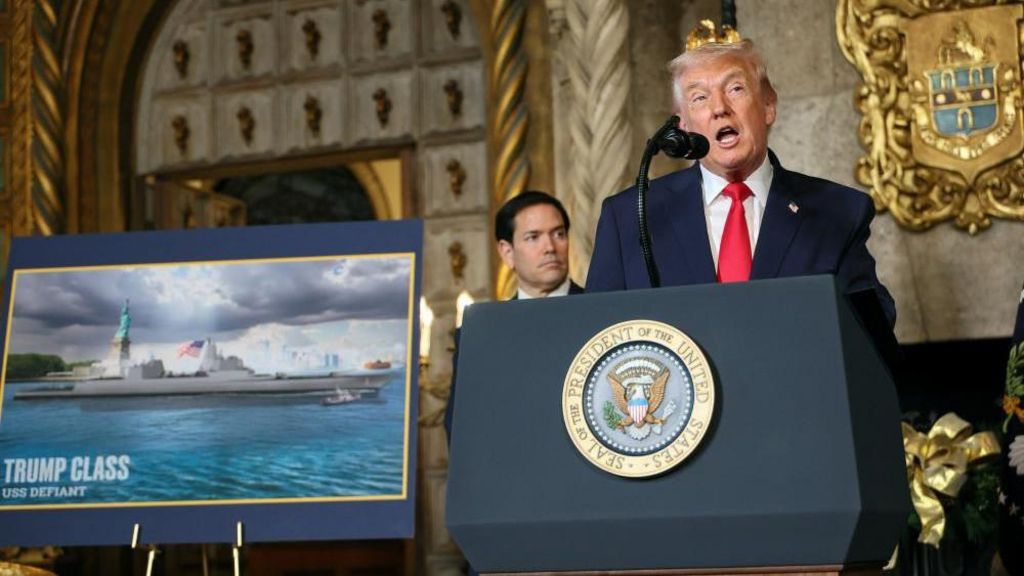
    In a significant military policy announcement, former President Donald Trump has revealed plans for a new class of heavily armed naval vessels to be named in his honor. The revelation came during a press conference at his Mar-a-Lago estate in Florida, where Trump was joined by key administration officials including Defense Secretary Pete Hegseth, Secretary of State Marco Rubio, and Navy Secretary John Phelan.

    The proposed ‘Trump Class’ battleships, designated as USS Defiant models, represent the centerpiece of a comprehensive naval expansion strategy dubbed the ‘Golden Fleet’ initiative. According to Trump, these vessels will incorporate hypersonic weapons systems and advanced lethal capabilities, positioning them as future flagships of the U.S. Naval fleet. Initial construction will commence with two vessels, with ambitions to eventually produce up to twenty-five ships in this class.

    This naval development occurs against the backdrop of growing concerns about American shipbuilding capacity relative to global competitors. Administration officials have repeatedly highlighted China’s dominant position in both naval production scale and commercial shipbuilding output, with Chinese shipyards capturing over sixty percent of global orders this year alone.

    The announcement follows recent Navy disclosures about additional vessel acquisitions based on the Coast Guard’s Legend-class National Security Cutter design. Chief of Naval Operations Daryl Caudle emphasized operational necessities driving these acquisitions, noting that current small combatant vessel inventory stands at merely one-third of required levels.

    The Trump administration’s naval strategy appears focused on domestic industrial revitalization alongside military enhancement. The president emphasized that construction would occur exclusively in American shipyards, potentially generating thousands of manufacturing jobs. This approach continues initiatives from Trump’s previous term, though similar previous efforts like the Constellation-class frigate program faced cancellation in 2024 due to budgetary overruns and scheduling delays.

    Geopolitical context adds urgency to these developments, with U.S. naval and air assets recently deployed to the Caribbean region amid escalating tensions with Venezuela. The administration has linked naval expansion to counter-narcotics operations, claiming successful interdiction of drug trafficking vessels since September operations commenced.

    Despite administrative enthusiasm, the proposed battleship program may encounter scrutiny regarding budgetary implications and strategic necessity, particularly given the Navy’s ongoing transition toward distributed maritime operations and unmanned vessel integration.

  • US regulator approves pill form of Wegovy weight-loss drug

    US regulator approves pill form of Wegovy weight-loss drug

    In a landmark decision for obesity treatment, the U.S. Food and Drug Administration has granted approval to pharmaceutical giant Novo Nordisk for a pill formulation of its widely-used weight-loss medication Wegovy. This development marks a significant advancement in the growing field of GLP-1 receptor agonists, which have revolutionized weight management therapies.

    The newly approved oral medication represents the first pill version of a GLP-1 drug specifically approved for weight loss, offering patients a convenient alternative to injectable formulations. According to Denmark-based Novo Nordisk, the once-daily tablet delivers comparable weight reduction results to its injectable counterpart while eliminating the need for regular injections.

    This approval builds upon the FDA’s earlier endorsement of Wegovy’s injectable form for weight management. The distinction is particularly noteworthy as other similar medications, including Ozempic which shares Wegovy’s active ingredient semaglutide, received initial approval primarily for Type 2 diabetes treatment despite demonstrating significant weight-loss benefits.

    The pharmaceutical innovation addresses a critical need in obesity treatment by potentially improving medication adherence through easier administration. With obesity affecting approximately 42% of American adults according to CDC data, this development could expand treatment accessibility for millions seeking effective weight management solutions.

    Medical experts anticipate that the oral formulation may reduce barriers to treatment initiation and persistence, potentially transforming the weight-loss medication landscape. The approval comes amid growing demand for effective pharmacological interventions against obesity, which remains a pressing public health concern nationwide.

  • Captain Pat Cummins out and spin bowler Murphy in for the 4th Ashes test against England

    Captain Pat Cummins out and spin bowler Murphy in for the 4th Ashes test against England

    MELBOURNE, Australia — Australia’s cricket selectors have announced significant changes to their squad for the pivotal fourth Ashes test against England, commencing Friday at the Melbourne Cricket Ground. The team will field a substantially altered bowling attack with rising spinner Todd Murphy replacing the injured Nathan Lyon and captain Pat Cummins opting for strategic rest.

    Murphy, who has been selected ahead of fellow spin contenders Matt Kuhnemann and Corey Rocchiccioli, is poised to make his Australian test debut on home soil during the prestigious Boxing Day match. The 15-player roster, unveiled Tuesday, reflects Australia’s calculated approach to squad management after securing the Ashes urn with three consecutive victories in the series.

    Cummins’ decision to sit out the Melbourne encounter follows medical advice regarding his recovery from a significant back injury sustained in June. The pace bowler confirmed his likely absence after Australia’s commanding 82-run triumph in Adelaide, prioritizing long-term fitness over immediate participation.

    In positive news for the hosts, former captain Steve Smith is anticipated to return to the lineup after missing the third test due to a vertigo episode. Smith will resume leadership duties during Cummins’ absence, providing experienced guidance to the restructured squad.

    The selection panel has also recalled fast bowler Jhye Richardson, who could potentially play his first test match in over four years following an extensive rehabilitation from multiple injuries. Richardson’s inclusion offers additional pace options alongside established bowlers Mitchell Starc and Scott Boland.

    Lyon’s hamstring strain, suffered during a boundary-saving dive on the final day of the Adelaide test, represents another setback for the veteran spinner who previously missed matches during the 2023 Ashes series in England with a calf injury. Murphy, who previously deputized for Lyon during that series and claimed six wickets at The Oval, now steps into the primary spin role.

    The fifth and final Ashes test is scheduled to begin January 3rd at the Sydney Cricket Ground, where Australia will look to extend their dominant position in the historic rivalry.

  • NGOs fear ‘catastrophic impact’ of new Israel registration rules

    NGOs fear ‘catastrophic impact’ of new Israel registration rules

    Humanitarian organizations are issuing dire warnings that Israel’s newly implemented registration requirements for non-governmental organizations could devastate aid operations across Gaza and the West Bank. The controversial policy, which mandates all NGOs to register under a new framework by December 31, 2025, has already resulted in the rejection of at least 14 organizations including prominent groups like Save the Children and the American Friends Service Committee.

    According to Israel’s Ministry of Diaspora Affairs and Combating Antisemitism, approximately 100 registration requests had been submitted as of November 2025, with the majority either approved or under review. The government maintains that the regulations aim to prevent “hostile actors or supporters of terrorism” from operating in Palestinian territories, specifically targeting organizations involved in terrorism, antisemitism, Holocaust denial, or delegitimization of Israel.

    The policy emerges amid persistent humanitarian crises in Gaza, where basic infrastructure including running water and electricity remains unavailable despite the US-brokered October ceasefire. Current aid delivery falls dramatically short of requirements—while the ceasefire agreement stipulated 600 trucks daily, only 100-300 trucks carrying humanitarian aid actually enter the region.

    Rejected organizations now face a 60-day deadline to withdraw all international staff from Gaza, the West Bank, and Israel, while losing authorization to send humanitarian supplies across borders. This development threatens essential services for vulnerable populations, including Save the Children’s programs supporting 120,000 children with psychosocial support and education.

    The Humanitarian Country Team for the Occupied Palestinian Territory cautioned that deregistration could collapse the humanitarian response entirely, noting that currently approved NGOs represent only a fraction of required capacity. Many organizations report complying with most requirements but refusing to cross “red lines” such as providing information about Palestinian staff.

    Legal experts highlight particular concern over the vague terminology surrounding “delegitimization” of Israel, which NGOs say could encompass any criticism of Israeli policies. Israeli lawyer Yotam Ben-Hillel, representing several organizations in appeals, noted that any reporting on ground conditions could potentially justify rejection under these provisions.

    With the year-end deadline approaching, humanitarian workers fear catastrophic consequences for Gaza’s population if experienced organizations are replaced by unknown entities without established operational capacity or expertise in the region.

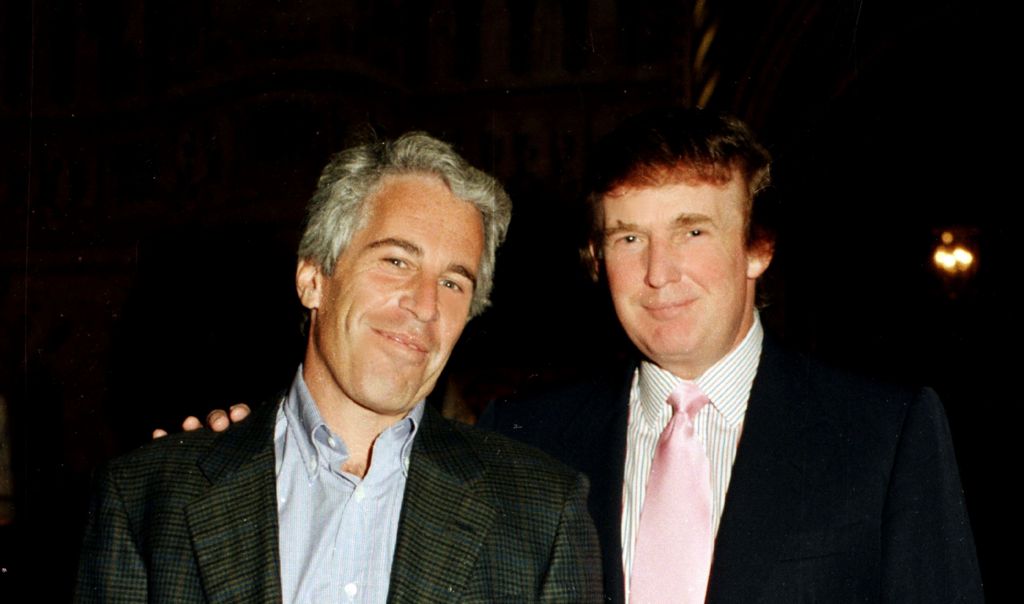
  • What the underwhelming Epstein files release means for Trump and Maga

    What the underwhelming Epstein files release means for Trump and Maga

    Florida Attorney General Pam Bondi’s recent declaration on X regarding President Trump leading “the most transparent administration in American history” backfired spectacularly when respondents immediately shifted focus to the handling of Jeffrey Epstein case files. Instead of engaging with her comments about assassination attempt documents, users flooded replies with accusations of deception and demands for transparency regarding the Epstein investigation.

    The highly anticipated document release last Friday failed to satisfy many within Trump’s coalition who had expected revelatory information. While the files contained previously unseen photographs of various celebrities and public figures—including Bill Clinton, Mick Jagger, and Michael Jackson—with Epstein, these images didn’t indicate wrongdoing. The extensive redactions throughout the documents proved most frustrating to those anticipating confirmation of conspiracy theories.

    This disappointment highlights a significant challenge for the Trump administration: managing the expectations of non-traditional voters drawn from internet subcultures where Epstein-related conspiracy theories flourish. According to University of Miami professor Joe Uscinski, an expert on conspiracy theories, Trump’s coalition has increasingly become defined by skepticism toward institutions rather than traditional Republican priorities.

    The tension is particularly evident among social media influencers and podcasters who maintain substantial online influence while operating outside conventional Republican circles. Figures like ‘Libs of TikTok’ creator Chaya Raichik and activist Jack Posobiec were notably silent following the document release, despite having previously kept attention on the Epstein case. Their quiet stance has sparked infighting within the MAGA movement, with some commentators criticizing their lack of response.

    In Congress, criticism has been more direct. Representative Thomas Massie (R-KY), who championed the legislation compelling document release, has joined forces with Democratic Representative Ro Khanna to accuse Bondi of violating legal requirements. Massie has even suggested pursuing “inherent contempt” charges against Bondi for ignoring congressional orders.

    The Epstein controversy represents just one of several fractures currently emerging within the Trump coalition, with additional divisions appearing over free speech, antisemitism, and leadership disputes. As Open Measures researcher Jared Holt observed, the movement that began the year as a “triumphant intimidating cultural force” now shows signs of instability with no immediate recovery in sight.

    With Deputy Attorney General Todd Blanche promising hundreds of thousands of additional documents before year’s end, the administration continues to navigate the complex expectations of a coalition increasingly defined by its skepticism of institutional transparency.

  • Turkey says captured senior Daesh figure on Afghan-Pakistan border

    Turkey says captured senior Daesh figure on Afghan-Pakistan border

    Turkish intelligence forces have successfully apprehended a high-ranking operative of the Daesh terrorist organization in a sophisticated cross-border operation along the Afghanistan-Pakistan frontier. The captured individual, identified as Turkish national Mehmet Goren, held a leadership position within Islamic State Khorasan Province (IS-K), the group’s regional affiliate known for its brutal attacks across South and Central Asia.

    According to detailed reports from Turkey’s state-run Anadolu Agency, Goren had been actively coordinating suicide operations targeting civilian populations across multiple regions including Afghanistan, Pakistan, Turkey, and European nations. Intelligence tracking revealed Goren’s journey from Turkey to the Afghanistan-Pakistan border region, where he ascended through Daesh’s ranks while operating from militant training camps.

    The Turkish National Intelligence Organization (MIT) conducted meticulous surveillance before executing the precise apprehension in the volatile border zone. Goren, who reportedly survived previous airstrikes targeting Daesh positions in Pakistan, was subsequently transferred to Turkish territory for detention and interrogation.

    This operation represents another strategic victory in Turkey’s intensified counterterrorism campaign against Daesh networks. Turkish authorities have particularly focused on disrupting the group’s Khorasan affiliate, which has claimed responsibility for numerous devastating attacks including the March 2024 Moscow concert hall massacre that killed over 140 people.

    Security analysts note that Goren maintained operational connections with Ozgur Altun (also known as Abu Yasir Al Turki), previously arrested and imprisoned for facilitating militant transfers from Turkey to conflict zones. The successful capture demonstrates Turkey’s growing capability to project intelligence operations beyond its immediate borders against transnational terrorist threats.

  • Workers organized by a key union rally in Bolivia against scrapping fuel subsidies

    Workers organized by a key union rally in Bolivia against scrapping fuel subsidies

    LA PAZ, Bolivia — Bolivia’s political landscape erupted in protest on Monday as thousands of miners and union members launched a nationwide strike against President Rodrigo Paz’s controversial decision to eliminate long-standing fuel subsidies. The demonstrations, organized by Bolivia’s Central Union of Workers, marked the first major challenge to Paz’s centrist government since he took office on November 8.

    The core of the conflict centers on Paz’s emergency decree that abruptly ended two decades of fuel subsidies, catapulting gasoline prices from $0.53 to approximately $1 per liter. The president defended his decision during a televised town hall, stating, ‘The country is sick and must be healed. Every day, $10 million is spent on a subsidy that benefits smugglers’ who allegedly resell subsidized fuel both domestically and internationally.

    While transportation workers and several trade groups notably abstained from joining the protests, miners and coca growers—traditional allies of former left-wing governments—mobilized forcefully. In La Paz, police sealed off access to government buildings as protesters flooded the capital’s downtown. Simultaneously, roadblocks emerged in six of Bolivia’s nine regions, with significant demonstrations reported in Cochabamba, the country’s third-largest city, where supporters of former President Evo Morales blocked major highways.

    The economic context reveals deeper troubles: Bolivia’s foreign currency reserves have been depleted by $3 billion annually in fuel imports, exacerbating what analysts describe as the nation’s most severe economic crisis in forty years. This downturn follows the decline of Bolivia’s natural gas exports and has created critical dollar shortages that hampered business operations.

    Business groups have overwhelmingly supported Paz’s measures, anticipating they will stabilize currency availability and facilitate imports. Luis Paco, a merchant union leader from El Alto, acknowledged the inevitability of the reforms: ‘We knew that at some point the subsidies would end. There were no negotiations over the new adjustments, but we knew this was inevitable.’

    Political scientist Carlos Cordero suggested the protests reflect pre-electoral positioning ahead of next year’s local elections rather than widespread popular opposition. The relatively limited turnout, he noted, indicates weakening union influence and growing public acceptance that economic adjustment was necessary.

    Meanwhile, the government has implemented compensatory measures, including duty-free auto part imports for transportation sectors and a 20% minimum wage increase, which likely contributed to bus drivers’ decision to remain operational during the protests.

  • FCC bans new Chinese-made drones, citing security risks

    FCC bans new Chinese-made drones, citing security risks

    In a decisive move with profound implications for the U.S. technology and security landscape, the Federal Communications Commission (FCC) announced a comprehensive prohibition on new foreign-manufactured drones. This policy, enacted on Monday, effectively blocks market leaders like China’s DJI and Autel from introducing new models to American consumers and businesses. The ruling stems from a year-long security review mandated by a prior congressional defense bill, which concluded that drones and their critical components produced outside the U.S. present ‘unacceptable risks to the national security.’

    The FCC justified its stringent position by highlighting imminent major events, including the 2026 World Cup, the America250 anniversary celebrations, and the 2028 Los Angeles Olympics, as potential targets for malicious actors exploiting vulnerabilities in foreign drone technology. The policy does include a provision for exemptions, allowing specific drones or components to be permitted if the Department of Defense or the Department of Homeland Security certifies they pose no threat.

    Industry response was sharply divided. The Association for Uncrewed Vehicle Systems International (AUVSI) applauded the decision. Its president, Michael Robbins, declared it a critical step toward reducing U.S. dependence on China and revitalizing domestic drone production and secure supply chains, citing China’s history of restricting strategic exports like rare earth magnets.

    Conversely, DJI expressed profound disappointment, labeling the FCC’s concerns as ‘protectionism’ that lacks evidentiary support and contradicts open market principles. The impact on American operators is already tangible. Gene Robinson, a Texas-based trainer for law enforcement, lamented the disruption his fleet of nine DJI drones will face, acknowledging the necessary ‘growing pains’ for achieving technological independence. Meanwhile, Arthur Erickson, CEO of American drone maker Hylio, viewed the ban as an unexpected but significant opportunity for domestic growth, even as he criticized its overly broad ‘blanket’ scope against all foreign products and urged regulatory clarification.

  • British singer Chris Rea dies aged 74, family tells UK media

    British singer Chris Rea dies aged 74, family tells UK media

    The music industry is in mourning following the announcement of British singer-songwriter Chris Rea’s passing at age 74. The iconic musician, whose career spanned over four decades, died in hospital after battling a short illness, according to a family statement released to UK media on Monday.

    Rea’s distinctive gravelly voice and masterful guitar work cemented his status as one of Britain’s most beloved musical talents. While he enjoyed consistent chart success throughout his career, he achieved global recognition with his 1988 seasonal classic ‘Driving Home for Christmas,’ which has become an enduring anthem of holiday travel and nostalgia.

    The family spokesperson confirmed the sad news through Britain’s Press Association, stating: ‘Singer/songwriter and guitarist Chris Rea passed away earlier today in hospital following a short illness.’ The statement prompted an immediate outpouring of tributes from fans and fellow musicians worldwide.

    Beyond his Christmas hit, Rea’s musical legacy includes a remarkable catalog of blues-infused rock albums and international successes like ‘The Road to Hell’ and ‘Fool (If You Think It’s Over).’ His battle with health issues was well-documented, having undergone major pancreatic surgery in the past, though the specific nature of his final illness remains private.

    The timing of his passing, just days before Christmas, adds particular poignancy to the loss of an artist whose music became synonymous with the holiday season for millions around the world.