博客

  • Barnaby Joyce defends One Nation as ‘one of the gayest parties’ after former candidate says gay people have ‘mental illness’

    Barnaby Joyce defends One Nation as ‘one of the gayest parties’ after former candidate says gay people have ‘mental illness’

    A new controversy has engulfed Australia’s One Nation party after a resurfaced video showed one of its former electoral candidates making inflammatory and discriminatory claims that homosexuality constitutes a mental illness, prompting senior party figure Barnaby Joyce to mount an unusual defense of the party’s record on LGBTQ+ inclusion.

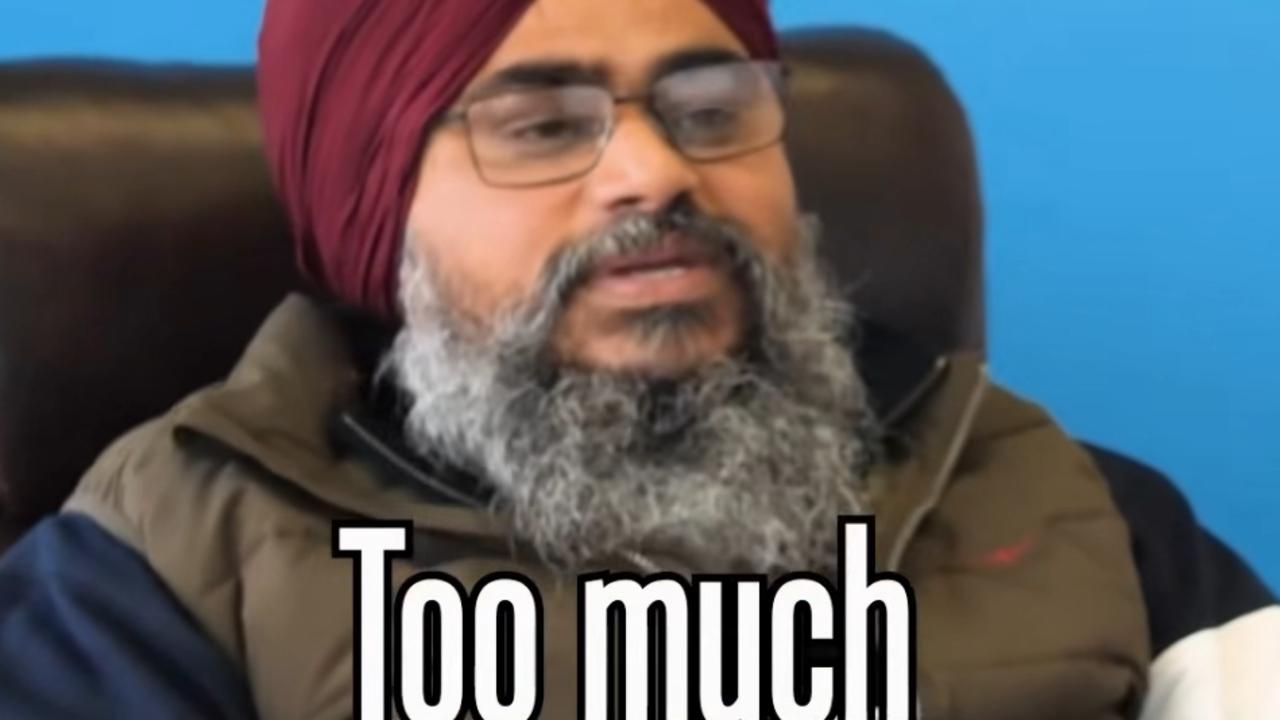
    The comments came from Parminder Singh, who ran unsuccessfully for One Nation for a seat in Western Australia’s Legislative Council during the 2021 state election. The footage of his remarks was captured in a recorded interview with Perth-based comedian Jasky Singh, who operates online under the persona Mr Sikkant, and was recently circulated widely on social media.

    In the clip, Singh went beyond his core claim that being gay is a mental illness, also arguing that animals are morally superior to humans because they do not engage in same-sex relationships. He additionally asserted that any woman who has experimented with a same-sex relationship never returns to heterosexual partnerships, claiming women leave men because they feel used and find same-sex relationships more fulfilling. When directly asked by the interviewer whether he believed people are born gay, Singh firmly rejected the idea, repeating his assertion that same-sex orientation is a mental health disorder.

    In the wake of the video going public, Barnaby Joyce, One Nation’s senior federal parliamentary representative, stepped forward to defend the party against accusations of systemic homophobia. In an interview with ABC’s Afternoon Briefing, Joyce made the surprising claim that One Nation is “one of the gayest parties in Australia”, arguing the party counts a large share of openly LGBTQ+ members among its ranks.

    Joyce condemned Singh’s remarks as highly offensive, noting that LGBTQ+ members of One Nation, like all people, simply want to be accepted rather than glorified or vilified, and contribute meaningfully to the party’s work. While he stopped short of explicitly confirming that Singh had been formally disendorsed by the party, Joyce confirmed that Singh’s profile had been removed from One Nation’s official website as of Wednesday, adding that removing a former candidate’s profile from the party’s online platform sends a clear signal that his views do not align with the party’s position.

    Joyce further framed the incident as a matter of adhering to Australian social norms, arguing that all public expression must stay within the “guardrails” of modern Australian culture, which he described as inherently tolerant and egalitarian. “That’s one of our key policies, we believe in an Australian culture that is tolerant, egalitarian, and has things that are inside the guardrails,” Joyce said, adding that the party rejects any views that fall outside these widely accepted standards.

    The opposition Labor Party has been quick to condemn both the remarks and One Nation’s response. Patrick Gorman, a federal Labor MP, took to social media to argue that homophobia has no place in Australian public life, calling Singh’s comments “deeply offensive” and rejecting the hate and discrimination the remarks promote. Gorman noted that Western Australia’s Perth electorate has hosted an annual Pride Parade since 1990, an event he has joined multiple times, framing the parade as a celebration of the region’s long-standing culture of kindness and inclusion for LGBTQ+ people.

  • Spain prepares for rare solar eclipse against backdrop of heat and wildfires

    Spain prepares for rare solar eclipse against backdrop of heat and wildfires

    A once-in-a-century celestial event is bringing unprecedented excitement — and significant public safety challenges — to parts of Western Europe this week, as Spain prepares to welcome hundreds of thousands of eclipse chasers while grappling with an ongoing extreme heat and wildfire crisis.

    The rare total solar eclipse, the first to cross mainland Spain in more than 100 years, will cast a shadow of darkness across a wide stretch of northern and central Spain on Wednesday, with these regions set to offer some of the best viewing positions for the spectacle across mainland Europe. When the sun, moon, and Earth fully align around sunset, portions of the Iberian Peninsula, along with small parts of Greenland and Iceland, will be plunged into temporary darkness, with the period of complete totality — when the moon fully obscures the sun — lasting less than two and a half minutes across most viewing spots. The maximum duration of totality will occur off the west coast of Iceland, before the eclipse finishes its trajectory over the Mediterranean Sea.

    Spanish officials estimate the event will draw at least 500,000 additional visitors to the country’s rural, sparsely populated interior, a region widely known as “Empty Spain.” This influx comes against a grim backdrop: just weeks ago, the most destructive wildfire in modern Spanish history burned through 500 square kilometers of central Spain, forcing tens of thousands of residents to evacuate. Multiple smaller blazes still burn across other parts of the country, and a late-July wildfire in Ávila, west of Madrid, has already underscored how quickly a single spark can escalate into a disaster amid current conditions.

    To balance public enthusiasm for the eclipse with wildfire prevention, Spanish authorities have rolled out an extensive public safety and preparedness campaign. The country’s Interior Ministry confirmed that 350 designated official viewing sites have been established across high-visibility regions, while 123 other popular potential viewing spots have had access restricted or limited entirely due to elevated fire risk or barriers that would slow emergency evacuation if a blaze broke out. More than 33,500 law enforcement officers will be deployed across viewing zones and access points to enforce safety rules and manage crowds.

    Speaking on the need for strict preventive action, Interior Minister Fernando Grande-Marlaska noted: “High temperatures, the accumulated dryness of vegetation, and the intense pressure on natural areas due to projected travel necessitate extreme preventive measures.” Spain’s national weather agency AEMET has forecast temperatures climbing above 35 degrees Celsius (95 Fahrenheit) across a swathe running from the northwest to the southeast of the country, covering most of the prime eclipse viewing areas, leaving vegetation tinder-dry and highly flammable. Officials have issued urgent warnings to visitors: no open flames, no littering, and no parking vehicles on areas covered by dry vegetation, as even a small spark from a car exhaust can ignite a major wildfire.

    Amid the safety preparations, excitement over the rare event has sparked a nationwide rush for essential viewing equipment. Specialized eclipse glasses, fitted with unique filters that block harmful solar radiation to prevent permanent eye damage, are flying off shelves across the country. Telmo Fernández Castro, director of the Madrid Planetarium, emphasized that proper eye protection is non-negotiable even when only a small portion of the sun remains visible, stating “To look at the sun, you must always use proper protection, and the most suitable protection is eclipse glasses.” For months, retailers including supermarkets, department stores, museums, and planetariums have sold or distributed the glasses, and most pharmacies have already sold out of their stock ahead of Wednesday’s event. By Tuesday evening, eager shoppers who had missed out were queuing for blocks outside a downtown Madrid photo shop that announced it still had supplies, with one happy customer emerging to tell waiting crowds the store still had “boxes and boxes of them.”

    The eclipse frenzy is not limited to Spain. In Iceland, which is hosting its first total solar eclipse since 1954 and the first visible from its capital Reykjavík since 1433, tourism and accommodation prices have hit unprecedented levels. Average room rates in Reykjavík for Wednesday night now exceed $1,000, roughly double typical 2025 peak season prices, according to data from Lighthouse Intelligence. Authorities expect up to 20,000 extra international visitors to descend on the country of just under 400,000 people, adding to crowds during an already busy summer travel period. For hoteliers along the path of totality, demand has been extraordinary: the 70-room Hotel Keflavík in Reykjanesbaer municipality, which offers viewing of roughly one minute 45 seconds of totality (weather permitting), was fully booked more than a year in advance. Hotel owner and manager Steinþór Jónsson said the eclipse surge is the biggest event the property has seen since it opened in 1986, the year of the historic Reagan-Gorbachev Reykjavík summit. “When I opened the hotel, we had Reagan and Gorbachev meeting. It was very hectic here. Besides Reagan and Gorbachev, the eclipse is the biggest,” Jónsson said with a smile. In Spain’s prime viewing zones including the northern cities of A Coruña, Bilbao, and Santiago de Compostela, hotel demand has also soared ahead of the event.

  • Landslide in Mumbai kills 6 as India is drenched by monsoon rains

    Landslide in Mumbai kills 6 as India is drenched by monsoon rains

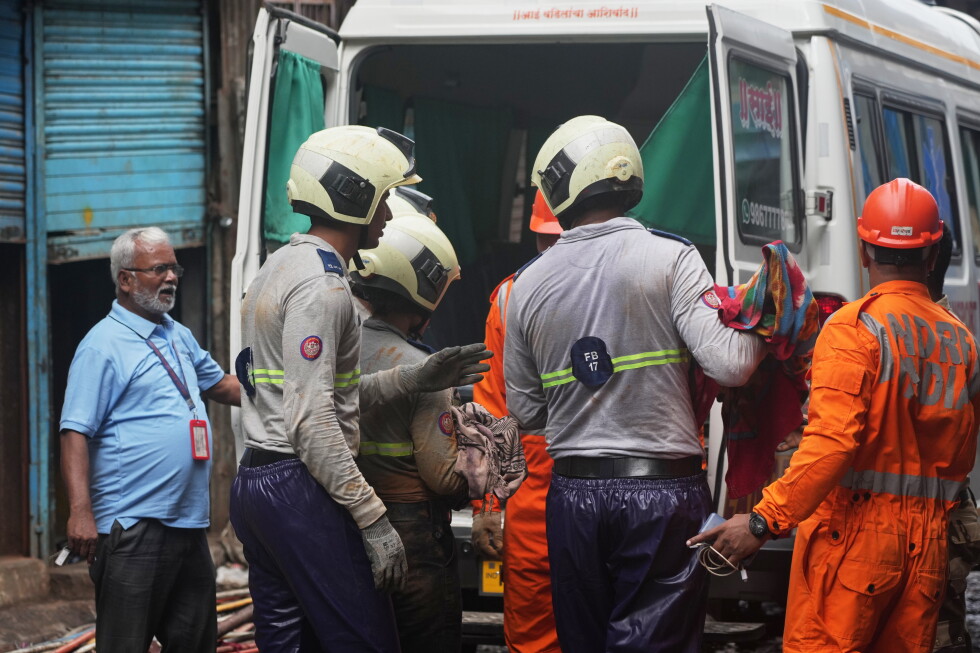
    In the early hours of Wednesday, a devastating landslide triggered by extreme monsoon downpours swept through a crowded residential neighborhood in Mumbai, India’s financial and commercial hub, leaving at least six people dead and four others injured, local authorities confirmed.

    The disaster struck before sunrise, when a fractured segment of a steep hillside gave way and crashed onto a cluster of informal homes in Ghatkopar, a densely populated suburb of the megacity. According to civic official Tanaji Kambli, between two and three residential structures were fully buried under the mud and debris when the slope collapsed.

    Emergency response teams including municipal workers, local police, firefighters, and personnel from the National Disaster Response Force were deployed to the site immediately after the collapse to launch search and rescue operations. However, their life-saving efforts were significantly slowed by the area’s extremely narrow access lanes, which make it impossible to bring in heavy excavation equipment to clear debris efficiently.

    By the latest update, rescue workers have managed to extract 10 people from the rubble. All of those pulled from the debris were transported urgently to a public city hospital. Kambli confirmed that six of those patients, including two young children and two teenagers, were pronounced dead on arrival at the medical facility. The remaining four injured people remain in the hospital receiving ongoing care for their injuries.

    Mumbai Mayor Ritu Tawde traveled to the affected neighborhood within hours of the landslide to meet with survivors and local residents. During her visit, she announced that the city government would provide formal monetary compensation to the families of those killed in the disaster to help them cover funeral costs and other expenses.

    India’s national weather department has issued a forecast warning of more intense monsoon activity across the entire western region of the country in the coming days. Local authorities have already issued repeated urgent calls for residents living in areas known to be at high risk of floods and landslides to stay on high alert and evacuate to safer locations if instructed.

    Home to more than 20 million residents, Mumbai receives the bulk of its annual rainfall during the June-to-September monsoon season. Torrential seasonal downpours have long created major disruptions for the city, routinely flooding major roads and railway lines, halting air and rail travel, and triggering destructive landslides and building collapses. These risks are concentrated especially in crowded informal settlements built onto steep, geologically unstable hillsides, where most of the city’s low-income population resides.

    Climate and disaster experts have warned for decades that Mumbai’s growing vulnerability to deadly monsoon disasters is driven by multiple manmade factors: unplanned rapid urbanization, unregulated construction of housing on geologically fragile hillside terrain, and a severely underbuilt and inadequate urban drainage system. These longstanding risks are now amplified by human-caused climate change, which is bringing heavier, more erratic, and more unpredictable rainfall patterns to the region every monsoon season.

  • Singapore and S Korea pull Trader Joe’s seasoning over poppy seeds

    Singapore and S Korea pull Trader Joe’s seasoning over poppy seeds

    A beloved seasoned blend from U.S. grocery giant Trader Joe’s has become the center of a cross-Asian regulatory action, after authorities in Singapore and South Korea ordered the removal of the product from all online retail platforms due to its inclusion of poppy seeds, an ingredient that falls under strict narcotic control rules in both nations.

    Launched back in 2017, Trader Joe’s Everything But the Bagel seasoning has developed a global cult following among home cooks and food enthusiasts, prized for its savory, versatile flavor profile. Alongside its core ingredient poppy seeds, the blend also includes sesame seeds, flaky sea salt, minced garlic, and minced onion. While poppy seeds themselves do not naturally produce opiates, agricultural experts note they can easily become cross-contaminated with opiate compounds from the poppy plant’s latex sap during the harvesting process.

    This contamination risk has led both Singapore and South Korea to classify poppy seeds as a controlled prohibited substance. On Wednesday, Singapore’s Central Narcotics Bureau (CNB) confirmed that more than 20 separate online listings of the popular seasoning have already been taken down from local e-commerce sites. CNA reported that the agency has issued a clear public advisory urging anyone who currently owns a bottle of the product to dispose of it immediately, emphasizing the city-state’s uncompromising zero-tolerance stance on controlled drugs.

    “The possession, consumption, importation, exportation, manufacturing and trafficking of any controlled drug, even in trace amounts, is an offence under the Misuse of Drugs Act,” a CNB spokesperson stated in a press briefing.

    The regulatory action follows a similar move by South Korean authorities just one week prior, when Seoul officials announced that official testing on the seasoning had detected trace amounts of morphine and codeine, two naturally occurring opiate compounds derived from poppy plant sap. Investigators in South Korea found that most of the product listed for resale online had been brought into the country by travelers as personal souvenirs from trips abroad, before being resold by third-party sellers. The Korea Herald reports that while some of these sellers had no idea the product contained a prohibited controlled substance, others intentionally listed it for sale despite knowing the regulatory status.

    “Even if a product is legally sold overseas, it may be classified as a narcotic substance or a prohibited import in Korea, so particular caution is required,” a South Korean police official told local media, reminding travelers to check local import regulations before bringing food products back from international trips.

    The incident highlights how differing national food and drug regulatory frameworks can create unexpected compliance issues for popular international food products, even when those products are completely legal in their country of origin.

  • One dead, 172 rescued as second ferry in days catches fire in Indonesia

    One dead, 172 rescued as second ferry in days catches fire in Indonesia

    Indonesia has been struck by another deadly maritime disaster, after a passenger ferry traveling from the popular tourist island of Bali to neighboring Lombok caught fire in the early hours of Wednesday, leaving one young woman dead and prompting a large-scale rescue operation that pulled 172 people to safety. This incident marks the second fatal ferry fire in the Southeast Asian archipelago in less than a week.

    Muhamad Hariyadi, a search and rescue official based in Lombok, confirmed to Agence France-Presse (AFP) that a navy ship and multiple other civilian vessels responded to the emergency, evacuating all 172 people from the burning vessel. Among those rescued were two Australian tourists, who were among the passengers on the inter-island route popular with both locals and international travelers. The sole fatality was identified as a 19-year-old Indonesian woman, whose body was brought to shore at Lembar port on Lombok’s west coast in a body bag, witnessed by an AFP photographer on the scene.

    One 25-year-old survivor, Kiky Okta Pradika, described the chaotic scene to reporters at Lembar after arriving ashore. Pradika said he had managed to grab a life jacket before jumping overboard alongside several other passengers as flames spread across the ferry. He added that passengers waited several hours before the first rescue vessels arrived at the remote location off the coast.

    Hariyadi noted that multiple vessels — including a military navy ship and a nearby commercial ferry that diverted to assist — coordinated the evacuation effort in the early morning. By mid-morning, search and rescue crews confirmed that no passengers or crew remained trapped on the burning ferry, with search and rescue boats stationed at the scene and a helicopter conducting aerial surveillance to support the operation. As of the latest update, officials have not released any information about injured or unaccounted-for people beyond the confirmed fatality.

    This ferry fire comes just one week after another ferry blaze off the coast of Indonesia’s Java island killed five people. Maritime accidents are a persistent, common issue across Indonesia, a nation made up of more than 17,000 islands where inter-island boat travel is a foundational part of both daily domestic transport and the country’s massive tourism industry. Industry observers and safety officials have long cited chronically lax safety standards for passenger vessels and the archipelago’s unpredictable tropical weather as the two leading causes of repeated maritime disasters.

    Just last month, another major incident underscored the risks: a ferry carrying more than 70 passengers sank near Selayar, a small island off the southern coast of Sulawesi. Rescuers recovered four bodies from that incident, but the search operation was called off with 14 people still officially listed as missing.

  • ASX falls as Commonwealth Bank sounds alarm on economy, despite record profit

    ASX falls as Commonwealth Bank sounds alarm on economy, despite record profit

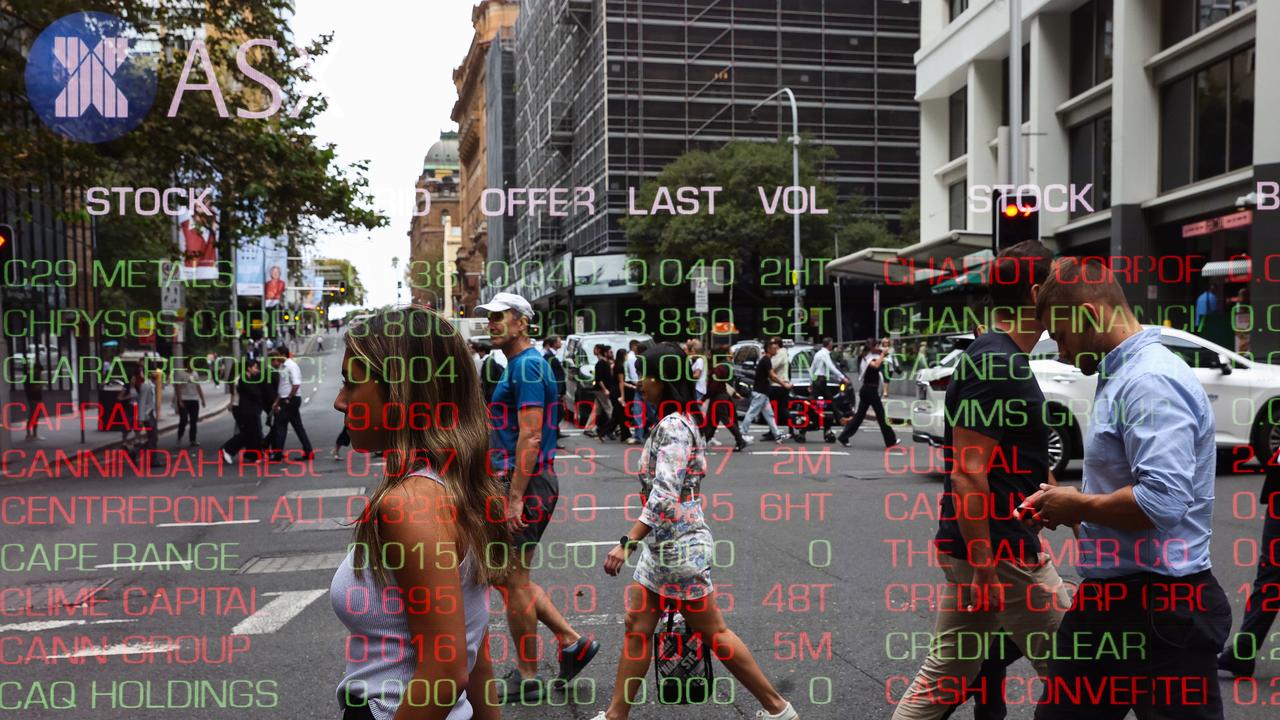
    On Wednesday, Australia’s primary sharemarket closed in negative territory, weighed down by growing investor anxiety over cooling economic growth and a shrinking mortgage market, even as the nation’s largest lender Commonwealth Bank (CBA) delivered annual earnings that handily beat analyst projections.

    The benchmark ASX 200 index retreated 41.20 points, or 0.45%, to end the trading session at 9209.40, while the broader All Ordinaries index fell 39 points, or 0.41%, to settle at 9404.70. The Australian dollar also edged slightly lower, closing at 70.57 US cents. Across the 11 major market sectors, only two – utilities and technology – finished the day in positive territory, with losses in large banking stocks and consumer discretionary companies offsetting those isolated gains.

    All four of Australia’s major banking groups closed the session lower. CBA shares dropped 0.69% to $172.72, while National Australia Bank fell 0.85% to $40.93, Westpac declined 0.90% to $35.37, and ANZ slid 0.60% to $36.39. Among consumer discretionary stocks, retail conglomerate Wesfarmers posted a minor 0.11% drop to $89.32, furniture retailer Harvey Norman fell 1.80% to $4.91, and appliance maker Breville Group declined 2.07% to $33.98.

    CBA’s full-year results were the central focus of trading activity. The banking giant reported an annual net profit of $10.98 billion, expanding its loan and deposit portfolio and outperforming consensus market expectations. But the positive earnings print was overshadowed by cautious forward guidance from the firm: CBA revealed that mortgage demand has plummeted 15% since May 2024, and CEO Matt Comyn warned that broader Australian economic growth is cooling.

    “While the Australian economy has remained resilient, supported by historically low unemployment and long-term investment, growth is slowing, with higher interest rates and inflation placing uneven pressure on household incomes and economic activity,” Comyn said in a statement accompanying the results. “Housing activity has softened from a high base as application volumes appear to have stabilised in recent weeks.”

    Marc Jocum, senior investment strategist at Global X, explained that market sentiment shifted quickly after the earnings release. “CBA initially rallied after reporting stronger-than-expected earnings, a higher dividend and a robust capital ratio, but gains faded as investors focused on softer forward indicators, including a 15 per cent decline in mortgage applications since the federal budget, rising loan impairment expenses and a gradual lift in household arrears,” Jocum said. He added that broader market sentiment was also dragged down by caution ahead of key U.S. inflation data and persistent oil price volatility driven by ongoing geopolitical tensions in the Middle East.

    Oil market movements also added to investor unease: international benchmark Brent Crude briefly topped $90 a barrel during trading before settling at $88 a barrel. Other notable market moves included a steep 14.31% drop in shares of employment platform Seek, which fell after the firm reported a statutory net loss of $307 million alongside a 10% rise in annual revenue to $1.2 billion. Investors fled the stock on the back of a weakened growth outlook, as slowing economic conditions have driven a decline in new job listings across the country.

    In an outlier performance, financial services group Suncorp bucked the broader market trend to close 3.34% higher at $19.18, even after the firm reported a 43.66% year-on-year drop in full-year net profit to $1.027 billion on annual revenue of $16.77 billion, a 4.01% decline from the prior year.

  • Former disability carer worker Adam Mason jailed for nine months for sexual assault of two vulnerable clients

    Former disability carer worker Adam Mason jailed for nine months for sexual assault of two vulnerable clients

    A former disability support worker in Victoria, Australia, has been sentenced to nine months in prison followed by a two-year community corrections order after pleading guilty to sexually abusing two cognitively impaired women he was hired to care for, the County Court of Victoria confirmed this Wednesday.

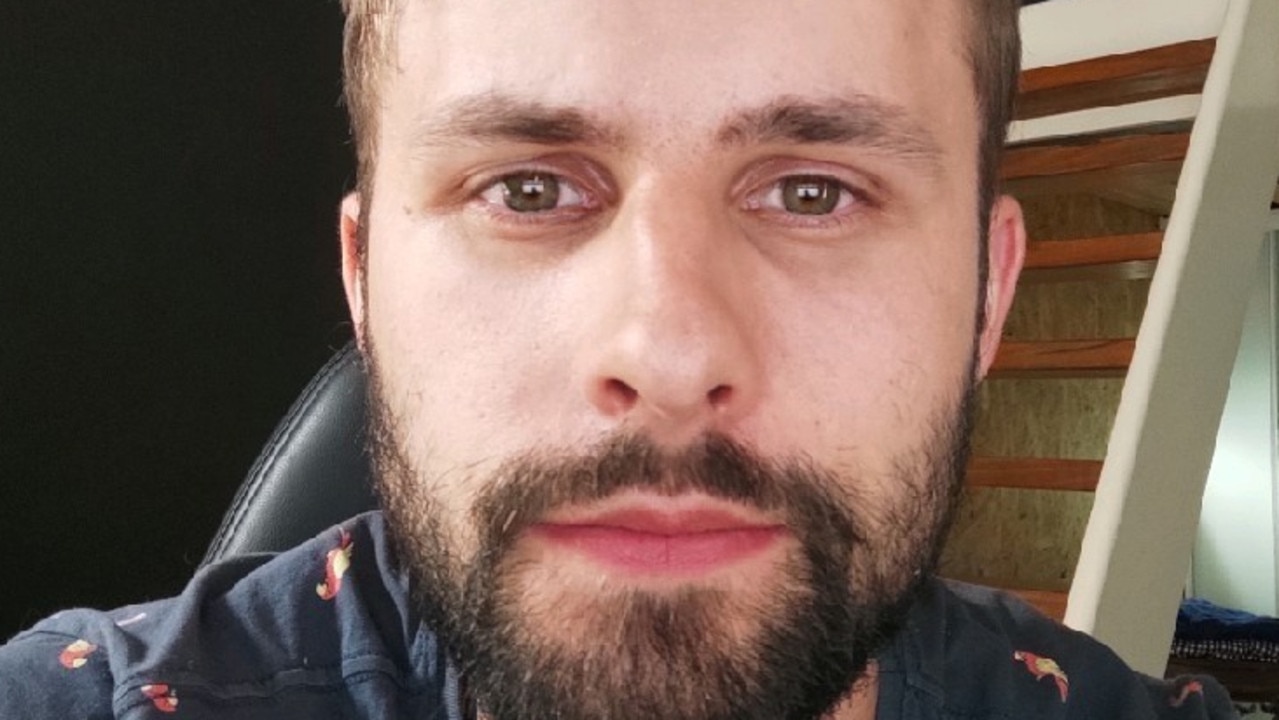
    Adam Mason, 31, entered the disability support sector in 2022, and by October of that year, he began working with his first victim. Court documents outline that the relationship quickly crossed professional boundaries within just a few appointments: Mason admitted to the woman he had strong romantic feelings, began giving her unauthorised gifts and hugs, and shared his first kiss with her that December. By January 2023, the pair had engaged in sexual intercourse, after which Mason stepped down as the woman’s official carer. Even after a new support worker was assigned, Mason continued meeting the first victim in secret, with two more sexual encounters occurring before the abuse came to light.

    In March 2023, the first victim disclosed the inappropriate relationship to a replacement support worker during a dispute, raising concern that Mason was also involved with another of his clients. Shortly after Mason was suspended from his role, the second victim came forward to report that Mason had also kissed her – an experience that left her deeply distressed, the court confirmed. When interviewed by police the following year, Mason admitted his actions were wrong, framing the kiss with the second victim as a “moment of weakness” and telling investigators he believed he had fallen in love with the first victim.

    Mason pleaded guilty to five total criminal charges: three counts of sexual penetration of a person with a cognitive impairment or mental disorder, and two counts of sexual assault against the same protected class of people. In her sentencing remarks, Judge Nola Karapanagiotidis emphasized the inherent gravity of Mason’s offences, noting that the crimes represented a profound breach of the public trust placed in disability care workers.

    “You breached the trust placed in you and offended against two vulnerable women,” the judge stated in court. She added that while there were no allegations of force or coercion in Mason’s interactions with the victims, Australian criminal law specifically criminalizes sexual relationships between care workers and disabled clients under their supervision to protect vulnerable people from exploitation of their power imbalance.

    Both victims provided impact statements to the court, detailing the lasting harm inflicted by Mason’s actions. The first victim explained that the abuse left her unable to trust others with her personal care and deeply suspicious of support system workers similar to Mason. For the second victim, the incident resurfaced unresolved past trauma and left her with persistent fear and distrust of all male disability support workers.

    The court acknowledged that Mason has expressed remorse for his crimes, has strong ongoing support from his family, and has generally favourable prospects for rehabilitation. It was also revealed that Mason has received post-offending diagnoses of ADHD, borderline personality disorder, and depression. Prior to his sentencing, the National Disability Insurance Scheme (NDIS) Quality and Safeguards Commission permanently banned Mason from working as a disability support worker in December 2023.

    Under the terms of his sentence, Mason will serve nine months of imprisonment before being released to serve the remaining sentence under a two-year community corrections order. As part of this order, he will be required to complete targeted rehabilitative treatment and 80 hours of unpaid community service.

  • Perth builder Buildsmart WA stripped of registration over debt fears, company still vows to finish homes

    Perth builder Buildsmart WA stripped of registration over debt fears, company still vows to finish homes

    A Perth-based Western Australian construction company has lost its operating licence following a regulatory ruling over a small net negative equity position, but the firm is pushing forward with plans to appeal the decision and deliver on its outstanding residential projects.

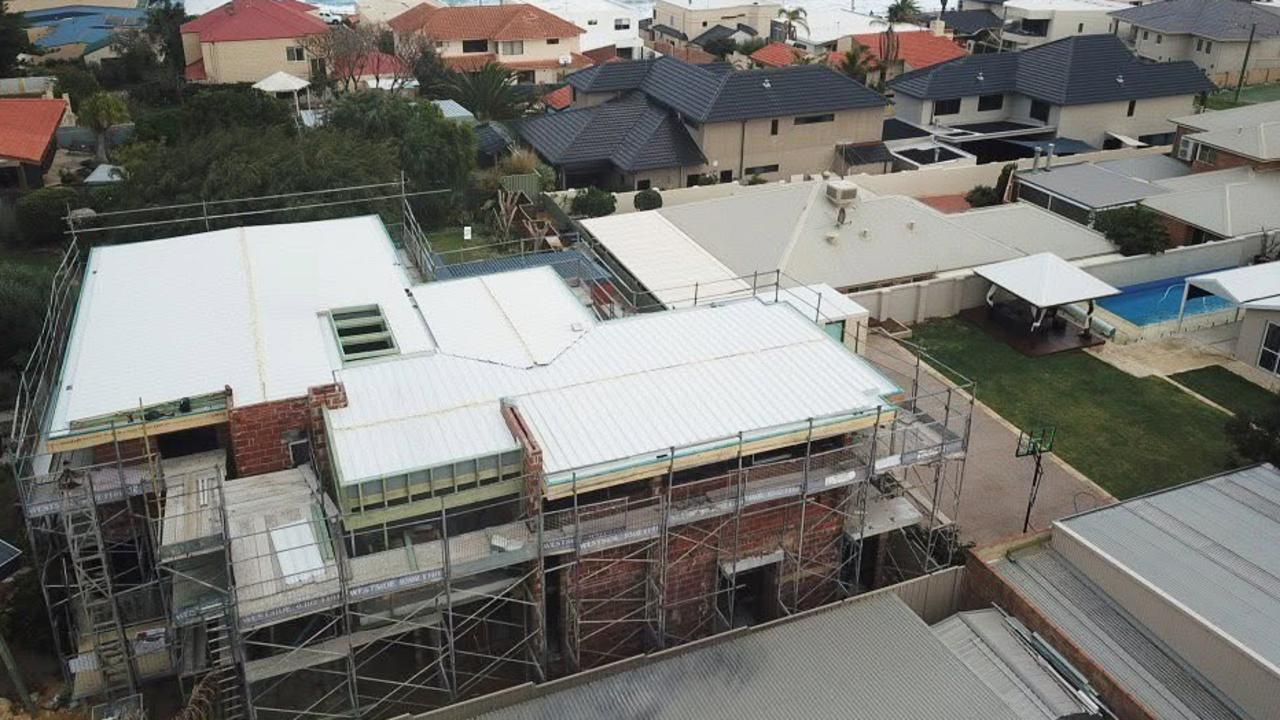
    Buildsmart WA, which has operated in Western Australia’s construction sector for 12 years, currently has six half-finished residential properties left in its project pipeline. Last week, the State Administrative Tribunal upheld a prior decision from WA’s Building Service Board to revoke the firm’s building registration, a move that was first proposed two weeks earlier on financial grounds.

    Regulators targeted the builder after an analysis of its finances found a net assessable position of negative $4,779.74, alongside a cash flow deficit exceeding $48,000. WA’s building commissioner argued the company failed to provide sufficient evidence that it could meet its outstanding debt obligations as they came due, a mandatory requirement for retaining a valid building licence in the state. In response, Buildsmart WA has pushed back, noting that outstanding client payments owed to the firm are projected to exceed remaining construction costs by more than $540,000.

    Following the tribunal’s ruling, the company released an official statement acknowledging the outcome but confirming its intention to launch an appeal. “While we are disappointed with the outcome, we intend to pursue an appeal,” the statement read. “Our priority remains our clients and the successful progression of homes currently under construction. For 12 years, Buildsmart WA has proudly operated in Western Australia, navigating a number of challenging periods for the building industry and committed to the clients and communities we serve.”

    The licence revocation carries immediate practical consequences for the firm: it is now prohibited from undertaking any construction work that requires a building permit, or any project valued at $20,000 or higher. In the wake of the ruling, Building Commissioner Phil Payne advised homeowners who have ongoing or incomplete contracts with Buildsmart WA to reach out to QBE, the industry’s insurance provider, for support.

    Payne emphasized that the tribunal’s decision, which came after an in-depth review of extensive financial and expert evidence, validated the Building Service Board’s original assessment. “Registration renewal is not a rubber stamp,” Payne said. “Builders must be able to demonstrate, with accurate, complete and timely financial information, that they have means to complete their building contracts and pay their debts as and when they fall due.”

    The case comes as Western Australia’s construction sector continues to navigate widespread financial pressure, marked by volatile material costs and shifting demand that has pushed a number of smaller building firms into insolvency or regulatory action in recent years.

  • Meta meets its own ‘tobacco’ moment in court

    Meta meets its own ‘tobacco’ moment in court

    A defining legal showdown for global social media giant Meta Platforms kicks off this week in a U.S. federal court, where the company will confront allegations that it knowingly designed addictive features on Facebook and Instagram that cause measurable harm to children and adolescents. Legal experts widely frame the case as social media’s equivalent of the 1990s tobacco industry reckoning that transformed corporate accountability for harmful consumer products.

    The lawsuit originates from a 2023 filing by a coalition of U.S. states, with California, Colorado, Kentucky, and New Jersey selected to lead the consolidated claims against Meta. Top prosecutors from these four states will argue in court that Meta intentionally engineered its platforms to hook underage users, prioritizing user engagement and revenue growth over child well-being.

    In an official statement to Agence France-Presse, a Meta spokesperson rejected the claims, saying the company “strongly disagrees with these allegations” and remains “confident the evidence will show our longstanding commitment to supporting young people.” The company added it has collaborated with parents, independent experts, and law enforcement to implement safeguards for young users, and reaffirmed its confidence in its record of protecting teens online.

    While this is not the first lawsuit holding a social media company accountable for youth mental health and safety harms, legal analysts agree this trial carries unprecedented stakes for the entire industry. Vincent Joralemon, director of the University of California Berkeley’s Life Sciences Law and Policy Center, drew a direct parallel to the 1990s U.S. tobacco litigation, noting that just like the tobacco cases, the current suit against Meta centers on deceptive corporate business practices rather than just the harms of the product itself.

    Thirty years ago, decades of scientific research confirmed tobacco caused life-threatening conditions including cancer, before subsequent investigations exposed that major tobacco companies intentionally downplayed and hid the well-documented harms of their products from the public. When dozens of U.S. states sued four leading tobacco firms, the litigation ended in a 1998 landmark settlement that imposed massive financial penalties and forced sweeping changes to industry marketing practices—particularly the targeting of children with tactics like cartoon mascot Joe Camel.

    Jury selection for the Meta trial is scheduled to begin Monday in Oakland, California, just a short distance from Meta’s headquarters in Menlo Park, with opening statements set to commence August 18. This is not the first time Meta has faced adverse rulings on similar claims: separate trials in Los Angeles and New Mexico have already resulted in convictions, with combined damages approaching $1 billion.

    In the Oakland trial, the plaintiff states are seeking not only sweeping regulatory changes to Meta’s platform designs but also financial penalties that could reach as high as $1.4 trillion—an amount nearly equal to Meta’s current total market capitalization of around $1.5 trillion. Despite the staggering financial sum, legal experts say a ruling against Meta would bring far greater threats than just the financial penalty.

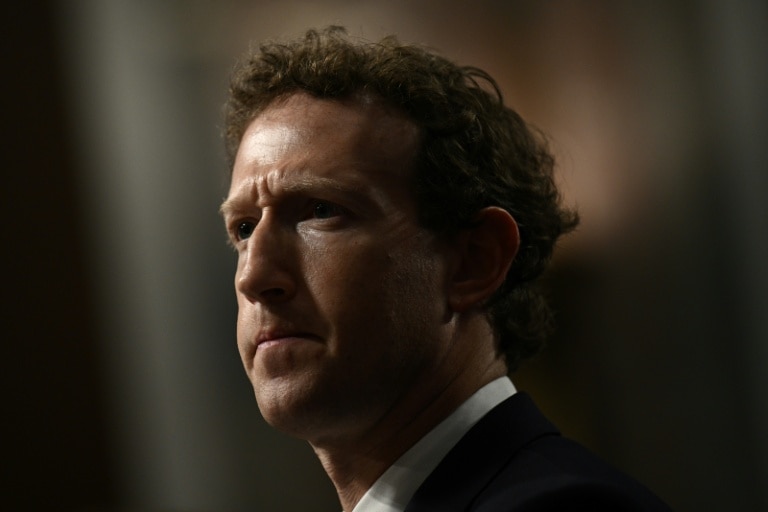
    Joralemon argues that the biggest risk for Meta is severe reputational damage and the mandate to implement fundamental, costly changes to how its core platforms operate. He added that compelling Meta founder and CEO Mark Zuckerberg—who is listed as one of the prosecution’s key witnesses—to testify could also significantly damage the company’s position in court.

    Nora Freeman Engstrom, a law professor and associate dean at Stanford University, told AFP the trial could mark “the beginning of a broader reckoning” for Meta. A key focus of the proceedings will be examining the gap between what Meta internally knew about the harms its platforms caused to children, and what it disclosed publicly, she noted.

    This trial is just one of thousands of legal actions facing Meta and other major social media companies over youth harms, and Joralemon noted the wave of litigation could potentially stretch on for decades. In May of this year, Snap, TikTok, YouTube, and Meta reached a $27 million settlement with a Kentucky school district to avoid a trial that would have set a binding precedent for roughly 1,200 similar pending lawsuits. Just this Monday, a federal appeals court ruled that more than 3,000 additional lawsuits against Meta, Google (parent company of YouTube), Snap, and TikTok can move forward in court, underscoring the growing wave of legal pressure on the social media industry.

  • India’s small steelmakers could save money and cut emissions with switch to renewable power

    India’s small steelmakers could save money and cut emissions with switch to renewable power

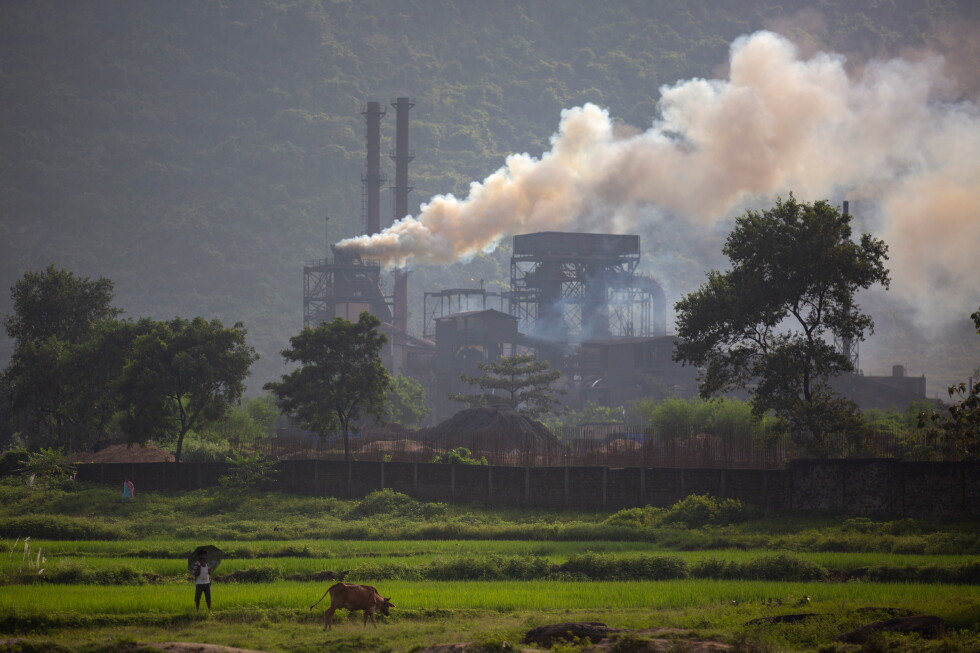
    India’s secondary, small-scale steel producers, which collectively churn out nearly 40 percent of the country’s total crude steel output, could slash their electricity expenses by up to a third and deliver dramatic cuts to their carbon footprint by transitioning to renewable energy sources, according to a new collaborative study published Wednesday.

    The analysis, titled *Powering India’s Secondary Steel Transition*, calculates that switching to renewables would cut annual power expenditures between 22 million and 24 million Indian rupees ($250,000 to $275,000) per production unit, a reduction of as much as 34 percent. The report was developed through a partnership between leading industry associations and environmental organizations, including the Confederation of Indian Industry, WWF-India, non-profit climate action group Climate Catalyst, and independent energy think tank JMK Research.

    For most small steel manufacturing operations, electricity makes up as much as 40 percent of total operating costs, ranking it among the sector’s biggest ongoing expenses. In recent years, thin profit margins at many of these smaller firms have been squeezed even further by spiking global fuel costs driven by geopolitical instability including the Iran conflict.

    As the world’s most populous country and one of the globe’s top contributors to greenhouse gas emissions driving global climate change, India has staked its international climate reputation on a pledge to reach full net-zero carbon emissions by 2070. The domestic steel industry alone accounts for roughly 12 percent of India’s total annual carbon output, making decarbonization of this sector non-negotiable to hitting the country’s 2070 target. Beyond climate and cost benefits, transitioning to clean power would also help insulate Indian steel exporters from the European Union’s new carbon border adjustment tax, which came into force at the start of 2026.

    “With rising pressure on all industries across the globe to cut carbon emissions, high-emitting sectors like steel have to seek out cost-effective decarbonization pathways,” explained Prabhakar, a lead author of the report from JMK Research who uses a single name. “India has seen explosive growth in renewable energy capacity in recent years, so switching to renewable electricity is an accessible, low-cost win for cutting carbon pollution.”

    The study identifies the most feasible pathway for small producers as collective, joint investment in shared renewable energy projects, where participating firms draw power proportional to their capital contribution and energy needs. This clustered model dramatically reduces the upfront financial burden that would fall on individual smaller companies, while also creating projects large enough to attract commercial financing and deliver economies of scale.

    “A cluster-based approach fundamentally transforms how small steelmakers can access affordable renewable energy,” Prabhakar noted. “Aggregating demand through existing industry associations makes projects far more attractive to lenders, allows for optimal plant sizing, and spreads investment risk across multiple participants rather than concentrating it on any single operation.”

    Despite India’s total renewable energy capacity tripling over the past 10 years, adoption of clean power among small and medium-sized steel producers has lagged far behind the national average. The report estimates that only around 11 percent of smaller steelmakers currently source any power from renewables, compared to 22 percent of India’s total national electricity mix that comes from clean sources.

    Vinoth Balakumar, of the Confederation of Indian Industry, emphasized that expanding clean energy access for small steel producers is a core requirement for India to meet its ambitious climate commitments. “These companies are ready to transition, and they have recognized that shifting to renewable electricity is a critical step to protect their long-term profitability,” he said.

    Still, the report outlines multiple persistent barriers slowing the transition. Many small steel firm leaders report that both domestic and international buyers increasingly prioritize low-carbon steel, and they are eager to switch, but obstacles including limited awareness of cost benefits, burdensome bureaucratic red tape, high upfront capital costs, and inadequate grid infrastructure are holding back progress.

    “When capital costs are already extremely elevated, it makes the transition unviable for most smaller operations,” said Sanjay Tripathi, a steel company owner based in central India’s Chhattisgarh state. In Gujarat, India’s second-largest producer of renewable energy, small steelmakers say underdeveloped transmission and grid infrastructure leaves them unable to use all the solar power they have already invested in.

    Dhirubai Patel, a steel manufacturer in Rajkot, Gujarat, which hosts one of India’s largest small-scale steelmaking clusters, noted that his firm and other local producers launched a shared solar power plant in 2021, but state authorities regularly order operators to cut solar output by as much as 80 percent due to grid constraints.

    Patel called on the Indian government to upgrade core energy infrastructure and streamline regulatory processes to speed the transition. “We already have many strong national policies in place, but there is a lack of coordination and support across many government departments,” he said. “Regulatory officials are still working with outdated mindsets that need to change to support clean energy growth.”