博客

  • South Korean President Lee returns to presidential palace avoided by predecessor

    South Korean President Lee returns to presidential palace avoided by predecessor

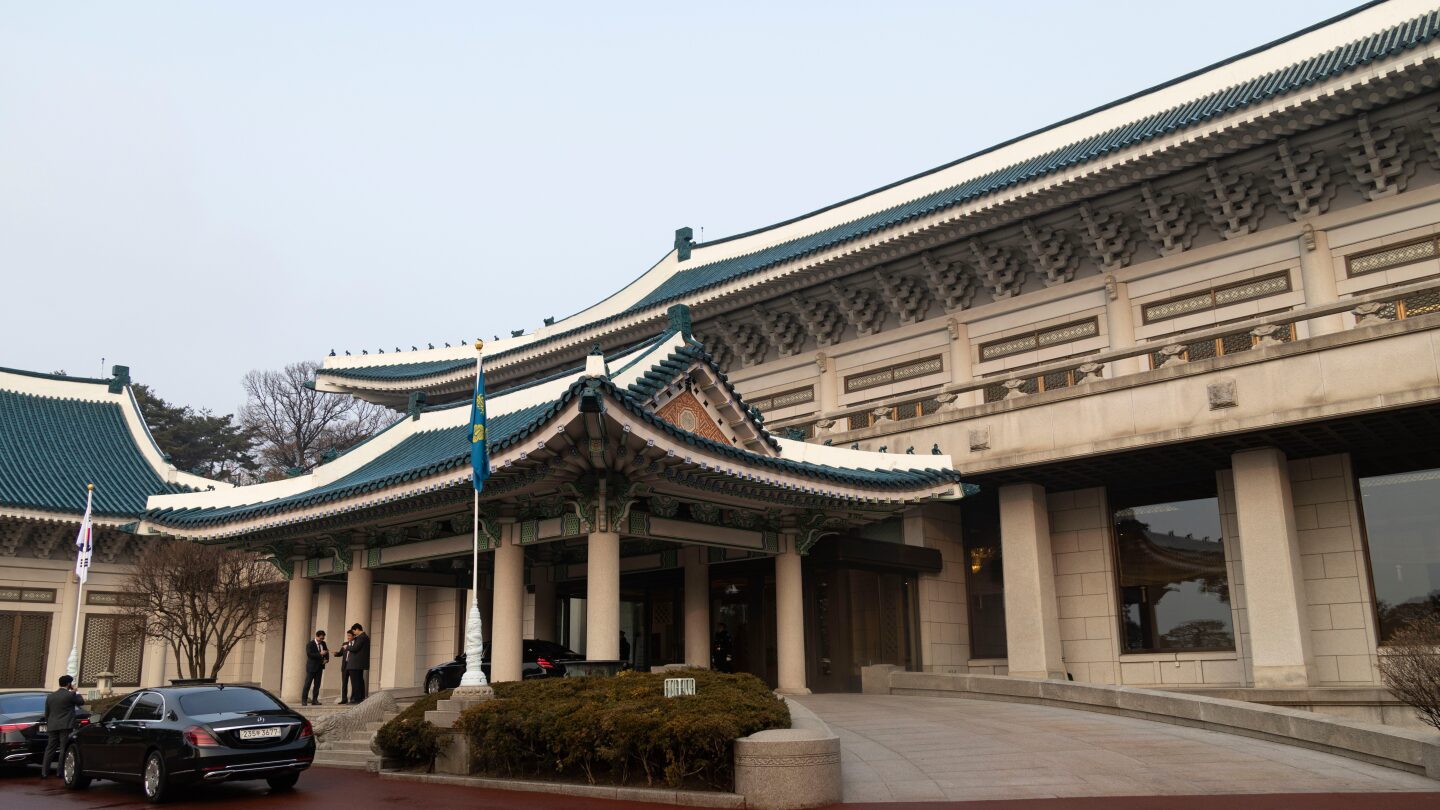
    In a significant symbolic move, South Korean President Lee Jae Myung commenced his official duties at the historic Cheong Wa Dae presidential palace on Monday, restoring the traditional seat of executive power more than three years after his predecessor relocated the presidency. This transition marks the first time since May 2022 that a South Korean leader has operated from the iconic Blue House complex, reversing a controversial decision made by former President Yoon Suk Yeol.

    The restoration ceremony featured the midnight raising of the presidential flag adorned with twin phoenixes at the compound gates, followed by ceremonial honors from guards as President Lee’s motorcade entered the premises. Supporters gathered outside, waving national flags and chanting the president’s name in celebration of the administrative homecoming.

    The return to Cheong Wa Dae follows weeks of meticulous relocation efforts by Lee’s administration, who assumed office in June after winning a snap election triggered by Yoon’s dramatic ousting. The previous president had justified his $40 million move to the Defense Ministry compound in central Seoul as a democratic gesture to make the presidency more accessible, though critics questioned the substantial security concerns and expenditures involved.

    Yoon’s presidency ended abruptly following December 2024’s constitutional crisis, when his brief declaration of martial law during a political standoff with the liberal-controlled legislature prompted swift impeachment proceedings. The Constitutional Court removed him from power in April, leading to his subsequent arrest on serious charges including rebellion, which carries potential life imprisonment or capital punishment.

    President Lee’s office confirmed he will continue commuting from the current presidential residence until living quarters are fully restored at the Blue House, with the complete relocation timeline yet to be specified. The administration released footage of the president conducting a tea meeting with senior aides within the historic complex, signaling a new chapter in South Korea’s political narrative.

  • Mexico train crash kills 13 and injures almost 100

    Mexico train crash kills 13 and injures almost 100

    A catastrophic derailment of Mexico’s Interoceanic passenger train has resulted in significant casualties, with 13 fatalities and nearly 100 injured individuals, according to the Mexican Navy. The incident occurred near Nizanda in Oaxaca’s southeastern region as the train navigated a curve, causing multiple carriages to leave the tracks and partially dangle over a cliff edge.

    The train, operational under naval administration, was transporting 241 passengers and 9 crew members along the strategic Coatzacoalcos-Salina Cruz corridor connecting the Gulf of Mexico and Pacific Ocean. Rescue operations unfolded with dramatic intensity as emergency workers assisted survivors from precariously positioned carriages while medical teams transported the wounded on stretchers.

    Mexican President Claudia Sheinbaum confirmed five critically injured patients among the 36 requiring hospitalization. The federal government has deployed high-level officials including the Secretary of the Navy to coordinate response efforts. Mexico’s Attorney General has initiated a formal investigation into the causes of the derailment.

    This rail service represents a cornerstone of Mexico’s infrastructure modernization program, inaugurated two years ago under former president Andrés Manuel López Obrador. The Interoceanic Railway was designed to transform the Isthmus of Tehuantepec into a vital trade corridor through port expansions and industrial development, serving both freight and passenger transportation needs.

    Oaxaca Governor Salomón Jara Cruz expressed profound sorrow over the tragedy while emphasizing coordinated state-federal assistance for victims and their families. The accident raises serious questions about safety protocols along this strategically important but geographically challenging route through mountainous terrain.

  • Trump says progress made in Ukraine talks but ‘thorny issues’ remain

    Trump says progress made in Ukraine talks but ‘thorny issues’ remain

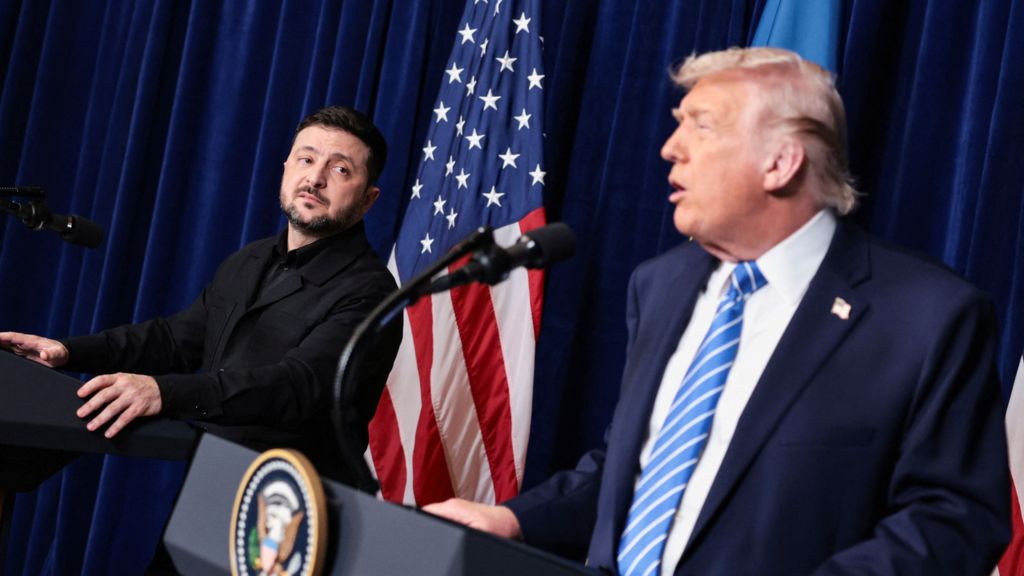
    MAR-A-LAGO, Fla. – U.S. President Donald Trump and Ukrainian President Volodymyr Zelensky concluded a high-stakes meeting in Florida, announcing significant headway toward a potential resolution to the nearly four-year war in Ukraine, though critical territorial disputes remain unresolved.

    Both leaders characterized the discussions as ‘great,’ revealing that approximately 90% of a comprehensive 20-point peace plan had been mutually agreed upon. President Trump specified that negotiations concerning security guarantees for Ukraine were ‘close to 95%’ finalized. However, he identified the status of the Donbas region—a territory in eastern Ukraine largely occupied by Russian forces—as the primary obstacle, describing it as a ‘very thorny issue.’

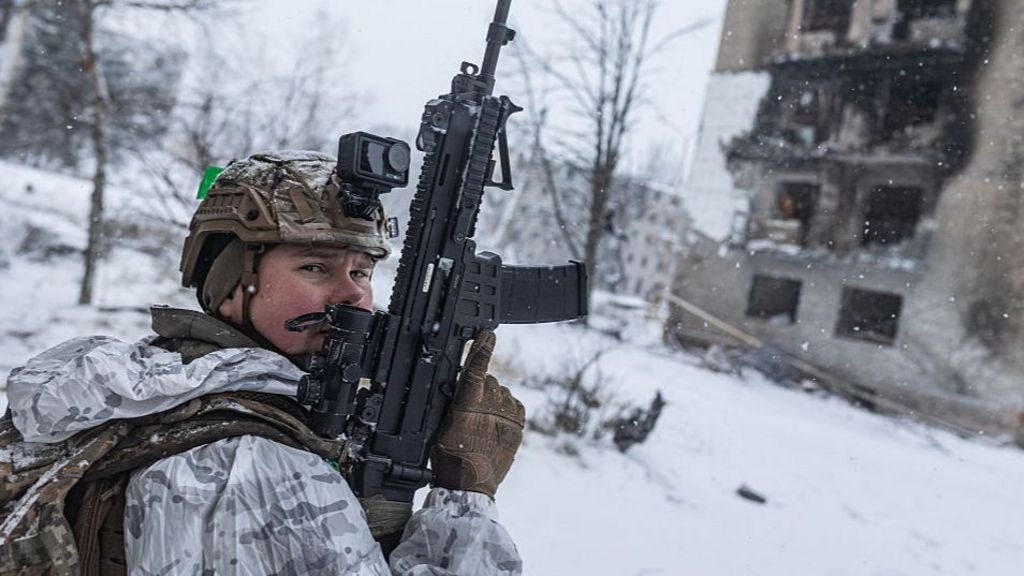
    The strategic eastern region of Donbas, comprising Donetsk and Luhansk, remains a focal point of contention. Moscow currently controls roughly 75% of Donetsk and nearly all of Luhansk. Russia demands that Ukraine relinquish the small portion of the territory it still holds in Donbas, while Kyiv proposes transforming the area into a demilitarized free economic zone under Ukrainian policing.

    President Trump, whose stance on reclaimed Ukrainian territories has fluctuated, noted the complexity of the matter, stating, ‘Some of that land has been taken… Some of that land is maybe up for grabs.’ He expressed confidence that a resolution was forthcoming, albeit acknowledging the challenges.

    In a significant diplomatic development, Trump revealed he had recently spoken with Russian President Vladimir Putin, whom he claimed ‘wants Ukraine to succeed.’ Russian foreign policy adviser Yuri Ushakov confirmed the call was initiated by Trump and centered on EU and Ukrainian peace proposals. Both leaders reportedly concurred that a temporary ceasefire, as suggested by the EU and Ukraine, might inadvertently prolong the conflict.

    Looking ahead, Zelensky announced that U.S. and Ukrainian negotiating teams will reconvene next week, with a potential high-level meeting at the White House in January, possibly including European leaders. This aligns with statements from European Commission President Ursula von der Leyen, who praised the ‘good progress’ from the Florida talks while stressing the necessity of ‘ironclad security guarantees from day one’ for Ukraine. French President Emmanuel Macron separately announced a planned meeting of allied nations in Paris next month to solidify concrete security contributions.

    Despite the optimism, President Trump cautioned that the peace process remains fragile, warning that stalled negotiations could lead to a continuation of the conflict, which began with Russia’s full-scale invasion in February 2022 and has resulted in Moscow controlling approximately 20% of Ukrainian territory.

  • Living in fear of Lakurawa – the militant group Trump targeted in Nigeria strikes

    Living in fear of Lakurawa – the militant group Trump targeted in Nigeria strikes

    In the arid plains of northwestern Nigeria, a joint US-Nigerian military operation targeted Islamist militant camps on Christmas Day, sending shockwaves through remote border communities. The strikes focused on Lakurawa militants operating in Tangaza, Sokoto state—a region near the Niger border where government presence is minimal and armed groups have established de facto control.

    Residents of Nukuru village, approximately 10km from the strike zone, reported intense vibrations and aerial explosions that shook their mud-walled homes. While the full impact remains unclear, fleeing militants were observed evacuating the area on motorcycles shortly after the bombardment.

    The Lakurawa group, which claims affiliation with Sahel-based Islamic State factions, has imposed a harsh regime on local communities. Villagers describe forced taxation, strict Sharia law enforcement including music bans, and violent reprisals for non-compliance. Despite their religious presentation, the militants primarily terrorize Muslim communities through cattle rustling, kidnappings, and armed intimidation.

    This operation marks the second Christmas Day intervention against Lakurawa, following Nigeria’s domestic counterterrorism strike in 2024. The timing and international nature of the latest action have raised questions about strategic objectives in a region where criminal banditry and Islamist extremism increasingly intersect.

    Security analysts note the challenges of sustained engagement in the rugged border terrain, where militants use motorcycles to navigate desert paths and maintain isolated camps on high ground. With minimal infrastructure and government services, these communities remain vulnerable to regrouping militants despite international military involvement.

  • UAE, Arab League Council condemn Israel’s recognition of Somaliland

    UAE, Arab League Council condemn Israel’s recognition of Somaliland

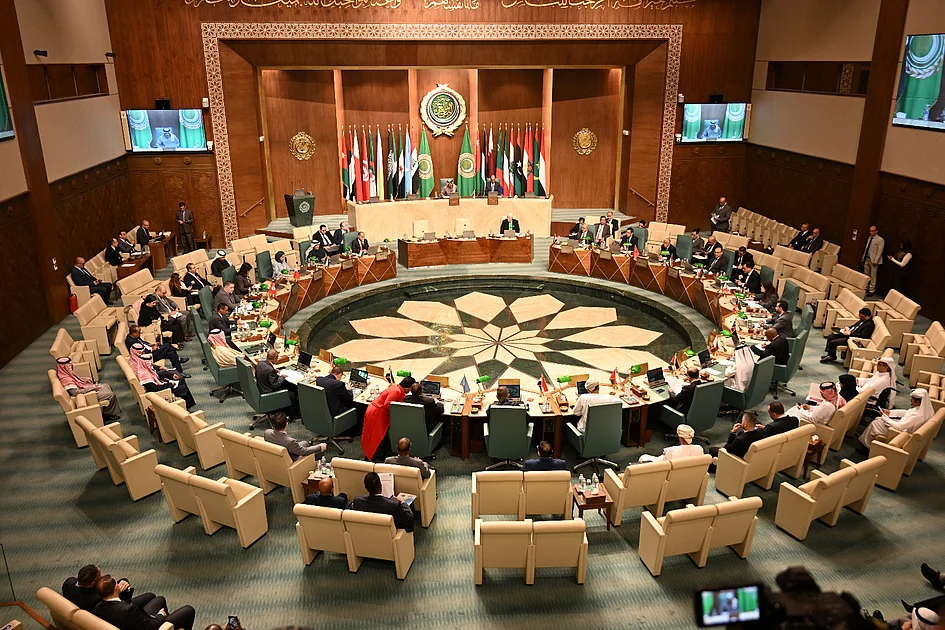
    In an extraordinary session chaired by UAE Ambassador Hamad Obaid Al Zaabi, the Council of the League of Arab States issued a forceful condemnation of Israel’s recent recognition of Somaliland. The emergency meeting, convened following a detailed briefing by Somali Ambassador Ali Abdi Awrai, addressed what Arab diplomats characterized as a severe threat to regional stability.

    The Council expressed unequivocal solidarity with Somalia’s federal government, rejecting Israel’s December 26, 2025 recognition as a violation of international norms. The resolution emphasized that Somaliland remains an integral territory of the Federal Republic of Somalia under both the Arab League Charter and United Nations principles.

    Diplomatic language within the resolution framed Israel’s move as not merely a bilateral issue but an assault on broader Arab national security interests. The Council warned that such recognition could destabilize critical maritime corridors including the Red Sea, Gulf of Aden, and Horn of Africa regions.

    The resolution called for coordinated legal, political and diplomatic measures to counter the recognition, while reaffirming Somalia’s right to self-defense under international law. Additionally, the Council cautioned against any attempts to use Somali territory for implementing aggressive regional agendas or displacing Palestinian populations.

    A significant operational outcome involved tasking the Arab League General Secretariat with developing security mechanisms in coordination with Somalia’s government, the African Union, and United Nations. The Secretariat must present a comprehensive report on these developments during the next ministerial session.

    The Council further urged international organizations and foreign governments to refrain from any official engagement with Somaliland authorities outside the framework of Somali sovereignty.

  • Chinese military stages drills around Taiwan to warn ‘external forces’ after US, Japan tensions

    Chinese military stages drills around Taiwan to warn ‘external forces’ after US, Japan tensions

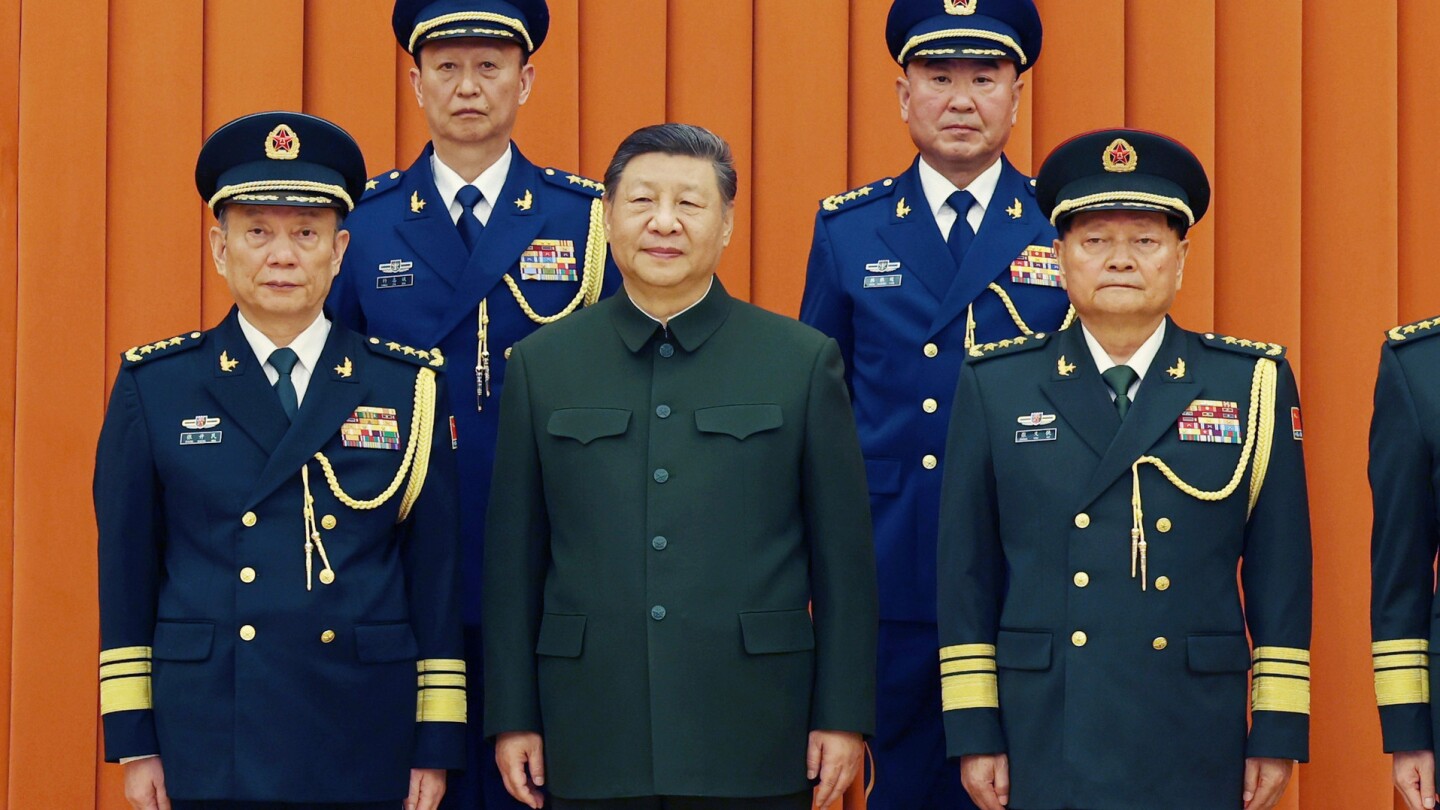
    China’s People’s Liberation Army initiated large-scale joint military exercises surrounding Taiwan on Monday, mobilizing air, naval, and rocket forces in what Beijing characterized as a “stern warning” against separatist activities and external interference. The drills represent the most significant show of force in the Taiwan Strait this year.

    The Eastern Theater Command deployed fighter jets, bombers, and unmanned aerial vehicles coordinated with long-range rocket launches, conducting precision strike simulations against mobile ground targets. Senior Colonel Shi Yi, spokesperson for the command, stated the operations would focus on “sea-air combat readiness patrol, joint seizure of comprehensive superiority, and blockades on key ports” across five designated zones encircling the island.

    Taiwan’s Defense Ministry responded by placing its military on high alert, conducting rapid response exercises and denouncing China’s actions as confirming “its nature as an aggressor and the biggest destroyer of peace.” Presidential Office spokesperson Karen Kuo condemned the drills as undermining regional stability and openly challenging international law.

    The escalation follows recent tensions including U.S. arms sales to Taiwan valued at over $10 billion and statements from Japanese Prime Minister Sanae Takaichi regarding potential military involvement in Taiwan scenarios. Beijing recently imposed sanctions against 20 U.S. defense companies and 10 executives in response to the weapons package.

    The exercises mark the first time China’s military has publicly stated “all-dimensional deterrence outside the island chain” as an operational objective, indicating an expansion of strategic ambitions beyond immediate territorial waters. Live firing activities are scheduled for Tuesday across multiple maritime zones surrounding Taiwan.

  • Trump and Zelensky appear more upbeat – but show little evidence that peace is near for Ukraine

    Trump and Zelensky appear more upbeat – but show little evidence that peace is near for Ukraine

    In an unprecedented diplomatic engagement, former U.S. President Donald Trump and Ukrainian President Volodymyr Zelensky convened for extensive discussions lasting two-and-a-half hours at Trump’s Mar-a-Lago estate in Florida. Both leaders characterized the meeting as exceptionally productive, with Trump describing it as “terrific” while Zelensky praised the “great discussions on all the topics.”

    The summit marked the longest continuous negotiation between the two leaders to date, generating visible optimism despite the absence of concrete breakthroughs. Central to the discussions were two critical issues: potential territorial concessions and future security arrangements. While Zelensky has not publicly acquiesced to demands for territorial compromises—a position Russia supports and the U.S. appears to endorse—he suggested the possibility of a national referendum to ratify any eventual peace agreement.

    Regarding security guarantees, Zelensky claimed “100%” alignment with the U.S., though specific details remain undisclosed. The effectiveness of such guarantees in deterring future Russian aggression remains uncertain.

    The dialogue’s significance is further complicated by Russia’s preemptive rejection of key proposals floated before the meeting, including ceasefire implementation and deployment of multinational monitoring forces. Trump’s continued favorable rhetoric toward Vladimir Putin, whom he described as “serious about peace” and supportive of Ukraine’s success, raises questions about potential pressure asymmetries in future negotiations.

    Ultimately, while the meeting generated positive atmospherics, it provided little evidence that a sustainable resolution to the conflict is imminent, with fundamental disagreements persisting on core issues.

  • UAE: Watching movies online? Clicking on unverified, ‘free’ websites can lead to malware

    UAE: Watching movies online? Clicking on unverified, ‘free’ websites can lead to malware

    The UAE Cybersecurity Council has issued a stark warning to residents about the severe cybersecurity risks associated with accessing unverified streaming websites and pirated content platforms. According to the Council’s latest advisory, cybercriminals have developed increasingly sophisticated methods to compromise personal data through seemingly credible free streaming services.

    Alarming statistics reveal that piracy websites accumulated 216 billion visits by the end of 2024, with over 90% of music files exchanged through illegal networks. Particularly concerning is the finding that 70% of users remain unaware that free streaming sites frequently serve as gateways for malware infiltration. The Council reported approximately one million computers were compromised after users visited illegal streaming websites.

    The Council emphasized that fraudsters employ advanced techniques to create deceptive messages and advertisements that appear legitimate. Many websites offering free content simultaneously exploit users’ personal data for commercial gain or malicious purposes. The advisory specifically noted that ‘free’ access often comes at the hidden cost of data security and privacy protection.

    To combat these threats, the Cybersecurity Council recommends several protective measures: avoiding clicks on untrusted links, verifying information in messages and sponsored advertisements, using exclusively official and trusted platforms for content streaming, and maintaining updated security software capable of detecting and removing threats. These individual precautions form a crucial layer of defense that complements government efforts to address evolving digital challenges in an era of rapid technological advancement.

    The Council stressed that confronting cyber risks begins at the individual level through enhanced awareness and proactive security practices. Engaging with untrusted websites or downloading content from unreliable sources may result in data compromise, privacy violations, or device infection with malicious software including ransomware that can escalate into full-scale fraud.

  • North Korea says it tested long-range cruise missiles

    North Korea says it tested long-range cruise missiles

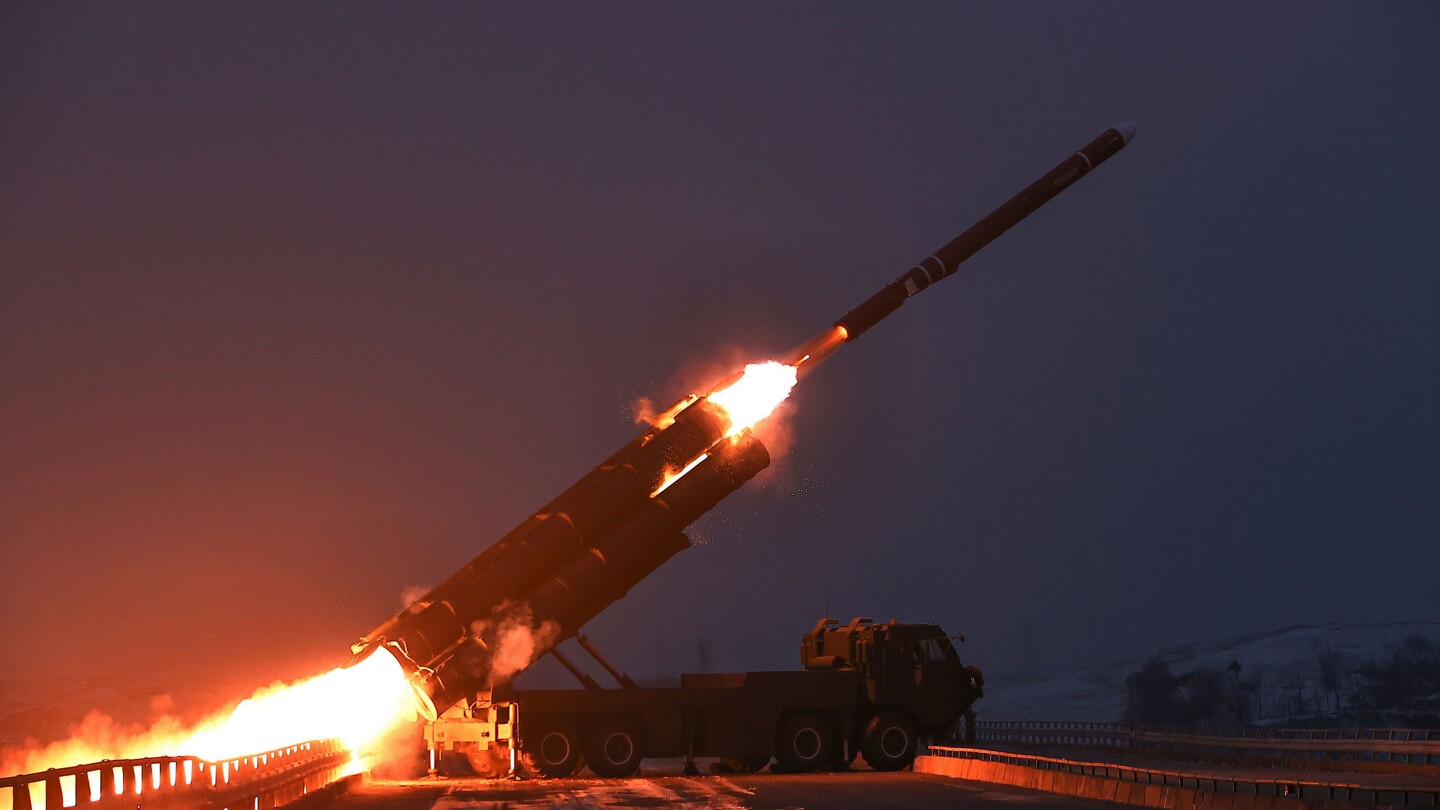
    North Korea has confirmed the successful test-firing of long-range strategic cruise missiles into the western sea, characterizing the exercise as a critical assessment of its nuclear deterrence capabilities. The Sunday launches represent Pyongyang’s latest military demonstration ahead of its anticipated Workers’ Party congress scheduled for early next year—the first such gathering in five years.

    Leader Kim Jong Un expressed considerable satisfaction with the missile tests, according to the state-run Korean Central News Agency. Kim emphasized that these operations constitute a legitimate exercise of self-defense rights amid perceived external security threats. The tests occurred shortly after North Korea showcased significant advancements in its inaugural nuclear-powered submarine project.

    South Korea’s Joint Chiefs of Staff reported detecting multiple cruise missile launches originating from the North Korean capital region. Seoul maintains that its military remains prepared to counter any potential provocations through its strategic alliance with the United States.

    While United Nations Security Council resolutions explicitly prohibit North Korea from testing ballistic missiles, cruise missile launches remain technically permissible. However, military analysts note these weapons present substantial regional security concerns due to their high maneuverability, low-altitude flight capabilities, and radar evasion characteristics. Experts suggest North Korea intends to deploy cruise missiles primarily against U.S. naval assets, including warships and aircraft carriers, in potential conflict scenarios.

    Recent weeks have witnessed intensified weapons testing from Pyongyang, including new anti-air missile trials and the unveiling of a nearly complete nuclear-powered submarine hull. North Korea has indicated intentions to equip this submarine with nuclear armaments—a key component of Kim’s promised advanced weapons systems designed to counter perceived U.S.-led security threats.

    This military expansion occurs alongside North Korea’s growing alignment with Russia, including providing military support for Moscow’s operations in Ukraine. Some analysts speculate this partnership may have facilitated technology transfers benefiting Pyongyang’s weapons programs.

    Since the collapse of denuclearization talks with the Trump administration in 2019, North Korea has concentrated on enhancing its nuclear arsenal. However, Kim suggested in September potential willingness to resume negotiations if Washington abandons its “delusional obsession” with denuclearization—a stance experts believe reflects confidence that expanded nuclear capabilities would strengthen Pyongyang’s bargaining position in future diplomatic engagements.

  • Kosovo’s ruling party wins election after months of political deadlock

    Kosovo’s ruling party wins election after months of political deadlock

    In a decisive political mandate, Kosovo’s Albanian nationalist Vetevendosje movement has achieved a resounding triumph in parliamentary elections, securing an unprecedented third consecutive term for its leader Albin Kurti. Preliminary results indicate the left-wing party captured 50.8% of votes with 90% counted, marking the fourth successive electoral victory for the ‘Self-Determination’ movement.

    The outcome represents a stark rebuke to the main opposition blocs—the center-right Democratic Party of Kosovo (PDK) at 20.98% and the Democratic League of Kosovo (LDK) at 13.89%—who had maintained a seven-month governmental deadlock following February’s inconclusive polls. This electoral impasse had paralyzed legislative functions and cost Kosovo access to hundreds of millions in EU development funds.

    While falling just short of an absolute parliamentary majority, Kurti’s commanding position enables straightforward coalition building with ethnic minority representatives who hold 20 guaranteed seats in the 120-member National Assembly. The victory margin, described by Kurti as ‘the greatest in the nation’s history,’ signals voter preference for his transformative agenda over established parties linked to Kosovo’s post-independence political establishment.

    Critical challenges await the renewed administration: restoring strained relations with EU and US partners, addressing constitutional concerns regarding minority rights, and resuscitating the frozen normalization dialogue with Serbia. The international community particularly expects pragmatic engagement with Belgrade after Kurti’s previous dogmatic stance exacerbated regional tensions through controversial measures targeting Serb minority institutions.

    Analysts interpret this endorsement of a polarizing figure as reflecting profound disillusionment with traditional alternatives. Despite acknowledged governance shortcomings and diplomatic frictions, voters ultimately perceived opposition obstructionism as more damaging than incumbent policy limitations.