博客

  • Khaleda Zia, former Bangladeshi prime minister and archrival of Hasina, dies at 80

    Khaleda Zia, former Bangladeshi prime minister and archrival of Hasina, dies at 80

    DHAKA, Bangladesh — Khaleda Zia, Bangladesh’s pioneering female prime minister whose decades-long political rivalry with Sheikh Hasina shaped the nation’s democratic trajectory, has passed away at age 80. Her Bangladesh Nationalist Party (BNP) confirmed her death in an official statement Tuesday.

    Zia’s political journey witnessed extraordinary highs and devastating lows, culminating in a dramatic final chapter that saw her recently acquitted of corruption charges by the Supreme Court in January 2025. This judicial clearance would have permitted her participation in February’s general elections, marking a potential political resurgence after years of legal battles she maintained were politically motivated.

    The former leader’s health struggles became a focal point in her later years. Following her 2020 release from prison on medical grounds, her family submitted at least 18 formal requests to the Hasina administration seeking permission for international medical treatment—all systematically denied. The political landscape shifted dramatically with Hasina’s ouster in the 2024 mass uprising, enabling an interim government headed by Nobel laureate Muhammad Yunus to finally authorize Zia’s medical transfer to London in January. She returned to Bangladesh in May 2025.

    Zia’s political legacy is inextricably linked to Bangladesh’s turbulent post-independence era. Her husband, President Ziaur Rahman, assumed power in 1977 and established the BNP the following year. Following his assassination in a 1981 military coup, Zia emerged as a formidable force against military dictatorship, ultimately contributing to the overthrow of dictator H.M. Ershad in 1990.

    Her electoral victories in 1991 and 2001 positioned her in direct competition with Hasina, daughter of independence leader Sheikh Mujibur Rahman. Zia’s second term (2001-2006) proved particularly controversial due to her coalition with the Islamist Jamaat-e-Islami party and allegations that her elder son Tarique Rahman operated a parallel government engaged in widespread corruption.

    The bitter rivalry between Zia and Hasina intensified following the 2004 grenade attacks in Dhaka that killed 24 Awami League members, which Hasina blamed on Zia’s government. Subsequent years saw Zia imprisoned on corruption charges, boycotts of elections, and ultimately Hasina’s extended tenure until the 2024 uprising.

    Despite withdrawing from public political activities in her final years, Zia remained the BNP’s official chairperson until her death, with her son Tarique Rahman serving as acting chair since 2018. Her last public appearance occurred at a November military function where she appeared frail in a wheelchair.

    Zia’s passing marks the end of an era in Bangladeshi politics, leaving behind a complex legacy as both a groundbreaking female leader and a polarizing political figure whose life mirrored the nation’s tumultuous democratic evolution.

  • Dubai: Ronaldo Nazario says training ‘100 times more effective’ for footballers now

    Dubai: Ronaldo Nazario says training ‘100 times more effective’ for footballers now

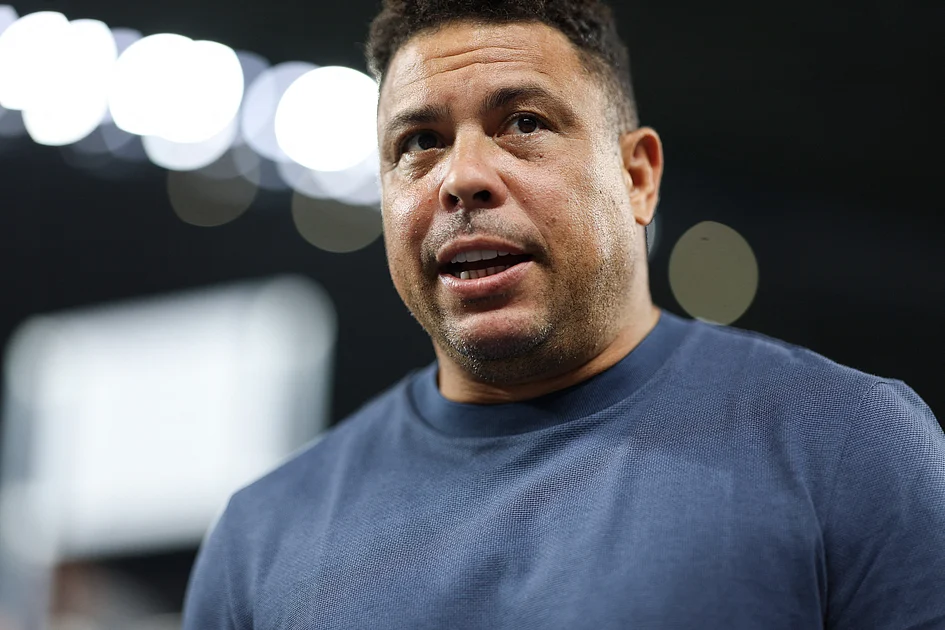
    DUBAI – Football legend Ronaldo Nazário, widely regarded as one of the greatest strikers in the sport’s history, has declared that contemporary training methodologies have revolutionized athletic preparation, making them dramatically more efficient than those from his playing era. Speaking at the World Sports Summit in Dubai, the Brazilian icon provided a compelling comparison between past and present approaches to player development.

    Known during his career as ‘O Fenômeno’ for his extraordinary abilities, Ronaldo contrasted the rigid, uniform training regimens of the past with today’s personalized, scientifically-informed methods. He recalled particularly challenging pre-season experiences where players across all positions were subjected to identical endurance-based workouts regardless of their specific role requirements.

    “I distinctly remember the immense difficulty during pre-seasons where coaching staff would have me running extensive distances alongside teammates like Roberto Carlos and Cafu, who were renowned for their exceptional endurance,” Ronaldo explained. “This approach was fundamentally mismatched with my position as a striker whose effectiveness depended on explosive acceleration and rapid bursts over short distances rather than long-distance stamina.”

    The two-time Ballon d’Or winner emphasized that modern training has evolved to focus on position-specific conditioning and individualized programs that maximize efficiency while minimizing unnecessary physical strain. This targeted approach allows players to develop precisely the skills and physical attributes most relevant to their role on the pitch.

    “Contemporary training philosophy recognizes that a striker doesn’t need to run 10 kilometers daily,” Ronaldo noted. “Instead, they engage in specialized drills that enhance their explosive power, quick directional changes, and finishing techniques – making every training session profoundly more productive.”

    Since retiring from professional football in 2011 after celebrated tenures with Barcelona, Inter Milan, and Real Madrid, Ronaldo has transitioned to administrative roles within football organizations. He now actively advocates for these modern training principles, sharing his perspectives with current players and technical staff.

    Ronaldo’s observations highlight a significant evolution in sports science that has transformed how athletes prepare physically and technically. This shift toward smarter, more targeted training represents one of the most substantial improvements in football’s ongoing development, potentially extending careers and enhancing performance quality across the sport.

  • US man charged after shooting practice in backyard allegedly kills woman blocks away

    US man charged after shooting practice in backyard allegedly kills woman blocks away

    A tragic Christmas Day shooting in Oklahoma has resulted in first-degree manslaughter charges against 33-year-old Cody Wayne Adams, who authorities allege fatally struck neighbor Sandra Phelps with a stray bullet fired from a newly purchased handgun.

    According to Stephens County Sheriff’s Office affidavits, the incident occurred on December 25th when Phelps was seated on her front porch holding a child approximately half a mile from Adams’ residence. Witnesses reported hearing Phelps comment on nearby gunshot noises before uttering “ouch” and collapsing.

    Investigators determined Adams had recently acquired a Glock .45-caliber handgun as a Christmas present and was allegedly shooting at a beverage can in his backyard. Stephens County Sheriff’s Capt. Timothy Vann stated in court documents that Adams was “shooting towards the ground in his backyard where there was nothing behind his property to stop any bullets from traveling beyond his property and hurting someone.”

    The projectile struck Phelps in the upper right arm before penetrating her chest cavity. Medical responders pronounced her deceased approximately 20 minutes after emergency calls were received. The child being held in her left arm was physically unharmed.

    Adams was arrested on December 26th and booked into custody before posting $100,000 bond. Court records indicate he became “visibly upset and began to cry” when informed investigators suspected his involvement in the fatal shooting.

    Oklahoma statutes define first-degree manslaughter as a homicide occurring without premeditated intent during the commission of a misdemeanor. Prosecutors have alleged the misdemeanor component involves engaging in firearm conduct demonstrating “conscious disregard for the safety of others.” The offense carries potential penalties of up to life imprisonment.

    Adams has been ordered to avoid contact with the victim’s family and is scheduled for initial court appearance on February 25th as investigations continue into this fatal incident of stray gunfire.

  • ‘No worries’: Trump downplays Chinese military drills around Taiwan

    ‘No worries’: Trump downplays Chinese military drills around Taiwan

    President Donald Trump has publicly minimized concerns regarding Beijing’s ongoing military exercises around Taiwan, instead emphasizing his strong personal relationship with Chinese President Xi Jinping. The remarks came during a press conference on Monday, nearly two weeks after the United States unveiled an $11 billion arms sale package to Taiwan—one of the largest such transactions in history.

    When questioned about the drills, Trump stated: ‘I have a great relationship with President Xi, and he hasn’t told me anything about [the drills]. I certainly have seen it. No, nothing worries me. They’ve been doing naval exercises for 20 years in that area.’

    The Chinese military launched a two-day exercise simulating the seizure and blockade of key areas on Taiwan, explicitly characterizing the operations as a warning against ‘Taiwan independence separatist forces’ and ‘external interference.’ The Eastern Theater Command deployed destroyers, frigates, and fighter-bombers to test sea-air coordination and integrated containment capabilities. Live-firing exercises were scheduled across five locations surrounding the island.

    Taiwan’s presidential office condemned the maneuvers as a breach of international norms. In response to growing military pressure from Beijing—which includes frequent incursions into Taiwanese air and sea space—Taiwan has plans to modernize its armed forces through increased defense spending.

    The U.S. maintains formal diplomatic relations with China rather than Taiwan but continues to be the island’s primary military ally and arms supplier. The recent weapons package includes advanced rocket launchers, self-propelled howitzers, and missiles.

    China retaliated against the arms sale by imposing sanctions on several U.S. defense firms. The Chinese Foreign Ministry asserted that any attempt to ‘contain China by using Taiwan will absolutely not succeed.’

  • Great white sharks face extinction in Mediterranean, say researchers

    Great white sharks face extinction in Mediterranean, say researchers

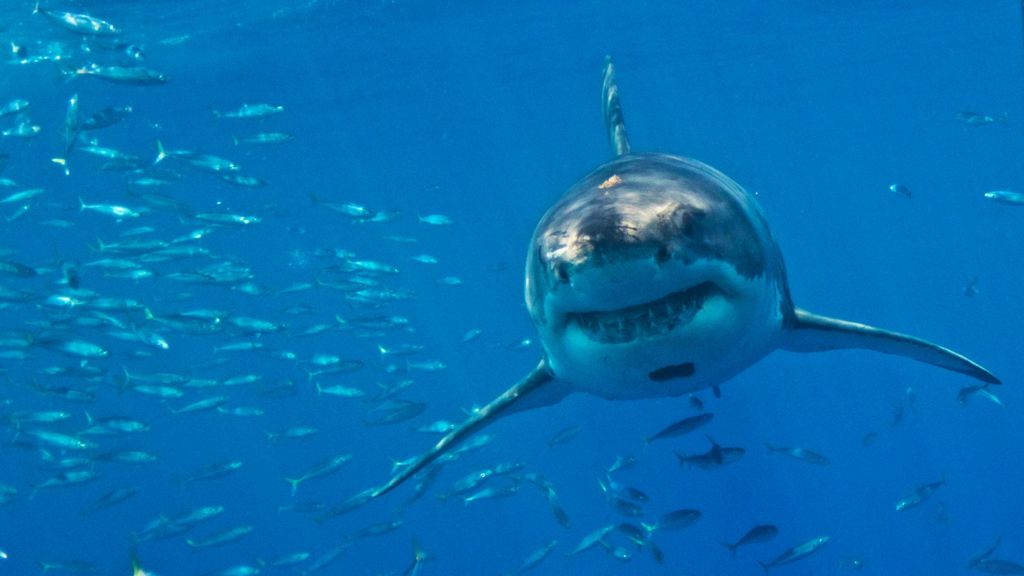
    The iconic great white shark population in the Mediterranean Sea is teetering on the brink of extinction, according to a groundbreaking joint investigation by Virginia Tech scientists and the UK-based Blue Marine Foundation. Their research reveals that rampant illegal fishing operations in North African coastal waters have decimated these protected predators, with at least 40 great whites killed in 2025 alone despite international protection laws.

    Through systematic monitoring of fishing ports and verification of social media evidence, researchers documented protected shark species being openly sold in fish markets across Tunisia and Algeria. Disturbing footage shows large great whites being hauled ashore in Algeria and the fins of critically endangered short-finned mako sharks prepared for sale in Tunisian markets.

    Dr. Francesco Ferretti, lead researcher from Virginia Tech, describes the Mediterranean as the world’s most intensely fished body of water, where industrial fishing pressure has pushed white sharks to critically endangered status. ‘The impact has been intensifying… it’s plausible they will go extinct in the near future,’ he warned during fieldwork off Sicily’s coast.

    In a desperate attempt to study remaining specimens, researchers deployed an unprecedented effort in the Strait of Sicily—identified as a potential last refuge for Mediterranean sharks. They utilized three tonnes of fish bait, 500 liters of tuna oil, and advanced DNA sampling techniques over two weeks, yet captured only a single brief glimpse of one blue shark on submarine cameras.

    The conservation crisis is compounded by complex enforcement challenges. While 24 shark species enjoy international protection under agreements signed by the EU and 23 Mediterranean nations, enforcement varies dramatically. The regulations prohibit retention, transshipment, or sale of protected species but fail to adequately address accidental bycatch.

    James Glancy of Blue Marine Foundation, who documented protected sharks in Tunisian markets, noted the paradoxical hope in finding sharks for sale: ‘It shows there is wildlife left. And if we can preserve this, there is chance of recovery.’

    Local experts highlight the socioeconomic dimensions of the crisis. Sara Almabruk of the Libyan Marine Biology Society explains that North African fishers often face impossible choices between conservation and feeding their families. ‘Why would they throw sharks back into the sea when they need food for their children?’ she asked, advocating for sustainable fishing training programs.

    Researchers conclude that only immediate, coordinated international action can prevent the permanent loss of these apex predators from Mediterranean ecosystems, emphasizing that preservation efforts must address both conservation needs and local economic realities.

  • 10 million ticket requests in 24 hours: FIFA World Cup demand breaks records

    10 million ticket requests in 24 hours: FIFA World Cup demand breaks records

    The 2026 FIFA World Cup has generated unprecedented global interest, shattering all previous ticketing records with an astonishing 150 million ticket requests from fans across more than 200 countries within just 15 days of the random selection draw phase opening. FIFA President Gianni Infantino revealed these remarkable figures during his address at the World Sports Summit in Dubai on Monday, highlighting the extraordinary demand that far exceeds anything in the tournament’s century-long history.

    The staggering numbers translate to approximately 10 million daily ticket requests, demonstrating the massive global appeal of the upcoming tournament. Infantino contextualized this overwhelming response by noting that throughout the nearly 100-year history of the World Cup, FIFA has sold a total of 44 million tickets—meaning the current demand could theoretically fill three centuries worth of tournaments.

    The 48-team competition, scheduled to run from June 11 to July 19, 2026, will be hosted across 16 cities in the United States, Mexico, and Canada. According to FIFA’s data, American fans have submitted the highest number of ticket requests, followed by supporters from Germany and the United Kingdom.

    The current ticket request phase remains open until January 13, after which a random selection draw will be conducted to ensure equal opportunity for all applicants. Unsuccessful candidates will have additional opportunities to secure seats during subsequent sales phases as more tickets become available. Infantino characterized this overwhelming global response as a testament to football’s unifying power and promised a historic celebration of unity and sporting excellence in North America.

  • UAE arrests Ecuador national Roberto Carlos after Interpol’s Red Notice

    UAE arrests Ecuador national Roberto Carlos after Interpol’s Red Notice

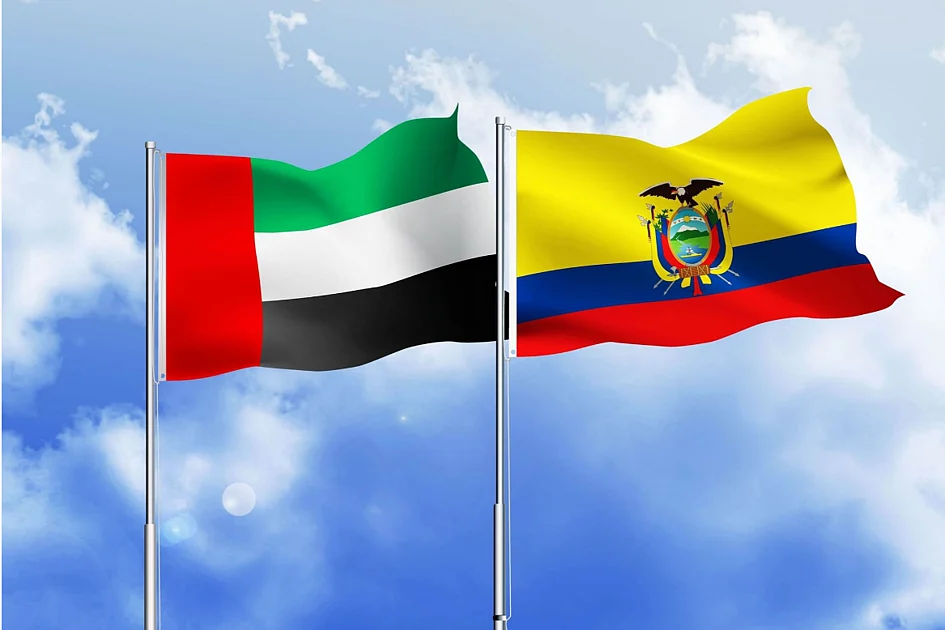
    In a significant international law enforcement operation, United Arab Emirates authorities have successfully detained Roberto Carlos Alvarez Vera, an Ecuadorian national sought through an Interpol Red Notice. The arrest, executed on December 29, 2025, came in direct response to a formal judicial request from Ecuadorian officials, marking a pivotal development in cross-border crime prevention.

    The governments of both nations have jointly characterized this operation as a testament to their strengthened commitment to judicial cooperation and the rule of law. This collaborative effort specifically targets transnational criminal networks, with particular emphasis on combating international narcotics trafficking operations that span multiple jurisdictions.

    Beyond the immediate apprehension, officials from both countries have reaffirmed their dedication to maintaining robust communication channels between their central judicial authorities. This framework of cooperation signals a mutual determination to enhance bilateral relations through structured legal collaboration, establishing a precedent for future joint operations against international criminal elements.

    The successful execution of this Red Notice underscores the evolving effectiveness of global policing networks when supported by strong diplomatic relationships between member states. This operation demonstrates how international legal mechanisms can function optimally when complemented by direct nation-to-nation judicial cooperation.

  • The fight over Christian nationalism in a small Tennessee town

    The fight over Christian nationalism in a small Tennessee town

    In the rolling Appalachian hills of Tennessee, a controversial real estate development has ignited a cultural confrontation that reflects America’s deepening political divisions. Josh Abbotoy, founder of Ridgerunner development company, envisions creating an “affinity-based community” centered around faith, family, and freedom on purchased land near Gainesboro. While marketed as a rural retreat celebrating conservative values, the project has drawn national attention due to its association with self-described Christian nationalists.

    The controversy intensified when two of Abbotoy’s earliest customers—Andrew Isker, a Minnesota pastor, and C Jay Engel, a California businessman—publicized their move to the area on their podcast ‘Contra Mundum’ (Against the World). Both men advocate for radical conservative reforms including questioning women’s suffrage, calling for mass deportations of legal immigrants, and seeking to “repeal the 20th Century.” Their statements triggered alarm among Gainesboro’s 900 residents, despite the county having voted 80% for Donald Trump in the last election.

    Local opposition crystallized when businesswoman Diana Mandli posted a chalkboard message outside her establishment reading: “If you are a person or group who promotes the inferiority or oppression of others, please eat somewhere else.” An informal resistance group emerged, confronting the developers at local meetings and erecting protest billboards. Residents expressed particular concern over Engel’s advocacy for “family voting” where only husbands would cast ballots representing households.

    Abbotoy, a Harvard Law graduate and partner at conservative venture fund New Founding, distances himself from the Christian nationalist label while defending his clients as intellectuals discussing “big ideas.” His development continues to attract buyers, predominantly from Democratic states like California and New York, with half the lots already under contract and first residents expected in 2027.

    The local dispute has drawn involvement from national organizations, with Abbotoy claiming opposition is orchestrated by liberal groups while residents maintain their resistance is organic. The confrontation represents a microcosm of broader political battles occurring across rural America, where Democratic organizations are increasing investment to counter Republican dominance despite the challenge of addressing extreme viewpoints within conservative communities.

  • Beijing condemns the demolition of a monument honoring the Chinese community in Panama

    Beijing condemns the demolition of a monument honoring the Chinese community in Panama

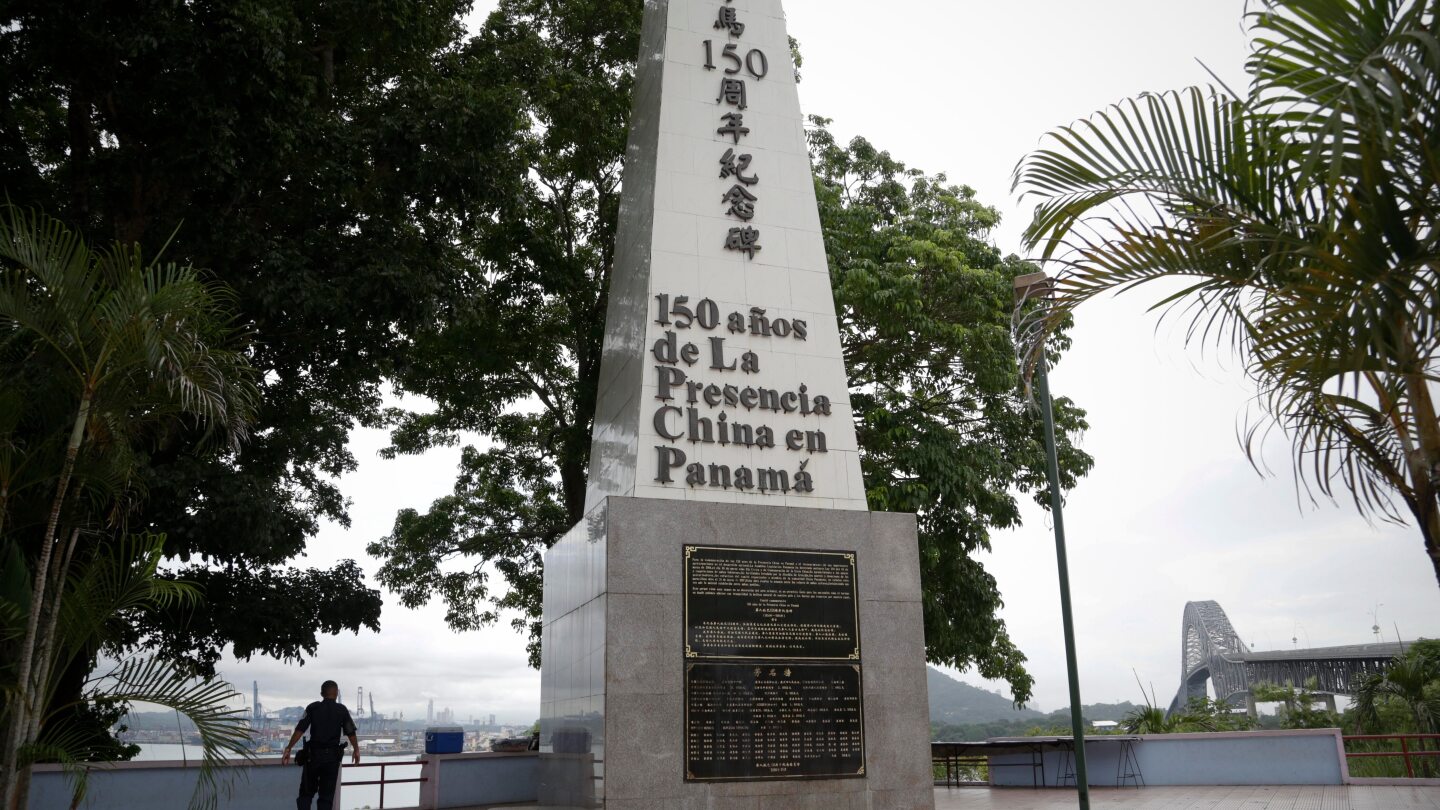
    A significant diplomatic incident has erupted between China and Panama following the overnight demolition of a historic monument honoring the Chinese community’s contributions to Panama. The structure, which commemorated 150 years of Chinese presence in Panama and celebrated migrants who helped construct the country’s railroads and the Panama Canal, was reduced to rubble by excavators in an operation that has drawn international attention.

    The Chinese Embassy in Panama issued a strong condemnation, characterizing the demolition as a ‘brazen and forcible’ act that has ‘seriously damaged the friendly sentiments of the Chinese people towards the Panamanian people.’ Chinese Ambassador Xu Xueyuan publicly demanded an explanation via social media platform X, lamenting that ‘a symbol of China-Panama friendship’ had been ‘reduced to nothing.’

    Panamanian President José Raúl Mulino joined in the condemnation, calling the demolition an ‘unforgivable act of irrationality’ with ‘no justification whatsoever for the barbarity.’ He pledged federal government support to rebuild the monument and announced an immediate investigation into the incident. The controversy occurs against a backdrop of increasing U.S. pressure on Central American nations to distance themselves from Beijing, though local Arraiján authorities claimed the demolition was motivated solely by structural safety concerns.

    The monument, erected in 2004 featuring traditional Chinese architectural elements including a ceremonial arch, curved roof tiles, and stone lions, stood at a scenic overlook near the Panama Canal. By morning, only two broken stone lions remained beside the curb as construction workers cleared the debris. The demolition has sparked outrage among both Panamanian and Chinese communities, with some Chinese businesses closing in protest and demonstrations occurring at the site.

    Panamanian tour guide Jaime Bustos, who arrived with Italian tourists to find the monument destroyed, expressed shock: ‘They helped build our interoceanic railway, they helped build the Panama Canal, and they’re helping our country’s economy. I believe this was a cruel act.’ The incident highlights the complex geopolitical tensions in the region as China’s economic influence in Latin America continues to grow, challenging traditional U.S. dominance in the hemisphere.

  • Naan: How the ‘world’s best bread’ travelled from Islamic courts to our plates

    Naan: How the ‘world’s best bread’ travelled from Islamic courts to our plates

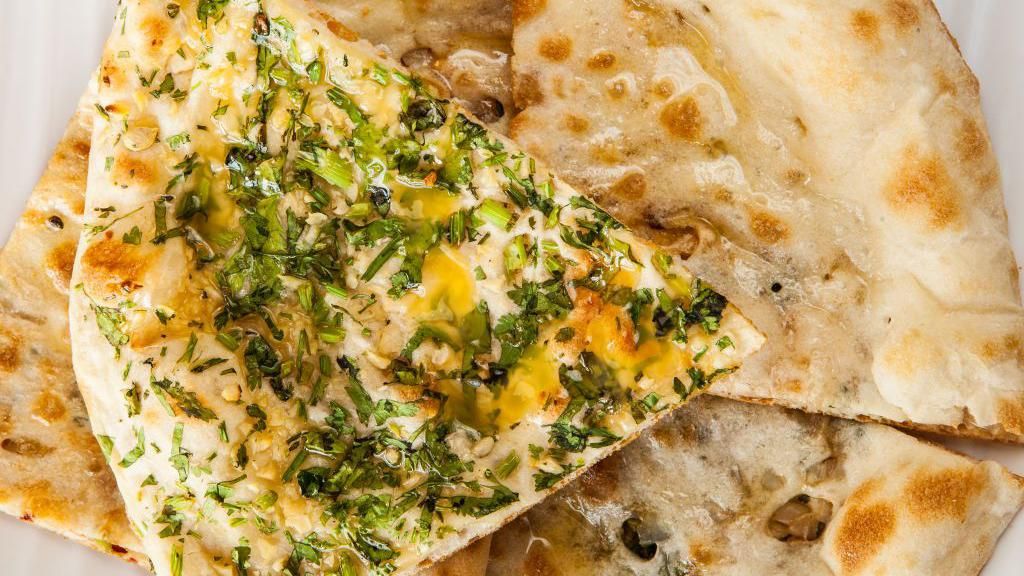
    Butter garlic naan has achieved global culinary recognition by securing the top position on Taste Atlas’ prestigious 2025 ranking of world’s best breads. This leavened flatbread, characterized by its pillowy texture and aromatic garlic-infused butter topping, surpassed numerous international contenders to claim the coveted title.

    The journey of naan from royal courts to global tables spans centuries of culinary evolution. Historical evidence suggests Persian origins for this flatbread, with its name deriving from the Persian word for bread. The bread traveled to the Indian subcontinent with 13th-century Sultans, who introduced tandoor ovens and Central Asian culinary traditions. During the Delhi Sultanate and subsequent Mughal eras, naan remained an exclusive delicacy enjoyed primarily by nobility, with specialized chefs called ‘naan bais’ developing sophisticated variations like the flaky naan-e-warqi and gravy-absorbing naan-e-tangi.

    British colonial rule facilitated naan’s introduction to Western audiences, though it remained an elite food item within India. The bread’s democratization occurred gradually through simplified preparation methods, making it accessible to broader populations. The traditional preparation involves combining flour, yogurt, and yeast to create a soft dough that undergoes fermentation before being hand-shaped and baked in scorching tandoor ovens until characteristic brown spots appear.

    The late 20th and early 21st centuries witnessed remarkable innovation in naan preparation. Fine dining establishments globally began experimenting with creative interpretations, incorporating ingredients like spinach, gourmet cheeses, and mushrooms. Contemporary variations now include regional specialties such as Goa’s pork vindaloo naan and Hong Kong’s truffle cheese naan, demonstrating the bread’s extraordinary adaptability.

    Food historian Neha Vermani notes: ‘The naan’s evolution mirrors broader social transformations. From complex royal preparations to accessible street food, its journey reflects changing culinary landscapes and cross-cultural exchanges.’ Chef Suvir Saran, who pioneered innovative naan varieties in New York restaurants, observes: ‘Naan represents culinary plurality—it shows how cross-cultural identities can coexist harmoniously through food.’

    Beyond its culinary significance, naan embodies important cultural narratives about adaptation and integration. As it continues to evolve globally, this humble flatbread maintains its fundamental character while embracing diverse culinary influences, serving as both a staple food and a symbol of cultural exchange.