博客

  • Trump cites ‘progress’ in peace dialogue as deal edges closer

    Trump cites ‘progress’ in peace dialogue as deal edges closer

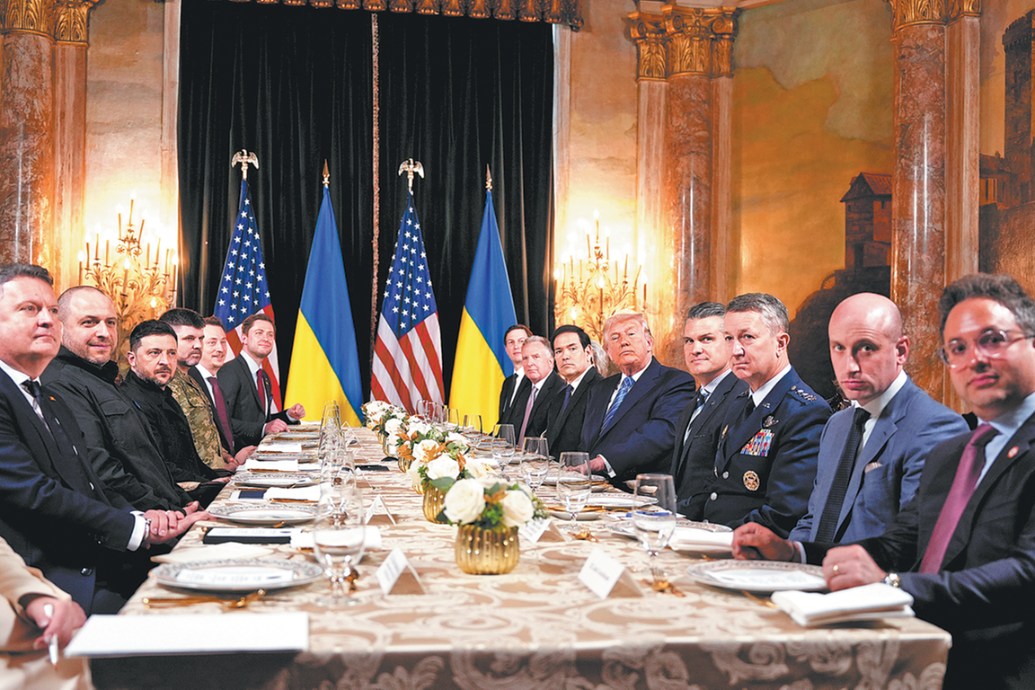
    In a significant diplomatic development at his Mar-a-Lago estate, U.S. President Donald Trump characterized his Sunday meeting with Ukrainian President Volodymyr Zelensky as “terrific,” acknowledging substantive advancements toward a peace agreement while conceding that complex territorial issues remain unresolved in Europe’s deadliest post-WWII conflict.

    The closed-door negotiations, attended by U.S. Secretary of State Marco Rubio and Defense Secretary Pete Hegseth alongside Ukrainian Economy Minister Oleksii Sobolev, produced limited public details but notable optimism from both leaders. Trump announced that considerable progress had been achieved, particularly regarding security arrangements, though he emphasized the complexity of the process, stating, “This is not a one-day process deal. This is very complicated stuff.”

    President Zelensky revealed that approximately 90% of the peace framework had been agreed upon, with security guarantees constituting the cornerstone of the proposed agreement. The Ukrainian leader disclosed that Washington had offered “solid” 15-year security commitments with potential for extension, mirroring protections afforded to NATO members. This development suggests a potential compromise wherein Ukraine might suspend its NATO membership aspirations in exchange for equivalent security assurances from Western allies.

    The negotiations occur against a backdrop of competing peace proposals, including a 28-point plan believed to originate from Moscow and a 20-point Ukrainian counter-proposal. Kremlin spokesman Yury Ushakov revealed that Trump and Russian President Vladimir Putin shared a “broadly similar view” during their pre-summit discussion that temporary ceasefires would merely prolong the conflict. Moscow continues to insist on Ukrainian withdrawal from Donbas and permanent retention of captured territories, including the Crimean Peninsula.

    European coordination appears integral to the process, with Zelensky and Trump conducting joint telephone discussions with key European leaders following their meeting. French President Emmanuel Macron has announced a forthcoming gathering of Kyiv’s allies in Paris during early January, while Zelensky suggested potential multilateral talks in Washington next month.

    Despite the measured optimism, both leaders refrained from establishing concrete deadlines, though Trump projected clarity within “a few weeks” regarding the viability of successful conflict resolution. The U.S. president characterized the remaining territorial disputes as “thorny issues” but expressed confidence they would be resolved, noting, “Russia would like to see it end, and Ukraine would like to see it end, and I think it’s time to end.”
  • Russia’s nuclear-capable Oreshnik missiles have entered active service, Moscow says

    Russia’s nuclear-capable Oreshnik missiles have entered active service, Moscow says

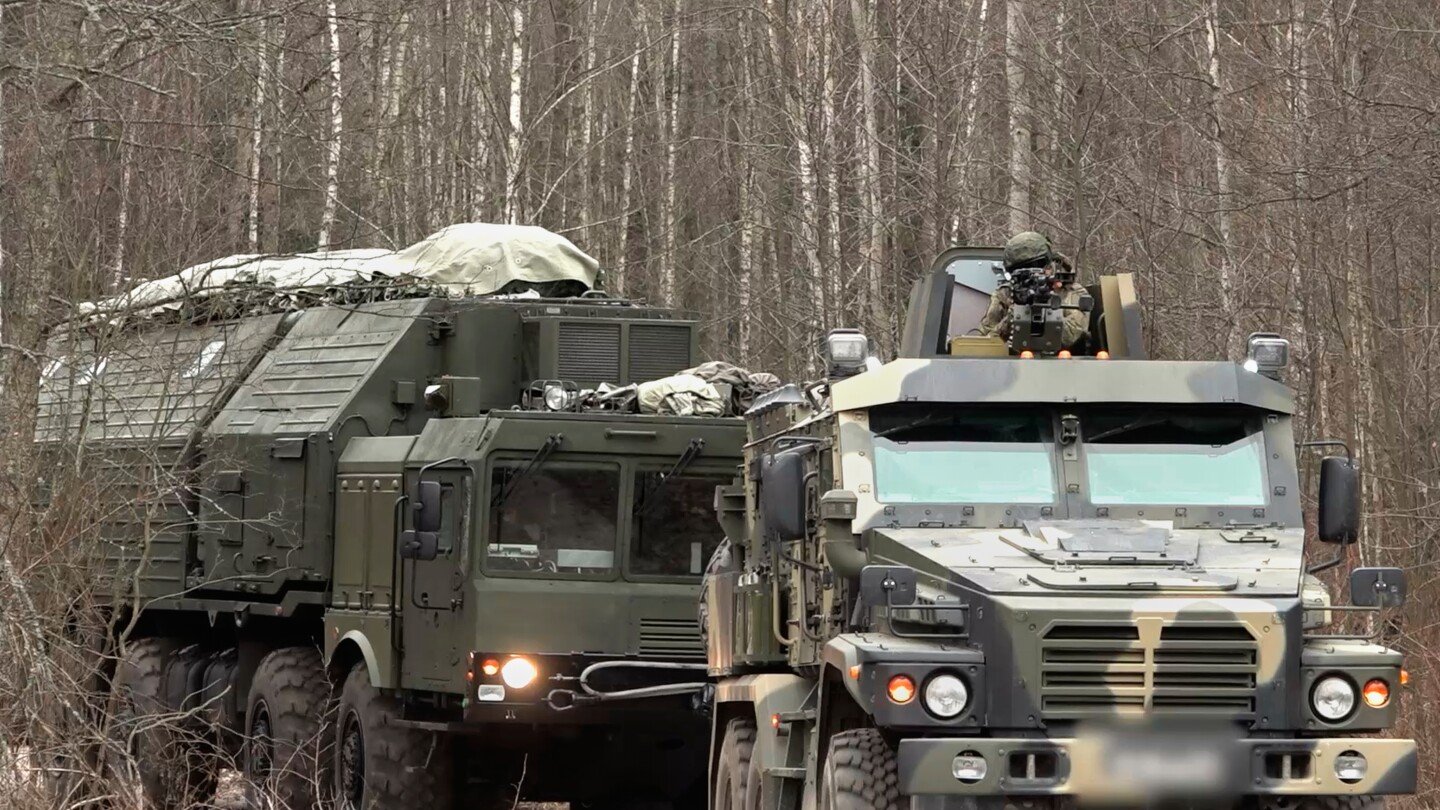
    Russia’s Ministry of Defense confirmed on Tuesday the operational deployment of its advanced Oreshnik missile system, a nuclear-capable weapon platform, during a ceremonial event in Belarus. The announcement arrives at a delicate juncture in international efforts to broker peace between Moscow and Kyiv.

    President Vladimir Putin had previously indicated in early December that the Oreshnik system would assume combat duties this month. During high-level military consultations, the Russian leader emphasized that Moscow would pursue expanded territorial gains should Ukraine and Western allies reject Kremlin conditions in ongoing negotiations.

    The missile system, whose name translates to “hazelnut tree” in Russian, represents a significant escalation in Russia’s strategic capabilities. Military experts confirm the Oreshnik can deliver multiple warheads at hypersonic velocities reaching Mach 10, with sufficient range to target locations across Europe. The system accommodates both conventional and nuclear payloads.

    This deployment coincides with complex diplomatic maneuvers. Recent discussions between U.S. leadership and Ukrainian President Zelenskyy yielded optimistic statements regarding potential peace settlements, though critical obstacles remain unresolved. Key sticking points include territorial withdrawal parameters and the status of the Russian-occupied Zaporizhzhia nuclear facility, among Europe’s largest atomic energy installations.

    President Putin continues to posture from a position of military strength, emphasizing the creation of buffer zones along Russia’s borders while reporting advances in Donetsk and Zaporizhzhia regions. The Oreshnik’s operational history includes a November 2024 combat test against a former Soviet missile factory in Dnipro, Ukraine.

    The introduction of these intermediate-range missiles—weapons previously restricted under the now-defunct INF Treaty abandoned by both Moscow and Washington in 2019—signals a new phase in regional security dynamics. Russian military leadership has explicitly noted the system’s potential application against NATO members providing long-range strike capabilities to Ukraine.

  • China’s latest giant panda base opens to public, blending tech with conservation

    China’s latest giant panda base opens to public, blending tech with conservation

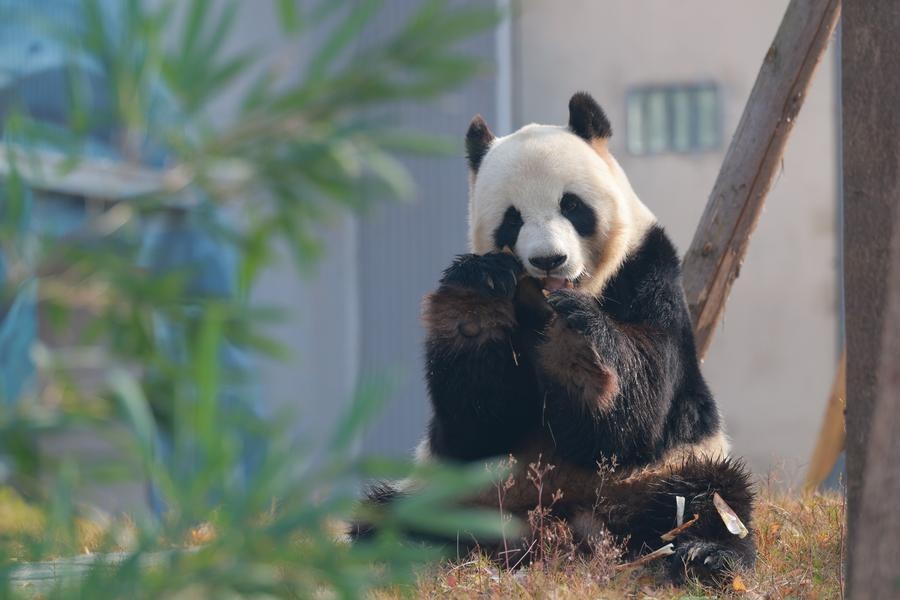
    Mianyang, Sichuan Province – China’s cutting-edge giant panda conservation facility officially commenced public operations on December 29, 2025, marking a significant advancement in wildlife preservation technology. The Mianyang base, spanning approximately 120 hectares, represents the fifth establishment under the China Conservation and Research Center for the Giant Panda (CCRCGP) network.

    The facility debuted with remarkable public interest, welcoming approximately 6,300 visitors during its inaugural opening day. Currently housing 20 giant pandas across various age groups—from subadults to senior individuals—the base reports all specimens have successfully adapted to their new environment and maintain excellent physical condition.

    Engineered to replicate natural habitats, the complex features mountainous terrain and valley landscapes enhanced by sophisticated artificial infrastructure. The design incorporates 54 specialized enclosures serving distinct purposes including breeding programs, cub rearing facilities, adult display areas, and dedicated disease control units.

    Technological innovation stands as a cornerstone of the new base, with integrated smart systems featuring intelligent safety monitoring, precision climate control, automated humidity regulation, and advanced light-based disinfection mechanisms designed to enhance animal immunity.

    Sichuan Province, recognized as the primary habitat for giant pandas, hosts over 70% of China’s wild panda population. Mianyang specifically maintains the highest concentration among all prefecture-level cities nationwide. This conservation achievement reflects China’s broader ecological civilization initiatives, which have yielded significant success—the International Union for Conservation of Nature reclassified giant pandas from ‘endangered’ to ‘vulnerable’ status in 2016. Current estimates indicate approximately 1,900 giant pandas now thrive in China’s wilderness.

  • Xi’s diplomacy in 2025: Shedding light on a world at crossroads

    Xi’s diplomacy in 2025: Shedding light on a world at crossroads

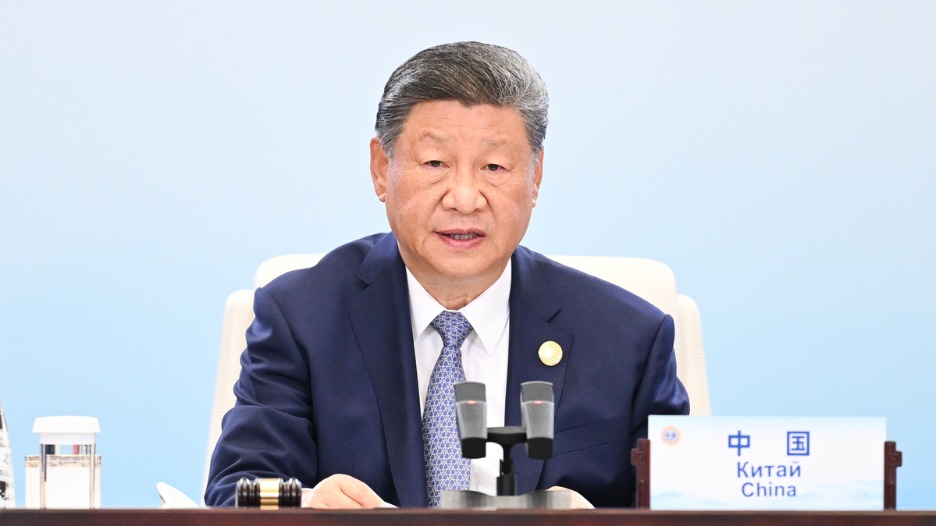
    As 2025 concludes, Chinese President Xi Jinping’s diplomatic engagements throughout the year have demonstrated China’s increasingly assertive role in shaping global affairs during a period of significant international turbulence. Against a backdrop of escalating geopolitical tensions and transformative shifts in world order, China’s foreign policy approach has provided distinct alternatives to current global challenges.

    The cornerstone of China’s 2025 diplomatic agenda emerged during the landmark Shanghai Cooperation Organization summit in Tianjin—the largest gathering in the organization’s 24-year history. President Xi unveiled the Global Governance Initiative (GGI), presenting a comprehensive framework for international cooperation that emphasizes five fundamental principles: sovereign equality, adherence to international rule of law, multilateralism, people-centered development, and actionable implementation.

    This initiative represents the fourth major global proposal advanced by Xi, following previously established frameworks including the Global Development Initiative, Global Security Initiative, and Global Civilization Initiative. Chinese officials characterize the GGI as another significant contribution to international public goods, positioning China as a proactive architect of global governance structures rather than merely a participant.

    The Tianjin summit brought together leaders from more than 20 nations and representatives from 10 international organizations, creating an unprecedented platform for diplomatic engagement. Observers note that China’s diplomatic strategy throughout 2025 has consistently emphasized alternatives to division and confrontation, advocating instead for dialogue and mutually beneficial cooperation amid increasing global fragmentation.

    Analysts suggest that China’s diplomatic offensive throughout 2025 reflects a calculated effort to expand its influence within existing international institutions while simultaneously proposing alternative governance frameworks. This approach comes at a time when traditional Western-led global governance systems face mounting challenges and criticisms from developing nations seeking greater representation and alternative partnership models.

  • Smart agri tech to spur rural modernization

    Smart agri tech to spur rural modernization

    China is accelerating its agricultural transformation through advanced technologies as part of its 15th Five-Year Plan (2026-2030), positioning smart farming as the cornerstone of rural modernization and national food security. Minister of Agriculture and Rural Affairs Han Jun emphasized that modernizing agriculture remains a strategic priority for bolstering domestic development and mitigating external risks amid global uncertainties.

    Han characterized rural modernization as a ‘ballast stone’ for economic and social stability, noting that bridging the urban-rural divide and ensuring farmers benefit from modernization are crucial for establishing a new development paradigm. By 2035, hundreds of millions of farmers are projected to transition into modern lifestyles, unleashing significant development momentum and consumption potential.

    The initiative builds upon substantial foundations: China achieved record grain production of 715 million metric tons this year, with technological advancements contributing over 64% to agricultural growth. Despite this progress, challenges persist in addressing rural development gaps and sustaining farmer income growth.

    A comprehensive technological overhaul is underway, including:
    – Launching measures to increase grain production capacity by 50 million tons
    – Accelerating high-standard farmland construction
    – Advancing seed industry innovation through biotechnology breakthroughs
    – Deploying smart agricultural machinery and AI-driven farming solutions
    – Developing diversified food supply systems
    – Expanding agricultural processing to enhance farmer incomes

    China Agricultural University President Sun Qixin highlighted that developing ‘new quality productive forces’ tailored to local conditions is essential for overcoming development bottlenecks. Biotechnology serves as a core engine, with gene editing and synthetic biology breakthroughs poised to reshape agricultural production models.

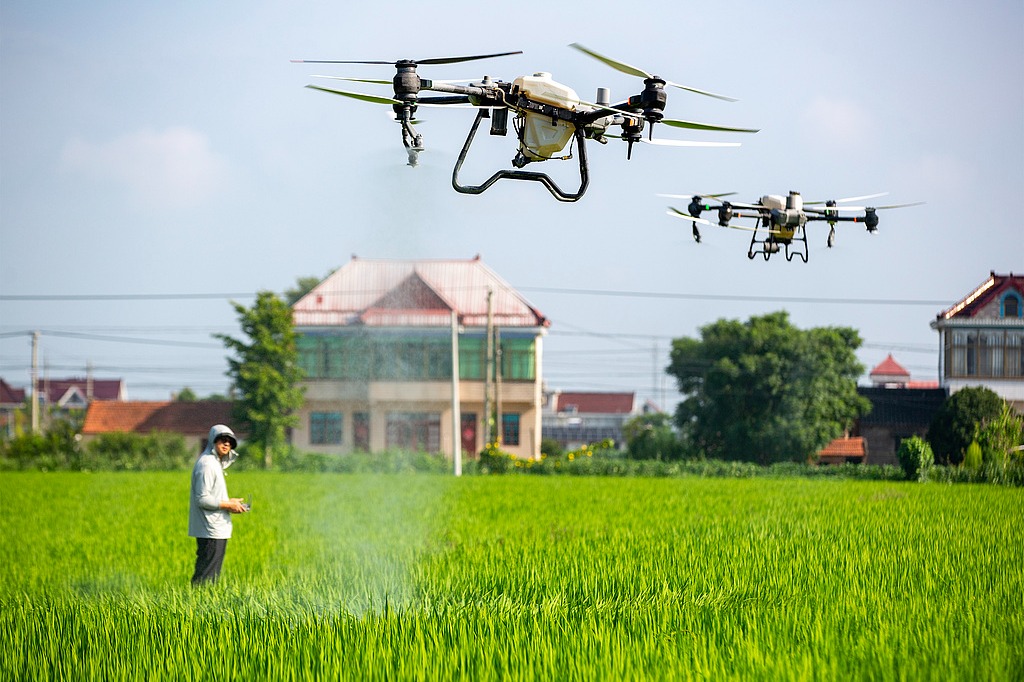
    The integration of big data, cloud computing, and artificial intelligence is transforming traditional farming practices. Next-generation agricultural technologies—from drones to intelligent farming robots—are accelerating the shift toward automated, data-driven production systems. China recently established its first quality inspection and testing center for smart agriculture technologies, filling a critical gap in the national testing system.

    Concurrent with technological advancement, China is expanding its digital agriculture talent pool. Training programs focused on improving farmers’ mobile usage and e-commerce skills attracted nearly 40 million participants this year. The government also maintains its commitment to poverty prevention through dynamic monitoring systems and continued support policies, with all 832 previously impoverished counties having developed two to three competitive leading industries.

    Employment among formerly impoverished populations has stabilized above 30 million, accounting for over two-thirds of household income. In the first three quarters of 2025, rural residents in these counties recorded per capita disposable income of 13,158 yuan ($1,872), representing 6.5% year-on-year growth that exceeded the national rural average.

  • Robotics, AI innovations put elderly care on fast track

    Robotics, AI innovations put elderly care on fast track

    China’s rapidly aging population is witnessing a technological transformation in elderly care, with artificial intelligence and robotics emerging as critical solutions to address growing demographic challenges. Across the nation, from Beijing nursing homes to Shenzhen care facilities, AI-powered devices are providing companionship, mobility assistance, and specialized therapies for senior citizens.

    In a Beijing residence, a nonagenarian engages in daily chess matches with his robotic companion named Sense—a 2,000 yuan ($285) AI system that offers both intellectual stimulation and social interaction. Financial professional Shen Tu, who gifted the device to his grandfather, reports the technology has not only brought joy to his elderly relative but has become a focal point for family bonding during weekend gatherings.

    The applications extend far beyond companionship. In Guangdong province, advanced robotics systems now perform room patrols in care institutions, provide mobility support through exoskeleton technology, and even administer traditional moxibustion therapy. These innovations represent a fundamental shift in how China approaches elderly care amidst staggering demographic changes.

    Official statistics from the Ministry of Civil Affairs reveal that by the end of 2024, China’s population aged 60 and above reached 310 million, representing 22% of the total population. Among these seniors, approximately 35 million have lost self-care capability—a figure projected to surge to 46 million by 2035.

    Conventional care models struggle with multiple challenges including severe shortages of professional caregivers, inefficient service delivery, and difficulties meeting personalized needs. Smart elderly care solutions integrating AI, Internet of Things, and robotics technologies are increasingly filling these gaps, becoming essential infrastructure in China’s response to its aging society.

    The development receives substantial policy support alongside technological innovation, positioning China at the forefront of redefining elder care through automation and intelligent systems.

  • Three-time MVP Jokic suffers ‘gut-wrenching’ injury

    Three-time MVP Jokic suffers ‘gut-wrenching’ injury

    In a devastating turn of events during Monday night’s matchup, the Denver Nuggets not only suffered a decisive 147-123 defeat against the Miami Heat but potentially lost their franchise cornerstone to a severe knee injury. Three-time NBA Most Valuable Player Nikola Jokic was forced to exit the game following an accidental collision with teammate Spencer Jones late in the second quarter.

    The incident occurred when Jones inadvertently stepped on Jokic’s foot during defensive positioning, causing the Serbian center to collapse immediately while clutching his knee in apparent distress. Medical staff rushed to attend to the visibly pained superstar who required assistance to leave the court.

    Nuggets head coach David Adelman expressed profound concern following the game, stating, ‘The immediate reaction told us something was seriously wrong. While injuries are an unavoidable aspect of professional basketball, witnessing someone of Nikola’s caliber go down is particularly gut-wrenching.’

    The 30-year-old basketball virtuoso, who currently leads the NBA in both rebounds and assists this season, had been dominating play with 21 points and 8 assists prior to the injury. Jokic is scheduled to undergo comprehensive MRI scanning on Tuesday to determine the exact nature and extent of the damage.

    This development sends shockwaves through the NBA landscape, potentially altering the championship trajectory for the Nuggets. Jokic’s absence would create a monumental void in Denver’s lineup, given his unparalleled role as the team’s offensive orchestrator and defensive anchor. The basketball community now anxiously awaits the medical evaluation that will determine the recovery timeline for one of the league’s most dominant players.

  • China’s top diplomat blasts US arms sale to Taiwan as military drills around the island unfold

    China’s top diplomat blasts US arms sale to Taiwan as military drills around the island unfold

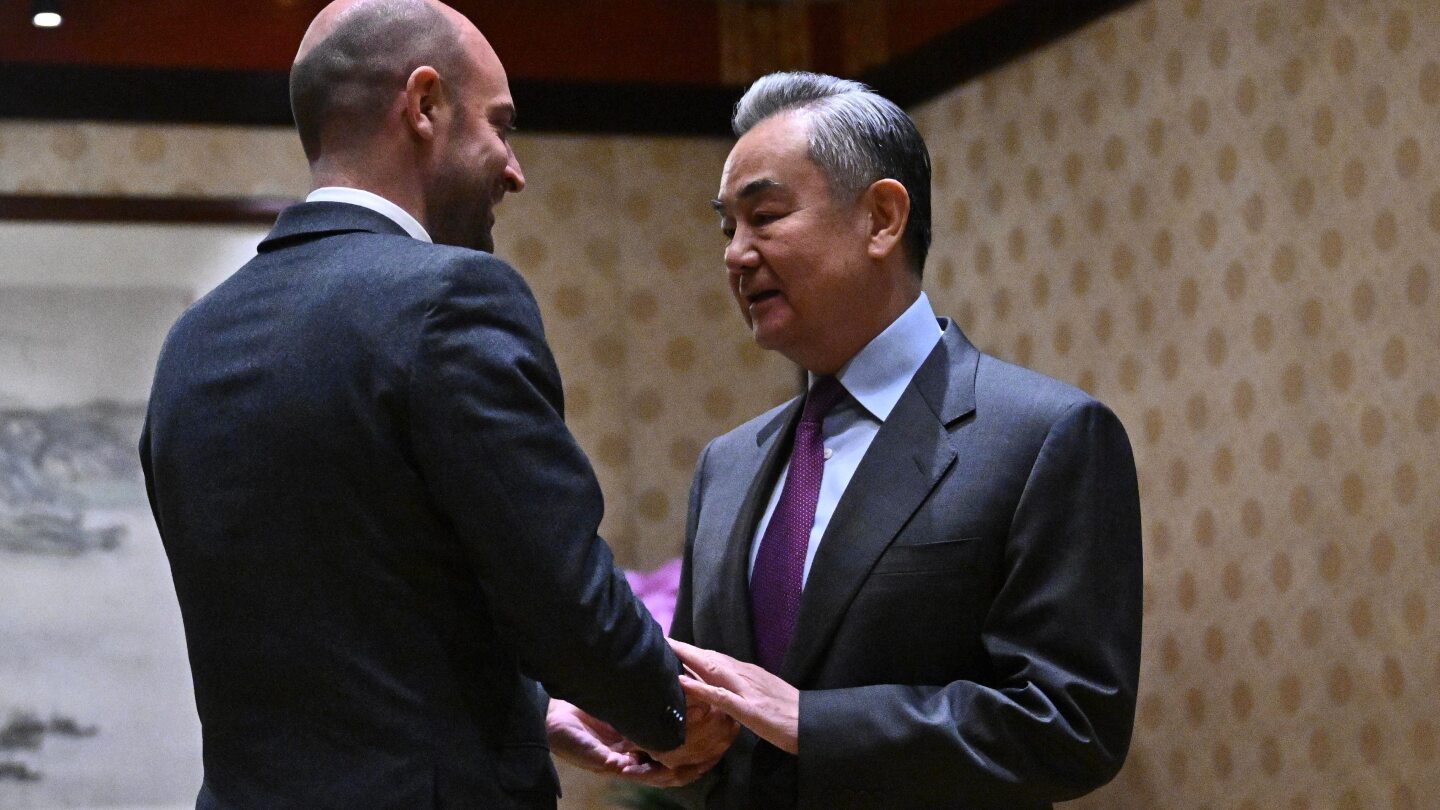
    Chinese Foreign Minister Wang Yi delivered a stern condemnation of United States military policy toward Taiwan during a year-end diplomatic review in Beijing on Tuesday. The address came as China entered its second day of coordinated military exercises around the self-governed island.

    Wang characterized the recent $11 billion U.S. arms package to Taiwan—the largest such sale in history—as a severe provocation requiring “resolute opposition and strong countermeasures.” The comprehensive weapons package includes advanced missile systems, unmanned aerial vehicles, artillery platforms, and specialized military software.

    Reiterating China’s longstanding position, Wang emphasized Beijing’s commitment to “complete reunification” with Taiwan, which has maintained separate governance since the conclusion of China’s civil war in 1949. Taiwan’s administration maintains that it has never been under the jurisdiction of the current Communist Party-led government in Beijing.

    The foreign minister’s remarks extended beyond U.S.-Taiwan relations to include sharp criticism of Japan’s leadership. Wang accused Japanese officials of “openly challenging China’s territorial sovereignty” and expressed concern about the “resurgence of Japanese militarism,” referencing Japan’s wartime aggression against China.

    China’s military exercises, initiated Monday, serve dual purposes: responding to American arms sales and signaling disapproval of recent statements from Japanese Prime Minister Sanae Takaichi, who suggested potential military intervention regarding Taiwan.

    Beyond regional tensions, Wang highlighted China’s broader diplomatic agenda, including addressing the Israel-Gaza conflict where China supports international ceasefire efforts and advocates for Palestinian rights. Wang also detailed China’s mediation between Thailand and Cambodia, helping consolidate a ceasefire after months of border fighting, and reiterated Beijing’s aim to facilitate Ukraine-Russia peace talks despite Western skepticism about China’s impartiality.

    These diplomatic initiatives demonstrate China’s concerted effort to expand its influence as an international mediator and major power in resolving regional and global conflicts.

  • US removal of panels honoring Black soldiers at WWII cemetery in the Netherlands draws backlash

    US removal of panels honoring Black soldiers at WWII cemetery in the Netherlands draws backlash

    A contentious decision by the American Battle Monuments Commission to dismantle educational displays honoring Black American soldiers at the Netherlands American Cemetery in Margraten has sparked widespread condemnation and diplomatic tensions. The removal, executed discreetly earlier this year, eliminated two significant panels that chronicled the contributions of African American troops during World War II.

    One display memorialized the heroic actions of 23-year-old Private George H. Pruitt, an African American soldier buried at the site who perished while attempting to rescue a fellow serviceman from drowning in 1945. The second panel documented the institutional racial segregation policies that defined the U.S. military throughout the conflict, despite approximately one million Black soldiers enlisting. These soldiers frequently performed grueling tasks—including an all-Black unit that excavated thousands of graves at Margraten during the devastating Hunger Winter of 1944-45 under German occupation.

    The commission’s actions followed President Donald Trump’s executive orders terminating diversity, equity, and inclusion programs, with the administration declaring an end to ‘woke’ policies. Internal communications obtained through Freedom of Information Act requests by media outlets confirmed the direct link between these policies and the display removals.

    Dutch officials, local communities, and descendants of both soldiers and liberators have expressed profound dismay. Cor Linssen, 79, whose father was a Black American soldier, emphasized the historical significance of these narratives: ‘It’s an important part of history. They should put the panels back.’ Linssen, who faced racial prejudice growing up in the Netherlands, recently visited the cemetery with other children of Black soldiers to view the displays shortly before their removal.

    The controversy has drawn reactions from multiple levels of Dutch society. Theo Bovens, Dutch senator and chairman of the Black Liberators Foundation, noted the paradoxical nature of the removal, given that the commission itself had installed the panels in 2024. Local authorities in the Margraten region have formally demanded the restoration of the exhibits, while Dutch television programs have attempted to recreate the displays outside cemetery grounds.

    The profound connection between the Dutch people and the fallen soldiers remains evident through the ongoing grave adoption program, where thousands of local families honor individual soldiers by maintaining their resting places and commemorating their birthdays—a tradition often passed through generations.

    Historians and authors like Linda Hervieux, who documented Black soldiers’ experiences in ‘Forgotten,’ argue that erasing these stories continues a harmful pattern of excluding people of color from historical narratives. The absence of these panels at Margraten represents more than missing information—it signifies the ongoing struggle over whose sacrifices are remembered and whose are forgotten.

  • China flexes blockade capabilities near Taiwan on second day of military drills

    China flexes blockade capabilities near Taiwan on second day of military drills

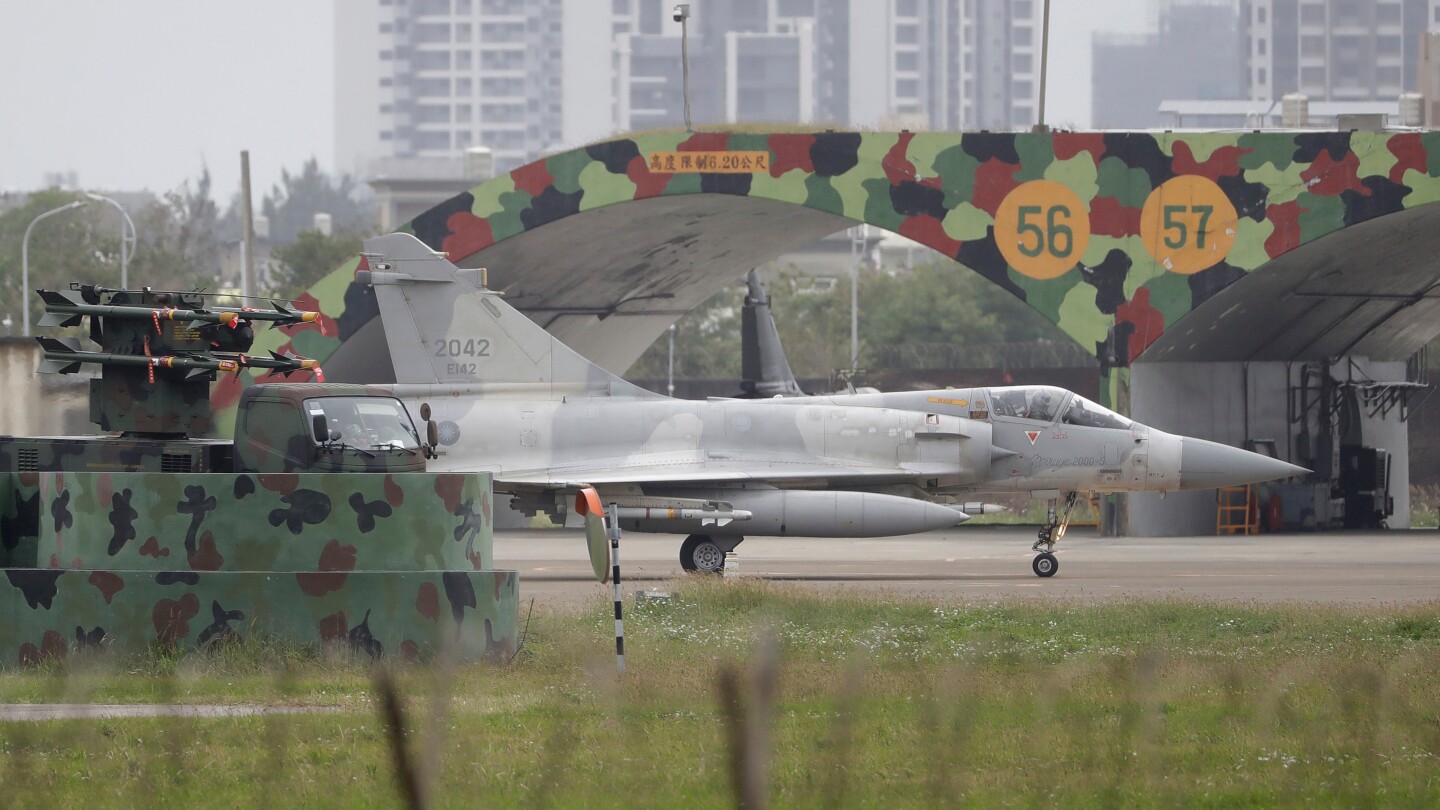
    China’s People’s Liberation Army intensified its military presence around Taiwan with large-scale exercises dubbed ‘Justice Mission 2025,’ entering a second day of operations on Tuesday. The Eastern Theater Command deployed destroyers, frigates, fighter jets, and bombers to waters north and south of the island, conducting comprehensive sea-air coordination drills and live-fire artillery exercises that officials claimed achieved ‘desired effects.’

    The maneuvers significantly heightened tensions across the Taiwan Strait as 2025 concluded, with tangible impacts on civilian aviation. Taiwan’s Civil Aviation Administration reported seven temporary ‘dangerous zones’ established around the strait, potentially disrupting both international and domestic flight operations.

    According to Taiwan’s Defense Ministry, surveillance detected 130 Chinese military aircraft, including fighters and bombers, alongside 14 naval vessels and eight other official ships operating near the island within a 24-hour period. Notably, 90 aircraft crossed the median line of the strait, entering Taiwan’s air defense identification zone, while a Chinese balloon was also observed. Long-range artillery units from China’s Fujian province conducted live-fire exercises targeting zones approximately 44 kilometers off Taiwan’s northern coast.

    Chinese officials framed the exercises as a ‘stern warning’ against what they characterize as Taiwan independence separatist forces and external interference. Through its official Xinhua News Agency, Beijing accused Taiwan’s ruling Democratic Progressive Party of binding the island to a ‘catastrophic secessionist chariot’ through arms purchases and alignment with the United States.

    The developments occurred against the backdrop of recent U.S.-Taiwan defense agreements, with Washington announcing arms sales valued at over $10 billion—a move that prompted Beijing to impose sanctions against 20 U.S. defense companies and 10 executives. The situation also drew responses from regional powers, with Japan’s government suggesting potential military involvement if China takes action against Taiwan, further complicating the geopolitical landscape.

    Despite the escalated tensions, U.S. President Donald Trump expressed limited concern, highlighting his relationship with Chinese President Xi Jinping and suggesting he didn’t anticipate military action against Taiwan. The historical context of the dispute traces back to 1949, when Communist forces took control of mainland China, and Nationalist forces retreated to Taiwan, establishing separate governance systems that have persisted for decades.