博客

  • Greece and Cyprus are welcoming 2026 without the bang

    Greece and Cyprus are welcoming 2026 without the bang

    In a groundbreaking shift from tradition, Greece and Cyprus are revolutionizing their New Year’s celebrations by embracing silent fireworks and drone technology. Starting in 2026, the capital cities of Athens and Nicosia will replace conventional explosive displays with innovative low-noise pyrotechnics and sophisticated light shows, marking a significant departure from centuries-old practices.

    Athens Mayor Haris Doukas characterizes this transition as signaling ‘a new era in New Year celebrations,’ emphasizing the commitment to spectacular visual experiences without auditory disturbance. The initiative specifically addresses concerns for vulnerable populations including elderly residents, infants, individuals with autism, and those experiencing post-traumatic stress disorder, while also prioritizing animal welfare given pets’ heightened auditory sensitivity.

    Nicosia has implemented even more comprehensive changes, completely eliminating traditional fireworks from municipal events after evaluating their negative impacts. Municipal authorities describe this as part of a broader modernization effort aligning with European sustainability trends and environmental objectives.

    Technologically, these quiet fireworks utilize reduced black powder charges to minimize explosive reports while maintaining vibrant visual effects through specialized pellet dispersion systems. Though not entirely novel—having been incorporated into landmark displays like the Eiffel Tower and London Eye—their municipal adoption represents a significant cultural shift.

    Cris Matthews of Quietworks, a UK-based pyrotechnics specialist, notes that low-noise alternatives require enhanced creativity and planning, particularly excelling in smaller-scale events like weddings and private gatherings.

    The transition faces cultural challenges in regions where private firework usage and celebratory gunfire remain entrenched traditions, especially during Orthodox Easter celebrations. While most Athenian suburbs will maintain conventional displays temporarily, the capital’s center will feature Acropolis-focused visual spectacles combining lighting effects and drone formations.

    Nicosia has fully embraced drone technology, citing its creative versatility, minimal noise output, zero chemical emissions, and eliminated fire risks. This technological shift coincides strategically with Cyprus assuming the European Union’s rotating presidency on January 1, with plans to incorporate EU symbolism throughout the year’s celebrations.

    The municipality’s official statement emphasizes their ‘overarching objective to set an example by prioritizing safer, greener, and more sustainable alternatives,’ definitively moving away from traditional fireworks whenever possible.


  • 2025 is nearly over: Meet UAE residents who ‘hacked’ their New Year resolutions

    2025 is nearly over: Meet UAE residents who ‘hacked’ their New Year resolutions

    As 2025 concludes, a distinctive cohort of UAE residents has demonstrated remarkable success in maintaining their New Year’s resolutions through innovative psychological approaches and behavioral adaptations. Contrary to conventional resolution patterns that typically fade by February, these individuals have implemented sustainable methodologies that transformed their annual commitments into lasting lifestyle changes.

    Dubai-based comedian and rapper Amy Roko pioneered an unconventional technique by employing microhabits and narrative romanticization. Rather than establishing overwhelming objectives, she formulated minimal daily targets—such as merely touching the gym door—which frequently evolved into complete workout sessions. Her psychological strategy involved framing ordinary activities within dramatic contexts, imagining herself as a K-drama character during routine tasks like hydration.

    The resolution fulfillment methodology extended beyond physical fitness. Marketing executive Alifa Barnes adopted an intentionality-based framework, consistently evaluating whether her actions represented conscious choices or automatic reactions. This mindfulness practice enabled more deliberate decision-making while eliminating counterproductive guilt associated with temporary setbacks.

    Content creator Aastha Kurup developed a quarterly evaluation system instead of annual pressure, allowing for adaptable goal management across multiple domains including career development, education, and creative pursuits. This approach prevented the common psychological trap of abandoning yearly objectives after minor deviations.

    Behavioral psychologist Dr. Katherine Iscoe provided academic perspective, criticizing traditional resolutions as “apologies for perceived inadequacies” rather than genuine self-improvement mechanisms. She emphasized that sustainable transformation originates from self-respect and value alignment rather than external validation seeking.

    These successful cases illustrate a paradigm shift in personal development methodology, emphasizing psychological flexibility, micro-achievements, and value congruence over rigid, outcome-focused resolution structures that historically demonstrated high failure rates.

  • UAE experts reveal which investments paid off in 2025, why they may win next year too

    UAE experts reveal which investments paid off in 2025, why they may win next year too

    The investment landscape of 2025 demonstrated a decisive shift toward stability and tangible value, with analysts identifying clear patterns in what delivered superior returns. According to financial experts across the United Arab Emirates, investors consistently favored cash-generating, real-economy assets capable of weathering geopolitical tensions, inflationary pressures, and fluctuating interest rates.

    Gold emerged as the standout performer, earning the title ‘asset of the year’ due to its hedging capabilities against global uncertainty and substantial central bank acquisitions. Waleed Dhaduk, Chief Executive of Gutmann Capital, noted that the most successful investments combined defensiveness, predictable cash flows, and exposure to structural growth themes. Beyond precious metals, Dubai’s commercial real estate market, downstream industrials, and selective emerging-market exposures delivered robust returns. Even cash holdings proved surprisingly lucrative, benefiting from elevated EIBOR rates that rewarded conservative portfolio strategies.

    Remco Coerman, Founder and CEO of Epic Edges Group, observed that 2025 ‘rewarded utility over fashion,’ with energy infrastructure, agricultural production, defense industries, and physical assets like land and logistics in emerging markets significantly outperforming. This trend reflected a fundamental shift in investor psychology from ‘what can grow fastest’ to ‘what functions when systems falter,’ driving capital toward recession-resistant projects.

    Technology sectors, particularly artificial intelligence companies and Asian semiconductor firms, delivered genuine earnings growth backed by global demand. Defense-related businesses experienced renewed interest as government spending priorities evolved. Cryptocurrencies maintained their position as strong multi-year performers despite characteristic volatility, with growing institutional participation expanding their role in diversified portfolios.

    Tajinder Virk, Co-Founder and CEO of Finvasia Group, identified three structural forces driving 2025 outperformance: geopolitical hedging boosting precious metals, theme concentration in equity markets focused on AI and infrastructure, and structural demand in the UAE fueled by population growth, business relocations, and capital formation.

    Looking toward 2026, experts anticipate continued emphasis on quality and diversification rather than speculative optimism. Markets will premium businesses supported by durable cash flows and realistic valuations. Disciplined allocations favoring Grade A Dubai office space, investment-grade credit/sukuk, high-quality global equities, and gold are expected to outperform. Themes of food security, energy infrastructure, and strategic commodities will intensify as investors prioritize assets independent of cheap money policies.

    For UAE-based investors, the consensus emphasizes balancing strong local fundamentals with global exposure across precious metals, credit markets, emerging economies, and regulated digital assets. Those considering cryptocurrency exposure should focus on infrastructure-led themes like tokenization and compliant platforms aligned with UAE regulations.

    The definitive lesson from 2025 remains clear: disciplined allocation and risk management outweigh chasing previous winners. As 2026 approaches, the assets that maintain their value during challenging conditions will likely continue their dominance.

  • What to know about the mystery of Malaysia Airlines Flight 370 as the search resumes

    What to know about the mystery of Malaysia Airlines Flight 370 as the search resumes

    A decade after one of aviation’s most perplexing disappearances, the search for Malaysia Airlines Flight MH370 has officially recommenced, rekindling hopes for resolution. On Wednesday, Malaysian authorities confirmed that Ocean Infinity, a U.S. marine robotics firm, has initiated a new underwater search operation utilizing advanced technology and revised data analysis.

    The Boeing 777 vanished on March 8, 2014, during its routine flight from Kuala Lumpur to Beijing with 239 passengers and crew aboard. After its final communication at 39 minutes into the flight, the aircraft’s transponder ceased transmission. Military radar tracked an unexpected reversal over the Andaman Sea, while satellite data indicated the plane continued flying for hours before presumably crashing into the remote southern Indian Ocean due to fuel exhaustion.

    Previous multinational search efforts, including the largest underwater operation in history covering 120,000 square kilometers, yielded minimal results. Only a few fragments—notably a wing flaperon discovered on Réunion Island in 2015—have been confirmed as wreckage from the missing aircraft. The absence of bodies, substantial debris, or definitive explanations has perpetuated the mystery.

    Theories regarding the disappearance range from mechanical failure and cabin depressurization to deliberate intervention. Malaysian investigators in 2018 eliminated suspicion of passengers and crew but acknowledged possible “unlawful interference” given the intentional severance of communications.

    The passenger manifest represented global diversity, with individuals from China, the United States, Indonesia, France, Russia, and other nations. Among them were technology professionals, artists, families with children, and two Iranians traveling on stolen passports.

    The current search, operating under a “no-find, no-fee” agreement worth $70 million upon success, will focus on a targeted 15,000-square-kilometer area identified through enhanced debris drift studies and technological advancements. Initially paused in April due to adverse weather conditions, the operation will resume intermittently from December 30 for 55 days in zones deemed most probable for locating wreckage.

    Ocean Infinity has collaborated with numerous experts to refine search parameters but has not disclosed whether new evidence prompted the revised approach. The immense challenges of searching the deep, volatile Indian Ocean—where depths average 4 kilometers—continue to complicate recovery efforts.

  • Who is El Gerente, the accused mastermind of deadly ambush, arrested by UAE

    Who is El Gerente, the accused mastermind of deadly ambush, arrested by UAE

    In a significant breakthrough for international law enforcement collaboration, United Arab Emirates authorities have captured Roberto Carlos Alvarez Vera, the elusive Ecuadorian criminal mastermind known as ‘El Gerente’ (The Manager). The arrest concludes an intensive manhunt for the alleged leader of the Comandos de la Frontera criminal network, who operated along the volatile Ecuador-Colombia border region.

    The UAE’s apprehension of Alvarez Vera followed judicial cooperation between the two nations, with extradition proceedings already initiated to return the high-value target to Ecuador. Ecuadorian President Daniel Noboa confirmed the revocation of Alvarez Vera’s temporary bail status and announced his impending transfer to face justice in his home country.

    According to Ecuadorian security agencies, Alvarez Vera built his criminal empire from dissident factions of Colombia’s disbanded FARC guerrilla movement. The organization allegedly evolved into a sophisticated cartel-like operation involved in drug trafficking, arms smuggling, illegal mining operations, and complex money laundering schemes. Investigators have linked him to an extensive network of front companies and financial structures designed to conceal proceeds from criminal activities.

    The most severe allegation against Alvarez Vera concerns his alleged orchestration of a deadly ambush on May 9 in Orellana province’s remote Alto Punino area. Armed assailants attacked an Ecuadorian military patrol conducting operations against illegal mining, resulting in the deaths of eleven soldiers—one of the deadliest assaults on the country’s armed forces in recent history. Prosecutors assert the ambush was designed to protect the group’s drug trafficking and mining interests in the Amazon region.

    Both governments have emphasized that this case demonstrates their shared commitment to combating transnational organized crime and upholding the rule of law. The successful operation highlights the importance of maintaining effective communication channels between central authorities to strengthen judicial cooperation and bilateral relations on global security matters.

  • Authorities investigating damage to undersea telecom cable in Gulf of Finland

    Authorities investigating damage to undersea telecom cable in Gulf of Finland

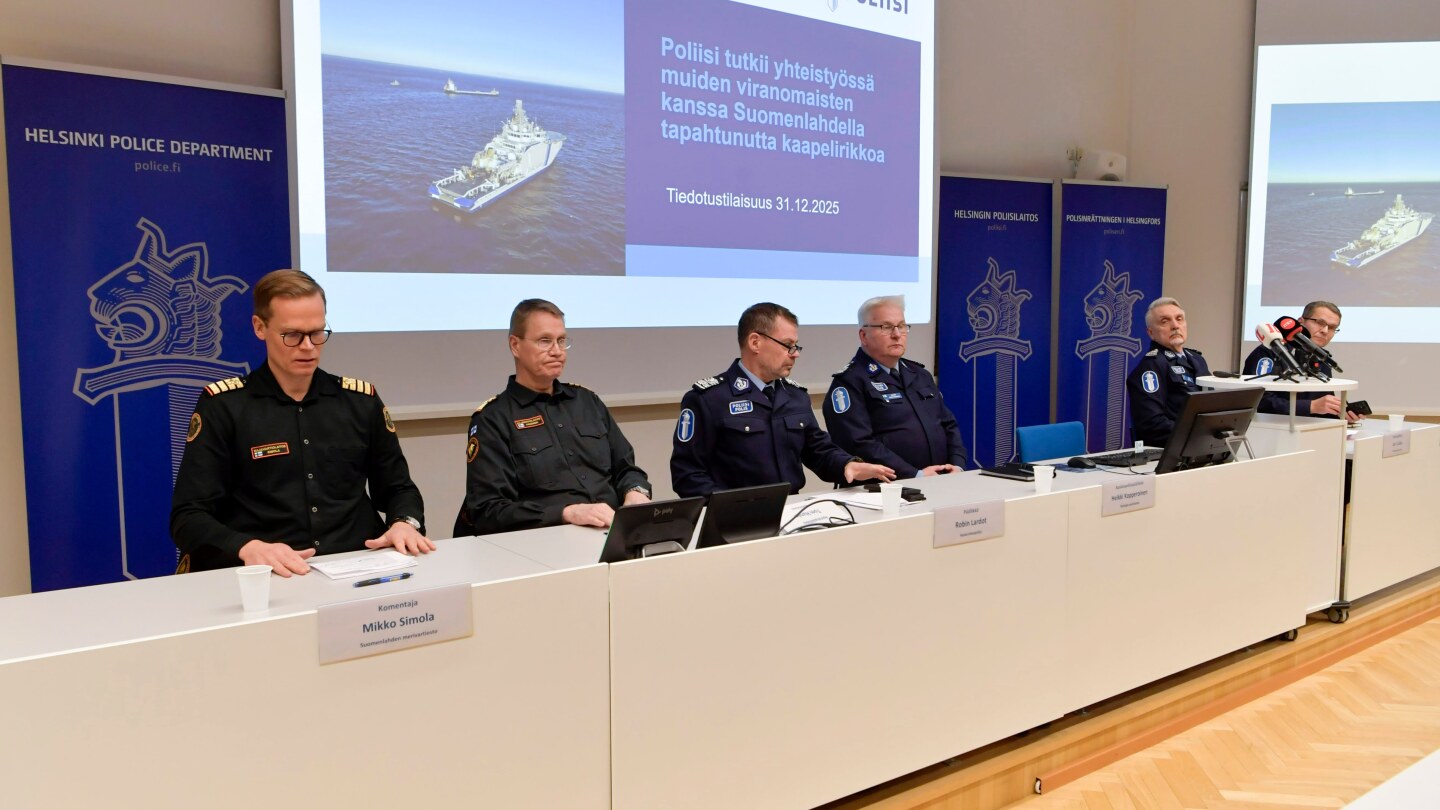
    A significant incident involving damage to critical underwater telecommunications infrastructure has triggered a multinational response in the Baltic Sea region. Early Wednesday, authorities discovered damage to a submarine cable operated by telecommunications provider Elisa in the Gulf of Finland between Helsinki and Tallinn.

    Finnish Border Guard officials executed a swift response, seizing and inspecting a vessel suspected of involvement in the incident. The ship was identified within Finland’s exclusive economic zone with its anchor deployed at the time of discovery. The actual cable damage occurred within Estonia’s exclusive economic zone, elevating the incident to matters of international jurisdiction.

    Helsinki law enforcement has launched a comprehensive criminal investigation encompassing potential charges of aggravated criminal damage, attempted aggravated criminal damage, and aggravated interference with telecommunications infrastructure. The case represents a serious breach of critical undersea assets that form the backbone of regional communications networks.

    Finnish President Alexander Stubb addressed the situation through social media platform X, stating: “Finland is prepared for security challenges of various kinds, and we respond to them as necessary.” This declaration underscores the seriousness with which Nordic authorities are treating the incident.

    Estonian and Finnish authorities are currently coordinating their response to determine whether to pursue separate criminal proceedings or initiate a joint prosecution. This bilateral cooperation highlights the transnational nature of underwater infrastructure protection and the shared security concerns between NATO allies in the strategically sensitive Baltic region.

  • China announces it ‘successfully completed’ Taiwan military maneuvers

    China announces it ‘successfully completed’ Taiwan military maneuvers

    The People’s Liberation Army of China announced on New Year’s Eve the successful completion of its two-day “Justice Mission 2025” military exercises in waters surrounding Taiwan. Senior Captain Li Xi, spokesperson for the PLA’s Eastern Theater Command, stated that the operations had thoroughly evaluated the integrated joint combat capabilities of Chinese forces while demonstrating heightened alert status against perceived separatist activities.

    The drills, characterized by their substantial scale and strategic positioning, represented Beijing’s latest assertion of its territorial claims over the self-governed island. While official announcements provided minimal operational details beyond rousing promotional videos accompanied by martial music, the exercises concluded amid heightened regional tensions during the final days of 2025.

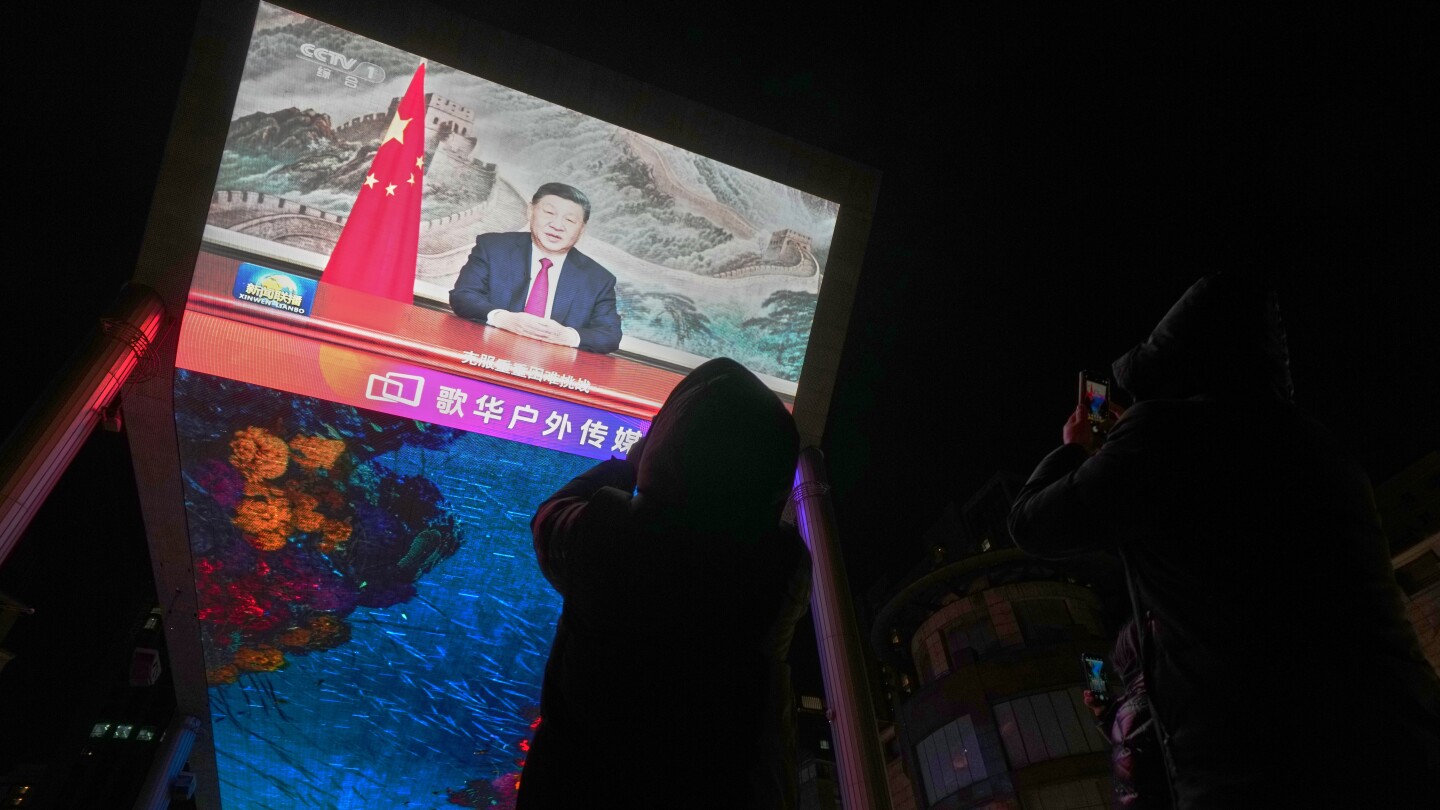
    Chinese President Xi Jinping indirectly referenced the Taiwan situation in his annual New Year’s address, emphasizing the “blood and kinship” bonds between Chinese people across the Strait and declaring national reunification as “an unstoppable trend of the times.”

    The military maneuvers drew significant international concern, with Japan’s Foreign Ministry characterizing them as tension-escalating actions and reaffirming its preference for peaceful resolution through dialogue. This response followed earlier statements by Japan’s prime minister suggesting potential military intervention should Taiwan face direct attack.

    The United States faced Chinese criticism following its December announcement of a substantial arms sales package to Taiwan, potentially representing the largest such military aid package if approved by Congress. Philippine Defense Minister Gilberto C. Teodoro Jr. expressed deep concern about China’s actions, noting their implications for regional stability in the broader Indo-Pacific community.

    Despite the heightened tensions, former U.S. President Donald Trump downplayed concerns, citing his positive relationship with Xi Jinping and noting China’s long history of conducting naval exercises in the area.

  • Pacifist Japan has slowly transformed from exclusively self-defense to a military buildup

    Pacifist Japan has slowly transformed from exclusively self-defense to a military buildup

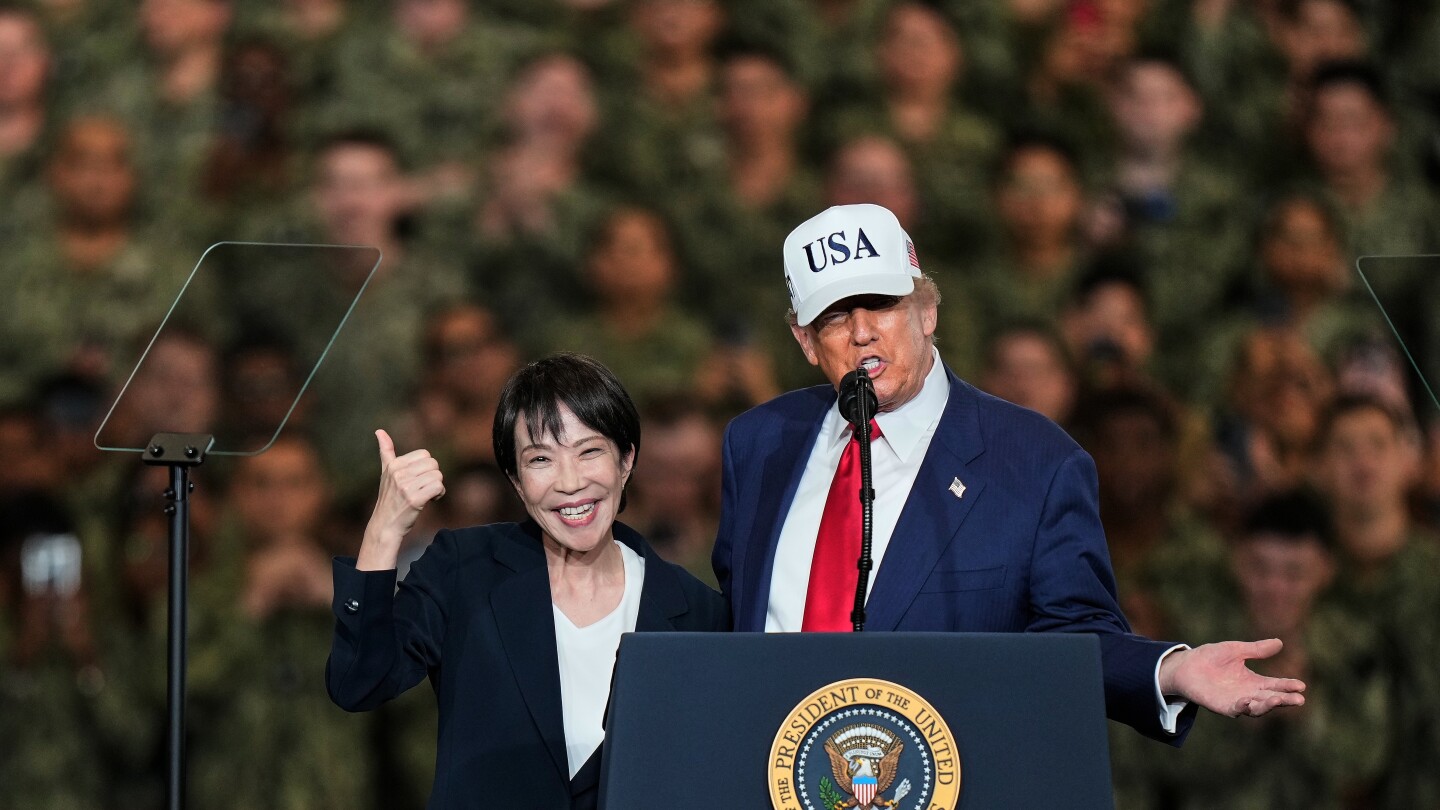
    Japan is accelerating a historic shift in its defense posture, embarking on an ambitious military modernization program that includes doubling annual arms spending to counter perceived threats from China. This strategic pivot occurs as Prime Minister Sanae Takaichi, known for her hawkish security views, assumes leadership amid increasing pressure from the United States for greater military cooperation in Asia.

    The government maintains that Japan remains committed to peaceful principles while building a more self-reliant defense capability to deter Chinese aggression. However, Beijing and other critics argue these developments represent a fundamental departure from Japan’s postwar pacifist constitution. Tensions escalated when Takaichi suggested that Chinese military action against Taiwan could justify Japanese intervention—a significant break from previous leaders’ strategic ambiguity.

    Japan’s constitutional transformation has evolved over decades. Article 9 of the U.S.-drafted 1947 constitution originally renounced war and prohibited maintaining military forces. The creation of the Self-Defense Forces in 1954 began a gradual reinterpretation of these restrictions. A landmark change occurred in 2014 under Prime Minister Shinzo Abe, who reinterpreted Article 9 to allow collective self-defense, enabling Japan to use force if allies are attacked.

    Recent Chinese military activities have intensified Tokyo’s concerns. In December, Chinese aircraft locked targeting radars on Japanese planes during carrier drills near southwestern Japan. Two Chinese carriers were also spotted operating near Iwo Jima—the first such occurrence—demonstrating Beijing’s expanding military reach near disputed territories.

    Takaichi’s administration recently approved a record defense budget exceeding 9 trillion yen ($58 billion) for the coming year, focusing on developing strike-back capabilities with cruise missiles and unmanned systems. The government plans to further relax arms export restrictions and promote defense industry cooperation with allies like the UK, Italy, and Australia through joint projects including next-generation fighter jets.

    A government-commissioned panel has even proposed developing nuclear submarines for extended deterrence—a controversial suggestion for the only nation to suffer atomic bombings. While Japan officially maintains its three non-nuclear principles, Defense Minister Shinjiro Koizumi acknowledged considering all options for new submarines, indicating continued evolution in Japan’s security posture.

  • Heavy police presence in Sydney for New Year’s celebrations after Bondi attack

    Heavy police presence in Sydney for New Year’s celebrations after Bondi attack

    Sydney ushered in the New Year under an unprecedented security blanket, with thousands of heavily armed police patrolling the streets in a direct response to the recent Bondi Beach mass shooting. The heightened security measures, described as a rare sight for Australia, included officers authorized to carry high-grade assault rifles while monitoring massive crowds gathered for the iconic harbor fireworks display.

    Authorities deployed over 2,500 officers across the city as hundreds of thousands of spectators flocked to Sydney Harbour. The visible police presence, particularly officers carrying long-arm weapons in public spaces, was acknowledged by New South Wales Premier Chris Minns as potentially ‘confronting’ for citizens. Despite the tightened security, official celebrations proceeded with a poignant pause at 11:00 PM local time for a minute’s silence honoring the 15 victims killed in the December 14th attack that targeted Sydney’s Jewish community during a Hanukkah festival.

    The Sydney Harbour Bridge was illuminated in white light as a symbol of peace during the commemorative moment. While urging residents not to let the ‘horrible criminal terrorist event’ alter their way of life, Premier Minns emphasized the necessity of the security measures, stating, ‘We want people to be safe in our community.’ The celebration marked the beginning of global New Year’s festivities, with Sydney traditionally leading the international chain of events from Dubai to London and New York.

  • China sees continued improvement in women’s health in 2024: statistical report

    China sees continued improvement in women’s health in 2024: statistical report

    China has demonstrated substantial progress in women’s healthcare during 2024, according to the latest statistical monitoring report released by the National Bureau of Statistics. The comprehensive data reveals notable improvements across multiple health indicators, particularly in maternal care and preventive health services.

    The maternal mortality rate has reached a record low of 14.3 per 100,000, representing a significant 5.3 percent reduction compared to 2023 figures. This achievement forms part of the ongoing implementation progress of the China National Program for Women’s Development (2021-2030), which establishes comprehensive targets for women’s welfare enhancement.

    Preventive healthcare measures have similarly shown positive trends, with the premarital health checkup rate climbing to 77.1 percent—an increase of 0.5 percentage points year-on-year. This upward trajectory indicates growing public engagement with proactive health management practices.

    A pivotal development in 2024 has been the introduction of a nationwide evaluation framework designed to optimize medical institutions’ capabilities in managing high-risk pregnancies. This initiative has facilitated the establishment of a tiered, efficiently coordinated emergency response system specifically tailored for pregnant women requiring critical care. The enhanced medical infrastructure ensures rapid intervention capabilities and comprehensive treatment protocols for obstetric emergencies, substantially strengthening safety measures for expectant mothers throughout the country.

    The systematic improvements reflect China’s continued commitment to advancing women’s healthcare standards through policy implementation, infrastructure development, and preventive health initiatives aligned with national development goals.