博客

  • ‘One Battle After Another’, Timothee Chalamet: Key winners at Critics Choice Awards

    ‘One Battle After Another’, Timothee Chalamet: Key winners at Critics Choice Awards

    The 31st Annual Critics Choice Awards concluded on Sunday evening with significant victories for both established and emerging talents in the film and television industries. Hosted by North America’s most prominent critics’ organization, the ceremony recognized outstanding achievements across cinematic and broadcast mediums.

    Political satire ‘One Battle After Another’ emerged as the night’s most celebrated film, securing three prestigious awards including Best Picture. Director Paul Thomas Anderson received dual recognition, winning both Best Director and Best Adapted Screenplay for his work on the critically acclaimed production.

    In the acting categories, Timothee Chalamet reinforced his awards season momentum by claiming Best Actor for his portrayal in ‘Marty Supreme,’ while Jessie Buckley earned Best Actress honors for her performance in ‘Hamnet.’ These wins significantly strengthen their positions as strong contenders for the upcoming Academy Awards.

    The horror genre received substantial recognition as ‘Sinners’ collected four awards, including Best Original Screenplay for Ryan Coogler and Best Young Actor/Actress for Miles Caton. Despite this impressive haul, the film ultimately missed the top prize of Best Picture.

    Television categories saw notable wins for ‘The Pitt’ as Best Drama Series, with Noah Wyle receiving Best Actor in a Drama Series. The comedy arena was dominated by ‘The Studio,’ which won Best Comedy Series with Seth Rogen earning Best Actor honors. Jean Smart continued her awards success with another Best Actress win for ‘Hacks.’

    Limited series categories were led by ‘Adolescence,’ which took home both Best Limited Series and Best Actor for Stephen Graham. Sarah Snook received Best Actress in a Limited Series for ‘All Her Fault,’ adding to her growing collection of industry accolades.

    Additional notable winners included ‘KPop Demon Hunters’ for Best Animated Feature and ‘The Secret Agent’ for Best Foreign Language Film, demonstrating the awards’ recognition of diverse cinematic achievements.
  • ‘Freak accident’: Singer Chitra Iyer mourns death of sister Sharada in Oman

    ‘Freak accident’: Singer Chitra Iyer mourns death of sister Sharada in Oman

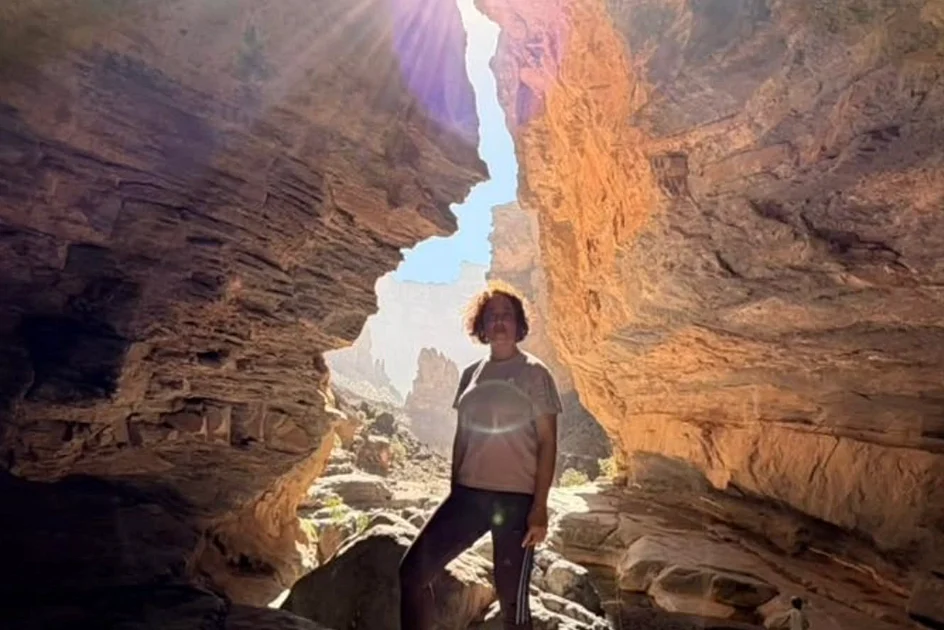
    In a devastating turn of events, Indian expatriate Sharada Iyer lost her life during a hiking expedition in Oman’s renowned Wadi Ghul canyon region. The incident, described by family as a “freak accident,” occurred at Jebel Shams, frequently dubbed the “Grand Canyon of Arabia” for its dramatic geological formations.

    Sharada, an Omani resident originally from Kerala, India, was participating in the outdoor adventure when tragedy struck. Her sister Chitra Iyer, an accomplished Indian playback singer, confirmed the heartbreaking news through emotional social media tributes that captured their deep sibling bond despite their playful rivalry.

    “What am I going to do? How will I ever carry on living without your annoying voice jabbering nonstop at the other end of the phone? Or screaming from the next room?” Chitra expressed in her moving online homage, accompanied by cherished photographs of her departed sister.

    Arrangements are currently underway to repatriate Sharada’s remains to her native Kerala, where final rites have been scheduled for January 7 at the family’s ancestral home. The Indian expatriate community across the Gulf region has expressed profound sympathy for the grieving family.

    The Wadi Ghul area, while offering spectacular vistas and challenging terrain for outdoor enthusiasts, presents significant safety considerations that adventure seekers must acknowledge. This incident serves as a sobering reminder of the unpredictable nature of wilderness expeditions, even in popular tourist destinations.

  • From vision to velocity: Dubai’s blueprint for future-ready government

    From vision to velocity: Dubai’s blueprint for future-ready government

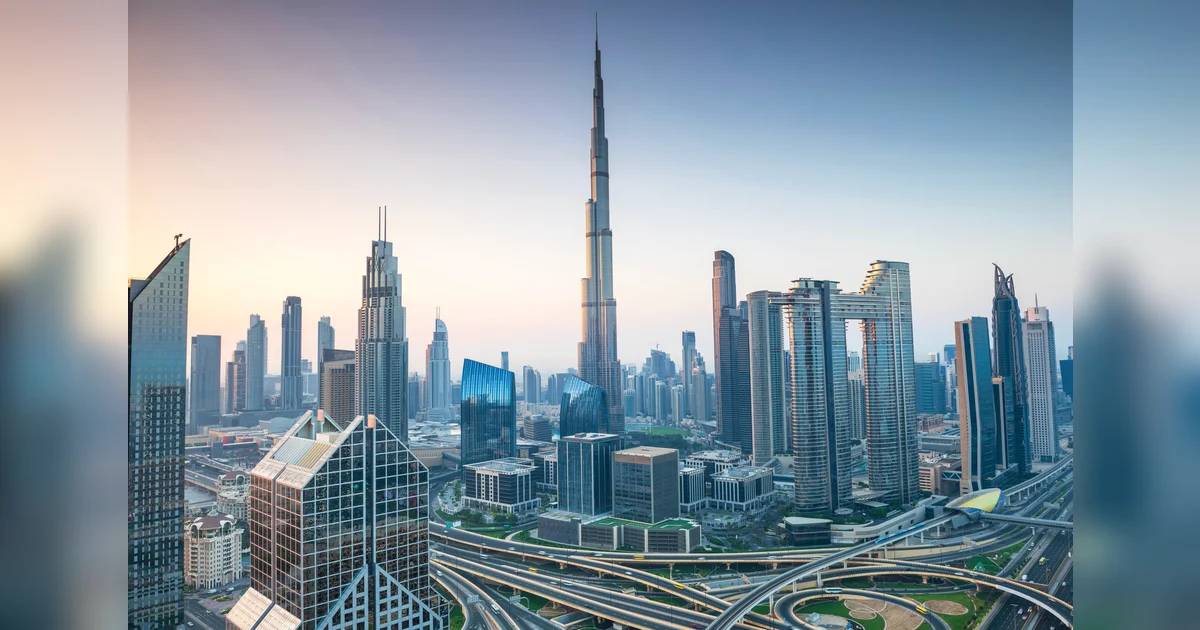
    As Dubai commemorates the 20-year leadership tenure of His Highness Sheikh Mohammed bin Rashid Al Maktoum as Ruler of Dubai and UAE Vice-President and Prime Minister, the emirate’s extraordinary governance transformation offers a compelling case study in strategic modernization. Since 2006, Dubai has evolved from a regional trading center into a globally recognized paradigm of agile, citizen-centric governance that balances technological innovation with human-centered development.

    The Dubai model distinguishes itself through its systematic institutional redesign prioritizing operational efficiency, transparency, and quality of service delivery. Public institutions have been fundamentally reengineered to serve citizens and businesses with unprecedented speed and accountability, creating governance systems now studied internationally as proven operational frameworks rather than theoretical concepts.

    Technological integration formed a cornerstone of this transformation, with the UAE embedding digital infrastructure into public services long before it became a global priority. From pioneering e-government initiatives to contemporary artificial intelligence applications in policy design and infrastructure resilience, innovation has become institutionalized while maintaining trust and responsibility as core principles.

    Beyond technological advancement, Dubai’s holistic approach emphasizes cultural development through institutions like the Museum of the Future and Louvre Abu Dhabi, recognizing cultural capital as essential to national progress. Concurrently, comprehensive social initiatives addressing family welfare, elderly care, and population development ensure inclusive advancement.

    Economically, Dubai’s forward-looking regulatory environment has attracted global enterprises while nurturing homegrown businesses and startups, creating a diversified, non-oil growth model that enhances economic resilience and accessibility.

    The UAE’s global talent attraction strategy, facilitated through long-term residency pathways and world-class education ecosystems, has established the nation as a stable environment for building complete lives rather than just careers. This stability has emerged as a strategic asset in an increasingly volatile global landscape.

    Internationally, the UAE has extended its leadership through platforms like the World Government Summit while demonstrating humanitarian commitment through crisis response and aid initiatives. Guided by a clear vision extending to the UAE Centennial 2071, the nation has established a roadmap anchored in sustainability, innovation, and societal wellbeing that ensures cumulative rather than episodic progress.

    According to Deloitte Middle East partners Muhannad Tayem and Shargil Ahmad, whose organization marks its centennial in the region this year, Dubai’s transformation demonstrates that enduring change requires partnership between bold leadership and disciplined execution. As Dubai progresses toward its next developmental chapter, its governance model provides a blueprint for future-ready administration worldwide.

  • Minnesota Governor Tim Walz says he will not seek re-election

    Minnesota Governor Tim Walz says he will not seek re-election

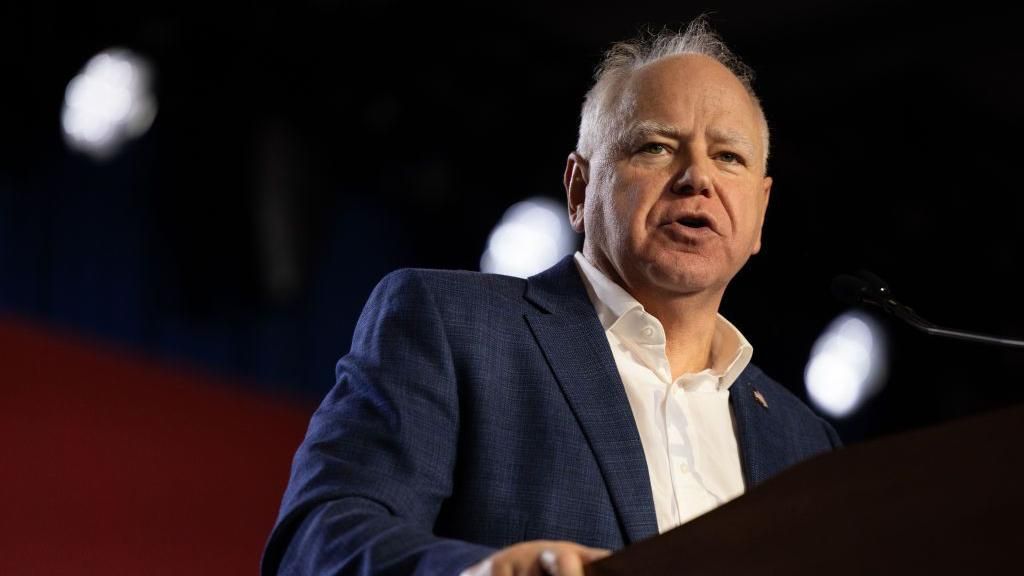
    Minnesota Governor Tim Walz announced Monday his withdrawal from the upcoming gubernatorial race, ending his pursuit of an unprecedented third term amidst mounting political pressure and a sprawling fraud investigation that has drawn national attention. The Democratic governor, who previously served as Kamala Harris’s running mate in the 2024 presidential election, stated his decision stemmed from a need to prioritize governing over campaigning during what he described as an ‘extraordinarily difficult’ period for the state.

    The announcement follows intensified scrutiny from Republican critics, including former President Donald Trump, regarding the administration of Minnesota’s social safety net programs. Federal prosecutors estimate that fraudulent activities within state programs, particularly Medicaid, have resulted in approximately $9 billion in losses.

    Walz defended his administration’s response, emphasizing ongoing measures to combat systemic fraud while accusing political opponents of exploiting the crisis. ‘For the last several years, an organized group of criminals have sought to take advantage of our state’s generosity,’ Walz stated. He specifically criticized the Trump administration’s recent decision to withhold federal childcare funding, characterizing it as a politically motivated attack that harms Minnesota families.

    The funding freeze originated from allegations made by a conservative YouTuber claiming Somali-operated nurseries misused public funds. While state officials have challenged these allegations, and CBS News found no evidence of fraud upon reviewing public records, the controversy has intensified Minnesota’s status as a focal point in national immigration debates. The state hosts the largest Somali immigrant population in the U.S., a community frequently targeted by Trump’s immigration policies.

    Walz concluded that continuing his campaign would divert attention from addressing both the fraud crisis and what he perceives as politically cynical attacks. ‘Every minute I spend defending my own political interests would be a minute I can’t spend defending the people of Minnesota,’ he stated, confirming his decision followed consultations with family and advisors.

  • China launches new round of applications for nationwide childcare subsidies

    China launches new round of applications for nationwide childcare subsidies

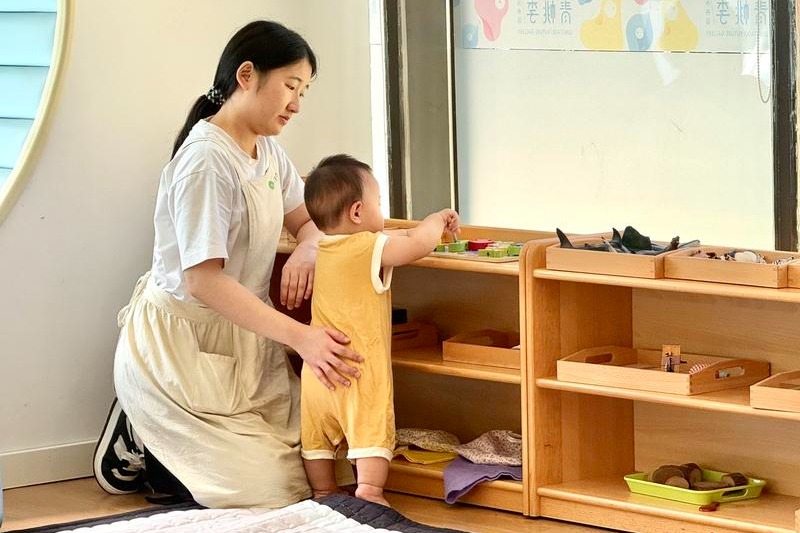
    China has initiated a fresh application cycle for its national childcare subsidy initiative, marking another significant step in the country’s comprehensive strategy to address demographic challenges. The program, which commenced in July 2025, provides eligible families with an annual tax-free allocation of 3,600 yuan (approximately $513) for each child under three years of age.

    According to official data released by the National Health Commission, the subsidy scheme has already extended benefits to over 24 million citizens nationwide, achieving a distribution rate nearing 80% for the 2025 allocation period. The Ministry of Finance disclosed that the central government had earmarked 90 billion yuan from its central budget to fund this ambitious social welfare program.

    Prospective beneficiaries can submit applications through multiple digital platforms including Alipay and WeChat, in addition to traditional offline channels. This multi-platform approach ensures broader accessibility and streamlined processing for families across China’s diverse socioeconomic landscape.

    This policy development occurs against the backdrop of China’s evolving demographic profile. Recent statistics indicate approximately 30 million children under three years old nationwide, while the population aged 60 and above reached 310 million by the end of 2024. After seven consecutive years of decline, the country witnessed a modest rebound in birth rates during 2024, signaling potential positive trends.

    The childcare subsidy represents just one component of China’s expanding framework of family support policies. Additional measures include enhanced income tax deductions for childcare and education expenses, with monthly deduction standards increased from 1,000 to 2,000 yuan per child. Future policy initiatives already in development aim to further alleviate financial pressures associated with childrearing, including plans to achieve nationwide insurance coverage for basic childbirth costs by 2026.

    The emphasis on fertility policy was notably reinforced during last year’s Central Economic Work Conference, where authorities emphasized maintaining birth rates at stable levels as part of China’s broader social and economic planning.

  • Oil stocks sharply higher after US action in Venezuela

    Oil stocks sharply higher after US action in Venezuela

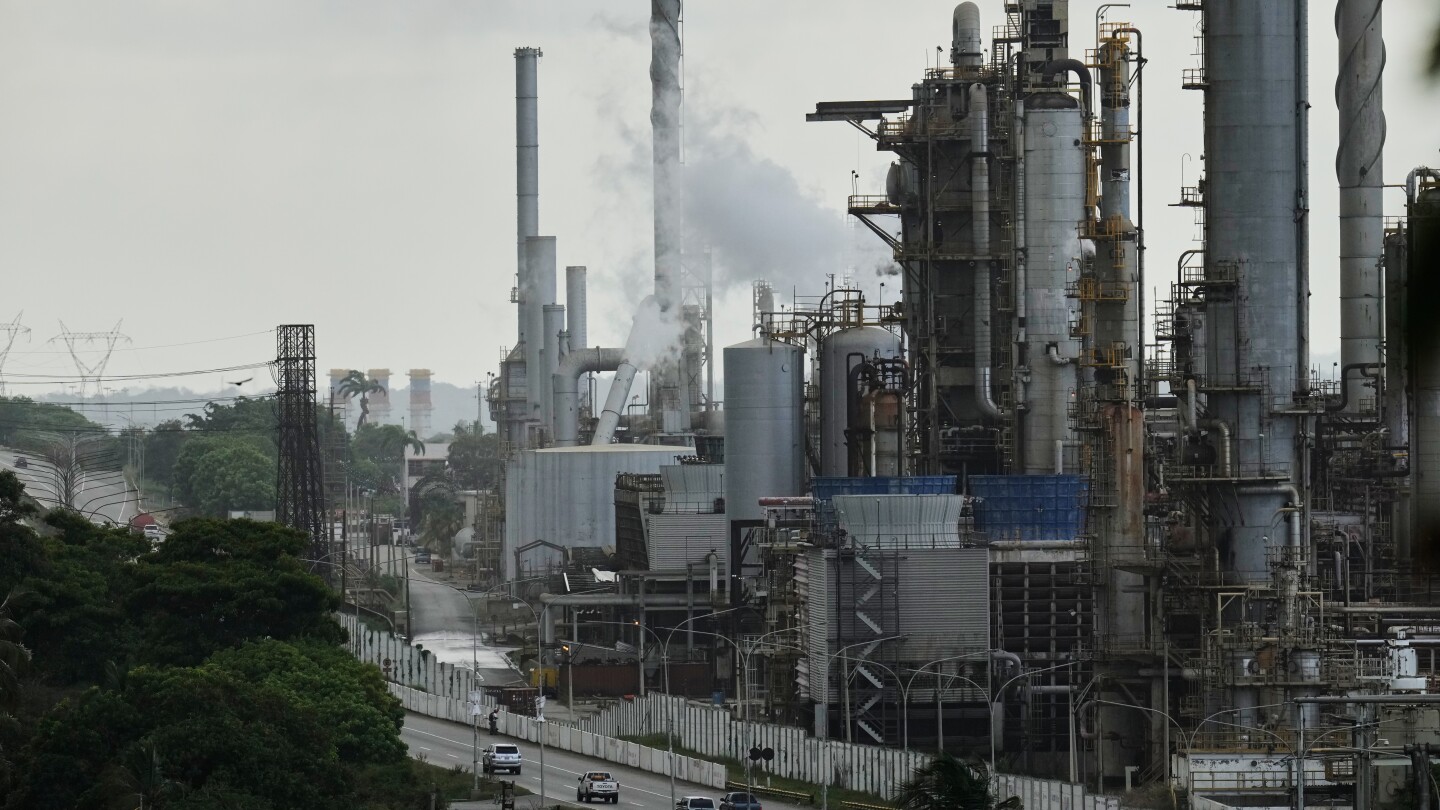
    Financial markets witnessed a significant rally across the U.S. energy sector Monday, propelled by President Donald Trump’s announcement of American intentions to seize control of Venezuela’s oil industry. The declaration, which included plans for U.S. corporations to revitalize the nation’s crippled energy infrastructure following the capture of President Nicolás Maduro, triggered immediate investor optimism.

    The immediate market response saw substantial gains for companies positioned to benefit from renewed Venezuelan production. Refining giants Valero, Marathon Petroleum, and Phillips 66 saw shares climb between 5% and 6% at the opening bell. Even more dramatic surges were observed in oilfield service corporations, with SLB and Halliburton jumping 7% to 8%. Major exploration firms including ExxonMobil, Chevron, and ConocoPhillips posted more modest gains of 2% to 4%.

    This bullish sentiment stems from Venezuela’s potential to address a critical global shortage. The nation produces heavy crude oil, essential for manufacturing diesel fuel, asphalt, and other specialized industrial products. Current global sanctions on Venezuela and Russia have created a pronounced deficit in these materials, which cannot be easily substituted with America’s lighter crude varieties.

    However, beneath the market euphoria lies a complex reality. Venezuela’s oil industry, currently producing approximately 1.1 million barrels per day, lies in profound disrepair after years of mismanagement and international sanctions. Analyst outlooks on recovery timelines diverge sharply. JPMorgan projects a relatively swift rebound, anticipating production could reach 1.3-1.4 million barrels daily within two years of a political transition, potentially expanding to 2.5 million over a decade with substantial investment and reform.

    Conversely, other analysts express deep skepticism. Neal Dingmann of William Blair cautioned that political instability, inherent risks, and currently depressed global oil prices could deter the massive infrastructure investments required. He emphasized that material change would demand considerable time and millions of dollars, unlikely to occur imminently. This assessment is supported by current market conditions; U.S. crude prices remain down 20% year-over-year, struggling to surpass $70 per barrel and far from the $80 mark last seen in mid-2024.

    The ultimate trajectory of Venezuelan oil production hinges on several unpredictable factors: the stability of a governmental transition, the speed and willingness of multinational oil companies to re-enter the high-risk environment, and the long-term outlook for global energy prices. While the Trump administration’s move ignited a market rally, the path to revitalizing Venezuela’s oil sector appears fraught with operational and economic challenges.

  • Back to school: Dubai campuses come alive as students return after winter break

    Back to school: Dubai campuses come alive as students return after winter break

    Dubai’s educational institutions sprang back to life on Monday, January 5th, as students concluded their four-week winter hiatus and returned to classrooms across the emirate. The morning commute witnessed increased traffic congestion around school zones, accompanied by heightened security measures including traffic marshals and police patrols to ensure student safety during the transitional period.

    At Gems Founders School in Al Barsha, the atmosphere blended sleepy yawns with vibrant excitement as students reconnected after the extended break. While younger children exhibited tentative adjustments to renewed routines, older students enthusiastically exchanged stories of holiday travels and festive celebrations. The campus buzzed with conversations about New Year resolutions and academic aspirations for the coming term.

    The return marked particularly significant milestones for several community members. Linomi Ariyasena, a Year-12 Sri Lankan expatriate who recently joined the institution, expressed determined optimism despite morning fatigue: “Waking up early wasn’t easy, but once I arrived, my mood improved dramatically. My resolution is to achieve academic excellence while cultivating kindness toward everyone.”

    Educators also demonstrated renewed vigor, with new Islamic Studies teacher Mahmoud Naim describing his appointment as “the beginning of a meaningful journey.” He emphasized goals beyond curricular requirements: “I aim to help students connect their learning with personal growth and skills development.”

    The return held special significance for Zayan Jabbar, a Year-8 student with profound autism whose enthusiasm for mathematics and school community remained undiminished. Principal Matthew Burfield highlighted how Zayan’s journey exemplified institutional commitment to inclusive education, noting the evolution of support systems including two dedicated learning assistants and the community-based organization Small Steps Big Dreams founded by his mother.

    Physical Education Department Head Molly Jenkins captured the prevailing sentiment: “There’s genuine warmth in reuniting with our educational family. The beautiful weather allows immediate outdoor activities, reinforcing the joy of collective rediscovery of academic rhythms.” Principal Burfield concluded that the extended break ultimately reinforced the school’s role as a constant, vibrant community hub whose essence only fully manifests through the presence of its students and staff.

  • Chinese e-platform pushing AI education globally

    Chinese e-platform pushing AI education globally

    China’s national Smart Education platform has achieved unprecedented global reach, establishing itself as the world’s largest repository of high-quality educational resources with cumulative visits surpassing 72.6 billion. According to the Ministry of Education, this digital education initiative now serves over 178 million users across more than 200 countries and regions, averaging approximately 52 million daily engagements.

    The platform’s comprehensive curriculum spans the entire educational spectrum from preschool to postgraduate studies, encompassing moral, intellectual, physical, aesthetic, and labor education. It currently hosts more than 130,000 premium resources for primary and secondary education, alongside 12,500 vocational education courses and approximately 145,000 higher education programs.

    A significant focus has been placed on artificial intelligence education, with the platform offering over 1,000 specialized AI courses across basic, vocational, higher, and lifelong learning categories. The initiative has already provided AI training to approximately 500,000 teachers and students from 2,000 universities, while 1.31 million undergraduate graduates have participated in comprehensive AI application training programs.

    Leading Chinese universities are integrating AI into their core curricula. Fudan University has implemented mandatory AI courses for all undergraduate and postgraduate students, incorporating artificial intelligence into every first-level discipline. Zhejiang University pioneered China’s first interdisciplinary AI program in 2019, developing a comprehensive ‘AI+’ talent cultivation system that includes 11 integrated undergraduate-doctoral programs and 27 specialized ‘AI+X’ textbooks.

    China’s digital education advancement has shown remarkable progress in global rankings. According to the global digital education development index report, China climbed from 24th position in 2023 to 6th in 2025, placing it among world leaders in educational digitalization. This progress aligns with international trends where countries including the United States and European Union members are prioritizing AI education within their national strategies.

    Education experts emphasize that future development requires systematic transformation driven by artificial intelligence, focusing on complete integration throughout educational processes, launching pilot programs, and constructing future-oriented teaching ecosystems. With comprehensive digital empowerment, Chinese education is positioned to become more equitable, higher in quality, and increasingly sustainable on the global stage.

  • Shanghai researchers develop breakthrough breast cancer therapy

    Shanghai researchers develop breakthrough breast cancer therapy

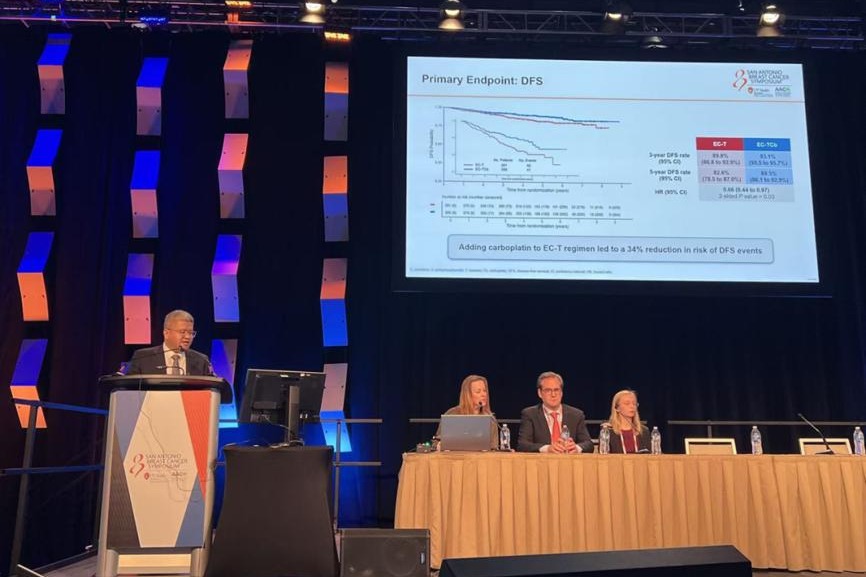
    Medical researchers from Shanghai Jiao Tong University School of Medicine have achieved a revolutionary breakthrough in treating triple-negative breast cancer, one of the most aggressive forms of the disease. The team at Ruijin Hospital presented their landmark findings at the prestigious San Antonio Breast Cancer Symposium in December, revealing a new therapeutic protocol that dramatically improves patient outcomes.

    The comprehensive nationwide study, initiated in 2015, involved 786 patients across 19 medical centers and demonstrated unprecedented success rates. The innovative approach, which integrates carboplatin into standard adjuvant chemotherapy regimens, reduced postoperative recurrence risk by 34% and mortality by an remarkable 61%. The three-year disease-free survival rate reached 93.1%, while distant metastasis-free survival achieved 95.2% and overall survival climbed to 98.3%.

    International oncology experts have hailed the Chinese research as a transformative advancement in breast cancer treatment. The study addresses particularly challenging aspects of triple-negative breast cancer, which has historically lacked effective therapeutic targets and carried high risks of recurrence and metastasis. The protocol’s applicability to most operable patients positions it as a potential new standard of care.

    The research team emphasized that their findings provide robust clinical evidence that could reshape global treatment guidelines and offer new hope for patients worldwide facing this formidable cancer subtype. The medical community anticipates that these results will influence international practice standards and significantly improve survival prospects for thousands of patients annually.

  • Uganda denies plans to block internet during election

    Uganda denies plans to block internet during election

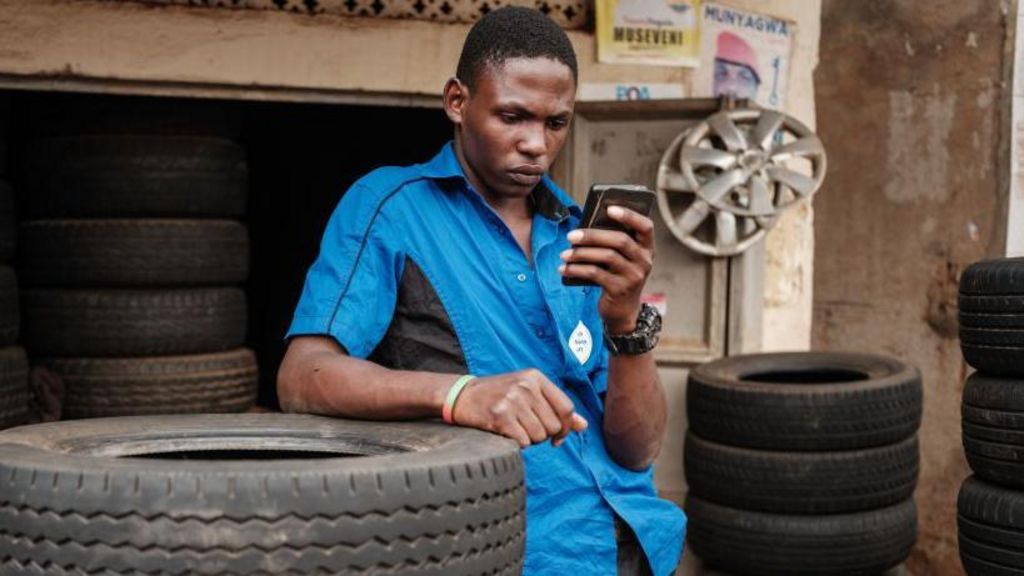
    Ugandan authorities have formally dismissed circulating reports suggesting potential internet restrictions during the upcoming January 15th general elections. The Uganda Communications Commission (UCC) explicitly labeled these allegations as “mere rumors,” with Executive Director Nyombi Thembo confirming no official resolution exists to disrupt digital connectivity.

    The controversy emerged after opposition leader Robert Kyagulanyi (popularly known as Bobi Wine) reiterated concerns that the government might implement internet blackouts to hinder opposition mobilization and vote monitoring. These apprehensions gained traction when Starlink, the satellite internet provider, limited services in Uganda following regulatory directives.

    President Yoweri Museveni seeks to extend his four-decade leadership amid a politically charged environment reminiscent of the 2021 elections, which witnessed violent protests and a four-day internet blackout. The government has additionally imposed bans on live broadcasts of riots and “unlawful processions” to prevent tension escalation.

    In preparation for potential disruptions, the National Unity Platform (NUP) opposition party unveiled an offline voting monitoring application named “Bitchart.” This Bluetooth-enabled technology allows sharing of election results and polling station documentation without internet access, addressing concerns about communication blackouts during critical electoral processes.

    Museveni, who first assumed power in 1986, faces his strongest challenge from Bobi Wine amid ongoing allegations of electoral malpractice and intimidation that have characterized previous elections.