博客

  • Veteran South Korean actor Ahn Sung-ki dies at 74

    Veteran South Korean actor Ahn Sung-ki dies at 74

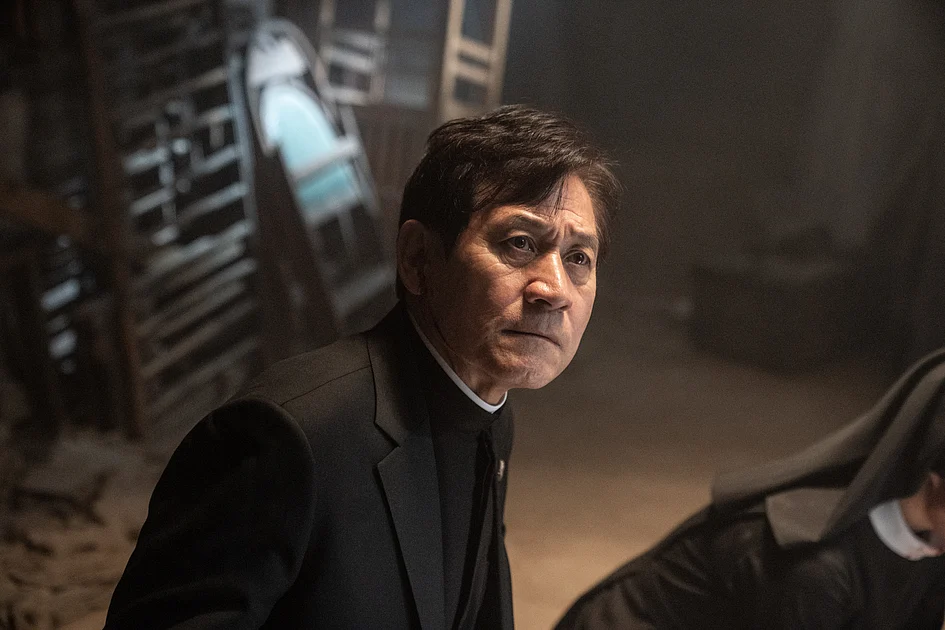
    The South Korean entertainment industry mourns the loss of legendary actor Ahn Sung-ki, who passed away on Monday at age 74 after a courageous battle with blood cancer. According to Yonhap News Agency, the revered screen icon died peacefully surrounded by family members.

    Ahn’s health complications intensified recently when he was admitted to intensive care following a choking incident during a meal last week. His passing marks the end of an extraordinary seven-decade career that began when he was just five years old in 1957.

    Widely respected for his impeccable professionalism and scandal-free personal life—a notable exception in the entertainment world—Ahn appeared in more than 170 films throughout his prolific career. His artistic journey paralleled the remarkable evolution of South Korean cinema from its modest beginnings to its current status as a global cultural powerhouse.

    The actor achieved a significant milestone with the 2003 blockbuster ‘Silmido,’ which became the first South Korean film to surpass 10 million admissions. Based on true events, the film depicted the story of a secret special forces unit composed of former inmates assigned to assassinate North Korea’s leader.

    Ahn’s career intersected with South Korea’s cinematic golden age, culminating in the historic Oscar victory of ‘Parasite.’ He is survived by his wife and two sons, leaving behind a legacy that shaped an entire industry.
  • China, Pakistan reaffirm ties as US outreach to Islamabad deepens

    China, Pakistan reaffirm ties as US outreach to Islamabad deepens

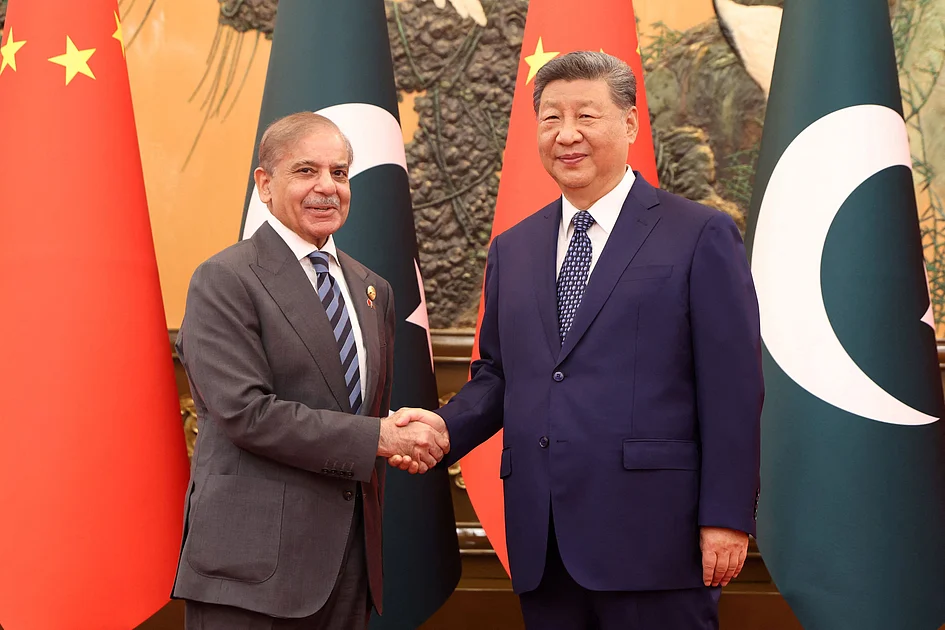
    In a significant diplomatic development, China and Pakistan have jointly reaffirmed their strategic partnership during high-level talks in Beijing on Monday, January 5, 2026. The meeting between Chinese Foreign Minister Wang Yi and his Pakistani counterpart Ishaq Dar produced substantial commitments to enhance bilateral cooperation across multiple sectors, including industry, agriculture, and mining.

    The discussions yielded plans to develop an upgraded version of the China-Pakistan Economic Corridor (CPEC), the flagship project of China’s Belt and Road Initiative that has already channeled billions of Chinese investment into Pakistan’s infrastructure. Both nations emphasized strengthened collaboration in financial and banking sectors as part of their comprehensive economic partnership.

    Notably, China publicly commended Pakistan’s “comprehensive measures” to ensure the security of Chinese personnel and projects within its territory. This acknowledgment comes amid persistent security challenges, including repeated militant attacks targeting Chinese nationals working on CPEC-related projects that have strained relations in recent years.

    The reaffirmation of Sino-Pakistani ties occurs against the backdrop of improving relations between Pakistan and the United States since President Donald Trump’s return to office. The Trump administration has demonstrated renewed engagement with Islamabad, including the release of $397 million for a US-backed program monitoring Pakistan’s use of F-16 fighter jets in counter-terrorism operations, despite a global freeze on foreign aid.

    Both China and Pakistan called for “visible and verifiable actions” to dismantle terrorist organizations operating in Afghanistan, which borders both nations. However, the joint statement provided no specific details regarding proposed measures.

    Pakistan maintains its unique status as one of China’s few designated “all-weather strategic partners,” a relationship dating back decades that has seen Islamabad consistently support Beijing on sensitive international issues including Taiwan, Xinjiang, Tibet, Hong Kong, and the South China Sea.

  • Trump’s seizure of Maduro raises thorny legal questions, in US and abroad

    Trump’s seizure of Maduro raises thorny legal questions, in US and abroad

    In an unprecedented escalation of international legal confrontation, Venezuelan President Nicolás Maduro appeared before a Manhattan federal court Monday following a clandestine extraction operation conducted by US authorities. The controversial transfer, which involved military aircraft and overnight detention at Brooklyn’s Metropolitan Detention Center, marks the first time a sitting head of state has been forcibly brought to the United States to face criminal prosecution.

    The judicial proceedings stem from a superseding indictment alleging Maduro’s orchestration of “narco-terrorism” operations involving thousands of metric tons of cocaine destined for American markets. Attorney General Pam Bondi characterized the operation as a lawful enforcement action against drug trafficking networks that “have fuelled violence, destabilised the region, and contributed directly to the drug crisis claiming American lives.”

    Legal scholars worldwide are questioning the operation’s conformity with international law. Queen’s University Belfast Professor Luke Moffett declared the military extraction “completely illegal under international law,” citing violations of the UN Charter’s prohibition against using force against sovereign states. The operation notably lacked UN Security Council authorization and did not meet imminent threat requirements for self-defense justification.

    Historical precedent exists in the 1989 capture of Panamanian leader Manuel Noriega, whose prosecution relied on a controversial legal memo authored by then-Justice Department official William Barr – who later served as Trump’s attorney general and initiated the 2020 indictment against Maduro. Current debates center on whether US courts can exercise jurisdiction regardless of extraction methods, with legal experts noting that forced abduction traditionally doesn’t invalidate prosecution.

    The Trump administration defended its actions through Secretary of State Marco Rubio, who framed the operation as “basically a law enforcement function” rather than military action. This distinction attempts to circumvent War Powers Resolution requirements for congressional consultation, though the administration acknowledged deliberately avoiding congressional notification to prevent “endangering the mission.”

    Maduro entered a plea of not guilty while his legal team prepared challenges to the extraction’s legality. The case represents a dramatic intersection of international relations, criminal law, and presidential war powers that may establish consequential precedents for cross-border enforcement actions against foreign leaders.

  • Locajoy Theme Park celebrates New Year and pandas with unique feast

    Locajoy Theme Park celebrates New Year and pandas with unique feast

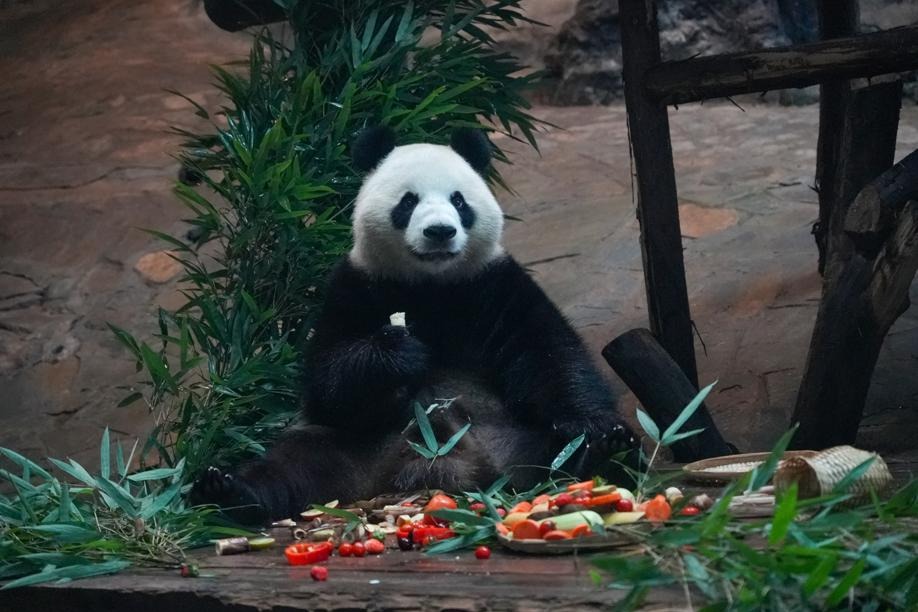
    Locajoy Theme Park in Yongchuan district, Chongqing, has orchestrated a distinctive dual celebration commemorating both the New Year and the two-year residency of four giant pandas within its facilities. The park’s animal care team designed an elaborate gastronomic experience for the pandas, transforming nutritious ingredients into artistic displays resembling traditional local street food.

    The culinary specialists utilized bamboo leaves, fresh shoots, and an assortment of fruits including cherries, strawberries, and kiwis to create visually striking platters and skewers. Additional components such as sugarcane, corn, carrots, and bell peppers were incorporated to ensure both nutritional balance and visual appeal, mimicking the presentation of popular human snacks while maintaining appropriate dietary standards for the endangered species.

    The four celebrated residents—Qing Hua, Qing Lu, Qiao Yue, and Ai Lian—originally from the China Conservation and Research Center for the Giant Panda in Sichuan province, have adapted exceptionally well since their translocation in late 2023. Park authorities report the pandas have not only thrived physically but have become central attractions, drawing considerable visitor attention and contributing significantly to conservation awareness efforts.

    The anniversary event served dual purposes: celebrating the animals’ successful acclimatization and reinforcing the park’s commitment to innovative animal care practices. This approach demonstrates how modern zoological facilities can combine entertainment with substantive conservation education, creating meaningful experiences for both animals and visitors alike.

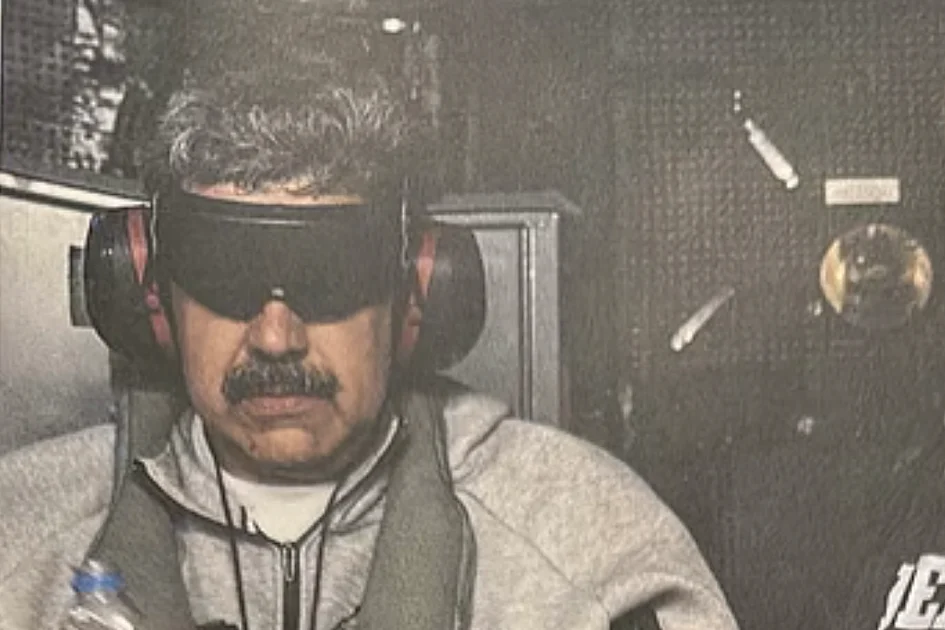
  • Fact check: ‘Maduro tracksuit’ goes viral after US captures President; has it sold out?

    Fact check: ‘Maduro tracksuit’ goes viral after US captures President; has it sold out?

    In a significant move to expedite its construction timelines, Canadian real estate developer BNW Developments has entered into a strategic alliance with the global engineering powerhouse China Railway No. 4 Engineering Group (CREC4). This partnership marks a pivotal shift in strategy for the North American firm, leveraging the immense resources and expertise of a state-owned enterprise from China.

    The collaboration is designed to streamline the development process for BNW’s extensive portfolio of residential and commercial projects. CREC4, renowned for its rapid construction capabilities and experience with large-scale infrastructure projects worldwide, will bring its sophisticated project management techniques and substantial workforce to the table. This alliance is expected to mitigate common industry challenges such as labor shortages and project delays, which have plagued the construction sector in recent years.

    Analysts view this partnership as a strategic masterstroke that transcends a typical contractor relationship. By integrating CREC4’s engineering prowess directly into its operational framework, BNW gains a competitive advantage in bringing properties to market faster without compromising on quality. The move also reflects a growing trend of cross-Pacific collaboration in the real estate development sector, where North American companies are increasingly partnering with Asian firms to enhance efficiency and capitalize on global expertise.

    The financial structure of the partnership involves a joint investment mechanism, ensuring both parties are deeply invested in the timely and successful completion of projects. This model is anticipated to set a new benchmark for international cooperation in the construction industry, potentially influencing how other development firms structure their operations in an increasingly globalized market.

  • Co-founder Djokovic exits tennis players association over transparency concerns

    Co-founder Djokovic exits tennis players association over transparency concerns

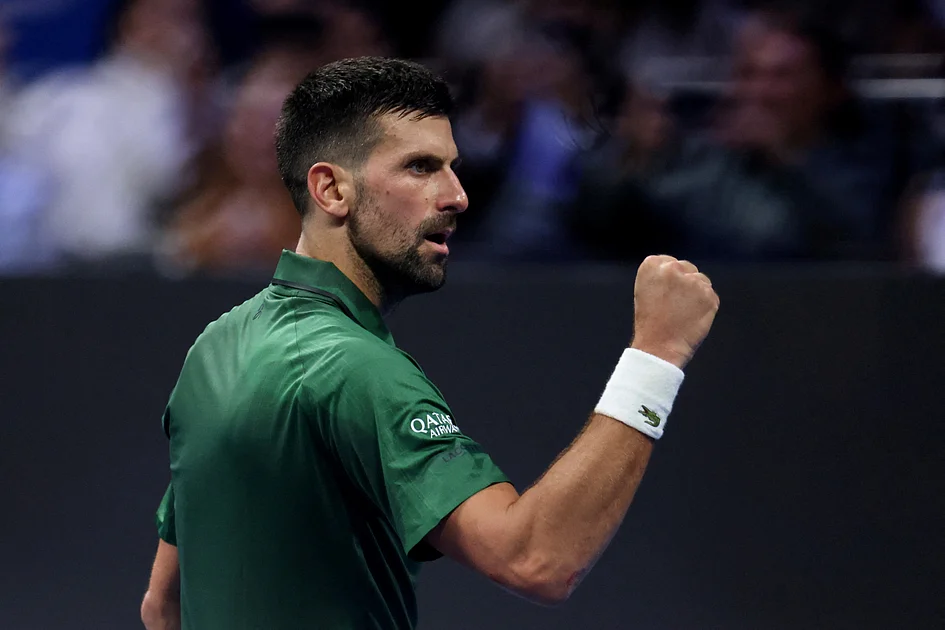
    Tennis icon Novak Djokovic has announced his complete departure from the Professional Tennis Players Association (PTPA), the organization he co-established in 2020 with Canadian player Vasek Pospisil. The Serbian champion revealed his decision through a social media statement on Sunday, citing fundamental disagreements regarding the association’s operational transparency and governance standards.

    Djokovic expressed particular concern about how his personal image and advocacy had been represented within the organization’s recent activities. “While I remain proud of the original vision that Vasek and I shared when establishing the PTPA to empower players with an independent voice, it has become evident that my core values and strategic approach no longer align with the organization’s current trajectory,” Djokovic stated.

    The separation comes during a period of significant legal confrontation between the PTPA and tennis’s primary governing bodies. In March, the association initiated legal proceedings against the ATP, WTA, International Tennis Federation, and International Tennis Integrity Agency, alleging anti-competitive practices and insufficient player welfare protections. The lawsuit expanded in September to include all four Grand Slam tournament organizers.

    Notably, Djokovic had previously distanced himself from certain aspects of this legal action, indicating early divergences in strategic thinking. Both the ATP and WTA had vigorously denied the allegations when initially presented.

    The PTPA recently indicated progress in negotiations with Tennis Australia, coinciding with preparations for the upcoming Australian Open scheduled to commence in Melbourne on January 18. Djokovic confirmed his intention to now concentrate exclusively on his athletic career and family commitments following this organizational departure.

  • Over 200 Filipinos burn US flags, condemn capture of Venezuelan President Maduro

    Over 200 Filipinos burn US flags, condemn capture of Venezuelan President Maduro

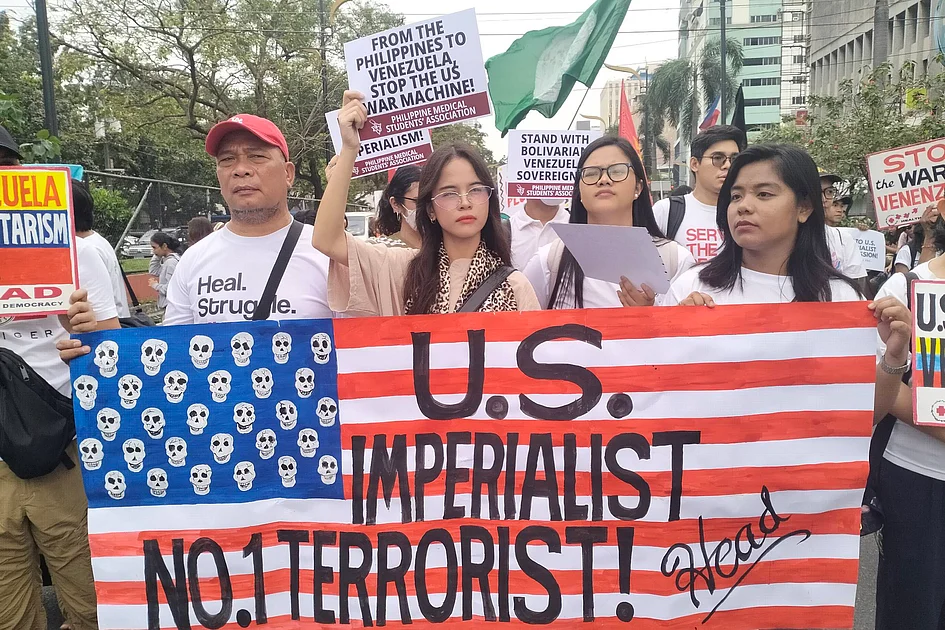
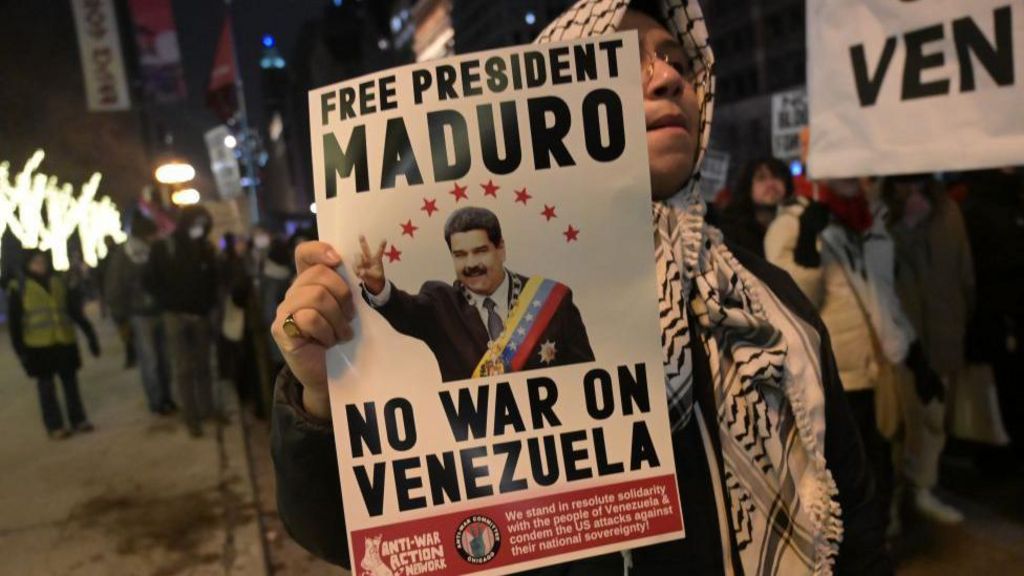
    MANILA – More than 200 activists assembled outside the US Embassy in Manila on Monday, staging a vehement protest against recent American military operations in Venezuela. The demonstration, organized by the Bagong Alyansang Makabayan alliance, featured the burning of US flags and strong condemnations of what participants labeled ‘US imperialist aggression’ and a ‘state-sponsored abduction’ of Venezuelan President Nicolás Maduro.

    Protesters carried banners reading ‘¡Manos fuera de Venezuela!’ (Hands off Venezuela!) and denounced Saturday’s US airstrikes on Venezuelan cities as violations of international law. The Philippines-Bolivarian Venezuela Friendship Association (PBVFA) characterized the military actions as ‘a show of brazen brutality by US imperialism’ that represents ‘the worst forms of oppression.’

    The rally garnered support from multiple sectors, including Gabriela, an alliance of women’s organizations that rejected US claims labeling Venezuela a terrorist state. Gabriela representatives asserted that Venezuela’s vast oil reserves—estimated at 300 billion barrels—represent the true motivation behind US aggression, stating the country ‘refuses US economic and political control.’

    Philippine political leaders joined the criticism, with Congressman Antonio Tinio leading the march and Rep. Leila de Lima warning that the US action ‘throws the global order back to a barbaric ‘might makes right’ regime.’ Cardinal Pablo Virgilio David, former president of the Catholic Bishops’ Conference, emphasized via social media that international law clearly prohibits the use of force against sovereign states, regardless of political disagreements.

    The Philippine Department of Foreign Affairs issued a separate statement urging both nations to ‘resolve disputes through peaceful means’ and exercise restraint to prevent further escalation. The Manila protest reflects growing international concern over the weekend’s military developments and their implications for global sovereignty norms.

  • US allies and adversaries use UN meeting to blast Venezuela intervention as America defends action

    US allies and adversaries use UN meeting to blast Venezuela intervention as America defends action

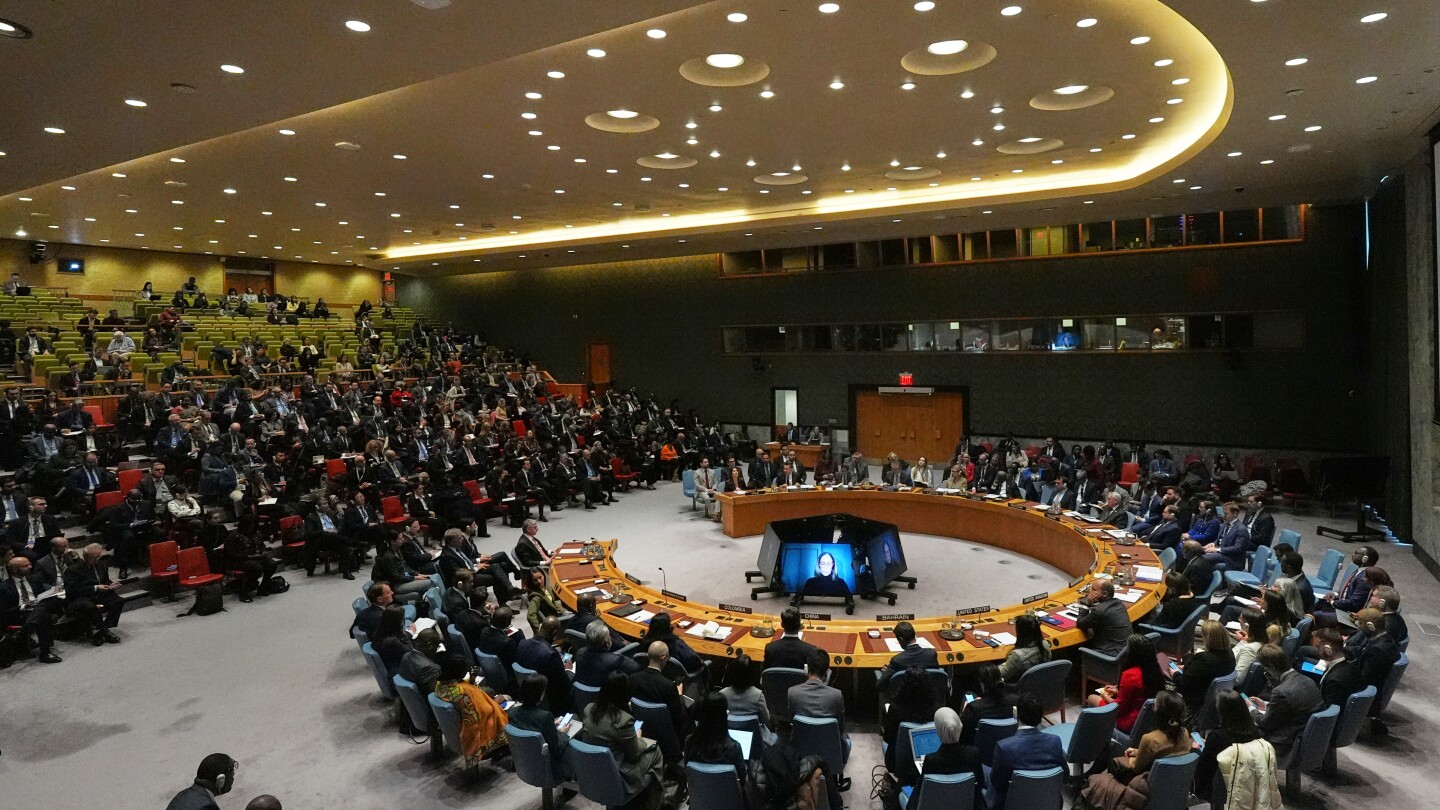
    The United Nations Security Council convened an emergency session on Monday following a controversial U.S. military operation in Venezuela that resulted in the capture of President Nicolás Maduro. UN Secretary-General Antonio Guterres expressed profound concern that the January 3rd operation may have violated established international legal principles, warning that such actions could establish dangerous precedents for future international relations.

    The diplomatic confrontation revealed deep divisions among global powers, with both American allies and adversaries condemning President Trump’s interventionist approach. Denmark’s Ambassador Christina Markus Lassen emphasized the inviolability of national borders, stating that no nation should influence political outcomes through force or threats. The criticism extended beyond Venezuela, as Trump had previously suggested potential military expansions into Colombia and Mexico regarding drug trafficking allegations, while renewing territorial ambitions toward Greenland.

    Russian Ambassador Vasily Nebenzya characterized the operation as a regression to ‘an era of lawlessness,’ accusing the United States of positioning itself as a supreme judicial authority that bypasses international sovereignty norms. Colombian representative Leonor Zalabata drew historical parallels to past interventions in the region, asserting that democracy cannot be promoted through coercive measures.

    U.S. envoy Mike Waltz defended the operation as a precisely executed law enforcement action, questioning the UN’s legitimacy should it equate democratically elected leaders with what he termed a ‘narco-terrorist.’ Maduro and his wife were apprehended from their military residence and transported via U.S. warship to face federal charges in New York, including allegations of narco-terrorism conspiracy.

    The operation culminated months of military buildup near Venezuela’s coastline, during which American forces targeted vessels suspected of drug trafficking. While President Trump suggested temporary U.S. administration of Venezuela’s oil resources, Secretary of State Marco Rubio indicated the continuation of existing oil sanctions and quarantine measures to pressure policy changes within the South American nation.

  • US’ JD Vance defends military action in Venezuela, says ‘stolen oil must be returned’

    US’ JD Vance defends military action in Venezuela, says ‘stolen oil must be returned’

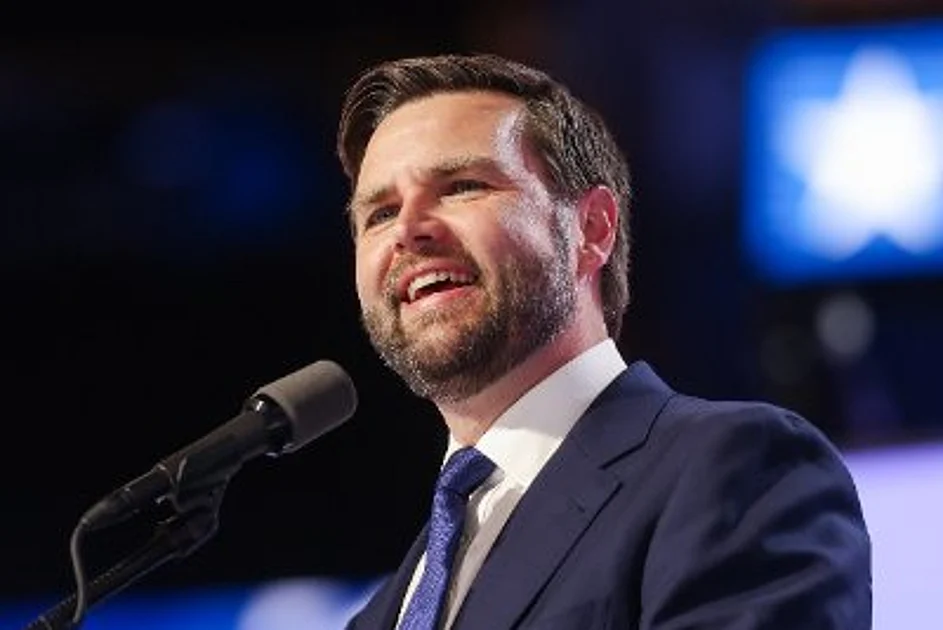
    US Vice President JD Vance has issued a robust defense of American military operations in Venezuela, asserting that the Trump administration had exhausted diplomatic alternatives before resorting to force. In a comprehensive statement delivered via social media platform X on Saturday, Vance characterized captured Venezuelan leader Nicolás Maduro as “the newest person to discover that President Trump means exactly what he says.”

    The Vice President elaborated that multiple off-ramps had been offered to the Venezuelan government throughout the negotiation process. “The president’s conditions were unequivocal: the drug trafficking operations must cease immediately, and the stolen oil must be returned to the United States,” Vance declared, referencing Venezuela’s expropriation of American oil assets approximately two decades ago.

    Vance further reinforced the legal justification for military intervention, emphasizing that Maduro remains a fugitive from American justice. “Residing in a presidential palace in Caracas does not grant immunity from accountability for drug trafficking charges under US law,” he stated.

    Addressing counterarguments about Venezuela’s role in the international drug trade, the Vice President presented a four-point rationale: Venezuela continues to serve as a significant conduit for fentanyl despite primary production occurring elsewhere; cocaine trafficking represents a primary revenue stream for Latin American cartels; Mexican fentanyl production remains an ongoing focus of US border policy; and the recovery of expropriated oil assets constitutes a legitimate national security interest.

    “I recognize concerns regarding military engagement,” Vance conceded, “but should we permit a communist regime in our hemisphere to confiscate American property and finance narcoterrorism without consequence? Global powers cannot operate from such a position of weakness.”

  • China reports economic growth and ecological gains in Yangtze River Economic Belt

    China reports economic growth and ecological gains in Yangtze River Economic Belt

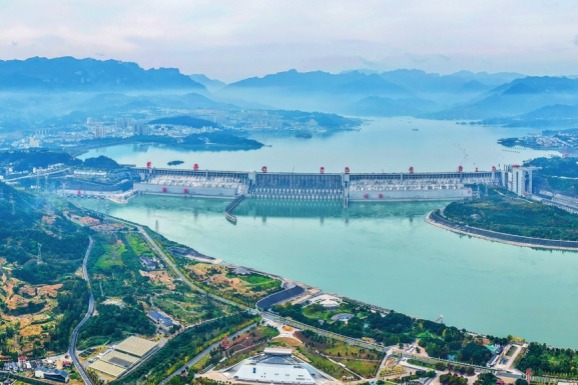
    China’s Yangtze River Economic Belt has demonstrated remarkable progress in both economic expansion and environmental restoration over the past decade, according to official reports. National Development and Reform Commission Vice Chairman Wang Changlin revealed at a State Council Information Office briefing that the region’s economic output has more than doubled since 2015 while simultaneously achieving dramatic improvements in water quality.

    The comprehensive data shows water quality rated ‘fairly good’ (Grade III or above) surged from 67% in 2015 to an impressive 96.5% by 2025. This ecological transformation occurred alongside substantial economic growth, with the belt’s contribution to national GDP expanding from 42.2% to 47.3% during the same period.

    This progress coincides with the tenth anniversary of President Xi Jinping’s landmark 2016 Chongqing conference, where he established the principle of “prioritizing well-coordinated environmental protection and avoiding excessive development” along the vital waterway. President Xi emphasized the Yangtze’s unique ecosystem requires careful stewardship, stating that ecological restoration must take precedence over large-scale development projects.

    The economic belt encompasses nine of the eleven regions through which the Yangtze flows, plus additional provinces containing its tributaries. Through concerted efforts addressing industrial, agricultural, and shipping pollution, officials have essentially eliminated black and odorous water bodies in prefecture-level cities along the river.

    Most notably, the main stream of the Yangtze has undergone a complete transformation from containing sections of Grade V (lowest quality) water to maintaining consistent Grade II quality throughout its entire course—a testament to China’s successful integration of economic development and environmental conservation.