博客

  • Israel says ban on Gaza media access should stay: Court document

    Israel says ban on Gaza media access should stay: Court document

    Israeli authorities have formally advocated for the continuation of a ban prohibiting international media from independently entering Gaza, according to a government submission to the Supreme Court. The document, filed by the public prosecutor and obtained by AFP, argues that unrestricted journalist access poses unacceptable security risks, a stance supported by the nation’s defense establishment.

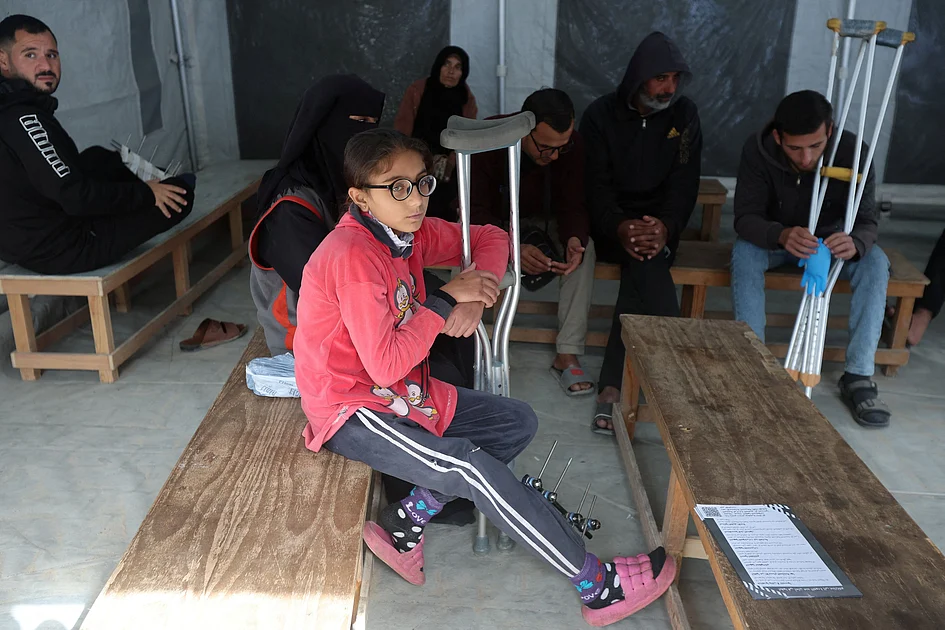
    The policy, instituted following the October 2023 outbreak of war triggered by a Hamas attack on Israel, has prevented foreign reporters from freely documenting conditions within the devastated territory. Currently, Israel permits only a limited number of journalists to enter on a strictly case-by-case basis, requiring them to be embedded with military escorts.

    This access restriction prompted legal challenge from the Foreign Press Association (FPA), which represents hundreds of international journalists operating in Israel and the Palestinian territories. The FPA filed a petition in 2024 demanding immediate and unhindered media access to Gaza. The Supreme Court has granted multiple extensions for the government to formulate a plan, with a final deadline set for January 4 after a hearing last month.

    In its Sunday filing, the government contended that the precarious security situation justifies the ongoing ban. Officials highlighted that the ceasefire, enacted on October 10, remains fragile and is regularly threatened. Supporting this claim, Gaza’s health ministry reports that at least 420 Palestinians have been killed by Israeli forces since the truce began. Conversely, the Israeli military states that three of its soldiers have been killed by militants in the same period.

    A further complication cited is the ongoing operation to recover the remains of Ran Gvili, the last hostage still in Gaza. Gvili was killed during the initial Hamas attack, and his body was taken into the territory. While all other 250 hostages seized that day have been returned, the government submission suggests that allowing journalists free movement could potentially disrupt the sensitive search operation.

    The Supreme Court is now expected to deliberate on the matter, though a timeline for its final ruling remains uncertain.
  • UK: Labour minister tells local councils they could be sued for boycotting Israel

    UK: Labour minister tells local councils they could be sued for boycotting Israel

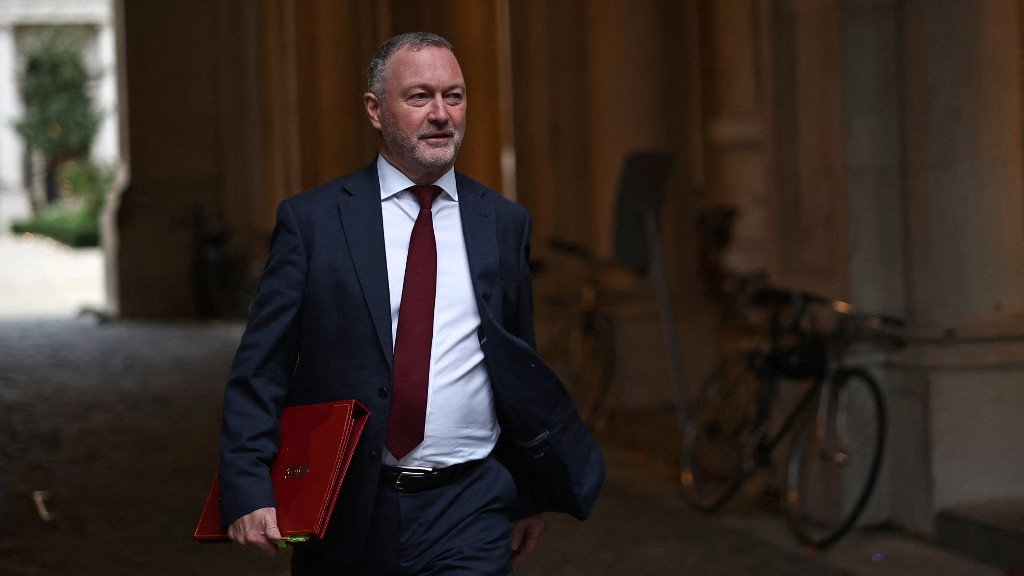
    The British government has issued a stern warning to local authorities controlled by the Labour Party, indicating they face potential lawsuits for implementing boycotts against Israeli businesses. Communities Secretary Steve Reed emphasized that municipal councils should refrain from engaging in foreign policy matters and instead concentrate on delivering essential local services.

    This governmental caution follows several local councils—including Oxford City Council, Cumberland council, and Newcastle council—passing motions over the past year to divest from and boycott companies implicated in Israeli military operations or benefiting from the occupation of Palestinian territories. These decisions were often justified by references to International Court of Justice rulings and concerns about human rights violations.

    The government directive references existing 2016 guidance that prohibits public bodies from implementing procurement boycotts against Israeli companies or those trading with Israel. Reed specifically pointed to the Procurement Act 2023, under which councils could be sued by suppliers suffering financial losses and potentially required to pay substantial damages.

    This development occurs amidst growing tensions surrounding pro-Palestine activism in Britain. Recent months have seen police forces announcing arrests for specific chants and signage at demonstrations, while simultaneously, seven UN human rights experts have expressed grave concerns about imprisoned pro-Palestine activists on hunger strike facing serious health risks.

    The Boycott, Divestment and Sanctions (BDS) movement, established in 2005 as a non-violent pressure campaign, has become increasingly contentious in UK local politics. The current Labour leadership, despite previously opposing Conservative legislation banning such boycotts while in opposition, now appears to be enforcing a stricter line through Reed’s warning.

    Additionally, multiple council pension funds—including those of Islington, Lewisham, Wandsworth and Caerphilly—have excluded companies appearing on United Nations lists of businesses operating in occupied Palestinian territories, further complicating the relationship between local democracy and national foreign policy.

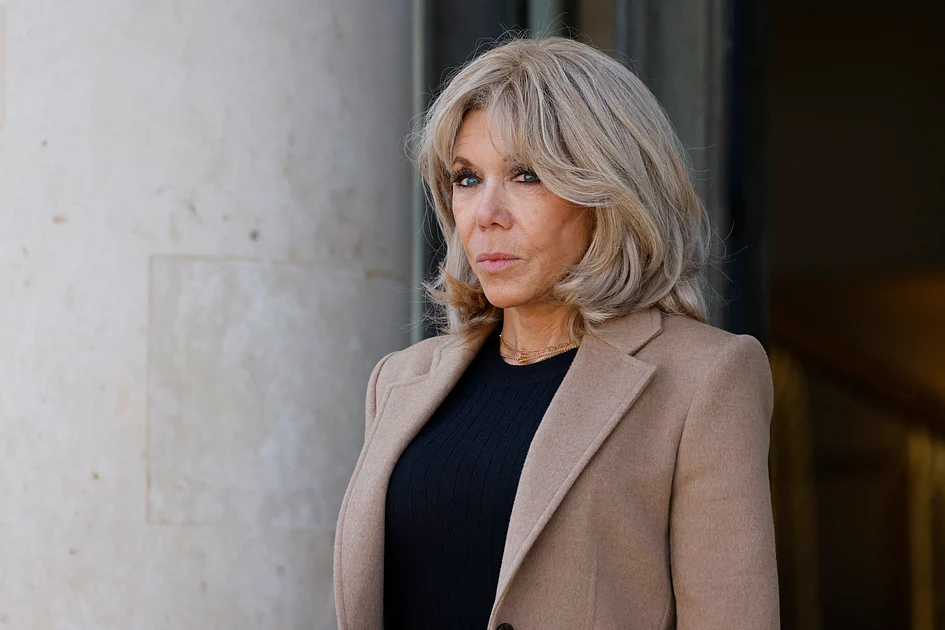
  • Ten convicted for online harassment of France’s first lady Brigitte Macron

    Ten convicted for online harassment of France’s first lady Brigitte Macron

    A Paris judicial court delivered a significant verdict on Monday, convicting ten individuals for orchestrating a coordinated online harassment campaign against France’s First Lady Brigitte Macron. The defendants—eight men and two women—were found guilty of disseminating malicious falsehoods regarding Mrs. Macron’s gender identity and sexuality, marking a pivotal moment in the French legal system’s approach to digital abuse targeting public figures.

    The court determined that the perpetrators had systematically propagated the baseless claim that Brigitte Macron is a transgender woman, fraudulently asserting she was born under the male identity of Jean-Michel Trogneux—a name which actually belongs to her elder brother. This malicious narrative, which has circulated in certain online circles for several years, represents a particularly invasive form of character assassination.

    Further compounding their offenses, the convicted individuals drew grotesque parallels between the Macrons’ 24-year age difference and criminal behavior, including unjustified associations with pedophilia. Such vitriolic commentary had been persistently ignored by the presidential couple until recently, when they adopted a more assertive legal stance against defamatory content.

    Sentencing ranged up to eight months imprisonment, though all terms were suspended, reflecting the court’s balanced approach between condemnation and rehabilitation. This ruling arrives concurrently with the Macrons’ pursuit of a high-profile defamation lawsuit in the United States against right-wing commentator Candace Owens, who has promulgated similar false claims, signaling a coordinated international legal strategy against gender-based cyber harassment.

    The case establishes a robust legal precedent in France’s ongoing battle against digital misinformation and targeted online abuse, particularly concerning the protection of individuals’ gender identity and personal dignity from malicious fabrication.

  • Venezuelan government seeks to show it is operating free from US control

    Venezuelan government seeks to show it is operating free from US control

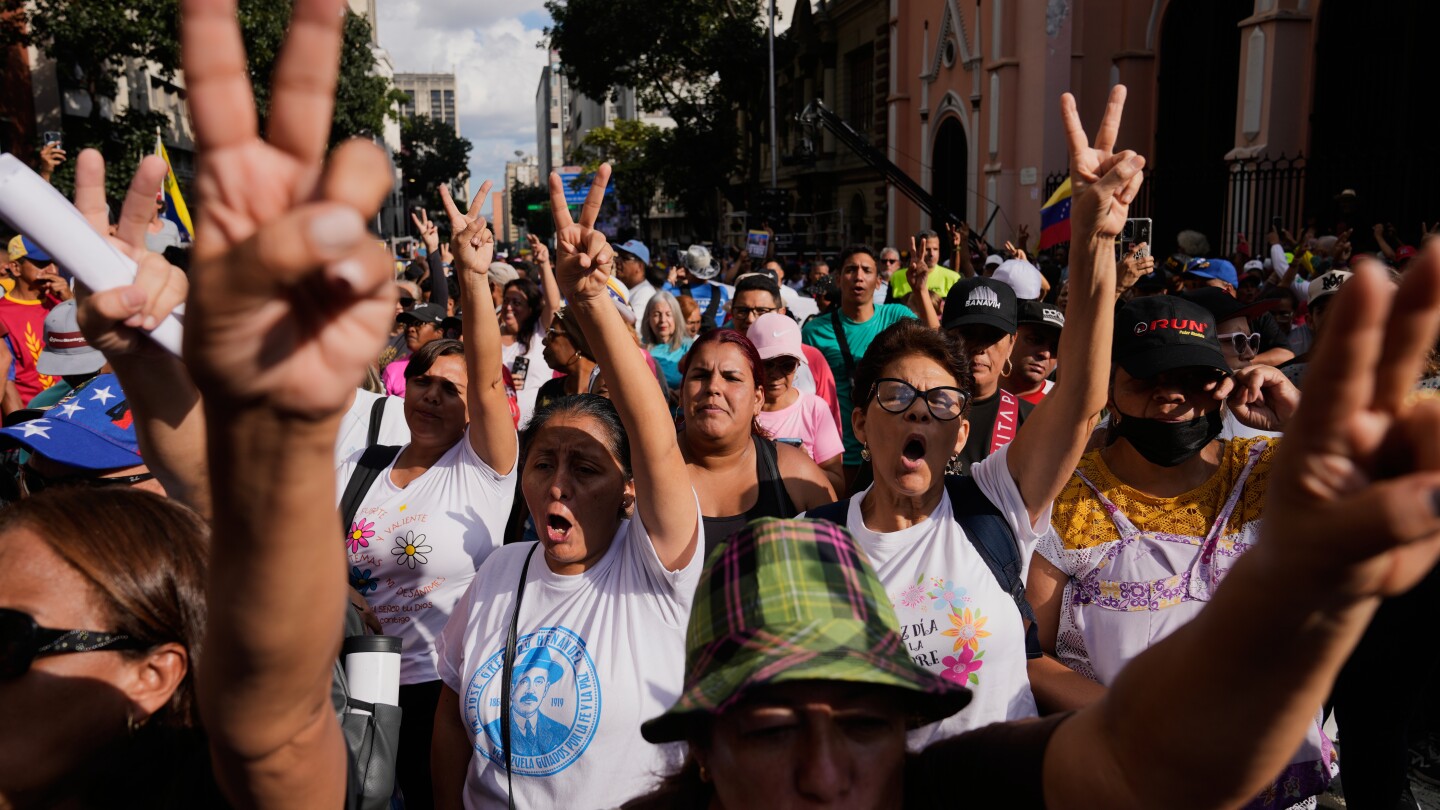
    In a dramatic political transition, Venezuela’s National Assembly has sworn in Delcy Rodríguez as the nation’s interim president following the extraordinary capture of former leader Nicolás Maduro by U.S. forces. The ceremony, presided over by her brother and Assembly leader Jorge Rodríguez, marks a significant turning point in the country’s political trajectory.

    Rodríguez struck a notably conciliatory tone toward the United States during her inauguration, declaring Venezuela’s intention to establish “respectful relations” with the Trump administration. This represents a substantial diplomatic shift from the previously hostile stance maintained during Maduro’s nearly 13-year authoritarian rule.

    The political transition unfolds against the backdrop of Maduro’s first appearance in a U.S. courtroom, where he pleaded not guilty to federal narcoterrorism and drug-trafficking charges. The former leader was captured Saturday in a military operation at his residence on a Venezuelan military base.

    Maduro’s son, Nicolás Maduro Guerra, made his first public appearance since the capture, delivering an impassioned address condemning what he characterized as the “kidnapping of a head of state.” He warned that the precedent established by Maduro’s capture threatens global political stability and demanded the return of both his father and stepmother, Cilia Flores.

    The U.S. State Department has initiated preliminary preparations to potentially reopen the American embassy in Caracas, according to an anonymous official familiar with internal deliberations. This development signals potential normalization of diplomatic relations between the nations after years of tension.

    Secretary of State Marco Rubio clarified that while the U.S. would maintain pressure on Venezuela’s oil industry through an existing “oil quarantine,” Washington does not intend to govern the country day-to-day. The administration instead anticipates policy changes regarding both oil management and narcotics trafficking prevention.

    The political transition represents a complex balancing act for Rodríguez, who must navigate between maintaining domestic political support from Maduro loyalists while establishing cooperative relations with the United States.

  • Bangladesh: At least 287 killed during Hasina-era abductions

    Bangladesh: At least 287 killed during Hasina-era abductions

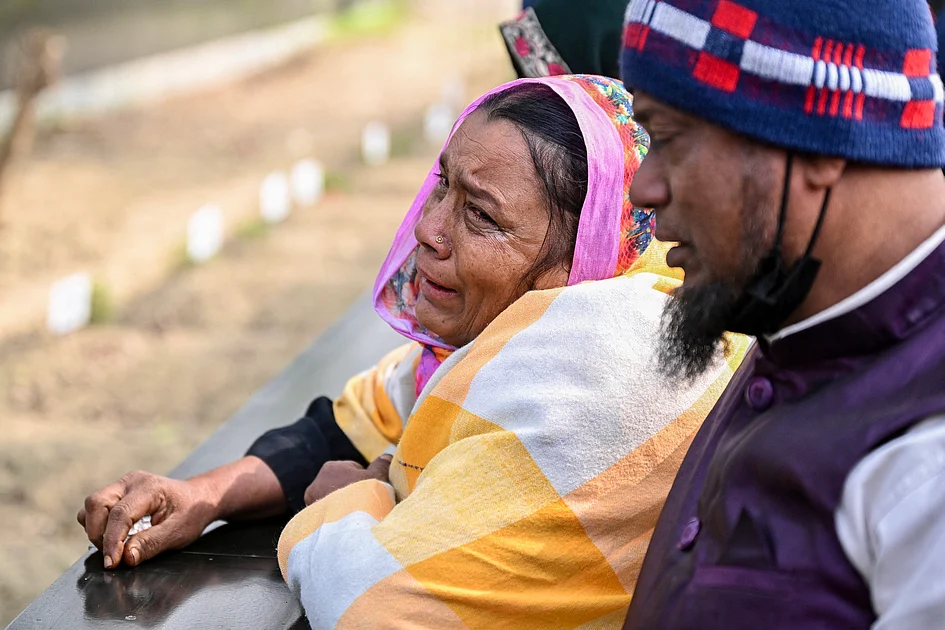
    A government-appointed investigative commission in Bangladesh has revealed disturbing findings regarding state-sponsored violence during former Prime Minister Sheikh Hasina’s administration. The commission’s comprehensive report, submitted to authorities on Sunday, documents at least 287 confirmed fatalities among 1,569 documented abduction cases investigated.

    According to commission member Nur Khan Liton, security forces operating under Hasina’s direct command systematically disposed of victims’ remains in rivers including Dhaka’s Buriganga River, while others were interred in unmarked mass graves scattered across multiple locations. The commission has urgently recommended engaging forensic specialists to conduct DNA identification procedures and preserve genetic samples from bereaved family members.

    Victims predominantly belonged to opposition factions including Jamaat-e-Islami, the nation’s largest Islamist party, and the Bangladesh Nationalist Party (BNP), both political adversaries of Hasina’s regime. In a parallel development, Dhaka police unearthed a mass grave in December containing eight victims from the August 2024 uprising, all exhibiting fatal gunshot wounds according to Criminal Investigation Department chief Md Sibgat Ullah.

    The United Nations estimates approximately 1,400 fatalities occurred during Hasina’s violent attempts to retain power before her eventual ousting. The former leader, now sentenced to death in absentia for crimes against humanity in November, faces mounting international condemnation. While families of victims express gratitude for closure regarding their relatives’ fates, they simultaneously demand expedited judicial proceedings against police personnel implicated in the lethal crackdowns.

  • Anne Frank’s step-sister and Holocaust survivor Eva Schloss dies

    Anne Frank’s step-sister and Holocaust survivor Eva Schloss dies

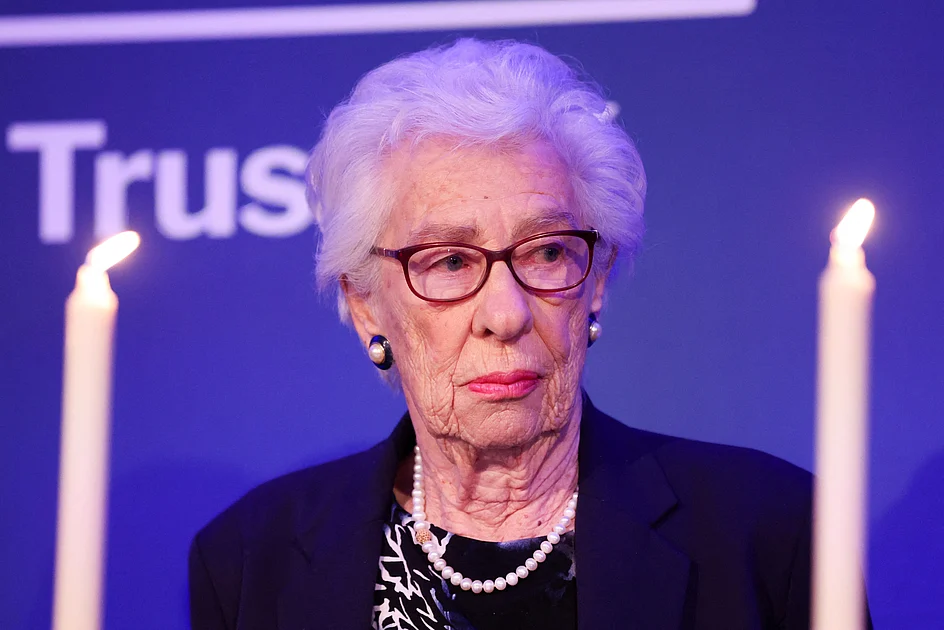
    Eva Schloss, the esteemed Auschwitz survivor who became Anne Frank’s step-sister and dedicated her life to Holocaust education, has passed away at age 96. Her foundation confirmed her peaceful death in London on January 3rd.

    Born Eva Geiringer in Austria in 1929, Schloss experienced the Nazi annexation of her homeland as a child. Her Jewish family fled successively to Belgium and eventually Amsterdam, where they settled opposite the Frank family residence. She and Anne Frank, being the same age, frequently played together during their childhood.

    In 1942, both families were forced into hiding to escape Nazi persecution. Tragically, Schloss’s family was betrayed by a Nazi sympathizer two years later. On her fifteenth birthday, she was arrested alongside her mother Elfriede, father Erich, and brother Heinz. They were transported to the Auschwitz extermination camp in May 1944.

    While imprisoned, Schloss maintained contact with her mother but was permanently separated from her father and brother, both of whom perished in the camps. Anne Frank similarly died in the Bergen-Belsen concentration camp in 1945.

    Following Auschwitz’s liberation by Soviet forces in 1945, Schloss and her mother returned to the Netherlands. There they encountered Otto Frank, Anne’s father and a widower after his own Auschwitz imprisonment. Otto encouraged Schloss to pursue photography, leading her to study in London where she met future husband Zvi Schloss.

    In a significant familial development, Eva’s mother Elfriede married Otto Frank in 1953, formally making Eva Anne Frank’s step-sister. Eva and Zvi obtained British citizenship and raised three daughters together. Remarkably, Schloss reclaimed her Austrian citizenship in 2021 at age 92.

    Schloss co-founded the Anne Frank Trust UK in 1990, through which she tirelessly combated prejudice and educated generations about Holocaust atrocities. Her extraordinary commitment earned her Membership of the Order of the British Empire (MBE) in 2013.

    British royalty expressed profound condolences, with King Charles III and Queen Camilla noting they were “greatly saddened” and describing themselves as “privileged and proud to have known her.” Gillian Walnes, vice president of the Anne Frank Trust UK, highlighted Schloss’s relentless advocacy: “Into her 90s, she spoke with tireless passion, often giving several talks a day, including in prisons and schools.”

    Schloss authored several books and shared her testimony worldwide, ensuring the lessons of history remain vividly alive for future generations.

  • ‘I can’t walk anymore’: Afghans freeze to death on route to Iran

    ‘I can’t walk anymore’: Afghans freeze to death on route to Iran

    A severe humanitarian catastrophe is unfolding along Afghanistan’s mountainous border with Iran, where subzero temperatures are claiming the lives of desperate migrants attempting illegal crossings in search of economic survival. The International Organization for Migration reports that Iran and Pakistan have collectively repatriated approximately five million Afghan nationals since September 2023, abruptly increasing Afghanistan’s population by 10% and exacerbating an already critical resource shortage.

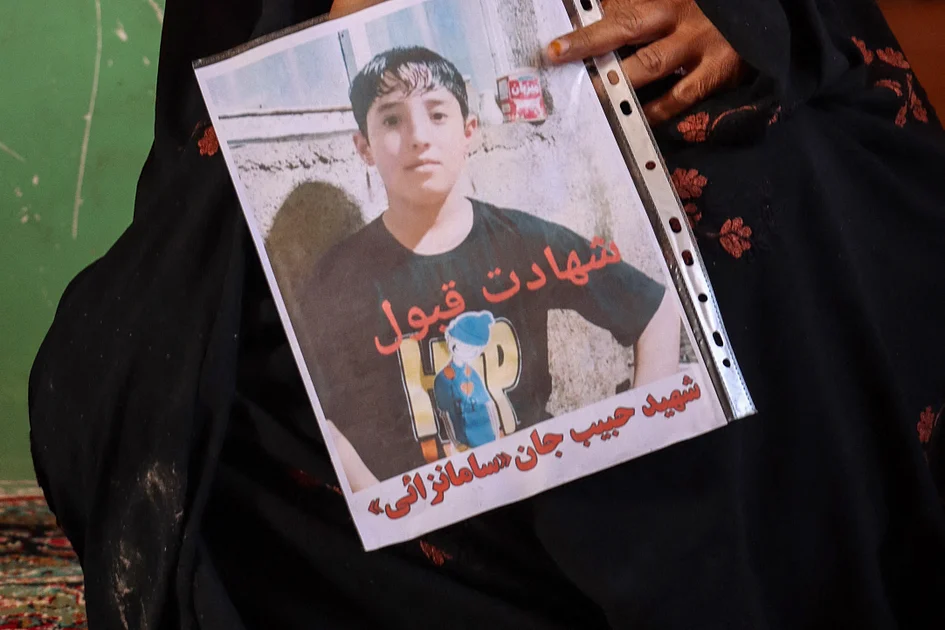
    Tragic evidence of this crisis emerged last month when at least 18 Afghan migrants perished during attempted border crossings from Herat province, where temperatures hovered around -3°C (27°F). Among the victims was 15-year-old Habibullah, whose family described his desperate circumstances before his fatal journey. “He was forced to go, to bring food for the family,” explained his mother Mah Jan, clutching her son’s photograph in their Ghunjan village home lacking electricity, water, and adequate heating.

    The UN estimates approximately half of Afghanistan’s population will require humanitarian assistance this year, with earthquakes, drought, and economic collapse creating unbearable conditions. Despite the known dangers, migrants continue to risk illegal routes through “very dangerous” crossing points, according to Mutya Izora Maskun, IOM’s deputy head in Afghanistan, who cited “economy, job insecurity, food insecurity, constrained access to services” as primary drivers.

    Iranian border guard commander Majid Shoja confirmed that approximately 1,600 Afghan migrants were rescued from mountain areas in recent days, while Afghan authorities reported 347 individuals were apprehended attempting illegal crossings during December’s final week. The Taliban government claims to have implemented “serious steps to fight the smugglers,” according to interior ministry spokesman Abdul Mateen Qani, but the flow of desperate migrants continues unabated.

    Survivors recount harrowing journeys through treacherous conditions. Yunus, who accompanied his stepbrother Abdul Majeed Haidari on a mid-December crossing attempt, described how the 25-year-old father succumbed to exhaustion while seeking medication for his one-year-old son’s heart condition. “I can’t walk anymore,” were Haidari’s final words before his death, despite efforts by fellow travelers and eventual transportation to an Iranian hospital.

    With legal migration channels severely limited despite shared language and greater employment opportunities in Iran, Afghanistan’s deputy labor minister Abdul Manan Omari acknowledged the necessity to “do more” in facilitating work permits for migrants, as families face impossible choices between starvation and lethal border crossings.

  • From ‘hidden table’ to Silk Road: How RAK Art Festival takes visitors around the world

    From ‘hidden table’ to Silk Road: How RAK Art Festival takes visitors around the world

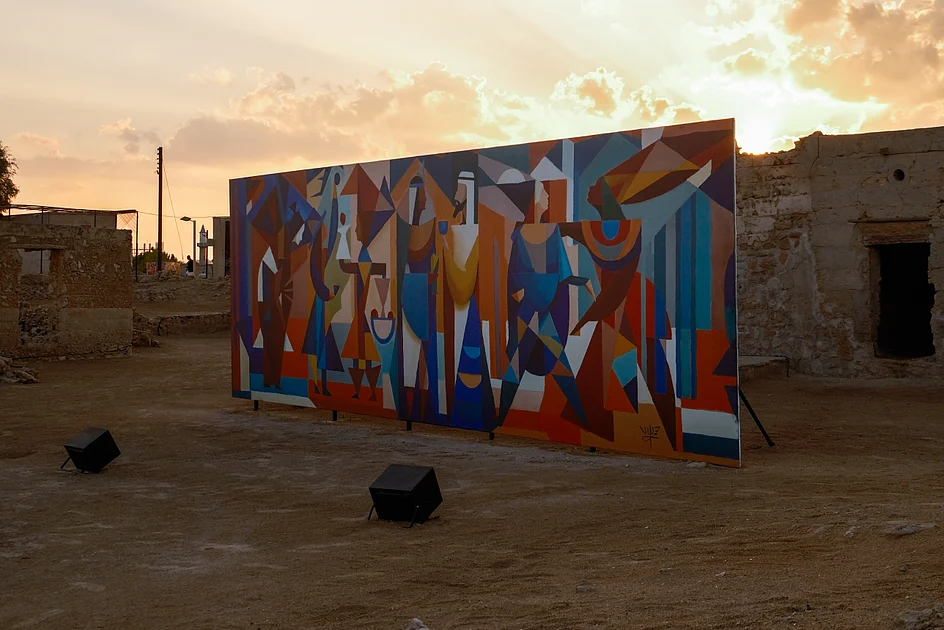
    The 14th annual Ras Al Khaimah Art Festival has launched its immersive 2026 program at the historic Al Jazeera Al Hamra Heritage Village, embracing the unifying theme ‘Civilisations: Under the Same Sky.’ This cultural celebration transforms the UAE’s last intact Emirati pearling village into a dynamic platform exploring how ancestral traditions and contemporary innovation shape creative expression across global societies.

    The month-long festival, operating under the Sheikh Saud bin Saqr Al Qasimi Foundation for Policy Research, features an ambitious program connecting ancient Silk Road trade routes with modern metropolitan influences. The inaugural Ras Al Khaimah Contemporary Art Biennale, curated by Sharon Toval, serves as the centerpiece exhibition examining cultural evolution through works ranging from metaphysical explorations to bold challenges of identity and perception.

    This year’s expanded programming introduces several innovative elements including The Hidden Table culinary experience, where different restaurants weekly present signature cuisine within the heritage village setting. The festival also showcases 106 artists representing 49 nationalities through exhibitions, live performances, film screenings, and interactive workshops.

    Weekly thematic weekends structure the experience: opening celebrations (January 16-18), family and pet-friendly activities (January 23-25), ‘Around the World’ exploration (January 30-February 1), and cultural immersion (February 6-8). Visitors can participate in hands-on masterclasses covering traditional Arabic calligraphy and embroidery alongside contemporary disciplines like photography and fabric art.

    Guided tours weave together culinary, artistic, and heritage elements, offering deep dives into Old Town cuisine, exhibition narratives, and the architectural history of the pearling village. Dr. Natasha Ridge, executive director of Ras Al Khaimah Art, emphasizes the festival’s role as a catalyst for dialogue and creative cultural exchange, noting its significance in establishing Ras Al Khaimah as an emerging cultural hub.

  • Pentagon moves to punish Democratic senator over ‘seditious video’

    Pentagon moves to punish Democratic senator over ‘seditious video’

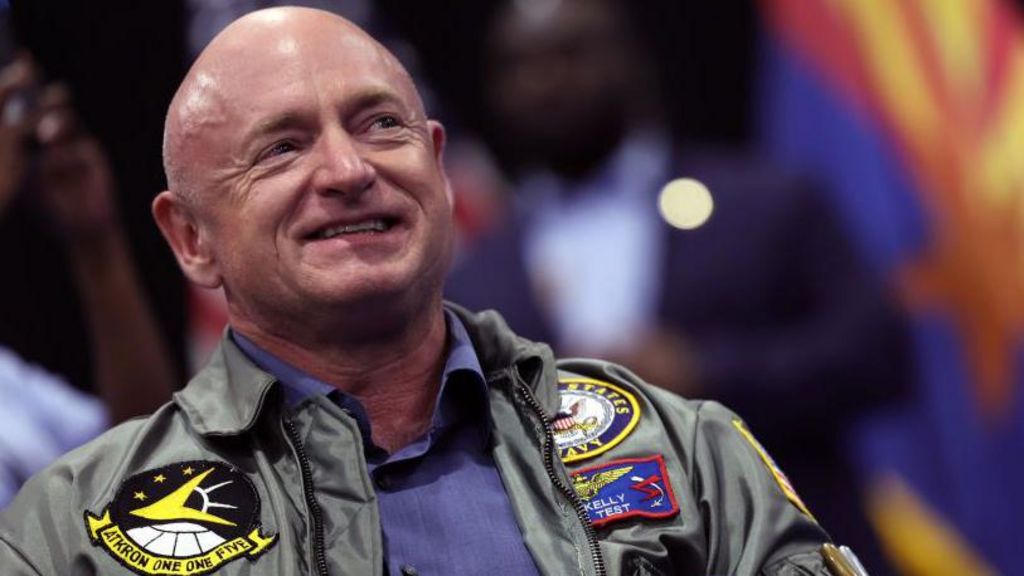
    The U.S. Department of Defense has launched unprecedented disciplinary action against Senator Mark Kelly (D-Arizona), a retired Navy captain and former astronaut, over a video the Pentagon characterizes as seditious material undermining military discipline. Defense Secretary Pete Hegseth announced via social media platform X that the department has initiated retirement-grade determination proceedings that could result in Kelly’s demotion and reduced military pension.

    The controversy stems from a November video featuring Kelly and five other Democratic lawmakers with military or intelligence backgrounds, in which they advised U.S. service members that they retain the right to refuse unlawful orders. The video emerged during heightened scrutiny of American military strikes against alleged drug-trafficking vessels operating near South American coastlines.

    In his official statement, Secretary Hegseth asserted that ‘Senator Mark Kelly and five other members of Congress released a reckless and seditious video that was clearly intended to undermine good order and military discipline.’ He emphasized that as a retired officer still receiving military benefits, Kelly remains subject to military justice protocols.

    The senator, who served as a Navy pilot for over two decades with multiple deployments, immediately denounced the Pentagon’s action as ‘outrageous’ and ‘un-American.’ In his response on X, Kelly declared: ‘If Pete Hegseth, the most unqualified Secretary of Defense in our country’s history, thinks he can intimidate me with a censure or threats to demote me or prosecute me, he still doesn’t get it. I will fight this with everything I’ve got.’

    Legal experts note that while retired military personnel technically remain subject to the Uniform Code of Military Justice, the application of these provisions against a sitting member of Congress for political speech presents unprecedented constitutional questions. Kelly has thirty days to submit an official response to the Pentagon’s notice as the proceedings move forward.

  • Misleading videos claim to show celebrations inside Venezuela

    Misleading videos claim to show celebrations inside Venezuela

    A series of misleading videos circulating on social media platforms have been definitively exposed as fraudulent by BBC Verify. These videos falsely purported to show Venezuelan citizens celebrating the potential U.S. seizure of their controversial president, Nicolás Maduro.

    The investigation revealed that the clips were not recent recordings from Venezuela but were, in fact, repurposed and decontextualized footage from unrelated events. One video, which allegedly showed jubilant crowds, was actually archival content from a public celebration following a national soccer victory. Another clip, presented as evidence of anti-Maduro sentiment, was traced back to a completely different country’s political rally that occurred years prior.

    This disinformation campaign appears strategically timed to exploit existing geopolitical tensions between the United States and Venezuela. By fabricating a narrative of popular support for foreign intervention, the creators aimed to influence international perception and domestic morale. BBC Verify’s forensic analysis, including reverse image searches, metadata examination, and geographical verification, provided irrefutable evidence of manipulation.

    The dissemination of such fabricated content highlights the ongoing challenges in combating digital misinformation, particularly concerning nations subject to intense international scrutiny and economic sanctions. The incident underscores the critical importance of media literacy and verification processes in the contemporary information landscape.