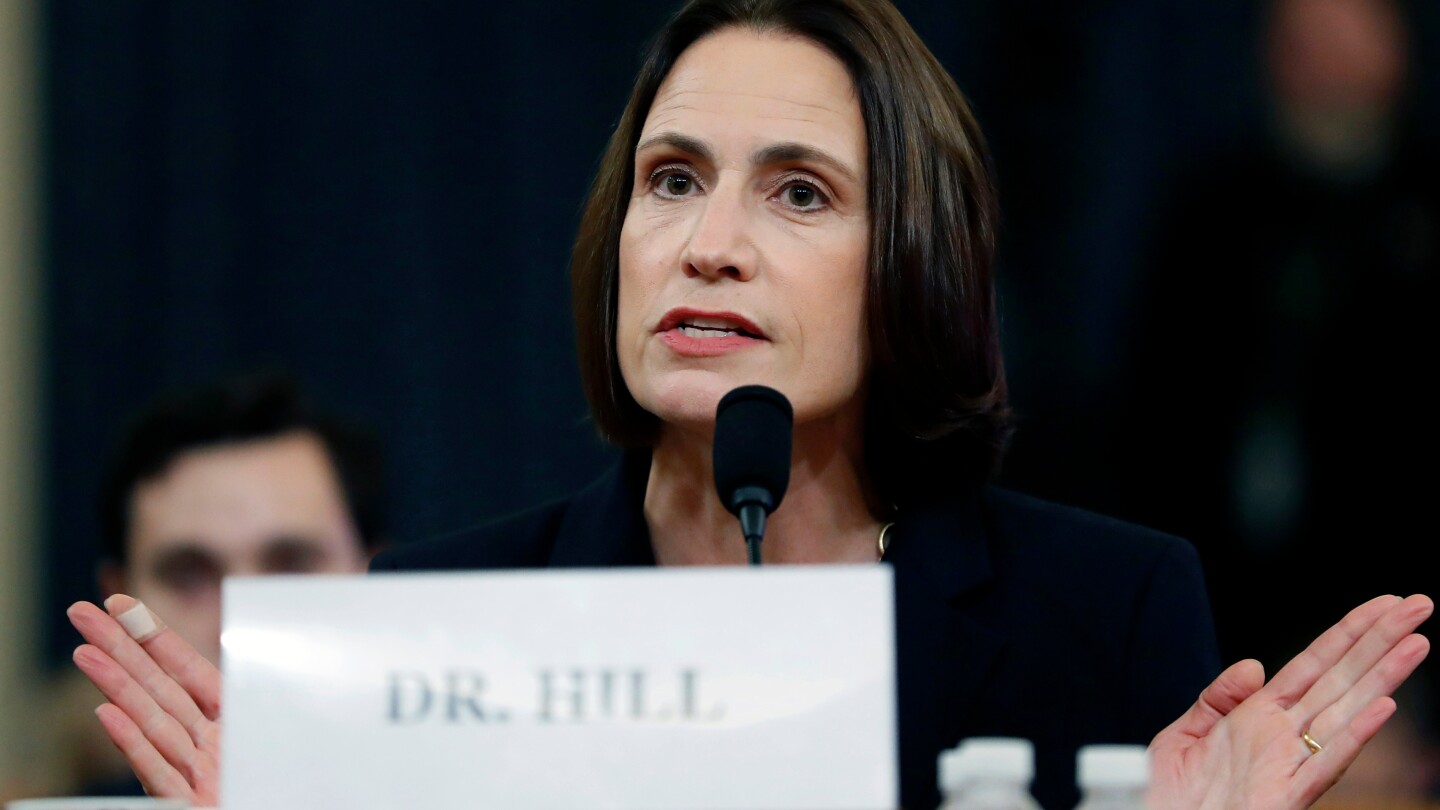
Former White House Russia advisor Fiona Hill has disclosed that Russian officials privately proposed exchanging geopolitical influence in Venezuela for Ukraine in 2019, suggesting Moscow would reduce support for Nicolás Maduro if granted freedom of action in Eastern Europe.\n\nAccording to Hill’s testimony to Congress in 2019 and recent statements to The Associated Press, Kremlin intermediaries floated the concept of a \”strange swap arrangement\” through Russian media channels that strategically referenced the Monroe Doctrine. This 19th century principle originally asserted U.S. opposition to European interference in the Western Hemisphere while America remained uninvolved in European affairs.\n\nAlthough Russian officials never formalized the proposal, Moscow’s then-ambassador to the United States, Anatoly Antonov, repeatedly hinted at Russia’s willingness to permit American intervention in Venezuela if Washington reciprocated regarding Russian ambitions in Europe. \”Before there was a ‘hint hint, nudge nudge, wink wink, how about doing a deal?’ But nobody in the U.S. was interested then,\” Hill revealed.\n\nIn April 2019, President Trump dispatched Hill to Moscow with a clear rejection of the proposition. She explicitly informed Russian officials that \”Ukraine and Venezuela are not related to each other,\” reinforcing the White House’s position alongside allies who recognized Venezuelan opposition leader Juan Guaido as interim president.\n\nThe geopolitical landscape has shifted dramatically seven years later. Following the U.S. operation that ousted Maduro, Washington has asserted it will now \”run\” Venezuela policy. Concurrently, Trump has revived threats to acquire Greenland—a self-governing Danish territory within NATO—and suggested military action against Colombia over drug trafficking concerns.\n\nHill warned that Moscow would welcome this resurgence of great-power sphere-of-influence politics, viewing it as validation that \”might makes right.\” She expressed concern that U.S. actions in Venezuela undermine Western moral authority to condemn Russian designs on Ukraine as illegitimate, noting \”we’ve just had a situation where the U.S. has taken over—or at least decapitated the government of another country—using fiction.\”\n\nThe Trump administration has characterized its Venezuela operation as a lawful law enforcement action. Russia’s Foreign Ministry condemned the move as \”aggression\” but has not responded to Hill’s specific account of the 2019 proposal. President Vladimir Putin has remained silent on Maduro’s ouster while maintaining Russia’s opposition to U.S. interventionism.
博客
-
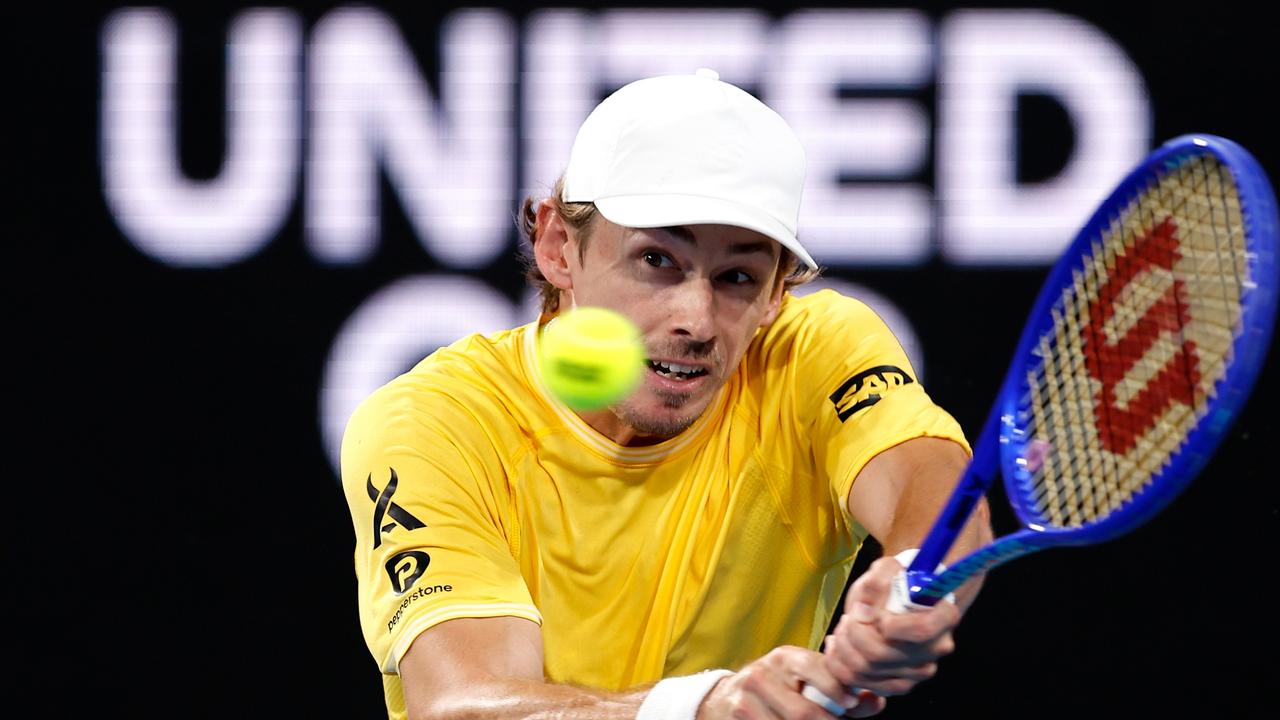
‘Brutal’: Alex de Minaur reveals why he chose to withdraw from Australia’s Davis Cup campaign
Australian tennis star Alex de Minaur has described his withdrawal from next month’s Davis Cup tie in Ecuador as a ‘brutal decision,’ revealing he made the difficult choice to prioritize his long-term physical condition over national team duties. The announcement comes as the 26-year-old prepares to reach a career-high world No. 5 ranking next Monday.
De Minaur, who has battled persistent hip issues throughout his career, consulted extensively with team captain Lleyton Hewitt before determining that competing on clay in Quito’s high-altitude conditions posed unacceptable risks to his health. The Australian squad will instead be led by James Duckworth, with support from Aleksandar Vukic, Rinky Hijikata, Jordan Thompson, and Thanasi Kokkinakis.
‘Davis Cup has been my priority for basically my whole career,’ de Minaur stated following his United Cup victory alongside Storm Hunter in Sydney. ‘To me, there’s no greater goal than to be able to lift the trophy one day with Lleyton, with the team, for Australia again.’
Hewitt fully endorsed the decision, emphasizing the need to protect de Minaur from reinjury after the player previously competed while hurt for nine months. ‘Considering the time of the year, where it is, the conditions, the surface, so many variables,’ Hewitt explained, ‘we’ve come up with a plan that we think is best for him moving forward.’
Australia must defeat Ecuador to advance to a second-round matchup against either Norway or Great Britain, with winners qualifying for the final eight in Bologna later this year. De Minaur confirmed he would definitely be available for subsequent rounds should Australia progress.
The news comes amid positive form for de Minaur, who delivered a straight-sets victory over Jakub Mensik at the United Cup on Tuesday night, signaling strong preparation for the upcoming Australian Open.
-
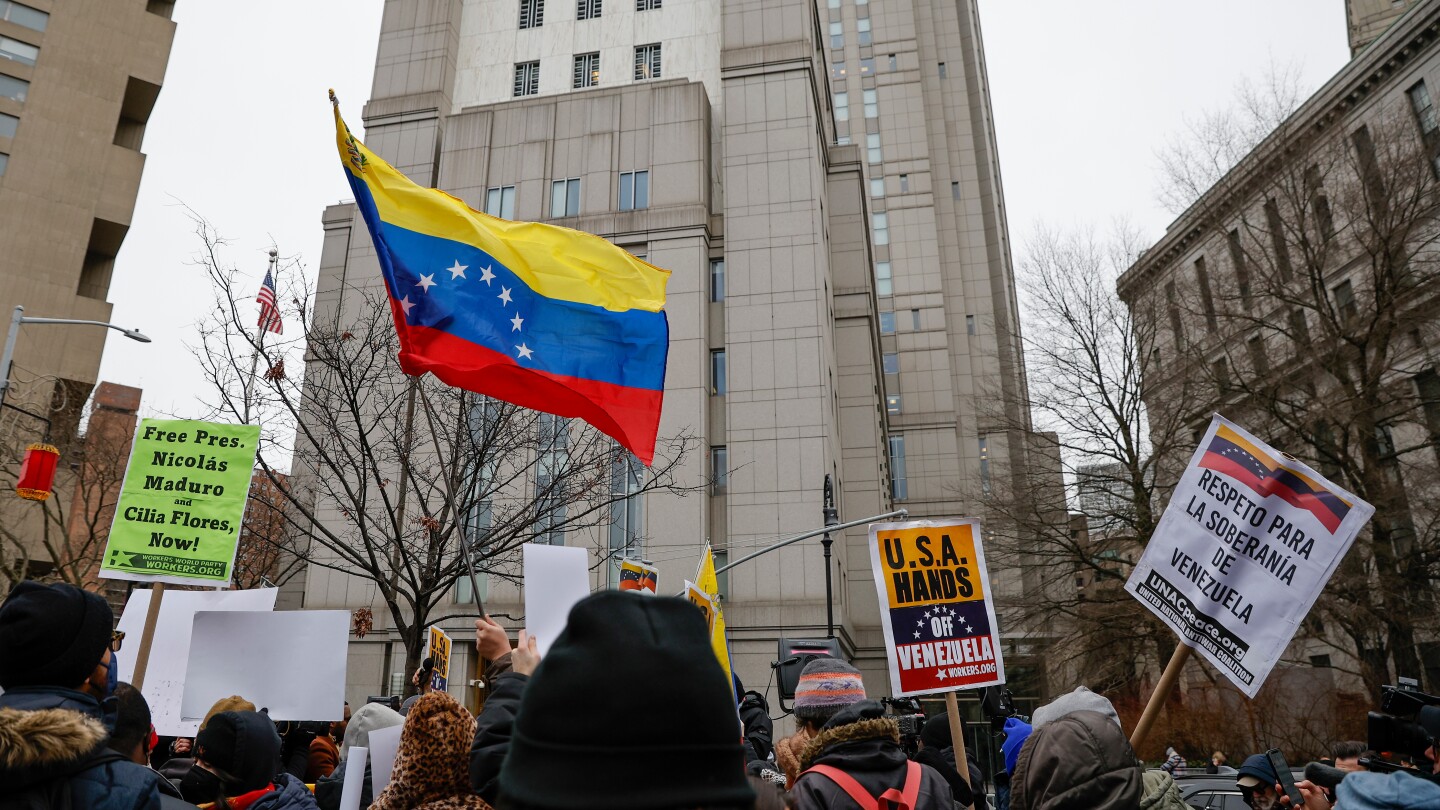
What’s next in deposed Venezuela leader Nicolás Maduro’s criminal case
NEW YORK — The initial U.S. court appearance of Nicolás Maduro marked the commencement of a protracted legal battle that could potentially result in lifelong incarceration for the Venezuelan leader. Maduro and his wife, Cilia Flores, faced arraignment Monday on multiple federal charges including narcoterrorism conspiracy and cocaine importation schemes, following their dramatic capture by U.S. forces in Caracas during a nighttime operation.
During the hearing before Judge Alvin Hellerstein, Maduro defiantly asserted his continued presidency of Venezuela and characterized his apprehension as an unlawful kidnapping, declaring himself a prisoner of war. Both defendants entered not guilty pleas to all charges, which carry potential life sentences.
The Trump administration defended the extraordinary extraterritorial operation as a justified law enforcement action against a leader prosecutors first indicted six years ago. The case presents unprecedented legal questions regarding sovereignty and immunity that may require extensive appellate review.
Legal experts anticipate several critical developments in the coming months:
Bail considerations remain theoretically possible but practically unlikely given the severity of charges and flight risk assessments. Historical precedents including Manuel Noriega’s case suggest pretrial detention will be maintained.
Medical attention has been requested for Flores, who allegedly sustained significant injuries during capture requiring radiographic evaluation for potential fractures. Maduro’s counsel also indicated unspecified health concerns requiring monitoring while detained at the Metropolitan Detention Center.
Consular access complications have emerged due to Maduro’s own 2019 order closing Venezuelan diplomatic facilities in the U.S. This creates practical challenges for legal fee payments given longstanding U.S. sanctions against both defendants.
Substantial legal challenges are anticipated regarding sovereign immunity claims and the legality of Maduro’s capture. The defense has expanded to include Bruce Fein, a former Reagan administration Justice Department official specializing in constitutional and international law.
The next hearing is scheduled for March 17 as both sides prepare for what may become a landmark case in international law and cross-border law enforcement operations.
-
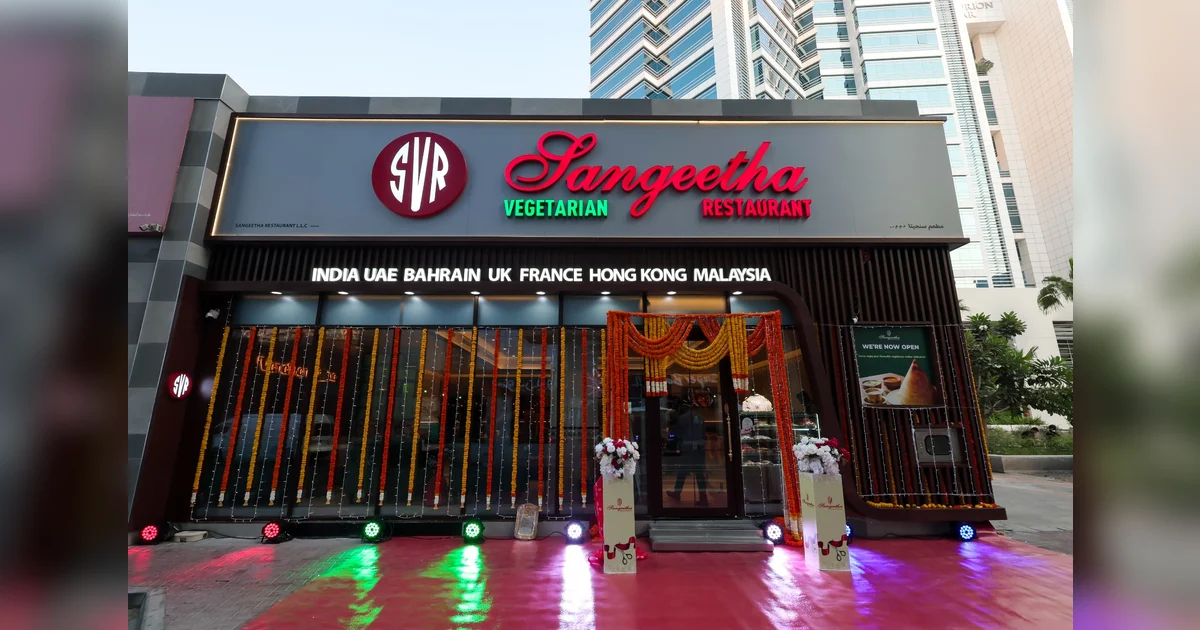
Sangeetha opens its 13th branch in Deira
Sangeetha, the renowned South Indian vegetarian restaurant chain, has achieved a significant expansion milestone with the inauguration of its 13th UAE establishment in Deira. This development reinforces the brand’s growing footprint across the region after four decades of culinary excellence.
The newly opened Deira location continues Sangeetha’s tradition of serving authentic South Indian vegetarian cuisine alongside North Indian classics and global vegetarian offerings. The restaurant has built its reputation on crispy dosas, aromatic sambhars, and freshly prepared wholesome meals that have attracted a loyal international customer base.
Founded by visionaries Rajagopal and Suresh, the chain maintains its original commitment to delivering genuine, flavorful, and nutritious vegetarian food to global communities. This philosophical consistency has transformed Sangeetha into a household name among connoisseurs of authentic South Indian cuisine.
The brand established its UAE presence in 2001 through a strategic joint venture with LMZ Group, a diversified business conglomerate with interests spanning hotels, restaurants, real estate, and trading operations across the UAE, Saudi Arabia, Hong Kong, and Congo. Over 25 years, Sangeetha has captivated UAE diners with traditional recipes, consistent quality, and genuine hospitality.
The Deira opening demonstrates Sangeetha’s sustained regional growth and the enduring support of its dedicated patrons. The new branch offers the same family-friendly ambiance and culinary consistency that has defined the brand’s identity for more than 40 years.
-
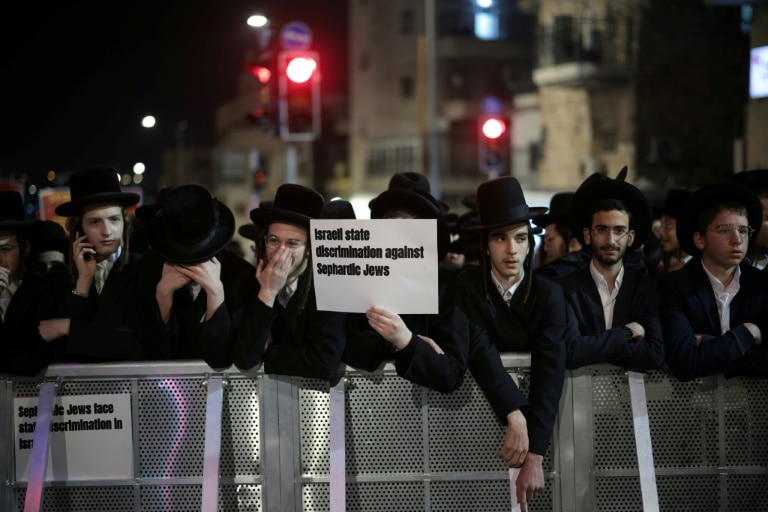
Teen killed in anti-conscription protest in Jerusalem
A fatal incident during mass demonstrations against mandatory military service for ultra-Orthodox Jews has resulted in one death and multiple injuries in Jerusalem. Emergency services confirmed an 18-year-old male was pronounced dead at the scene after being struck by a bus during Tuesday’s protests against proposed conscription legislation.
The tragic event occurred as thousands of Haredi Jewish demonstrators gathered to oppose ending their longstanding exemption from military service. According to Magen David Adom emergency responders, the bus initially injured three pedestrians before continuing and striking the teenager, who became trapped beneath the vehicle.
Police reports indicate the protest turned violent when a segment of demonstrators began disrupting public order through traffic blockades, property damage, and assaults on law enforcement and journalists. Authorities stated the bus driver was arrested but claimed he had been assaulted by protesters prior to the incident. Israeli security sources have explicitly ruled out terrorism as a motive.
The demonstrations reflect deepening societal tensions as Israel faces military manpower shortages following two years of multi-front conflicts. Prime Minister Benjamin Netanyahu navigates competing pressures between opposition demands for expanded conscription and ultra-Orthodox coalition partners who traditionally oppose drafting religious students.
This longstanding exemption, established since Israel’s founding in 1948, allows yeshiva students dedicated to Jewish textual study to avoid mandatory service. However, the policy faces increasing scrutiny amid ongoing military mobilizations, despite the fragile Gaza truce.
The political stakes are substantial for Netanyahu’s government, as ultra-Orthodox parties constitute 14% of Israel’s Jewish population and are essential to maintaining his right-wing coalition’s parliamentary majority. The government’s stability has already been tested by previous conscription legislation, with the United Torah Judaism party exiting the coalition and reducing its seats to 60 out of 120.
This incident marks the second protest-related death in recent months, following a teenage suicide during similar demonstrations in October.
-
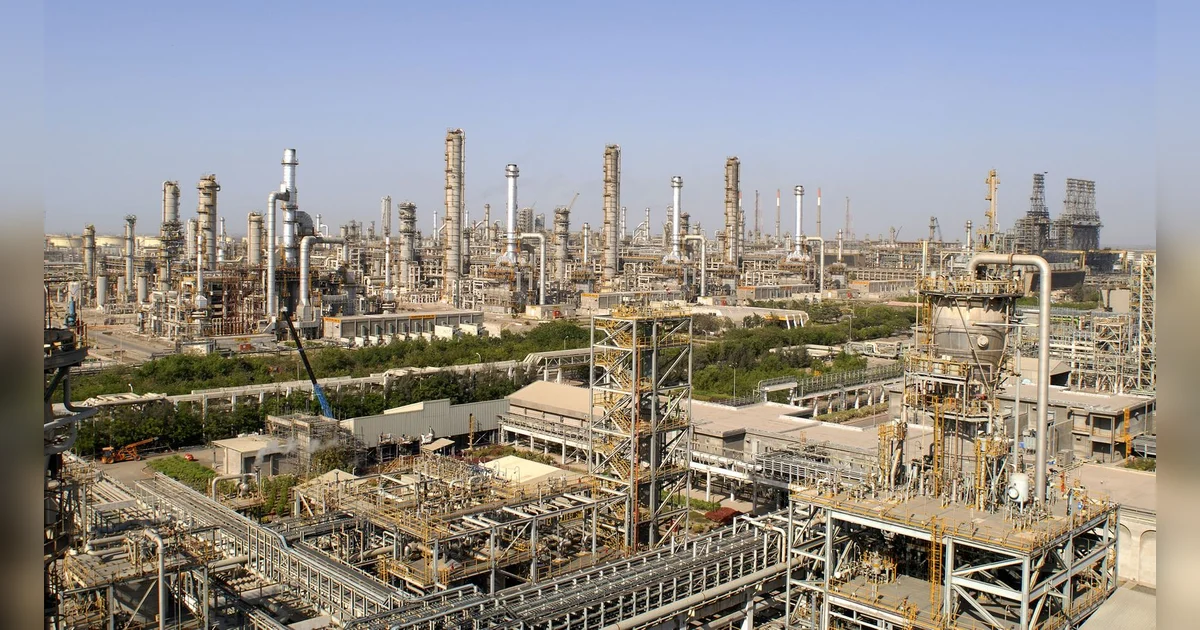
India’s January Russian oil imports may fall sharply as Reliance expects no deliveries
India’s energy procurement landscape is undergoing a significant transformation as Reliance Industries, operator of the world’s largest refining complex and India’s foremost purchaser of Russian crude in 2023, announced it anticipates zero Russian oil deliveries for January. This development follows heightened diplomatic pressure from the United States, where President Donald Trump recently threatened additional tariff escalations targeting Indian goods.
The company’s Jamnagar refinery has not processed any Russian crude shipments for approximately three weeks, according to an official statement released on social media platform X. Reliance specifically refuted recent media reports suggesting three vessels carrying Russian oil were en route to its facilities.
This strategic shift occurs against the backdrop of intensifying Western sanctions targeting Russia’s energy exports, which have provided substantial revenue streams for Moscow’s military operations in Ukraine. India emerged as the primary consumer of discounted Russian seaborne crude following the 2022 invasion, triggering substantial geopolitical friction with Western allies.
The United States previously doubled import tariffs on Indian merchandise to 50% in 2025 as retribution for New Delhi’s robust acquisition of Russian petroleum. Current trade negotiations between the two nations have encountered periodic difficulties, with oil purchases representing a central point of contention.
Industry analysts project Russian crude shipments to India could plummet below one million barrels per day this month—the lowest level in years—as New Delhi maneuvers to secure a comprehensive trade agreement with Washington. December figures already reflected a three-year low of approximately 1.2 million barrels daily, representing a dramatic 40% reduction from June’s peak of two million barrels.
With Reliance withdrawing from the market, Russian oil deliveries are now expected to concentrate primarily with Russia-backed Nayara Energy and state-controlled refiners Indian Oil Corporation and Bharat Petroleum Corporation. Nayara’s 400,000-barrel-per-day refinery is particularly positioned to maintain Russian imports, as European sanctions have constrained its alternative supply options after other suppliers withdrew.
Indian authorities have implemented enhanced transparency measures, requiring weekly disclosures of Russian and U.S. oil purchases by refiners, indicating heightened governmental oversight of energy procurement strategies amid evolving international relations.
-
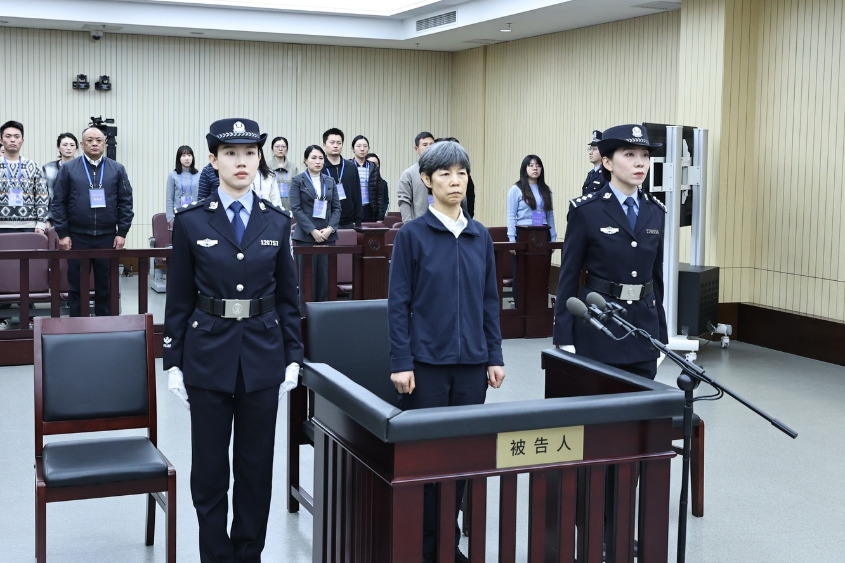
Ex-Gansu vice-governor convicted of bribery, insider trading
In a significant anti-corruption ruling, Zhao Jinyun, former Vice-Governor of China’s Gansu province, has been sentenced to 15 years imprisonment for bribery and insider trading offenses. The Tianjin No. 2 Intermediate People’s Court delivered the verdict on Tuesday, marking another high-profile conviction in China’s ongoing anti-graft campaign.
The court found Zhao guilty of leveraging her official positions from 2005 through October 2024 to illicitly benefit individuals and organizations in matters including construction contracts, mineral exploration permits, tax disputes, and employment arrangements. Together with her husband Bao Donghong, who held prominent roles in Gansu and Shaanxi provinces, Zhao accepted bribes exceeding 54.09 million yuan ($7.7 million).
Additionally, between June 2018 and March 2022, Zhao engaged in insider trading by utilizing confidential information obtained through her government work. She executed stock transactions through securities accounts controlled by relatives and friends, generating illegal profits surpassing 300,000 yuan from trades totaling over 7.02 million yuan.
The comprehensive sentence includes 13 years for bribery with a 3 million yuan fine, and 5 years for insider trading with a 500,000 yuan penalty, combined into a 15-year term. The court also ordered confiscation of all illicit gains and interests, which will be transferred to the state treasury.
Despite the severity of the crimes, the court acknowledged mitigating factors including Zhao’s confession, voluntary disclosure of previously unknown bribery incidents, partial recovery of illegal proceeds, and the fact that some bribes remained unconsummated. Her husband Bao is being processed in a separate legal case.
Zhao’s political career spanned decades, including membership in the Jiusan Society since 1999 and her appointment as Gansu Vice-Governor in December 2022. Her downfall began with an investigation into duty-related violations in October 2024, followed by removal from office in April 2025 and formal indictment three months later.
-
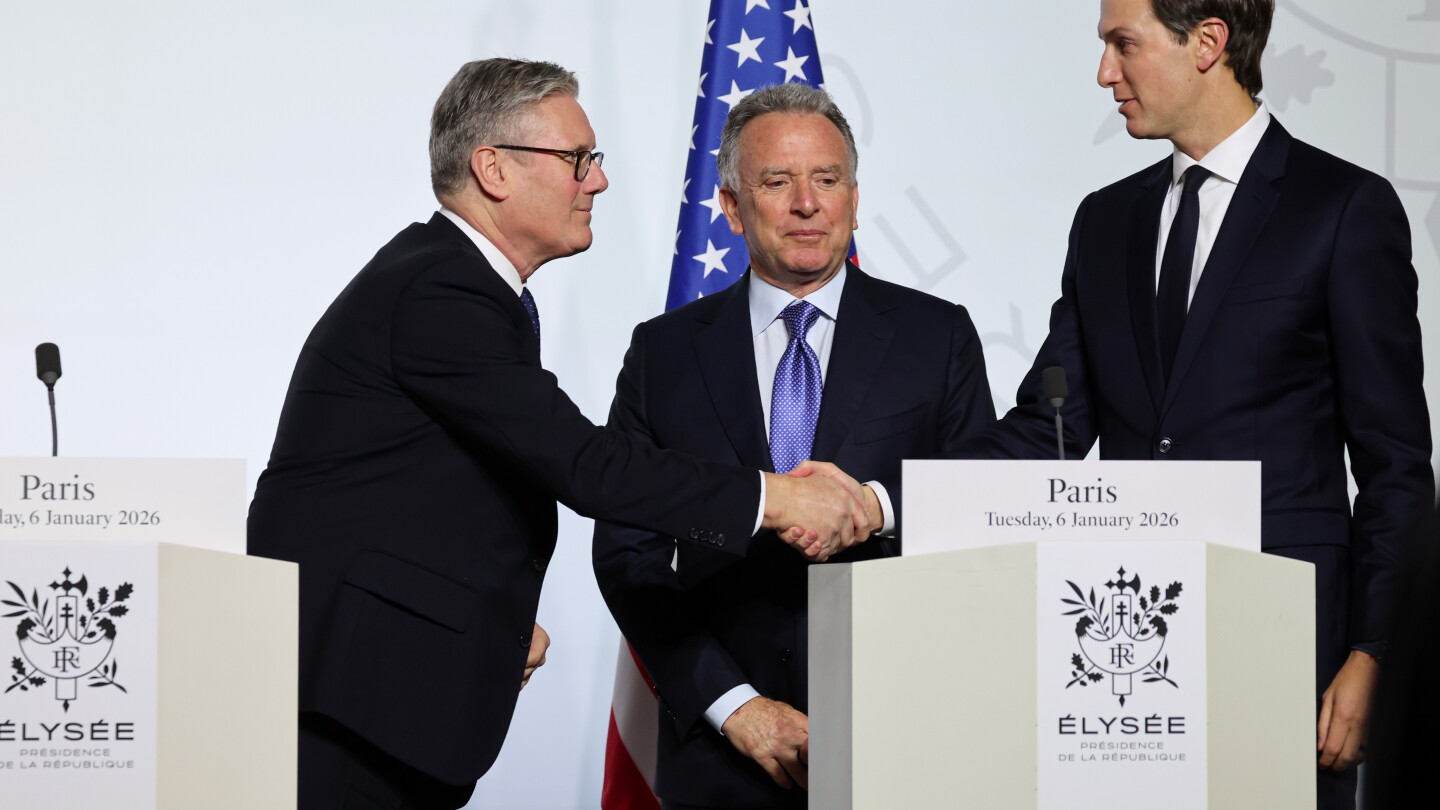
What to know about Ukraine allies’ security guarantees as the war nears 4 years
PARIS — In a significant diplomatic development, Western nations have united to establish a comprehensive security architecture aimed at safeguarding Ukraine against potential future Russian aggression. The high-level gathering in Paris brought together leaders from European countries, Canada, and senior officials from both the European Union and NATO, alongside U.S. representatives, marking the most substantial collective effort to date in planning Ukraine’s long-term security.
The consensus framework, endorsed by participating nations, outlines multilayered security guarantees designed to take effect following any ceasefire or peace settlement with Russia. Central to this agreement is the recognition that Ukraine’s armed forces will serve as the primary deterrent against future attacks, with international partners committing to sustained military assistance and arms provisions even after active hostilities conclude.
French President Emmanuel Macron characterized the joint statement as a “significant step” toward resolving Russia’s ongoing invasion, though Moscow officials remained silent regarding the Paris meeting. The proposed security measures encompass five critical components: ceasefire monitoring mechanisms, continued support for Ukrainian armed forces, potential deployment of multinational forces across land, sea, and air domains, agreed response protocols for any future Russian aggression, and establishment of long-term defense cooperation with Ukraine.
British Prime Minister Keir Starmer revealed that the United Kingdom and France plan to establish military installations throughout Ukraine to facilitate weapons storage and equipment protection, though any European troop deployments would require legislative approval in respective nations. U.S. envoy Steve Witkoff affirmed American support for the security guarantees without specifying military contributions.
Ukrainian President Volodymyr Zelenskyy acknowledged progress in the talks while emphasizing that individual national ratifications must precede implementation. He noted that participants had identified leadership countries for various security elements and determined necessary force structures, though operational details, financing arrangements, and monitoring mechanisms remain unresolved.
Prime Minister Starmer cautioned that “the hardest yards are still ahead,” highlighting continued Russian attacks and Vladimir Putin’s apparent unwillingness to pursue peace. The discussed security measures would only activate following a ceasefire or comprehensive settlement and subsequent domestic approval processes—a complexity Zelenskyy acknowledged by noting that not all nations are prepared to commit forces, with some preferring weapons, technology, or intelligence support instead.
Russia maintains that ceasefire discussions cannot occur without a comprehensive settlement and has explicitly rejected any NATO troop presence on Ukrainian territory. Ukrainian officials have repeatedly warned that any ceasefire lacking enforceable guarantees could provide Moscow opportunity to regroup and launch renewed offensive operations.
The Paris framework currently lacks binding commitments, leaving Ukraine dependent on allies’ political will to transform conceptual plans into operational realities. Potential obstacles include legislative approval requirements, unresolved force structure details, financing uncertainties, and transatlantic coordination challenges—all factors that could substantially delay or dilute the proposed security assurances.
The participation of 35 representatives, including 27 heads of state or government, underscored the coalition’s breadth, though Zelenskyy observed that the coalition’s very existence depends on specific nations enhancing their engagement. For Ukraine, the paramount concern remains that deterrence mechanisms remain theoretical while active warfare continues.
-

After false claims online, authorities deny visa fee exemption in Kuwait
Kuwaiti authorities have moved swiftly to counter misinformation spreading across social media platforms regarding residency fee exemptions. The Ministry of Interior has officially declared that viral claims suggesting broad exemptions under new residency regulations are entirely unfounded.
Through an official statement posted on their X (formerly Twitter) account, the ministry clarified that residency procedures remain unchanged and all applicable fees continue to be collected in full compliance with existing laws. The circulation of an audio clip promoting fee exemptions prompted this official response to prevent widespread public confusion.
The ministry specified that the only legitimate exemption concerns health insurance fees for domestic workers, which falls under the Ministry of Health’s updated health insurance framework for expatriates. This provision exclusively allows Kuwaiti families to avoid standard health insurance charges for their first three sponsored domestic workers.
Authorities emphasized that this limited health insurance exemption does not extend to other resident categories or encompass any other residency-related costs, including visa processing fees or iqama (residency permit) charges. The clarification aims to ensure public awareness that general visa fees remain unaffected by this specific health insurance adjustment.
The ministry has urged citizens and residents to verify information accuracy before sharing content and to rely exclusively on official government channels for updates regarding residency regulations and fee structures. This proactive approach seeks to maintain transparency and prevent the dissemination of false information that could cause unnecessary confusion among Kuwait’s resident population.
-
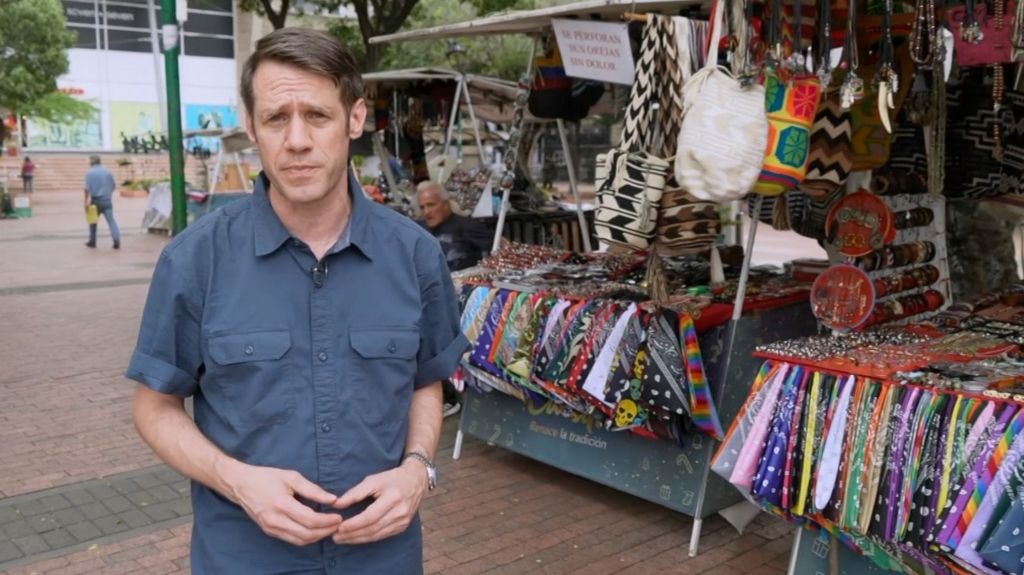
BBC looks into the relationship between Cuba and Venezuela
The BBC has initiated a comprehensive examination of the intricate bilateral relationship between Venezuela and Cuba, with on-the-ground correspondent Will Grant providing expert analysis on this geopolitically significant alliance. This partnership, often described as a cornerstone of Latin American leftist solidarity, represents one of the most strategically important relationships in the Western Hemisphere.
The Venezuela-Cuba dynamic operates through a well-established framework of reciprocal exchange that has evolved over decades. Venezuela provides Cuba with substantially discounted petroleum resources, which serve as a critical economic lifeline for the Caribbean nation amidst ongoing trade restrictions. In return, Cuba dispatches thousands of medical professionals, educational specialists, and security advisors to Venezuela, creating an interdependence that has weathered numerous political and economic challenges.
This symbiotic relationship traces its origins to the personal rapport between the late Venezuelan President Hugo Chávez and Cuban revolutionary leader Fidel Castro, whose shared ideological vision forged an alliance that has persisted through leadership transitions in both nations. The partnership has consistently defied conventional diplomatic norms, maintaining resilience despite fluctuating global oil prices, international sanctions, and changing political landscapes across Latin America.
The BBC’s investigation comes at a pivotal moment as both nations navigate complex economic circumstances and evolving international relations. The analysis provides crucial insights into how this bilateral relationship continues to influence regional politics, economic cooperation models, and geopolitical alignments throughout Latin America and beyond.