博客

  • Jacob Bethell’s first test century helps England push the fifth Ashes match to Day 5

    Jacob Bethell’s first test century helps England push the fifth Ashes match to Day 5

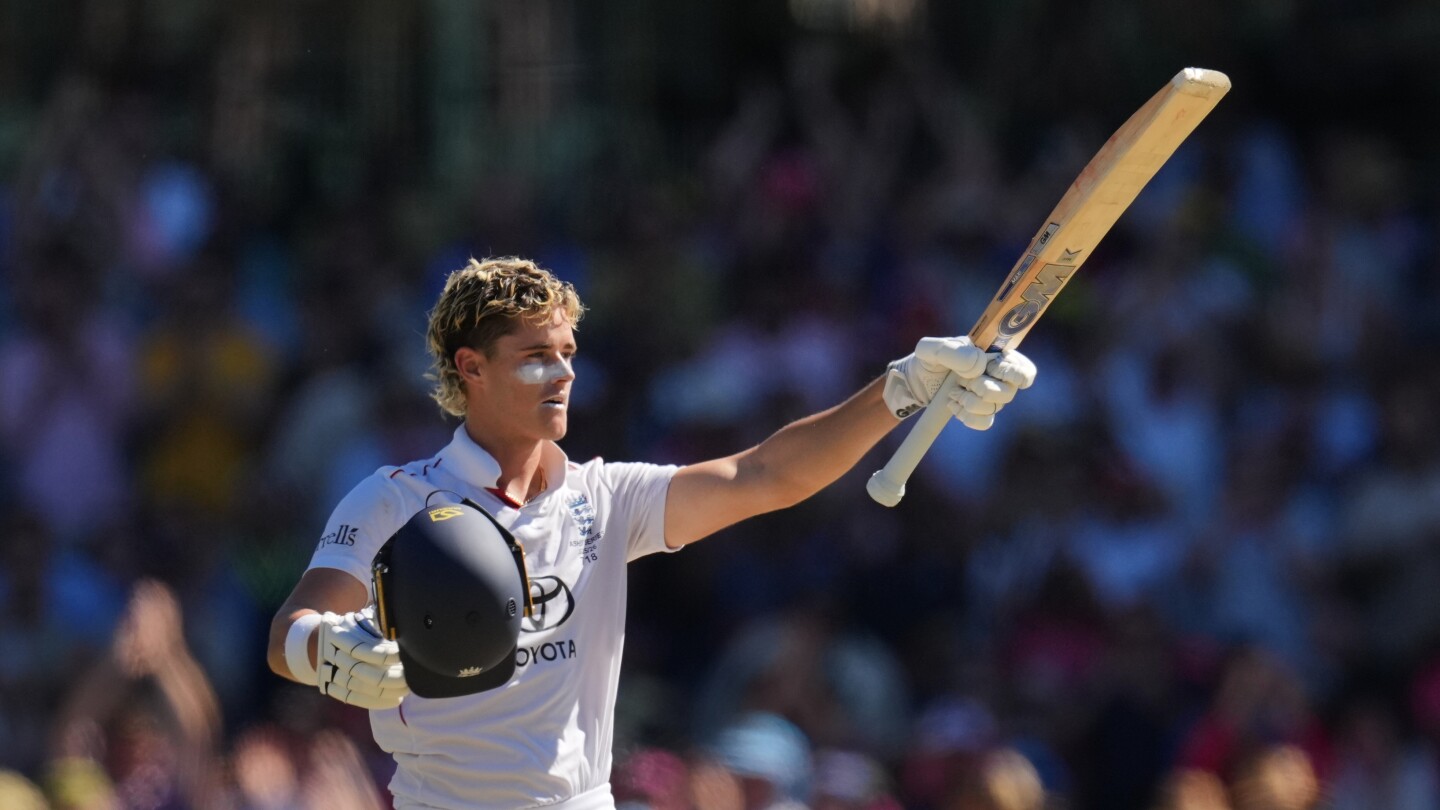
    SYDNEY — In a spectacular display of resilience, 22-year-old Barbadian allrounder Jacob Bethell delivered his inaugural Test century at the most critical juncture, keeping England’s ambitions alive in the fifth and final Ashes encounter at Sydney Cricket Ground. The dramatic fourth day concluded with England at 302-8, establishing a 119-run advantage and setting the stage for a tense fifth-day decider.

    Bethell’s remarkable innings of 142 not out from 232 balls commenced under immediate pressure when he entered the crease during the first over following Zac Crawley’s dismissal. The young batsman demonstrated exceptional composure while forming crucial partnerships: 81 runs with Ben Duckett (42), 32 with Joe Root (6), a substantial 102 with Harry Brook (42), and 45 with Jamie Smith (26). His performance single-handedly erased England’s 183-run first-innings deficit and maintained the possibility of consecutive Test victories in Australia.

    Australia’s bowling attack witnessed an unexpected standout performance from allrounder Beau Webster, whose occasional offspin yielded impressive figures of 3-51. Webster dramatically shifted momentum during the 52nd over by claiming two wickets in three deliveries, including the dangerous Brook and Will Jacks, who fell for a second-ball duck.

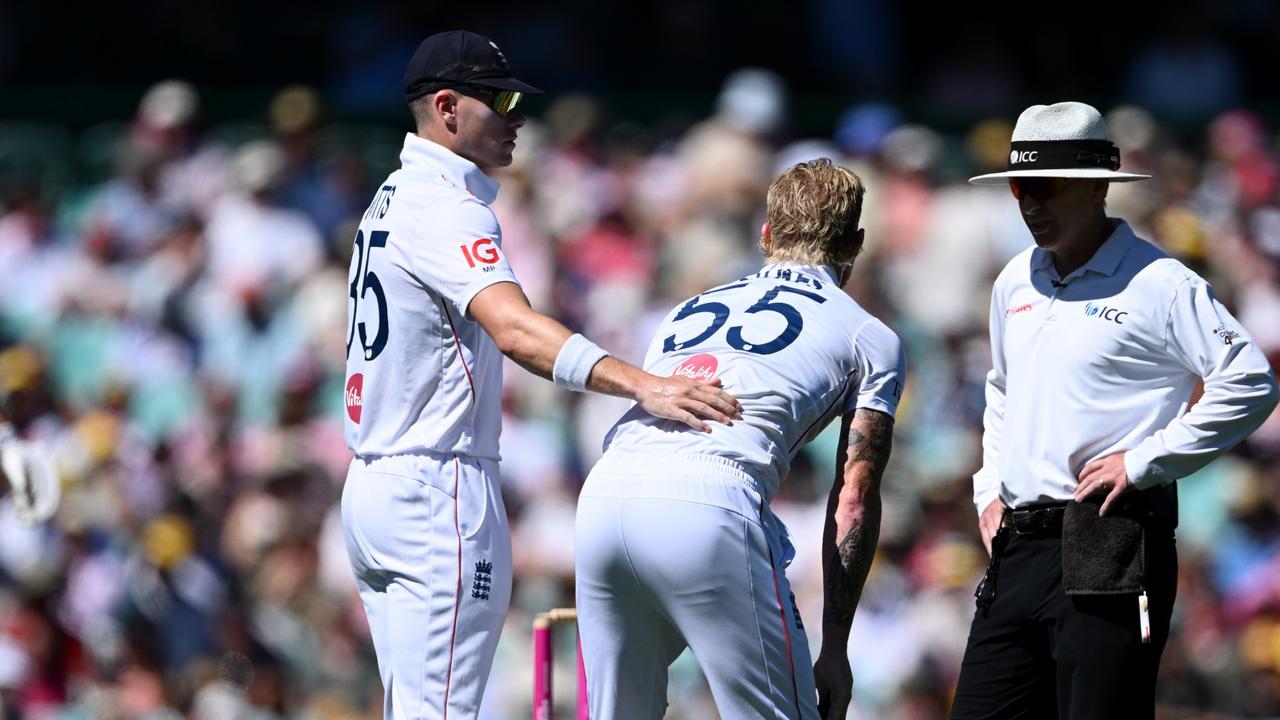
    The match took several dramatic turns, including a chaotic run-out of Jamie Smith immediately after the drinks break and the concerning injury to captain Ben Stokes, who battled right adductor problems throughout the day. Stokes managed only a single run before falling to Webster’s bowling, with Steve Smith taking a sharp catch at slip.

    Australia’s commanding first-innings total of 518 was built upon centuries from Travis Head (his third this series) and Steve Smith (138), complemented by Webster’s unbeaten 71. Smith’s century marked his 13th in Ashes history, moving him to sixth on the all-time list of Test century makers.

    Despite Australia having already retained the Ashes urn through victories in the first three Tests, both teams approach the final day with significant motivations—Australia seeking a 4-1 series triumph and England determined to narrow the margin after their drought-breaking win in Melbourne.
  • Venezuela crisis: Five graphs explain why Trump wants the oil

    Venezuela crisis: Five graphs explain why Trump wants the oil

    Recent geopolitical tensions between the United States and Venezuela have intensified following statements from former President Donald Trump regarding Venezuela’s oil industry. Trump asserted that Venezuela’s socialist regime had effectively “stolen” American oil assets through forceful nationalization, characterizing it as one of the most significant property thefts in American history. He further indicated that Washington would oversee Venezuela’s governance until what he termed a “safe, proper and judicious transition” could be implemented, with US oil companies poised to rehabilitate the country’s deteriorated infrastructure.

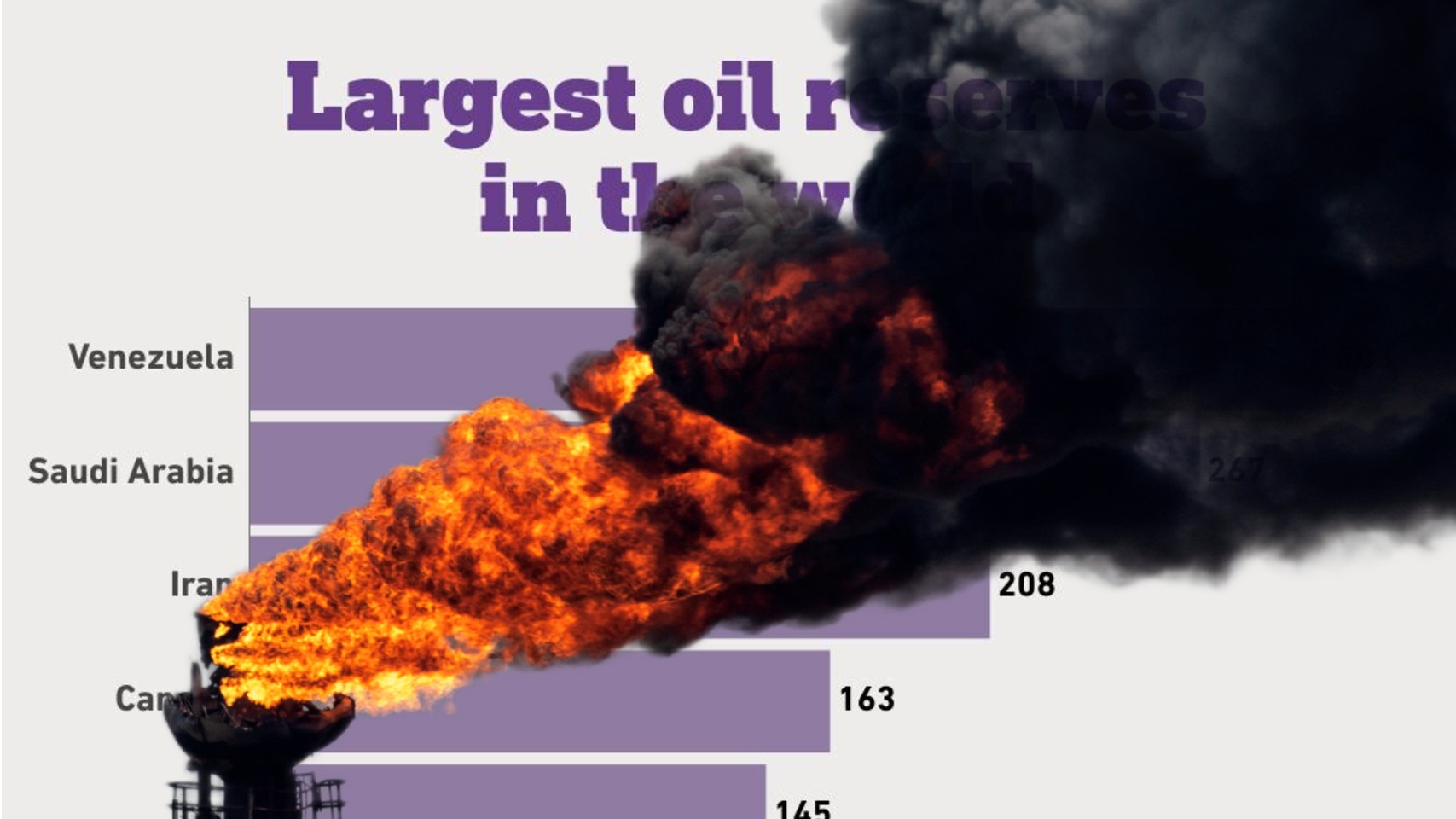
    The underlying motivation for this heightened interest becomes clear upon examining Venezuela’s energy portfolio. The nation possesses the world’s largest proven oil reserves, estimated at 303 billion barrels—representing approximately 17% of global reserves and exceeding US reserves by more than fivefold. The majority of these deposits are concentrated in the Orinoco Belt, characterized by dense, sulfur-rich crude that requires sophisticated and costly extraction methods.

    Despite its vast reserves, Venezuela’s current production has plummeted to about 1 million barrels per day, a mere fraction of its potential capacity. This decline is attributed to years of economic mismanagement, insufficient investment, and crippling international sanctions. Consequently, while the US remains the world’s top oil producer at 22.7 million barrels daily, its refining infrastructure—particularly along the Gulf Coast—is specifically calibrated to process heavier crude varieties. This creates a strategic imperative for importing dense oil, with over 60% of US crude imports currently sourced from Canada and Mexico.

    Historical context reveals that Venezuela nationalized its oil industry in the 1970s, establishing state-owned PDVSA. The early 2000s saw increased state control under Hugo Chávez, resulting in the appropriation of assets from international corporations like Exxon and Conoco. Subsequent political instability and sanctions have dramatically reduced production and redirected exports from traditional Western markets toward China, which now receives approximately 80% of Venezuelan oil.

    Analysts caution that any potential recovery of Venezuela’s oil sector would require substantial investment and years of development. Furthermore, historical precedents in Iraq and Libya demonstrate that regime change does not automatically guarantee stable oil production. The situation remains a complex interplay of energy economics, geopolitical strategy, and regional power dynamics, with significant implications for global oil markets and international relations.

  • Milena Mendez dominates 120km Ladies Ride at HH Sheikh Mohammed Endurance Festival

    Milena Mendez dominates 120km Ladies Ride at HH Sheikh Mohammed Endurance Festival

    Argentine endurance specialist Milena Mendez delivered a masterclass performance at the HH Sheikh Mohammed bin Rashid Al Maktoum Endurance Festival, securing a commanding victory in the 120km Ladies Ride event on Tuesday. The prodigious 21-year-old rider, competing aboard M7 Endurance Stables’ mount Goldstream, demonstrated exceptional strategic prowess by overcoming an early eighth-place position to dominate the grueling desert course.

    The competition, held under ideal conditions at Dubai International Endurance City in Seih Al Salam, saw Mendez complete the four-loop challenge in 4 hours, 21 minutes, and 45 seconds—finishing more than three minutes ahead of her closest competitor. Her average speed of 27.51 kph reflected a perfectly executed race strategy that saw her seize control during the second loop and maintain an unassailable lead throughout the remaining distance.

    Mendez’s teammate Shamma Darwish Alshihi achieved a remarkable comeback aboard SW Ikran, climbing from 28th position to claim second place with a time of 4:24:49. Sara Mohammed secured third position riding Rushoz Lieutenant, completing the course in 4:25:11.

    The festival, established in 2008, stands as the UAE’s most prestigious endurance riding event and reflects Sheikh Mohammed’s personal dedication to the sport. The Vice President and Ruler of Dubai, himself a world champion endurance rider having claimed the FEI World Endurance Championship individual title in 2012, created the festival to promote the sport globally while attracting top international talent.

    Endurance riding, often described as the equestrian equivalent of a marathon, tests the resilience, pace management, and symbiotic partnership between horse and rider across challenging desert terrain. Mendez’s victory adds to her growing reputation following previous wins at the Dubai Crown Prince Endurance Festival (2025) and the Shaikha Fatma bint Mansour bin Zayed Al Nahyan Ladies Endurance Cup in Abu Dhabi.

    The winners were honored by Mirwais Azizi, Founder and Chairman of Azizi Group, alongside Ahmed Rashed Al Kaabi of Dubai Equestrian Club and Dr. Ghanem Al Hajri of the UAE Equestrian and Racing Federation. The festival continues through Saturday with additional high-stakes competitions including the Private Stables 120km event and culminating with the elite 160km Sheikh Mohammed Endurance Cup.

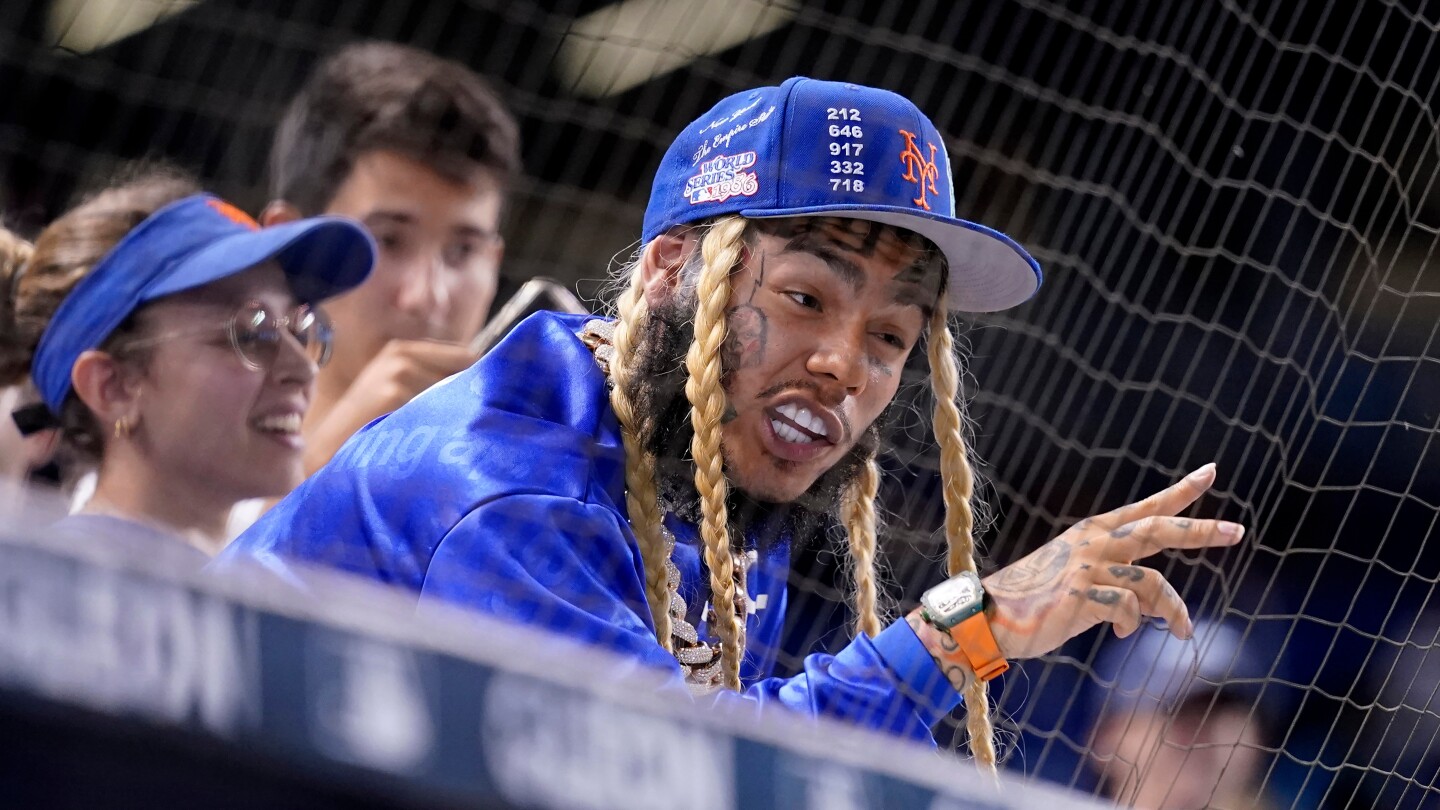
  • Rapper Tekashi 6ix9ine reports to NYC lockup where Nicolás Maduro and Luigi Mangione await trial

    Rapper Tekashi 6ix9ine reports to NYC lockup where Nicolás Maduro and Luigi Mangione await trial

    In a dramatic spectacle streamed live to his followers, controversial rapper Tekashi 6ix9ine (legal name Daniel Hernandez) surrendered himself Tuesday at Brooklyn’s Metropolitan Detention Center (MDC), beginning another prison term. The 29-year-old artist arrived in a luxury vehicle accompanied by internet personality Adin Ross and a camera crew, turning himself in for a three-month sentence related to supervised release violations.

    The Brooklyn facility represents a convergence of high-profile detainees, currently housing Venezuelan President Nicolás Maduro and his wife Cilia Flores alongside Luigi Mangione, the accused murderer of United Healthcare CEO Brian Thompson. This institution has developed notorious status within the federal prison system, with multiple judges describing conditions as “hell on earth” due to persistent violence and substandard facilities.

    MDC Brooklyn has historically contained numerous infamous inmates, including R&B singer R. Kelly, music mogul Sean “Diddy” Combs, and Ghislaine Maxwell, longtime associate of financier Jeffrey Epstein. The facility remains New York City’s sole federal jail despite its troubled reputation.

    Hernandez’s legal troubles stem from a 2019 racketeering case involving the Nine Trey Gangsta Bloods gang, for which he received a two-year prison sentence followed by five years supervised release. His current incarceration results from discovered narcotics and an assault incident—violating his post-release conditions. Prosecutors documented small quantities of cocaine and ecstasy discovered during a Miami home raid, along with Hernandez physically attacking a Florida mall patron who taunted him about cooperating with authorities.

    Despite his legal representatives not immediately commenting on Tuesday’s surrender, previous statements indicated the rapper anticipates completing his sentence to resume musical activities. Hernandez initially gained fame through his 2017 single “Gummo” but subsequently became entangled in serious criminal proceedings despite his cooperation with federal investigations.

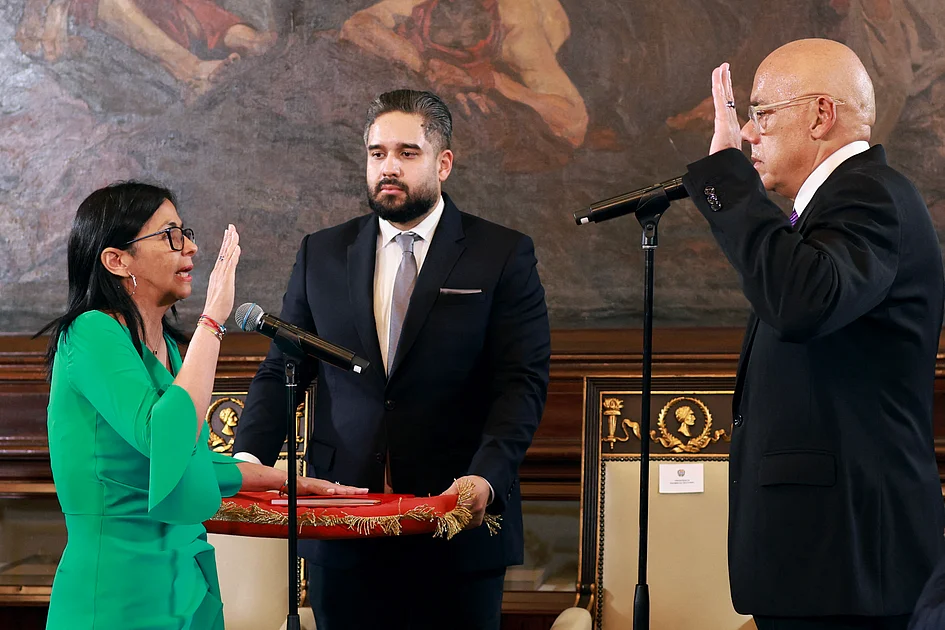
  • Russia slams ‘neocolonial threats’ against Venezuela, backs Delcy Rodriguez

    Russia slams ‘neocolonial threats’ against Venezuela, backs Delcy Rodriguez

    In a significant geopolitical development, Russia has formally endorsed Delcy Rodríguez as Venezuela’s interim president while condemning what it characterizes as “blatant neocolonial threats and foreign armed aggression” against the South American nation. The Russian Foreign Ministry issued a strong statement on Tuesday asserting Venezuela’s right to self-determination without external interference, though it carefully avoided direct reference to the United States.

    The diplomatic stance comes in response to President Donald Trump’s deployment of special forces to capture Venezuelan President Nicolás Maduro over the weekend. Maduro, currently facing narcotics charges in the United States, maintains his legitimate claim to Venezuela’s presidency despite his forced removal. This event marks the second ousting of a key Russian ally within approximately thirteen months, following the deposition of Syrian President Bashar al-Assad in December 2024.

    Moscow’s statement emphasized “unwavering solidarity with the Venezuelan people and government” while pledging continued “necessary support” for Caracas. The development occurs against the backdrop of complex Russia-US relations, with President Vladimir Putin cautiously avoiding criticism of Trump despite the administration’s aggressive Western Hemisphere policy.

    According to senior Russian sources, Moscow appears to be testing the boundaries of renewed US assertion of the Monroe Doctrine, suggesting that Russia maintains equal rights to its own sphere of influence. This positioning unfolds simultaneously with ongoing negotiations between Russia and the Trump administration regarding the resolution of the Ukraine conflict, which has entered its fourth year. The Kremlin has demonstrated particular interest in rebuilding bilateral relations and revitalizing economic cooperation with the United States, creating a complex diplomatic balancing act amid escalating tensions in Venezuela.

  • Climate crisis: Africa’s forests sound a global alarm

    Climate crisis: Africa’s forests sound a global alarm

    A groundbreaking study published in Scientific Reports has uncovered a alarming climate reversal: Africa’s vast forest systems transitioned from carbon absorbers to net emitters between 2010 and 2017. This ecological transformation represents a critical juncture in global climate dynamics, with far-reaching implications for atmospheric stability and international environmental commitments.

    The comprehensive research documents an annual loss of approximately 106 billion kilograms of forest biomass across the continent during the seven-year study period. This degradation translates to 200 million tons of carbon dioxide emissions yearly—equivalent to the total output of a medium-sized industrialized nation like the Netherlands. The most severely impacted regions include the Congo Basin, Madagascar, and West Africa, where deforestation, mining operations, and shifting agricultural practices are accelerating forest depletion at unprecedented rates.

    Forest ecosystems become carbon sources when tree removal surpasses natural regrowth capabilities. The study identifies multiple contributing factors: widespread deforestation eliminating carbon-sequestering vegetation, agricultural and wildfire combustion accounting for nearly 20% of emissions, extractive industries destroying vegetative cover, and soil degradation releasing stored carbon through organic matter breakdown.

    This ecological shift carries profound consequences for global biodiversity, threatening more than 10,000 plant and animal species with potential extinction. Additionally, it jeopardizes the livelihoods of over 100 million people who depend directly on forest resources for sustenance and economic stability. The transformation undermines international climate agreements including the Paris Accord and 2050 net-zero ambitions, particularly as global atmospheric CO2 concentrations exceeded 420 parts per million in 2024—the highest recorded level in human history.

    Researchers emphasize that while Africa’s forest emissions constitute merely 0.5% of global totals, the critical danger lies in the loss of their natural carbon-sequestering function. This development compounds the planetary carbon burden and compromises pathways toward carbon neutrality. The study calls for immediate intervention through strengthened legal protections, large-scale reforestation initiatives capable of reabsorbing 50 million tons of carbon annually through 1.2 million hectares of restoration, community-based forest management, and integration of forest conservation into climate financing mechanisms.

    The findings challenge current carbon offset paradigms, suggesting that without substantial emission reductions, forest-based offsets risk becoming ineffective greenwashing measures. Conservation efforts must therefore form part of a comprehensive strategy prioritizing genuine emission reductions rather than permitting continued fossil fuel expansion.

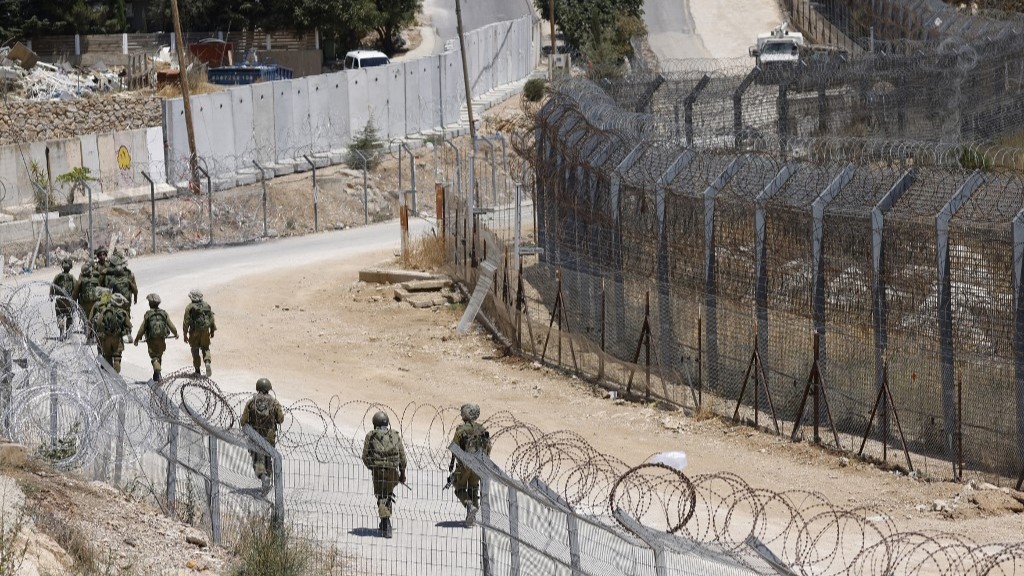
  • Israeli and Syrian officials hold ‘positive’ talks over security agreement

    Israeli and Syrian officials hold ‘positive’ talks over security agreement

    In a significant diplomatic development, Syrian and Israeli officials have concluded what participants described as a “positive” fifth round of U.S.-mediated security negotiations in Paris. The talks, held on Tuesday, marked a rare engagement between two nations lacking formal diplomatic relations.

    Delegations from both countries agreed to intensify their dialogue schedule and implement confidence-building measures following the Paris meeting. An Israeli official characterized the discussions to Axios as fundamentally constructive, noting that “both countries expressed a desire to reach a security agreement under President Trump’s vision for the Middle East.

    The high-level Israeli delegation included Ambassador to Washington Yechiel Leiter and Acting National Security Adviser Gil Reich. Syria’s representation featured Foreign Minister Asaad al-Shaibani and intelligence chief Hussein Salameh. The U.S. mediating team comprised Syria envoy Tom Barrack alongside presidential advisers Steve Witkoff and Jared Kushner.

    These negotiations occur against a complex historical backdrop. Israel has maintained control of Syria’s Golan Heights since 1967, a occupation unrecognized by international law. The territorial situation further evolved following the contraction of Bashar al-Assad’s government, with Israel expanding its presence in southern Syria. In December 2024, Israeli forces assumed control of the entire UN-patrolled buffer zone on Mount Hermon that previously separated military forces in the Golan Heights.

    According to Syria’s state news agency Sana, Damascus seeks guaranteed Israeli withdrawal from positions held before December 8, 2024, through a reciprocal security agreement ensuring full Syrian sovereignty. The Paris discussions have additionally focused on revitalizing the 1974 Disengagement Agreement, which originally established a UN-monitored buffer zone following the 1973 Yom Kippur War.

    President Trump reportedly emphasized to Prime Minister Netanyahu during their December meeting in Florida the necessity of achieving tangible progress toward a comprehensive agreement, adding diplomatic urgency to these unconventional negotiations between longstanding adversaries.

  • ‘Finally told in the end’: Ben Stokes leaves the SCG with injury in latest blow to England

    ‘Finally told in the end’: Ben Stokes leaves the SCG with injury in latest blow to England

    England’s disastrous Ashes tour in Australia has descended into further turmoil after inspirational captain Ben Stokes was forced from the field with a significant injury during the fourth day of play at the Sydney Cricket Ground. The all-rounder, who has been England’s most consistent performer throughout the series, sustained a right adductor muscle injury while bowling his 28th over under punishing conditions. Stokes immediately recognized the severity of the issue and left the field without completing the over, with Jacob Bethell completing his bowling duties. The injury represents the latest devastating blow to England’s already depleted squad, which has lost fast bowlers Mark Wood, Jofra Archer, and Gus Atkinson to various injuries throughout the series. Commentary teams from multiple networks expressed concern about Stokes’ condition, with former Australian cricketers Mark Waugh and Adam Gilchrist noting that the captain had been managing the groin issue throughout the tour. Despite the physical challenges, Stokes has delivered an exceptional individual performance throughout the series, taking 15 wickets and scoring two half-centuries while leading a team facing inevitable defeat. Fox Cricket commentator Isa Guha described Stokes as a ‘warrior cricketer’ who worked tremendously hard to achieve fitness for the series but ultimately succumbed to the physical demands of captaincy, batting, and bowling responsibilities. The injury raises serious questions about whether Stokes will be able to bat in England’s second innings as Australia’s lead approaches 200 runs, fueled by centuries from Travis Head and Steve Smith.

  • Trump’s Venezuela raid has created chaos – and that is a risk for China

    Trump’s Venezuela raid has created chaos – and that is a risk for China

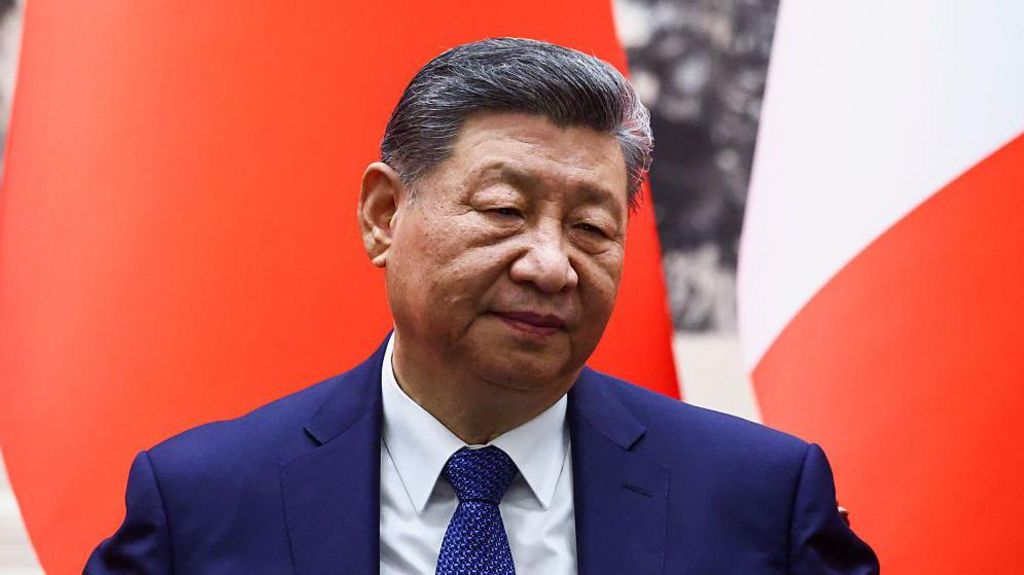
    The geopolitical landscape of the Western Hemisphere underwent a seismic shift when U.S. forces conducted a dramatic nighttime raid resulting in the capture of Venezuelan President Nicolás Maduro. This operation fundamentally altered a decades-long partnership China had meticulously built with the oil-rich South American nation.

    Just hours before his apprehension, Maduro had been warmly referring to Chinese President Xi Jinping as “an older brother” during diplomatic meetings, with state media showcasing the strong bilateral relationship through footage of officials reviewing some 600 active agreements between the two countries. The subsequent images of a blindfolded and handcuffed Maduro aboard a U.S. warship presented a stark contrast to this display of international cooperation.

    Beijing responded with forceful condemnation, accusing Washington of acting as a “world judge” and emphasizing the importance of protecting national sovereignty under international law. Beyond the rhetorical response, Chinese leadership now faces complex calculations regarding its South American foothold and its increasingly volatile relationship with the Trump administration.

    The unexpected turn of events presents both opportunity and risk for China’s long-term strategic planning. While some Chinese nationalists have drawn parallels between U.S. actions in Venezuela and potential Chinese moves regarding Taiwan, experts caution against direct comparisons. David Sacks of the Council on Foreign Relations notes that Beijing considers Taiwan an internal matter and lacks confidence in achieving reunification through force “at an acceptable cost.”

    China’s substantial investments in Venezuela—exceeding $100 billion in infrastructure financing since 2000—now face uncertainty. While Venezuelan oil constitutes approximately 4% of China’s imports, major Chinese energy companies like CNPC and Sinopec have significant assets at risk of nationalization or marginalization amid the political turmoil.

    The broader concern for Beijing extends beyond Venezuela. As Eric Olander of The China-Global South Project observes, other South American nations may now hesitate to accept significant Chinese investments “out of concern of attracting unwanted U.S. attention.” This region represents a critical source of food, energy, and natural resources for China, with two-way trade exceeding half a trillion dollars.

    China’s patient strategy of cultivating relationships in the Global South through infrastructure investment and diplomatic persuasion—convincing numerous Latin American nations to switch recognition from Taiwan to China—now confronts a more unpredictable U.S. foreign policy approach. The Trump administration has additionally pressured Panama to cancel Chinese port holdings related to the Panama Canal, further complicating China’s regional ambitions.

    As Beijing navigates this new geopolitical reality, it must balance protecting its substantial investments, maintaining its fragile trade truce with the United States, and advancing its long-term strategy of presenting China as a stable alternative to American volatility in the Western Hemisphere.

  • Watch: Trump says Maduro copied his dancing. Did he?

    Watch: Trump says Maduro copied his dancing. Did he?

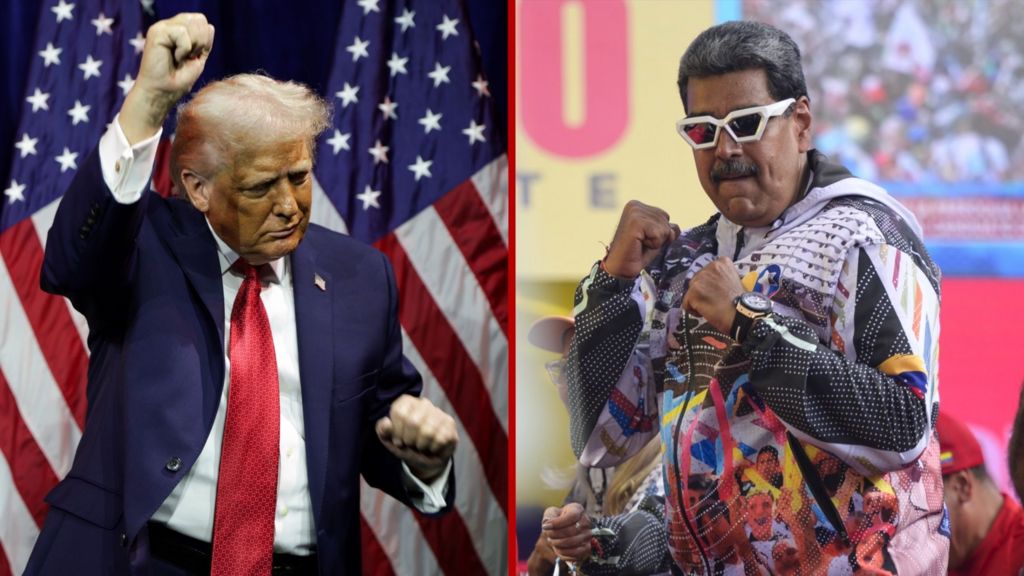
    In an unusual diplomatic development, former U.S. President Donald Trump has publicly asserted that Nicolás Maduro, Venezuela’s controversial leader, deliberately mimicked his distinctive dance movements. The extraordinary allegation emerged on Tuesday, creating a surreal intersection of political theater and performative expression between the two nations’ leaders.

    This peculiar exchange occurs against the backdrop of significantly strained relations between the United States and Venezuela, where Maduro maintains power despite numerous international challenges to his legitimacy. The dancing comparison has sparked both amusement and bewilderment among political observers, who note the stark contrast between traditional diplomatic discourse and this unconventional form of political communication.

    Video evidence circulating online provides a comparative analysis of both leaders’ rhythmic expressions, revealing notable similarities in their movement patterns and stylistic approaches. The visual documentation offers fascinating insights into how body language and public performance have become increasingly relevant in modern political leadership.

    Political analysts suggest this incident reflects the evolving nature of international relations in the social media era, where symbolic gestures and visual messaging sometimes overshadow conventional diplomatic protocols. The dancing controversy represents just one episode in the complex relationship between the United States and Venezuela, which continues to navigate challenges related to governance, economic sanctions, and regional influence.

    The phenomenon also highlights how personal style and public presentation have become integral components of political identity in contemporary global leadership, potentially influencing public perception across international boundaries.