博客

  • Israel arrests and plans to deport Ethiopian asylum seekers

    Israel arrests and plans to deport Ethiopian asylum seekers

    Israeli authorities have commenced the arrest and detention of Ethiopian asylum seekers, with formal deportations scheduled to begin next month following a January 2024 government directive. The Population and Immigration Authority will execute this policy starting April 17, acting upon a Supreme Court decision that endorsed the state’s position despite petitions from human rights organizations.

    Approximately 8,000 Ethiopian nationals face deportation, including about 1,000 from the conflict-ravaged Tigray region. Gilad Palombo of Assaf, an Israeli refugee aid organization, confirmed that immigration authorities have already begun arresting individuals classified as ‘infiltrators’—a legal designation for those entering Israel illegally.

    The planned deportations occur against a backdrop of ongoing instability in Ethiopia. Although the Tigray conflict officially concluded with a 2022 peace agreement, sporadic fighting persists across multiple regions including Amhara, Oromia, and Benishangul-Gumuz. The UN estimates over 3.3 million people remain internally displaced within Ethiopia, with Human Rights Watch documenting severe humanitarian crises affecting civilians.

    Ethiopian-Israeli writer Bazi Gete warned that returning asylum seekers would face ‘acute danger’ in what he described as ‘a kind of no man’s land,’ with some potentially facing life-threatening situations or detention. Both Gete and Palombo emphasized the particular risks for women and children in Tigray, where economic distress and famine conditions prevail.

    This development reflects Israel’s broader policy approach toward asylum seekers. According to Assaf, only 50,000 of Israel’s 72,000 legal asylum seekers enjoy ‘protected group’ status, primarily from Eritrea, Sudan, and Ukraine. The remaining 22,000—including the Ethiopian cohort—lack official recognition and face severe legal and economic restrictions, with 57% living in poverty and 85% experiencing food insecurity.

    Palombo characterized Israel’s long-standing policy as intentionally making life ‘unbearable for asylum seekers’ to encourage voluntary departure. This approach previously manifested in a controversial agreement with Rwanda (2013-2018) that saw Israel pay $5,000 per person for accepting deportees.

    The Knesset has recently approved two laws targeting asylum seekers, reflecting what Gete describes as systemic propaganda portraying African refugees ‘as the source of all problems’ while denying them dignified existence in Israel.

  • Local version of Kunqu classic captivates audiences in Hunan

    Local version of Kunqu classic captivates audiences in Hunan

    A groundbreaking reinterpretation of the Kunqu Opera masterpiece “Leifeng Pagoda” captivated audiences during its premiere at Changsha’s Meixihu International Culture and Arts Center on Wednesday. The Hunan Kunqu Opera Troupe’s full-length production has reengineered the classic White Snake legend through a distinctly regional lens, incorporating Hunan’s cultural elements and dialects while fundamentally reshaping the protagonist’s character arc.

    The performance, spanning over two hours, transported spectators through an emotional spectrum from delicate romance to spectacular martial artistry. The production’s combat sequences proved particularly breathtaking, featuring high-platform acrobatics and the distinctive long silk ribbon techniques unique to Hunan’s Kunqu tradition that elicited audible gasps from the enthralled audience.

    Most significantly, this adaptation reconceptualizes the mythological heroine Bai Suzhen as a fiercely independent ‘spicy girl’ rather than the traditionally submissive character. Lead actress Liu Jie explained the creative team’s intentional departure from convention: “Recognizing contemporary shifts in aesthetic expectations, particularly regarding female autonomy, we positioned Bai as the absolute narrative centerpiece.”

    The production charts Bai’s complete emotional transformation from profound devotion to assertive resistance, creating a protagonist who embodies modern feminine strength in both romantic and confrontational contexts. In another radical departure from tradition, the performance concludes with an emotionally satisfying reunion at the Broken Bridge rather than Bai’s eternal imprisonment beneath Leifeng Pagoda.

    Longtime Kunqu enthusiast Li Yanzi expressed overwhelming approval: “The emotional intensity kept me constantly engaged. This revised ending provides the emotional resolution that genuine love deserves.” The successful premiere demonstrates how traditional Chinese opera can evolve while maintaining its artistic essence, offering both cultural preservation and contemporary relevance.

  • Senegal and Morocco’s dispute over Africa Cup title has extended beyond sports

    Senegal and Morocco’s dispute over Africa Cup title has extended beyond sports

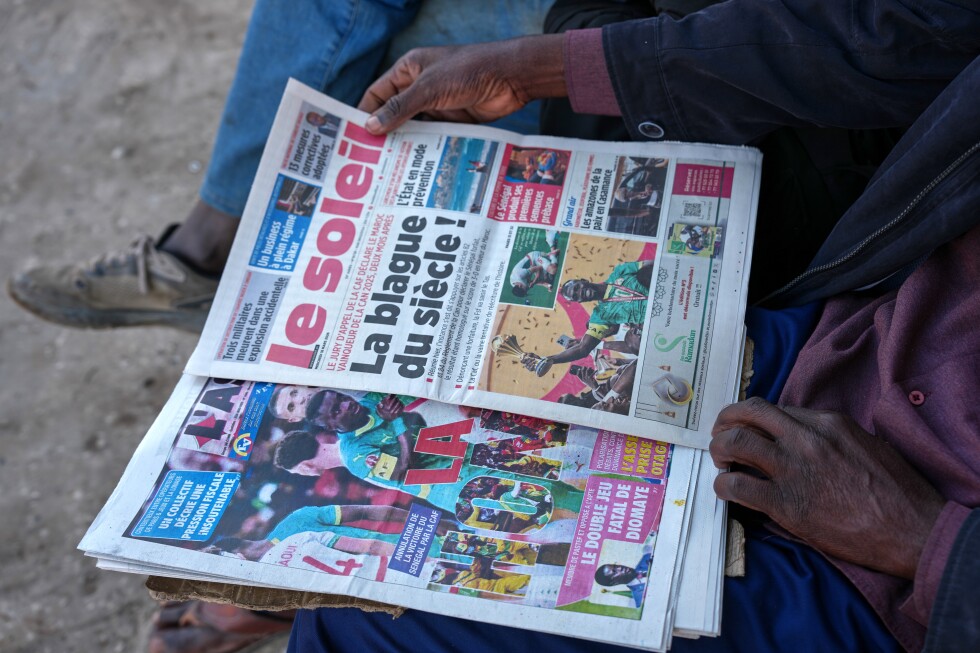
    The Confederation of African Football (CAF) has plunged continental soccer into unprecedented controversy after its appeals board overturned Senegal’s Africa Cup of Nations victory, awarding the title to Morocco instead. The dramatic reversal comes two months after the chaotic final that saw Senegalese players temporarily leave the pitch amid fan protests.

    CAF’s judicial body ruled that Senegal forfeited the match by exiting the field without referee authorization during the extended stoppage, granting Morocco a default 3-0 victory. This decision has ignited fierce backlash across Senegal, with the government announcing plans to pursue “all appropriate legal avenues” to challenge the verdict while calling for an international investigation into “suspected corruption” within CAF.

    The original match featured extraordinary drama: Senegalese players abandoned the field for nearly ten minutes as their supporters clashed with stewards following a controversial penalty award to Morocco. When play resumed, Morocco missed the penalty, and Senegal ultimately secured victory with an extra-time goal.

    The controversy has transcended sports, straining the historically strong relations between the two nations. Morocco and Senegal have maintained deep connections through shared religious traditions, substantial economic investments, and cultural exchanges. However, the diplomatic fallout has intensified following the sentencing of 19 Senegalese fans to prison terms of up to one year in Morocco for stadium-related offenses.

    CAF President Patrice Motsepe has publicly denied allegations of favoritism toward Morocco, which is preparing to co-host the 2030 World Cup and has significantly invested in football development. “Not a single country in Africa will be treated in a manner that is more preferential than any other,” Motsepe asserted in an official video statement.

    The decision has provoked strong emotional reactions from citizens of both nations. In Dakar, students expressed disillusionment with Moroccan relations, while in Casablanca, some business owners reported growing animosity toward Senegalese and sub-Saharan African migrants. Despite these tensions, community leaders emphasize the need to preserve long-standing friendships, acknowledging that while football evokes passion, it should not undermine decades of cooperation between brotherly nations.

  • ABC pulls Taylor Frankie Paul’s season of The Bachelorette after domestic abuse allegations

    ABC pulls Taylor Frankie Paul’s season of The Bachelorette after domestic abuse allegations

    In a dramatic turn of events, ABC has abruptly canceled the forthcoming season of its popular dating reality series ‘The Bachelorette’ following the emergence of disturbing domestic violence allegations against the show’s intended star, Taylor Frankie Paul.

    The Disney-owned network announced its decisive action on Thursday after previously unaired footage surfaced online showing Paul engaged in a physical altercation with her former partner in 2023. The TikTok influencer and Hulu reality personality had previously been arrested in connection with the incident and subsequently pleaded guilty to charges of aggravated assault, according to multiple U.S. media reports.

    The cancellation represents a significant programming shift for ABC, which had scheduled the season premiere for this coming Sunday. The network’s swift response underscores the seriousness with which it treats the allegations against Paul, who had appeared on ABC’s ‘Good Morning America’ just one day prior to the cancellation announcement to promote the series.

    During her Wednesday morning interview, Paul addressed the growing controversy, stating: ‘Honestly, it’s been a heavy time to see the headlines, especially during this time of ‘The Bachelorette’ being released. It was supposed to be a really exciting time.’

    A spokesperson for Disney Entertainment Television confirmed the network’s position, emphasizing that their ‘focus is on supporting the family’ affected by the incident. The BBC has reached out to Paul’s representatives for additional commentary on the developing situation.

    The decision to cancel rather than recast or delay the season demonstrates the network’s cautious approach to handling sensitive allegations involving reality television personalities, particularly those with documented legal consequences. This move potentially sets a precedent for how entertainment corporations address serious off-screen conduct by their on-air talent.

  • Ros Atkins on… Trump’s mixed messages on the war

    Ros Atkins on… Trump’s mixed messages on the war

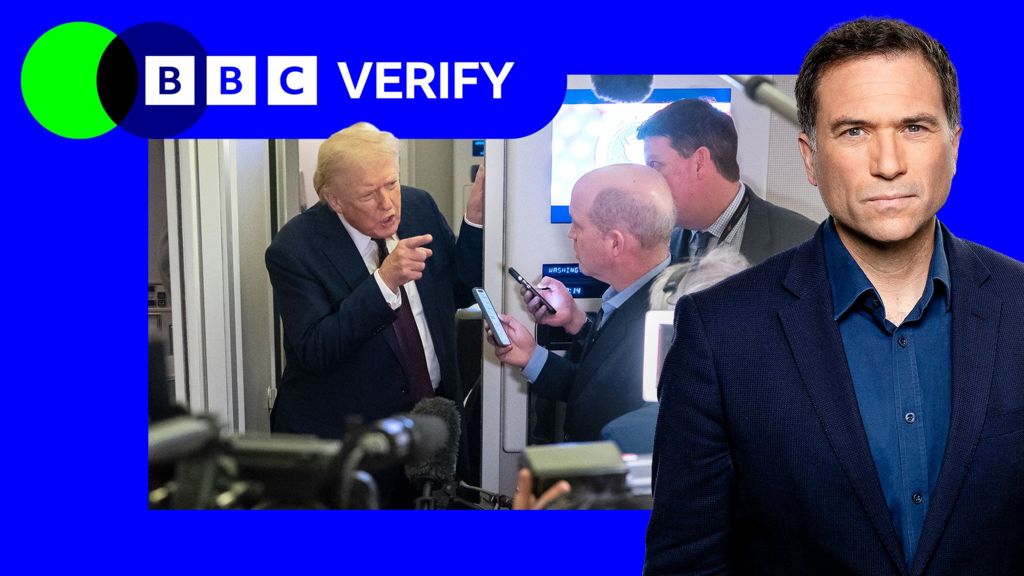
    In a meticulous examination of presidential communication patterns, BBC’s Analysis Editor has dissected the seemingly contradictory foreign policy statements emanating from the Trump administration regarding potential military engagement with Iran. The investigation reveals a complex tapestry of rhetoric that oscillates between aggressive posturing and diplomatic overtures, creating substantial confusion among allies, adversaries, and policy analysts alike.

    The comprehensive analysis identifies multiple instances where the President’s public declarations on military strategy appeared to conflict with established diplomatic channels and official White House statements. This pattern of mixed messaging has generated significant uncertainty within international relations circles about the administration’s actual strategic objectives and red lines concerning Iranian relations.

    Foreign policy experts consulted for this assessment note that such contradictory signaling may represent either a deliberate strategy of ‘calculated ambiguity’ or reflect genuine internal divisions within the administration’s foreign policy apparatus. The investigation further examines how these communications have been received by Tehran, with Iranian officials simultaneously confronting bellicose language while receiving occasional conciliatory gestures through backchannel communications.

    This phenomenon of dual-track messaging has created substantial challenges for America’s traditional allies who struggle to coordinate policy amid the apparent dissonance between presidential tweets, official statements, and diplomatic corps communications. The analysis concludes that this approach has fundamentally altered traditional diplomatic norms while creating both risks and opportunities in an already volatile regional security environment.

  • UK MPs raise concerns over new Israeli ambassador to UK embroiled in domestic scandal

    UK MPs raise concerns over new Israeli ambassador to UK embroiled in domestic scandal

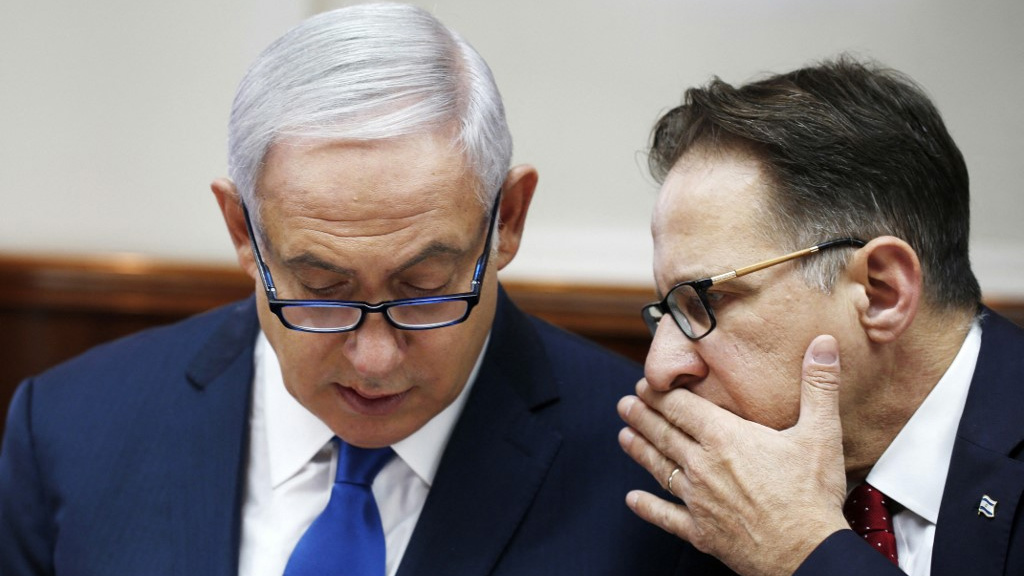
    A significant diplomatic controversy has emerged in London as British parliamentarians urgently call for the suspension of Israel’s newly appointed ambassador to the United Kingdom. Tzachi Braverman, who previously served as Prime Minister Benjamin Netanyahu’s chief of staff, faces serious allegations of obstructing an investigation into classified information leaks during the Gaza conflict.

    The disciplinary division of Israel’s civil service had previously recommended a six-month suspension for Braverman following accusations that he attempted to interfere with an inquiry into sensitive document leaks that occurred during September 2024. These leaks allegedly aimed to bolster Netanyahu’s political position concerning Gaza war negotiations.

    According to reports from Israel’s Channel 13 News, Foreign Minister Gideon Saar recently met with Daniel Hershkowitz, the acting civil service commissioner, reportedly seeking to prevent Braverman’s suspension to facilitate his diplomatic appointment. This development has raised concerns about political influence over judicial processes.

    British MPs from across the political spectrum have expressed profound reservations. Kim Johnson, a Labour Party MP, stated: ‘Mr. Braverman’s appointment should be halted immediately. The fact that he is facing suspension for allegedly obstructing an inquiry into leaked classified information during the Gaza genocide raises serious questions about trust and political influence over due process.’

    Chris Law, the Scottish National Party’s international trade spokesperson, emphasized the diplomatic implications: ‘At a time when trust among politicians across these islands in the Israeli government is at an all-time low, appointing a man who has allegedly been integral to obstructing an investigation would do little to improve relations.’

    The controversy centers on allegations that Braverman told former Netanyahu spokesman Eli Feldstein that he could ‘shut down’ the leak investigation—a claim both Braverman and the Prime Minister’s office deny, accusing Feldstein of fabrication.

    This appointment controversy occurs against a backdrop of increasingly strained UK-Israel relations, which have included British sanctions against two Israeli ministers last June and diplomatic spats involving inflammatory rhetoric from Israeli officials toward British leadership.

  • Epstein’s personal lawyer tells Congress he had no knowledge of financier’s crimes

    Epstein’s personal lawyer tells Congress he had no knowledge of financier’s crimes

    In a significant development within the ongoing congressional investigation into Jeffrey Epstein’s criminal network, the financier’s longtime personal attorney Darren Indyke testified before the House Oversight Committee on Thursday, asserting complete unawareness of his client’s extensive sexual abuse operations.

    Appearing behind closed doors, Indyke—who managed Epstein’s legal affairs and estate—stated in prepared remarks that he possessed ‘no knowledge whatsoever’ of the illegal activities perpetrated by his notorious client. The attorney emphasized his strictly professional relationship with Epstein, noting they did not socialize and that ‘not a single woman has ever accused me of committing sexual abuse or witnessing sexual abuse.’

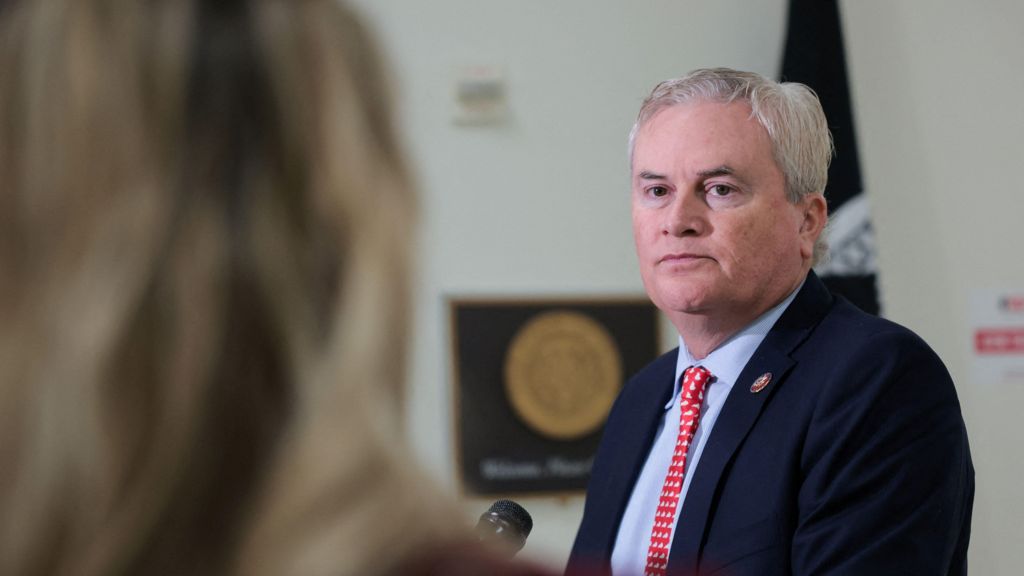
    Committee Chairman James Comer (R-KY) informed reporters that Indyke cooperated fully during the questioning session. In his testimony, Indyke recounted his professional history with Epstein dating to 1996 and described his client’s demeanor following his 2008 guilty plea for soliciting a minor for prostitution. ‘He appeared to be devastated and extremely contrite,’ Indyke stated, adding that Epstein had maintained he was unaware of any underage involvement. ‘I believed him, and I made the mistake of believing Mr. Epstein that he would not again commit a crime.’

    The testimony drew sharp criticism from victims’ legal representatives. James Marsh, an attorney for several Epstein survivors, characterized Indyke’s claimed ignorance as ‘deeply troubling,’ noting the attorney’s extensive involvement with Epstein’s affairs. ‘His testimony only underscores how much still remains hidden about the vast network of enablers that allowed these crimes to persist for decades,’ Marsh asserted. ‘Survivors—and the American people—deserve the full undistorted truth about who knew what.’

    The hearing occurred amid heightened political tensions within the committee. Democrats staged a walkout during a separate briefing with US Attorney General Pam Bondi regarding the Justice Department’s handling of Epstein-related documents. Ranking Democrat Robert Garcia stated Bondi had ‘refused’ to commit to complying with a subpoena issued by Chairman Comer, while Republican member Tim Burchett dismissed the walkout as ‘staged’ political theater.

    The Oversight Committee continues its comprehensive investigation into institutional responses to Epstein’s crimes, having previously interviewed numerous high-profile witnesses including former President Bill Clinton as part of its examination into how allegations against the financier were addressed by government entities.

  • Canada’s Conservative leader talks tariffs and martial arts with Joe Rogan

    Canada’s Conservative leader talks tariffs and martial arts with Joe Rogan

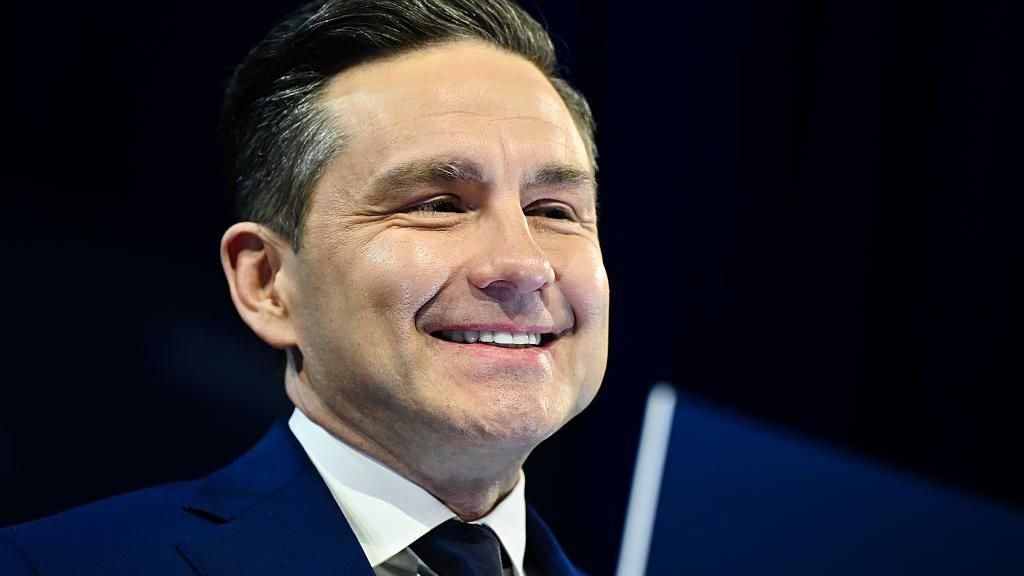
    In a strategic move to amplify his international presence, Canadian Conservative Opposition Leader Pierre Poilievre engaged in a wide-ranging dialogue on ‘The Joe Rogan Experience,’ one of the world’s most influential podcasts. The conversation served as a cornerstone of Poilievre’s inaugural official tour across the United States, aimed at bolstering his profile amidst domestic polling that places him behind incumbent Prime Minister Mark Carney.

    The interview transcended typical political discourse, beginning with Poilievre presenting Rogan with a Canadian-made kettlebell embossed with a maple leaf—a nod to their mutual interest in fitness and martial arts. However, the dialogue swiftly pivoted to substantive policy matters. Poilievre’s central mission was to advocate for the removal of trade tariffs imposed on Canada during the previous Trump administration. He articulated a vision of reinvigorated bilateral cooperation, stating, ‘We need to harness the goodwill of the American people… and what better place to do it than on the biggest podcast in the world.’

    He presented a pragmatic economic argument, contending that eliminating tariffs on Canadian lumber and aluminum would directly contribute to lowering housing and vehicle costs for American consumers. Furthermore, he positioned Canada as a solution to rising U.S. energy prices, proposing an increase in Canadian oil exports by approximately two million barrels annually.

    When probed on whether he had directly engaged President Trump on these issues, Poilievre demurred, upholding the principle of ‘one prime minister at a time’ and affirming that formal negotiations remain Carney’s prerogative, while his role was to offer supportive advocacy.

    The podcast also ventured into contentious domestic Canadian policy, specifically the nation’s medically assisted dying laws. While affirming a general belief in individual choice, Poilievre expressed his party’s significant reservations about the planned expansion of the legislation to include individuals whose sole condition is a mental illness—a implementation already delayed until 2027.

    Poilievre’s U.S. itinerary included high-level engagements in Detroit with automotive executives and in Texas, where he toured oil processing facilities and found a receptive audience in Governor Greg Abbott for increased Canadian exports. The tour culminates in New York City with an address to the Foreign Policy Institute. This outreach mirrors recent diplomatic efforts by Poilievre in the UK and Germany, where he promoted a new framework for enhanced cooperation between Canada, the UK, Australia, and New Zealand. These international forays occur against a backdrop of Carney’s own aggressive global travel schedule, focused on attracting foreign investment and diversifying Canada’s trade partnerships beyond the United States.

  • Norway crown princess to address Epstein links as son’s rape trial closes

    Norway crown princess to address Epstein links as son’s rape trial closes

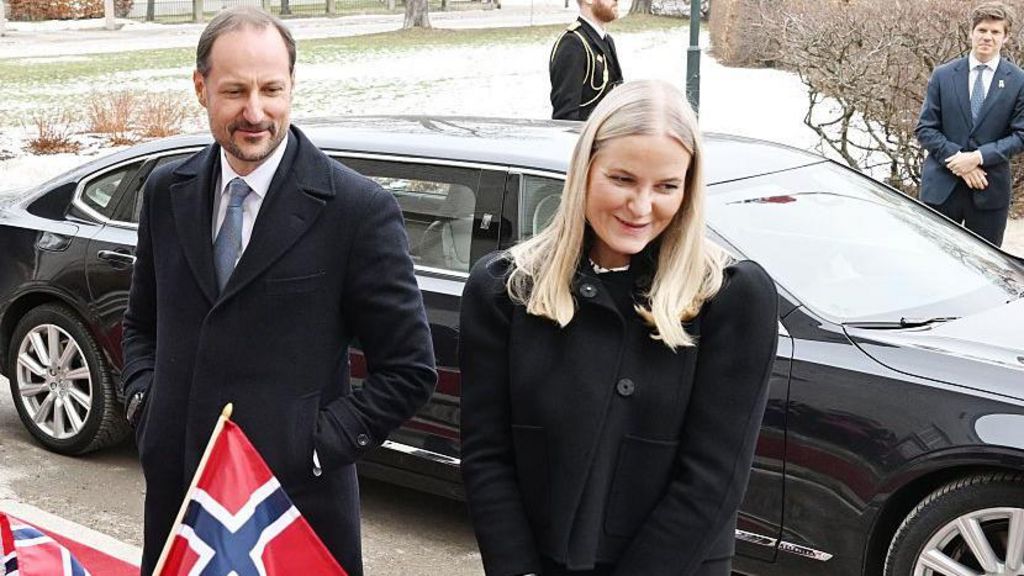
    Norway’s Crown Princess Mette-Marit has broken her silence regarding her controversial connections with convicted sex offender Jeffrey Epstein in a highly anticipated interview scheduled for broadcast on NRK TV this Friday. The recorded session took place alongside Crown Prince Haakon at their Skaugum residence, coinciding with the final stages of her son Marius Borg Høiby’s seven-week rape trial at Oslo District Court.

    The interview emerges amidst mounting pressure on the royal family, stemming from two simultaneous scandals that have captivated Norwegian society. Høiby, the 29-year-old son from the crown princess’s previous relationship, faces 40 criminal charges including four counts of rape, serious assault, drug violations, and traffic offenses. Despite not being a formal member of the royal family, Høiby has grown up in the public eye since his mother married Crown Prince Haakon in 2001.

    The trial represents Norway’s most significant court spectacle in recent years, with defense lawyers Ellen Holager Andenæs and Petar Sekulic arguing for their client’s acquittal on rape charges while acknowledging lesser offenses. Prosecutors have requested a severe sentence of seven years and seven months, with a verdict expected in June.

    Compounding the royal family’s challenges, hundreds of emails between Crown Princess Mette-Marit and Epstein dating from 2011-2014 recently surfaced, revealing her four-day stay at his Palm Beach residence despite awareness of his criminal background. In one particularly damning 2011 message, she acknowledged: ‘Googled u after last email. Agree didn’t look too good.’

    The crown princess has issued multiple apologies, describing her actions as demonstrating ‘poor judgement’ and expressing that some communications ‘do not represent the person I want to be.’ Prime Minister Jonas Gahr Støre has notably joined the criticism, marking rare public disapproval of a royal figure.

    Adding to the complexity, the crown princess battles deteriorating health due to pulmonary fibrosis, which has prevented her from participating in upcoming state visits. Her condition reportedly influenced the timing of her public response, with Crown Prince Haakon previously stating she ‘would like to speak, but right now she can’t.’

    The scandals have prompted tangible consequences, with two organizations severing ties with the crown princess as patron. Meanwhile, Norway’s parliament has established an independent commission to investigate connections between the foreign ministry and Epstein, underscoring the affair’s broader political implications beyond the royal household.

  • US considers lifting sanctions on some Iranian oil

    US considers lifting sanctions on some Iranian oil

    In a dramatic policy shift, the United States is evaluating the temporary suspension of sanctions on certain Iranian oil exports as it confronts escalating energy market turmoil stemming from the ongoing conflict in Iran. Treasury Secretary Scott Bessent unveiled this unconventional approach during a Thursday appearance on Fox Business’s ‘Mornings with Maria,’ positing that it could liberate additional crude supplies for international purchasers.

    The initiative, if implemented, would constitute a remarkable departure from decades of American foreign policy toward Iran. Secretary Bessent specified that the administration is contemplating authorizing the sale of approximately 140 million barrels of Iranian oil already positioned aboard tankers at sea. He projected this could transiently reduce global oil prices for a period of 10 to 14 days. A core element of the proposal involves diverting shipments away from China—which has been the primary beneficiary of heavily discounted Iranian crude—toward allied nations like India, Japan, and Malaysia, thereby forcing Beijing to pay prevailing market rates.

    However, the strategy has ignited intense skepticism and criticism from sanctions experts and policymakers. David Tannenbaum of Blackstone Compliance Services lambasted the concept as ‘bananas,’ warning that it risks funneling substantial revenue to the very Iranian regime the U.S. is militarily engaged against. The practical challenges of preventing funds from reaching Tehran’s coffers remain a significant, unresolved hurdle.

    This deliberation occurs against a backdrop of severe market disruption. The war has effectively halted shipping through the critical Strait of Hormuz, a chokepoint for roughly 20% of daily global oil transit. Experts estimate the conflict has already removed approximately 10% of the world’s oil supply from the market. Compounding these worries, recent attacks on a major Iran-Qatar gas field have raised fears of long-term damage to fossil fuel infrastructure, threatening capacity constraints for years to come.

    The Biden administration’s exploration of this tool underscores a palpable desperation to mitigate an historic energy shock, following other recent moves like tapping strategic petroleum reserves and suspending some Russian oil sanctions. Yet, the potential Iranian waiver faces substantial political headwinds; the House of Representatives just passed a bill designed to strengthen, not relax, sanctions on Iran’s energy sector. The Treasury Department has declined to elaborate on the mechanics of the proposal, and President Trump offered only an ambiguous non-answer when questioned on the matter, stating the administration will ‘do whatever is necessary’ to control prices.