博客

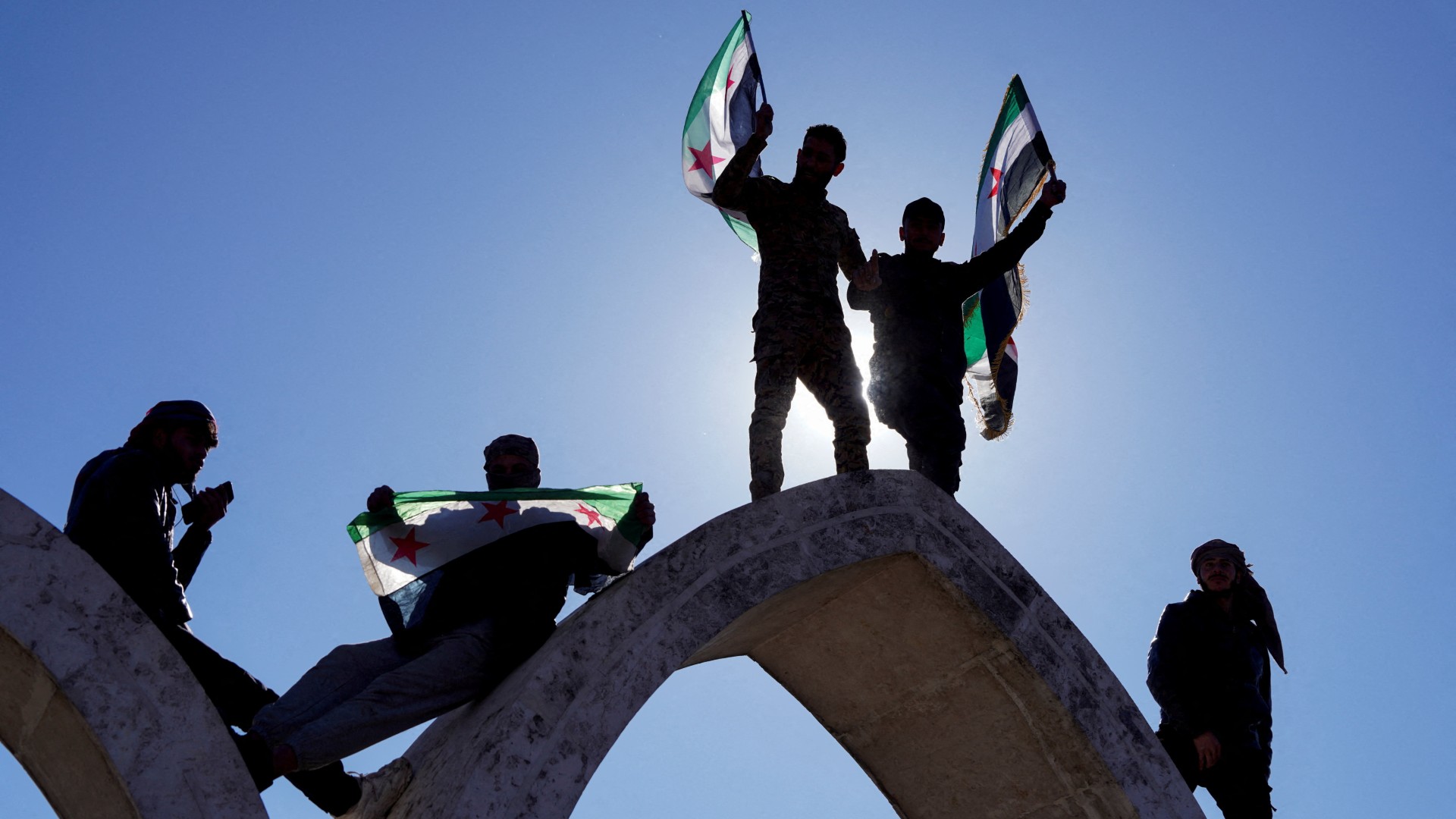
  • Syria deal with Kurdish forces hands Turkey a strategic win

    Syria deal with Kurdish forces hands Turkey a strategic win

    A significant geopolitical realignment is unfolding in Syria following a pivotal understanding reached between Turkish and American officials, culminating in a ceasefire accord that substantially addresses Ankara’s longstanding security concerns. The shift began in November when Turkish Foreign Minister Hakan Fidan engaged in comprehensive discussions with senior US officials including Vice President JD Vance and Secretary of State Marco Rubio, establishing what Fidan described as being “fully on the same page” regarding Syria policy.

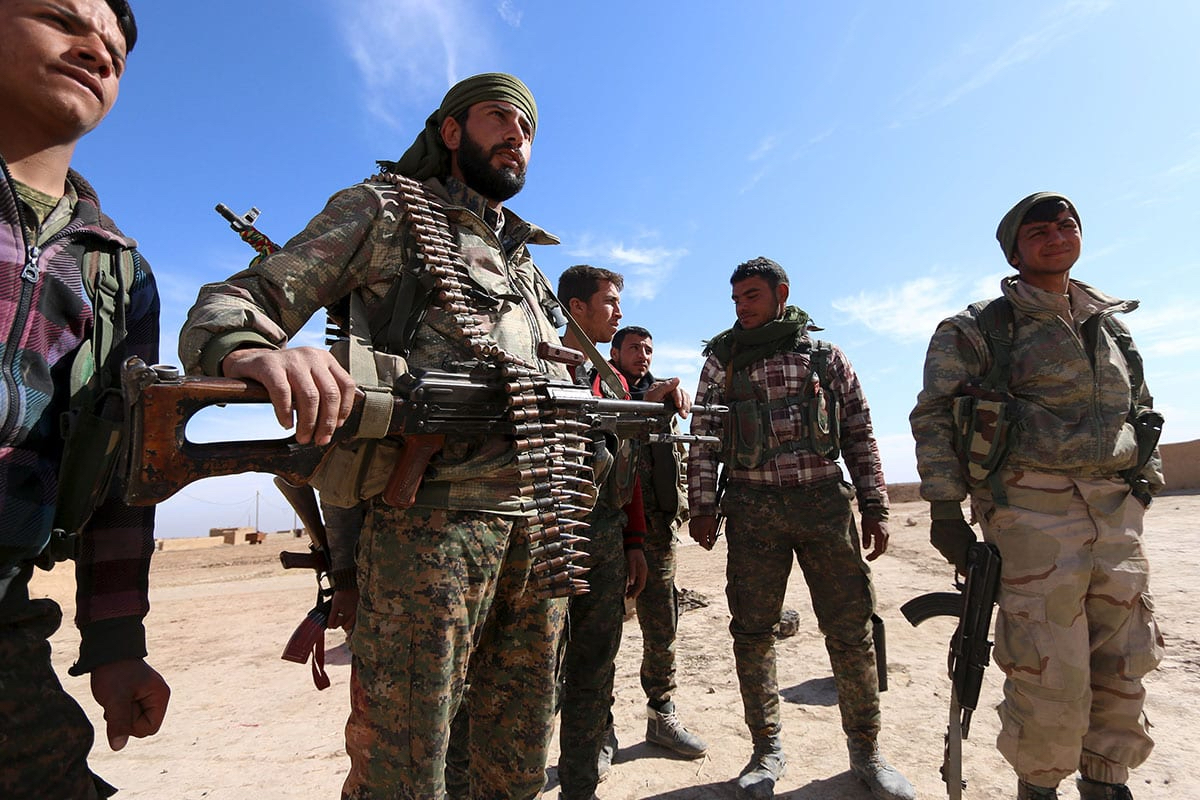
    This diplomatic breakthrough has manifested dramatically on the ground. Earlier this month, the Syrian military launched operations in Aleppo’s al-Ashrafiyah and Sheikh Maqsoud neighborhoods—territories long held by the US-backed Syrian Democratic Forces (SDF). Despite the SDF’s role as a key American partner in combating the Islamic State, US officials quietly endorsed Damascus’s advance, signaling growing frustration with the Kurdish-led group’s resistance to compromise.

    The subsequent ceasefire agreement, negotiated through US envoy Tom Barrack’s mediation with Syrian President Ahmed al-Sharaa, represents a strategic victory for Turkey. Under its terms, the SDF will be effectively dissolved as an autonomous armed entity, with fighters integrated individually into Syria’s state security apparatus after vetting procedures. The accord transfers control of critical oil and gas fields in eastern Syria to Damascus, eliminating the SDF’s primary revenue source while promising local infrastructure investment.

    Crucially, the agreement places Deir Ezzor and Raqqa under direct government control and returns all state institutions in Hasakah to central authority. The SDF will retain only limited internal security functions within Hasakah while handing border crossings to Syria’s military, positioning government troops along the Turkish border to address Ankara’s smuggling and infiltration concerns. The deal further requires the expulsion of all non-Syrian PKK members from SDF ranks.

    The development has notably weakened Israeli influence over the SDF while creating potential momentum for restarting Turkey’s stalled peace process with the PKK. Turkish officials have already distinguished between SDF pragmatism and what they characterize as “maximalist” positions from PKK leadership in Iraq’s Qandil mountains. With the Syrian file largely resolved, sources indicate renewed negotiations over disarmament and reintegration may follow, potentially strengthening the hand of conciliatory voices within the Kurdish movement.

  • US officials probing Minnesota ICE protest that disrupted church service

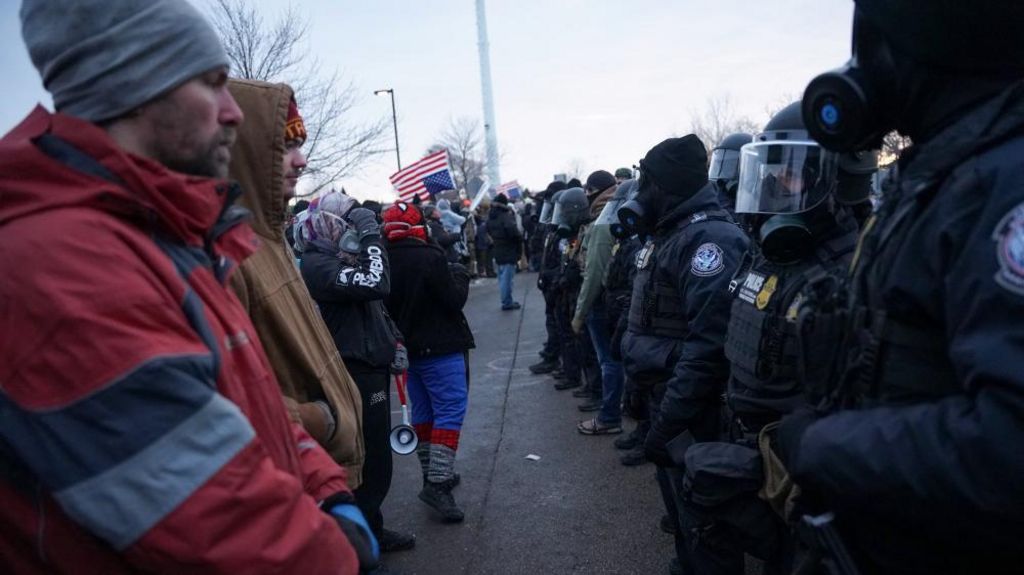
    US officials probing Minnesota ICE protest that disrupted church service

    Minneapolis remains embroiled in escalating tensions as anti-ICE demonstrations intensify following the January 7th fatal shooting of 37-year-old mother Renee Good by an Immigration and Customs Enforcement agent. The situation reached a new threshold when protesters disrupted a Sunday service at St. Paul’s Cities Church, chanting “ICE out” and demanding “Justice for Renee Good” while alleging one of the church’s pastors serves as a local ICE official.

    The U.S. Justice Department has initiated an investigation into the incident, with Attorney General Pam Bondi vowing to exercise the “full force of federal law” against demonstrators accused of “desecrating a house of worship.” Assistant Attorney General Harmeet Dhillon confirmed via social media that federal charges would be pursued in the case.

    According to Associated Press and Minnesota Star Tribune reports, a person identified as David Easterwood—matching the name of one of the church’s pastors—appears in ACLU court filings as acting director of ICE’s St. Paul field office. Easterwood was not present during the disrupted service, and the Department of Homeland Security maintains its policy of neither confirming nor denying agent identities for security reasons.

    The protests represent broader opposition to President Trump’s immigration crackdown, which has brought thousands of ICE agents to Minnesota following campaign promises of historic deportation operations. Monique Cullars-Doty, Black Lives Matter Minnesota co-founder and protest organizer, stated to CBS News that activists “can’t sit back idly and watch people go and be led astray.

    In a significant escalation, the Pentagon has placed 1,500 active-duty soldiers on standby for potential deployment after President Trump suggested invoking the Insurrection Act—a 19th-century law last used during the 1992 Los Angeles riots—to address the protests. Meanwhile, a federal judge has limited crowd control tactics ICE agents can use against peaceful demonstrators.

    Separately, the Justice Department has opened investigations into Minneapolis Mayor Jacob Frey and Minnesota Governor Tim Walz, both Democrats, for allegedly impeding federal immigration operations. The DHS reports approximately 3,000 arrests in Minneapolis since deployments began.

    The controversy stems from the death of Renee Good, a U.S. citizen and mother of three who was shot while observing ICE activities from her vehicle. While city officials maintain she was legally documenting operations, the Trump administration has labeled her a “domestic terrorist” and claims the agent acted in self-defense.

  • Kevin O’Leary praises ‘Marty Supreme’ co-star Timothée Chalamet for being ‘well-grounded, normal’

    Kevin O’Leary praises ‘Marty Supreme’ co-star Timothée Chalamet for being ‘well-grounded, normal’

    Shark Tank investor Kevin O’Leary has revealed remarkable insights about his co-star Timothée Chalamet’s character during their collaboration on the film ‘Marty Supreme.’ The business mogul turned actor expressed admiration for Chalamet’s ability to maintain normalcy despite achieving extraordinary Hollywood success.

    During an exclusive interview at the annual BAFTA Tea event, O’Leary detailed his observations of Chalamet’s professional conduct and personal temperament. The 71-year-old television personality emphasized that the young actor has remained completely unchanged by fame, describing him as ‘very well-grounded’ and ‘a very normal guy’ despite his skyrocketing career.

    O’Leary attributed Chalamet’s stability to strong family foundations, revealing he had personally met and spent time with the actor’s mother in New York. ‘He is focused on work… I think that’s a good attribute,’ O’Leary noted. ‘He hasn’t let any of the stardom stuff affect him at all. He’s the same guy I met at the beginning. Eight months later, he’s the same guy.’

    The businessman also expressed professional admiration for Chalamet’s dedication to his craft, particularly his method acting approach to portraying Marty Mauser, a ambitious ping-pong player. ‘I certainly saw what a method actor is like. That’s not how I work, but that’s how he works. And I think he was fantastic,’ O’Leary stated.

    In ‘Marty Supreme,’ O’Leary made his acting debut as Milton Rockwell, a wealthy New York businessman who develops a complex relationship with Chalamet’s character. The film has generated significant buzz within entertainment circles, with O’Leary’s comments providing unique perspective on one of Hollywood’s most prominent young talents.

  • Hungary’s MOL to buy Serbia’s Russia-owned NIS oil company if US approves

    Hungary’s MOL to buy Serbia’s Russia-owned NIS oil company if US approves

    In a significant development for Central European energy markets, Hungary’s MOL Group has announced a preliminary agreement to purchase a controlling 56.15% stake in Serbia’s primary oil supplier, Naftna Industrija Srbije (NIS), currently owned by Russia’s Gazprom Neft. The transaction, disclosed on Monday, requires explicit approval from the U.S. Office of Foreign Assets Control (OFAC) due to existing American sanctions against the Russian-owned company.

    The acquisition would substantially expand MOL Group’s regional footprint, granting control over Serbia’s sole oil refinery and nearly its entire petroleum market. Company Chairman and CEO Zsolt Hernadi emphasized the strategic importance, stating, “As a reliable regional energy provider, we would like to contribute to the development of Central and Southeastern Europe.”

    Concurrently, MOL is negotiating with Abu Dhabi National Oil Company (ADNOC) of the United Arab Emirates regarding potential minority shareholder participation. Serbian Energy Minister Dubravka Djedovic Handanovic confirmed the arrangement would increase Serbia’s stake in NIS by 5%, elevating its ownership from 29.87% to 34.87%.

    The proposed deal occurs against a complex geopolitical backdrop. Washington imposed sanctions on NIS in 2022 as part of broader measures targeting Russia’s energy sector, with these restrictions taking effect last October. OFAC has granted NIS a license to negotiate the sale until March 24, with the parties aiming to finalize the purchase agreement by March 31.

    Serbia’s position remains diplomatically delicate as the nation pursues European Union membership while maintaining strong ties with Moscow and refusing to implement Western sanctions against Russia following its invasion of Ukraine. Serbia originally sold the majority stake in NIS to Russia in 2008.

  • De Jong praises Remiro after Real Sociedad stun Barcelona

    De Jong praises Remiro after Real Sociedad stun Barcelona

    In a dramatic LaLiga showdown at the Reale Arena, Real Sociedad delivered a stunning 2-1 victory over league leaders Barcelona, snapping the Catalans’ impressive 11-match winning streak across all competitions. The match, played under challenging wet conditions, evolved into a tale of exceptional goalkeeping and remarkable misfortune for the visiting side.

    The breakthrough came in the 32nd minute when Mikel Oyarzabal expertly volleyed home from Goncalo Guedes’ precision cross. Barcelona’s relentless pressure finally yielded an equalizer in the 70th minute through substitute Marcus Rashford, who headed home Lamine Yamal’s delivery shortly after entering the pitch.

    However, Sociedad immediately reclaimed their advantage just sixty seconds later when Guedes unleashed a spectacular volley from Carlos Soler’s cross. The match took another dramatic turn when Soler received a straight red card in the 88th minute for a dangerous challenge on Pedri, reducing the hosts to ten men.

    The story of the match was written in Barcelona’s extraordinary misfortune, with the woodwork denying them on five separate occasions during the second half alone. Goalkeeper Alex Remiro emerged as the undeniable hero for Sociedad, producing a series of spectacular saves that kept the league leaders at bay throughout the match.

    Despite the setback, Barcelona maintains their position at the summit of LaLiga with 49 points, holding a narrow one-point advantage over rivals Real Madrid. The result opens up the title race while showcasing Sociedad’s capability to compete with Spain’s elite teams.

  • Senegalese fans celebrate dramatic Afcon win

    Senegalese fans celebrate dramatic Afcon win

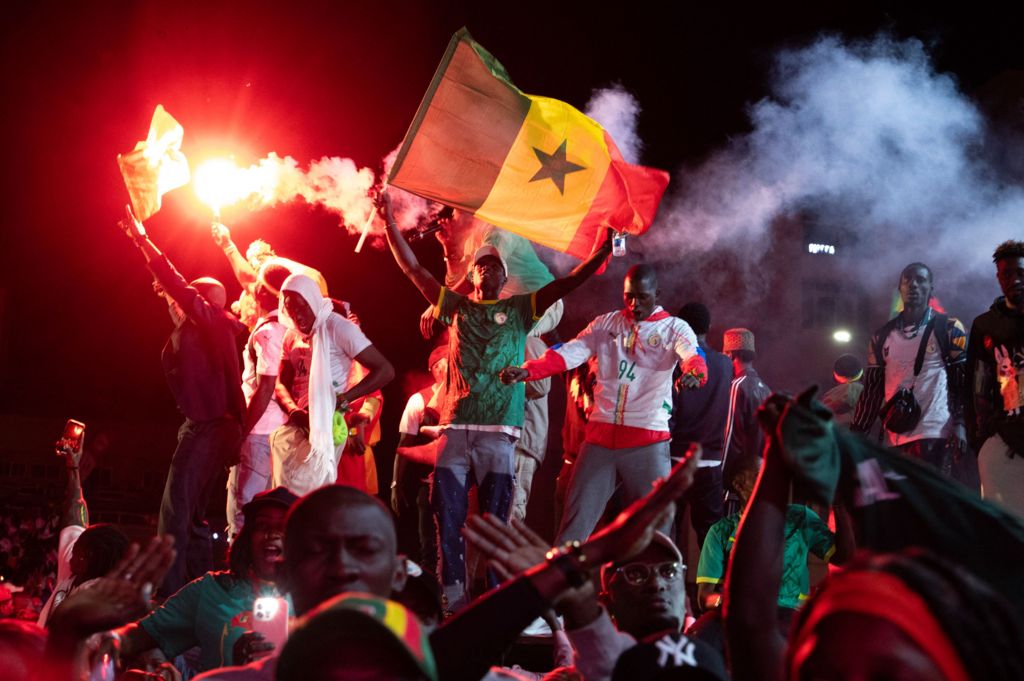
    Streets across Senegal transformed into vibrant arenas of celebration following the national football team’s climactic victory in the Africa Cup of Nations (AFCON). The air filled with a cacophony of cheers, car horns, and traditional music as an outpouring of national pride swept through the capital, Dakar, and communities nationwide.

    The triumph represents a monumental achievement in Senegalese sports history, marking a pinnacle moment for the team, long considered one of Africa’s football powerhouses. This victory is not merely a sporting success but a unifying event that has galvanized the nation, cutting across social and economic divides. The win is seen as the culmination of years of dedicated investment in football development and the stellar performance of a generation of world-class players.

    Spontaneous street parties continued late into the night, with fans draped in the national green, yellow, and red colors dancing and singing in collective euphoria. The impact of this victory extends beyond the pitch, offering a significant morale boost and a potent symbol of national unity and aspiration for the West African nation.

  • Kurdish autonomy falls, redrawing Syria’s geopolitical map

    Kurdish autonomy falls, redrawing Syria’s geopolitical map

    A dramatic geopolitical realignment unfolded in Syria over the weekend as the U.S.-backed Syrian Democratic Forces (SDF) experienced a rapid collapse. The coalition, predominantly composed of Kurdish YPG units with alleged ties to the PKK (designated as a terrorist organization by Turkey), disintegrated following coordinated defections among its Arab tribal partners.

    This development marks the effective termination of the SDF’s ambitious project to establish an autonomous region based on Abdullah Ocalan’s ‘democratic confederalist’ ideology—a socialist-liberal governance model that the United States had previously leveraged as a strategic wedge in the region. The group’s sudden reversal from controlling Syria’s vital agricultural, energy, and water resources to accepting a lopsided ceasefire that restores central state authority stems from three primary factors.

    First, the SDF’s governance model proved fundamentally incompatible with the authoritarian-Islamist tribal society of local Arab communities, creating enduring tensions that undermined its stability. Second, the withdrawal of U.S. military patronage under the Trump administration’s new National Security Strategy, which deprioritizes West Asian engagements, removed critical support that had previously prevented mass defections. Third, the Kurdish leadership miscalculated American reliability, failing to negotiate with the Assad government before abandonment.

    The collapse represents a significant geostrategic victory for Turkey, which eliminates a longstanding security threat from PKK-aligned forces. This development enables Ankara to advance its ambitions of expanding influence eastward into Central Asia while strengthening its position in Syria. The realignment also threatens Israeli interests and challenges Russian influence in the region.

    Emerging consequences include the potential formation of an ‘Islamic NATO’—a security alliance involving Turkey, Pakistan, Saudi Arabia, and possibly Egypt—that could extend military cooperation across the Levant and into Central Asia. The United States appears to tacitly endorse this development as a mechanism to maintain divisions within the Eastern Hemisphere, leveraging inherent frictions with Russia, India, Israel, and the European Union.

  • Italian fashion designer Valentino dies aged 93

    Italian fashion designer Valentino dies aged 93

    The fashion world mourns the passing of Italian design maestro Valentino Garavani, who died peacefully at his Roman residence on January 20th at age 93. Surrounded by family members, the legendary couturier’s departure marks the end of an era for haute couture. The Valentino Garavani and Giancarlo Giammetti Foundation confirmed the news through an official Instagram statement, announcing public viewings would be held at Piazza Mignanelli on January 21-22, followed by a funeral service at the Basilica of Saint Mary of the Angels and Martyrs.

    Born in Lombardy during May 1932, Valentino revolutionized twentieth-century fashion with his distinctive vision of luxury and opulence. His designs became synonymous with aristocratic elegance, characterized by lavish fabrics, meticulous craftsmanship, and his signature ‘Valentino red’—a vibrant crimson hue inspired by Spanish cultural aesthetics. The iconic fiesta dress, debuted in his groundbreaking collection, propelled the Valentino fashion house to international acclaim following its 1960 co-founding.

    Throughout his illustrious career, Valentino dressed generations of style icons from Jacqueline Kennedy Onassis and Elizabeth Taylor to contemporary Hollywood stars including Julia Roberts, Gwyneth Paltrow, and Jennifer Lopez. His designs consistently embodied red-carpet glamour rather than utilitarian fashion, with former British Vogue editor Alexandra Shulman noting his creations represented ‘fabulous gowns’ rather than office attire.

    Valentino’s recent recognition with the Outstanding Achievement Award at the December 2023 British Fashion Awards underscored his enduring influence. Despite evolving fashion trends, the designer maintained his commitment to classical beauty and refined elegance, cultivating lifelong relationships with celebrity clients. His final 2007 collection featured an all-red finale, paying homage to the color that defined his six-decade legacy.

  • Japan PM Sanae Takaichi calls snap election on February 8

    Japan PM Sanae Takaichi calls snap election on February 8

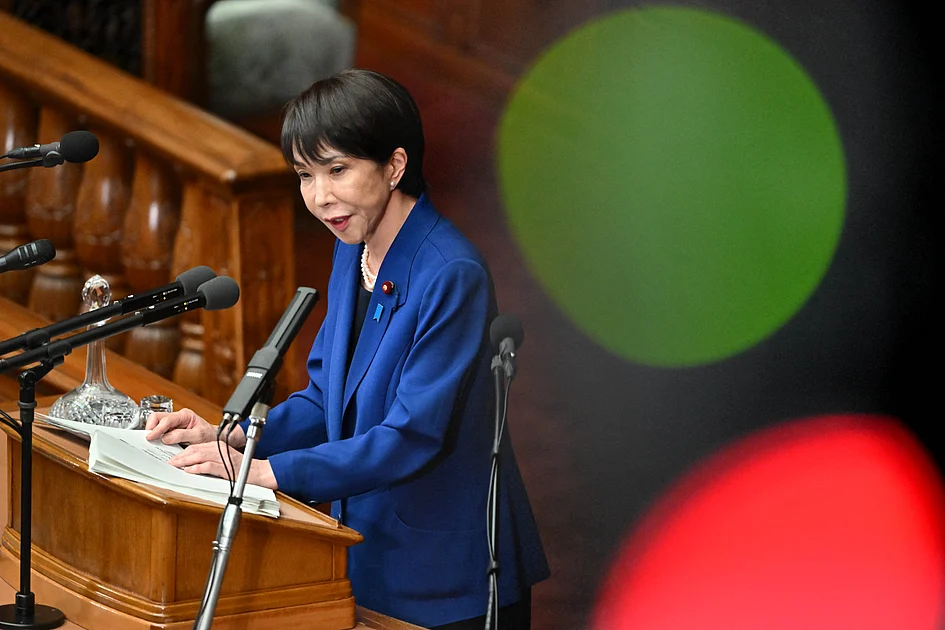
    In a strategic political maneuver, Japanese Prime Minister Sanae Takaichi has announced a snap general election scheduled for February 8, marking a pivotal moment for both her leadership and the nation’s political trajectory. The lower house of parliament will officially dissolve on January 23, with campaigning commencing January 27 ahead of the February vote.

    Japan’s first female leader, riding remarkably high approval ratings for her cabinet despite her Liberal Democratic Party’s declining popularity, aims to secure a stronger mandate for her policy agenda. The ruling coalition—comprising the LDP and junior partner Japan Innovation Party—currently maintains only a slender majority in the powerful lower chamber, creating legislative obstacles for Takaichi’s ambitious plans regarding substantial fiscal stimulus and defense budget enhancements.

    Political analysts suggest the election timing serves multiple strategic purposes. Domestically, a stronger majority would empower Takaichi to advance her record 122.3-trillion-yen ($768 billion) budget proposal for fiscal year 2026 without requiring significant concessions to opposition parties. The budget, designed to combat persistent inflation and stabilize the world’s fourth-largest economy, faces potential delays due to the election timeline, drawing criticism from opposition figures who argue the government is prioritizing political maneuvering over economic stability.

    Internationally, the snap election provides Takaichi with increased leverage in ongoing tensions with China. Relations between Tokyo and Beijing have deteriorated significantly since November, when Takaichi suggested potential Japanese military intervention should China attack Taiwan. China has responded with trade restrictions, including bans on dual-use goods with military applications and reported constraints on rare-earth exports vital to Japanese manufacturing.

    The election landscape features an unusual alliance between the main opposition Constitutional Democratic Party and Komeito (the LDP’s former coalition partner), who have joined forces to challenge Takaichi’s administration. Meanwhile, populist parties like Sanseito have gained traction with anti-immigration rhetoric despite Japan’s minimal foreign-born population.

    Professor Emeritus Sadafumi Kawato of the University of Tokyo noted that an independent LDP majority would significantly enhance Takaichi’s policy implementation capabilities. However, National Graduate Institute for Policy Studies Dean Mikitaka Masuyama warned that electoral success could provoke intensified pressure from Beijing, potentially through additional trade measures designed to demonstrate the costs of supporting hawkish leadership.

  • Chile wildfires rage for third day, entire towns wiped out

    Chile wildfires rage for third day, entire towns wiped out

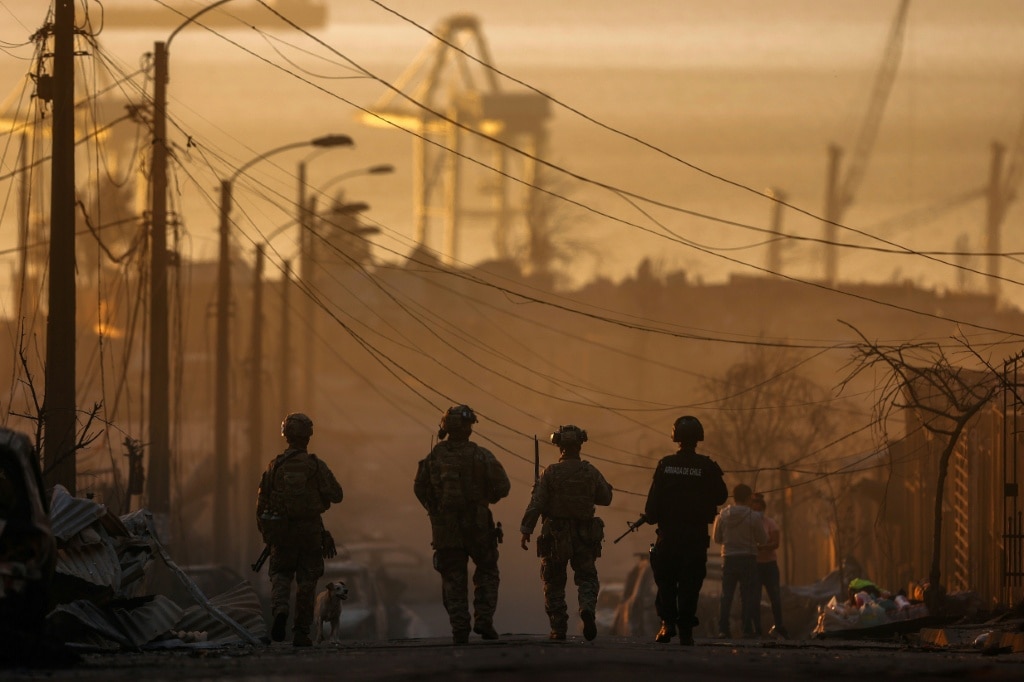
    Southern Chile is grappling with a devastating wildfire catastrophe that has claimed at least 19 lives and obliterated entire communities, with infernos continuing their destructive path for a third consecutive day. The disaster zones in Nuble and Biobio regions, approximately 500 kilometers south of Santiago, have been declared emergency areas, triggering military deployment and nighttime curfews in the most severely affected localities.

    Residents described harrowing escapes as walls of flame engulfed neighborhoods. Yagora Vasquez, a Lirquen port town inhabitant, recounted her frantic evacuation: “The situation turned horrific. I desperately tried to saturate my home with water, but witnessing the advancing flames forced us to flee immediately with my seven-year-old son and our dog.” The aftermath reveals landscapes of devastation—charred vehicles line streets where homes once stood, with survivors sifting through ashes to recover fragments of their lives.

    The meteorological conditions have significantly complicated firefighting efforts, with winds exceeding 70 kilometers per hour and temperatures approaching 30°C (86°F). Despite brief nocturnal respites, authorities confirm that the most critical blazes remain uncontained. President Gabriel Boric warned citizens via social media platform X about anticipated unfavorable weather patterns that could reactivate smoldering hotspots throughout the day.

    This environmental disaster echoes previous tragedies in the region. Many residents had relocated to these areas following the devastating 2010 tsunami that claimed over 500 lives, only to confront a different elemental threat. Mareli Torres, whose two-story home was reduced to blackened walls, contrasted the experiences: “This firewave proved far more destructive than the ocean surge. The earthquake brought devastation, but these fires have created unimaginable destruction.

    Scientific research from Santiago’s Center for Climate and Resilience Research demonstrates that climate change has fundamentally altered fire dynamics in south-central Chile. The 2024 study establishes that long-term warming and drying trends have created conditions conducive to extreme wildfire seasons. This pattern has manifested repeatedly in recent years, with February 2024 fires near Viña del Mar causing 138 fatalities and unprecedented land area destruction during the 2016/17 and 2022/23 fire seasons.

    The regional dimension of this crisis extends beyond Chilean borders, with Argentine Patagonia reporting over 15,000 hectares consumed by wildfires in recent days, highlighting the broader environmental challenges facing southern South America.