博客

  • India’s central bank proposes linking BRICS’ digital currencies, sources say

    India’s central bank proposes linking BRICS’ digital currencies, sources say

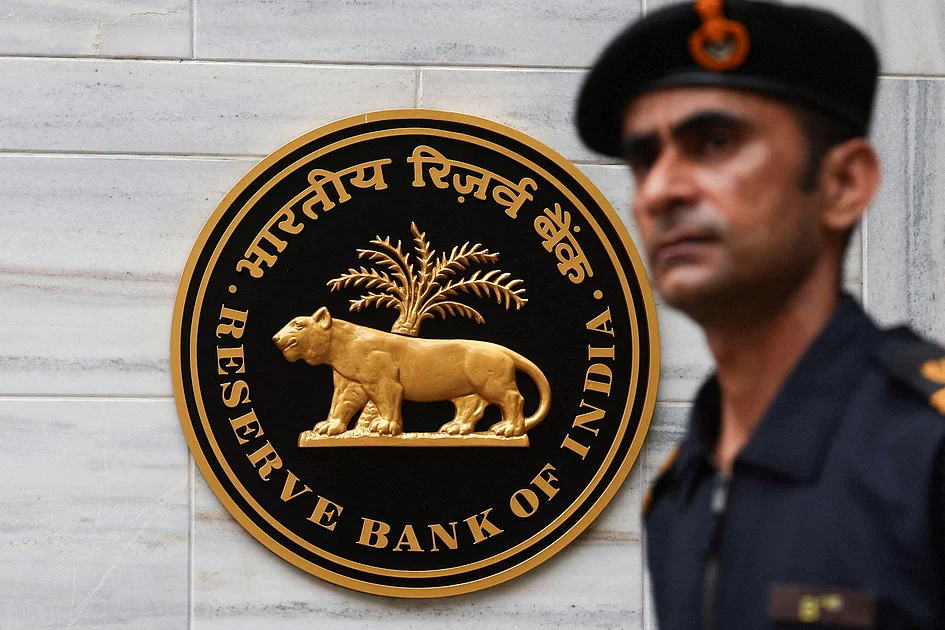
    In a strategic move that could reshape global financial architecture, India’s central bank has advanced a proposal to interconnect the digital currencies of BRICS nations, according to sources familiar with the matter. The Reserve Bank of India (RBI) has recommended including this initiative on the agenda for the 2026 BRICS summit, which India will host later this year.

    The proposal aims to establish technological linkages between central bank digital currencies (CBDCs) of BRICS members—Brazil, Russia, India, China, and South Africa—to facilitate seamless cross-border trade and tourism payments. This development marks the first formal effort to create a multilateral digital currency framework within the bloc, potentially reducing dependency on the U.S. dollar amid escalating geopolitical tensions.

    This initiative builds upon the 2025 BRICS declaration in Rio de Janeiro that advocated for payment system interoperability among member states. While none of the BRICS nations have fully launched their digital currencies, all five core members are conducting advanced pilot projects. India’s e-rupee has attracted approximately 7 million retail users since its December 2022 debut, while China has been aggressively promoting international usage of its digital yuan.

    The RBI has publicly expressed interest in currency linking mechanisms to accelerate cross-border transactions and enhance the global footprint of its currency, though officials maintain these efforts are not explicitly aimed at de-dollarization. Technical and regulatory challenges remain significant, including the need for interoperable technology platforms, governance frameworks, and mechanisms to address trade imbalances.

    Sources indicate that bilateral foreign exchange swap arrangements between central banks are being considered to manage potential trade imbalances. The proposal also contemplates weekly or monthly settlement mechanisms through these swaps. However, progress may be hindered by member states’ reluctance to adopt technological platforms from other countries, requiring consensus on both technical standards and regulatory approaches.

    The initiative emerges against a backdrop of renewed trade tensions, with former U.S. President Donald Trump having previously characterized the BRICS alliance as “anti-American” and threatening tariffs against member states. Previous attempts to deepen economic cooperation within BRICS, including a proposed common currency, have encountered substantial obstacles.

    The RBI has positioned its e-rupee as a regulated alternative to stablecoins, with Deputy Governor T Rabi Sankar recently highlighting concerns about stablecoins’ potential to facilitate illicit payments, undermine monetary stability, and fragment national payment ecosystems.


  • Japan, US narrow first $550 bln investment picks, including SoftBank-linked plan, sources say

    Japan, US narrow first $550 bln investment picks, including SoftBank-linked plan, sources say

    Japan and the United States have accelerated bilateral negotiations to identify inaugural projects under a monumental $550 billion investment initiative, with a major SoftBank Group infrastructure venture emerging as a leading candidate, according to sources familiar with the discussions.

    The investment framework, originally conceived as part of broader trade negotiations between Tokyo and Washington, represents a strategic economic partnership designed to strengthen supply chain resilience and mutual economic interests. Four individuals with direct knowledge of the proceedings confirmed that governmental committees have intensified deliberations to finalize project selections ahead of Japanese Prime Minister Sanae Takaichi’s anticipated spring visit to the United States.

    Among the shortlisted ventures is a substantial data center development project connected to SoftBank Group, though the technology conglomerate has not publicly commented on its potential involvement. The investment package will incorporate multifaceted financial instruments including direct equity positions, loan facilities, and guarantee mechanisms administered through Japan’s state-owned financial institutions.

    The Japan Bank for International Cooperation (JBIC) and Nippon Export and Investment Insurance (NEXI) will serve as primary vehicles for deploying capital, with preliminary discussions already underway with major Japanese financial institutions regarding co-financing arrangements. Since December, bilateral consultation committees featuring representatives from multiple U.S. departments (Commerce and Energy) and Japanese ministries (Foreign Affairs, Finance, and Industry) have conducted four substantive meetings to evaluate potential investments.

    The final selection process will involve recommendations from a U.S.-led investment committee headed by the Commerce Secretary to President Donald Trump, who retains ultimate authority over project approvals. Japanese officials have emphasized their commitment to advancing the initiative irrespective of pending Supreme Court rulings regarding the legality of presidential tariff authorities, characterizing the investment partnership as a mutually beneficial strategy for strengthening critical supply chains beyond temporary trade disputes.

  • China launches long march 12 rocket, deploys satellites for expanding space network

    China launches long march 12 rocket, deploys satellites for expanding space network

    China has advanced its ambitious space-based internet network with the successful deployment of a new satellite cluster via the Long March 12 carrier rocket. The launch occurred at 3:48 PM local time on Monday from the Hainan International Commercial Aerospace Launch Center in Wenchang, marking a significant milestone in China’s commercial space capabilities.

    Beijing-based GalaxySpace, the satellite manufacturer, confirmed the successful orbital insertion of what constitutes the 19th batch of low-orbit hardware for China’s national space internet initiative. The newly deployed satellites feature sophisticated technology including advanced phased array systems, millimeter-wave antennas, and integrated electronics, enhancing the network’s communication capabilities.

    This launch expands China’s operational satellite constellation to over 150 units in low Earth orbit. The complete system, designed to provide global internet coverage, is projected to eventually comprise approximately 13,000 satellites, positioning it as a direct competitor to SpaceX’s Starlink network.

    The mission also showcased the technical prowess of the Long March 12, developed by the Shanghai Academy of Spaceflight Technology. Notably, the rocket features a 3.8-meter diameter—breaking from China’s standard 3.35-meter rocket design established in the 1960s. Standing at 62.6 meters, it ranks as the second tallest rocket in China’s fleet, surpassed only by the Long March 5 at 62.8 meters.

    This achievement represents China’s seventh space mission of 2026 and the 628th overall flight of the Long March rocket series, demonstrating the country’s accelerating pace in space infrastructure development.

  • Freed but not free: Ex-Palestinian prisoners face Israeli harassment and raids

    Freed but not free: Ex-Palestinian prisoners face Israeli harassment and raids

    A pattern of systematic intimidation and surveillance is targeting Palestinians released under prisoner exchange agreements with Israel, according to multiple testimonies and reports. The phenomenon has transformed supposed freedom into a state of perpetual anxiety for many former detainees.

    Salama Qatawi’s experience exemplifies this reality. Shortly before his wedding ceremony in Birzeit, Israeli forces conducted a raid on his home, resulting in his temporary re-arrest. This incident occurred merely hours before his scheduled marriage, with military checkpoints subsequently established outside the wedding venue to delay arriving guests. Since his February release, Qatawi has endured over fifteen home invasions and repeated interrogation summonses.

    This treatment is not isolated. Nearly 4,000 Palestinians gained freedom through phased prisoner exchanges between November 2023 and October 2025, yet many face ongoing restrictions. The Palestinian Prisoners Club documents that 80 released individuals have been re-arrested, while numerous homes—including those of deportees abroad—have been raided and vandalized as intimidation tactics.

    Released prisoners receive explicit warnings against political engagement, public gatherings, and media interactions. Raghad al-Fani, 26, experienced this directly when detained on January 1 under a six-month administrative detention order—renewable indefinitely—despite having been freed in November 2023. Her mother revealed that Fani had confined herself to her hometown of Tulkarm, avoiding travel between cities due to re-arrest fears.

    Iyad Jaradat’s case further illustrates the psychological impact. After twenty-two years of imprisonment, including extended solitary confinement, Jaradat described feeling like “a stranger” in his community. He sleeps in outdoor clothing anticipating nighttime raids and has been prohibited from practicing his trained barbering profession. “I haven’t yet tasted the freedom I imagined; every step I take is scrutinized,” Jaradat told Middle East Eye.

    Amani Sarahneh, media spokesperson for the Palestinian Prisoners Club, identifies this as a deliberate strategy targeting individuals with symbolic, social, or media influence. The objective appears to be spoiling their joy and reinforcing that “the occupation’s hand is long,” even after release. This approach continues a policy shift initiated in 2014 when many prisoners released in the Gilad Shalit exchange were re-arrested with reinstated sentences.

    Palestinian negotiators previously sought guarantees against re-arrest, but recent talks focused on ending hostilities and facilitating aid to Gaza made such assurances impossible. For many like Jaradat, this absence of protection has led to questioning whether deportation might have been preferable to their current open-ended form of imprisonment.

  • Global gathering transforms Yixing village into youth hub

    Global gathering transforms Yixing village into youth hub

    The tranquil Zhangyang village in Yixing, a county-level city within Wuxi, Jiangsu province, underwent a remarkable transformation from January 16-18 as it hosted the inaugural Yixing International Youth Festival. This groundbreaking gathering attracted approximately 520 young participants representing diverse international backgrounds, including France, Italy, and the United States.

    The festival served as a dynamic platform for cross-cultural exchange and entrepreneurial collaboration, featuring specialized forums that addressed youth entrepreneurship and innovation. Among the distinguished participants was Alessandro Martini, an influential Italian social media personality, who contributed his insights during the Youth Entrepreneurship Forum discussions.

    This international convergence has effectively repositioned the traditionally quiet village as an emerging epicenter for global youth engagement. The event’s organization demonstrates Yixing’s strategic initiative to foster international connections and create meaningful opportunities for the younger generation to exchange ideas, develop professional networks, and explore collaborative ventures across cultural boundaries.

    The successful execution of this festival establishes a new precedent for rural communities seeking to engage with international audiences while maintaining their cultural identity. The convergence of global perspectives within this local setting has created unique synergies that benefit both international participants and the local community, suggesting potential for continued growth as a destination for youth-oriented international events.

  • Floods in Mozambique displace more than 300,000 people in one province, governor says

    Floods in Mozambique displace more than 300,000 people in one province, governor says

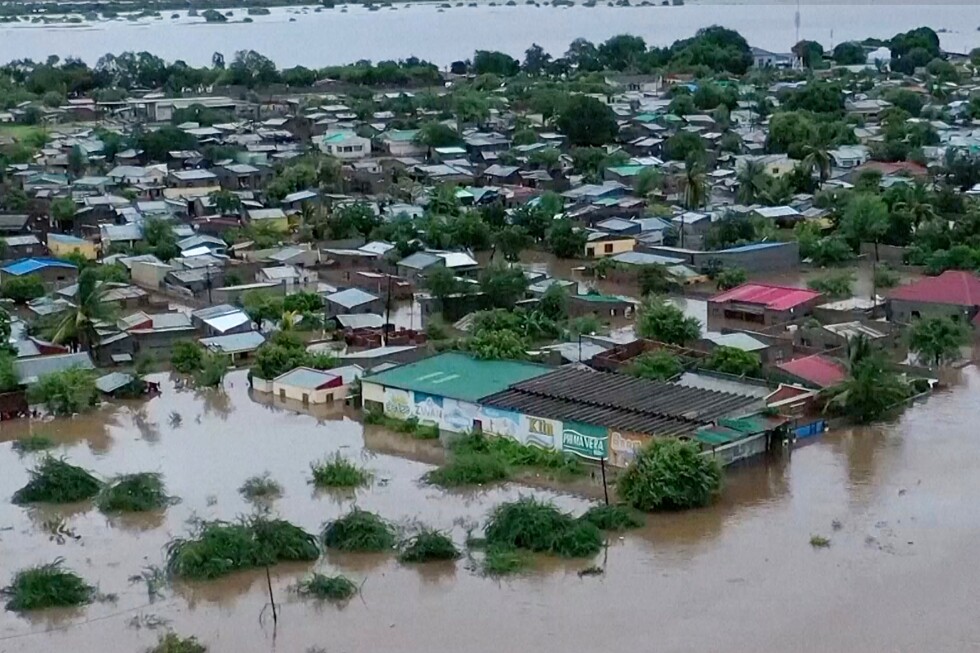
    Mozambique is confronting a severe humanitarian emergency as torrential rainfall across southern Africa has triggered devastating floods, displacing more than 300,000 people in Gaza province alone. Provincial Governor Margarida Mapandzene Chongo confirmed Monday that approximately 327,000 residents have sought refuge in temporary shelters established in schools and churches after fleeing submerged communities.

    The crisis has escalated to such severity that President Daniel Chapo canceled his scheduled appearance at the World Economic Forum in Davos, Switzerland, to oversee national response efforts. According to state-run newspaper Noticias, the flooding has severely impacted central and southern regions of the country, with Gaza province experiencing particularly catastrophic conditions.

    Government spokesperson and Cabinet Minister Inocencio Impissa revealed that nearly 600,000 people have been affected across Gaza and neighboring Maputo provinces, significantly exceeding initial humanitarian projections of 200,000 impacted individuals. The provincial capital of Xai-Xai, home to approximately 115,000 residents, now faces imminent danger as authorities issue urgent evacuation orders for lower-lying areas adjacent to the overflowing Limpopo River.

    Visual evidence from the city’s official Facebook page depicts streets transformed into raging waterways, while imagery from the nearby town of Chokwe shows floodwaters completely submerging buildings, with only rooftops remaining visible above the waterline.

    The disaster forms part of a broader regional catastrophe that has claimed over 100 lives across Mozambique, South Africa, and Zimbabwe following weeks of relentless rainfall. Mozambican authorities attribute the worsening conditions to overflowing rivers originating in northern South Africa that subsequently breach their banks upon entering Mozambique.

    Governor Chongo warned that the situation ‘is likely to worsen’ due to heavy precipitation in southern Zimbabwe that will ultimately flow toward Gaza province. The National Institute for Disaster Risk Reduction has issued a countrywide red alert—the highest emergency warning level—as rescue operations intensify.

    Coordination efforts have already facilitated the helicopter rescue of approximately 110 people trapped in trees or elevated locations on Sunday, including vulnerable children, elderly individuals, and a pregnant woman nearing labor.

    Transport and Logistics Minister João Matlombe reported that 40% of Gaza province remains underwater, with 152 kilometers of roads completely destroyed and over 3,000 kilometers damaged nationwide. Preliminary damage assessments suggest recovery costs could reach hundreds of millions of dollars, mirroring the approximately $250 million in damages reported in affected South African provinces.

  • China’s wedding dress sellers pin hopes on rise in marriages

    China’s wedding dress sellers pin hopes on rise in marriages

    China’s wedding industry is experiencing a notable resurgence as new government policies and cultural factors reverse a decade-long decline in marriage rates. According to recent data from the Ministry of Civil Affairs, marriage rates increased by 8.5% during the first nine months of 2025, marking a significant shift in the country’s demographic landscape.

    The turnaround follows a particularly poor showing in 2024, which many Chinese couples considered an inauspicious year for marriage. Chen Juan, co-owner of Luoyi Bridal in Suzhou’s massive Huqiu Bridal City, explains: “Many couples deliberately postponed their weddings to 2025, which is viewed as more favorable for marriage.”

    A key policy change implemented in May 2025 has further stimulated the recovery. The new regulation allows couples to marry anywhere in China rather than being restricted to their place of residence. This reform has triggered a competitive response among local governments, with many establishing pop-up registration offices at scenic spots, music festivals, shopping malls, and even subway stations to attract marriage tourism.

    Despite the positive trends, vendors remain cautiously optimistic. Zhu Jiaomei, a 31-year-old custom gown seller, emphasizes that economic factors outweigh specific wedding policies: “The most important thing is that the economy improves, and everyone has confidence in the future. Current budgets are commonly half of what we saw before the COVID-19 pandemic.”

    The high cost of marriage and childrearing continues to deter many young Chinese. In response, some municipalities have introduced cash vouchers for newlyweds to offset expenses. For parents like wedding shoe seller Cheng Yonggui, the financial pressures are deeply personal. With two sons approaching marriageable age, she faces the prospect of providing apartments, cars, and potentially dowries that could cost “at least a million yuan per son.”

    While the Year of the Horse brings cultural optimism for success, industry professionals agree that sustained economic improvement and additional government incentives will be crucial for maintaining the marriage rebound beyond temporary factors.

  • Syrian army deploys in Deir Ezzor as ceasefire redraws control in the north

    Syrian army deploys in Deir Ezzor as ceasefire redraws control in the north

    In a significant strategic shift, Syrian government forces commenced deployment across eastern Deir Ezzor province on Monday following the withdrawal of Kurdish-led Syrian Democratic Forces (SDF). This military movement implements a ceasefire agreement announced by Syrian President Ahmed al-Sharaa, effectively ending several days of intense clashes that saw government troops and allied tribal factions capture substantial territories in northeast Syria.

    The breakthrough follows weekend advances that compelled the SDF to accept a comprehensive 14-point accord, bringing Kurdish civilian and military institutions under Damascus’s central authority. The agreement mandates immediate transfer of administrative and military control over Deir Ezzor and Raqqa provinces to the Syrian government—a notable concession previously rejected by Kurdish authorities. Additional provisions include integration of Hasakah’s civilian institutions into state bodies, removal of heavy weaponry from Ain al-Arab (Kobani), and government assumption of control over border crossings and hydrocarbon resources.

    Despite the ceasefire, tensions persist as the Syrian army reported three soldiers killed in attacks attributed to Kurdish forces, with additional casualties occurring in separate incidents. The army statement accused “terrorist groups” of attempting to disrupt the agreement’s implementation, while the SDF conversely claimed government forces launched attacks against their fighters across northern regions.

    Concurrently, violent clashes erupted near a Raqqa prison housing Islamic State detainees, highlighting the fragile security situation. The interior ministry confirmed organized deployment operations across eastern Deir Ezzor towns and villages, while the army secured strategic infrastructure including the Tishrin Dam and areas across northern Raqqa and western Hasakah.

    Regional reactions emerged swiftly, with Turkey and Saudi Arabia welcoming the agreement for its potential to restore stability and strengthen institutional governance. In Washington, Senator Lindsey Graham offered cautious endorsement while raising concerns about consultation with regional allies including Israel and Turkey’s involvement.

    SDF leader Mazloum Abdi characterized the withdrawal from contested provinces as necessary to prevent further bloodshed and avert civil war, acknowledging significant losses while vowing to defend the group’s achievements. Commander Sipan Hamo emphasized the SDF isn’t seeking separation from Syria but requested international guarantees, specifically expressing hope that Israel would extend to Kurds the same protective stance it previously showed toward Syria’s Druze minority.

  • How a bout of food poisoning helped Ben Affleck while filming for ‘Armageddon’

    How a bout of food poisoning helped Ben Affleck while filming for ‘Armageddon’

    In a surprising revelation about Hollywood’s behind-the-scenes challenges, Academy Award winner Ben Affleck has disclosed how a severe bout of food poisoning unexpectedly contributed to his performance in the 1998 sci-fi blockbuster ‘Armageddon.’ During a recent interview with Fox 32 Chicago, the actor recounted the physically demanding circumstances surrounding one of the film’s most emotionally charged scenes.

    Affleck described being struck by food poisoning during the filming of his character’s heartfelt farewell to Bruce Willis’ character, Harry Stamper. Despite his debilitating condition, the then-less-experienced actor felt compelled to report to work rather than request a day off. ‘I wasn’t an experienced enough actor at that point to know that you can just pick up the phone and be like, ‘I’m too sick to work today,” Affleck explained. His commitment led to the extraordinary situation of vomiting between takes—an experience he noted was unique in his entire career.

    The actor humorously reflected that his genuine physical distress ultimately enhanced the emotional authenticity of the scene. In this pivotal moment, Affleck’s character AJ Frost bids farewell to Willis’ self-sacrificing oil driller who remains aboard an asteroid to manually detonate a nuclear device saving Earth from destruction.

    Directed by Michael Bay, ‘Armageddon’ featured an ensemble cast including Billy Bob Thornton, Liv Tyler, Will Patton, Steve Buscemi, William Fichtner, Owen Wilson, and Michael Clarke Duncan. The film became a cultural phenomenon and remains a notable entry in the disaster movie genre, with Affleck’s revelation adding a new layer to its production history.

  • China’s prosecutors intensify crackdown on crime, charge 1.27 million in first 11 months of 2025

    China’s prosecutors intensify crackdown on crime, charge 1.27 million in first 11 months of 2025

    China’s Supreme People’s Procuratorate has unveiled comprehensive law enforcement statistics demonstrating a substantial escalation in judicial actions against criminal activities throughout 2025. Judicial authorities approved the arrest of 604,000 suspected criminals and formally prosecuted approximately 1.27 million individuals during the January-November period, according to official announcements made at the annual procuratorial work conference in Beijing.

    The national judicial strategy emphasized a dual approach balancing developmental needs with security imperatives, implementing a nuanced policy that combines punitive measures with rehabilitative approaches. This coordinated effort focused particularly on combating organized criminal networks, resulting in the prosecution of 8,528 gang-affiliated criminals and 58 individuals identified as their protectors.

    Public security offenses received heightened attention, with prosecutors bringing charges against 446,000 people involved in various criminal activities including pornography distribution, illegal gambling operations, narcotics-related crimes, theft, armed robbery, and financial fraud schemes. Workplace safety interventions led to 4,014 prosecutions, while specialized operations targeting cross-border telecommunications and internet fraud resulted in 62,000 suspects facing formal charges.

    Cyberspace governance emerged as a priority area, with prosecutors actively addressing online rumors, cyberbullying incidents, and coordinated misinformation campaigns. Enhanced digital oversight mechanisms facilitated the prosecution of 166,000 individuals involved in cybercrimes, alongside 5,440 cases concerning personal information violations.

    The anti-corruption campaign maintained its momentum, with procuratorial organs processing 27,000 duty-related criminal cases transferred by supervisory commissions—representing an 11.3% year-on-year increase—and ultimately prosecuting 26,000 suspects involved in corruption activities.