博客

  • Canada’s Carney stresses unity in the face of challenges at home

    Canada’s Carney stresses unity in the face of challenges at home

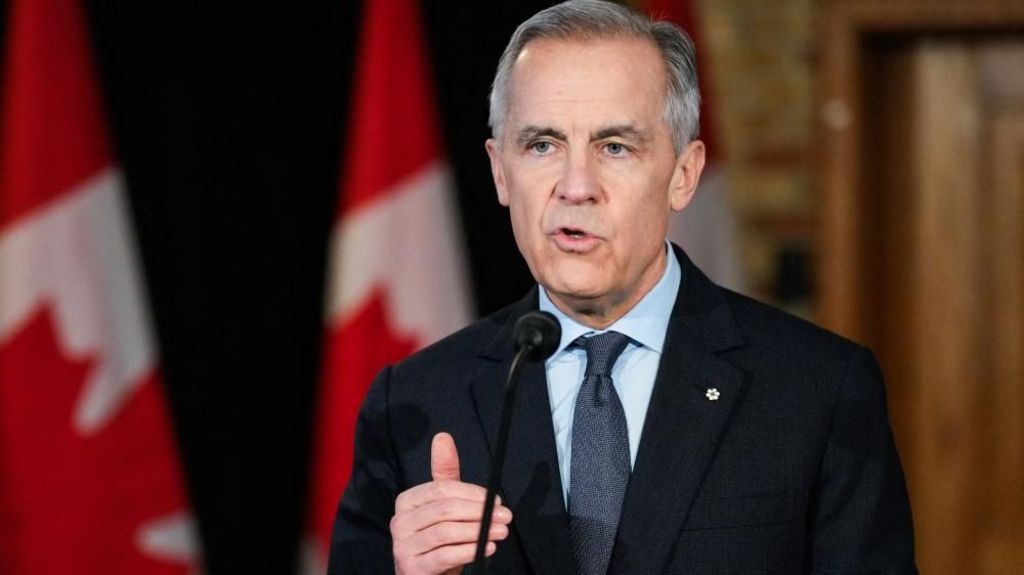
    In a powerful address delivered at the historic La Citadelle fortress in Quebec City, Canadian Prime Minister Mark Carney issued a resounding call for national unity while articulating a bold vision for Canada’s role in an increasingly fragmented global landscape. The speech, marking his first major domestic appearance following controversial remarks at the World Economic Forum in Davos, served as both a unifying message to Canadians and a defiant assertion of national sovereignty.

    Speaking before his federal cabinet at the 19th-century military stronghold originally built to defend against foreign invasion, Carney outlined ambitious plans to strengthen Canada’s economy amid worldwide instability. He emphasized the urgent need for decisive action, stating his government would ‘execute, fairly and fast’ to address pressing economic challenges and cost-of-living concerns through breaking down domestic trade barriers, accelerating major projects, and pursuing trade agreements with non-US allies.

    The Prime Minister delivered a pointed rebuttal to recent comments by U.S. President Donald Trump, who had asserted that ‘Canada lives because of the United States.’ While acknowledging the remarkable partnership between the two nations, Carney firmly declared: ‘Canada doesn’t live because of the United States. Canada thrives because we are Canadians.’ This statement underscored his commitment to defending Canadian values in what he described as a ‘divided’ world.

    Carney expanded on themes previously introduced in Davos, where he had warned that the rules-based international order ‘is not coming back’ and urged middle powers to resist economic coercion by greater powers. Though not mentioning Trump by name, he indicated that the previous ‘bargain’ involving American hegemony had become obsolete.

    The speech has drawn mixed reactions internationally. While Mexican President Claudia Sheinbaum praised Carney’s stance as ‘in tune with current times,’ U.S. Commerce Secretary Howard Lutnick accused Canada of arrogance and characterized the Prime Minister’s position as ‘political marketing’ designed for domestic consumption. Lutnick warned that Canada was jeopardizing its privileged trade relationship with the United States, particularly as both nations prepare to renegotiate the USMCA agreement.

    Domestically, opposition figures have challenged Carney to translate his rhetoric into concrete action. Conservative MP Michelle Rempel Garner emphasized that simply re-announcing projects or creating new bureaucracies would be insufficient following such strong international statements.

    The address concluded an eight-day international trip that included stops in Qatar and China, where Carney secured agreements to reduce tariffs and increase foreign investment in Canada. Recent polling indicates approximately half of Canadians view the Prime Minister favorably, with 47% expressing approval of his government’s performance.


  • Safer, cheaper, smarter? What Dubai’s new shared school rides mean for families

    Safer, cheaper, smarter? What Dubai’s new shared school rides mean for families

    Dubai is embarking on a transformative pilot program that could redefine the daily school commute for thousands of families. The Roads and Transport Authority (RTA), in collaboration with Yango Group and Urban Express Transport, is launching a shared, tech-enabled SUV service specifically for students aged 14 and above. This initiative directly targets the chronic congestion plaguing school zones, particularly in the Al Barsha education hub, where morning and afternoon traffic routinely spikes.

    The operational model groups students from neighboring households, even those attending different schools, into luxury SUVs. Routes are meticulously mapped using real-time data and synchronized with school schedules, with a strict commitment to keeping each journey under 60 minutes. A central feature for parents is a dedicated application that provides live vehicle tracking and advanced notifications for precise pick-up and drop-off times, injecting a new level of predictability into hectic mornings.

    Financially, the pilot is introduced at a special rate of Dh1,000 per student per month. The RTA estimates this pooled model could be approximately 15% more cost-effective than traditional school transport when factoring in fuel, time lost in traffic, and standard bus fees.

    Safety and safeguarding are paramount concerns addressed by the initiative. All drivers undergo rigorous vetting, and vehicles are subject to stringent safety checks and continuous tech monitoring. Partner schools, including prominent institutions like Brighton College Dubai and Dubai American Academy, are actively involved in establishing protocols for age-appropriate seating and behavior. Simon Crane, Headmaster of Brighton College Dubai, emphasized the school’s close collaboration with providers to ensure the highest standards of student welfare.

    While some parents express hesitation, preferring the ‘tried and tested’ traditional school bus, others see significant potential. Working parents highlight the promise of reduced stress and time savings. Traffic expert Thomas Edelmann of RoadSafetyUAE endorsed the scheme, noting that a single shared vehicle can remove up to 50 private cars from the road during critical peak hours, offering a substantial benefit to public congestion and sustainability. If successful, the RTA plans a city-wide expansion for the 2026-27 academic year.

  • BTS fans warned of fake websites ahead of World Tour ticket presale

    BTS fans warned of fake websites ahead of World Tour ticket presale

    Bighit Music, the management label behind global sensation BTS, has issued an urgent security advisory warning fans of sophisticated fraudulent operations targeting the group’s upcoming world tour. The alert comes as the highly anticipated ticket presale for the band’s first comeback concert approaches.

    The label confirmed the discovery of multiple unauthorized websites impersonating official channels to sell counterfeit Army Memberships and tour tickets. These fraudulent platforms have no affiliation with Weverse’s official services, Bighit Music, or BTS, despite employing sophisticated deception tactics to appear legitimate.

    “We urge extreme caution among our fan community,” stated the official advisory. “These unauthorized sites have no partnership or cooperative relationship with our organization whatsoever.”

    The warning emphasizes that Bighit Music cannot assume responsibility for financial damages, identity theft, or personal information compromises resulting from interactions with these illicit platforms. The alert specifically addresses risks associated with unofficial membership registrations, ticket purchases, and data disclosure through non-official channels.

    Official ticket access will follow a structured presale system prioritizing registered Army Membership holders before general public availability. All legitimate registration and presale processes must occur exclusively through the verified Weverse application, with ticket reservations restricted to authorized platforms listed on BTS’s official communication channels.

    The cybersecurity warning highlights growing concerns about digital fraud targeting major entertainment events, particularly for artists with dedicated global fanbases like BTS’s ARMY community. Industry experts note such scams typically increase around high-demand ticket sales, exploiting fan enthusiasm and limited ticket availability.

  • UK lawyers seek travel and financial sanctions against Netanyahu

    UK lawyers seek travel and financial sanctions against Netanyahu

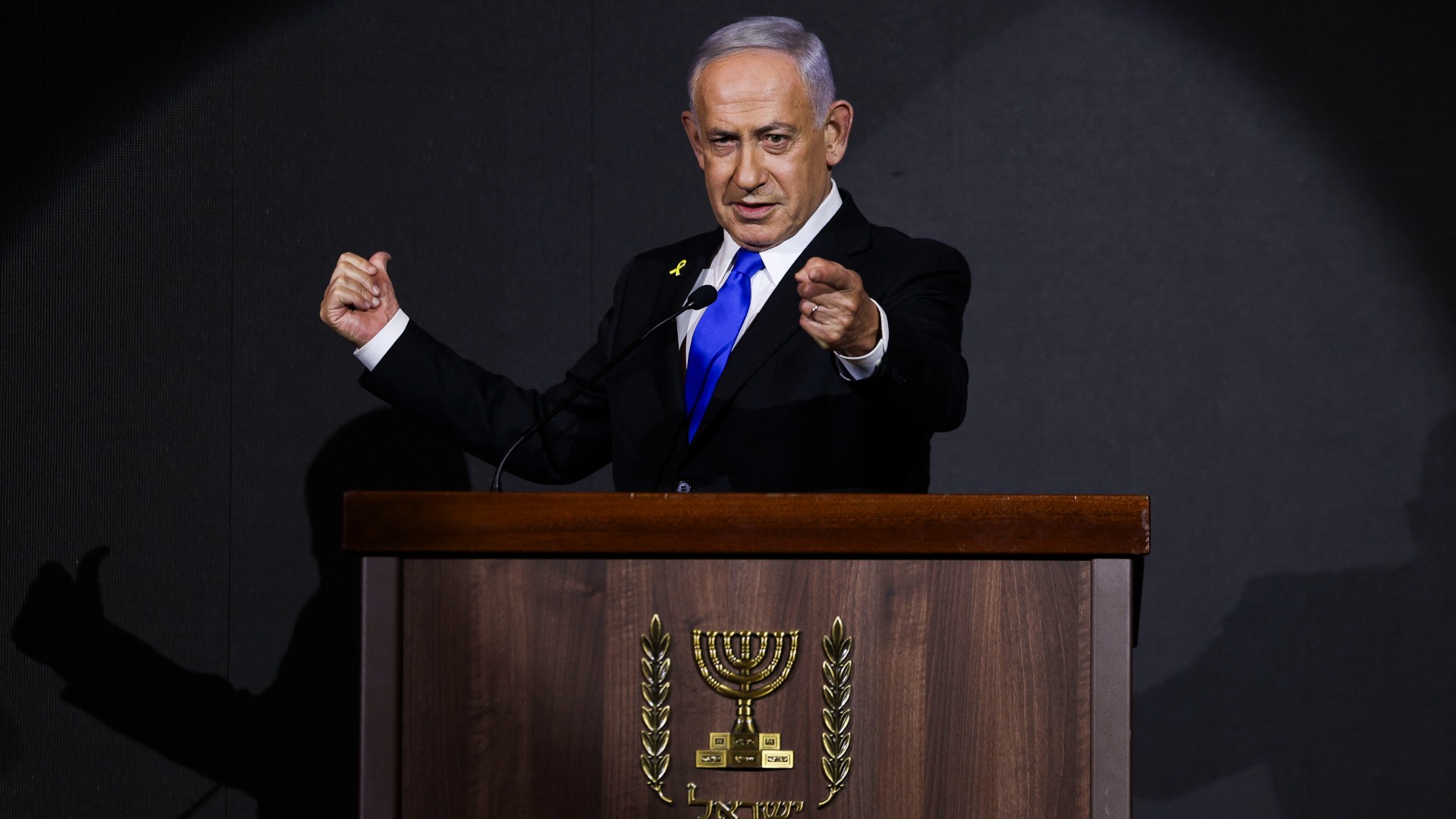
    A prominent British law firm has formally petitioned the UK Foreign Secretary to implement financial and travel sanctions against Israeli Prime Minister Benjamin Netanyahu, citing extensive evidence of alleged international law violations against Palestinians. Deighton Pierce Glynn, representing the Arab Organisation for Human Rights in the UK (AOHR UK), submitted the comprehensive legal filing earlier this week to Foreign Secretary Yvette Cooper.

    The submission presents documented evidence from multiple international institutions including the International Criminal Court, International Court of Justice, and United Nations bodies, alleging Netanyahu’s direct involvement in violations across Gaza, the West Bank, and East Jerusalem. The filing contends there are reasonable grounds to suspect Netanyahu’s statements constitute incitement to commit prohibited acts with intent to destroy the Palestinian people in part or whole – potentially amounting to incitement to genocide.

    Mohammed Jamil, chair of AOHR UK, emphasized that activating the Magnitsky sanctions regime against Netanyahu represents “a legal and moral necessity” rather than merely a political option. The sanctions framework, named after Russian whistleblower Sergei Magnitsky, targets individuals responsible for human rights violations or corruption by restricting their access to financial systems and international travel.

    The legal submission argues that Israeli actions against Palestinians result from high-level political authorization rather than subordinate decisions, citing Netanyahu’s October 2023 invocation of the biblical enemy ‘Amalek’ as evidence of incendiary rhetoric. Additionally, the filing references the Prime Minister’s role in illegal settlement expansion, including the E1 project that effectively undermines Palestinian statehood prospects.

    Jamil asserted that Britain’s international standing has been compromised by its “silence in the face of genocide” and continued military, security, political and economic support to Israel. The UK previously sanctioned Israeli ministers Bezalel Smotrich and Itamar Ben Gvir in June 2023 over settler violence incitement, marking this as the first attempt to target a sitting Israeli leader under the UK’s 2020 sanctions regime.

    Notably, Netanyahu already faces travel restrictions to the UK under an existing arrest warrant for alleged war crimes in Gaza. Legal experts note the UK has previously imposed similar sanctions on sitting heads of state including Vladimir Putin, Aleksandr Lukashenko and Bashar al-Assad, establishing precedent for such actions.

    The UK Foreign Office has not commented on the sanctions request. Deighton Pierce Glynn indicated that if the government fails to respond, they will “consider taking formal legal steps over the issue,” potentially escalating the matter through judicial channels.

  • Bangladesh will not go to India for T20 World Cup, says cricket board

    Bangladesh will not go to India for T20 World Cup, says cricket board

    In an unprecedented move that has sent shockwaves through the international cricket community, Bangladesh has officially withdrawn from next month’s T20 World Cup following a bitter dispute with tournament host India. The Bangladesh Cricket Board (BCB) announced its definitive decision on Thursday, effectively eliminating the nation from the prestigious global competition.

    BCB President Aminul Islam Bulbul stated unequivocally to journalists: “Our singular condition remains unchanged—we are prepared to participate in the World Cup, but absolutely not in India.” This declaration came just 24 hours after the International Cricket Council (ICC) formally rejected Bangladesh’s alternative proposal to have their group stage matches relocated to Sri Lanka.

    The escalating diplomatic confrontation between the neighboring countries originated on January 3rd when the Board of Control for Cricket in India (BCCI) instructed IPL franchise Kolkata Knight Riders to dismiss Bangladeshi fast bowler Mustafizur Rahman. This controversial decision followed intense online pressure from right-wing Hindu groups in India who referenced alleged attacks against Hindu communities in predominantly Muslim Bangladesh.

    Asif Nazrul, an advisor for youth and sports matters within Bangladesh’s interim administration, emphasized the irreversibility of their position: “There exists zero flexibility regarding our resolution. Our security apprehensions are not founded upon hypothetical scenarios but rather upon tangible events—specifically, the forced expulsion of our premier athlete who was compelled to capitulate to extremist elements.”

    The ICC responded by highlighting its extensive efforts to facilitate Bangladesh’s participation, noting that independent security evaluations and detailed safety plans from host authorities confirmed “no credible or verifiable threats” to the Bangladeshi squad. Despite these assurances, Bangladeshi officials remained unconvinced.

    This controversy carries significant implications for India’s broader sporting ambitions. The nation is currently preparing to host the 2030 Commonwealth Games, viewed as a critical precursor to its bid for the 2036 Olympics. BCB President Bulbul issued a stark warning regarding the consequences of excluding a major cricket nation: “Cricket is scheduled to debut at the 2028 Olympics, followed by Brisbane in 2032. Omitting a passionately cricket-devoted country of nearly 200 million people would represent a catastrophic failure for the sport’s global governance.”

  • Trump sues JPMorgan for $5bn over account closure after Capitol riot

    Trump sues JPMorgan for $5bn over account closure after Capitol riot

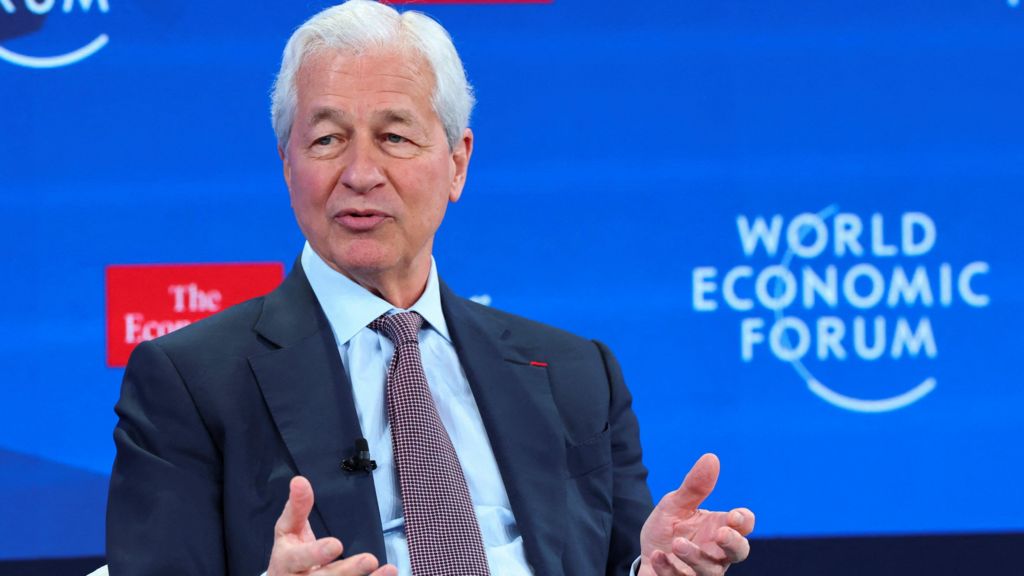
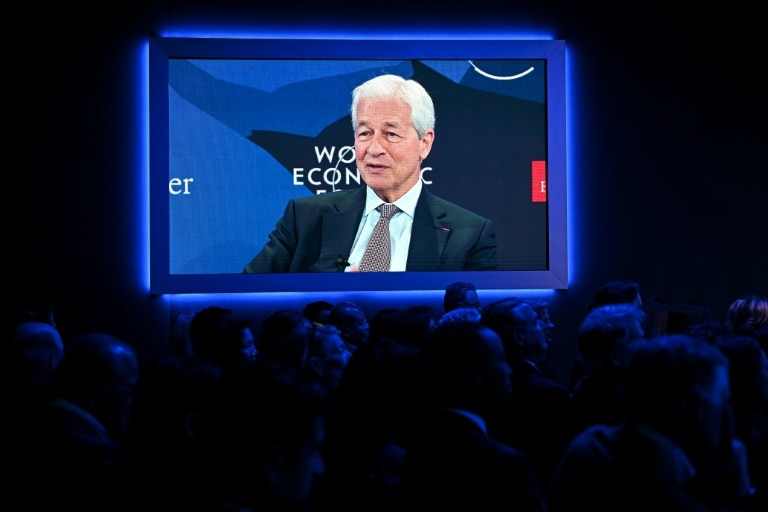
    Former President Donald Trump has initiated a $5 billion legal action against JPMorgan Chase, the United States’ largest financial institution, alleging the bank unlawfully terminated his accounts for politically motivated reasons. The lawsuit, filed in Florida, names both the corporation and its longstanding Chief Executive Jamie Dimon as defendants.

    The legal complaint asserts that JPMorgan Chase inflicted “considerable financial and reputational harm” upon Trump and his business enterprises when it abruptly discontinued their banking relationships in 2021. This action occurred shortly after the January 6th Capitol riot, during which Trump supporters violently disrupted the congressional certification of presidential election results.

    Trump’s legal team contends the account closures represented a “key indicator of a systemic, subversive industry practice that aims to coerce the public to shift and re-align their political views.” The filing specifically alleges the bank acted upon “unsubstantiated, ‘woke’ beliefs that it needed to distance itself from President Trump and his conservative political views.”

    Additionally, the lawsuit accuses JPMorgan of trade libel for allegedly placing Trump’s name and those of his associated businesses and family members on a shared “blacklist” identifying individuals with histories of “malfeasant” activity—a measure reportedly authorized personally by Dimon.

    JPMorgan Chase has vigorously denied these allegations, with a spokesperson stating “the suit has no merit” and emphasizing that “JPMC does not close accounts for political or religious reasons.” The bank clarified that account termination decisions stem from assessments of “legal or regulatory risk for the company,” citing existing “rules and regulatory expectations” that compel such actions.

    The financial institution expressed support for administrative efforts “to prevent the weaponisation of the banking sector” while noting it has petitioned multiple administrations to modify regulations that create these contentious situations.

    This legal confrontation represents the latest escalation in tensions between Trump and Dimon, who has recently criticized several administration policies including proposed credit card regulations, immigration approaches, and posturing toward the Federal Reserve.

    The lawsuit emerges amid broader regulatory scrutiny concerning ‘debanking’ practices. Last month, federal regulators identified nine major banks that had made “inappropriate distinctions” among customers based on business activities, particularly affecting sectors including oil and gas, private prisons, and adult entertainment.

  • Venezuela opens debate on an oil sector overhaul as Trump seeks role for US firms

    Venezuela opens debate on an oil sector overhaul as Trump seeks role for US firms

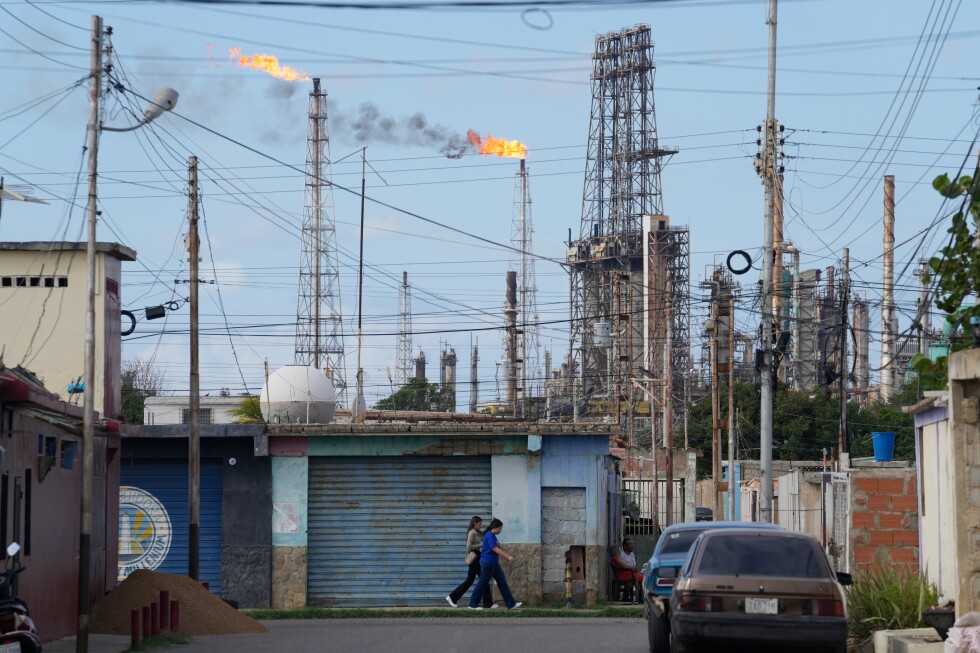
    Venezuela’s National Assembly has initiated legislative proceedings on a transformative bill that would significantly reduce state dominance over the country’s oil industry, marking the most substantial policy shift since the late President Hugo Chávez nationalized major portions of the sector in 2007. The proposed legislation, which advanced through initial parliamentary debate on Thursday, would establish new frameworks for private sector participation and international arbitration mechanisms.

    The comprehensive reform package emerges amid heightened pressure from the Trump administration following the recent U.S. capture of former President Nicolás Maduro. American officials have intensified demands for Venezuela’s acting President Delcy Rodríguez to facilitate increased investment from U.S. energy corporations in the nation’s struggling petroleum industry.

    According to draft legislation obtained by The Associated Press, the bill would enable private companies to independently operate oil fields, market their crude production, and retain financial revenues while maintaining nominal minority partnership status with state-owned PDVSA. The document explicitly states that operating companies would assume comprehensive management of activities “at its sole cost, expense and risk.”

    A critical component of the proposed law involves permitting international arbitration for investment disputes, moving away from the previous requirement that cases be heard exclusively in Venezuelan courts. The legislation maintains the existing 30% royalty rate but allows reductions to as low as 15% for complex or capital-intensive oil projects to incentivize development.

    Jorge Rodríguez, President of the National Assembly and brother of the acting president, emphasized to lawmakers that the bill aims to achieve “an accelerated increase in production,” noting that “oil under the ground is useless” without development. The proposal received backing from business representatives, including Orlando Camacho of Fedeindustria, who described the measures as essential for maintaining the oil industry as Venezuela’s economic engine.

    Despite these overtures, significant investor concerns persist regarding financial and legal risks. Many international energy companies, including Exxon, continue seeking compensation for assets seized during Chávez’s nationalization campaign. Additional uncertainties stem from Venezuela’s political transition timeline and the maintenance of U.S. sanctions that currently restrict foreign operations in the country’s oil sector.

  • House holding war powers vote to direct Trump to remove troops from Venezuela

    House holding war powers vote to direct Trump to remove troops from Venezuela

    A significant legislative confrontation unfolded in the House of Representatives on Thursday as lawmakers voted on a resolution demanding the withdrawal of U.S. military forces from Venezuela. This move represents the latest chapter in the ongoing tension between Democratic legislators and the Republican-controlled Congress regarding presidential authority in military engagements.

    The resolution emerged despite prior assurances from the Trump administration to senators that no American troops were currently deployed in Venezuela and that congressional approval would be sought before initiating substantial military operations. Democratic representatives maintained that the measure remained necessary following recent U.S. efforts to capture Venezuelan leader Nicolás Maduro and President Trump’s expressed intentions to control the nation’s oil resources.

    The vote served as a critical examination of Republican willingness to constrain a president who originally campaigned on reducing foreign military involvement but has increasingly employed military options to advance policy objectives in the Western Hemisphere. Thus far, most Republican lawmakers have resisted imposing checks on presidential war powers through legislative measures.

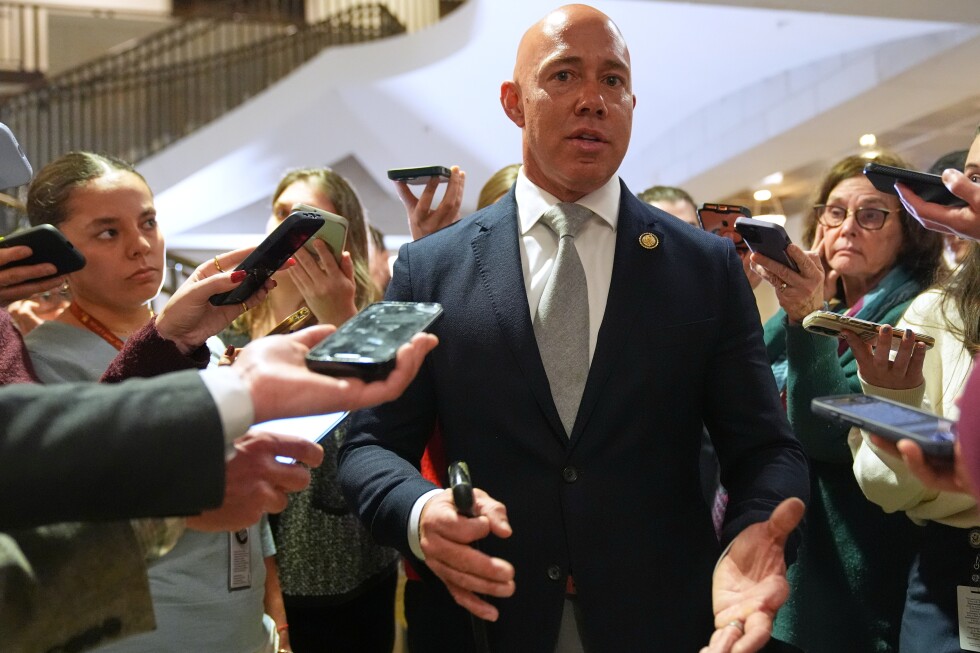
    Representative Brian Mast (R), chair of the House Armed Services Committee, characterized the Democratic initiative as motivated by ‘spite’ toward President Trump rather than substantive policy concerns. He defended the administration’s actions, describing the operation against Maduro as ‘possibly the most successful law enforcement operation in history.’

    Democratic representatives countered that Congress must reassert its constitutional role in determining appropriate use of military force. Representative Gregory Meeks (D), ranking member of the House Foreign Affairs Committee, criticized the administration’s approach, stating that Trump’s policies were reducing the United States to ‘a regional bully with fewer allies and more enemies.’

    The debate occurs alongside emerging questions about the administration’s handling of Venezuelan oil resources. Senate Democrats have raised concerns about potential connections between oil licensing agreements and political contributions, specifically referencing Vitol, a major oil broker that received significant licensing rights while its executives contributed substantially to Trump-aligned political action committees.

    Thirteen Democratic senators have demanded full transparency regarding any financial arrangements connected to Venezuela that might benefit presidential donors. The White House maintains that it is safeguarding Venezuela’s oil resources for the benefit of both the Venezuelan people and American interests.

  • UAE expands use of AI, robotics as young workers shun low-skilled jobs

    UAE expands use of AI, robotics as young workers shun low-skilled jobs

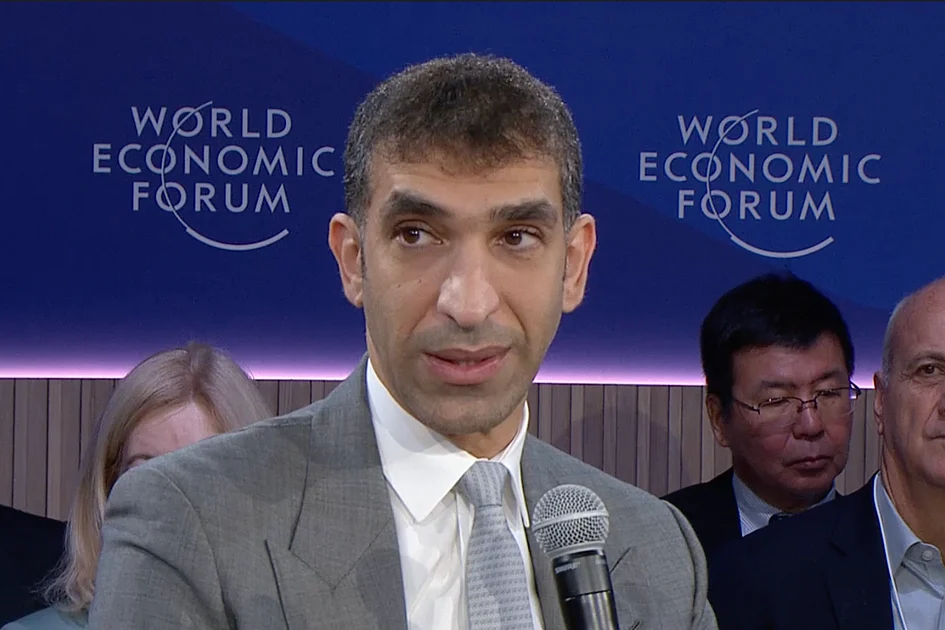
    The United Arab Emirates is undergoing a significant technological transformation as it confronts mounting challenges in attracting young workers to low-skilled positions. During a panel discussion at the World Economic Forum in Davos, UAE Minister of Foreign Trade Dr. Thani Al Zeyoudi revealed the nation’s strategic pivot toward robotics and artificial intelligence to address critical labor shortages in construction and manufacturing sectors.

    Minister Al Zeyoudi emphasized that the UAE’s heavy reliance on aging non-skilled labor, particularly in construction, has necessitated this technological shift. “Robotics is the main solution,” he stated, noting that young workers increasingly avoid traditional blue-collar roles despite the nation’s welcoming stance toward international talent.

    The technological transformation represents a fundamental reimagining of the UAE’s economic framework. Both public and private sectors are deploying advanced technologies to achieve faster, more efficient operations while reducing dependence on imported labor. The government began signaling this transition eight years ago, urging manufacturers to embrace technology that could replace large volumes of manpower.

    This shift extends beyond mere labor substitution. The UAE is making substantial investments in robotics factories to support its massive development projects, while simultaneously pursuing a broader transition toward a knowledge-based economy. The nation’s investment in research and development has emerged as a crucial factor in this transformation.

    Practical applications are already demonstrating remarkable results. In the oil and gas sector, AI now determines production decisions, eliminating the need for simulation engineers to identify drilling locations. Robotics enable continuous operations during what were previously lengthy shutdown periods. “The sites where we used to have a shutdown for three to six months, now with robotics, we’re applying it while doing the operation,” Minister Al Zeyoudi explained. “The robot does surveillance, provides situational awareness, and operations resume within days.”

    The UAE has adopted a comprehensive approach encompassing government appointments, policy development, and capacity building to support this technological evolution. Minister Al Zeyoudi stressed the urgency of this transformation: “When it comes to AI, digitalization, and technology, it is too late to wait for someone else to do it, because you’re going to be out of the game.”

    Despite this progress, challenges remain in attracting foreign investment, particularly regarding energy supply for manufacturing facilities, land availability and ownership, logistics, and connectivity. These hurdles represent the next frontier in the UAE’s ongoing economic modernization efforts.

  • Trump sues JPMorgan Chase, CEO Dimon, claims ‘debanked’ for politics

    Trump sues JPMorgan Chase, CEO Dimon, claims ‘debanked’ for politics

    Former President Donald Trump has initiated a high-stakes legal battle against JPMorgan Chase and its CEO Jamie Dimon, filing a $5 billion civil lawsuit in Florida state court. The litigation centers on allegations that the financial institution deliberately terminated Trump’s accounts due to political motivations following the January 6 Capitol incident.

    The comprehensive complaint details how JPMorgan notified Trump on February 19 about the closure of several accounts, resulting in what Trump describes as ‘considerable financial harm.’ The court documents assert that the banking giant’s actions were driven by ‘political and social motivations’ and ‘unsubstantiated woke beliefs’ rather than legitimate business considerations.

    Trump’s legal team contends that the account closures forced the former president into less favorable financial arrangements with alternative institutions while significantly disrupting his business operations. The lawsuit further alleges that CEO Jamie Dimon initially promised to provide a detailed explanation for the account terminations but ultimately failed to follow through.

    JPMorgan Chase has issued a firm response, stating the lawsuit ‘has no merit’ while maintaining that account closures occur solely due to ‘legal or regulatory risk’ considerations. The banking institution emphasized that it does not terminate accounts based on political or religious affiliations but acknowledged supporting regulatory reforms to prevent ‘weaponization of the banking sector.’

    The legal action emerges within a broader political context where Trump and Republican committees have alleged systematic ‘debanking’ practices against conservative viewpoints. This case represents part of Trump’s ongoing effort to reframe the January 6 events, coinciding with his recent pardons of over 1,500 individuals involved in the Capitol incident and the administration’s characterization of rioters as ‘peaceful patriotic protesters.’

    The lawsuit unfolds alongside continued political tensions, as demonstrated by former special counsel Jack Smith’s recent congressional testimony defending his criminal investigations into Trump as necessary accountability measures rather than politically motivated actions.