博客

  • Trump ‘engaged in criminal activity’, Jack Smith says in Capitol Hill testimony

    Trump ‘engaged in criminal activity’, Jack Smith says in Capitol Hill testimony

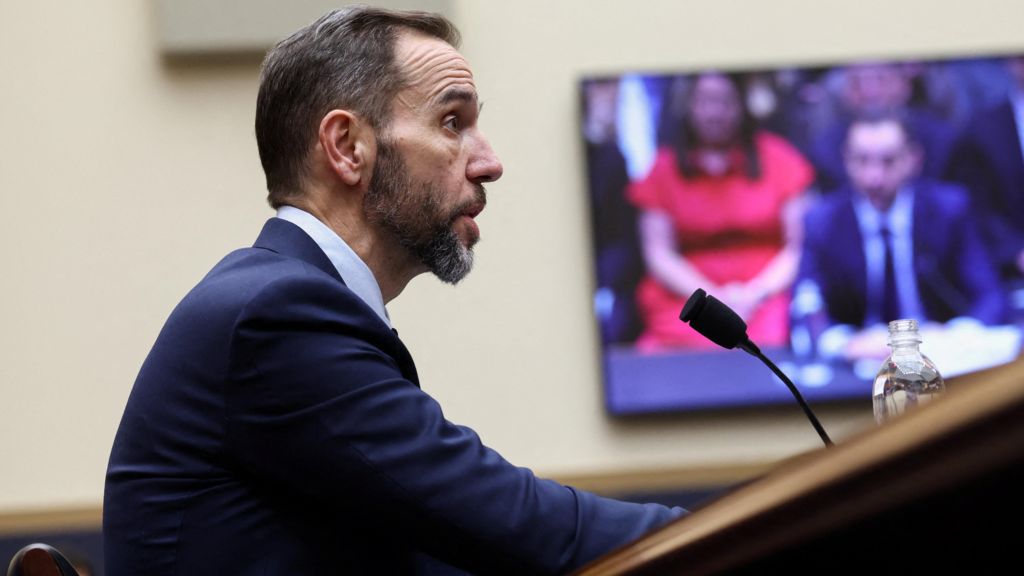
    In a landmark congressional hearing, former Special Counsel Jack Smith delivered his first public testimony regarding his criminal investigations of former President Donald Trump, asserting unequivocal responsibility for the January 6th Capitol riot. Appearing before lawmakers for five hours, Smith detailed the extensive evidence gathered against Trump in two major cases: alleged efforts to overturn the 2020 election results and the unlawful retention of classified documents after leaving office.

    Smith testified that his team had compiled “overwhelming evidence” and possessed “proof beyond a reasonable doubt” that would have secured convictions in both cases before they were dropped following Trump’s return to the White House. The former special counsel characterized Trump as “the most culpable and most responsible person” in the conspiracy to interfere with the election certification process.

    “The attack that happened at the Capitol, part of this case, does not happen without him,” Smith stated. “The other co-conspirators were doing this for his benefit.”

    The hearing revealed sharp partisan divisions, with Republicans accusing Smith of conducting partisan investigations and allegedly spying on GOP lawmakers through subpoenas for phone records. Democrats, meanwhile, focused on Trump’s alleged wrongdoing and praised Smith’s investigative work.

    Smith addressed potential retaliation from the Trump administration, noting that the former president’s repeated statements were “meant to intimidate me” and served as “a warning to others.” He revealed that federal officials had opened an investigation into his conduct, though the specific focus remains unclear.

    Notably, Smith expressed bewilderment at Trump’s mass pardon of over 1,000 individuals convicted or accused of crimes related to the January 6th riot, many of whom had been charged with assaulting law enforcement officers. “I do not understand why you would mass pardon people who assaulted police officers,” he said. “I don’t get it. I never will.”

    The hearing was punctuated by emotional moments, particularly when four former Capitol Police officers seated behind Smith reacted visibly to lawmakers’ comments. Texas Republican Troy Nehls directly addressed the officers, blaming Capitol Police leadership rather than Trump for the riot, which prompted outbursts from the audience.

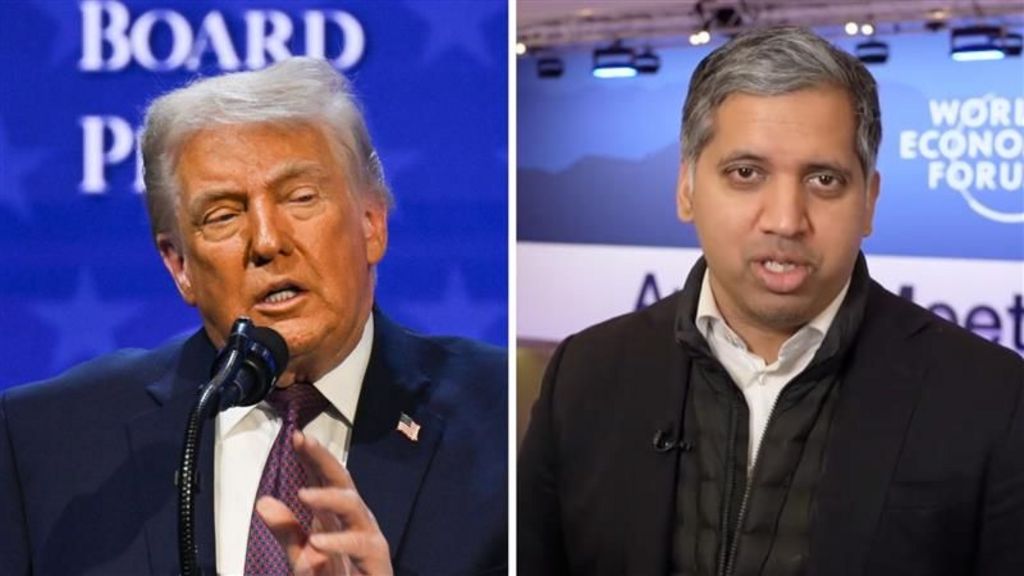
    While Smith testified, Trump posted extensively on social media from Switzerland, calling Smith a “deranged animal” who should be prosecuted and have his law license revoked. The former president accused Smith of destroying “many lives under the guise of legitimacy” and suggested Democrats should pay “a big price” for their actions.
  • Human rights groups condemn conviction of Filipina journalist for terrorism financing

    Human rights groups condemn conviction of Filipina journalist for terrorism financing

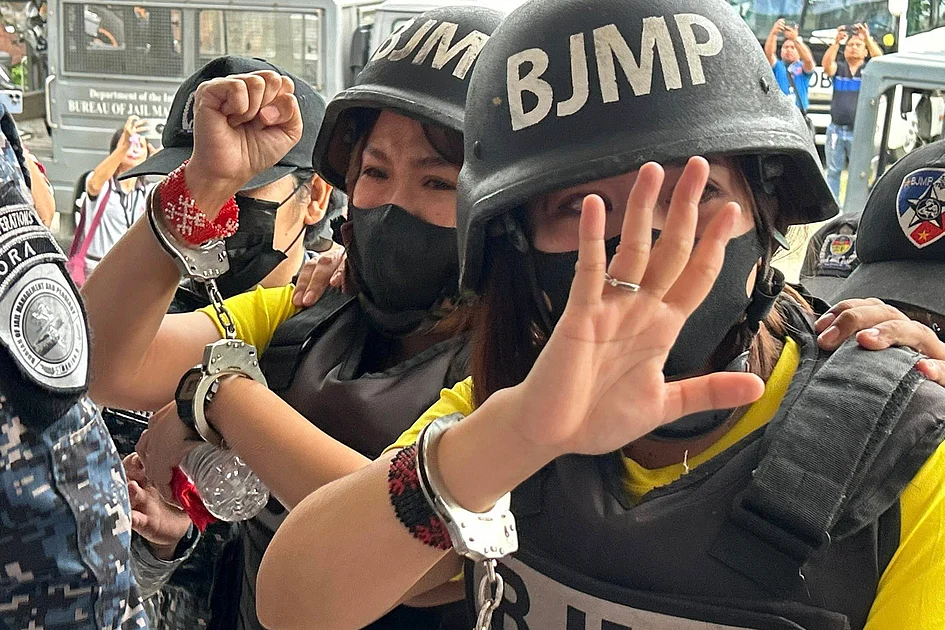
    A regional trial court in the Philippines has convicted community journalist Frenchie Mae Cumpio on terrorism financing charges, sentencing the 26-year-old to a minimum of 12 years imprisonment. The Thursday verdict marks the first prosecution of a Filipino journalist under the country’s anti-terror financing legislation, drawing immediate condemnation from press freedom advocates worldwide.

    While Cumpio and co-accused Marielle Domequil were acquitted of separate charges involving illegal possession of firearms and explosives, the terrorism conviction carries a potential 18-year sentence. The case stems from a February 2020 nighttime raid by Philippine troops who allegedly discovered incriminating items in her Tacloban City boarding house.

    International press freedom organizations have uniformly denounced the ruling. Reporters Without Borders (RSF), following its independent investigation, declared the verdict “a clear miscarriage of justice.” Aleksandra Bielakowska, RSF’s Asia-Pacific Advocacy Manager, stated: “We are appalled by this verdict. The evidence presented in court clearly shows how fabricated this case has been from the very beginning.”

    Human rights advocates characterize the conviction as part of a broader pattern of repression against activists and government critics. Cristina Palabay, secretary general of rights alliance Karapatan, told media outlets that the charges relied on “unreliable witnesses, speculative intelligence, and inconsistent narratives” regarding alleged financial support to rebel groups.

    Cumpio, who turns 27 on January 23, has been detained since her arrest nearly six years ago while serving as executive director of Eastern Vista news website and a radio news anchor. Her reporting focused extensively on alleged abuses by security forces and community welfare issues in Eastern Visayas.

    The case has raised concerns about the continuity of press freedom restrictions between Philippine administrations. Advocates are now calling on President Ferdinand Marcos Jr. to intervene, warning that without decisive action, his administration risks mirroring the press freedom record of his predecessor.

  • US unveils plans for ‘New Gaza’ with skyscrapers

    US unveils plans for ‘New Gaza’ with skyscrapers

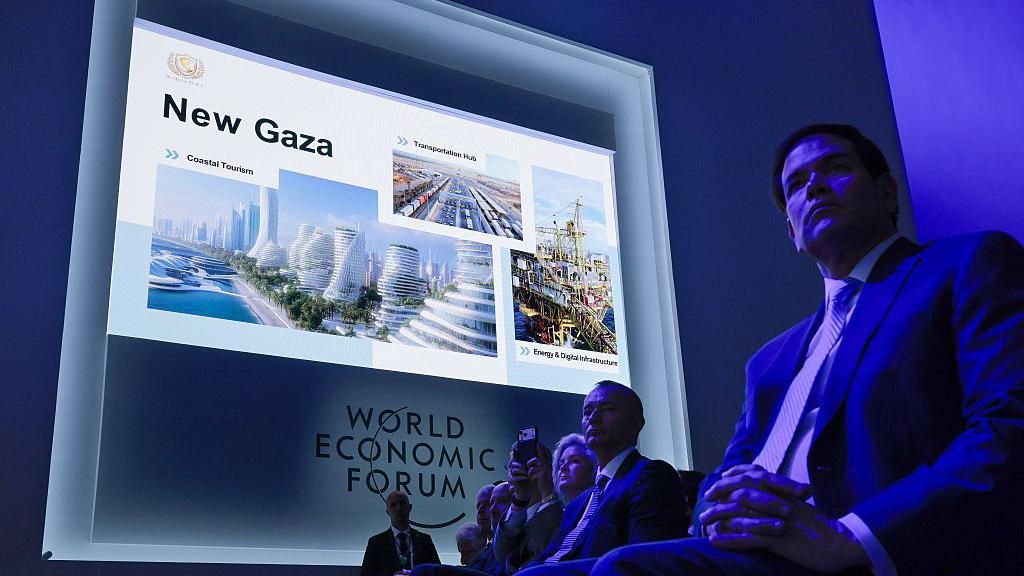
    DAVOS, SWITZERLAND – The Trump administration has presented a comprehensive vision for the complete reconstruction of the Gaza Strip, dubbed the “New Gaza” plan, during a signing ceremony at the World Economic Forum. The ambitious proposal outlines a total transformation of the war-ravaged Palestinian territory into a modern urban and economic hub.

    The detailed master plan, presented by former President Donald Trump and senior advisor Jared Kushner, features extensive coastal skyscrapers, residential estates in Rafah, and designated zones for agriculture, industry, and technology. The blueprint includes 180 tower blocks for coastal tourism, over 100,000 permanent housing units, 200 educational centers, and 75 medical facilities. A new seaport and airport near the Egyptian border are planned, along with a “trilateral crossing” where Egyptian and Israeli borders converge.

    President Trump emphasized the strategic value of Gaza’s Mediterranean location, stating, “I’m a real estate person at heart and it’s all about location. Look at this beautiful piece of property. What it could be for so many people.” He expressed confidence that the project would achieve “great success.”

    The reconstruction would proceed in four phases, beginning in Rafah and expanding north toward Gaza City. A notable feature includes an empty security perimeter along the Egyptian and Israeli borders where Israeli forces will remain until “Gaza is properly secure.”

    Kushner revealed the staggering scale of destruction facing the project: 90,000 tonnes of munitions dropped on Gaza and 60 million tonnes of rubble requiring clearance. He announced that demolition and rubble removal operations have already commenced, with the “New Rafah” phase projected for completion within two to three years.

    The plan is intrinsically linked to the demilitarization of Hamas, with Trump warning, “They have to give up their weapons and if they don’t do that, it’s going to be the end of them.” Kushner added that the administration is pursuing “catastrophic success” without a “plan B,” noting that Hamas has signed an agreement to demilitarize.

    A Washington conference is scheduled in the coming weeks to announce international contributions and outline investment opportunities for the private sector. The newly established National Committee for the Administration of Gaza (NCAG) will work with Hamas on demilitarization efforts.

    Despite the ceasefire that took effect in October, tensions remain. Five Palestinians were reportedly killed by Israeli fire on Thursday, highlighting the fragile nature of the current peace. Humanitarian conditions remain dire, with nearly 1 million people lacking adequate shelter and 1.6 million facing acute food insecurity according to UN estimates.

    International responses varied, with Israeli President Isaac Herzog praising Trump’s leadership while emphasizing that “the real test has to be Hamas leaving Gaza.” Palestinian Authority President Mahmoud Abbas called for full implementation of the peace plan, including Israeli withdrawal, and a central role for the PA in administering Gaza.

    The Rafah border crossing with Egypt is scheduled to open next week in both directions, signaling what NCAG head Ali Shaath described as Gaza being “no longer closed to the future and to the war.”

  • US negotiators meet Putin for high-stakes Ukraine talks

    US negotiators meet Putin for high-stakes Ukraine talks

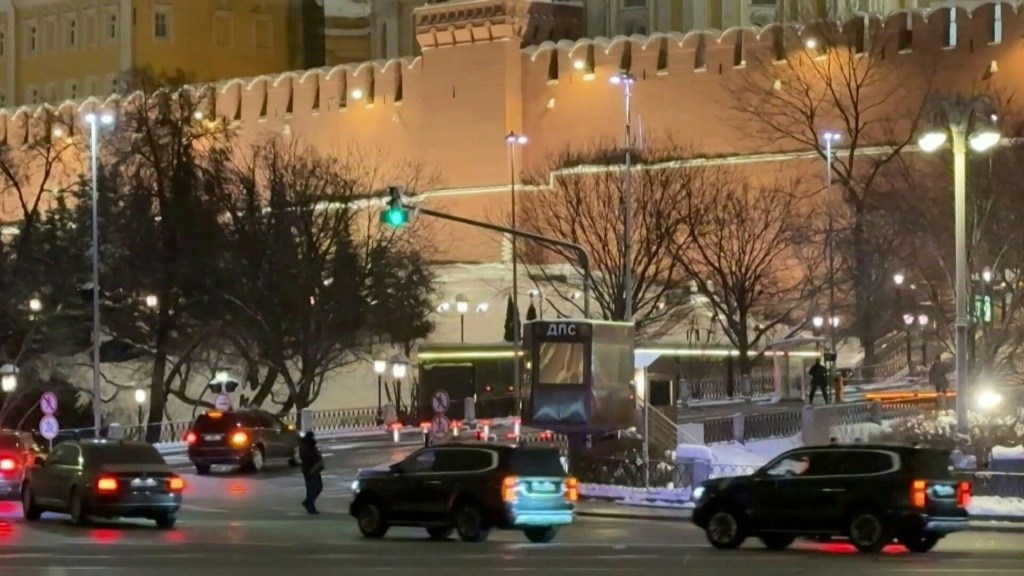
    In a significant diplomatic development, high-level US envoys convened with Russian President Vladimir Putin in Moscow Thursday evening to advance discussions on a Washington-proposed framework to conclude the Ukraine conflict. This high-stakes dialogue, occurring simultaneously with Kyiv’s announcement of solidified security guarantees from the United States, represents the most substantial peace negotiation efforts since Russia’s February 2022 invasion.

    The American delegation featured prominent figures including Steve Witkoff (marking his seventh documented meeting with Putin according to Russian media), former Presidential advisor Jared Kushner, and White House representative Josh Gruenbaum. Kremlin footage depicted a cordial reception with handshakes and smiles, though the underlying tensions remained palpable. Russian representation included lead negotiator Kirill Dmitriev and senior Kremlin aide Yuri Ushakov.

    These negotiations unfold against a backdrop of severely escalated military actions, with recent Russian strikes crippling Kyiv’s energy infrastructure, leaving thousands without electricity and heat during freezing temperatures. Moscow maintains these target Ukraine’s military-industrial capabilities, while Kyiv condemns them as blatant war crimes targeting civilians.

    Simultaneously, Ukrainian President Volodymyr Zelensky revealed from the World Economic Forum in Davos that security guarantee agreements with Washington were ‘nearly ready,’ with additional commitments reportedly secured from the United Kingdom and France. Despite these parallel developments, fundamental disagreements persist regarding territorial sovereignty, particularly Russia’s occupation of approximately 20% of Ukrainian territory and its demands for complete control of the Donbas region.

    Following the Moscow session, the US negotiating team departed immediately for Abu Dhabi to continue discussions within military working groups, though specific participants and agendas for these UAE talks remain undisclosed. President Trump reiterated his conviction that both leaders could reach agreement, while Zelensky delivered sharp criticism of European fragmentation and overreliance on US security protection, highlighting complex transatlantic tensions surrounding the conflict.

  • Could Trump’s bid to become peacemaker-in-chief sideline the struggling UN?

    Could Trump’s bid to become peacemaker-in-chief sideline the struggling UN?

    At the prestigious Davos Economic Forum this week, former US President Donald Trump unveiled his controversial ‘Board of Peace’ initiative with sweeping promises to end regional conflicts and establish what he termed “a beautiful, everlasting and glorious peace.” The ambitious proposal, however, has ignited intense international scrutiny and divided global responses.

    The Board’s conceptual foundation emerged from previous US-led efforts to resolve the Gaza conflict, initially endorsed by a UN Security Council resolution. Yet it has since evolved into a vastly expanded global framework with Trump positioned permanently at its helm. Leaked charter details reveal extraordinary powers granted to Trump as lifetime chairman—including authority to determine membership, create or dissolve subsidiary bodies, and appoint his own successor. Membership comes with a staggering $1 billion price tag for permanent participation.

    International reactions reflect deep geopolitical fractures. European leaders expressed sharp skepticism, with Poland’s Prime Minister Donald Tusk warning against manipulation through social media channels. Conversely, Hungarian Prime Minister Viktor Orban offered effusive support, declaring “If Trump, then peace.” Several nations including Sweden and Norway have declined participation pending further clarification, while the UK expressed concerns about Russian involvement in peace discussions.

    The initiative emerges amidst a whirlwind of geopolitical maneuvers, including US military preparations against Iran, demands to acquire Greenland, and the capture of Venezuela’s leader. Critics perceive the Board as an attempt to dismantle postwar international architecture and replace it with Trump-dominated institutions. Slovenian Prime Minister Robert Golob openly criticized the project as “dangerously interfering with the broader international order.”

    Trump addressed these concerns directly, stating the Board would operate “in conjunction with the United Nations” while simultaneously suggesting it might potentially replace the UN, which he criticized for underperformance. This contradictory messaging highlights the initiative’s ambiguous relationship with existing global governance structures.

    Notably, the Board’s operational framework includes three subordinate layers focusing predominantly on Gaza, incorporating American officials, billionaires, former UN envoys, Arab ministers, and Palestinian technocrats. However, the leaked charter conspicuously omits specific mention of Gaza, despite several Muslim-majority nations joining explicitly for Palestinian peace objectives.

    UN experts acknowledge the initiative reflects growing frustrations with the UN’s diminished peacemaking capabilities. Martin Griffiths, a UN veteran, noted this development represents “a reflection of the failure of the UN Security Council and of the UN writ large.” Former UN deputy secretary-general Mark Malloch Brown suggested the initiative might inadvertently push UN reform back onto the international agenda.

    The Board faces immediate challenges in transitioning from Gaza ceasefire arrangements to sustainable peace, particularly with Israeli and Arab leaders maintaining fundamentally opposing positions on Palestinian statehood. Similarly, Ukraine’s participation remains uncertain given President Zelensky’s refusal to negotiate alongside Russian representatives.

    Despite these obstacles, Trump maintains characteristically optimistic projections, claiming settlement in Ukraine is “coming very soon” and describing the Middle East as having only “little fires” remaining. His aspiration to assume the role of global peacemaker-in-chief marks a significant evolution in his political trajectory, though skepticism persists regarding the feasibility and motivations behind this unprecedented geopolitical venture.

  • China moves to set national standards for pre-made dishes

    China moves to set national standards for pre-made dishes

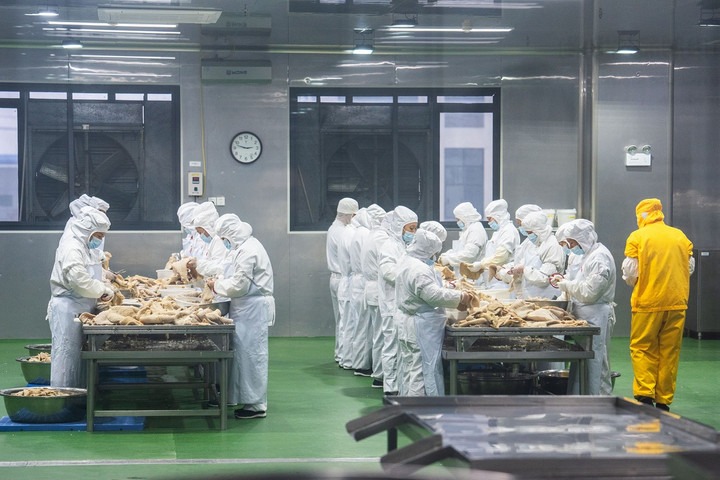
    Chinese regulatory authorities have initiated a comprehensive standardization framework for the rapidly expanding pre-made food sector, addressing growing public concerns about food safety and consumer rights. The Food Safety Office of the State Council, in coordination with the National Health Commission, the State Administration for Market Regulation, and other relevant departments, has developed draft regulations that will establish clear terminology, classification systems, and safety protocols for pre-prepared food products.

    The newly proposed National Food Safety Standards for Pre-Made Dishes and accompanying Terminology and Classification guidelines aim to create a unified regulatory framework that distinguishes between various types of processed foods. According to the draft definitions, pre-made dishes constitute pre-packaged food items manufactured from one or more edible agricultural ingredients, potentially including seasonings but excluding preservatives. These products undergo industrial preprocessing methods—including mixing, marinating, forming, frying, baking, boiling, or steaming—and may incorporate seasoning packets. Crucially, they require final heating or cooking before consumption and must adhere to specific storage, transportation, and labeling requirements.

    Simultaneously, regulatory bodies have drafted guidelines encouraging catering establishments to voluntarily disclose their food preparation methodologies. This transparency initiative seeks to bridge the information gap between consumers and food providers, particularly addressing concerns about restaurants marketing reheated pre-made dishes as freshly prepared offerings.

    The regulatory clarification explicitly excludes certain food categories from the pre-made dish classification. Fresh vegetables undergoing simple processing (washing, peeling, cutting), ready-to-eat items such as salads, convenience meals, steamed buns, pastries, hamburgers, sandwiches, pizzas, and central kitchen-prepared dishes distributed to chain outlets fall outside the official definition of pre-made dishes.

    This regulatory development responds to mounting public scrutiny surrounding food safety standards within China’s expanding pre-made food market. While large chain restaurants have extensively adopted these products for efficiency, smaller producers sometimes fail to meet safety requirements, and consumers frequently lack clear understanding about the nature of pre-made dishes. The new standards aim to balance operational efficiency with robust consumer protection mechanisms, potentially reshaping the industry’s future through enhanced regulation, increased transparency, and technological innovation.

  • Hazardous small part found in children’s toy sold at Aldi stores

    Hazardous small part found in children’s toy sold at Aldi stores

    Global discount supermarket chain Aldi has initiated an urgent nationwide recall of a children’s card game following the discovery of a potentially lethal manufacturing defect. The product in question, Orchard Toys’ ‘Jungle Head & Tails’ animal card game, has been removed from all shelves after authorities determined it presents unacceptable safety risks.

    The Australian Competition and Consumer Commission (ACCC) issued the formal recall notice after identifying that the elephant playing piece contains a small cardboard disc that can detach during use. This component, which should have been removed during manufacturing according to regulatory officials, poses a serious choking hazard to young children.

    The affected products were available for purchase between December 11, 2024, and September 11, 2025, across all Aldi locations in Australia. The retailer confirmed the product fails to comply with mandatory safety standards for toys intended for children up to 36 months of age.

    In an official statement, Aldi directed consumers to immediately cease using the game and ensure it remains out of children’s reach. The company has established a comprehensive refund program, allowing customers to return the product to any Aldi store for a full reimbursement regardless of purchase proof.

    The ACCC emphasized the gravity of the situation, stating that the defective component creates ‘a serious risk of injury or death’ to young users. This marks another significant product safety recall in the retail sector, highlighting ongoing challenges in manufacturing quality control and consumer protection.

  • Board of Peace, Zelensky and Musk – What happened before Trump left Davos?

    Board of Peace, Zelensky and Musk – What happened before Trump left Davos?

    In a strategically timed move preceding his departure from the World Economic Forum, President Donald Trump presided over the establishment of his controversial “Board of Peace” initiative. The charter-signing ceremony, characterized by its solemn diplomatic pageantry, nonetheless revealed significant geopolitical fractures as multiple key U.S. allies conspicuously abstained from participation.

    The event’s narrative was further complicated by the unexpected involvement of two influential figures: Ukrainian President Volodymyr Zelensky and technology magnate Elon Musk. While specific details of their roles remain undisclosed, their presence suggested an unconventional approach to international diplomacy that blends traditional statecraft with private sector influence.

    Analysts note that the initiative’s launch during the Davos gathering represents a strategic attempt to leverage the global platform while simultaneously challenging established multilateral frameworks. The absence of several traditional allies underscores the administration’s willingness to pursue foreign policy objectives outside conventional diplomatic channels, potentially signaling a fundamental shift in how international cooperation might be structured in the future.

    The “Board of Peace” concept appears to align with Trump’s longstanding skepticism toward traditional international organizations, proposing instead a leaner, more flexible framework for conflict resolution. However, the lack of broad allied participation at the inaugural ceremony raises serious questions about the initiative’s viability and potential effectiveness in addressing complex global conflicts.

  • Carney answers Trump: ‘Canada doesn’t live because of US’

    Carney answers Trump: ‘Canada doesn’t live because of US’

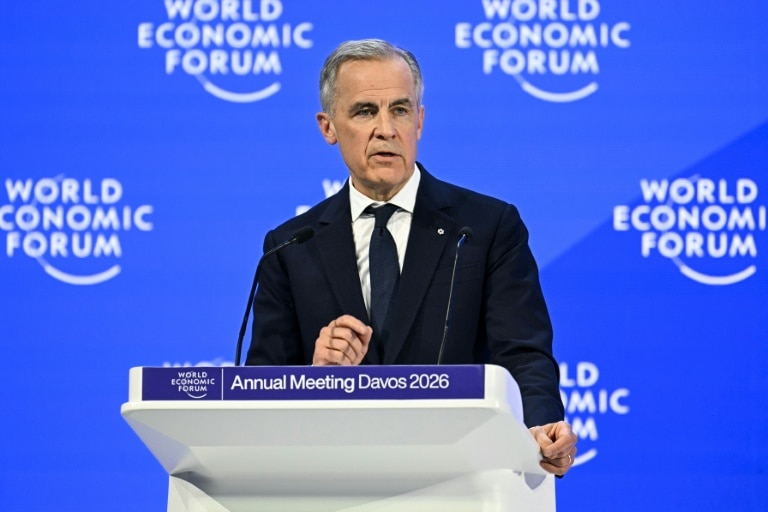
    In a powerful address delivered in Quebec City ahead of a new parliamentary session, Canadian Prime Minister Mark Carney offered a robust rebuttal to U.S. President Donald Trump’s assertion that “Canada lives because of the United States.” Carney’s speech emphasized national self-determination and values, declaring that “Canada doesn’t live because of the United States. Canada thrives because we are Canadian.”

    The response came shortly after Trump criticized Carney’s earlier appearance at the World Economic Forum in Davos, where the Canadian leader received a standing ovation for his critique of a fragmenting rules-based global order—a clear allusion to Trump’s disruptive foreign policy approach.

    While acknowledging the long-standing partnership between the two nations, Carney used his platform to outline a vision of Canadian resilience and moral leadership in an era of democratic backsliding. He stated that Canada must serve as a beacon of stability and inclusivity despite global divisions, adding that “the arc of history isn’t destined to be warped towards authoritarianism and exclusion.”

    The speech also touched on trade tensions, defense strategy, and sovereignty. Carney warned that traditional alliances are being “redefined and, in some cases, broken,” and emphasized Canada’s commitment to securing its borders and increasing defense spending.

    This exchange highlights ongoing friction in U.S.-Canada relations, particularly as renegotiation of the North American free trade agreement looms. Trump has repeatedly questioned the trade relationship and even suggested annexation of Canadian territory in social media posts.

    Still, Carney struck a tone of defiant optimism, framing Canada not as a dependent neighbor but as an example of principled governance in uncertain times.

  • Chinese company unveils plans for commercial space flights

    Chinese company unveils plans for commercial space flights

    Beijing InterstellOr Human Spaceflight Technology has announced groundbreaking plans to launch commercial space tourism services using its newly developed CYZ-1 manned spacecraft. The revelation came during a Thursday business presentation in Chengdu, where founder and CEO Lei Shiqing detailed the company’s vision for making suborbital space travel accessible to private citizens.

    The CYZ-1 spacecraft represents a significant advancement in China’s burgeoning commercial space sector, featuring an innovative two-part design comprising a crew module and a dedicated escape capsule. With specifications including an 8-ton mass, 4-meter diameter, and 21-cubic-meter interior volume, the spacecraft will accommodate six passengers alongside multiple viewport windows for optimal cosmic viewing.

    Launch operations will utilize a small carrier rocket to propel the spacecraft to approximately 70 kilometers altitude before separation. The vehicle will then continue its ascent through inertia, crossing the internationally recognized Kármán line at 100 kilometers—the conventional boundary of space—with capacity to reach altitudes up to 200 kilometers without entering orbit.

    Passengers will experience approximately three minutes of weightlessness during the peak of their journey before the craft initiates atmospheric re-entry. The entire mission, from launch to landing, will span approximately 20 minutes, concluding with a controlled parachute-assisted descent to ensure safe touchdown.

    InterstellOr’s development roadmap includes two unmanned test flights scheduled before the end of 2028, followed by the inaugural crewed mission. The company emphasizes its commitment to delivering what it describes as a “safe, comfortable and affordable” spaceflight experience, capitalizing on recent favorable policies implemented by the Chinese government to stimulate commercial space innovation.