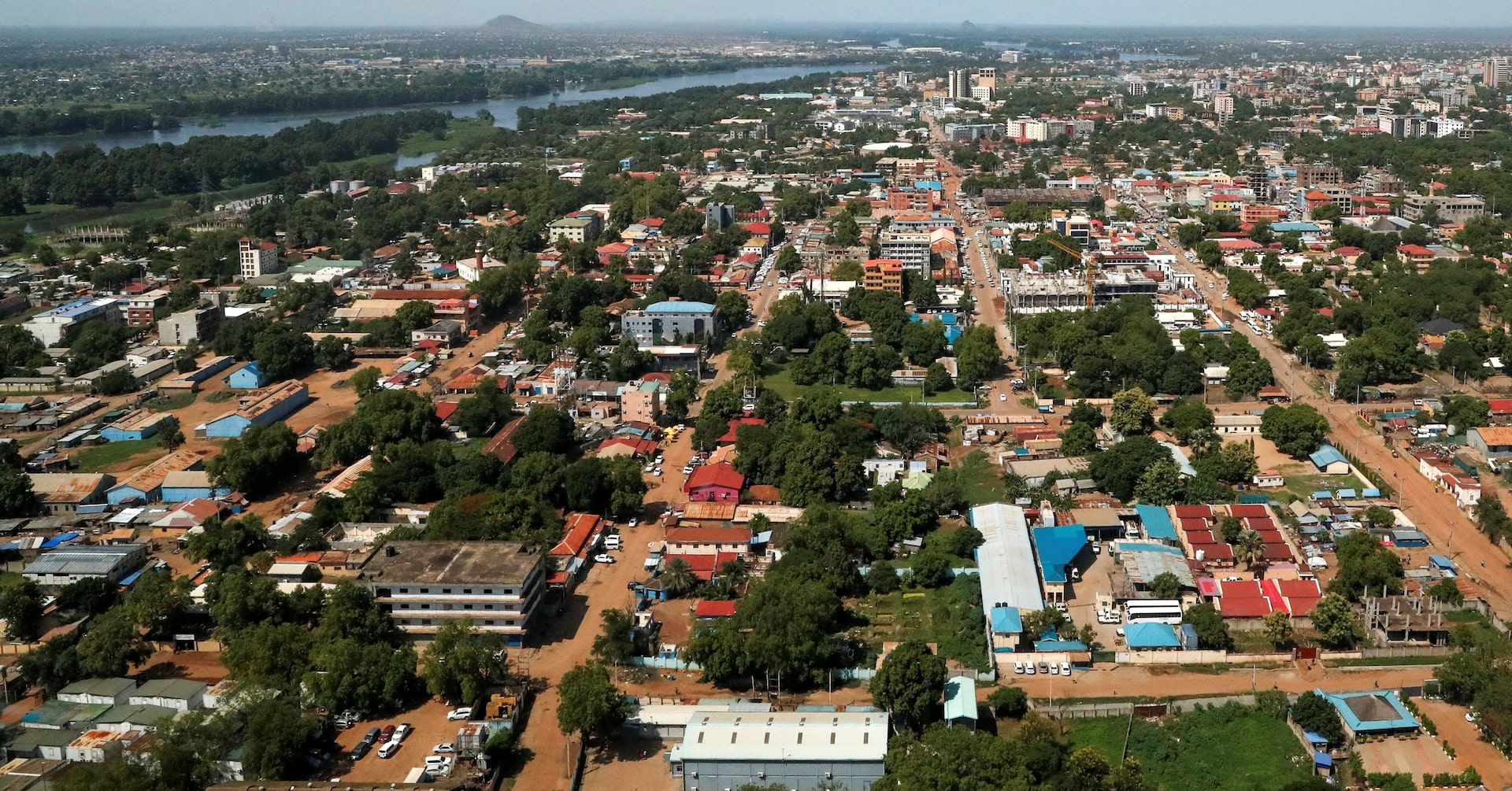
The United Nations Human Rights Office has raised alarm over a sharp increase in civilian fatalities in Sudan during the first half of 2025, attributing the surge to escalating ethnic violence. Speaking at a press briefing in Geneva on Friday, Li Fung, a representative from the Office of the High Commissioner for Human Rights (OHCHR) in Sudan, described the situation as dire, stating, ‘Every day we are receiving more reports of horrors on the ground.’ According to a newly released report by the OHCHR, at least 3,384 civilians lost their lives between January and June, with the majority of the killings occurring in the Darfur region. The report underscores the urgent need for international attention and intervention to address the growing humanitarian crisis in the country. The UN has called for immediate action to protect civilians and prevent further loss of life.
博客
-
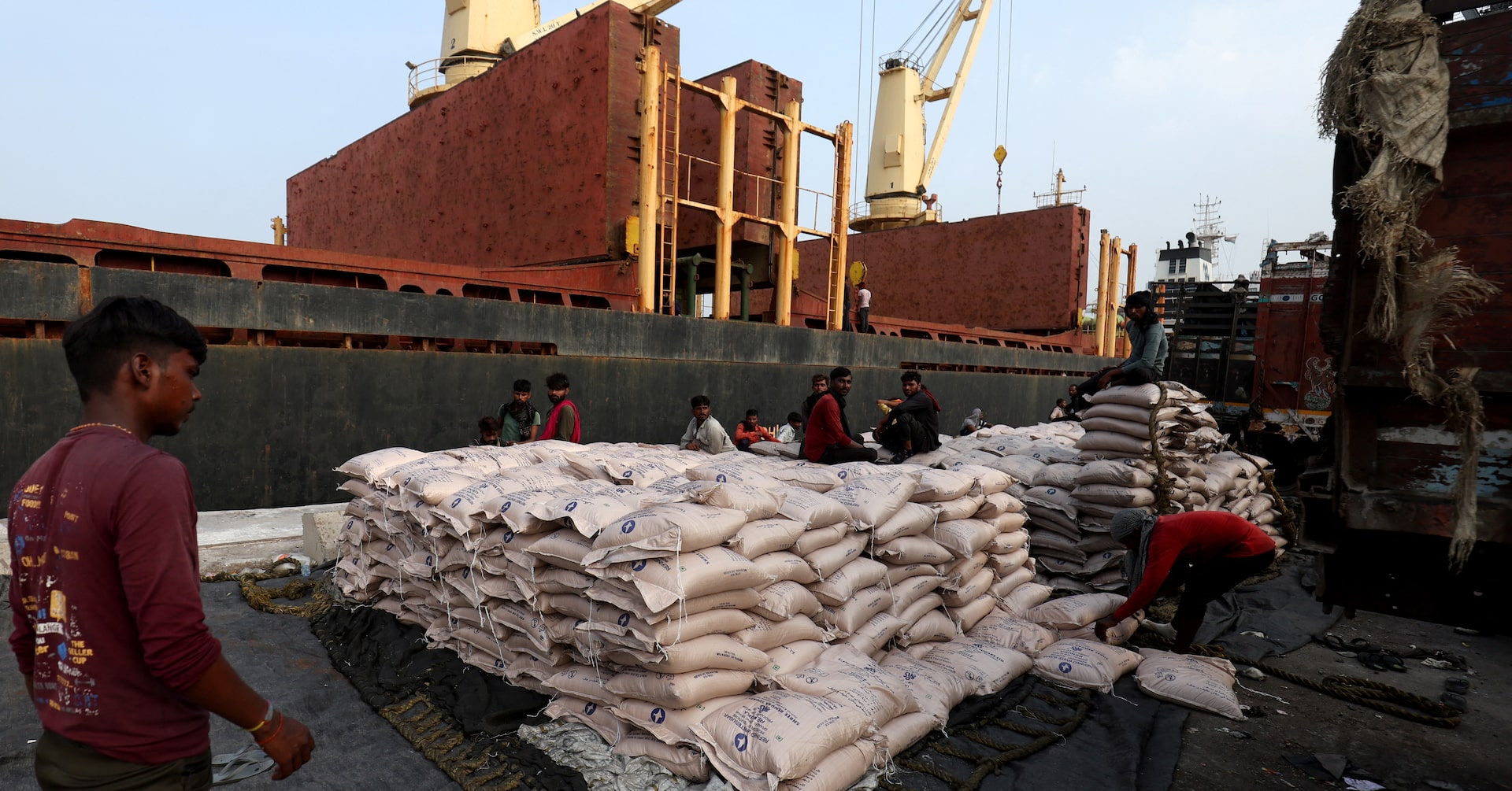
Indian sugar mills to miss export quota, ship around 775,000 tons, sources say
India’s sugar exports are projected to drop below 800,000 metric tons this season, significantly missing the government’s 1 million-ton quota. This decline is attributed to increased supplies from Brazil, which have driven global sugar prices to their lowest levels in over four years, making Indian shipments less competitive. Trade and government officials, who spoke on condition of anonymity, revealed that mills have so far contracted to export around 750,000 tons, with approximately 720,000 tons already shipped. Even under the most optimistic scenarios, exports are unlikely to exceed 775,000 tons by the end of the season on September 30, 2025. The slowdown in exports has been exacerbated by Brazilian sugar trading at more than $25 cheaper than Indian supplies, coupled with rising domestic prices in India. Traditionally, Indian sugar has held a competitive edge in Asia due to lower freight costs, but recent market dynamics have shifted the balance. With only a handful of export deals in recent weeks, mills may request the government to allow the export of the remaining 200,000-plus tons in the new season starting October 1. Despite the current challenges, India’s sugar output is expected to rise in the upcoming season, thanks to favorable monsoon rains, potentially improving export prospects. India, the world’s largest sugar producer and consumer, has been a key exporter to countries such as Afghanistan, Bangladesh, Indonesia, Sri Lanka, and the United Arab Emirates, averaging 6.8 million tons annually over the past five years.
-
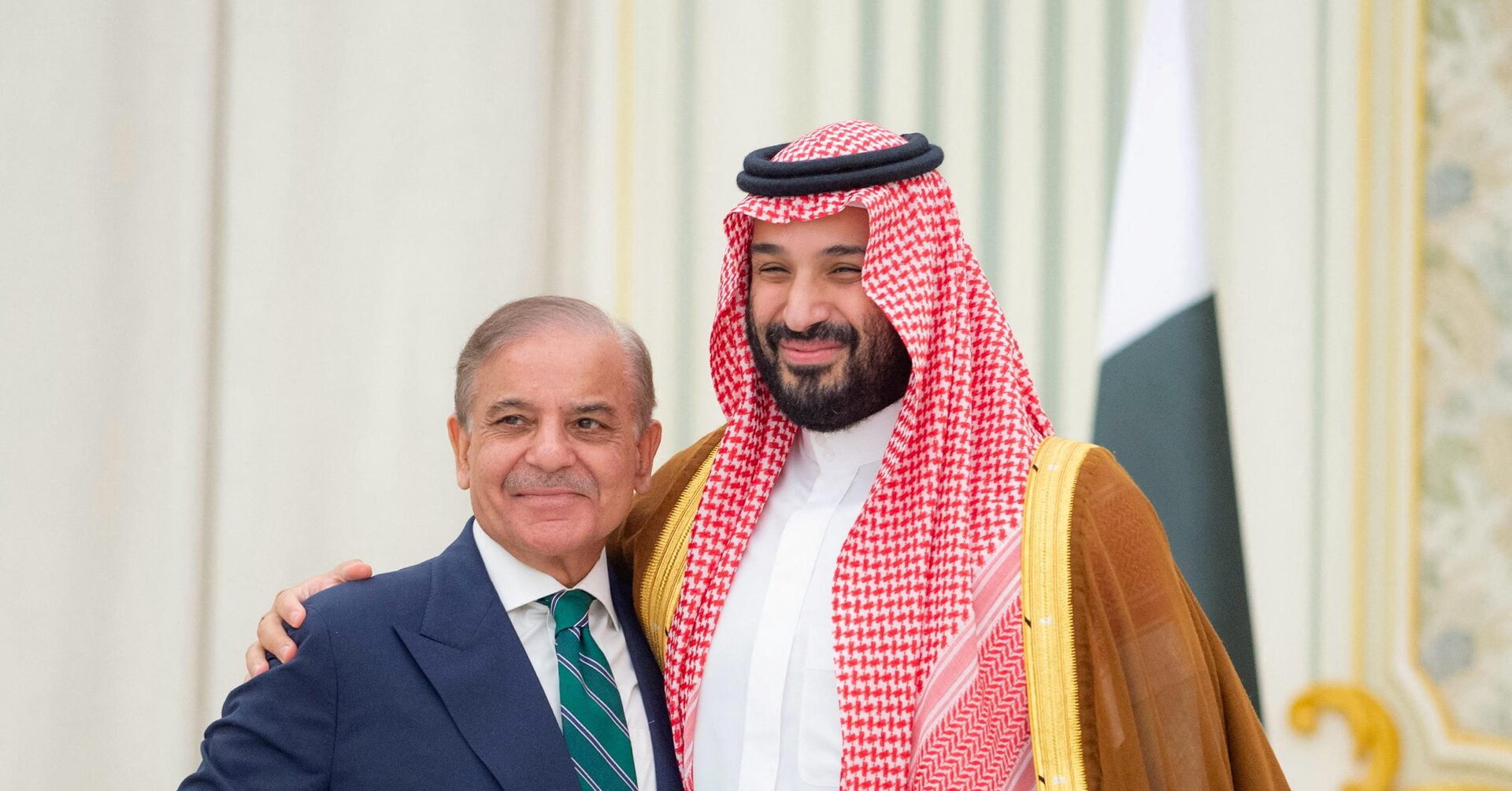
Saudi pact puts Pakistan’s nuclear umbrella into Middle East security picture
In a significant geopolitical move, Saudi Arabia and Pakistan have solidified their alliance through a landmark defense agreement, signed on September 17, 2025, in Riyadh. The pact, termed the ‘Strategic Mutual Defense Agreement,’ underscores a deepening partnership between the two nations, particularly in the face of escalating regional tensions. While the specifics of the agreement remain undisclosed, analysts suggest it effectively combines Saudi Arabia’s financial resources with Pakistan’s formidable military capabilities, including its nuclear arsenal. Pakistan, the sole nuclear-armed Muslim-majority nation, has historically maintained its nuclear doctrine focused on deterring India, its long-standing adversary. However, the agreement has sparked speculation about Riyadh’s potential access to a nuclear shield, a development that could significantly alter the security dynamics of the Middle East. Saudi Arabia, increasingly wary of Israel’s military actions and Iran’s nuclear ambitions, appears to be seeking alternative security assurances beyond its traditional reliance on the United States. The pact also reflects a broader trend of Gulf states diversifying their defense partnerships amid waning confidence in U.S. commitments to the region. Pakistan’s Prime Minister Shehbaz Sharif expressed gratitude to Saudi Crown Prince Mohammed bin Salman for fostering stronger economic and strategic ties. Meanwhile, the agreement has drawn attention from neighboring countries, including India and Iran, who are likely to assess its implications for regional stability. As the Middle East navigates a complex security landscape, the Saudi-Pakistan defense pact marks a pivotal moment in the region’s evolving geopolitical alliances.
-
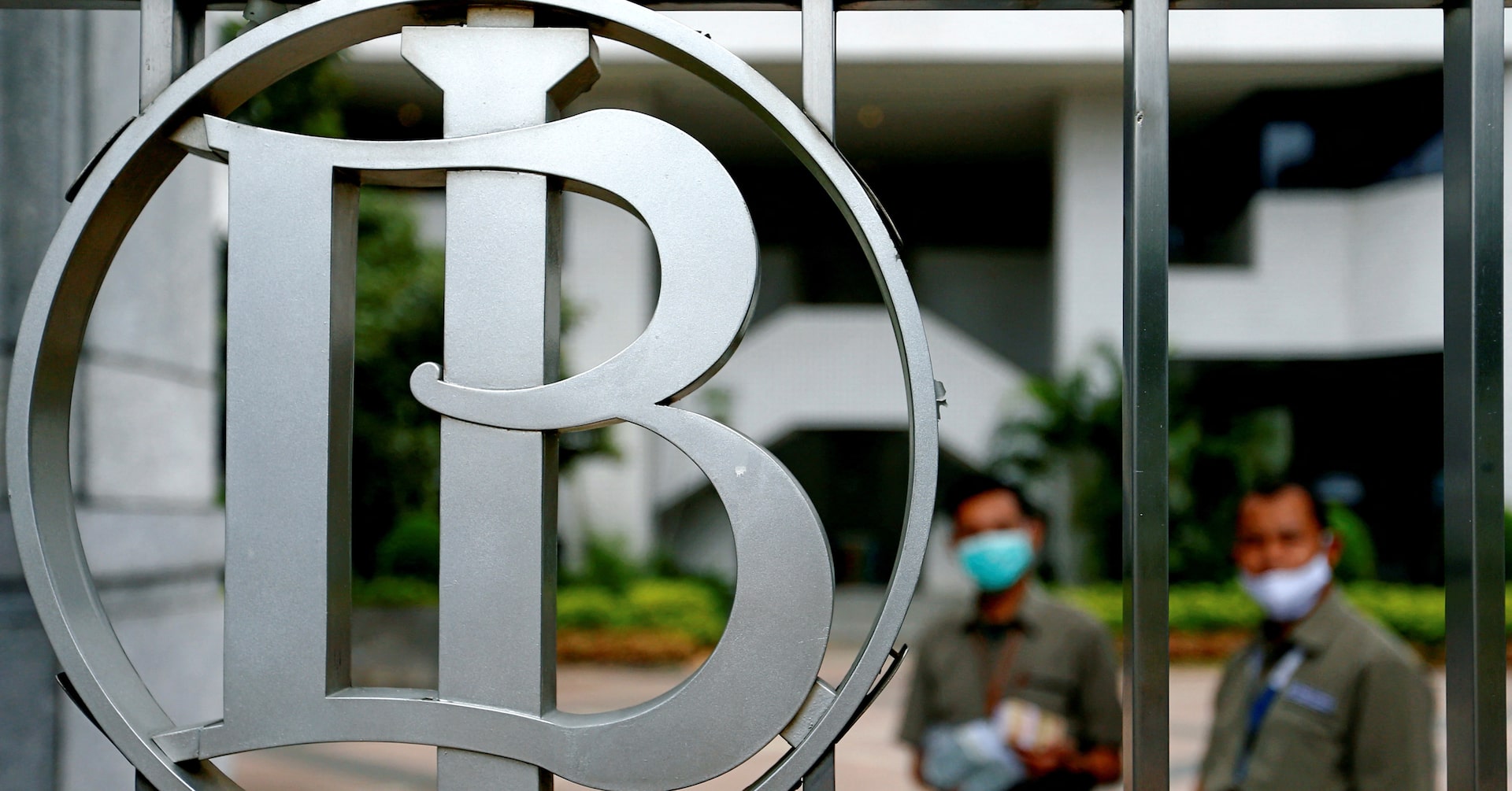
Indonesia’s surprise rate cut, growth gambit put rupiah in the crosshairs
Investors are growing increasingly anxious about the independence of Bank Indonesia (BI) as President Prabowo Subianto pushes for aggressive economic growth, raising fears of a potential rupiah selloff. The central bank’s unexpected rate cut this week, which caught markets off guard, has intensified concerns that BI may be succumbing to political pressure to stimulate the economy at the expense of currency stability. This move comes amid broader global worries about the erosion of central bank independence, a trend highlighted by recent attacks on the U.S. Federal Reserve by former President Donald Trump. Since taking office last year, Prabowo has championed populist spending plans aimed at boosting Indonesia’s growth rate from 5% to 8%. However, investors fear that these policies could undermine fiscal credibility, worsen the current account deficit, and fuel inflation. The rupiah has already depreciated by 3% this year, making it Asia’s worst-performing currency. Analysts warn that while BI’s rate cuts may support growth, they risk destabilizing the currency, especially given Indonesia’s heavy reliance on imports and foreign capital. The central bank has cut rates by 150 basis points over the past year, with further reductions expected. Market participants are also concerned about a ‘burden-sharing’ agreement between BI and the government, which could expand the bank’s mandate and potentially politicize its operations. Despite Indonesia’s relatively stable macroeconomic indicators, the widening gap between short- and long-term bond yields reflects growing investor unease. Experts emphasize the need for clear communication and policy measures to restore confidence in BI’s independence and Indonesia’s economic management.
-
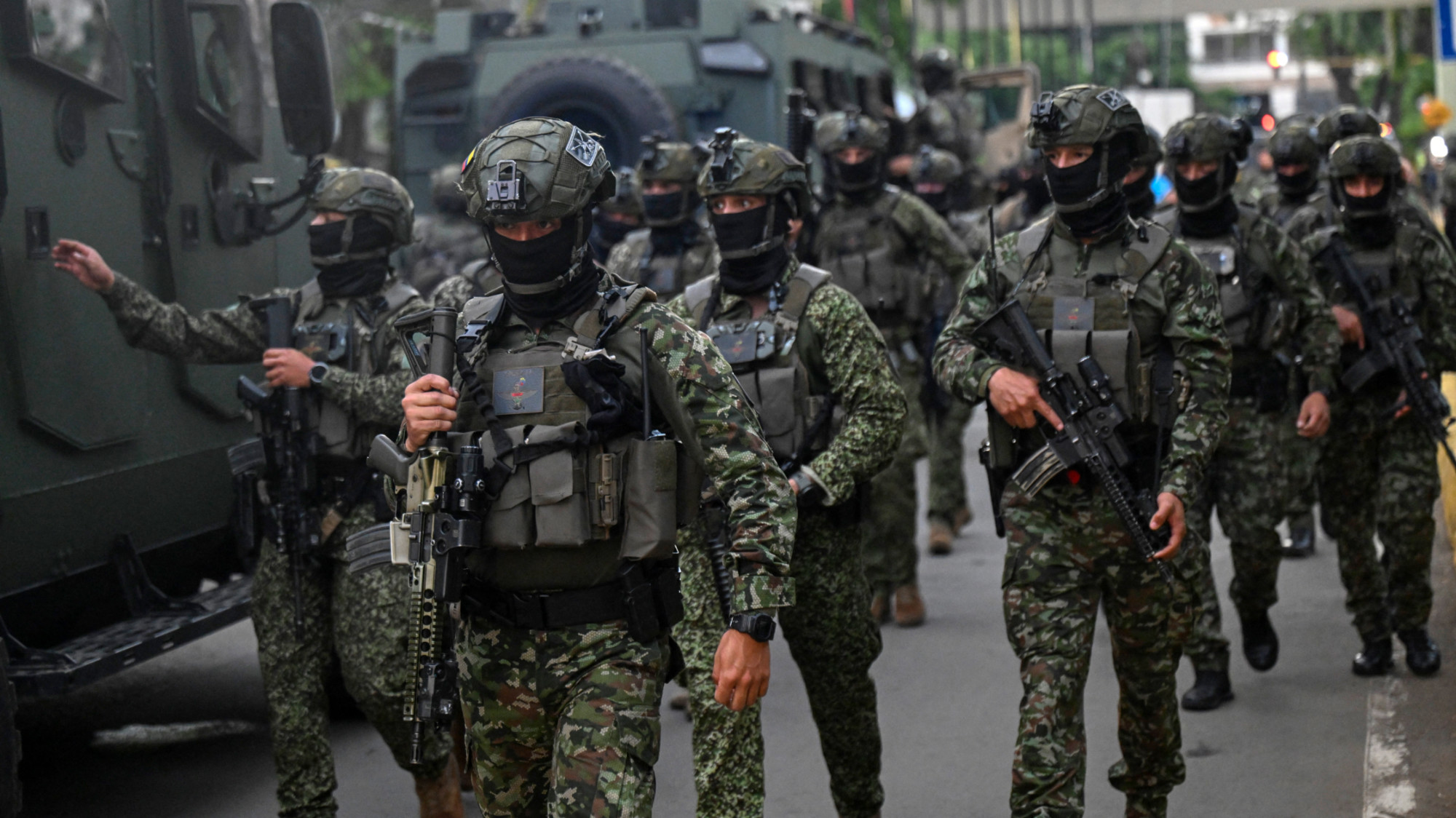
From Sudan to Ukraine: Why Colombian mercenaries keep fighting foreign wars
In the desolate plains of Sudan, where a brutal civil war has left the nation in ruins, a small convoy of makeshift militarized vehicles gathers. Amidst the chaos, the sounds of vallenato—traditional Colombian folk music—echo from a car radio, a stark reminder of the presence of Colombian mercenaries in this distant conflict. Their involvement has recently come under intense scrutiny after Sudan lodged a formal complaint with the UN Security Council, accusing the United Arab Emirates (UAE) of financing and deploying these mercenaries to fight alongside the Rapid Support Forces (RSF), a paramilitary group opposing the Sudanese military. The UAE has denied these allegations.
-
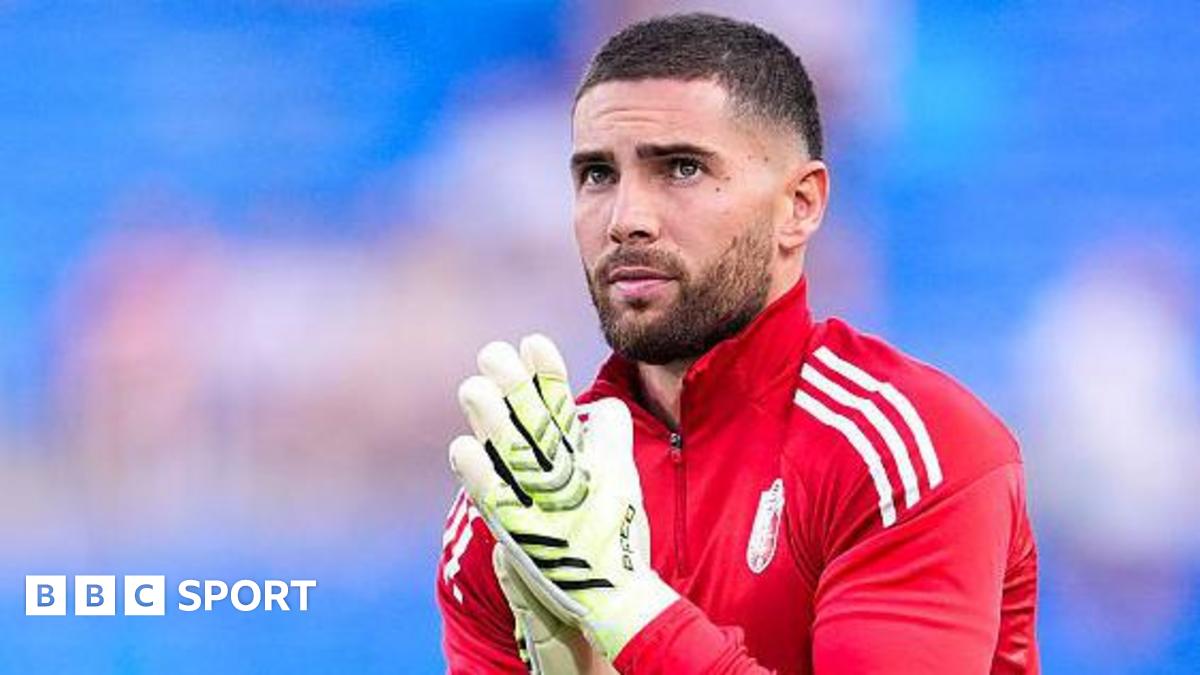
Zidane’s son switches allegiance to Algeria
Luca Zidane, the 27-year-old goalkeeper and son of legendary French footballer Zinedine Zidane, has officially changed his international allegiance from France to Algeria. The decision, approved by FIFA, marks a significant shift in Zidane’s career and could pave the way for him to represent Algeria in the 2026 World Cup. Born just outside Marseille, Luca had previously represented France at various youth levels but now qualifies for Algeria through his father’s heritage. Zinedine Zidane’s parents hailed from the Kabylie region of Algeria, providing Luca with the eligibility to make the switch. Currently playing for Granada in Spain’s second tier, Luca has had a varied career, including brief stints at Real Madrid and Rayo Vallecano in La Liga. His move to Algeria comes as the national team prepares for a crucial World Cup qualifier against Somalia next month, with hopes of securing a spot in the 2026 finals in North America. Luca is the second of four brothers, all of whom trained at Real Madrid’s academy, continuing the Zidane family’s legacy in football. His father, Zinedine, is celebrated as one of the game’s greatest players, famously scoring twice in France’s 1998 World Cup final victory over Brazil. Luca’s decision to represent Algeria adds a new chapter to the Zidane family’s storied football history.
-
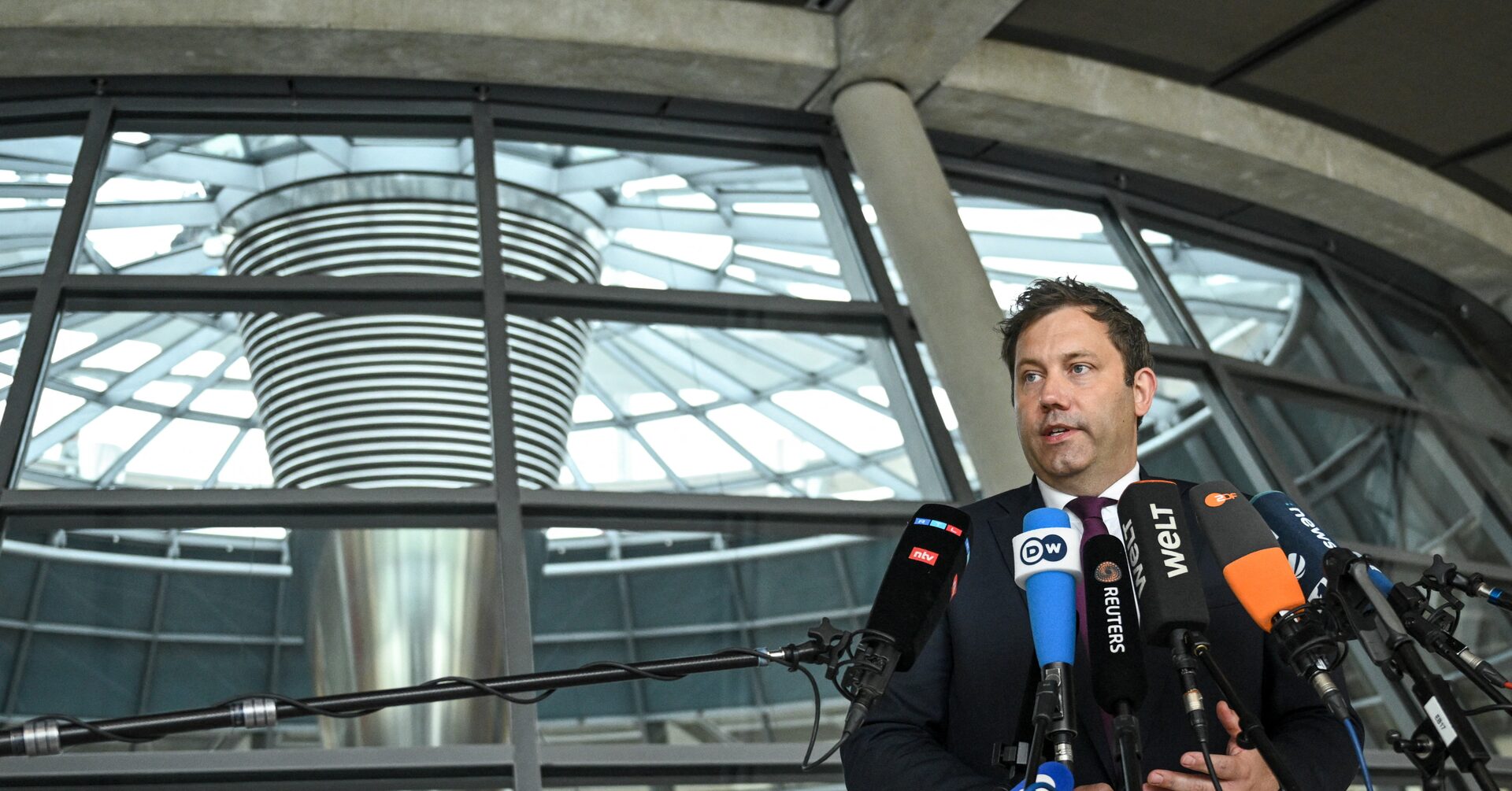
Germany open to ideas on frozen Russian assets, finance minister says
In a significant development, German Finance Minister and Vice Chancellor Lars Klingbeil has expressed Berlin’s willingness to explore productive ideas regarding the use of Russian assets frozen in the European Union. Speaking in Copenhagen on Friday, Klingbeil emphasized the need for careful examination of the issue, which remains legally complex and sensitive. ‘Germany will take on a role in which we want to make things possible and not one in which we block things,’ he stated, signaling a cooperative approach ahead of discussions with EU counterparts. The EU has been cautious about seizing the assets outright, a move considered a red line by some member states. Instead, the bloc is exploring ways to utilize these assets more intensively to support Ukraine, particularly amid uncertainties surrounding U.S. commitment under President Donald Trump. Since Russia’s invasion of Ukraine in February 2022, the EU has only accessed the interest generated from the frozen assets. Germany has historically raised legal concerns over proposals to seize the assets entirely. However, Klingbeil affirmed his coalition government’s commitment to intensifying their use to meet Ukraine’s financial needs. ‘There is a financial need there. We want to fulfill our responsibility for Ukraine,’ he told reporters. This stance underscores Germany’s evolving position on a contentious issue that continues to shape Europe’s response to the ongoing conflict.
-

South African rand steady as investors mull central bank decision, US trade talks
The South African rand remained stable on Friday as market participants digested the South African Reserve Bank’s (SARB) decision to maintain its benchmark interest rate at 7%. This decision came amidst a backdrop of cautious optimism following recent trade discussions between South Africa and the United States, aimed at addressing steep tariffs imposed by the U.S. government. At 0824 GMT, the rand traded at 17.3350 against the U.S. dollar, showing minimal movement from its previous close. The SARB’s decision to hold rates steady reflects a cautious approach as it evaluates the effects of prior rate reductions. While economists anticipated no change, some analysts had speculated on a potential cut, especially after August’s unexpected slowdown in headline inflation. Meanwhile, trade negotiations between South African Trade Minister Parks Tau and U.S. Trade Representative Jamieson Greer remain a focal point for investors. Last month, U.S. President Donald Trump imposed a 30% tariff on South African imports, the highest rate in Sub-Saharan Africa, raising concerns over potential job losses. Looking ahead, key economic indicators such as business cycle leading figures and producer inflation data will be closely monitored. The Johannesburg Stock Exchange’s Top-40 index saw a modest 0.2% rise in early trading, while South Africa’s benchmark 2035 government bond weakened slightly, with yields increasing by 3 basis points to 9.21%.
-
Japan’s SMBC raises stake in Jefferies to about 20%
In a significant move to strengthen its foothold in the U.S. financial sector, Japan’s Sumitomo Mitsui Banking Corporation (SMBC) has increased its equity ownership in Jefferies Financial Group, a prominent U.S. investment bank, to approximately 20%. The announcement was made jointly by both entities on Friday, September 19. Alongside the equity boost, SMBC has committed to providing Jefferies with $2.5 billion in new credit facilities, further solidifying the strategic partnership between the two institutions. This development underscores SMBC’s commitment to expanding its global financial services portfolio and leveraging Jefferies’ expertise in investment banking and capital markets. The collaboration is expected to enhance Jefferies’ liquidity and operational capabilities, while SMBC gains a stronger presence in the competitive U.S. financial landscape. The deal reflects the growing trend of cross-border financial alliances as institutions seek to diversify their portfolios and capitalize on emerging market opportunities.
-
Singapore reviewing short seller claim against India’s Vedanta, documents show
The Singapore Police Force (SPF) is currently reviewing a complaint filed by U.S.-based short seller Viceroy Research, which alleges that Indian natural resources conglomerate Vedanta Ltd improperly funded its 2024 dividend. According to documents obtained by Reuters, Viceroy claims that Vedanta used a $900 million loan from Oaktree Capital Management to artificially inflate its reserves, enabling a dividend payout that was not supported by actual cash earnings. Vedanta has vehemently denied these allegations, stating that all dividends were paid in full compliance with applicable laws and labeling Viceroy’s claims as “baseless” and “malicious.”
Viceroy’s complaint, submitted to the SPF on August 7, further accuses Vedanta of employing accounting maneuvers to reverse write-offs through Singapore-based entities after repaying the loan. The short seller asserts that its findings are based on publicly available reports, forensic analyses of Vedanta’s financial filings, and on-site visits to its assets. The SPF has acknowledged receipt of the complaint, assigning it a reference number, but has declined to comment on the matter.
This is not the first time Vedanta has faced accusations from Viceroy. In July, the short seller published a report alleging that Vedanta Resources, the UK-based parent company holding a 56% stake in Vedanta Ltd, was “systematically draining” its Indian subsidiary to meet its own financing needs. Vedanta Ltd has consistently refuted these claims, calling them a “malicious combination of selective misinformation and baseless allegations.”
The controversy comes amid ongoing challenges for Vedanta, including opposition from the Indian government to its 2023 demerger plan, which aimed to split the company into four separate entities. This followed an unsuccessful attempt to take the group private in 2020. Vedanta Resources has since focused on reducing its debt, targeting a $1.2 billion reduction to bring net debt down to $11.1 billion by fiscal 2025.
As the SPF continues its review, the allegations have cast a shadow over Vedanta’s financial practices, raising questions about corporate governance and transparency in one of India’s largest natural resources firms.