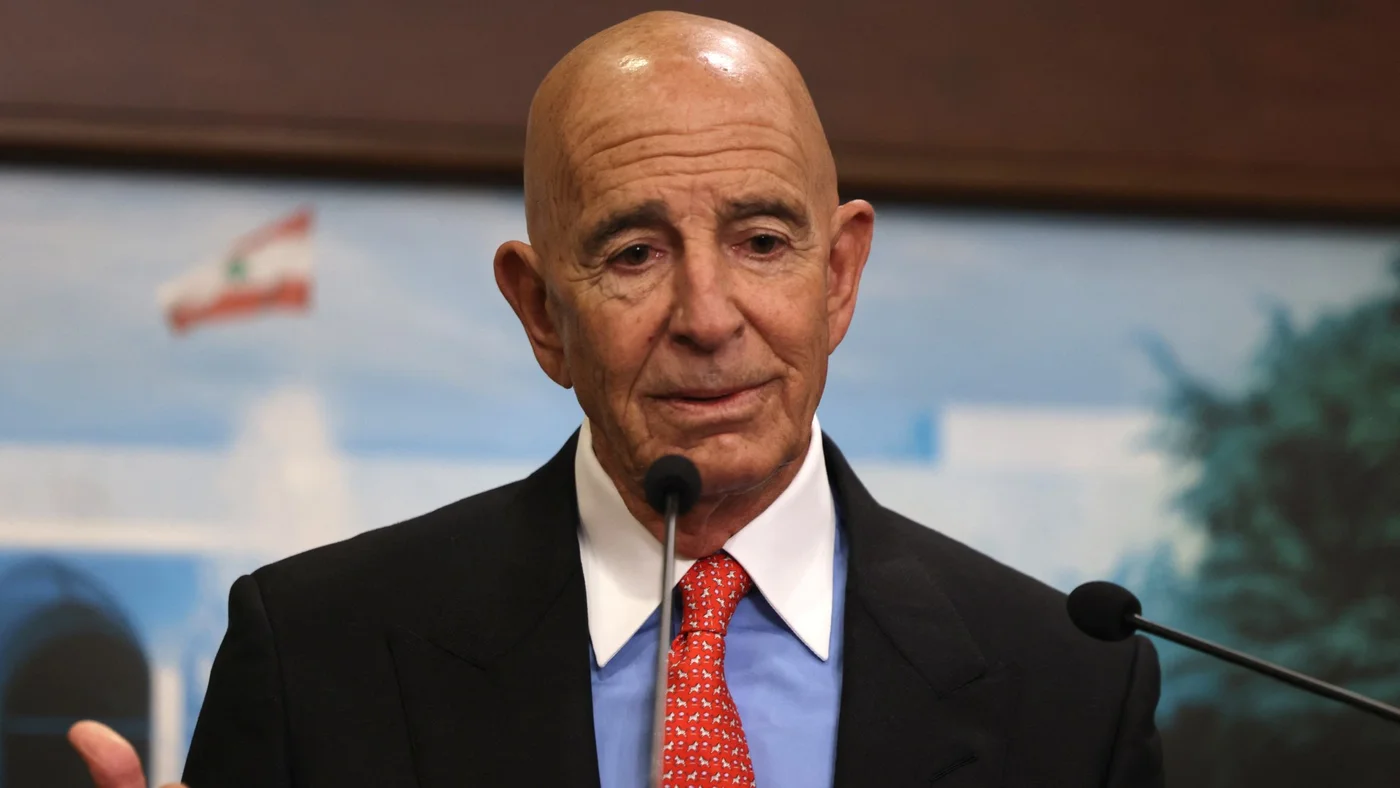
In a revealing interview with The National, Tom Barrack, the US Special Envoy to Syria and Ambassador to Turkey, offered a candid assessment of the Middle East’s geopolitical landscape and US foreign policy. Barrack, who has Lebanese heritage and has served as President Donald Trump’s envoy since May, described regional peace as ‘an illusion’ and criticized Israel’s aggressive actions, including its strikes on Syria, Lebanon, and Tunisia. He also addressed the recent Israeli attack on Qatar, calling it ‘not good’ and revealing that groups like Hamas and the Taliban are in Doha at America’s request. Barrack emphasized that the US administration is stepping back from direct intervention, focusing instead on counterterrorism cooperation while maintaining a special relationship with Israel, which receives $4-5 billion in annual subsidies. He dismissed the idea of a Palestinian state, arguing that the global community lacks the commitment to enforce it. Barrack also highlighted the challenges of disarming Hezbollah in Lebanon, noting the group’s financial and military strength, funded by Iran. He expressed concern over the Gaza conflict, calling it ‘unsettling’ and questioning why neighboring Arab countries won’t take in Palestinians. Barrack concluded by expressing distrust in all regional actors, including Israel, and hinted at the possibility of further US or Israeli action against Iran to stabilize the region.
博客
-
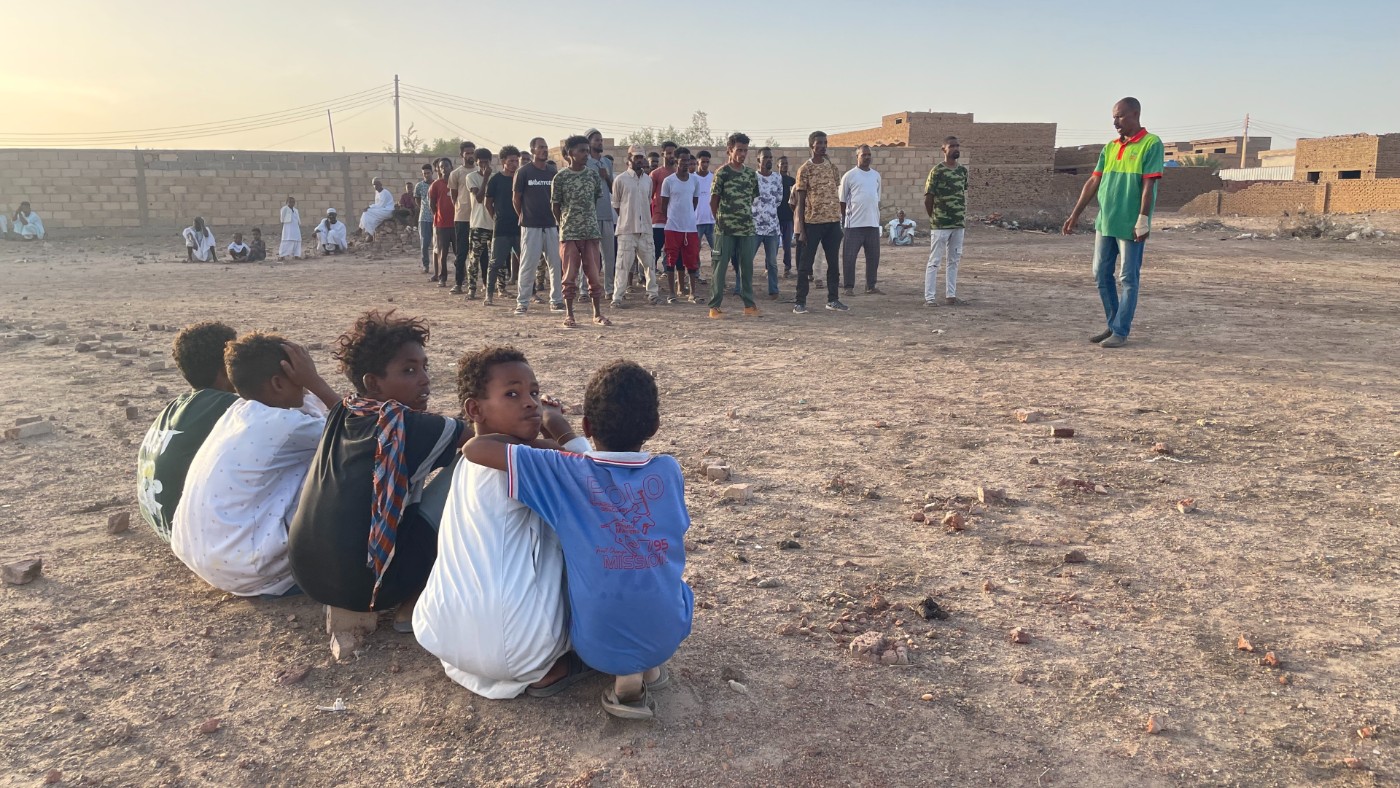
Sudan PM visits village following MEE coverage of fight against RSF
In a historic move, Sudanese Prime Minister Kamil Idris visited the village of al-Tekeina in al-Jazira state on August 30, 2025, marking the first visit by a senior Sudanese official in over six decades. The visit followed extensive coverage by Middle East Eye (MEE) of the village’s struggles against the Rapid Support Forces (RSF), a paramilitary group accused of committing genocide. During his visit, Idris pledged to implement widespread reforms, including infrastructure development, improved public services, and political representation for the villagers. Al-Tekeina, located 70 kilometers south of Khartoum, had been neglected by the central government for years, forcing residents to defend themselves against the RSF using weapons and tactics learned from YouTube tutorials. The village’s resistance committee, led by Magd Omer Ibrahim, played a pivotal role in organizing the defense and advocating for the community’s needs. Idris’s delegation, which included ministers and the governor of al-Jazira, promised to reconstruct roads, maintain water and electricity stations, build a technical college, drill wells, and expand healthcare facilities. Villagers credited media coverage, particularly by MEE, for drawing government attention to their plight. The visit was seen as a moral restitution for the sacrifices made by the villagers, who had been abandoned by the Sudanese Armed Forces (SAF) during the conflict. The war in Sudan, which began in April 2023, has displaced nearly 12 million people and claimed at least 150,000 lives, making it one of the world’s worst humanitarian crises. The people of al-Tekeina hope that the promises made during the visit will bring lasting change to their community.
-
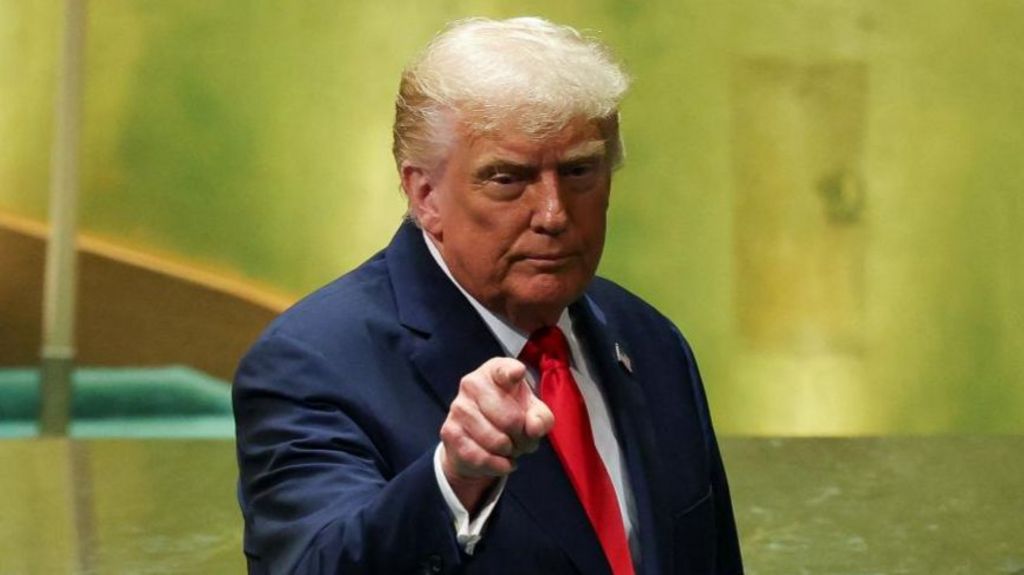
Seven years ago Trump’s UN audience laughed, this year they were silent
In a fiery address to the United Nations General Assembly, former U.S. President Donald Trump delivered a blistering critique of the international body, European policies, and global multilateralism. Trump, known for his unorthodox approach to diplomacy, used the platform to reaffirm his nationalist ideology, which he termed ‘Trumpism unplugged’ by supporters and ‘Trumpism unhinged’ by critics. His nearly hour-long speech began with self-praise, claiming credit for a ‘golden age’ in the U.S. and asserting that he had ended seven wars, a claim he believes warrants a Nobel Peace Prize. However, the bulk of his speech targeted the UN, which he accused of failing to fulfill its potential and resorting to ’empty words’ rather than tangible action. Trump also criticized the organization for its support of asylum seekers, accusing it of facilitating ‘invasions’ rather than preventing them. He even took aim at the UN’s infrastructure, citing a broken escalator and teleprompter as symbols of its inefficiency. Trump’s broader critique extended to Europe, which he accused of being ‘devastated’ by immigration and renewable energy policies. He labeled climate change a ‘con job’ and warned European nations against adopting ‘suicidal’ green energy initiatives. His remarks echoed his earlier comments during a state visit to the U.K., where he emphasized the need to protect the ‘English-speaking world’ and Judeo-Christian heritage. On Ukraine, Trump issued a rare warning to Russia, calling its actions in the conflict detrimental to its global image. He also hinted at potential tariffs but shifted blame to European nations for continuing to buy Russian energy. While his speech was met with silence, Trump’s subsequent social media post suggested optimism about Ukraine’s ability to reclaim its territory, though he notably omitted any mention of U.S. military support. The address underscored Trump’s disdain for multilateralism and his belief in the supremacy of nation-states, leaving little room for compromise or collective solutions.
-
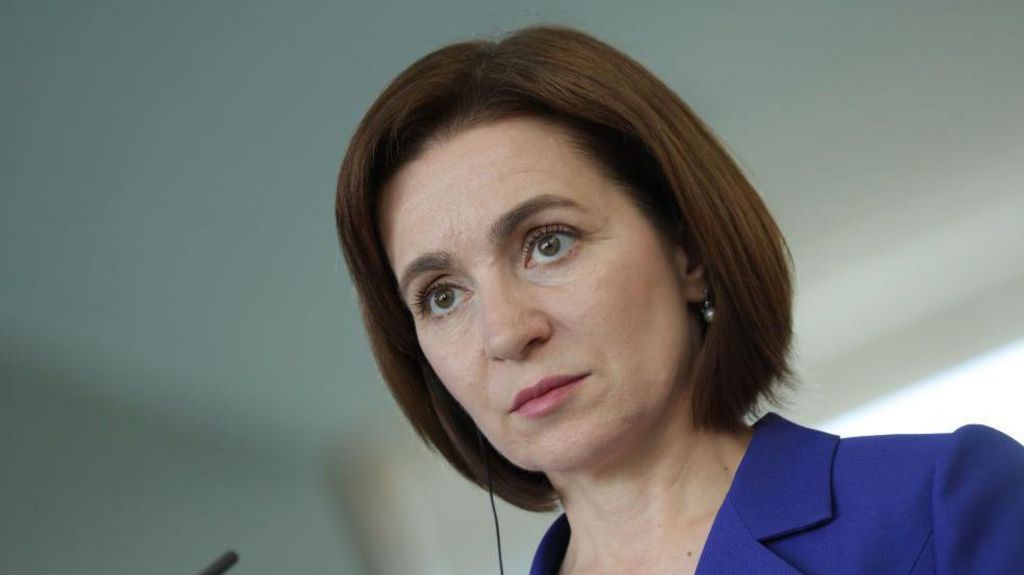
Kremlin threatening Moldova’s independence, president warns ahead of key vote
Moldovan President Maia Sandu has issued a stark warning about the threats to her country’s independence and European aspirations, as authorities arrested dozens of individuals allegedly involved in a Russian-backed plot to incite violence. The arrests, which occurred just days before pivotal parliamentary elections, included the seizure of weapons and explosives in nationwide raids. Authorities claim that some of the 74 detainees received training in Serbia from Russian instructors, including firearms instruction. President Sandu accused the Kremlin of investing heavily in efforts to destabilize Moldova through violence, disinformation, and fear, asserting that Russia views Moldova as a territory rather than a sovereign nation. She emphasized Moldova’s determination to resist such interference, declaring, ‘Moldova is our home. And our home is not for sale.’ Pro-Russian parties, however, have accused Sandu of attempting to intimidate them and influence the election outcome. Sandu has urged her supporters to participate actively in the elections, where pro-Russian forces are poised to challenge the pro-EU status quo. The ruling Party of Action and Solidarity (PAS), led by Sandu, faces significant risks of losing its majority. A high voter turnout, particularly among the diaspora, is seen as crucial for maintaining Moldova’s pro-European trajectory. Moldova, which declared independence from the USSR over 30 years ago, has a significant Russian-speaking population and a breakaway region, Transnistria, supported by Moscow. Despite Russia’s lingering influence, Sandu has pursued EU integration, including a constitutional referendum last year that narrowly endorsed EU accession. However, the referendum was marred by evidence of Russian interference, including vote-buying. Analysts warn that Russia may resort to violence if pro-EU forces prevail in the elections. Recent reports from Bloomberg and the BBC have uncovered extensive Russian plans to sow unrest and spread disinformation, further complicating Moldova’s political landscape. Russia’s SVR intelligence service has even accused European countries of planning to falsify election results, a claim dismissed as baseless by experts. As Moldova braces for a high-stakes election, the nation’s future hangs in the balance between European integration and Russian influence.
-
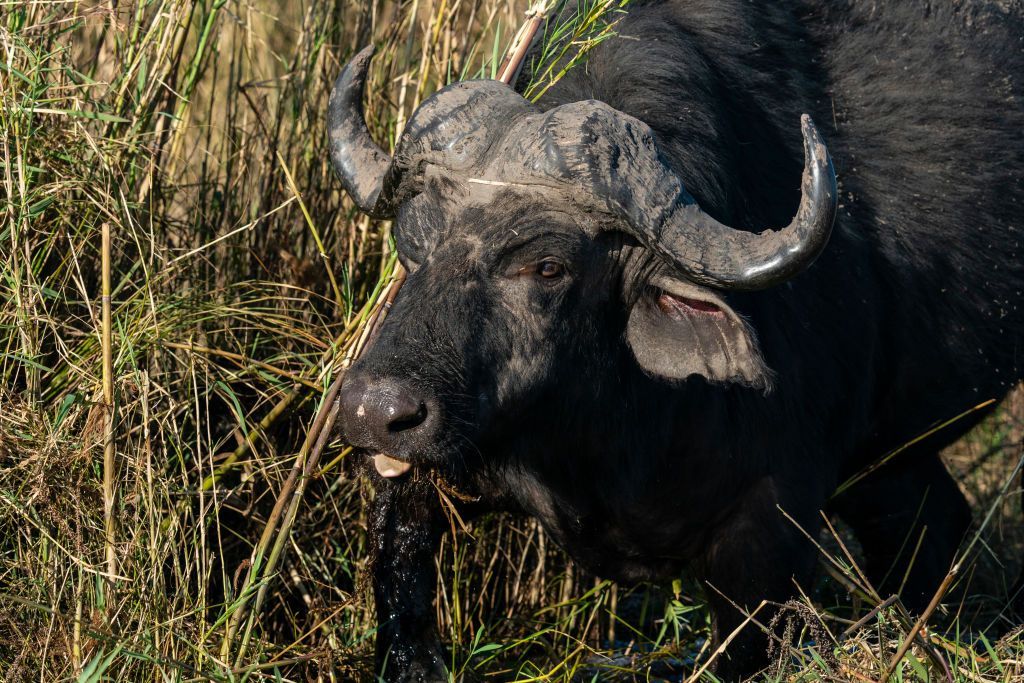
More than 80 buffaloes drown in Namibia after falling off cliff
In a tragic wildlife incident, more than 80 buffaloes lost their lives after stampeding and drowning in the Chobe River, according to Namibia’s environment and tourism department. The calamity unfolded when the buffaloes, being pursued by lions from neighboring Botswana, plunged off a steep cliff into the river on the Namibian side of the border. This is not an isolated event; similar incidents have claimed the lives of hundreds of buffaloes in the past. Notably, around 400 buffaloes died in 2018 under comparable circumstances in the same river, which flows through Botswana’s renowned Chobe National Park, a hotspot for elephants, buffaloes, and giraffes. Mbeha Tadeus, an official from Namibia’s Kabulabula Conservancy, explained that buffaloes often flee into Namibia when chased by lions, leading to chaotic stampedes. Ndeshipanda Hamunyela, a spokesperson for Namibia’s Environment, Forestry and Tourism Ministry, confirmed the buffaloes originated from Botswana but could not specify if they were from Chobe National Park. The carcasses are being distributed to local communities, as seen in a video shared by Namibia’s public broadcaster, NBC, which reported the incident occurred around 05:00 local time (07:00 GMT).
-

What makes Canada so good and will they cause World Cup upset?
The Women’s Rugby World Cup final on Saturday, 27 September 2025, promises to be a thrilling showdown as Canada challenges England at Twickenham. Despite England’s status as the world’s number one team and an unbeaten streak of 32 matches, Canada has emerged as a formidable contender, ranked second globally and undefeated this year. Their impressive journey to the final includes a dominant 34-19 victory over defending champions New Zealand in the semi-finals, where they led 24-7 at halftime. Canada’s recent performances suggest they are far from underdogs, having showcased exceptional speed, agility, and tactical prowess. Their quick ruck speeds, second-most clean breaks, and high number of offloads and runs highlight their dynamic playing style. Former players and analysts, including Maggie Alphonsi and Lesley McKenzie, have praised Canada’s ability to disrupt opponents and maintain momentum. Despite financial challenges and a semi-professional setup, Canada’s team has rallied with crowdfunding efforts and strategic planning. With key players like Sophie de Goede and Alex Tessier gaining experience in England’s Premiership Women’s Rugby league, Canada is poised to make history. As the nation rallies behind them, this final could mark a turning point for women’s rugby in Canada and inspire future generations.
-
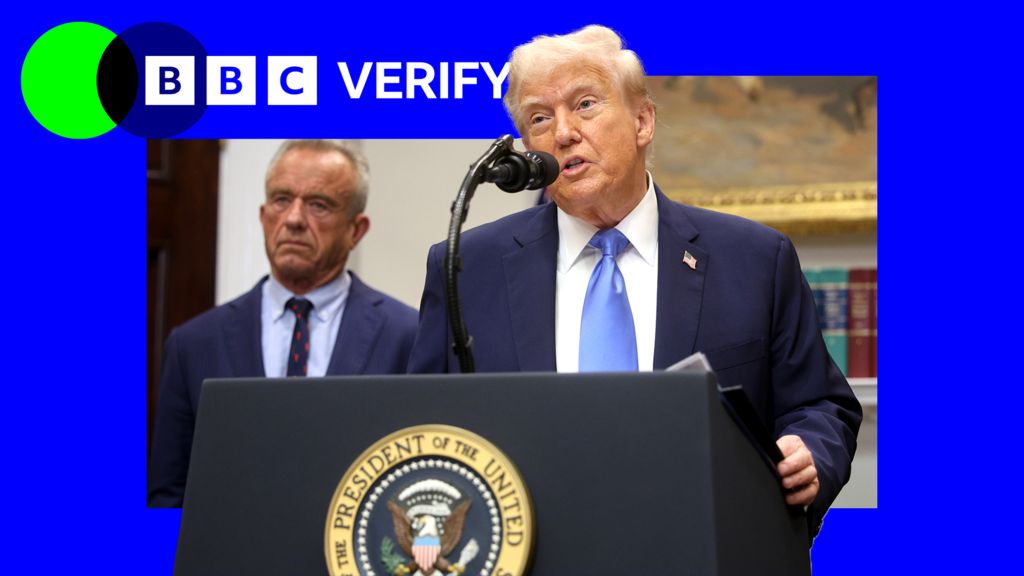
Fact-checking claims Trump made about autism
US President Donald Trump has sparked significant backlash from health experts following his assertion of a link between the widely used painkiller Tylenol (paracetamol in some countries) and autism. Speaking alongside Health Secretary Robert F Kennedy Jr, Trump suggested that doctors would soon be advised against recommending the drug to pregnant women. This claim has been met with strong opposition from medical professionals. The American College of Obstetricians and Gynaecologists labeled the announcement ‘unsettling’ and lacking ‘reliable data,’ while the UK’s National Autism Society called it ‘dangerous, anti-science, and irresponsible.’
During a White House press conference, Trump cited statistics indicating a rise in autism diagnoses in the US, claiming the rate had increased from ‘one in 10,000’ 18 years ago to ‘one in 31’ by 2025. While the latter figure is accurate according to 2022 data from the Centers for Disease Control and Prevention (CDC), the rate of increase was significantly less dramatic than Trump suggested. Experts attribute the rise in autism diagnoses primarily to improved diagnostic methods and greater awareness.
Trump also claimed that California has a ‘more severe problem’ with autism, citing CDC data showing one in 12 eight-year-old boys in the state had autism. However, the CDC noted that California’s proactive screening initiatives likely contributed to higher identification rates. Additionally, Trump suggested that the mumps, measles, and rubella (MMR) vaccine should be administered separately rather than as a combined shot, a claim that experts fear could lead to reduced vaccination rates and the resurgence of preventable diseases.
The president’s comments echoed long-debunked theories linking vaccines to autism, which originated from a discredited 1998 study by Andrew Wakefield. Multiple studies, including a 2019 Danish study involving over 650,000 children, have found no such link. Trump also cited the Amish community as having ‘virtually no autism,’ attributing this to low Tylenol use. However, limited research on autism in the Amish population makes this claim unsubstantiated.
Trump’s remarks have reignited concerns about the spread of misinformation and its potential impact on public health. Health experts urge the public to rely on evidence-based medical advice rather than unverified claims.
-

Eswatini says it has repatriated US deportee to Jamaica
Eswatini, Africa’s last absolute monarchy, has come under scrutiny following the deportation of a Jamaican man under former U.S. President Donald Trump’s stringent immigration policies. Orville Isaac Etoria, 62, who had lived in the U.S. for decades as a lawful permanent resident, was deported to Eswatini in July alongside four other individuals from Cuba, Laos, Vietnam, and Yemen. The U.S. government labeled them as ‘depraved monsters.’ After being held in solitary confinement in a maximum-security prison in Mbabane, Etoria was voluntarily repatriated to Jamaica over the weekend and was warmly received by his family. However, his treatment has drawn condemnation from the Legal Aid Society of New York, which highlighted his reintegration into American society after serving a 25-year prison sentence for murder. Activists in Eswatini have denounced the deportation deal as ‘unconstitutional,’ staging protests outside the U.S. embassy. Rights groups have initiated legal action, arguing that the government lacked parliamentary approval for the agreement. Eswatini, formerly known as Swaziland, is a small, landlocked nation bordered by South Africa and Mozambique, ruled by King Mswati III since 1986. The case underscores the controversial nature of Trump’s mass deportation policies, which often sent individuals to countries with no personal ties.
-

All is not lost for China in US TikTok deal
In a significant development in the ongoing US-China tech rivalry, Beijing has signaled its approval for American investors to take over TikTok’s operations in the United States. This move marks a rare thaw in the tense standoff between the two global powers, following a pivotal phone conversation between US President Donald Trump and Chinese President Xi Jinping on September 19, where the TikTok issue was reportedly a central topic.
-
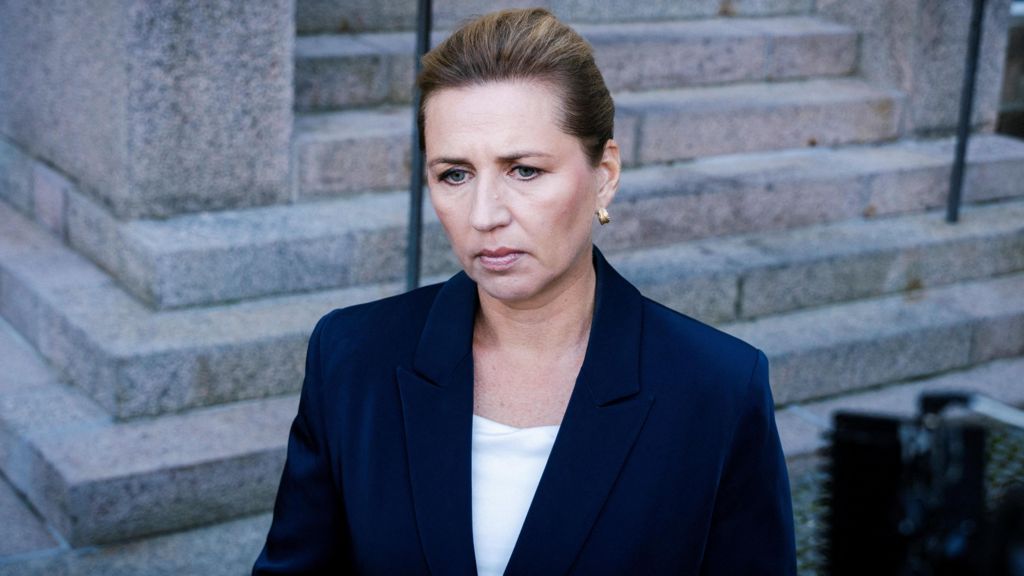
Russia’s involvement in drone sightings cannot be ruled out, Danish PM says
Denmark’s Prime Minister Mette Frederiksen has labeled the drone incursion that disrupted Copenhagen Airport on Monday night as “the most severe attack on Danish infrastructure so far.” The incident, which forced the closure of Kastrup Airport for several hours, was described as an attempt to “disrupt, create unrest, and test the limits” of Denmark’s defenses. Frederiksen drew parallels between this event and recent Russian drone incursions in Poland, Romania, and Estonia, suggesting a broader pattern of destabilization. While Kremlin spokesman Dmitry Peskov dismissed the allegations as “unfounded,” Danish intelligence warned of a “high threat of sabotage.” Flemming Drejer, director of operations at Denmark’s intelligence service PET, noted that the motive may have been to “stress us out and see how we react.” Around 20,000 passengers were affected by the airport closure, which resumed operations after midnight. Danish police described the drone operators as a “capable actor” but have yet to identify their origin. In Norway, Oslo Airport also faced a temporary closure due to suspected drone activity, with 14 flights diverted. Norwegian Prime Minister Jonas Gahr Store condemned Russia’s repeated airspace violations in 2025, emphasizing that such actions are “not acceptable.” The incidents have heightened tensions in Europe, with NATO bolstering its eastern flank by deploying troops and fighter jets from member states, including the UK, France, Germany, and Denmark. The alliance has also warned of a “wider pattern of increasingly irresponsible Russian behavior” following recent incursions into Poland, Romania, and Estonia. As the conflict in Ukraine continues, NATO members like Poland and Sweden have vowed to shoot down any unauthorized objects in their airspace, underscoring the growing security challenges in the region.