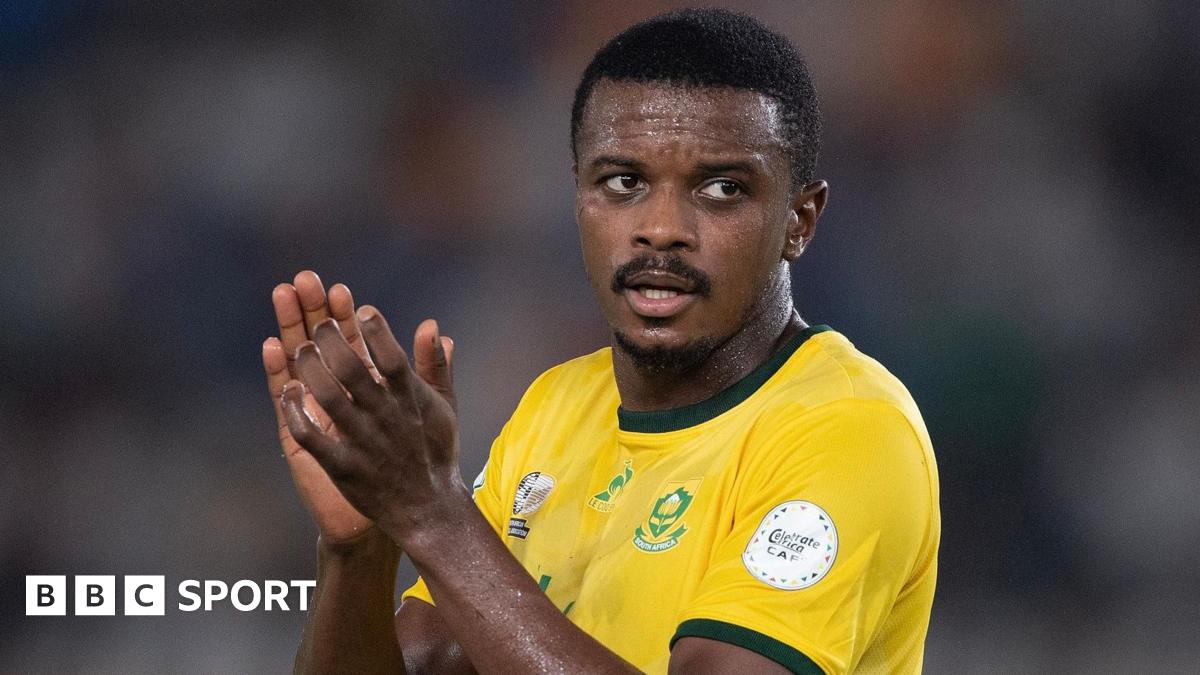
South Africa’s aspirations to secure a spot in the 2026 FIFA World Cup have been severely compromised following a ruling by FIFA’s disciplinary committee. The committee found that the South African national team violated competition regulations by fielding an ineligible player, Teboho Mokoena, during their 2-0 victory over Lesotho in March. Mokoena, a 28-year-old midfielder, was supposed to serve a suspension after accumulating two yellow cards in previous matches. As a consequence, FIFA has imposed a 3-0 forfeit on South Africa, fined the South African Football Association (Safa) 10,000 Swiss Francs ($12,500), and issued a warning to Mokoena. This decision has dramatically reshaped the standings in Group C of the African World Cup qualifiers. South Africa, previously leading the group, has now dropped to second place, trailing Benin on goal difference. The outcome has also reignited the hopes of Nigeria and Rwanda, who are now just three points behind the top two teams. With the final rounds of qualifiers scheduled for October 10-14, Benin will face Rwanda and Nigeria, while South Africa will play Zimbabwe and host Rwanda. Safa has a 10-day window to appeal FIFA’s decision, but the road to the World Cup has undoubtedly become more challenging for Bafana Bafana.
博客
-
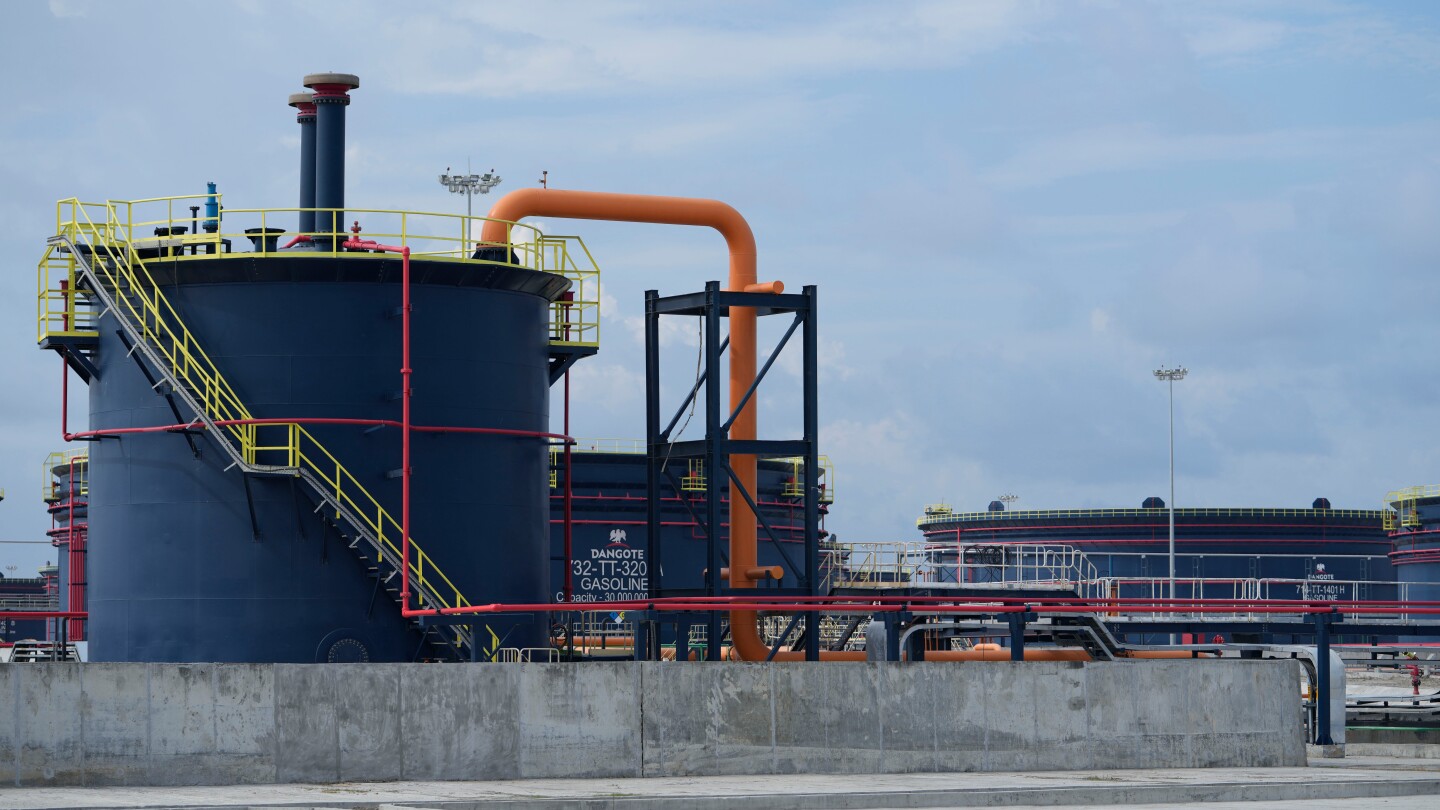
Nigerian government to meet oil workers’ union after strike halts nationwide supply
LAGOS, Nigeria — A critical meeting is scheduled between Nigerian government officials and representatives of the country’s oil workers union on Monday, following a nationwide strike triggered by the dismissal of 800 employees at Dangote Refinery, Africa’s largest refining facility. The strike, initiated by the Petroleum and Natural Gas Senior Staff Association of Nigeria (PENGASSAN), has disrupted operations across key oil and gas institutions, threatening to halt national supply chains.
-
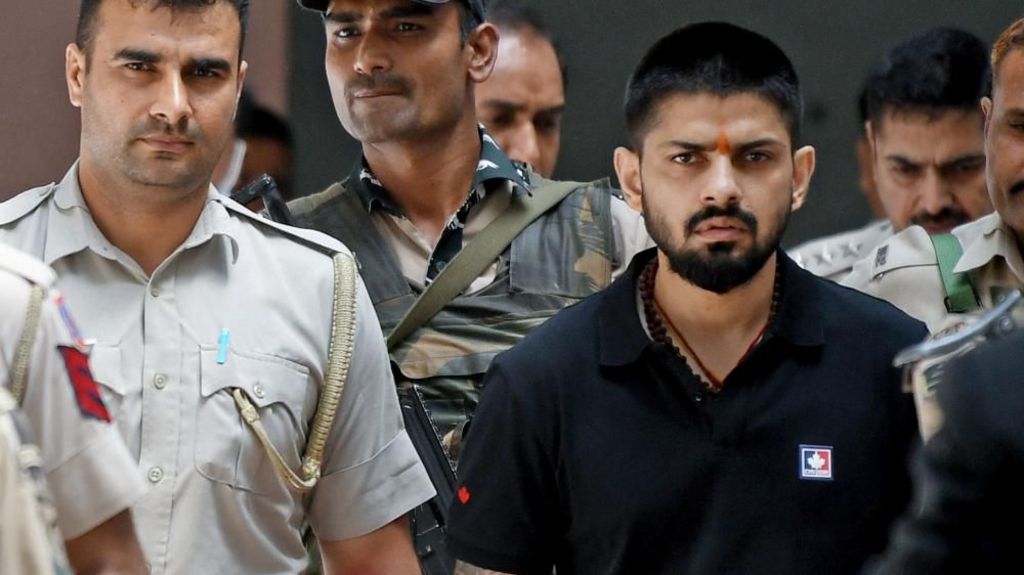
Canada lists India’s Bishnoi gang as terrorist entity
In a significant move, Canada has officially classified India’s Bishnoi gang as a terrorist organization, granting the federal government authority to confiscate the group’s assets and freeze its financial holdings within the country. The announcement was made by Public Safety Minister Gary Anandasangaree on Monday, who emphasized that the gang has fostered an environment of fear and intimidation within Canadian diaspora communities. The decision follows allegations by Canadian police last year that members of the Bishnoi gang, allegedly linked to the Indian government, were involved in homicides, extortion, and violent acts targeting supporters of the pro-Khalistan movement. India has consistently denied these claims, citing a lack of evidence provided by Canada. The new designation empowers Canadian law enforcement to prosecute terrorist activities such as financing, recruitment, and travel. Minister Anandasangaree stated, ‘Specific communities have been subjected to terror, violence, and intimidation by the Bishnoi gang. This listing equips us with stronger tools to combat and halt their criminal operations.’ The Bishnoi gang, led by Lawrence Bishnoi, a 32-year-old incarcerated Indian gangster, is described as a transnational criminal organization primarily based in India but with significant operations in Canada, particularly in areas with large diaspora populations. In India, Bishnoi is accused of controlling a 700-member gang involved in extortion, drug and weapon smuggling, and targeted assassinations. The designation follows pressure from opposition parties and provincial leaders in Alberta and British Columbia, who argued that such a move would enable the government to impose sanctions and counter the gang’s activities more effectively.
-
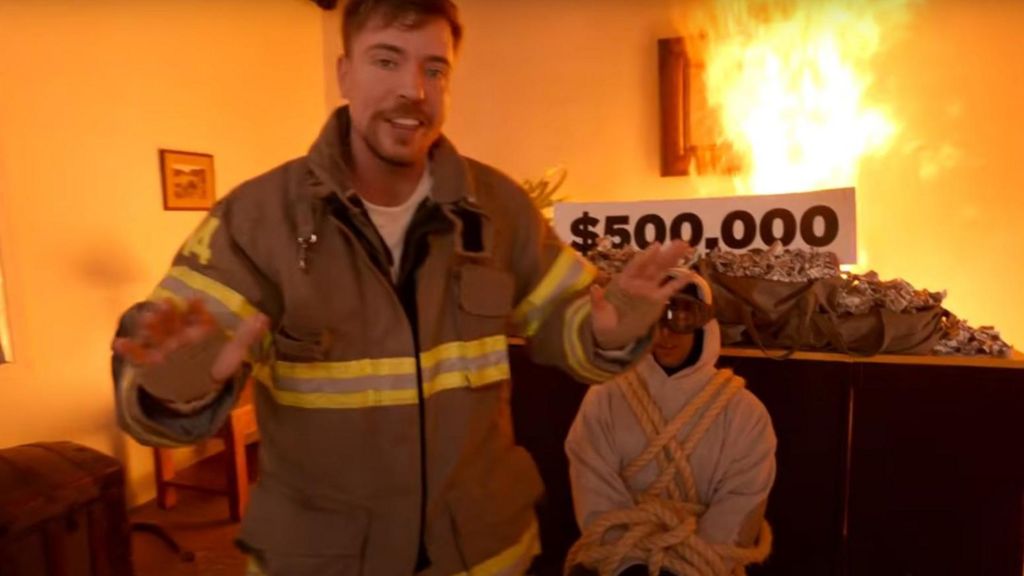
MrBeast defends trapping man in burning building for $500,000
Jimmy Donaldson, better known as MrBeast, the world’s most subscribed YouTuber, has come under fire for his latest high-octane video titled ‘Would You Risk Dying for $500,000?’ The video, which premiered on Saturday, features professional stuntman Eric navigating a series of perilous challenges, including escaping a burning building and surviving massive explosions, all while collecting bags of cash. The dramatic visuals, however, have sparked widespread criticism, with many accusing the content of being dangerously irresponsible and potentially encouraging copycat behavior. In response, MrBeast took to social media platform X to defend the production, emphasizing that safety was a top priority. He revealed that the stunt was meticulously planned with ventilation systems, kill switches, and a professional pyro team to control the fires. Eric, the contestant, successfully completed the challenges, walking away with $350,000, which he plans to use to support his retired parents. Despite the backlash, the video has amassed over 45 million views, showcasing MrBeast’s unparalleled influence on the platform. This incident adds to a series of controversies surrounding Donaldson, including allegations of exploitation in his Amazon series ‘Beast Games’ and accusations from the Mexican government regarding his use of Mayan pyramids in a video. While some critics labeled the stunt as dystopian and humiliating, others argued that it was a well-executed PR stunt with minimal real danger involved.
-
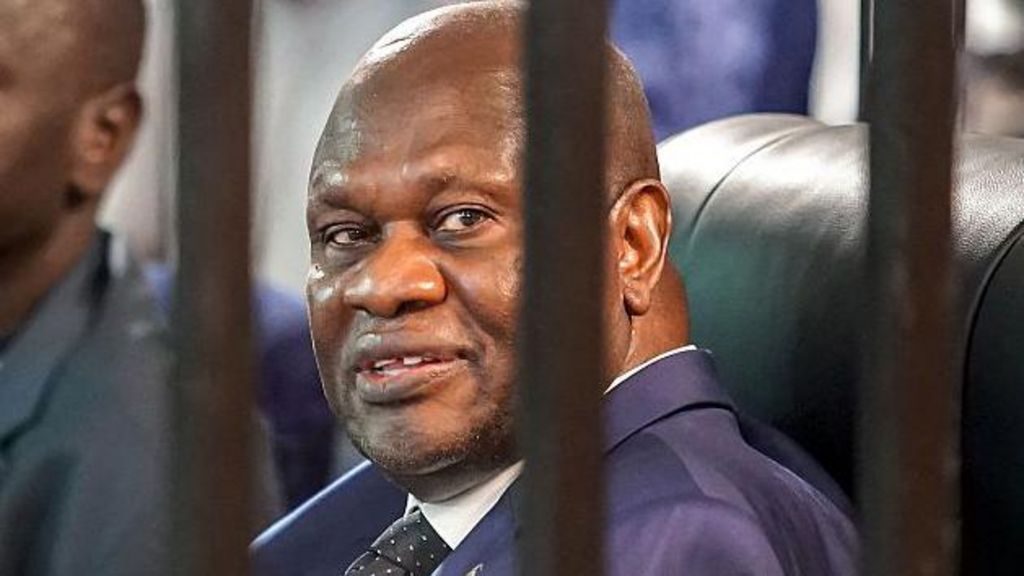
South Sudan court rejects ex-VP’s bid to halt murder and treason trial
A special court in South Sudan has firmly established its jurisdiction to prosecute suspended Vice-President Riek Machar and seven co-defendants, who face grave charges including murder, treason, and crimes against humanity. The court dismissed all objections raised by Machar’s legal team, which challenged its authority, the constitutionality of the proceedings, and his claimed immunity from prosecution. The trial is set to resume on Wednesday. Machar, who has been under house arrest since March, has labeled the charges as a politically motivated ‘witch-hunt,’ sparking fears of a potential resurgence of civil war in the fragile nation. The charges stem from a March militia attack allegedly linked to Machar, which resulted in the deaths of 250 soldiers and a general. Machar’s defense argued that the case should be handled by a hybrid court under the African Union, as stipulated in the 2018 Peace Agreement that ended the five-year civil war between his forces and those loyal to President Salva Kiir. However, the court countered that it has the authority to try national offenses, as no hybrid court has yet been established. Presiding Judge James Alala emphasized that the special court’s jurisdiction is grounded in the amended 2011 Transitional Constitution. The court also rejected the claim of immunity for Machar, stating that such protection is exclusively reserved for the president. Additionally, two of Machar’s lawyers were barred from the proceedings due to invalid licenses, though they may rejoin once their credentials are renewed. Machar’s lead lawyer, Geri Raimondo Legge Lubati, accused the government of conducting a ‘politicized media campaign’ against his client, violating the constitutional presumption of innocence. The case has drawn international concern, with the UN, African Union, and neighboring countries urging calm in South Sudan, which gained independence from Sudan in 2011 after decades of conflict.
-
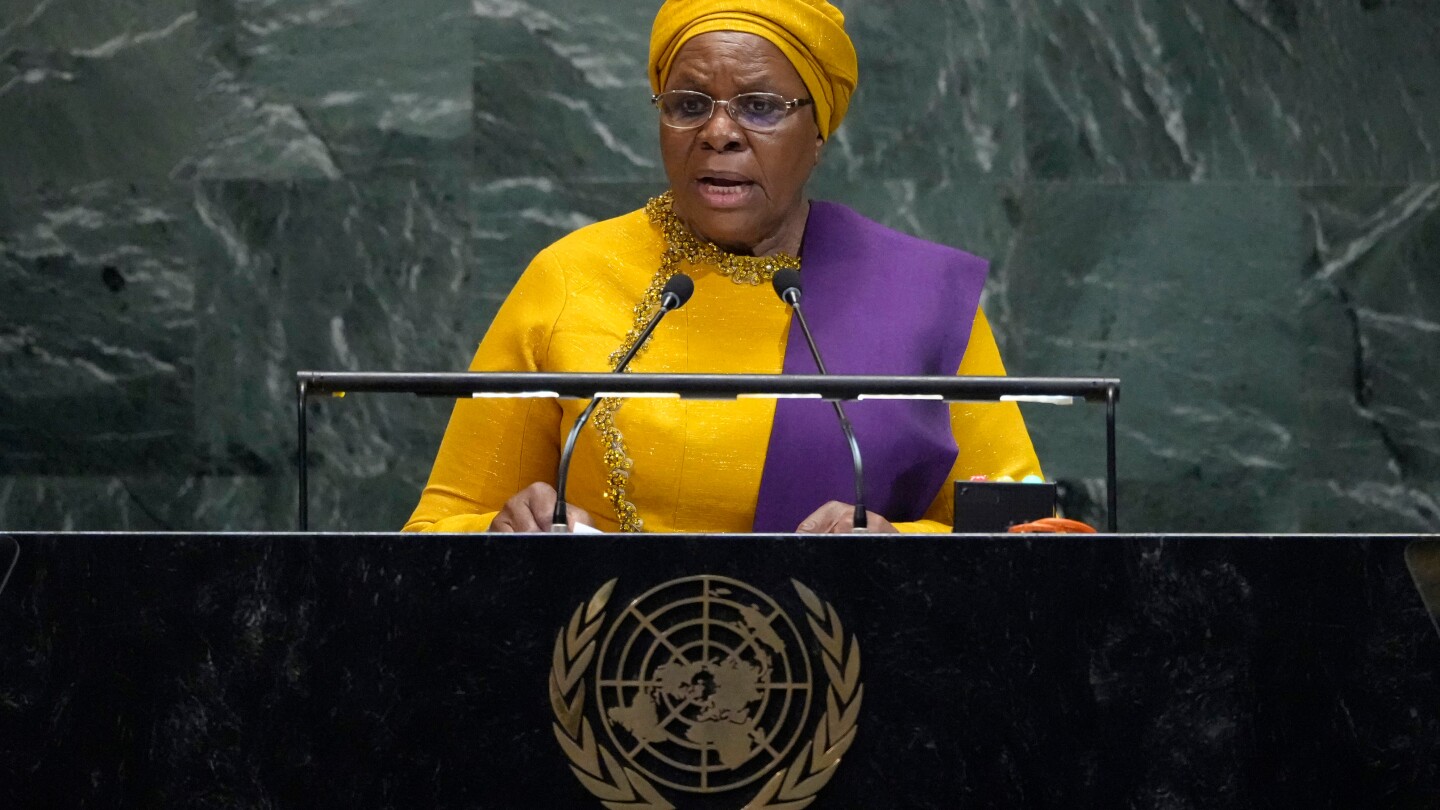
At the UN, African leaders did not draw attention to home conflicts, analysts say
LAGOS, Nigeria — African leaders took center stage at the United Nations General Assembly last week, delivering impassioned speeches on global issues such as climate change, inequality, and international conflicts. Prominent figures, including Nigerian Vice President Kassim Shettima, Senegalese President Bassirou Faye, and Namibian President Netumbo Nandi-Ndaitwah, strongly condemned Israel’s attacks on Gaza, emphasizing the humanity and rights of Palestinians. However, analysts noted a glaring omission: the lack of significant attention to Africa’s own protracted conflicts in Sudan and the Democratic Republic of Congo (DRC).
In Sudan, a civil war erupted in mid-2023 when the Rapid Support Forces (RSF) paramilitary group clashed with the national army, resulting in over 40,000 deaths and effectively splitting the country. The conflict has been marked by mass atrocities and a looming famine, exacerbated by restrictions on aid distribution. Meanwhile, in the DRC, the M23 rebel group, allegedly backed by Rwanda, has caused widespread devastation, displacing millions and killing thousands. Despite these crises, African leaders offered only cursory mentions of these conflicts during their UN speeches.
Experts like Chris Ogunmodede, an Africa affairs analyst, criticized the lack of prioritization of African issues on the global stage. Beverly Ochieng, a senior security analyst, echoed this sentiment, calling it a missed opportunity to address the escalating humanitarian crises. The speeches also highlighted the limitations of African multilateral organizations, with external powers like the U.S., UAE, Saudi Arabia, and Egypt taking the lead in peace negotiations. These outside interests, often accused of involvement in the conflicts, wield significant leverage, overshadowing African institutions’ efforts to mediate.
The geopolitical complexities of these wars have drawn in neighboring countries and international actors, further complicating resolution efforts. For instance, Rwanda’s alleged support for M23 has strained regional relations, while the UAE faces accusations of arming Sudanese rebels. As African leaders focus on global issues, the pressing need for solutions to homegrown conflicts remains unaddressed, raising questions about the continent’s ability to manage its own affairs.
-
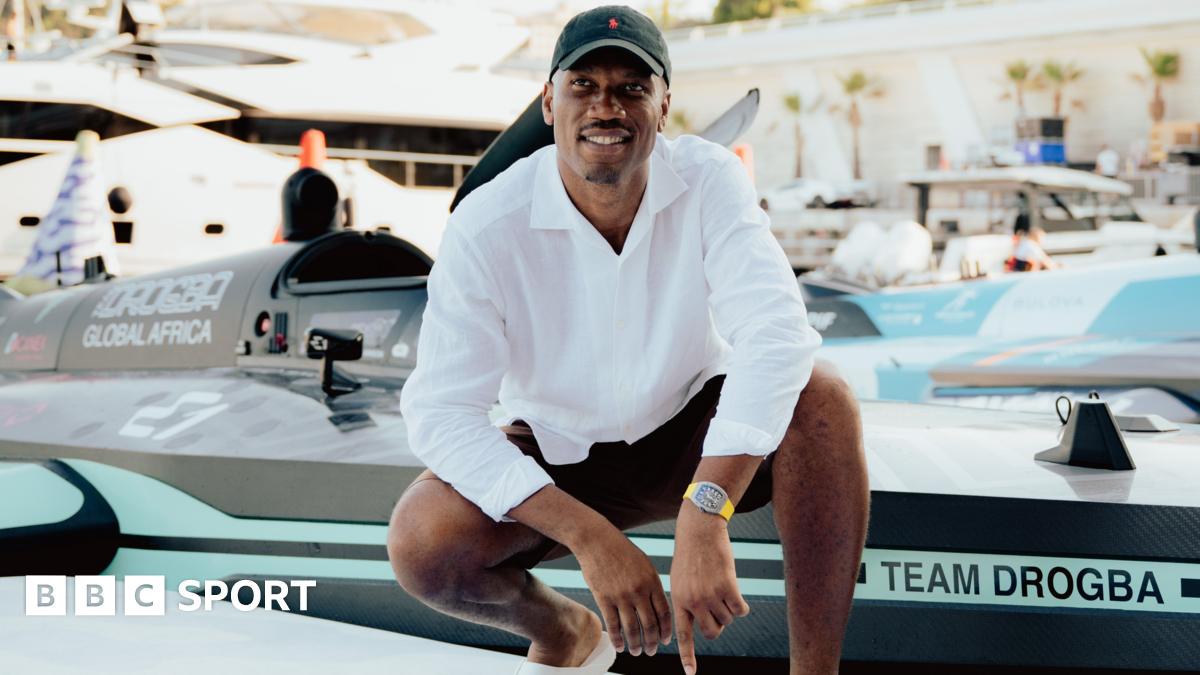
Drogba, Kohli, LeBron, Nadal – why big names are investing in powerboat racing
Former Chelsea and Ivory Coast football legend Didier Drogba has embarked on a new venture in the world of electric powerboat racing as a team owner in the E1 Series, the first all-electric international powerboat competition. Alongside global icons like Tom Brady, LeBron James, Virat Kohli, Rafael Nadal, and actor Will Smith, Drogba is part of an elite group of investors driving this innovative sport. The E1 Series, which debuted last year, is set to make its first African stop in Lagos, Nigeria, on 4-5 October. Drogba emphasized the importance of showcasing African culture and history through this event, describing Lagos as a vibrant and fitting host city. Gabrielle Lemaire, Drogba’s partner and co-investor, highlighted the opportunity to advocate for sustainability and inspire young people, particularly women, to engage in sports and environmental awareness. The E1 Series aims to promote gender equality, with each team comprising one male and one female pilot. The competition has already visited prestigious locations such as Venice, Monaco, and Lake Como, with Miami scheduled to conclude the season. Drogba’s team includes British powerboat champion Oban Duncan and Olympic sailing bronze medalist Micah Wilkinson. Despite his illustrious football career, Drogba has chosen not to pursue coaching, instead applying the leadership skills he learned from former managers and teammates to his new role in E1. The rivalry among the star-studded team owners extends beyond the water, with Drogba humorously noting the competitive banter in their WhatsApp group. The E1 Series aspires to rival motorsport giants like Formula 1 and Formula E, with organizers targeting a valuation of £500 million ($675 million) within five years. Drogba also expressed his desire to bring the race to his home country, Ivory Coast, with Abidjan as a potential venue, citing its suitability and the success of hosting the Africa Cup of Nations.
-
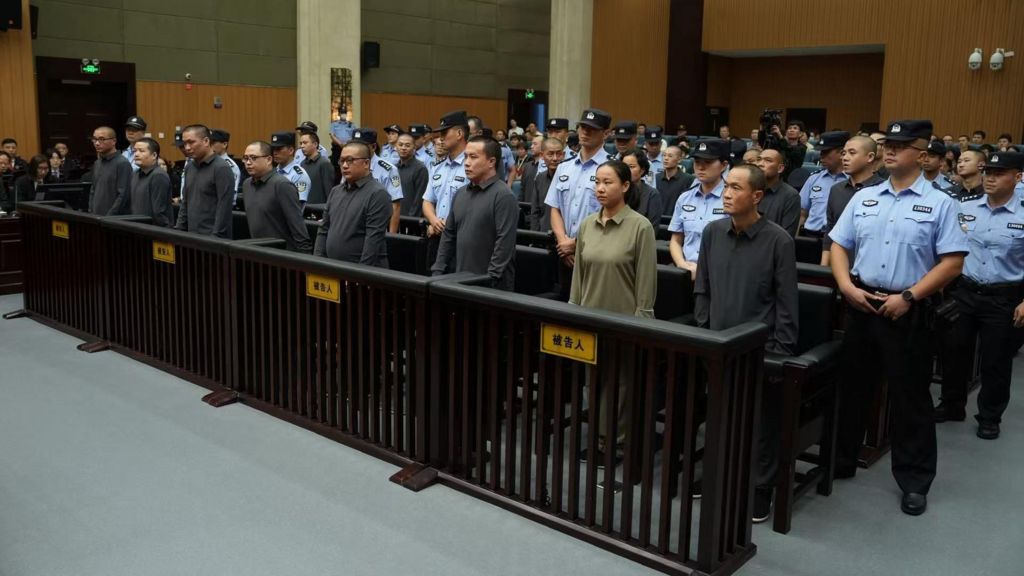
China sentences 11 members of mafia family to death
A Chinese court has delivered a landmark verdict, sentencing 39 members of the infamous Ming family for their involvement in extensive criminal operations in Myanmar. According to Chinese state media, 11 members were handed the death penalty, while five received death sentences with a two-year reprieve. Additionally, 11 were sentenced to life imprisonment, and the remaining members received prison terms ranging from five to 24 years. The Ming family, part of one of the four dominant clans in Laukkai, a town near the China-Myanmar border, transformed the area into a hub for illegal gambling, drug trafficking, and scam centers. Their operations, which began in 2015, reportedly generated over 10 billion yuan ($1.4 billion) in illicit profits. The court also revealed that the family was responsible for the deaths of several scam center workers, including an incident where workers were shot to prevent their return to China. Laukkai, initially developed to cater to Chinese gambling demand, evolved into a center for money laundering and human trafficking. The Ming family’s activities were part of a broader ‘scamdemic,’ as termed by the UN, which has seen over 100,000 foreign nationals, predominantly Chinese, lured into forced labor in scam centers. The family’s downfall began in 2023 when Myanmar cracked down on their operations, leading to their arrest and extradition to China. Ming Xuechang, the family patriarch, reportedly committed suicide, while other members confessed to their crimes. This sentencing underscores China’s commitment to combating cross-border criminal activities and serves as a warning to other organized crime networks in the region.
-
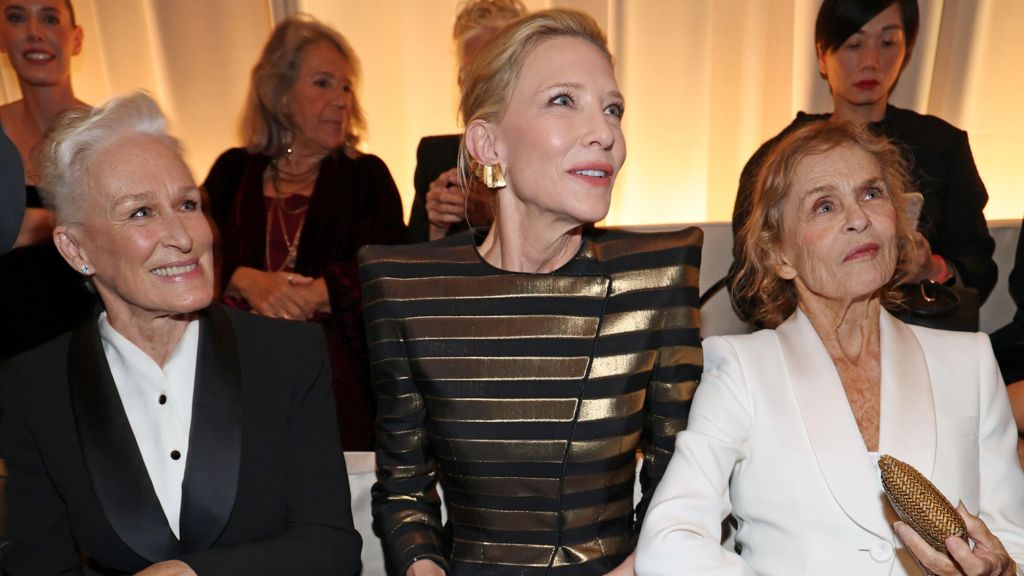
Stars turn out for final Armani fashion show in Milan
The Giorgio Armani spring/summer 2026 collection show in Milan on Sunday transformed into a heartfelt tribute to the late Italian designer, who passed away earlier this month at the age of 91. Originally planned to celebrate 50 years of his iconic fashion house, the event became a poignant homage to Armani’s enduring legacy. Held at the Pinacoteca di Brera art gallery, the show featured over 120 of his creations, with models from the past five decades returning to showcase a blend of classic suits and dazzling dresses. The collection drew inspiration from Milan, Armani’s home city, and Pantelleria, the volcanic island where he maintained a holiday retreat. Paper lanterns adorned the courtyard, reminiscent of the public viewing of Armani’s body earlier in the month, as models walked under the portico. The color palette of neutrals, greens, blues, and purples evoked the natural beauty of light, earth, and sea. The final piece, a long-sleeved blue gown worn by Agnese Zogla, one of Armani’s favorite models, featured a subtle image of his face, earning a standing ovation from the 700 guests. The event also included a visit to the ‘Giorgio Armani: Milano, Per Amore’ exhibition, showcasing iconic outfits alongside Italian art masterpieces. Celebrities such as Cate Blanchett, Glenn Close, Richard Gere, Samuel L. Jackson, and Spike Lee attended, with Blanchett describing Armani as a ‘deeply human, talented individual.’ Italian composer Ludovico Einaudi provided live piano music, while outgoing Vogue editor-in-chief Anna Wintour graced the event, marking the conclusion of Milan Fashion Week. Across town, Meryl Streep and Stanley Tucci, filming ‘The Devil Wears Prada’ sequel, were seen at the Dolce & Gabbana show, adding to the city’s vibrant fashion scene.
-
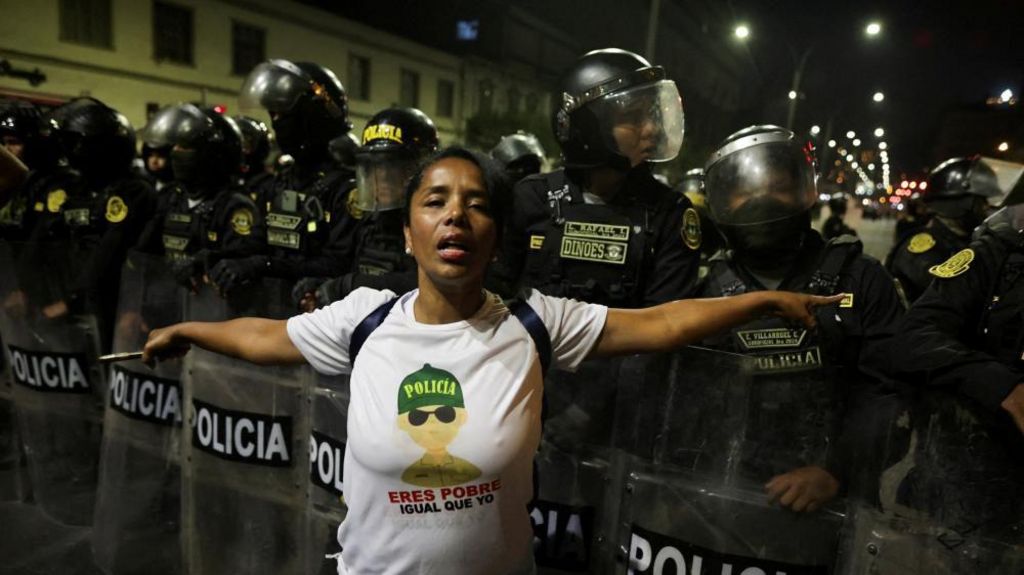
Young Peruvians clash with police in anti-government protests
In a dramatic escalation of tensions, police and anti-government protesters clashed in Lima, Peru, over the weekend. The protests, organized under the banner of the ‘Gen Z march,’ saw thousands of young demonstrators, joined by bus and taxi drivers, march towards the Congress building to voice their outrage over rampant corruption, rising insecurity, and recent pension reforms. According to a human rights group, at least 18 protesters were injured, while a police officer suffered burns during the confrontations. Protesters, some of whom hurled stones and other projectiles, were met with tear gas and rubber bullets from law enforcement. The demonstrations, which began on September 20, were initially sparked by a controversial pension reform requiring young people to contribute to private pension funds. However, the protests have since broadened to include demands for President Dina Boluarte’s resignation, whose approval ratings have plummeted to single digits. Many Peruvians accuse her government of failing to address extortion by criminal gangs, including the Venezuela-based Tren de Aragua, which allegedly forces transport workers to pay ‘protection money.’ Protesters also criticized Congress for its perceived detachment from public interests, with one young woman telling local media, ‘We need a total change; we’re sick of this situation.’ Human rights groups condemned the police response, with one lawyer stating, ‘There was no justification for firing large amounts of tear gas, much less for attacking people.’ As the protests continue, the chants of ‘united for the Peru we deserve’ echo through Lima’s streets, underscoring the deep-seated discontent among Peruvians.