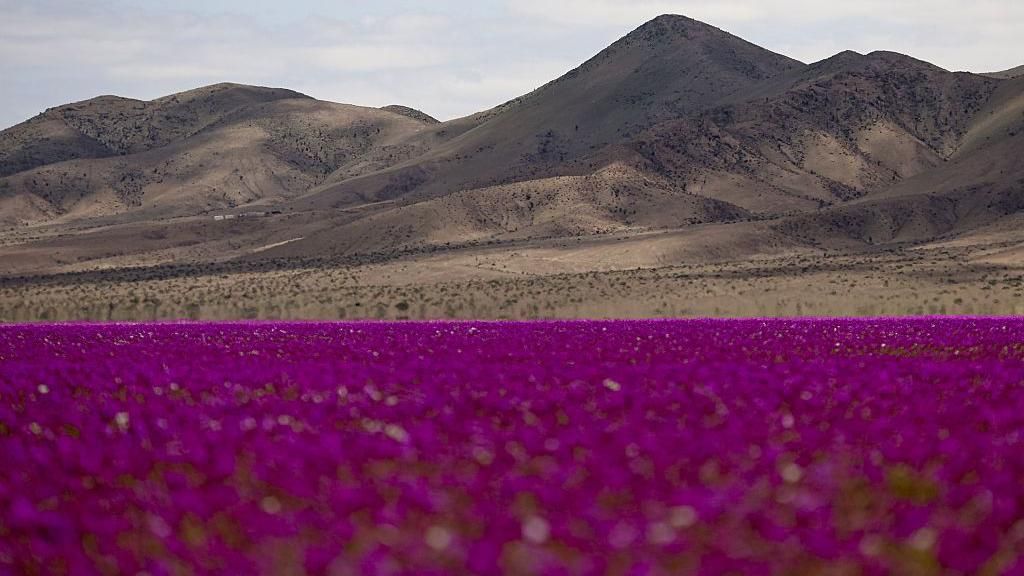
The Atacama Desert in Chile, renowned for its extreme aridity and status as one of the clearest places on Earth for stargazing, has undergone a stunning transformation. Typically a barren landscape, the desert has been blanketed by a vibrant carpet of wildflowers, a phenomenon triggered by unusually heavy rainfall during the southern hemisphere’s winter months. This rare event, which occurs only every few years, has brought dormant seeds to life, creating a breathtaking display of over 200 species of wildflowers, some of which are endemic to the region. The desert, which usually receives less than 15mm of rain annually, saw more than 12mm in August alone, with most of it falling in a single day. Additionally, a rare snowfall occurred in June, further contributing to the unique conditions. According to Chile’s National Forest Corporation (CONAF), this year’s bloom, which began in late August, will reach its peak in the coming weeks. This is the second consecutive year the phenomenon has occurred, following similar conditions in 2024. The Atacama’s wildflower bloom not only highlights the resilience of nature but also underscores the impact of climatic variations on even the most extreme environments.
博客
-
Icebreakers and golf spark Trump and Finnish leader’s unlikely friendship
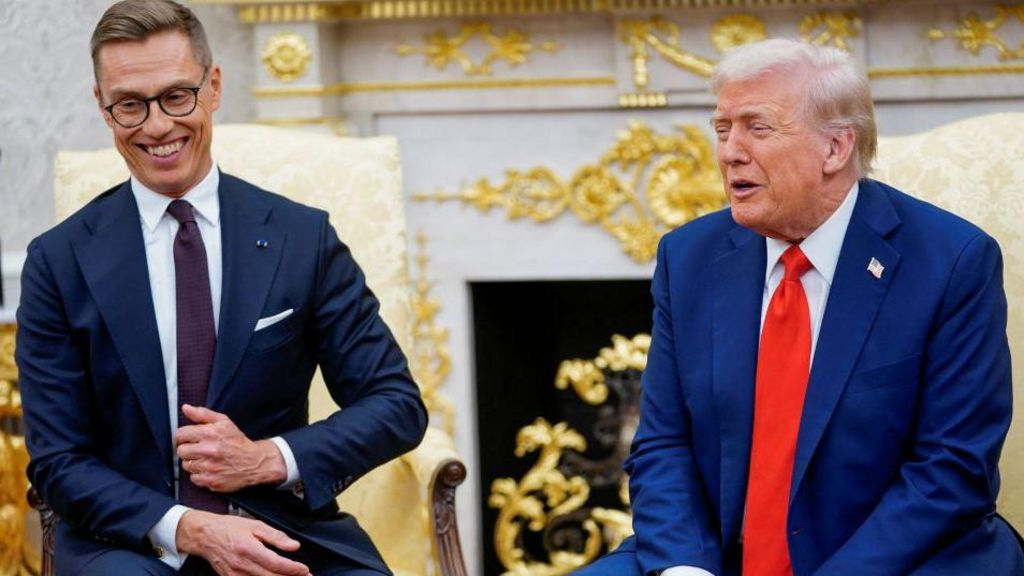
In a surprising yet strategic alliance, former U.S. President Donald Trump and Finland’s President Alexander Stubb have deepened their personal and professional relationship through a landmark deal involving icebreaker ships. The agreement, finalized during a recent Oval Office meeting, underscores the growing bond between the two leaders, who have become unlikely allies in both business and diplomacy. The deal includes the purchase of 11 icebreaker vessels, a Finnish specialty, with four to be constructed in the U.S. using Finnish expertise. Trump emphasized the significance of the deal, highlighting its potential to create jobs and investments while addressing geopolitical concerns, particularly Finland’s proximity to Russia and the ongoing conflict in Ukraine. Stubb, often regarded as a pragmatic voice in European politics, has emerged as a key figure in shaping Trump’s perspective on Russia and Ukraine. Their relationship, which began years ago, has flourished through frequent communication, including weekly calls and shared interests such as golf. Stubb’s influence was notably evident during a March golf outing at Trump’s Mar-a-Lago estate, where discussions ranged from icebreakers to Ukraine. The Finnish leader’s candid advice on Russian President Vladimir Putin reportedly influenced Trump’s harshest public criticism of the Russian leader to date. Beyond policy, their camaraderie has been a cornerstone of their partnership, with Stubb’s diplomatic finesse earning him the moniker of a ‘Trump whisperer’ in European circles. As the war in Ukraine continues, Stubb’s role as a mediator between Trump and European leaders remains pivotal, with Finland’s technological expertise and strategic position amplifying its influence on the global stage.
-
UK ready to use frozen Russian assets to fund Ukraine war effort
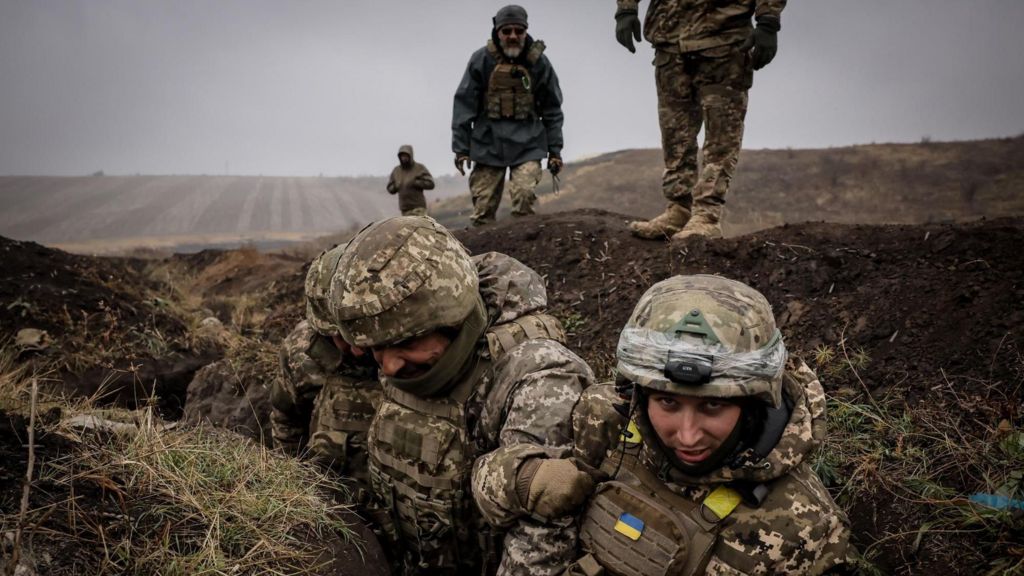
In a significant move to bolster Ukraine’s war efforts, UK Prime Minister Sir Keir Starmer has announced that the UK, alongside France and Germany, is prepared to leverage the full value of frozen Russian assets. This decision marks a strategic escalation in international efforts to pressure Russian President Vladimir Putin and bring Russia to the negotiation table. The leaders emphasized that this action would be executed in close collaboration with the United States. Since Russia’s full-scale invasion of Ukraine in 2022, UK sanctions have immobilized over £25 billion of Russian assets. Previously, only the profits and interest from these assets were utilized to support Ukraine. However, the new approach aims to unlock the entire value of these frozen funds. Sir Keir conveyed this commitment to Ukrainian President Volodymyr Zelensky, underscoring the unity among the three nations in driving progress toward ending the conflict. Additionally, the UK plans to impose further sanctions on Russia in the coming days and weeks. This announcement follows a recent meeting of European leaders in Copenhagen, where discussions centered on using frozen Russian assets to secure a €140 billion loan for Ukraine. The Financial Times reported last month that US President Donald Trump had urged G7 allies to seize or otherwise use these assets. The total value of frozen Russian assets in the EU is estimated at nearly €211 billion. Meanwhile, President Zelensky has called for decisive action from the US, Europe, and the G7, emphasizing the need for air defense systems and stricter sanctions. He also urged Sir Keir to join the PURL program, which facilitates NATO countries in purchasing US weapons for Ukraine. Zelensky praised the UK’s support but stressed the importance of clear participation in the program and additional sanctions against Russia.
-
MIT rejects federal funding deal with Trump administration
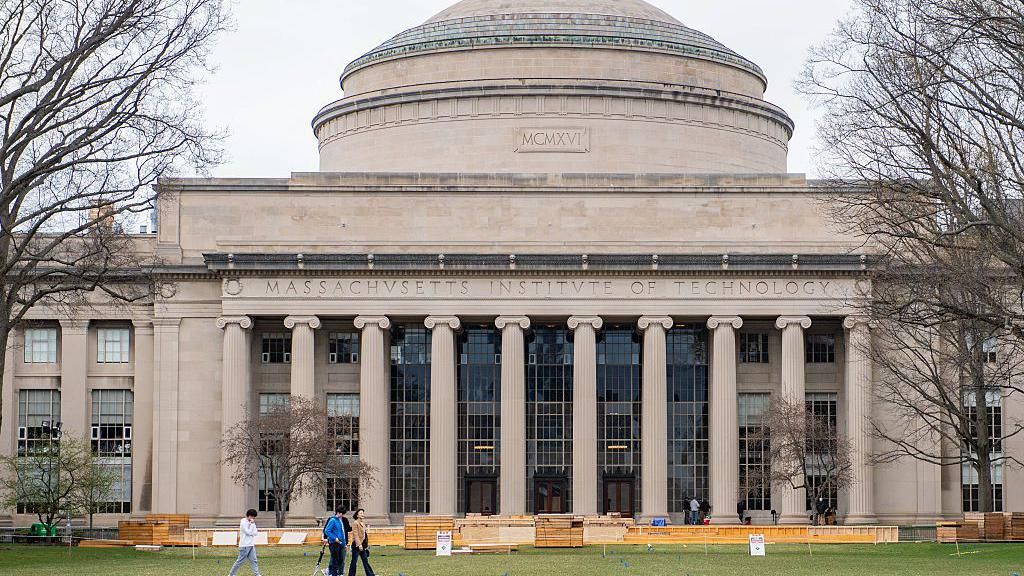
The Massachusetts Institute of Technology (MIT) has firmly declined a proposal from the Trump administration that sought to impose specific policies in exchange for preferential access to federal funding. In a letter addressed to U.S. Education Secretary Linda McMahon, MIT President Sally Kornbluth stated that the proposal would ‘restrict freedom of expression’ on campus and conflict with the university’s foundational principles. The proposal, titled ‘Compact for Academic Excellence in Higher Education,’ was also presented to other prominent institutions, including Brown University, the University of Pennsylvania, and the University of Texas. The compact outlined a series of demands, such as capping foreign student admissions, limiting university leaders’ comments on political events, and adopting a binary definition of gender. Additionally, it required universities to use standardized tests for admissions, commit to using lawful force to manage campus protests, and ensure an environment conducive to conservative ideas. MIT, which already employs standardized tests and maintains an international enrollment of around 10%, rejected the proposal, emphasizing its commitment to independent thinking and scientific merit. Kornbluth argued that the compact’s principles were inconsistent with MIT’s core values and its mission to foster open competition for excellence. This decision follows MIT’s previous legal actions against the Trump administration, including a lawsuit over cuts to health research funding and support for Harvard University in similar disputes. Other universities approached by the government, such as the University of Arizona and Dartmouth College, have yet to publicly respond. Meanwhile, California Governor Gavin Newsom warned that any state university accepting the deal would face immediate cuts to state funding, including Cal Grants, as California refuses to support institutions that compromise academic freedom.
-

I was ready to die for the Taliban. Now I hope I can prevent others becoming radicalised
Maiwand Banayee, a 45-year-old NHS diabetes remission coach and postgraduate student in Coventry, leads a life far removed from his turbulent past as a Taliban fighter. Born in Afghanistan in 1980, Banayee’s early years were marked by vulnerability and bullying, which led him to seek validation through radical ideologies. At 14, he was radicalized in the Shamshato refugee camp in Pakistan, where he was exposed to intense religious propaganda and the glorification of martyrdom. The camp, dominated by the Hezb-e-Islami group, became a breeding ground for extremism, with mullahs promising heavenly rewards for those who sacrificed their lives. Banayee’s journey into the Taliban’s fold began in 1996, when he returned to Kabul and joined the group, enforcing their austere version of Sharia law. However, his faith in the Taliban began to waver after witnessing their cruelty and hypocrisy. A turning point came when he was forced to pray again by Taliban fighters, an act that deeply wounded his ego and sparked doubts about their true nature. Over time, Banayee distanced himself from extremism, eventually fleeing to the UK in 2001. After years of struggle, including failed asylum applications and homelessness, he found stability in Ireland, where he married and became a citizen. Today, Banayee is an advocate against radicalization, sharing his story in his book, *Delusions of Paradise: Escaping the Life of a Taliban Fighter*. He warns of the dangers of religious schools in Afghanistan, which he believes are radicalizing a new generation of children. Banayee’s message to young people is clear: question everything and seek truth beyond the myths of extremism.
-
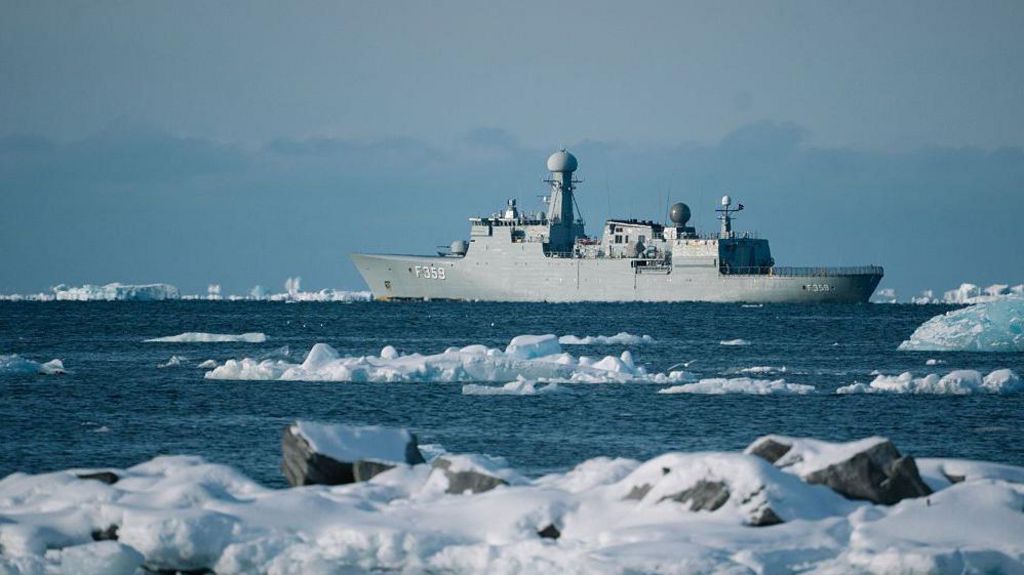
Denmark to boost Greenland defence with new ships, jets and HQ
Denmark has unveiled a significant $4.2 billion defense package aimed at enhancing security in Greenland and the Arctic and North Atlantic regions. This strategic move includes the acquisition of 16 additional F-35 fighter jets from the United States, increasing Denmark’s fleet of these advanced aircraft to 43. The announcement, made by Defense Minister Troels Lund Poulsen, underscores Denmark’s commitment to bolstering its military capabilities in response to growing geopolitical tensions. The defense boost follows repeated expressions of interest from former US President Donald Trump in acquiring Greenland, citing its critical importance for national and economic security. The new defense package, developed in collaboration with Greenland and the Faroe Islands, includes the purchase of two Arctic ships, maritime patrol planes, drones, and early warning radar systems. Additionally, a new Arctic command headquarters will be established in Nuuk, Greenland, alongside a military unit under the Joint Arctic Command. Denmark’s Chief of Defense, Michael Hyldgaard, emphasized the Armed Forces’ role in ensuring security across the Kingdom, including Greenland and the Faroe Islands, within the NATO framework. The package also funds an undersea cable connecting Greenland and Denmark. While the Danish defense ministry’s statement focuses on deterrence and NATO obligations, it notably omits any mention of the United States or Russia. This development comes amid heightened concerns over Trump’s ambitions in Greenland, which has long been strategically significant for the US, hosting a radar base since the Cold War and serving as a key location for tracking Chinese and Russian activities. Greenland’s vast natural resources, including rare earth minerals, uranium, and iron, have also attracted increased interest in recent years.
-
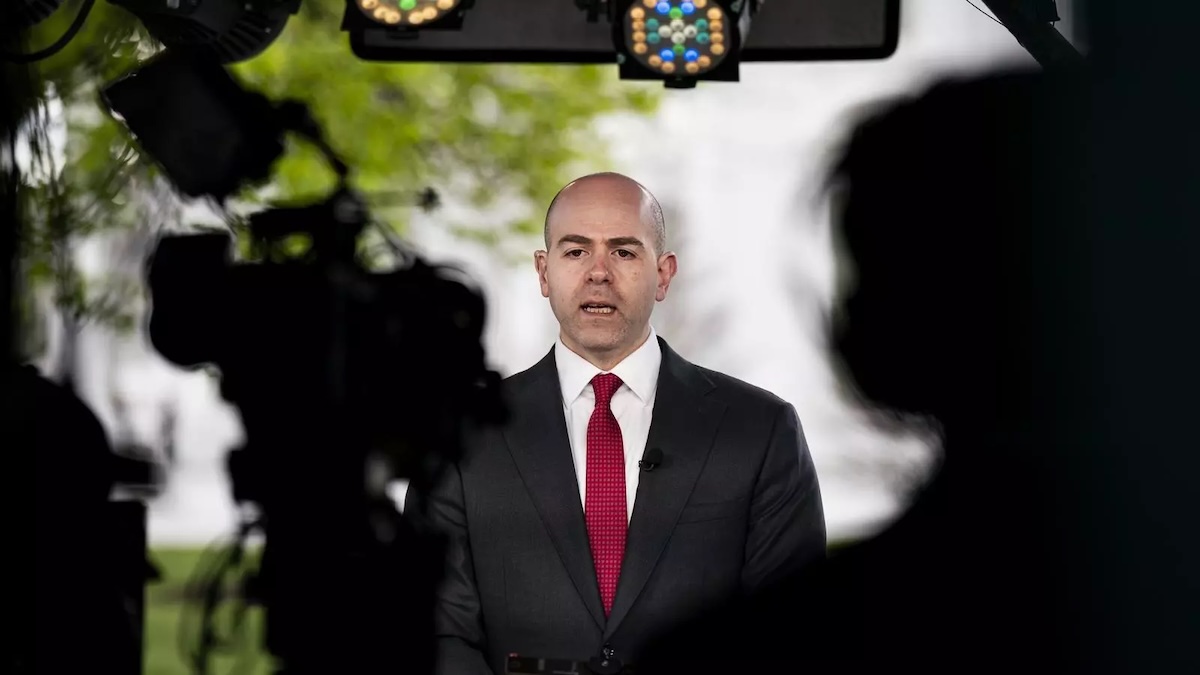
Trump appointee’s case for bigger rate cuts fails to move Fed
Stephen Miran, recently appointed to the Federal Reserve Board by President Trump, is pushing for more substantial and rapid interest-rate cuts than his colleagues. Miran, who joined the board last month and is currently on leave from his role as chair of Trump’s Council of Economic Advisors, argues that the federal funds rate should be significantly lower than its current range of 4% to 4.25%. While Trump has called for a three-percentage-point reduction, Miran advocates for a mid-2% range, about two points below today’s rate. His stance was evident during the Fed’s recent vote, where he was the sole dissenter against a modest quarter-point cut, instead favoring a half-point reduction. Miran’s projections, as indicated in the Fed’s September ‘dot plot,’ suggest a federal funds rate below 3% by year-end, a stark contrast to the majority forecast of 3.75%. His rationale centers on the ‘neutral rate of interest’ (r-star), which he believes is much lower than his peers estimate, warning that the Fed’s current policy risks exacerbating unemployment. Miran attributes his outlook to Trump’s policies, including tariffs, tax changes, and deregulation, which he claims will alter the supply and demand dynamics of money. However, his arguments face skepticism from economists and bond investors, with many questioning the feasibility of his projections. Despite his outlier position, Miran’s detailed justifications, supported by 28 footnotes, offer a rare depth in policy discourse. Yet, with inflation concerns and a softening job market, the Fed remains cautious, favoring gradual quarter-point cuts over Miran’s aggressive approach.
-
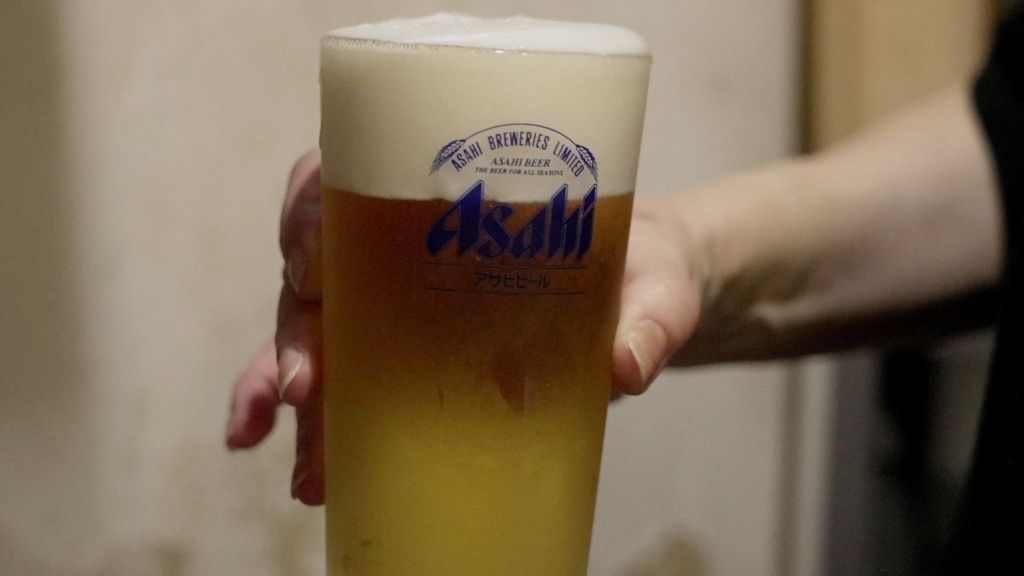
How hackers forced brewing giant Asahi back to pen and paper
Asahi Super Dry, Japan’s most popular beer, is facing severe supply shortages following a crippling cyber-attack on its production facilities. The incident, which forced Asahi to halt operations at most of its 30 factories across Japan, has left retailers, bars, and restaurants scrambling to meet customer demand. Although some facilities have partially reopened, the company’s computer systems remain offline, forcing manual processing of orders and shipments via pen, paper, and fax machines. This has drastically reduced output, with shipments now at just 10-20% of normal levels.
Asahi, which commands approximately 40% of Japan’s beer market, has apologized for the disruptions but has not provided a timeline for full recovery. The impact extends beyond beer, with shortages also affecting Asahi’s soft drinks, bottled teas, and other products. Major convenience store chains like FamilyMart, 7-Eleven, and Lawsons have warned customers of dwindling supplies.
The ransomware group Qilin has claimed responsibility for the attack, leveraging its platform to extort proceeds from cyber-attacks. While Asahi’s European operations, including brands like Peroni and Grolsch, remain unaffected, the incident highlights Japan’s vulnerability to cyber threats. Experts point to the country’s reliance on outdated systems and a lack of cybersecurity professionals as key weaknesses.
In response, the Japanese government has emphasized its commitment to improving cyber capabilities. The recent enactment of the Active Cyber Defense Law (ACD) grants authorities greater powers to combat cyber threats, including the ability to neutralize attackers’ servers. However, for small businesses like Ben Thai restaurant in Tokyo, the immediate challenge is navigating the ongoing supply disruptions. Owner Sakaolath Sugizaki remains uncertain about when normal operations will resume, echoing the concerns of many across Japan.
-

‘They treated us like animals’ – Inside the epicentre of deportations in New York City
Monica Moreta Galarza experienced a harrowing ordeal outside New York City’s 26 Federal Plaza immigration court when her husband, Rubén Abelardo Ortiz López, was abruptly detained by immigration officers. What began as a routine hearing ended in chaos as officers forcibly separated the couple, throwing Ms. Moreta Galarza to the ground. ‘They treated us like animals,’ she recounted in an interview with BBC News Mundo. The incident, captured on video and widely shared on social media, led to the temporary suspension of one officer but highlighted a broader pattern of aggressive enforcement at the courthouse.
-
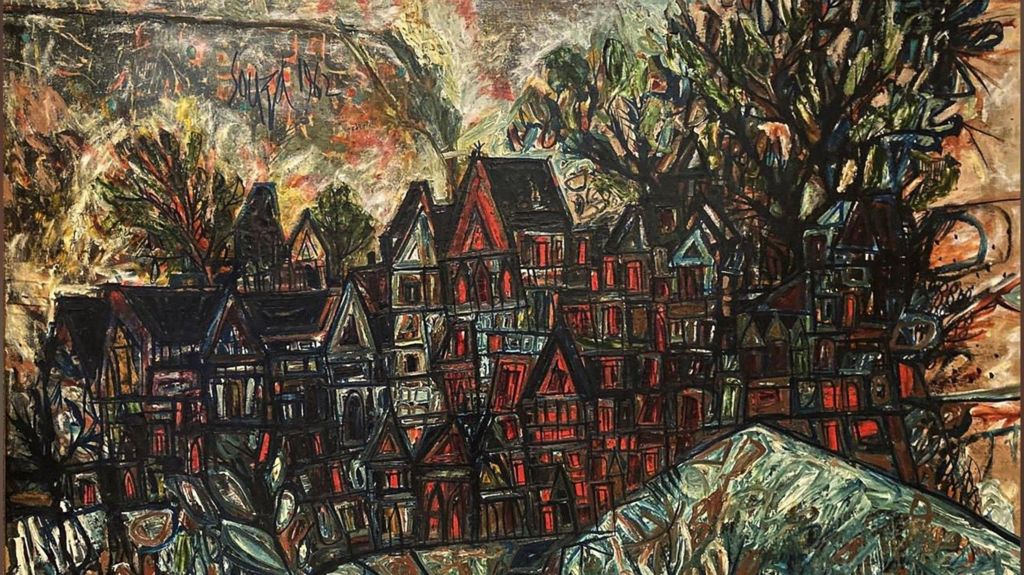
How record auctions are fuelling India’s art boom
The Indian art market is experiencing an unprecedented surge, as evidenced by the recent Saffronart auction in Delhi, where Vasudeo Santu Gaitonde’s untitled 1971 painting sold for a staggering $7.57 million, nearly triple its estimated value. The auction, which achieved a total of $40.2 million, marked the highest-ever total for South Asian art and set a new benchmark for the industry. Gaitonde’s work now stands as India’s second most expensive painting, following closely behind MF Husain’s ‘Untitled (Gram Yatra)’, which fetched $13.8 million earlier this year. The momentum continued as Sotheby’s sold Francis Newton Souza’s ‘Houses in Hampstead’ for a price just below Gaitonde’s piece, making it India’s third most expensive painting. This record-breaking season reflects a broader trend in the Indian art market, which has grown exponentially from $2 million at the turn of the century to an estimated $338 million today, with projections of reaching $1.1 billion by 2030. The boom is fueled by rising wealth among India’s elite and the diaspora, who view art as both a status symbol and a generational investment. Recent tax cuts, reducing the goods and services tax (GST) on art from 12% to 5%, have further bolstered the market. Despite a global slump in art sales, India’s art scene thrives, driven by a surge in art fairs, galleries, and exhibition spaces. Established modernists like Husain, Souza, Gaitonde, and Raza dominate top sales, but auctioneers note that rising prices are also lifting demand for previously overlooked artists. The market’s sustainability is further supported by growing recognition of Indian artists and increased investment in public engagement spaces, such as the Kiran Nadar Museum of Art’s new Delhi building, set to open in 2026. Non-profits like Khoj are also playing a crucial role in nurturing emerging artists, ensuring the ecosystem’s long-term growth.