
The ongoing conflict in Ukraine, now in its fourth year, has seen significant developments as Russian forces continue to expand their territorial control, particularly in the eastern regions of Luhansk and Donetsk. Despite fierce Ukrainian resistance, Moscow’s military has made incremental gains, bolstered by increased use of unmanned aerial vehicles (drones) to reduce casualties. The strategic ‘fortress belt’ in western Donetsk, a heavily fortified defensive line, remains a critical stronghold for Ukraine, though analysts predict it could take years for Russia to achieve its objectives in the region.
博客
-
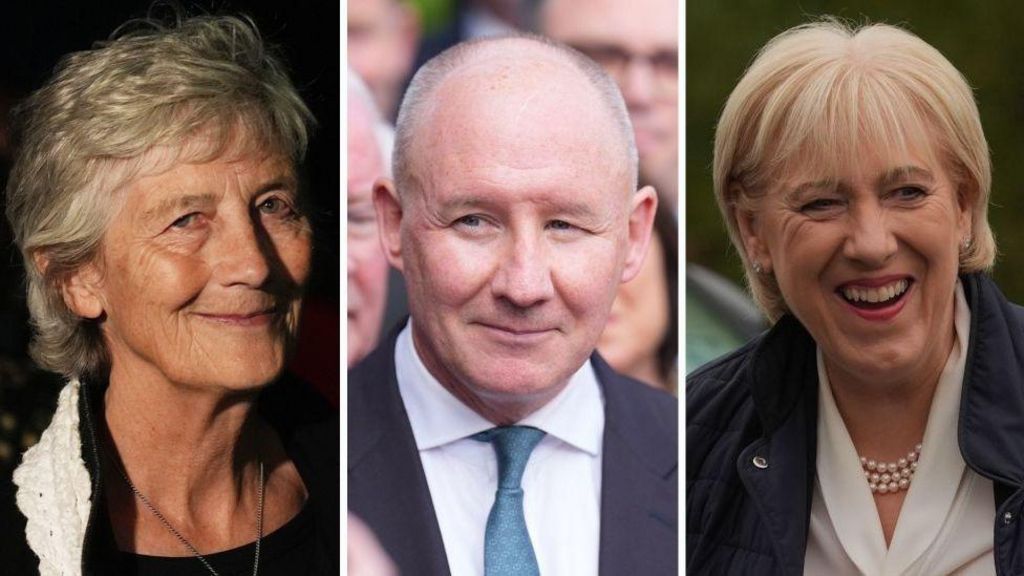
Three candidates will contest Irish presidential election
The Irish presidential election, set for October, will see three candidates compete to succeed Michael D. Higgins, whose second and final seven-year term concludes in November. The contenders represent a mix of political backgrounds, with two aligned to major government parties and one supported by a coalition of opposition groups.
-
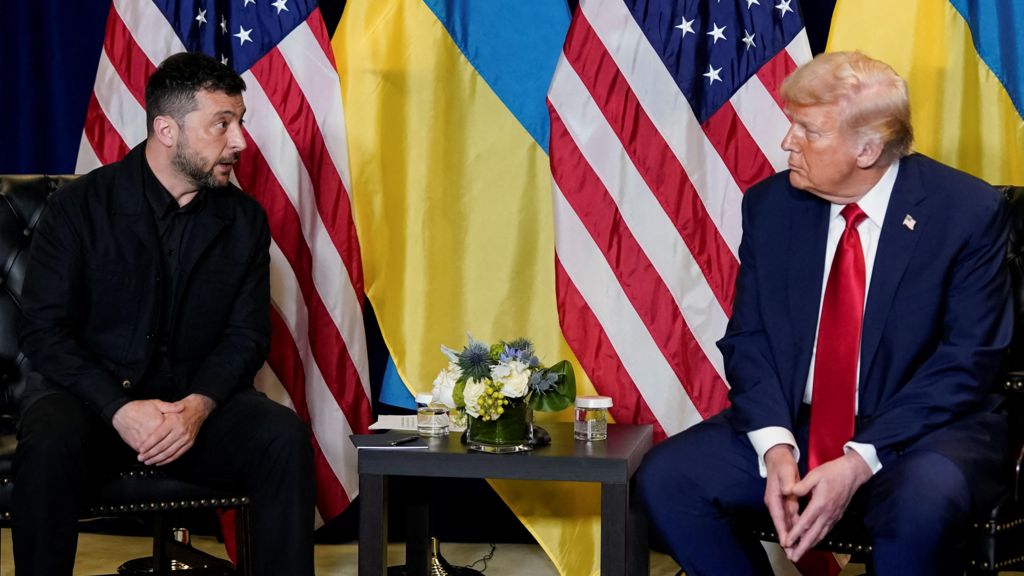
Kyiv can win all of Ukraine back from Russia, Trump says
In a significant policy shift, former US President Donald Trump has declared that Ukraine could reclaim its original borders with the backing of Europe and NATO, citing Russia’s economic vulnerabilities. This statement, made on his Truth Social platform, marks a departure from his previous stance, which suggested Ukraine might need to cede territory to end the conflict. Trump’s remarks followed a meeting with Ukrainian President Volodymyr Zelensky after addressing the UN General Assembly in New York. Trump emphasized that Russia’s economic struggles present a critical opportunity for Ukraine to act, labeling Russia as a ‘paper tiger.’ The Kremlin dismissed this characterization, asserting Russia’s strength and denying economic distress. Zelensky welcomed Trump’s change in tone, interpreting it as a positive signal of US support. Trump also urged NATO nations to defend their airspace against Russian incursions, a stance supported by Poland and other NATO members. This shift in Trump’s position comes after months of advocating for a negotiated settlement involving territorial concessions. His latest comments suggest a more robust commitment to Ukraine’s defense, though not as extensive as the Biden administration’s support. The move may aim to reinvigorate stalled peace talks and align more closely with NATO’s defensive posture.
-

Italian actress and star of The Leopard Claudia Cardinale dies aged 87
Claudia Cardinale, the legendary Tunisian-born Italian actress celebrated for her roles in cinematic masterpieces such as *The Leopard*, *8 ½*, and *The Pink Panther*, has died at the age of 87. Her passing occurred in Nemours, France, surrounded by her children, as confirmed by her agent, Laurent Savry. Cardinale’s illustrious career spanned six decades, during which she became a symbol of Italian cinema’s golden era, collaborating with iconic directors like Federico Fellini and Luchino Visconti. Born in Tunisia in April 1938 to Sicilian parents, Cardinale’s journey to stardom began when she won a beauty contest at 16, earning her the title of ‘the most beautiful Italian woman in Tunis.’ This victory led her to the Venice Film Festival, where she was discovered by filmmakers. Despite her initial reluctance to pursue acting, she eventually embraced the craft, driven by a desire for independence and financial stability. Her early career was marked by personal challenges, including a traumatic assault and the secret birth of her son, Patrick, whom she initially introduced as her younger brother. Cardinale’s unique multilingual background initially posed challenges in Italian cinema, as her accent led to her voice being dubbed by other actors. However, her breakthrough came in 1963 with her roles in Fellini’s *8 ½* and Visconti’s *The Leopard*. She later ventured into Hollywood, starring in *The Pink Panther* and *Once Upon a Time in the West*, working alongside legends like Henry Fonda and Charles Bronson. Cardinale’s career was also marked by her advocacy for women’s rights, earning her the title of UNESCO Goodwill Ambassador in 2000. She continued acting into her 80s, leaving behind a legacy of grace, resilience, and artistic brilliance. Italy’s Culture Minister, Alessandro Giuli, hailed her as ‘one of the greatest Italian actresses of all time,’ embodying ‘Italian grace.’
-
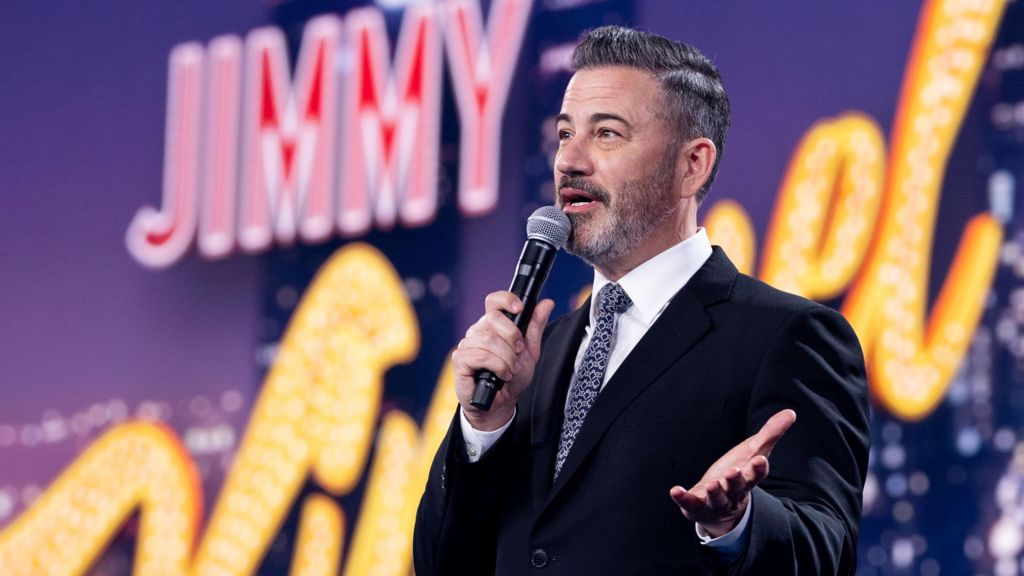
Kimmel pulls no punches as he sends defiant message to Trump
In a highly anticipated comeback to US television, Jimmy Kimmel addressed the controversy surrounding his recent comments about Charlie Kirk’s death, striking a tone of sorrow without issuing a formal apology. The late-night host, who was briefly suspended by Disney, made it clear that he would not be silenced by his critics, particularly former President Donald Trump. Kimmel acknowledged that some viewers found his remarks ‘ill-timed or unclear,’ but he stopped short of apologizing, emphasizing that it was never his intention to trivialize Kirk’s murder or blame any specific group for the tragedy. He also reiterated his support for Kirk’s family, referencing a heartfelt Instagram post he shared before the controversy erupted. Kimmel’s return was marked by a defiant stance on free speech, as he declared that his show’s existence is a testament to the freedoms afforded by the United States. He also took jabs at Trump, mocking the former president’s attempts to ‘cancel’ him and suggesting that the backlash had only boosted his show’s viewership. Kimmel’s monologue included a satirical sketch featuring Robert De Niro, who played the new chairman of the FCC, criticizing the agency for allegedly suppressing free speech. The host’s return has reignited tensions between Trump and the media, with the former president signaling his intent to escalate the feud. Despite mixed reactions from critics and commentators, Kimmel’s supporters have praised his resilience and ability to command the stage during a high-pressure moment. As the battle between Trump and the media continues, Kimmel’s return marks a new chapter in this increasingly contentious relationship.
-
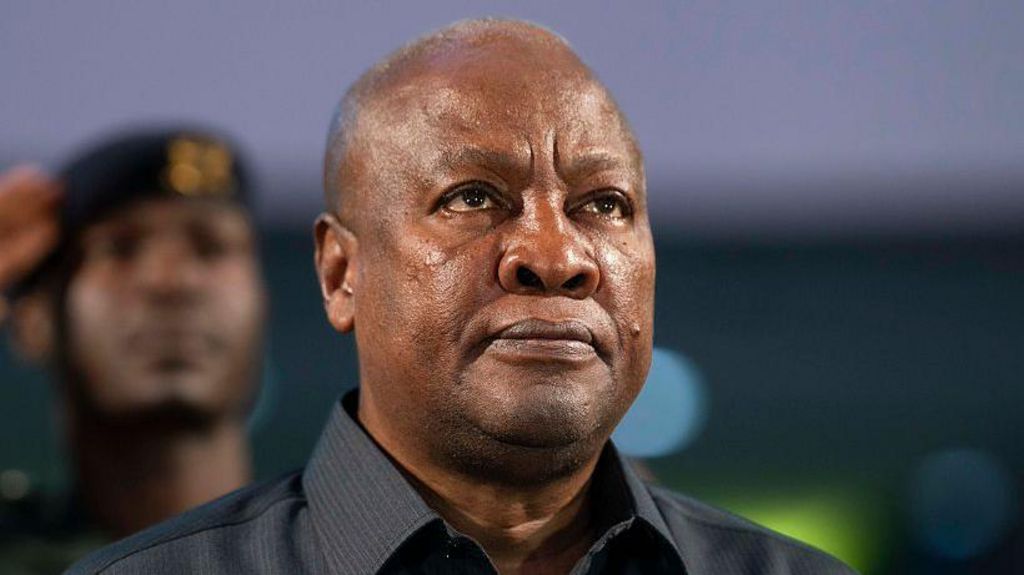
Six West Africans deported from US sent to Togo despite legal fight
Ghana has become a focal point in the ongoing US immigration crackdown, as President John Mahama confirmed the country’s agreement to accept deportees from West Africa. This development has sparked significant controversy and legal challenges. At least six of the 11 West Africans deported to Ghana have already been transferred to Togo, according to their legal representatives. The group had initially filed a lawsuit against the Ghanaian government to halt further deportations, citing safety concerns. However, the case was withdrawn as events unfolded, though a separate legal action alleging human rights violations continues. Lead lawyer Oliver Barker-Vormawor expressed disappointment with Ghana’s justice system, arguing that the court failed to intervene to prevent the deportations. The deportees, who include nationals from Nigeria, Togo, Liberia, and The Gambia, were previously held in US detention facilities before being sent to Ghana on a US military plane. The agreement, announced by President Mahama, allows Ghana to accept nationals from various West African countries, citing the principle of free movement within the region. Ghana’s Foreign Affairs Minister, Samuel Okudzeto Ablakwa, clarified that the country is not receiving financial compensation for this arrangement. Opposition MPs have called for the suspension of the US-Ghana agreement until it is legally ratified, demanding transparency and accountability. This situation is part of the broader US immigration policy under President Donald Trump, which has seen record-level deportations, often to countries where deportees have no ties.
-
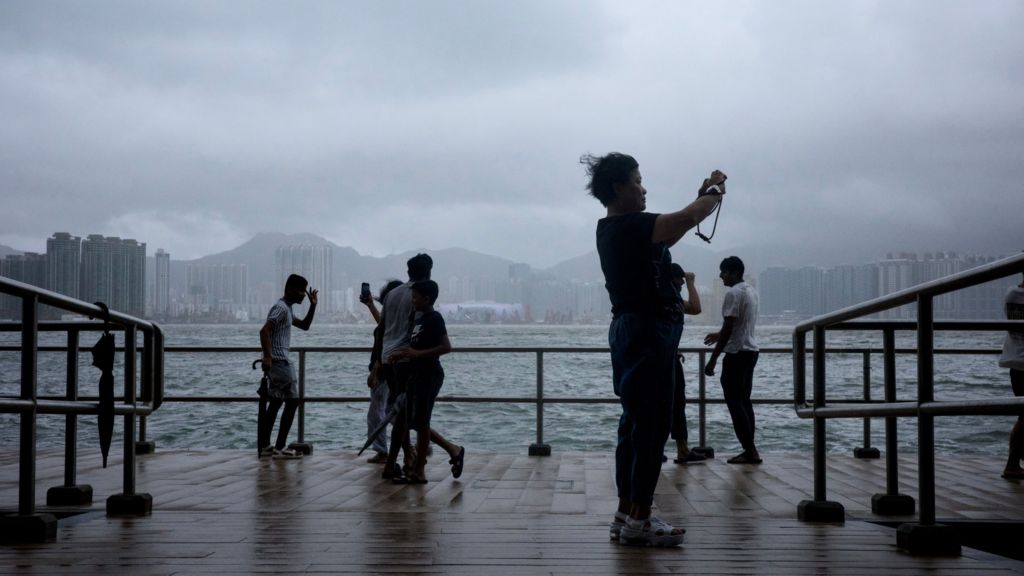
Howling winds and sheets of rain: Inside Chinese city battered by Typhoon Ragasa
Southern China, particularly the coastal city of Zhuhai, has been brought to a standstill as Typhoon Ragasa, dubbed the ‘king of storms,’ made landfall with ferocious winds and torrential rains. The typhoon, the most intense the world has witnessed this year, swept through the South China Sea after wreaking havoc in the Philippines and Taiwan, where it claimed at least 15 lives due to a mountain lake bursting its banks. In Zhuhai, a city of nearly three million, the usual hustle and bustle of rush hour was replaced by the eerie silence of evacuated streets, punctuated only by the howling winds and the occasional determined cyclist braving the storm. Police vehicles patrolled the streets, urging residents to stay indoors, though their warnings were often drowned out by the 100mph (160km/h) gusts. The storm, which made landfall at 17:00 local time, had already forced the evacuation of nearly two million people in Guangdong province, with officials issuing a red alert for high tides and coastal surges. The city’s tall buildings bore the brunt of the storm, with rain lashing against windows and winds making it nearly impossible to stand upright. Evacuation centers across the city housed families who had fled their homes, their children finding solace in the unexpected day off school. Despite the severity of the storm, there was no panic, only a sense of resignation among the locals, who are no strangers to typhoons. Authorities, keen to avoid criticism from past natural disasters, had issued warnings days in advance, urging residents to prepare for a ‘catastrophic disaster.’ This year has been marked by extreme weather events in China, from heatwaves to floods, and Typhoon Ragasa is yet another test of the country’s disaster preparedness. With alerts for heavy rain and landslides still in place, the storm’s impact is far from over.
-
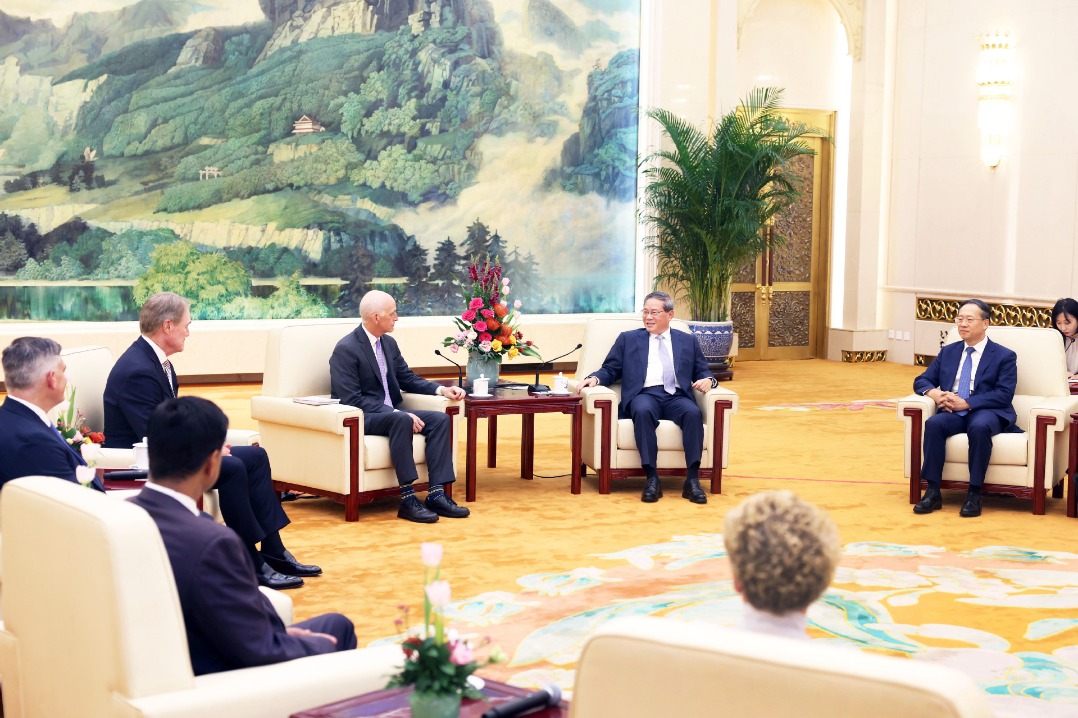
Visit by US lawmakers expands dialogue
A recent visit by a US congressional delegation to China has been hailed as a significant step toward rebuilding trust and fostering dialogue between the two nations. Led by Representative Adam Smith, the top Democrat on the House Armed Services Committee, the delegation engaged in high-level meetings with Chinese leaders, including Premier Li Qiang, top legislator Zhao Leji, Vice-Premier He Lifeng, Foreign Minister Wang Yi, and Defense Minister Dong Jun. This marked the first such visit by US House lawmakers since 2019. The trip followed a constructive phone call between Chinese President Xi Jinping and US President Donald Trump, signaling a mutual desire to ease strained relations. During the meetings, Zhao Leji emphasized the importance of strengthening exchanges between the National People’s Congress and the US Congress, inviting more American lawmakers to visit China. Smith, speaking at a press briefing, highlighted the global significance of the US-China relationship, calling it the most consequential for the coming decades. He acknowledged natural disagreements but stressed the need for mechanisms to manage them. Analysts view the visit as a positive start, with institutionalized dialogue between legislatures benefiting both nations. Experts like Lyu Xiang and Li Haidong noted that such engagements foster a more objective understanding of China and underscore the strategic leadership of the two heads of state in guiding bilateral relations. A stable US-China relationship, they argue, aligns with the interests of both countries and the international community.
-
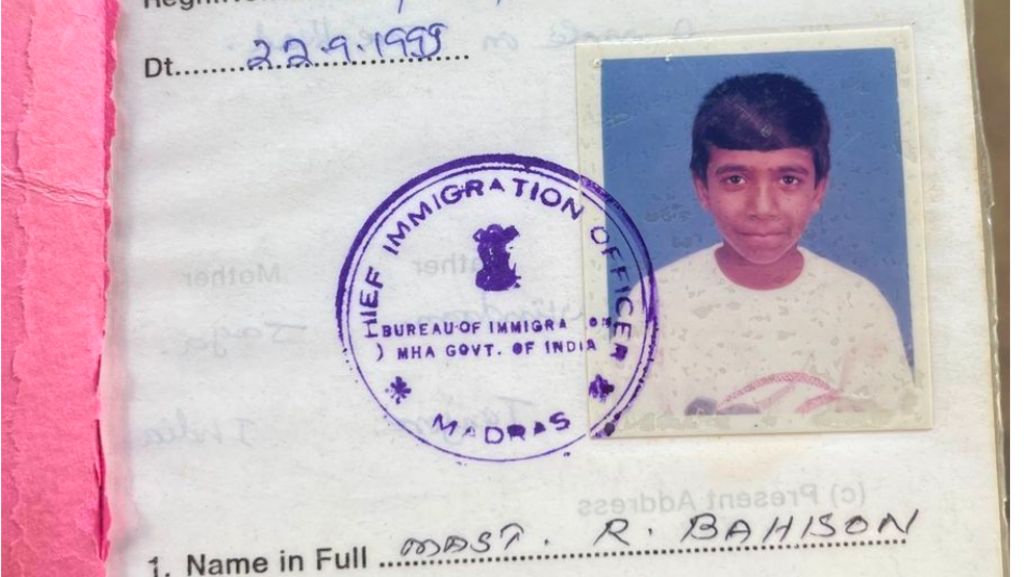
Born in India, but not Indian: ‘Stateless’ man fights for citizenship
Bahison Ravindran, a 34-year-old web developer born in Tamil Nadu, India, to Sri Lankan refugee parents, has found himself in a legal limbo after being declared ‘stateless’ by Indian authorities. Despite holding an Indian passport and various government-issued identity documents, Ravindran was arrested in April for possessing an ‘invalid’ passport. Authorities cited a 1987 amendment to India’s citizenship law, which mandates that at least one parent must be an Indian citizen for a child born after July 1, 1987, to qualify for citizenship by birth. Ravindran, born in 1991, was unaware of this rule and has since applied for citizenship through naturalisation. His case highlights the struggles of thousands of Sri Lankan Tamil refugees in India, many of whom fled during the island nation’s civil war in the 1980s. Over 90,000 Sri Lankan Tamils reside in Tamil Nadu, with more than 22,000 born in India after 1987 facing similar citizenship challenges. India’s refusal to sign the 1951 UN Refugee Convention and the exclusion of Sri Lankan Tamils from the 2019 Citizenship Amendment Act (CAA) have exacerbated their plight. Ravindran, who recently married a Sri Lankan woman, hopes his case will prompt a resolution. His lawyer, Sandesh Saravanan, argues that Ravindran’s passport was issued after police verification, yet the Foreigners Regional Registration Office (FRRO) flagged his parents’ origins, leading to his arrest. The Madras High Court has temporarily barred authorities from taking coercive action until the next hearing on October 8. Ravindran’s story underscores the broader issue of statelessness among Sri Lankan Tamil refugees in India, a problem that remains unresolved despite political promises.
-
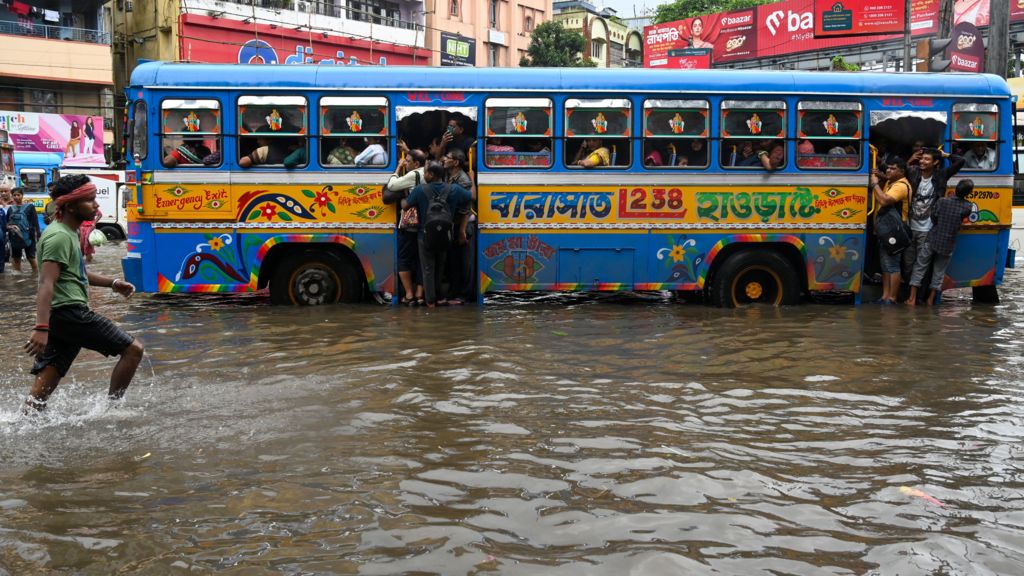
In pictures: India’s Kolkata sees worst rains in 39 years
Kolkata, the capital of India’s West Bengal state, is reeling from its heaviest rainfall in nearly four decades, resulting in widespread flooding, loss of life, and significant disruptions to daily life. The torrential downpour, which brought 251.4mm of rain in less than 24 hours, marks the city’s most severe deluge since 1986 and ranks as the sixth-highest single-day rainfall in the region over the past 137 years. The extreme weather, attributed to a low-pressure system over the north-east Bay of Bengal, has claimed at least 10 lives, with nine fatalities caused by electrocution in stagnant water. Residential areas and businesses across the city and its suburbs have been severely affected by waterlogging, with key roads submerged and train services halted, forcing commuters to navigate knee-deep floodwaters. The timing of the disaster is particularly unfortunate, as it coincides with Durga Puja, the region’s most significant annual festival, which draws tens of thousands of worshippers. Temporary temples, known as pandals, erected for the celebrations have also been inundated, dampening the festive spirit. West Bengal Chief Minister Mamata Banerjee expressed her shock at the unprecedented rainfall and pledged compensation for the victims’ families. Authorities have taken precautionary measures, including cutting power in affected areas to prevent further electrocution incidents. Efforts to restore normalcy are underway, but with more rain forecasted in the coming days, the city remains on high alert.