博客

  • Indian expat bags Dh20 million in Big Ticket Abu Dhabi live draw

    Indian expat bags Dh20 million in Big Ticket Abu Dhabi live draw

    In a life-changing moment during Big Ticket Abu Dhabi’s February 3 live draw, Shanthanu Shettigar, an Indian expatriate residing in Oman, became the latest multi-millionaire after securing the Dh20 million grand prize. The 33-year-old retail professional from Karnataka, who has been participating in the raffle since 2021, purchased his winning ticket (number 305810) on January 20 in partnership with a single friend, meaning each will receive Dh10 million.

    During the emotional live announcement, Shettigar expressed utter disbelief, stating: ‘Oh my God, seriously?.. Thank you!’ The shop-in-charge, who has lived in Oman for eight years, described being completely surprised by the win. ‘I knew the live draw was taking place tonight, but I never imagined my name would be announced. When I realized it was real, I was honestly speechless.’

    The February draw created additional wealth across the region, awarding five consolation prizes of Dh1 million each to participants from India, Sri Lanka, and Bangladesh. Notably, Jency Ruba and Desan Kunshu (both residing in India), Santosh Kumar (Abu Dhabi), Dulan Mayura (Dubai), and Mohammed Abu Syed (Al Ain) joined the millionaire ranks.

    In secondary prizes, Shahin Miah, a Bangladeshi house driver from Sharjah, won a BMW X5 vehicle, while four participants from India and Bangladesh secured up to Dh150,000 in the Big Win contest. Kaushik Udeshi and Mohammed Touidul each claimed Dh150,000, with Udeshi planning a Vietnam trip and Touidul celebrating with friend Irfan’s assistance. Diana Princee, the only female contestant, won Dh150,000 with her husband’s remote guidance and intends to travel with her son.

    The event was attended by January’s Dh30 million winner, Dubai-based Filipino expat Anna Lee Gayongan, who helped select the new grand prize winner. Big Ticket has announced a Dh15 million jackpot for February’s draw, scheduled for March 3, with additional weekly e-draws offering Dh50,000 prizes throughout the month.

  • Epstein said Qatar had to ‘sing and dance’ for Israel like Modi, to escape blockade

    Epstein said Qatar had to ‘sing and dance’ for Israel like Modi, to escape blockade

    Newly released U.S. Justice Department documents reveal convicted sex offender Jeffrey Epstein’s attempts to mediate the 2017 Gulf diplomatic crisis through unofficial channels. The emails, made public over the weekend, show Epstein advising Qatari royalty on how to improve relations with the Trump administration by normalizing ties with Israel.

    During the June 2017 blockade of Qatar by Saudi Arabia and the UAE—which received backing from President Trump—Epstein corresponded with Jabor Yousef Jassim Al Thani, a Qatari businessman and royal family member. In a July 9, 2017 email, Epstein suggested Qatar could end its isolation by either recognizing Israel or establishing a $1 billion fund for terrorism victims, with a matching contribution request to other Gulf Cooperation Council members.

    Epstein pointed to India’s approach as a model, writing: ‘The Indian Prime Minister Modi took advice and danced and sang in Israel for the benefit of the US president. They had met a few weeks ago. IT WORKED!’ He advised that Qatar needed to ‘sing and dance’ for Israel rather than ‘kicking and arguing’ to gain Trump’s favor.

    The correspondence reveals Epstein’s significant connections to Middle Eastern intelligence networks and political figures, particularly former Israeli Prime Minister Ehud Barak. Despite his 2019 jail cell death—ruled a suicide—Epstein maintained active diplomatic engagement until the end.

    Epstein correctly assessed that Turkey’s military deployment to Qatar in summer 2017 made a military invasion ‘no longer viable.’ He subsequently positioned himself as a mediator, attempting to arrange meetings between Saudi Crown Prince Mohammed bin Salman (MBS) and former Qatari Prime Minister Hamad bin Jassim bin Jaber Al Thani (HBJ).

    The emails confirm Epstein successfully brokered a December 2018 meeting in London’s exclusive One Hyde Park between Barak and the former Qatari official, facilitated by Jabor Al Thani. Follow-up correspondence indicated discussions about a ‘security company’ and mutual satisfaction with the encounter, offering rare insight into track II diplomacy orchestrated by a controversial figure.

  • Middle East needs long-term solution, UAE says ahead of US-Iran crisis talks

    Middle East needs long-term solution, UAE says ahead of US-Iran crisis talks

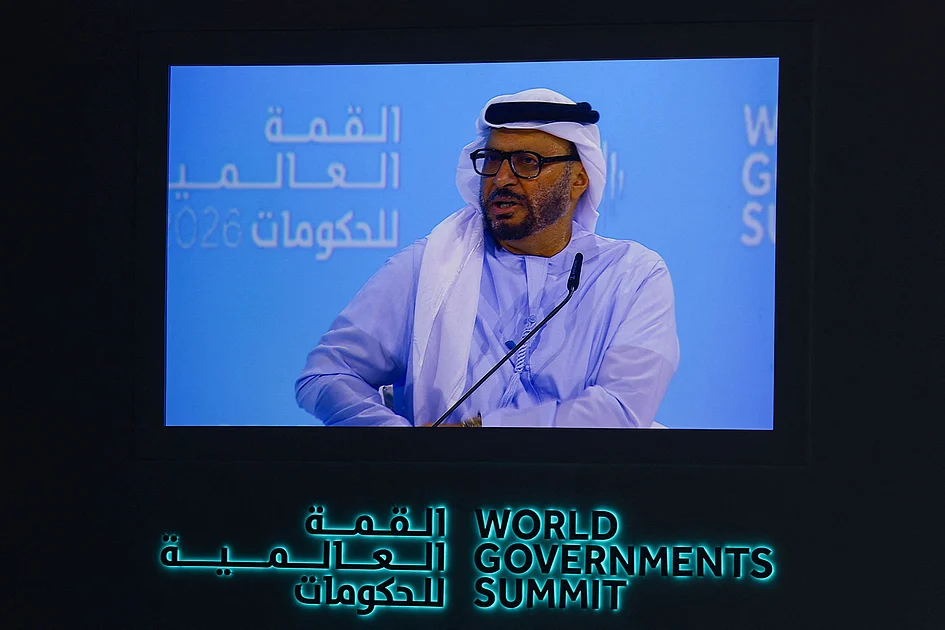
    The United Arab Emirates has issued a compelling call for sustained diplomatic engagement between Iran and the United States as the two nations prepare for crucial nuclear negotiations in Turkey this Friday. Dr. Anwar Gargash, diplomatic adviser to the UAE president, emphasized the critical need for lasting solutions during his address at the World Governments Summit in Dubai, stating the Middle East has endured enough catastrophic confrontations without requiring additional conflict.

    The upcoming dialogue marks a significant development in the prolonged nuclear standoff, with both nations dispatching high-level delegations. The American contingent will reportedly include Presidential son-in-law Jared Kushner and Special Envoy Steve Witkoff, while Iranian Foreign Minister Abbas Araghchi will lead Tehran’s representation. Several regional powers, including Pakistan, Saudi Arabia, Qatar, Egypt, Oman, and the UAE, have received invitations to participate in what observers describe as a multilateral effort to prevent military escalation.

    This diplomatic initiative follows heightened tensions triggered by recent U.S. naval movements toward Iranian waters and mutual threats of aerial strikes. President Trump previously cautioned that ‘bad things’ might occur should negotiations fail, while Iranian officials maintain their defensive capabilities remain non-negotiable. Satellite imagery analysis of previously targeted nuclear facilities at Isfahan and Natanz reveals preliminary reconstruction efforts but no evidence of resumed uranium enrichment activities.

    The UAE, maintaining its strategic position as both a key U.S. ally and regional mediator, advocates for a comprehensive geo-strategic agreement that would address nuclear concerns while enabling Iran to rebuild its sanction-damaged economy. Gulf Arab states particularly fear becoming collateral damage should Iran follow through on threats to target U.S. bases within their territories in retaliation for American attacks.

    Internal assessments within Iran’s leadership indicate growing concerns that additional U.S. military action could potentially destabilize their governance by reigniting recent public unrest. Meanwhile, diplomatic channels explore potential compromises, including possible limitations on uranium enrichment and ballistic missile programs, though Tehran continues to reject preconditions that violate its sovereignty claims.

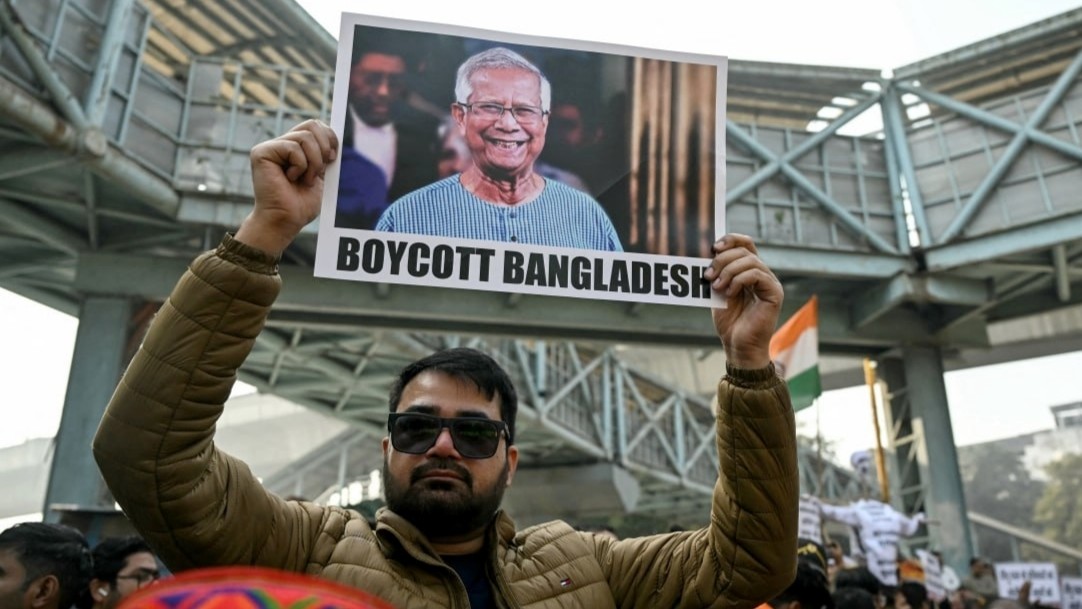
  • Pakistan’s growing ties to Bangladesh raise alarm bells in India

    Pakistan’s growing ties to Bangladesh raise alarm bells in India

    A landmark diplomatic engagement occurred in January 2025 when Lieutenant General Asim Malik, Director General of Pakistan’s Inter-Services Intelligence (ISI), made an unprecedented official visit to Dhaka. This marked the first such high-level intelligence exchange since Bangladesh’s independence in 1971, signaling a dramatic thaw in historically strained relations.

    The strategic overture came against the backdrop of significant political upheaval in Bangladesh, following the 2024 popular revolt that unseated long-serving Prime Minister Sheikh Hasina. Her administration had maintained strong security cooperation with India, particularly in counterterrorism efforts and preventing cross-border militancy.

    Indian security establishments have observed this diplomatic warming with growing apprehension, drawing parallels to Pakistan’s expanding defense partnership with Saudi Arabia—a relationship that evolved from basic training exercises to comprehensive strategic coordination. New Delhi fears Bangladesh might follow a similar trajectory, potentially complicating India’s eastern security architecture and undermining its Neighborhood First policy.

    According to reports from The Economic Times, the ISI chief’s visit focused on enhancing intelligence sharing mechanisms between Islamabad and Dhaka. Security analysts in India perceive these developments as gaining momentum post-Hasina’s departure, raising concerns about potential implications for India’s internal security and border management.

    International relations expert Robinder Nath Sachdev of the Imagindia Institute identified a fundamental shift in Bangladeshi identity politics: ‘We’ve witnessed a transition from Bangla-first nationalism to increasingly emphasizing Muslim identity first. Public opposition to Hasina, perceived as India-supported, gradually transformed into broader anti-India sentiment.’

    The bilateral engagement extends beyond military channels. In August 2025, Pakistan’s Deputy Prime Minister and Foreign Minister Ishaq Dar conducted the first ministerial-level visit in 13 years, followed by commerce ministerial talks to advance trade agreements. Defense exchanges intensified simultaneously, with Bangladesh sending high-level military delegations to Pakistan and welcoming General Sahir Shamshad Mirza, Chairman of Pakistan’s Joint Chiefs of Staff Committee.

    Most significantly, multiple reports emerged in December 2025 suggesting both nations were exploring a mutual defense agreement, potentially modeled after the Saudi-Pakistan Strategic Mutual Defense Agreement signed that September. CNN-News18 cited senior Pakistani foreign ministry sources indicating a joint mechanism had been established to finalize the pact’s scope and draft. Additionally, advanced negotiations are underway for Bangladesh’s potential acquisition of 48 JF-17 fighter jets from Pakistan.

    However, security experts express skepticism about such a comprehensive defense treaty materializing. Lieutenant General Deependra Singh Hooda (Ret.), former commander of India’s Northern Command, noted practical limitations: ‘The interim government is unlikely to take such electorally sensitive steps. I doubt all Bangladeshi political parties would support a treaty perceived as anti-India.’ He referenced historical precedents, noting that East Pakistan’s independence movement stemmed partly from beliefs that West Pakistan couldn’t provide adequate security.

    Political scientist Noor Ahmad Baba emphasized that current interim administrations lack mandate for binding strategic agreements requiring high trust levels. While acknowledging improved relations, he suggested India would actively work to rebuild ties with Dhaka, referencing External Affairs Minister S. Jaishankar’s recent visit and statements combining regional cooperation with firmness on security concerns.

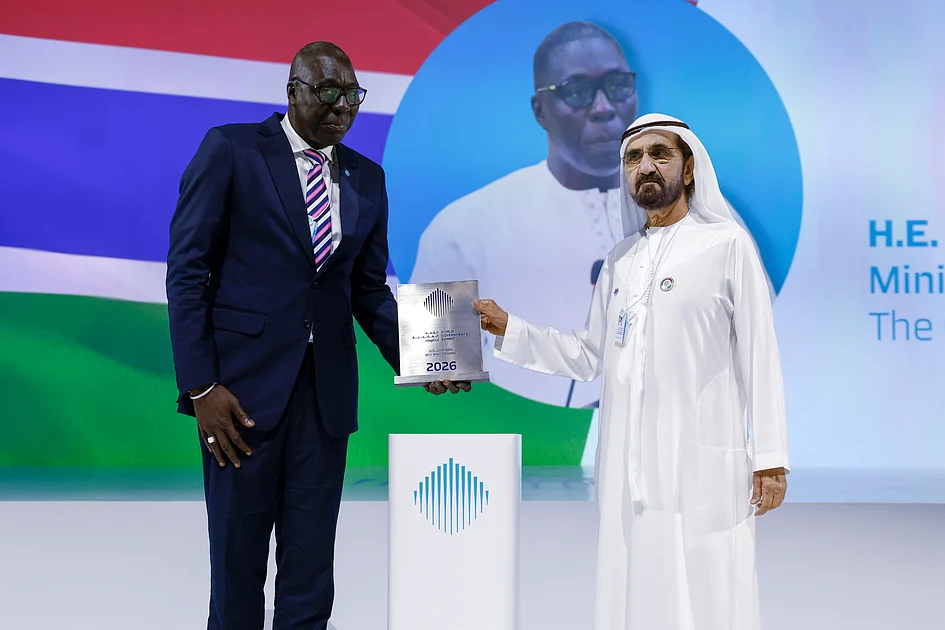
  • Dubai Ruler honours Gambia’s Minister of Tourism with Best Minister Award at WGS 2026

    Dubai Ruler honours Gambia’s Minister of Tourism with Best Minister Award at WGS 2026

    DUBAI, UAE – In a ceremony highlighting global governmental excellence, Sheikh Mohammed bin Rashid Al Maktoum, Vice President and Prime Minister of the UAE and Ruler of Dubai, presented Gambia’s Minister of Tourism and Culture Abdoulie Jobe with the distinguished Best Minister Award during the World Governments Summit 2026. The recognition celebrates transformative leadership and innovative approaches to public service that create substantial community impact.

    Sheikh Mohammed emphasized the award’s significance beyond individual achievement, stating: “This honor represents a celebration of governmental efficiency and acknowledges the positive role embodied by the world’s most effective ministers. It recognizes exceptional leaders dedicated to advancing public service sectors and enhancing quality of life through innovation, sustainable development, and diligent effort.”

    Minister Jobe’s recognition stems from his groundbreaking work in transforming Gambia’s tourism landscape through two pioneering initiatives. The Tourism Diversification and Resilience Enhancement Project has successfully promoted inclusive growth by providing comprehensive support to micro-, small-, and medium-sized tourism enterprises. Through the Yokuté Accelerator program, local entrepreneurs received extensive training in business development, entrepreneurship, and access to joint funding opportunities.

    A cornerstone of Jobe’s strategy involves building climate resilience within the tourism sector by developing ecotourism and domestic tourism assets, thereby reducing dependence on vulnerable coastal tourism. Under his leadership, the ministry conducted thorough assessments of potential riverfront and ecotourism projects, identifying and prioritizing ten climate-resilient tourism centers in collaboration with technical partners.

    Concurrently, Jobe oversaw the Digital Transformation and Evidence-Based Tourism Planning Project, which modernized tourism governance through advanced technology and enhanced data systems. By working with national institutions, the ministry significantly improved tourism statistics capabilities, establishing digital infrastructure that supports data-driven planning, strengthens transparency, and improves service delivery across the entire tourism value chain.

    The Best Minister Award, organized by the World Governments Summit Organisation in partnership with PricewaterhouseCoopers (PwC), aims to celebrate exceptional ministerial contributions that foster excellence in public service and implement sustainable initiatives driving socio-economic advancement. The award also recognizes efforts to inspire fellow government leaders to embrace innovation and foresight in addressing pressing global challenges.

  • US military shoots down Iranian drone in Arabian Sea: Official

    US military shoots down Iranian drone in Arabian Sea: Official

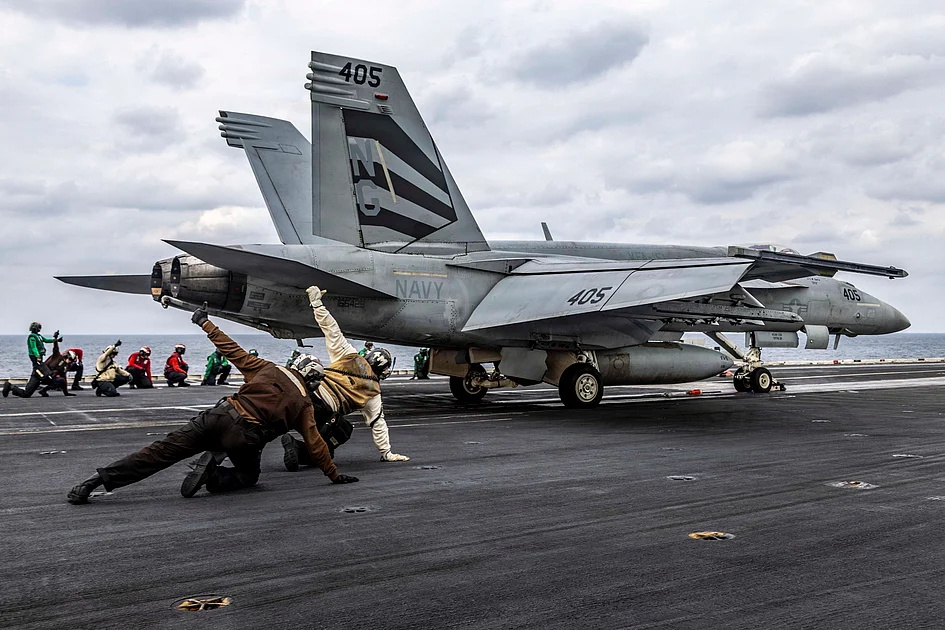
    A U.S. F-35 fighter jet engaged and destroyed an Iranian unmanned aerial vehicle over the Arabian Sea on Tuesday after the drone advanced toward the USS Abraham Lincoln aircraft carrier, according to an official statement from the U.S. military.

    The incident, which occurred on February 3, 2026, involved a Shahed-139 surveillance and attack drone manufactured by Iran. Military authorities confirmed the drone was operating in close proximity to the carrier strike group before being intercepted and neutralized by advanced aerial defenses.

    This confrontation represents the latest escalation in ongoing regional tensions between the United States and Iran. The Arabian Sea, a critical waterway connecting the Persian Gulf with international shipping routes, has frequently served as a stage for such military encounters. The USS Abraham Lincoln’s presence in the region comes as part of ongoing U.S. naval operations aimed at maintaining maritime security and stability.

    The engagement highlights continuing friction between Washington and Tehran, particularly regarding military movements in strategic Middle Eastern waters. Pentagon officials have repeatedly expressed concerns about Iranian surveillance attempts targeting U.S. naval assets, while Iranian authorities have consistently criticized the American military presence in the region.

    This incident follows previous reports of increased U.S. naval deployments to the Middle East, with approximately ten American warships currently operating in regional waters according to recent intelligence assessments. Military analysts suggest such encounters, while potentially dangerous, reflect established protocols for dealing with perceived threats to naval operations in international waters.

  • Iran looking to change nuclear talks venue to Oman, regional diplomat says

    Iran looking to change nuclear talks venue to Oman, regional diplomat says

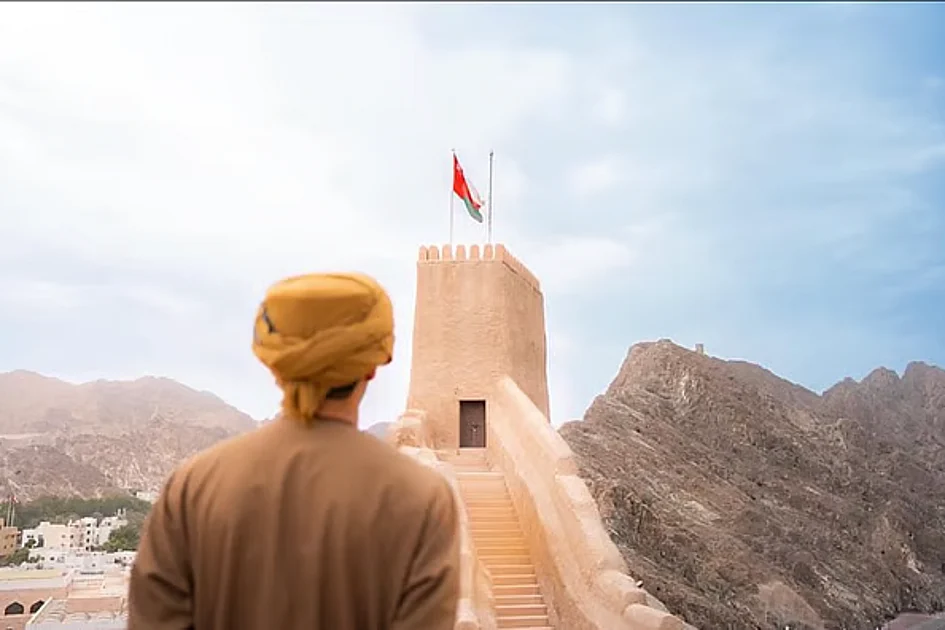
    Iran is actively pursuing a relocation of its upcoming nuclear negotiations with the United States from Istanbul to Oman, according to a regional diplomat’s disclosure on Tuesday. The talks, initially scheduled for Friday in Turkey, now face potential restructuring in both location and diplomatic focus. Iranian authorities are reportedly advocating for a narrowed agenda that would concentrate exclusively on nuclear matters, while simultaneously seeking to exclude direct participation from other regional nations. This development follows Iranian President Masoud Pezeshkian’s confirmation that he had authorized the initiation of dialogue with Washington. In a social media statement, Pezeshkian emphasized his instruction to the Foreign Minister to pursue “fair and equitable negotiations” within a framework protecting Iran’s national interests, provided such discussions occur in an environment “free from threats and unreasonable expectations.” The diplomatic maneuvering occurs against a backdrop of heightened military posturing, including the recent deployment of a US aircraft carrier group to the Middle East following Iran’s lethal crackdown on anti-government protests. While US President Donald Trump expressed optimism about reaching an agreement, he concurrently issued a stark warning that “bad things would happen” should diplomacy fail. Tehran maintains its commitment to diplomatic solutions while reserving the right to deliver an uncompromising response to any perceived aggression.

  • Watch: Florida iguanas are ‘cold stunned’ and falling from trees

    Watch: Florida iguanas are ‘cold stunned’ and falling from trees

    An unusual meteorological event is unfolding across Florida as a sudden temperature plunge induces a biological phenomenon known as ‘cold stunning’ in the state’s invasive iguana population. The National Weather Service Miami-South Florida confirmed temperatures dipped into the 30s and 40s (°F), triggering a reptilian paralysis that causes the cold-blooded creatures to lose their grip on tree branches.

    While the spectacle of lizards dropping from trees has captivated residents, the Florida Fish and Wildlife Conservation Commission (FWC) issued a nuanced advisory. The agency clarified that these immobilized iguanas are not deceased but in a temporary state of suspended animation due to their inability to regulate body temperature. Officials cautioned against bringing the paralyzed reptiles into homes, noting they can rapidly regain mobility and potentially become aggressive when warmed.

    This event highlights the ecological impact of non-native species in subtropical environments. Green iguanas, native to Central and South America, have established significant populations in South Florida. While cold spells temporarily control their numbers, survivors often retreat into burrows that damage infrastructure through erosion and collapsing sidewalks. The FWC maintains that unlicensed capture and transport of iguanas remains prohibited despite their invasive status, though landowners may humanely remove them from their properties year-round.

  • Two Indian flights suffer wing collision on runway with passengers onboard

    Two Indian flights suffer wing collision on runway with passengers onboard

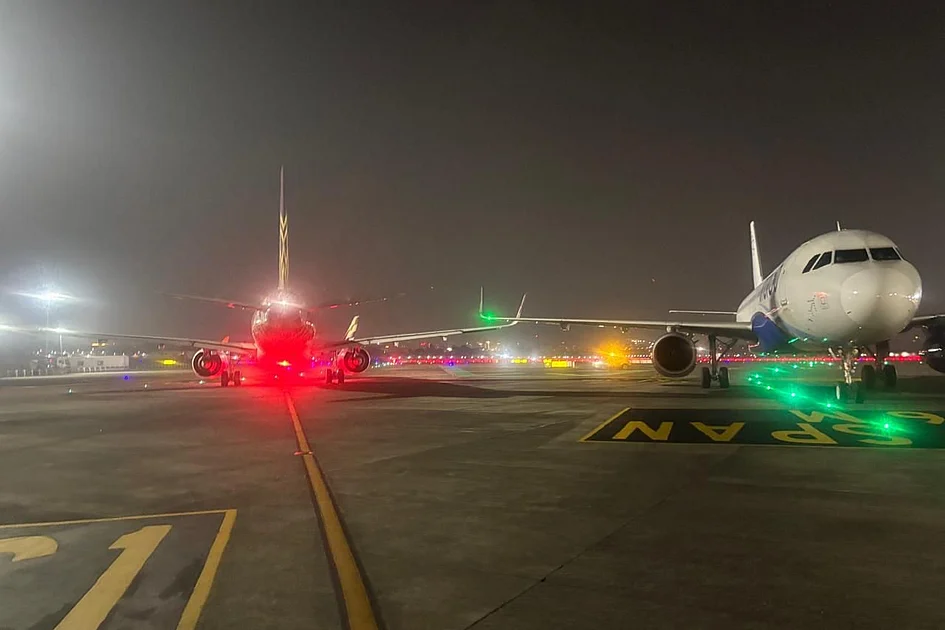
    A ground collision involving two commercial aircraft occurred at Mumbai’s Chhatrapati Shivaji Maharaj International Airport on Tuesday evening, resulting in significant wingtip damage to both planes. The incident unfolded when an Air India flight AI2732, preparing for departure to Coimbatore, was taxiing from position C1 toward M4 while an IndiGo flight was simultaneously arriving and joining at position B1.

    According to India’s Directorate General of Civil Aviation, the simultaneous movements caused the right wingtips of both aircraft to make physical contact during taxi operations. Both aircraft immediately returned to their respective bays for comprehensive safety inspections following the collision.

    Air India confirmed substantial damage to their aircraft’s wingtip structure and subsequently grounded the plane for detailed technical evaluation. All passengers were safely disembarked without injury, with airline representatives arranging alternative travel arrangements to minimize disruption to their journeys.

    The incident has been formally reported to aviation regulators, marking another significant event in India’s aviation sector that will likely prompt review of ground movement procedures at major airports. This occurrence follows previous aviation incidents in the country, including a recent event where an Air India plane engine sustained damage from cargo container ingestion.

  • Why a beauty spot in South Africa could be about to run out of water

    Why a beauty spot in South Africa could be about to run out of water

    The picturesque South African coastal town of Knysna, renowned for its azure waters and pristine beaches along the Garden Route, has declared a state of disaster as it confronts an impending water catastrophe. With approximately 55% of potable water vanishing through dilapidated pipelines, this tourist haven now grapples with the terrifying prospect of taps running completely dry—a scenario dubbed “day zero.”

    Beneath Knysna’s idyllic surface lies a crumbling water infrastructure exacerbated by persistent drought conditions. The Akkerkloof dam, the town’s primary reservoir, currently holds merely 20 days worth of reserves. This crisis has forced severe water rationing measures, limiting consumption to 50 liters per person daily—drastically lower than the 142 liters typically used by individuals in the United Kingdom.

    The water emergency has already manifested at local facilities. A retirement center endured a ten-day complete water outage last October, prompting owner Franco de Grandis to invest R250,000 ($15,700) in emergency infrastructure including storage tanks and pressure pumps. “Without water, we cannot function,” de Grandis emphasized, highlighting the critical nature of the situation.

    Non-governmental organizations have mobilized relief efforts. Gift of the Givers coordinates daily water deliveries via tankers from privately dug boreholes. Local coordinator Mario Ferreira noted concerning normalization of the crisis: “The disturbing thing is people start thinking this is the way of life and it shouldn’t be.”

    Newly inaugurated Mayor Thando Matika acknowledges inheriting decades of infrastructure neglect, with previous administrations citing financial constraints even for basic maintenance. The national government has allocated $1.25 million in emergency funding for immediate interventions including repairing seven existing boreholes, constructing an additional borehole, and revitalizing the desalination plant. Long-term strategies involve water recycling initiatives and potential dam construction.

    The tourism sector remains apprehensive about the “day zero” terminology. Elmay Bouwer of the Great Knysna Business Council cautions against alarmism while advocating for conservation education: “We should instead tell people how to preserve the water we have.”

    Experts warn that Knysna’s predicament reflects a national crisis. Dr. Ferial Adam of Watercan notes that millions of South Africans already experience perpetual “day zero” conditions without household running water. This reality is starkly evident in Khayalethu township, where 60-year-old Khanyiswa Sewula routinely carries buckets to municipal water distribution points.

    The convergence of climate change, infrastructure decay, and access inequality creates a precarious situation that demands urgent, comprehensive solutions beyond temporary measures.