博客

  • The sun sets on India’s iconic and controversial Soviet fighter jet

    The sun sets on India’s iconic and controversial Soviet fighter jet

    The MiG-21, once the backbone of the Indian Air Force (IAF), is set to take its final flight, marking the end of an era for one of the most iconic fighter jets in aviation history. For decades, the MiG-21 dominated the skies, comprising two-thirds of the IAF’s fighter fleet at its peak. Pilots who flew the aircraft recall its blistering speed and versatility, but also its grim reputation as a ‘flying coffin’ due to a series of fatal crashes in its later years.

    Designed by the Soviet Union and first inducted into the IAF in 1963, the MiG-21 was renowned for its needle-nose design, supersonic speed, and ability to climb rapidly. It became a cornerstone of India’s defense strategy, playing pivotal roles in conflicts such as the 1971 war with Pakistan. Pilots adapted the aircraft for close combat and ground attacks, pushing it beyond its original design limitations.

    However, the MiG-21’s legacy is marred by tragedy. Between 1971 and 2012, 482 crashes were recorded, resulting in the deaths of 171 pilots, 39 civilians, and others. Analysts attribute these accidents to aging airframes, high landing speeds, and stretched maintenance cycles. Despite its flaws, the MiG-21 remained in service far longer than expected due to delays in developing replacements.

    For retired Air Marshal Prithvi Singh Brar, who flew the MiG-21 for 26 years, the aircraft was more than a machine—it was a trusted partner in the sky. ‘I loved flying the MiG-21 the way a bird loves the sky,’ he recalls. Yet, as India retires its last two MiG-21 squadrons, the IAF faces a significant gap, with only 29 fighter units operational against a sanctioned 42.

    The MiG-21’s retirement symbolizes the end of a chapter in India’s aviation history, leaving behind a legacy of both admiration and caution. As the skies grow quieter, the memories of those who flew this legendary jet will endure, a testament to its enduring impact on India’s defense and aerospace industry.
  • Final goodbye: MEE reporters on the pain of being forced out of Gaza City

    Final goodbye: MEE reporters on the pain of being forced out of Gaza City

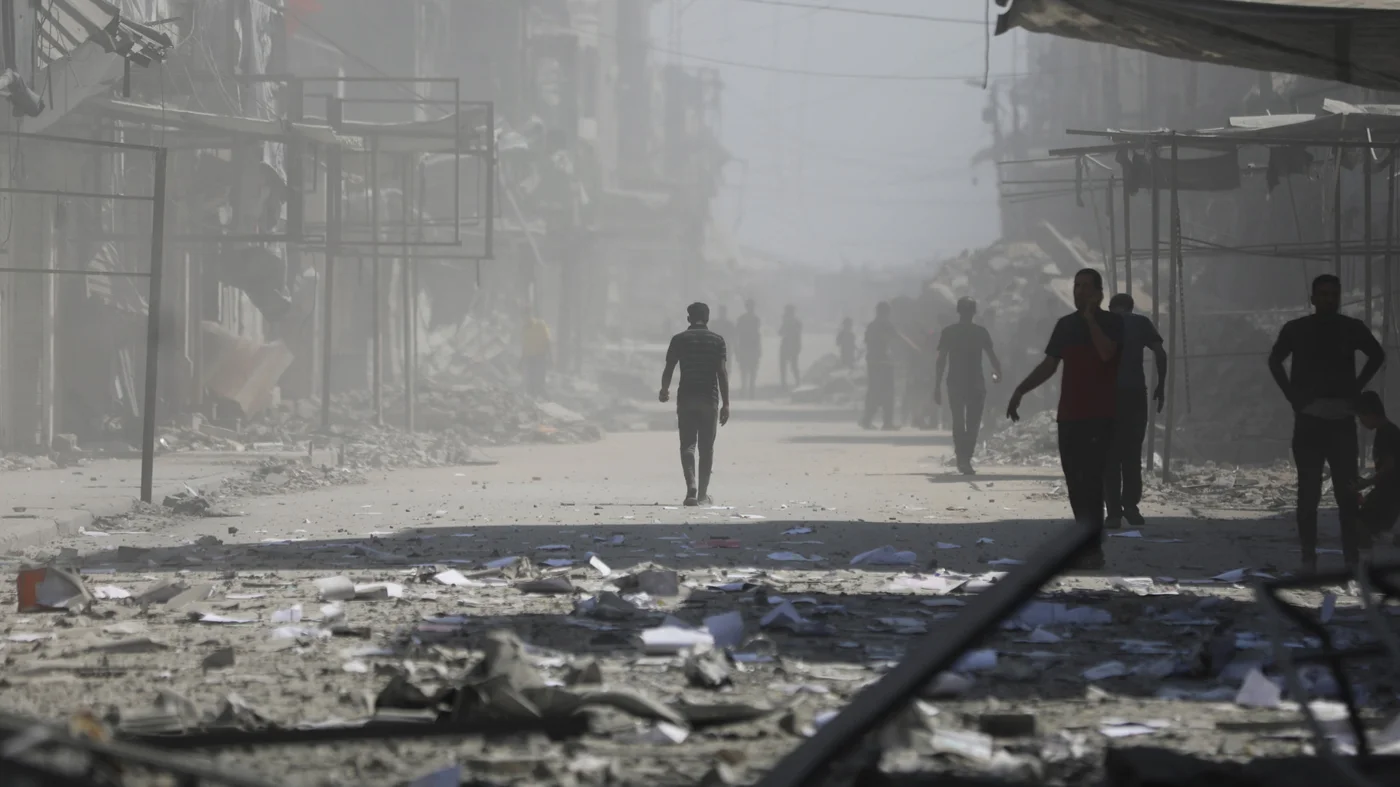
    In the midst of Israel’s intensified military campaign in Gaza City, Palestinian journalist Ahmed Dremly faces an agonizing decision: to stay in his lifelong home or flee to uncertain safety. His friend Youssef’s advice to sell his furniture as firewood underscores the dire reality. “Who would buy them?” Dremly retorts, his voice heavy with bitterness. The conversation, reminiscent of a dystopian narrative, reflects the plight of Gaza’s one million residents, forced to choose between survival and the loss of their homes and memories. Since mid-August, Israel’s relentless bombing campaign, coupled with the deployment of explosive-laden robots, has aimed to depopulate the city, described by many as ethnic cleansing. The goal is clear: drive residents south, leaving Gaza City a ghost town. Estimates suggest between 300,000 to 600,000 have already fled, though many remain, unable to afford transportation or face the fear of permanent displacement. For Dremly, the thought of abandoning his home is unbearable. “I look at the walls of my house, even the lamp, and it breaks my heart,” he laments. Award-winning journalist Maha Hussaini shares his anguish, having delayed her departure until the last possible moment. “The last time you leave the house and shut the door—that’s the last time you’ll close that door,” she says. Despite her determination to stay “until the last gasp,” Hussaini was ultimately forced to flee south, leaving behind a city that once teemed with life. The streets, now eerily empty, serve as a stark reminder of the human cost of this conflict. As Gaza’s residents grapple with impossible choices, their stories highlight the devastating toll of war on identity, memory, and home.

  • Canada bank employee charged with accessing PM Mark Carney’s account

    Canada bank employee charged with accessing PM Mark Carney’s account

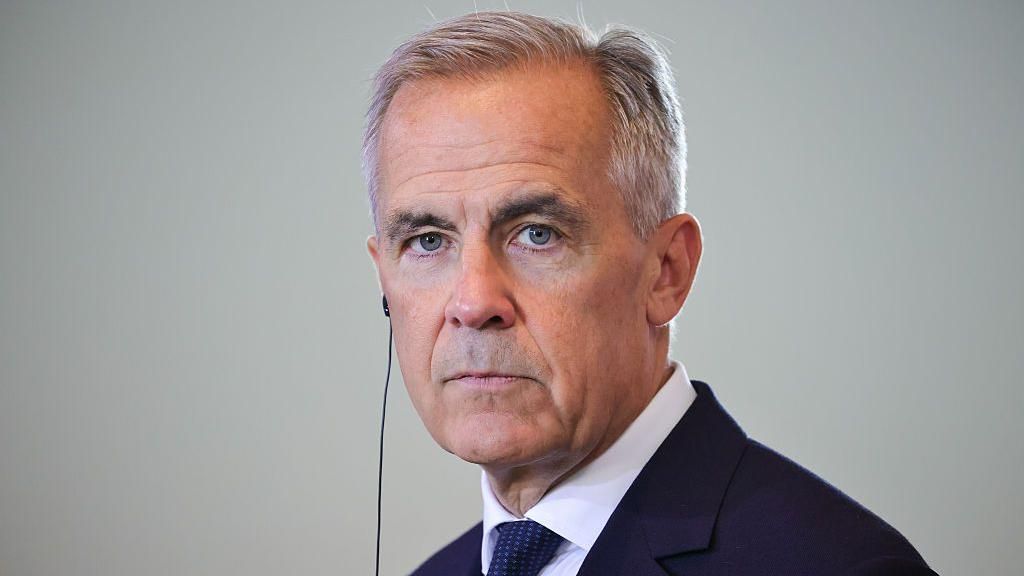
    A 23-year-old employee of the Royal Bank of Canada (RBC) in Ottawa has been charged with multiple offenses, including fraud, unauthorized computer use, identity theft, and trafficking identity information. Ibrahim El-Hakim allegedly accessed Canadian Prime Minister Mark Carney’s bank account and other profiles without authorization. The Royal Canadian Mounted Police (RCMP) arrested El-Hakim on July 10 for using RBC’s IT services for criminal purposes. He has since been released under specific conditions. RBC stated that it independently identified the unauthorized access and cooperated with law enforcement. El-Hakim is no longer employed by the bank. According to a court affidavit reported by La Presse, El-Hakim’s actions are believed to be linked to organized crime. He allegedly accessed former Prime Minister Justin Trudeau’s account on June 17 and was paid C$5,000 by a Telegram contact to create fake bank profiles and obtain lines of credit. El-Hakim, hired by RBC in 2022, worked near Parliament Hill in Ottawa. He was caught on video and confessed during an internal security interview. The suspect is scheduled to appear in court on October 1. Police confirmed there was no threat to Carney’s safety or national security.

  • ‘No warning’ – residents reel from deadly flood after typhoon bursts Taiwan lake

    ‘No warning’ – residents reel from deadly flood after typhoon bursts Taiwan lake

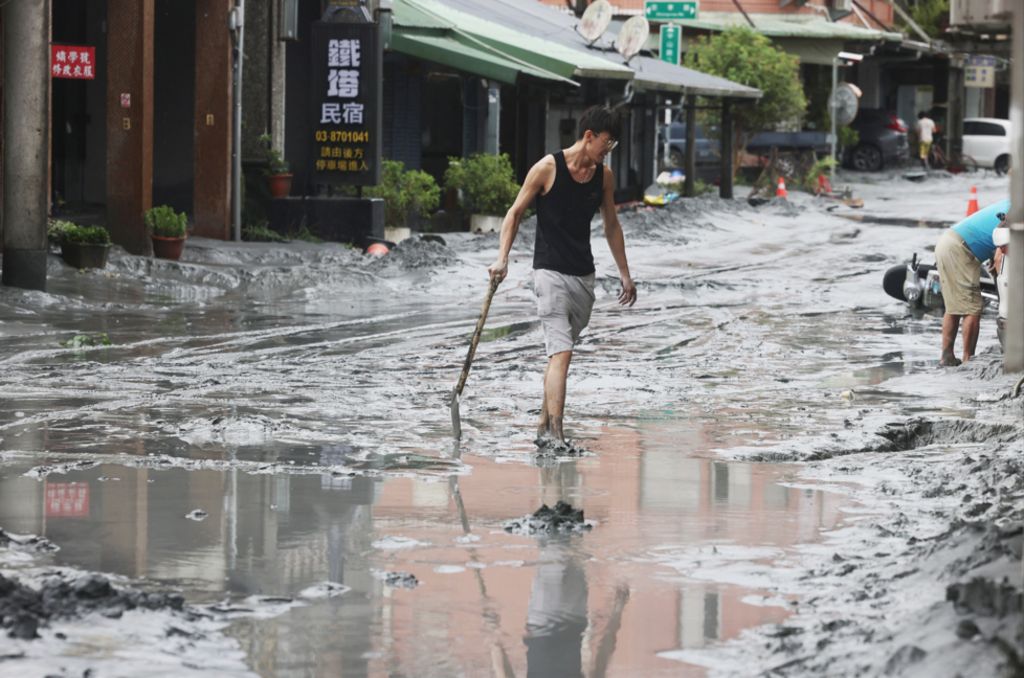
    Super Typhoon Ragasa has left a trail of destruction in Taiwan, particularly in the eastern county of Hualien, where a catastrophic flood caused by the breach of a barrier lake has claimed lives and devastated communities. The barrier lake, formed after landslides triggered by an earlier typhoon in July, held an immense volume of water—approximately 91 million tonnes. When it burst its banks on Tuesday, it unleashed a torrent comparable to a tsunami, killing at least 14 people, injuring 32, and leaving 46 unaccounted for. The floodwaters, reaching depths of up to the second floor of buildings in some areas, swept away bridges, uprooted trees, and submerged vehicles, leaving residents in shock and despair. Awa, a 42-year-old bookstore owner in Guangfu Township, described the scene as “like a river outside, with cars floating and everything drifting.” She and her husband sought refuge on the second floor of their shop, attempting to salvage their books. Survivors reported receiving no immediate warning before the disaster struck, despite prior monitoring of the lake’s water levels by universities and authorities. Emergency evacuations were not mandatory, and many elderly residents, particularly those without access to smartphones, were left vulnerable. The disaster has highlighted the challenges of managing natural hazards in Taiwan, where barrier lakes are a recurring phenomenon. Experts noted that the lake’s composition and the lack of accessible roads hindered preventive measures. The tragedy has further strained Hualien’s tourism industry, already reeling from recent earthquakes. As communities grapple with loss and recovery, questions remain about the adequacy of disaster preparedness and response.

  • Greenland contraception scandal victims hear Danish PM’s emotional apology

    Greenland contraception scandal victims hear Danish PM’s emotional apology

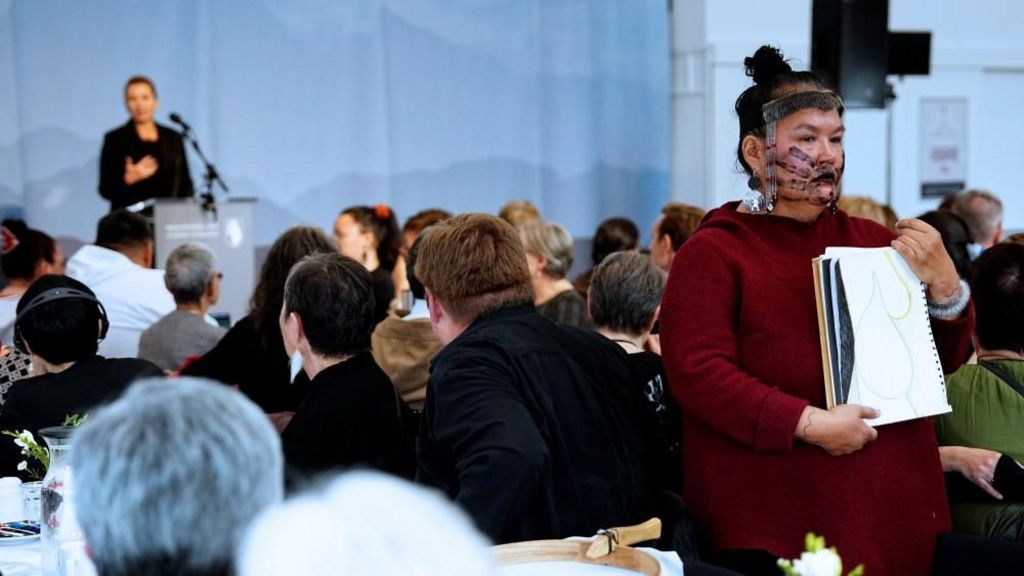
    In a historic and emotionally charged address, Denmark’s Prime Minister Mette Frederiksen formally apologized to the women of Greenland for a controversial birth control program that forcibly implanted contraceptive coils in thousands of Inuit women during the 1960s and 1970s. Speaking to a packed audience in Nuuk, Greenland’s capital, Frederiksen expressed deep remorse for the injustices committed. ‘Dear women. Dear families. Dear Greenland. Today there is only one right thing to say to you. Sorry,’ she stated. The apology was met with mixed reactions, including a silent protest by one woman who stood with her back to the prime minister, her mouth marked with a black handprint. The program, which targeted nearly half of Greenland’s childbearing-age women, involved the insertion of intrauterine devices (IUDs) without consent, including in girls as young as 12. Many victims have suffered lifelong physical and emotional trauma, including infertility. Naja Lyberth, a prominent advocate for the affected women, emphasized the importance of the apology but criticized the lack of exploration into potential human rights violations. Frederiksen also announced plans for a ‘reconciliation fund,’ though details remain unclear. A lawsuit demanding compensation has been filed by 143 women, including Aviaq Petersen, who discovered she had an IUD inserted without her knowledge during an abortion at age 24. The apology comes amid growing scrutiny of Denmark’s historical and current policies in Greenland, including forced adoptions and the separation of Inuit children from their families. Greenland’s Prime Minister Jens-Frederik Nielsen described the birth control program as one of the darkest chapters in the country’s history. While the apology has been welcomed by many, some victims, like Elisa Christensen, expressed disappointment over the lack of compensation and tangible support. ‘The little girl inside me felt a hug from society,’ Christensen said, ‘but the grown-up Elisa doesn’t know how to use that apology.’ The case highlights ongoing tensions between Denmark and Greenland, as well as the broader implications of colonial-era policies on indigenous communities.

  • Kindy parents told to pay thousands for kids’ art – sparking uproar and a midnight heist

    Kindy parents told to pay thousands for kids’ art – sparking uproar and a midnight heist

    A Brisbane-based kindergarten has ignited widespread controversy after asking parents to pay A$2,200 (£1,000; $1,400) to take home their children’s art portfolios. The Craigslea Community Kindergarten and Preschool, which recently closed due to financial troubles, framed the request as a fundraiser to address mounting debts, including unpaid staff wages. The folders contained a mix of abstract creations and cherished memories, described as ‘only a parent could love.’ However, the demand has been met with fierce criticism, with Queensland’s leader labeling it ’emotional blackmail.’ The kindergarten’s management, already under scrutiny for governance issues, faced further backlash when a parent allegedly broke into the center to retrieve their child’s artwork. The incident has drawn public outrage, with thousands condemning the move on social media. Queensland Premier David Crisafulli called the request ‘un-Australian’ and ‘wrong on so many levels,’ emphasizing the sentimental value of children’s art. The Department of Education and the Creche and Kindergarten Association (C&K) later intervened, successfully recovering the portfolios and ensuring they are now free for families to collect. C&K condemned the practice of charging parents for their children’s works, reaffirming their commitment to ethical childcare practices.

  • Luigi Mangione’s lawyers claim Trump violated right to fair trial

    Luigi Mangione’s lawyers claim Trump violated right to fair trial

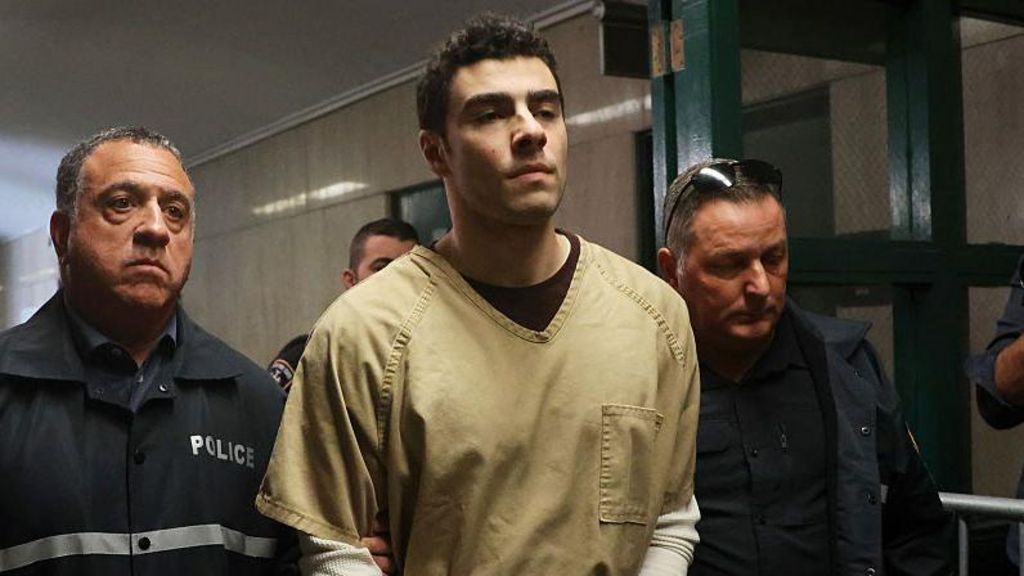
    The legal team representing Luigi Mangione, the individual accused of murdering UnitedHealthcare CEO Brian Thompson, has asserted that former President Donald Trump compromised Mangione’s right to a fair trial. In a recent court filing, Mangione’s attorneys highlighted comments made by Trump during a Fox News interview, as well as social media posts by Department of Justice (DoJ) employees, which they argue implied Mangione’s guilt. US District Judge Margaret Garnett responded by instructing DoJ officials to refrain from sharing remarks that could influence the trial’s fairness, cautioning that further violations could lead to sanctions. Mangione, 27, has pleaded not guilty to the charges of murdering Thompson. During the Fox News interview, Trump described Mangione as a ‘pure assassin,’ stating, ‘He shot someone in the back as clear as you’re looking at me or I’m looking at you.’ Mangione’s lawyers also contested a White House statement that linked him to ‘left-wing extremist groups,’ citing an interview with Stephen Miller, the White House’s deputy chief of staff for policy, who referred to Mangione as a ‘self-described so-called anti-fascist.’ They argued that these statements are part of a broader political narrative that has no place in a criminal case. Thompson was fatally shot in December 2024 while entering a Manhattan hotel where his company was hosting an investors’ meeting. Five days later, Mangione was arrested at a McDonald’s in Pennsylvania and charged with murder. He faces federal charges of stalking, firearms offenses, and murder through the use of a firearm, with prosecutors seeking the death penalty. Mangione’s lawyers have requested the removal of the death penalty, claiming that Trump’s statements violate his Fifth and Eighth Amendment rights. His next hearing is scheduled for December 5. The BBC has reached out to the White House and DoJ for comment.

  • Is Netanyahu on a mission to realize a Greater Israel?

    Is Netanyahu on a mission to realize a Greater Israel?

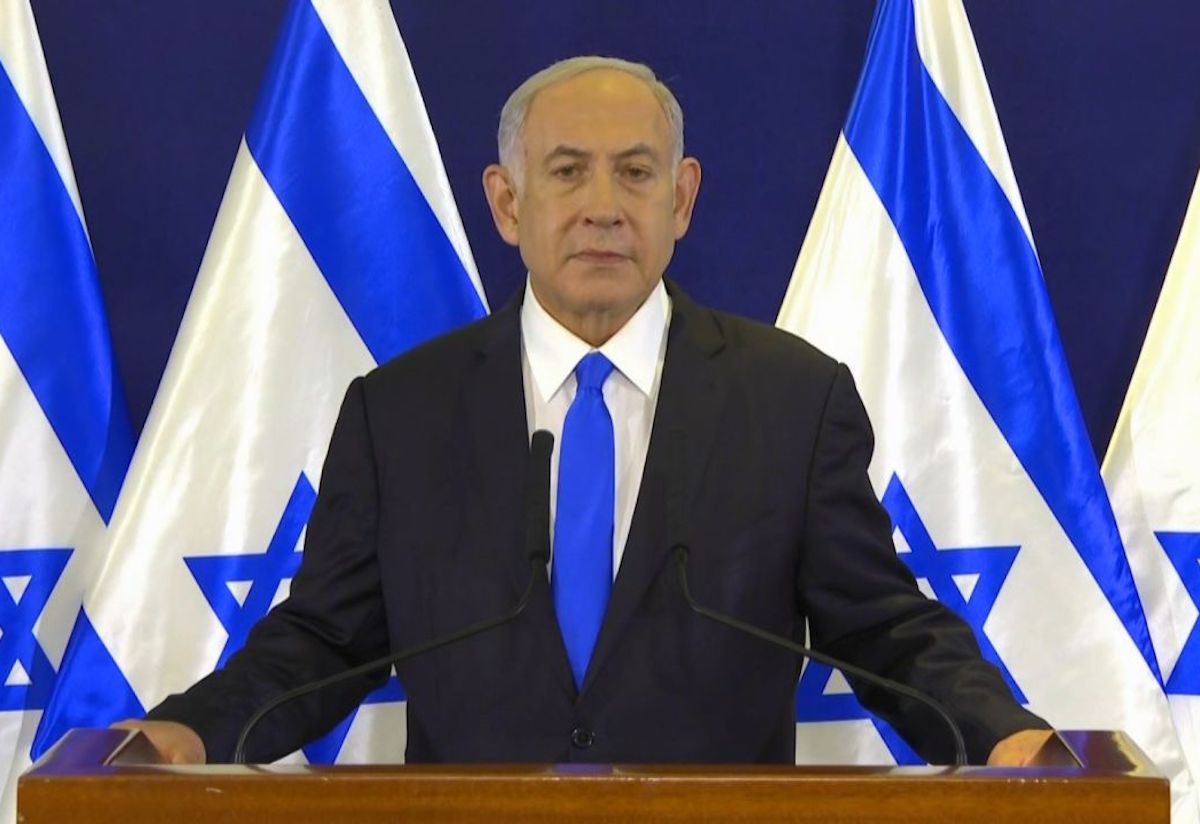
    The long-standing Israeli-Palestinian conflict has often been framed around the concept of a two-state solution, but Israeli Prime Minister Benjamin Netanyahu seems determined to pursue a different path—his vision of a ‘Greater Israel.’ Despite widespread international condemnation of Israel’s actions in Gaza and its increasing isolation, Netanyahu appears to be making significant strides toward this goal. The two-state solution, once a cornerstone of diplomatic efforts, now seems increasingly irrelevant as Israel works to render the idea obsolete. The prospects of establishing an independent Palestinian state encompassing the West Bank, East Jerusalem, and Gaza Strip have never been more uncertain. Netanyahu’s strategy is bolstered by unwavering support from the United States, particularly under the Trump administration. Recent events, such as Israel’s attack on Hamas leaders in Qatar, have further highlighted the region’s inability to counter Israel’s actions. An emergency Arab-Muslim summit convened by Qatar resulted in a tepid response, with leaders issuing condemnations but failing to propose concrete measures to curb Israel’s aggression. Middle Eastern leaders recognize that only the United States holds the power to influence Israel, yet Washington shows no signs of altering its staunch support. Netanyahu’s rhetoric and actions suggest a commitment to expanding Israeli sovereignty over contested territories, including Gaza and the West Bank. This vision, rooted in the ideology of Netanyahu’s Likud Party, has drawn sharp criticism from Arab and Muslim leaders, though the U.S. has not publicly endorsed it. Despite international backlash, Netanyahu remains undeterred, prioritizing his vision over the safety of Israeli hostages held by Hamas and the desires of many Israelis for a ceasefire. As the international community grapples with how to respond, the path forward remains unclear. Sanctions and severing ties with Israel are among the few potential measures that could alter its course, but such actions are unlikely given the current geopolitical landscape. Netanyahu’s pursuit of a ‘Greater Israel’ risks further destabilizing the region and tarnishing Israel’s global reputation, leaving a legacy of conflict and international disrepute.

  • China makes landmark pledge to cut its climate emissions

    China makes landmark pledge to cut its climate emissions

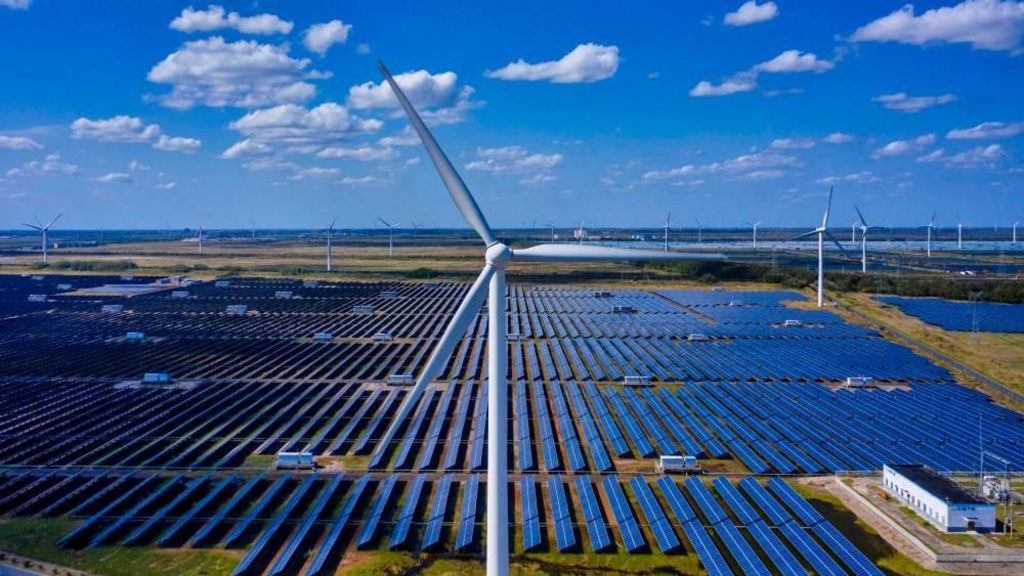
    In a landmark announcement, China, the world’s largest emitter of greenhouse gases, has pledged to reduce its emissions by 7-10% by 2035, marking its first absolute target for emissions reduction. President Xi Jinping made the commitment in a video statement to the United Nations in New York, emphasizing China’s dedication to surpassing these goals. This announcement comes at a critical juncture as the US, under President Donald Trump, has scaled back its climate commitments, with Trump dismissing climate change as a ‘con job’. However, environmental experts argue that China’s targets, while significant, fall short of what is necessary to meet global climate objectives. ‘Even for those with tempered expectations, what’s presented today still falls short,’ said Yao Zhe, global policy adviser at Greenpeace East Asia. The urgency of these pledges is underscored by the looming deadline for countries to submit their updated climate plans under the Paris Agreement, originally due in February but now expected by the end of September. UN Secretary-General António Guterres stressed the importance of these commitments in limiting global temperature rise to 1.5°C, a goal set in the Paris Agreement. ‘We absolutely need countries to come with climate action plans that are fully aligned with 1.5 degrees,’ he said. China’s new targets cover all greenhouse gases and include ambitious plans to expand wind and solar power capacity, increase forest stocks, and promote new energy vehicles. Despite these efforts, analysts like Lauri Myllyvirta of the Centre for Research on Energy and Clean Air argue that a 30% reduction is necessary to align with the 1.5°C target. China’s reliance on coal remains a significant challenge, although recent data suggests a plateau in emissions. Observers remain hopeful, citing China’s history of exceeding its climate commitments, such as achieving its 2030 renewable energy target six years early. ‘The targets should be seen as a floor rather than a ceiling,’ said Li Shuo of the Asia Society Policy Institute. As the world grapples with the climate crisis, China’s actions will be pivotal in determining the trajectory of global emissions.

  • Malawi’s ex-president wins election in comeback at age 85

    Malawi’s ex-president wins election in comeback at age 85

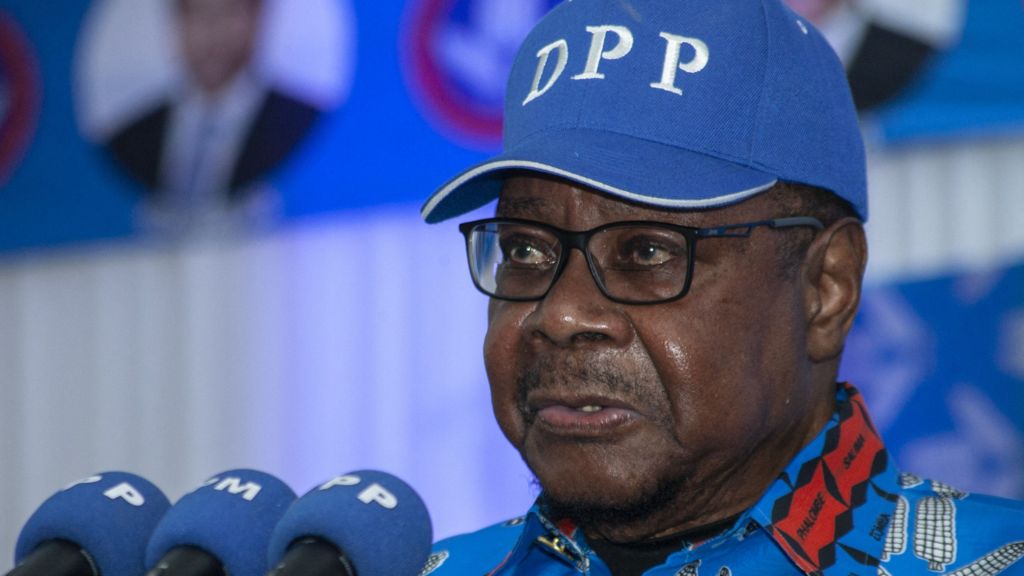
    In a remarkable political turnaround, Malawi’s former President Peter Mutharika, aged 85, has been declared the winner of the recent presidential election, marking a significant comeback in his political career. Official results reveal that Mutharika secured 57% of the vote, decisively defeating incumbent President Lazarus Chakwera, who garnered 33%. Chakwera, a former pastor, conceded defeat and congratulated Mutharika on his ‘historic win’ ahead of the final announcement. Mutharika, a former law professor, previously served as president from 2014 to 2020, when he lost to Chakwera by a wide margin. His return to power comes at a critical juncture for Malawi, as the nation grapples with severe economic challenges, including skyrocketing inflation, fuel shortages, and a lack of foreign currency. The official inflation rate stands at nearly 30%, with basic necessities like frozen chicken costing $20 in a country where most citizens survive on less than $2 a day. The election commission emphasized that the eight-day delay in announcing the results was necessary to address complaints and ensure accuracy. This election marks the fourth electoral contest between Mutharika and Chakwera, with Mutharika’s 2019 victory annulled due to widespread irregularities. Chakwera won the subsequent rerun in 2020 but faced mounting criticism during his tenure for issues such as corruption, economic mismanagement, and frequent power outages. Mutharika’s campaign, centered on the promise of ‘proven leadership,’ resonated with voters disillusioned by Chakwera’s administration. However, questions linger about Mutharika’s health and ability to lead at 85, given his limited public appearances during the campaign. The swearing-in ceremony is expected to take place within the next 30 days, as Malawi looks to Mutharika to address its pressing economic woes and restore stability.