博客

  • Guangzhou plans 45-minute fireworks show for Chinese New Year

    Guangzhou plans 45-minute fireworks show for Chinese New Year

    The southern Chinese metropolis of Guangzhou is preparing to welcome the Year of the Horse with an unprecedented fireworks spectacle over the Pearl River on February 17. Municipal authorities have announced a comprehensive 45-minute pyrotechnic display that will transform the city’s waterfront into a dazzling canvas of light and color.

    According to Ke Xiandong, Deputy Director of Guangzhou’s Bureau of Culture, Broadcast, Television and Tourism, this year’s exhibition will feature over 150,000 fireworks launched across high, medium, and low altitudes. The production incorporates significant technological enhancements, including 75 new firework varieties that expand the chromatic range while maintaining environmental sustainability through carbon-neutral products.

    The operational infrastructure has been substantially upgraded with four professional firing vessels and ten floating platforms strategically positioned along the Pearl River—increasing both the visual span to 800 meters and maximum altitude to 225 meters. This configuration ensures optimal visibility for spectators throughout the metropolitan area.

    The fireworks presentation serves as the centerpiece of Guangzhou’s “Celebrate Chinese New Year in Guangzhou, Admire Flowers in the City of Flowers” festival series. Complementary activities include traditional flower market tours, Spring Festival lantern exhibitions, cultural site visits, and Lingnan culinary experiences.

    To accommodate anticipated large crowds while ensuring public safety, authorities have established 180,000 designated viewing spots across 17 zones in Liwan, Haizhu, and Yuexiu districts. Access will be regulated through a reservation and lottery system open from February 8-10, with results announced on February 12. The comprehensive crowd management plan reflects the city’s commitment to combining cultural celebration with public safety protocols.


  • Captain Agha reiterates Pakistan’s refusal to play India at the T20 World Cup

    Captain Agha reiterates Pakistan’s refusal to play India at the T20 World Cup

    COLOMBO, Sri Lanka — The highly anticipated Twenty20 World Cup clash between cricketing rivals India and Pakistan faces cancellation after Pakistan’s team captain Salman Ali Agha confirmed his squad will adhere to their government’s directive not to compete against India. The political decision has thrown the international tournament into disarray, with organizers scrambling to salvage what is traditionally the most-watched match in global cricket.

    Speaking at a captains’ media conference on Thursday, Agha stated the team would respect their government’s position despite the disappointment surrounding the potential cancellation. “The India game is not in our control,” Agha commented. “The government has decided and we respect that. Whatever they are saying we’ll do. We are playing three other group games and we are excited about that.”

    The boycott decision emerged following the International Cricket Council’s expulsion of Bangladesh from the tournament after they raised security concerns about playing in India. Pakistan has accused the ICC of applying double standards in handling security considerations, noting that India and Pakistan typically only meet at neutral venues during ICC tournaments due to longstanding political tensions.

    Indian captain Suryakumar Yadav, speaking from Mumbai, maintained his team’s readiness to compete regardless of Pakistan’s stance. “Our mindset is pretty clear,” Yadav stated. “We did not refuse to play them. The refusal came from them. ICC organized the fixture. Our flight to Colombo is booked. So we are going. We’ll see what happens later.”

    The political dimensions of the conflict have increasingly spilled into sports, with teams refusing post-match handshakes during last year’s men’s Asian Cup and Women’s World Cup. Pakistan will open their World Cup campaign against the Netherlands on Saturday in Colombo, with all their group stage matches scheduled in co-host Sri Lanka alongside Namibia and the United States.

  • Top NHL draft prospect Gavin McKenna charged with assault

    Top NHL draft prospect Gavin McKenna charged with assault

    Gavin McKenna, an 18-year-old Canadian ice hockey phenom projected as the first overall selection in the 2026 NHL Draft, now faces serious criminal charges that threaten to derail his promising career. Authorities in Centre County, Pennsylvania have charged the Penn State University student with felony aggravated assault, misdemeanor simple assault, and multiple counts of harassment and disorderly conduct.

    The allegations stem from an incident occurring on January 31st, where McKenna allegedly punched a 21-year-old male in the face, causing injuries severe enough to require corrective surgery. The altercation took place hours after McKenna’s collegiate team, the Nittany Lions, suffered a narrow 5-4 defeat against Michigan State—a game in which the talented forward scored one of Penn State’s goals.

    Following his arraignment on Wednesday in State College, McKenna posted $20,000 bail and was released from custody. His preliminary court hearing is scheduled for February 11th in Centre County. If convicted on the felony assault charge, the hockey prodigy could potentially face several years in prison alongside substantial financial penalties.

    Penn State Athletics acknowledged awareness of the situation through an official statement but declined further comment, citing the ongoing legal proceedings. The charges emerge at a particularly inopportune moment for McKenna, who just last month helped secure a bronze medal for Canada at the World Junior Championships and has been dominating collegiate hockey throughout the current season.

    The hockey world now watches with apprehension as one of its most promising talents navigates both the legal system and the potential ramifications for his professional prospects. The NHL Draft, scheduled for June 2026 in Buffalo, New York, was expected to crown McKenna as its top selection—a trajectory now complicated by serious criminal allegations.

  • Explore archaeology and museums in Beautiful Hebei episode nine

    Explore archaeology and museums in Beautiful Hebei episode nine

    The ninth installment of the captivating ‘Beautiful Hebei’ series has been released, offering viewers an immersive journey through the Chinese province’s rich archaeological heritage and museum collections. Produced by the Hebei Photographers Association, this visual documentary showcases the region’s ancient towns and significant cultural sites through exceptional photographic storytelling.

    This comprehensive series comprises 11 meticulously crafted short videos that incorporate 198 carefully selected photographs drawn from the association’s extensive image library. The collection features special submissions from renowned photographers alongside targeted contributions from relevant cultural organizations, creating a diverse visual tapestry of Hebei’s historical legacy.

    The project represents a significant cultural preservation initiative that highlights both well-known and hidden archaeological treasures throughout the province. Through stunning visual narratives, the series documents ancient urban settlements, museum artifacts, and cultural landmarks that define Hebei’s historical significance within Chinese civilization.

    Photographer Sun Ke contributed to this cultural documentation effort, which serves as both an educational resource and a promotional vehicle for Hebei’s tourism potential. The timing of the release during the Spring Festival period provides domestic and international audiences with engaging content that explores China’s regional cultural heritage beyond mainstream tourist destinations.

    The ‘Beautiful Hebei’ series stands as a testament to the growing emphasis on cultural preservation and regional promotion through digital media formats, making archaeological and historical content accessible to broader audiences through visually compelling storytelling techniques.

  • Indian rupee faces prolonged pressure amid trade deficits, US deal uncertainty

    Indian rupee faces prolonged pressure amid trade deficits, US deal uncertainty

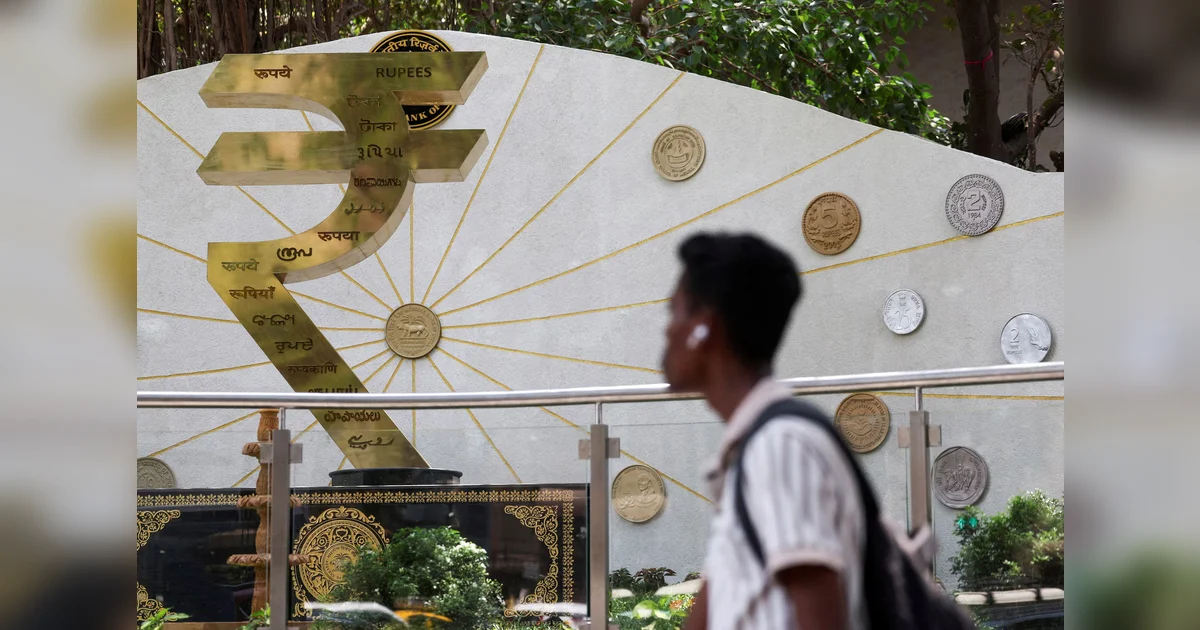
    The Indian rupee is projected to encounter persistent challenges throughout 2026, with financial analysts forecasting continued depreciation against the US dollar. Multiple factors are converging to create sustained pressure on the currency, primarily driven by widening trade deficits and unresolved trade negotiations with the United States.

    Currency projections indicate the rupee-dollar exchange rate may reach approximately 92.00 by the third quarter of 2026, representing a significant adjustment from previous expectations of 90.80. This depreciation trajectory, while slower than the previous year’s decline, reflects ongoing underperformance against both G10 and Asian currency crosses. The rupee concluded 2025 at 89.87, registering a 4.72 percent annual decline—its most substantial drop since 2022.

    Structural challenges include substantial foreign portfolio outflows, with international investors withdrawing nearly $18 billion from Indian markets in 2025. This capital flight has been exacerbated by robust initial public offering activity and private equity profit-taking cycles. Additionally, the delayed inclusion of Indian bonds in the Bloomberg Global Aggregate Index has removed a potential catalyst for foreign investment inflows.

    The current account deficit has emerged as another critical pressure point. Second-quarter data for fiscal year 2026 revealed net financial flows plummeting to $0.7 billion from $8.1 billion in the preceding quarter, accompanied by a $10.9 billion depletion in foreign exchange reserves.

    US trade policy constitutes another significant headwind. Approximately 50 percent tariffs on Indian imports imposed during the Trump administration remain in effect, with limited progress in bilateral trade discussions between New Delhi and Washington. Federal Reserve interest rate policies have further complicated matters by incentivizing capital movement toward higher-yielding US bonds.

    The Reserve Bank of India has adopted measured intervention strategies, primarily during periods of elevated volatility. While India’s economic fundamentals remain robust with 7.4 percent real GDP growth projections and stable inflation, authorities appear comfortable with gradual rupee depreciation that enhances export competitiveness.

    Currency swap agreements with nations including the UAE and Russia offer marginal support mechanisms. These arrangements aim to reduce dollar dependency in bilateral trade and enhance the rupee’s role in trade finance. India-UAE trade reached $100.06 billion in FY 2024-25, growing 19.6 percent year-on-year, creating potential for local currency transactions to alleviate dollar demand.

    Despite these mechanisms, analysts emphasize that swap agreements alone cannot reverse depreciation trends without supportive balance-of-payments conditions and consistent foreign inflows. The rupee’s trajectory will ultimately depend on resolving trade tensions, stabilizing capital flows, and maintaining economic growth momentum.

  • Mainland spokesman: Taiwan-US trade deal sells out Taiwan

    Mainland spokesman: Taiwan-US trade deal sells out Taiwan

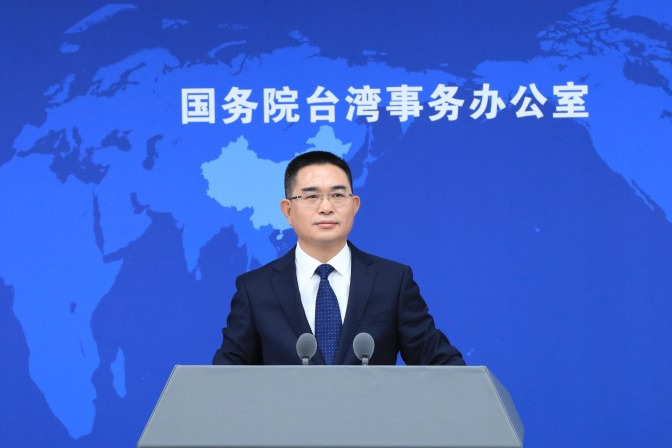
    A senior Chinese official has vehemently denounced the recently negotiated trade agreement between Taiwan and the United States, characterizing it as a detrimental arrangement that compromises Taiwan’s economic sovereignty. Chen Binhua, spokesperson for China’s State Council Taiwan Affairs Office, delivered sharp criticism during a press briefing on Thursday, asserting that the Democratic Progressive Party (DPP) authorities have engaged in what he described as foreign subservience.

    According to Chen, the trade pact essentially constitutes a ‘list of tributes’ that undermines Taiwan’s interests while disproportionately benefiting the United States. He accused the DPP leadership of pursuing independence agendas through external alliances, effectively facilitating the exploitation of Taiwan’s industrial sector and compromising the welfare of its citizens. The spokesman emphasized that such diplomatic and economic maneuvers reveal what he called a ‘servile and obsequious posture’ by Taiwan’s current administration.

    The controversial agreement, finalized on January 15, stipulates that the United States will reduce tariff rates on Taiwanese imports from 20% to 15%. In exchange, Taiwan has committed to investing a minimum of $250 billion in the U.S. while providing equivalent credit guarantees exceeding $250 billion. The arrangement currently awaits legislative ratification in Taiwan, where opposition lawmakers have raised transparency concerns regarding the negotiation process and its long-term implications.

    Chen’s remarks came in direct response to statements made by Taiwan leader Lai Ching-te, who previously advocated for cross-party support to safeguard the trade agreement during an ‘economic prosperity partnership dialogue’ conference. The escalating diplomatic rhetoric highlights continuing tensions in cross-strait relations and reflects Beijing’s firm opposition to any bilateral agreements that might suggest international recognition of Taiwan’s separate political status.

  • Newly discovered Michelangelo foot sketch could fetch up to £1.5m

    Newly discovered Michelangelo foot sketch could fetch up to £1.5m

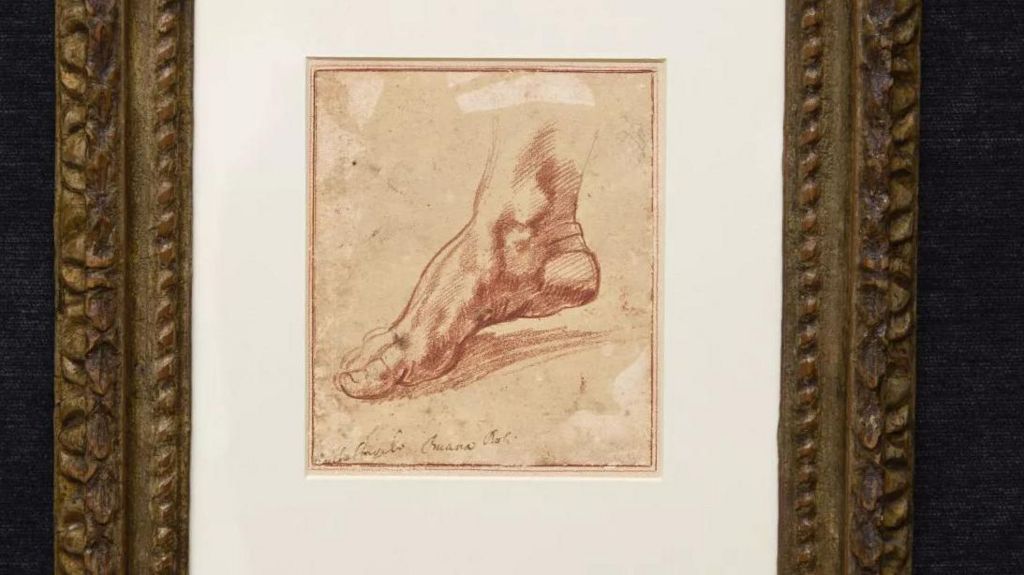
    A previously undocumented Michelangelo sketch, hidden for centuries within a family collection, has been authenticated and is now poised to command between $1.5 and $2 million at Christie’s upcoming Old Master Drawings auction in New York. The remarkable red chalk study, created circa 1511-1512, depicts a foot study for the Libyan Sibyl figure that would later adorn the Sistine Chapel ceiling.

    The extraordinary discovery began when the current owner, a West Coast-based American who inherited the piece from his grandmother, submitted a photograph to Christie’s for a routine valuation. The artwork had been passed down through generations since the late 1700s without recognition of its true provenance.

    Christie’s specialists employed advanced infrared reflectography to examine the sheet, revealing additional drawings on the reverse that displayed characteristics consistent with Michelangelo’s technique. Giada Damen, a specialist in the Old Master Drawings Department, conducted meticulous comparative analysis with authenticated Michelangelo works at the Metropolitan Museum, ultimately confirming the sketch’s authenticity.

    Andrew Fletcher, Global Head of Christie’s Old Masters Department, characterized the find as “one of the most memorable moments” of his professional career. The upcoming sale places this Renaissance treasure among other landmark art market achievements, including Leonardo da Vinci’s $450 million Salvator Mundi in 2017 and recent record-breaking sales of works by Gustav Klimt and Frida Kahlo.

    The Thursday auction represents not merely a commercial transaction but the culmination of art historical detective work that has restored a lost masterpiece to its proper place in Michelangelo’s celebrated oeuvre.

  • China to ban ‘hidden’ car door handles to address safety fears

    China to ban ‘hidden’ car door handles to address safety fears

    China has announced groundbreaking regulatory measures that will prohibit vehicles from featuring concealed door handles starting in 2027, establishing the world’s first comprehensive safety standard addressing this controversial automotive design. The policy shift comes amid growing international scrutiny over the potential safety hazards associated with flush-mounted handle mechanisms popularized by Tesla and subsequently adopted by numerous Chinese electric vehicle manufacturers, including technology giant Xiaomi.

    The Ministry of Industry and Information Technology unveiled detailed technical specifications mandating that all automobile doors must incorporate both exterior and interior mechanical release mechanisms. Under the new framework, while innovative electrical handle designs remain permissible as supplementary features, mechanical operation capabilities will become compulsory safety components. The regulations explicitly outline requirements for handle positioning, visibility, and operational functionality to ensure emergency access remains possible during accident scenarios.

    This regulatory development follows a tragic incident reported by Chinese state media in October, wherein a driver of a Xiaomi SU7 Ultra sedan perished in a collision as bystanders struggled to locate and operate the vehicle’s concealed door handles while the car was engulfed in flames. Concurrently, United States automotive safety authorities have initiated defect investigations into Tesla’s emergency door release systems, highlighting transcontinental safety concerns regarding modern handle designs.

    Implementation will occur in phases: newly developed vehicle models must comply with the handle requirements by January 1, 2027, while existing approved models receive until January 1, 2029, to undergo necessary design modifications. This measured approach provides manufacturers with adequate transition periods to redesign door systems while prioritizing occupant safety through mechanical redundancy systems.

  • China sees sustained drop in serious crimes: top procuratorate

    China sees sustained drop in serious crimes: top procuratorate

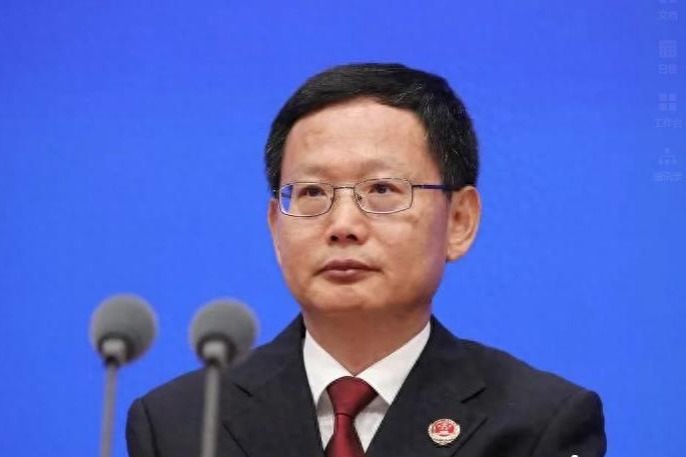
    BEIJING – China’s judicial authorities have reported a landmark achievement in public safety, with the nation experiencing its lowest levels of serious criminal activity in a quarter century. The Supreme People’s Procuratorate announced these findings during a Thursday press briefing in the capital, signaling a transformative shift in the country’s law enforcement landscape.

    Deputy Procurator-General Miao Shengming revealed compelling statistical evidence demonstrating this downward trend. Between January and November 2025, Chinese prosecutorial organs received arrest applications for 873,000 individuals, representing a substantial 15.6 percent decrease compared to the previous year. Of these applications, approximately 604,000 arrests were formally approved, marking a 12.9 percent year-on-year reduction.

    The data further indicated that prosecution applications against more than 1.6 million people were processed during this eleven-month period, with nearly 1.3 million individuals actually prosecuted. These figures reflect dramatic declines of 19.6 percent and 13.3 percent respectively from 2024 numbers. The consistent downward trajectory across multiple crime categories suggests a comprehensive improvement in social stability and public security.

    Official statements emphasized that both violent crimes and high-frequency offenses affecting citizens’ sense of safety have shown marked reduction. This development represents a significant milestone in China’s ongoing efforts to maintain social order and enhance legal governance, with implications for both domestic policy and international perceptions of public safety in the world’s most populous nation.

  • FIFA reports a record of 5,973 international transfers in January window

    FIFA reports a record of 5,973 international transfers in January window

    ZURICH — FIFA’s latest Global Transfer Market Report reveals a paradoxical trend in international soccer transfers during the January trading period. While the volume of transactions reached unprecedented levels, financial expenditures experienced a notable contraction.

    The data shows 5,973 international transfers were processed for male players during the window, representing a 3% increase from the previous year and setting a new record for transaction volume. Despite this surge in activity, total spending declined by approximately 18% to $1.95 billion, though this figure remains significantly higher than pre-2023 benchmarks.

    Women’s soccer demonstrated remarkable financial growth with clubs investing over $10 million in international transfers—an 85% increase from the previous record set just one year earlier. This substantial investment surge occurred despite a 6% decrease in the number of transfers, which totaled 420 international moves.

    England maintained its position as the dominant financial force in the men’s game, with Premier League clubs spending $363 million while generating only $150 million through player sales. Italy emerged as the second-largest spender at $283 million, followed by Brazil, Germany, and France in the top five.

    French clubs achieved the most favorable financial balance, earning $218 million from transfer sales. Italian, Brazilian, English, and Spanish clubs completed the list of top revenue generators.

    In the United States, clubs invested $99 million in acquiring international talent while receiving $48 million from outgoing transfers. English women’s clubs demonstrated particular financial dominance in their sector, leading both spending and earnings with over $5 million invested.