博客

  • Fisherman fleeing elephants killed by crocodile in Zambia

    Fisherman fleeing elephants killed by crocodile in Zambia

    A tragic wildlife encounter in eastern Zambia has claimed the life of 52-year-old fisherman Dean Nyirenda, highlighting the ongoing human-wildlife conflicts in the region. The incident occurred Wednesday when Nyirenda and two companions encountered a herd of elephants while returning from a fishing expedition near the Luangwa River.

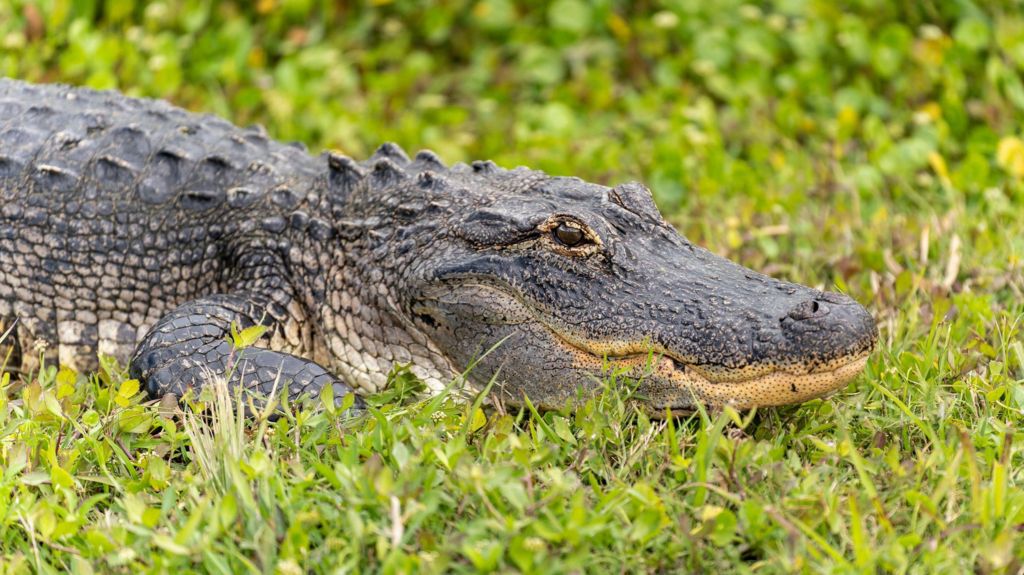
    According to local police chief Robertson Mweemba, the group attempted to flee the elephants, with Nyirenda seeking refuge in a nearby stream connected to the Luangwa River. This decision proved fatal when a Nile crocodile attacked, seizing the fisherman’s right thigh in its powerful jaws.

    Despite managing to fight off the reptile by striking it with a stick he carried, Nyirenda sustained catastrophic injuries. His companions, who had been observing from a distance, rushed to his aid and transported him from the riverbank while he experienced severe bleeding. Their attempts to stem the blood loss proved unsuccessful, and Nyirenda succumbed to his injuries.

    Wildlife officers subsequently examined the scene and confirmed deep bite marks on the victim’s thigh as the cause of fatal hemorrhaging. The Luangwa River, which courses through Zambia’s South Luangwa National Park, maintains one of Africa’s densest populations of Nile crocodiles according to conservation experts.

    Statistics from community-led conservation NGO Resource Africa reveal crocodile attacks represent a significant threat in the region. Of the 26 wildlife-related fatalities recorded in 2023, 15 resulted from crocodile encounters, with most occurring along the Luangwa River corridor.

    Zambian authorities have repeatedly urged both residents and tourists to exercise extreme caution when navigating wildlife-rich areas. Wildlife officials are reportedly evaluating mitigation strategies, including potential installation of protective barriers near human settlements, to reduce these dangerous interspecies encounters.
  • Coin portrait of late Queen draws criticism in Australia

    Coin portrait of late Queen draws criticism in Australia

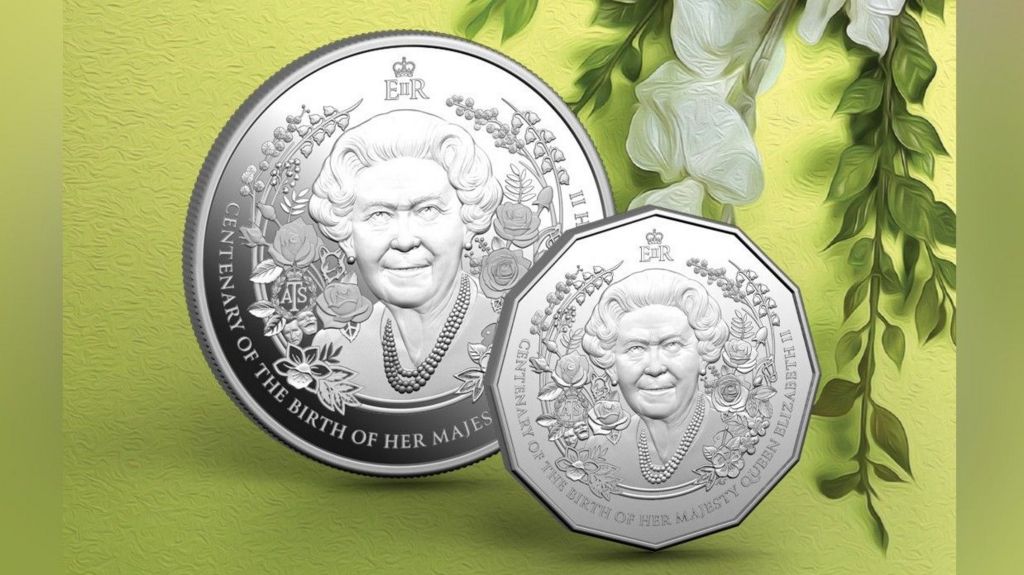
    The Royal Australian Mint has ignited public debate with its newly released commemorative coins honoring the centenary of Queen Elizabeth II’s birth. The $5 and 50-cent silver coins, featuring a frontal portrait of the late monarch, have drawn significant criticism for their perceived lack of resemblance to Britain’s longest-serving ruler.

    Social media platforms erupted with negative reactions shortly after the coins’ unveiling. One commentator described the portrait as “the most unpleasant depiction on a coin,” while another suggested the frontal perspective made it appear “like she just ran into a wall.” Several observers noted the design bore stronger resemblance to fictional characters, including Mrs. Doubtfire from the beloved comedy film, than to the actual queen.

    The mint defended its artistic choices, explaining that “coin images don’t always capture the full beauty of a design once it’s etched in metal.” Despite the controversy, the limited edition coins proved immediately popular among collectors. The online ballot for purchasing the coins closed Wednesday with full subscription, and mint officials confirmed the silver proof versions had completely sold out.

    Only 30,000 of the 50-cent coins and 5,000 of the $5 denominations were produced, ensuring their status as exclusive collector’s items that will not enter general circulation. Beyond the controversial portrait, the coins feature intricate symbolic elements celebrating the queen’s life and legacy, including motifs of horses and corgis, artistic references to her cultural patronage, and floral emblems representing both her personal preferences (roses and lily of the valley) and Australia’s national flower (golden wattle).

    The design also incorporates Her Majesty’s Royal Cypher, a stylized St Edward’s Crown, and the Auxiliary Territorial Service emblem acknowledging her wartime service. The reverse sides display a profile portrait of King Charles III, continuing the royal numismatic tradition.

  • Trump to release $16-billion NY tunnel funding if major US hubs renamed after him

    Trump to release $16-billion NY tunnel funding if major US hubs renamed after him

    In a controversial political maneuver, President Donald Trump has reportedly conditioned the release of $16 billion in federal funding for the critical Hudson River tunnel project on Democratic support for renaming two major American transportation hubs in his honor. According to multiple sources, the White House proposed last month that Senator Chuck Schumer endorse renaming Washington Dulles International Airport and New York’s Penn Station after the president in exchange for lifting the funding freeze imposed last October.\n\nThe proposal, first reported by Punchbowl News, was immediately rejected by Senator Schumer who asserted he lacked authority to authorize such renaming decisions. The political standoff comes as a federal judge prepares to hear an emergency request from New York and New Jersey officials to restore funding for the Gateway Program, which faces imminent construction shutdown that would displace approximately 1,000 workers.\n\nNew York Senator Kirsten Gillibrand characterized Trump’s proposal as \”ridiculous,\\” stating that \”these naming rights aren’t tradable as part of any negotiations, and neither is the dignity of New Yorkers.\” She accused the president of prioritizing \”his own narcissism over the good-paying union jobs\” the project would create.\n\nThe Gateway Program, which received substantial federal support during the Biden administration, represents one of the nation’s most crucial infrastructure initiatives. The project involves critical repairs to existing Amtrak tunnels beneath the Hudson River and construction of new passageways that serve as vital connectors between New Jersey and Manhattan.\n\nThis incident reflects Trump’s demonstrated preference for attaching his name to prominent institutions. Since returning to office in January, the Trump administration has affixed the president’s name to numerous federal buildings, a new class of Navy warships, a visa program for wealthy foreigners, and even the United States Institute of Peace building. In December, the Kennedy Center for the Performing Arts added Trump’s name to the institution following a board takeover.\n\nNew York Governor Kathy Hochul responded to the proposal with sarcasm, offering a \”counteroffer\” that suggested renaming Trump Tower as \”Hochul Tower.\” Meanwhile, legislative efforts by Congressional Republicans to formally rename Dulles Airport after Trump continue, though aviation officials express concerns about the potential disruption such a change would cause to the major United Airlines hub.

  • US and Iran hold talks as fears of direct conflict continue

    US and Iran hold talks as fears of direct conflict continue

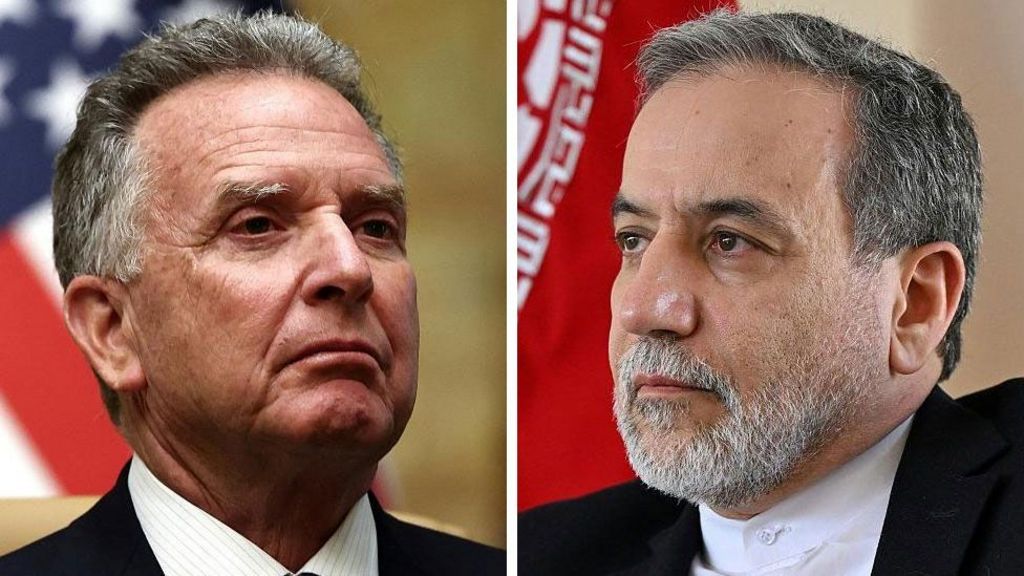
    High-level diplomatic efforts are underway in Muscat as American and Iranian officials engage in critical negotiations aimed at de-escalating mounting tensions that threaten to erupt into armed conflict. The talks, mediated by Omani officials, represent a crucial diplomatic channel between the two nations who have not maintained formal relations since 1980.

    The American delegation, led by Special Envoy Steve Witkoff and presidential emissary Jared Kushner, faces Iranian Foreign Minister Abbas Araghchi across the negotiating table. These discussions occur against a backdrop of significant US military mobilization in the Persian Gulf, including the deployment of an aircraft carrier battle group and thousands of additional troops—a show of force that President Trump has explicitly tied to demands for Iranian concessions.

    Substantial disagreements persist regarding the scope of negotiations. Washington insists any comprehensive agreement must address four key areas: Iran’s nuclear program, its ballistic missile development, support for regional proxy forces, and human rights practices. Tehran maintains that discussions should be strictly limited to nuclear matters, particularly following the collapse of the 2025 nuclear talks after Israel’s surprise military action against Iranian facilities.

    The current crisis has been exacerbated by Iran’s violent suppression of nationwide protests last month, which human rights organizations report resulted in nearly 7,000 fatalities and over 50,000 arrests. This domestic unrest, fueled by economic hardship exacerbated by international sanctions, has created additional pressure on Iran’s leadership while simultaneously making concessions politically dangerous.

    Both nations face compelling reasons to seek diplomatic resolution. For Iran, the talks potentially offer relief from crippling economic sanctions that have devastated its economy. For the United States, successful negotiations could provide an alternative to military action that regional analysts warn could destabilize the entire Middle East without achieving strategic objectives.

    Omani Foreign Ministry officials characterized the discussions as focusing on ‘creating appropriate conditions for resuming diplomatic and technical negotiations,’ suggesting these preliminary talks aim to establish framework rather than achieve immediate breakthroughs. The location shift from originally planned Istanbul talks to Oman—which hosted previous negotiations—reflects Iranian preferences for a more neutral venue.

    President Trump’s blunt warning that Iran’s Supreme Leader ‘should be very worried’ underscores the gravity of the situation, while Secretary of State Marco Rubio’s statement that ‘we don’t see there’s any harm in trying’ indicates cautious diplomatic exploration rather than guaranteed success.

  • Trump unveils TrumpRx discounted drugs website, aims to lower prices

    Trump unveils TrumpRx discounted drugs website, aims to lower prices

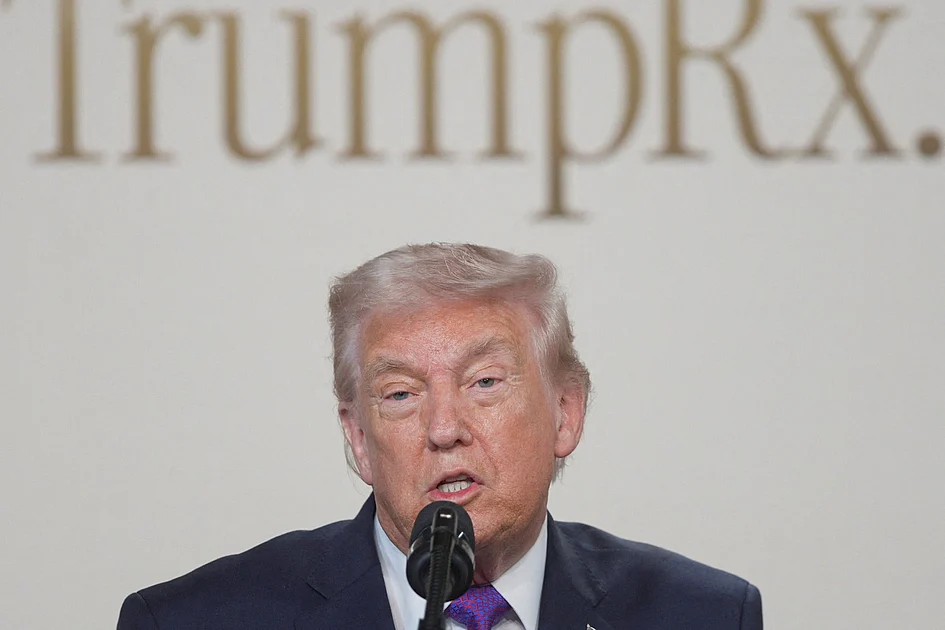
    In a significant healthcare policy move, the Trump administration has officially launched TrumpRx.gov, a digital platform designed to provide Americans with access to discounted prescription medications. The initiative represents a cornerstone of the administration’s broader strategy to reduce pharmaceutical costs across the United States.

    President Donald Trump announced the platform’s operational status during a White House ceremony, accompanied by Dr. Mehmet Oz, Administrator of the Centers for Medicare & Medicaid Services, and Joe Gebbia, National Design Studio Director and Airbnb co-founder. The President emphasized the dual benefits of the program, stating, “People are going to save a lot of money and be healthy.”

    The platform emerges from agreements with sixteen major global pharmaceutical manufacturers, including industry leaders such as Pfizer, AstraZeneca, Merck, and GSK. These “most-favored nation” arrangements provide participating companies exemptions from U.S. tariffs in exchange for committing to price reductions for both government Medicaid programs and cash-paying consumers through the TrumpRx platform.

    Notably, the agreements include substantial price reductions for popular GLP-1 weight-loss medications from Eli Lilly and Novo Nordisk. Government projections indicate these reductions could lower monthly costs to between $149 and $350 on average for American consumers.

    Technical implementation of the platform is facilitated through partnership with prescription drug savings company GoodRx. Rather than directly selling medications, TrumpRx.gov will redirect consumers to external platforms where they can purchase medicines at negotiated discounted rates.

    However, healthcare policy experts have raised questions about the program’s broader impact. Juliette Cubanski, deputy director for Medicare policy at health policy organization KFF, noted that since the platform targets consumers purchasing medications without insurance, most transactions won’t contribute toward insurance deductibles. “There is a real question about the value of this for people with insurance,” Cubanski stated, adding that “in some cases, we could be looking at out-of-pocket costs that are still relatively unaffordable for a lot of people.”

    Despite these concerns, pharmaceutical companies recognize potential benefits. Chris Pernie, Novo Nordisk’s associate vice president for U.S. public affairs, commented that “the launch of TrumpRx will further extend patients’ reach to Ozempic and Wegovy” at self-pay prices.

    The initiative addresses the significant price disparity that sees Americans paying nearly triple the prescription drug costs compared to other developed nations. While the platform may provide savings for some uninsured consumers, experts caution that it does not represent a comprehensive solution to systemic drug pricing issues in the American healthcare system.

  • More than 30 killed in blast at Pakistan mosque, officials say

    More than 30 killed in blast at Pakistan mosque, officials say

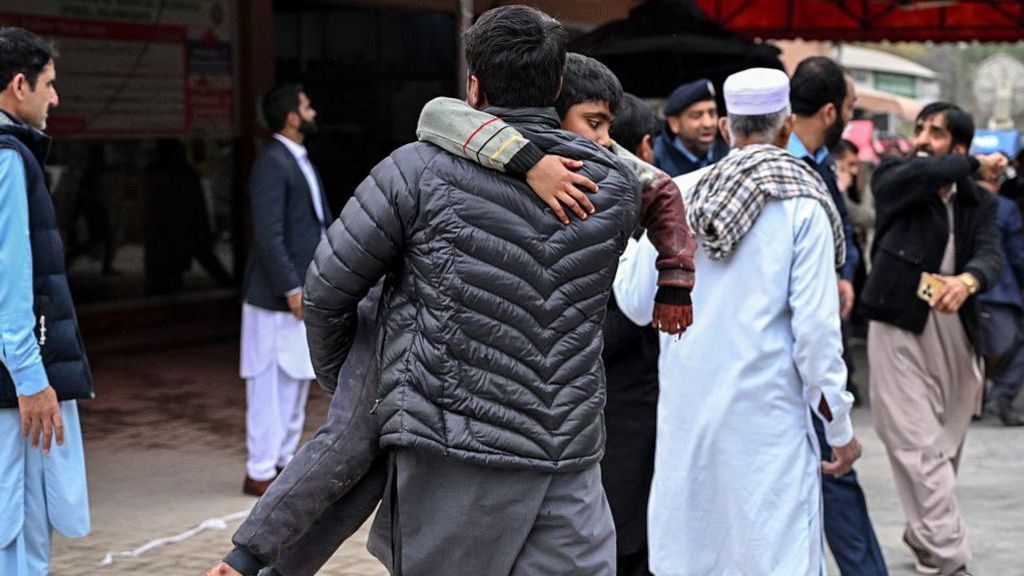
    A devastating explosion ripped through a Shiite mosque in Pakistan’s capital during Friday prayers, resulting in a catastrophic loss of life and injuries. The attack occurred in Islamabad’s Tarlai area, where worshippers had gathered for weekly religious services.

    Local authorities confirmed at least 31 fatalities with the death toll anticipated to rise further. Medical facilities across the city received 169 injured victims, many critically wounded, prompting emergency declarations at all major hospitals. Eyewitnesses described chaotic scenes as dozens of casualties arrived simultaneously for treatment.

    While the precise cause remains under official investigation, multiple reports indicate the blast was executed by a suicide bomber. The district administration spokesman utilized social media platform X to provide continuous updates on casualty figures as the situation developed.

    Pakistani Prime Minister Shehbaz Sharif issued an official statement condemning the atrocity and expressing profound grief over the tragic incident. The government has mobilized all available resources for rescue operations and victim support.

    This attack represents one of the most severe security breaches in Islamabad recent history, raising serious concerns about religious sectarian violence in the region. Security forces have cordoned off the area while launching a comprehensive investigation into the bombing’s circumstances and perpetrators.

  • Explained: The reason behind gold’s sharp decline

    Explained: The reason behind gold’s sharp decline

    Gold markets experienced significant turbulence in late January as prices abruptly reversed their multi-month ascent, triggering a dramatic sell-off that caught investors off guard. The precious metal plummeted over 10% during a single trading session on Friday, marking its most substantial intraday decline since the early 1980s according to Bloomberg data.

    This sudden reversal occurred just as gold approached the $5,600 threshold, consistently surpassing even the most optimistic forecasts. Technical strategist Katie Stockton of Fairlead Strategies characterized the movement as “a dramatic reversal” that signaled a short-term sell signal rather than a fundamental market breakdown. Despite the sharp decline, gold managed to recover substantial ground within days, demonstrating underlying market resilience.

    The 2025 performance remains noteworthy with gold achieving a remarkable 65% annual gain—its strongest showing in nearly fifty years. This performance underscores gold’s enduring appeal as a wealth preservation asset during periods of global uncertainty. Jim Steel, HSBC’s chief precious metals analyst, notes that geopolitical tensions since Russia’s 2022 Ukraine invasion have fundamentally altered gold’s trading patterns, with the metal retaining gains from geopolitical events rather than surrendering them as in previous cycles.

    Multiple factors have propelled gold’s ascent: heightened geopolitical risks, policy uncertainties, trade war concerns, a weakening US dollar, substantial fiscal deficits, and questions regarding Federal Reserve independence. Central bank acquisitions have provided additional support, with institutions purchasing over 863 tonnes last year alone.

    The recent sell-off coincided with President Trump’s nomination of former Fed Governor Kevin Warsh to replace Jerome Powell. Warsh’s perceived hawkish stance on inflation alleviated concerns about Fed independence, triggering profit-taking among speculators. Additionally, the CME’s decision to raise margin requirements forced some investors to liquidate positions.

    Technical analysts identify potential support levels around the 50-day moving average near $4,455, with further cushions at $3,924 and $3,775. Suki Cooper of Standard Chartered views the correction as potentially beneficial for gold’s long-term trajectory, noting that the velocity of the rally warranted a cooling period.

    While jewelry demand may decline due to high prices, institutional and high-net-worth investment continues through large bars and ETFs. Chinese buying around the Lunar New Year will provide crucial insight into physical demand strength. Despite current volatility, structural factors supporting gold remain intact, suggesting this correction represents a pause rather than conclusion to its long-term bullish trend.

  • US military says it killed two people in strike on suspected drug vessel in Eastern Pacific

    US military says it killed two people in strike on suspected drug vessel in Eastern Pacific

    In a targeted operation on Thursday, United States military forces conducted a lethal strike against a vessel suspected of large-scale narcotics trafficking in the Eastern Pacific Ocean. The engagement resulted in the deaths of two individuals aboard the craft.

    The action was precipitated by actionable intelligence that identified the vessel’s movements along corridors infamous for illegal drug transportation. A formal statement released by the U.S. military via the social media platform X (formerly Twitter) detailed the justification, noting, ‘Intelligence confirmed the vessel was transiting along known narco-trafficking routes in the Eastern Pacific and was engaged in narco-trafficking operations.’

    The statement further confirmed that all U.S. personnel involved returned from the mission unscathed. This incident underscores the ongoing and intensified efforts by U.S. authorities to disrupt and dismantle transnational criminal organizations responsible for the flow of illicit substances. The Eastern Pacific corridor is a critical and heavily monitored zone for such counter-narcotics operations, which often involve sophisticated surveillance and interdiction tactics. The event follows a pattern of similar engagements in the region aimed at curbing the extensive drug trade that impacts global security and public health.

  • Norwegian crown princess apologizes to royals and all ‘disappointed’ by her Epstein contacts

    Norwegian crown princess apologizes to royals and all ‘disappointed’ by her Epstein contacts

    The Norwegian royal family faces unprecedented scrutiny as Crown Princess Mette-Marit issued a second public apology within one week regarding her connections to the late convicted sex offender Jeffrey Epstein. This development coincides with the ongoing trial of her son, Marius Borg Høiby, who faces multiple criminal charges including rape.

    Newly unsealed U.S. Department of Justice documents reveal extensive communication between the crown princess and Epstein, including approximately three hundred references to their association. Among the most damning evidence is confirmation that Mette-Marit utilized Epstein’s Palm Beach, Florida property for several days in 2013, arranged through a mutual acquaintance according to Norwegian broadcaster NRK.

    The royal palace acknowledged Friday that the princess remains in a ‘very difficult situation’ and requires additional time to ‘gather her thoughts’ before providing a comprehensive explanation. In her official statement, Mette-Marit expressed regret: ‘It is important for me to apologize to all of you whom I have disappointed. Some content of the messages between Epstein and me does not represent the person I want to be.’

    The scandal extends beyond the royal family, embroiling other prominent Norwegian figures. Former Prime Minister Thorbjørn Jagland (1996-1997) now faces investigation by Norway’s Economic Crime Investigation Service regarding potential gifts, travel, or loans received during his tenure. Documents reveal planned family visits to Epstein’s private island in 2014 while Jagland chaired the Nobel Committee.

    Additionally, World Economic Forum CEO Børge Brende, who served as Norway’s foreign minister (2013-2017), is subject to internal review following revelations of multiple dinners and communications with Epstein. Both Jagland and Brende have pledged full cooperation with investigations, maintaining they were unaware of Epstein’s criminal activities during their interactions.

    The convergence of these scandals presents a significant challenge to Norway’s traditionally respected monarchy, particularly as 88-year-old King Harald and the royal family have historically enjoyed substantial public support.

  • Italy braces for Winter Olympics with high security and decree targeting violent protesters

    Italy braces for Winter Olympics with high security and decree targeting violent protesters

    Italian authorities have activated a massive security apparatus ahead of Friday’s Milan-Cortina Winter Olympics opening ceremony, deploying approximately 6,000 specialized personnel to protect athletes, spectators, and international dignitaries across the most geographically dispersed Games in Olympic history.

    The comprehensive security operation involves bomb disposal experts, counter-terrorism units, and sniper teams coordinating through a network of operations centers spanning Milan, Bolzano, Trento, Venice, Verona, Belluno, Sondrio and Varese. The main command center in Milan features real-time monitoring capabilities with dozens of officers tracking multiple venues simultaneously via advanced computer systems and giant screens.

    Prime Minister Giorgia Meloni’s government reinforced security measures through a newly approved decree that permits 12-hour detentions for individuals suspected of intending to disrupt peaceful protests. This controversial legislation has drawn sharp criticism from opposition lawmakers who argue it suppresses freedom of expression while exploiting Olympic security concerns to expand state control.

    The international dimension of security coordination includes collaboration with foreign police agencies, Interpol, and Europol. Notably, Italian authorities revealed successful prevention of Russian-linked cyberattacks targeting Foreign Ministry offices, Olympic-related websites, and Cortina hotels. Cyber defense teams maintain 24/7 monitoring of critical infrastructure and online spaces.

    Controversy emerged regarding the presence of U.S. Immigration and Customs Enforcement (ICE) personnel, specifically the Homeland Security Investigations unit that focuses on cross-border crimes. While Italian Interior Minister Matteo Piantedosi clarified that ICE agents would serve solely in advisory capacities within U.S. diplomatic missions, hundreds of protesters gathered in Milan opposing their involvement, referencing the agency’s controversial immigration enforcement record.

    The security measures follow recent violent clashes in Turin between police and demonstrators protesting the eviction of a long-occupied community center, which accelerated government approval of the security package that had been under discussion for months.