博客

  • Masculinity and vulnerability aren’t exclusive, says Bafta-nominated director

    Masculinity and vulnerability aren’t exclusive, says Bafta-nominated director

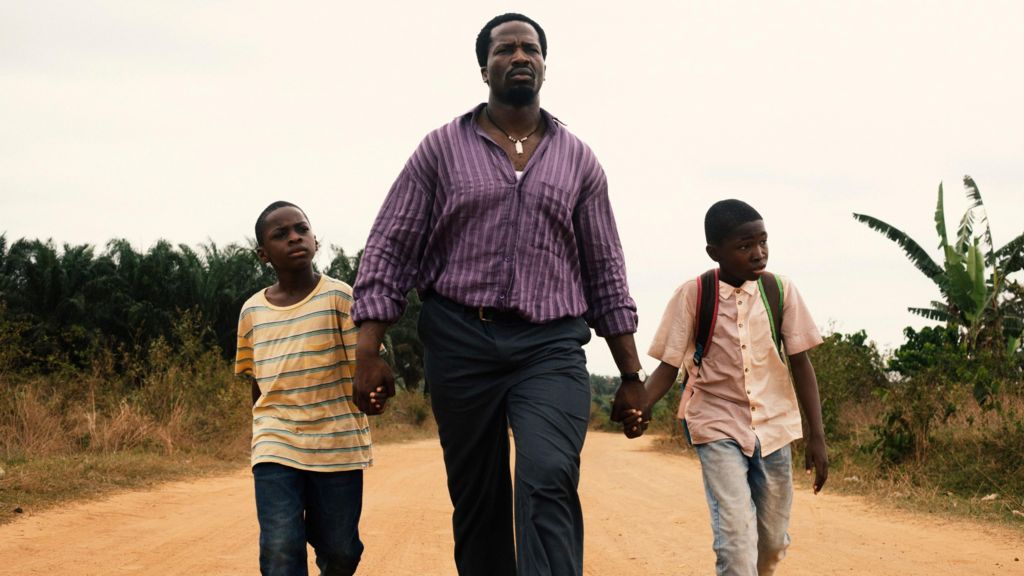
    The semi-autobiographical film ‘My Father’s Shadow’ has emerged as a groundbreaking cinematic exploration of father-son relationships within Black families. Directed by Nigerian-British brothers Akinola Davies Jr. and Wale Davies, the feature debut has garnered international acclaim since its premiere at the Cannes Film Festival, where it became the first Nigerian production selected for the event’s official program.

    The narrative unfolds during Nigeria’s historic 1993 presidential election, tracing the emotional journey of two young brothers, Akin and Remi, who experience an unexpected day with their previously absent father, Folarin. Through the children’s perspective, viewers witness a complex portrayal of masculinity that challenges stereotypical representations. The film intentionally showcases vulnerable moments, including a powerful scene where Folarin, portrayed by Sope Dirisu, openly grieves his brother’s death before his sons.

    This nuanced examination of paternal relationships has resonated deeply with audiences, particularly within the Nigerian diaspora. Ellis Lamai, a 26-year-old British-Nigerian viewer, noted how the film’s depiction of paternal pressures reflected his own family’s experience, stating it helped him understand the generational drive to ‘get past your circumstances’ that characterized many Nigerian families’ migration stories.

    Beyond its personal narrative, the directors deliberately presented an authentic portrayal of Lagos that counters Western media stereotypes. ‘We wanted to show our Lagos properly,’ Akinola emphasized, highlighting the joy and cultural richness often overlooked in external representations.

    The film’s critical success has culminated in a BAFTA nomination for Outstanding Debut by a British Writer, Director or Producer. The directors hope their achievement will inspire more community-authored stories and foster broader understanding of the complexities within parent-child relationships, particularly the importance of vulnerability and emotional connection beyond mere provision.
  • No boat, no vote: Some Bangladeshis in Hasina’s hometown turn away from Feb polls

    No boat, no vote: Some Bangladeshis in Hasina’s hometown turn away from Feb polls

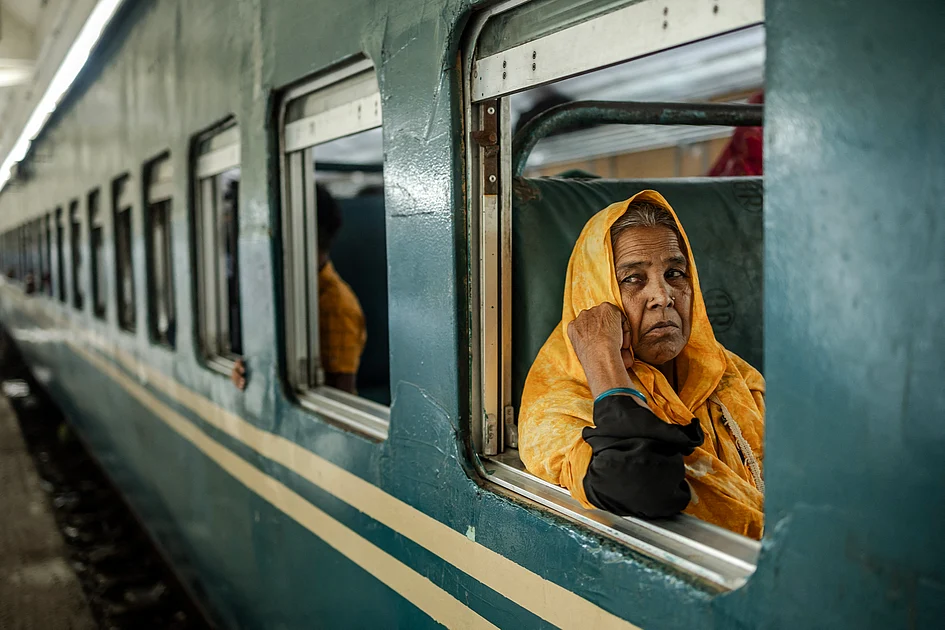
    In a dramatic political reversal, the ancestral hometown of Bangladesh’s ousted Prime Minister Sheikh Hasina displays unprecedented electoral transformation ahead of the February 12 parliamentary elections. Gopalganj district, long considered the impregnable stronghold of Hasina’s Awami League party, now showcases campaign materials exclusively from opposition groups including the Bangladesh Nationalist Party (BNP), Jamaat-e-Islami, and independent candidates.

    The absence of Awami League’s iconic ‘boat’ election symbol—a visual staple during previous decades—marks the first time in generations that the party cannot contest elections in its political birthplace. This development follows the party’s official exclusion from the electoral process under the interim administration led by Nobel laureate Muhammad Yunus.

    Sheikh Hasina, who governed for fifteen consecutive years until her overthrow during a youth-led uprising in August 2024, currently resides in exile in India. A Dhaka court recently sentenced the former premier to death for allegedly ordering lethal crackdowns during the 2024 protests, though she has consistently denied these charges. UN estimates indicate approximately 1,400 fatalities occurred during the unrest, predominantly from security forces’ gunfire.

    Recent electoral research reveals significant voter realignment, with nearly half of former Awami League supporters now favoring the BNP—the current frontrunner in opinion polls—while approximately 30 percent support Jamaat-e-Islami. The survey, conducted by Dhaka-based research organizations, indicates former ruling party voters are consolidating around specific opposition alternatives rather than withdrawing from partisan politics entirely.

    In personal accounts from Gopalganj residents, many express either political disillusionment or cautious optimism. Rickshaw puller Ershad Sheikh declared his entire 13-member family would boycott the polls without the ‘boat’ symbol on ballots. Conversely, local businessman Sheikh Ilias Ahmed hopes the election will finally enable genuine democratic choice after previous allegations of vote manipulation.

    The transition has exacted personal costs for some families. Shikha Khanam reported her brother’s detention under anti-terrorism legislation following July 2024 clashes between police and protesters that resulted in five fatalities. Her family has subsequently withdrawn completely from political engagement.

    Political analysts suggest that while core Awami League loyalists may abstain from voting, locally-focused undecided voters could ultimately determine the electoral outcome in this transformed political landscape.

  • Late Beijing security official honored as ‘Role Model of the Times’

    Late Beijing security official honored as ‘Role Model of the Times’

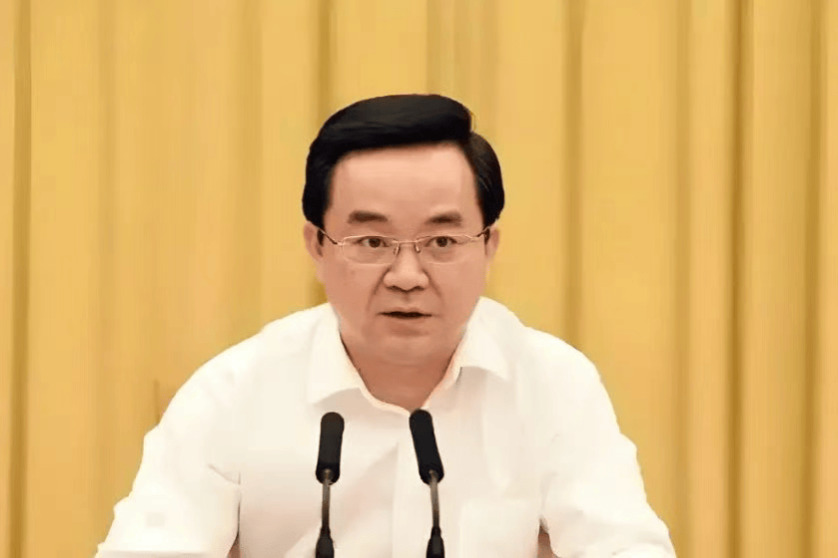
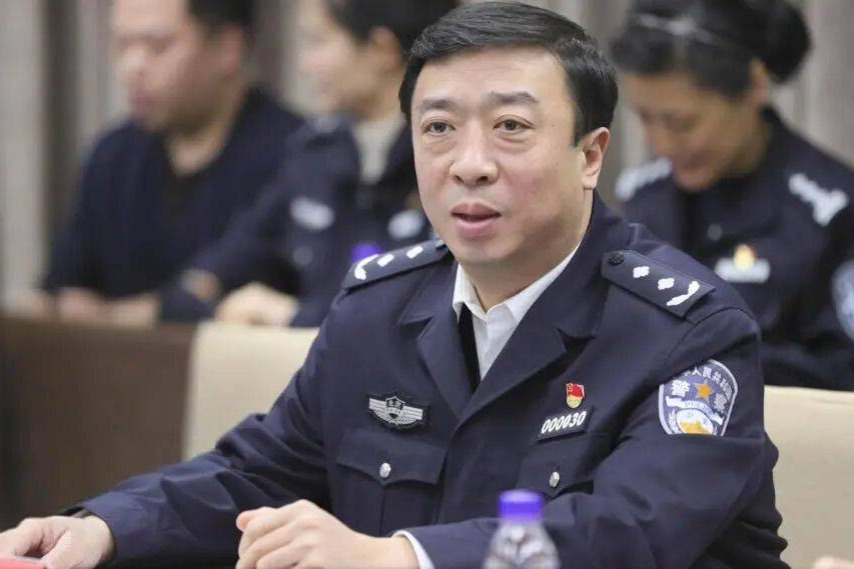
    The Publicity Department of the Communist Party of China Central Committee has posthumously conferred the prestigious title of “Role Model of the Times” upon Dong Yijun, the former deputy director of Beijing Municipal Public Security Bureau and head of its traffic management bureau. The recognition was announced on Friday, honoring Dong’s exceptional decades-long service in public security.

    Dong passed away suddenly while on active duty on October 21, 2025, at the age of 58. A native Beijinger who joined both the Party and public security force in 1989, Dong dedicated his entire career to serving the capital’s residents through various leadership positions.

    Beginning his service at a police station in Xicheng district amid challenging public security conditions, Dong immersed himself in community policing, building remarkable rapport with local residents. His career trajectory demonstrated consistent commitment to grassroots engagement, whether serving as frontline officer or senior administrator.

    Dong operationalized a people-centered philosophy throughout his tenure, frequently emphasizing that matters significant to citizens should be treated as priorities by law enforcement. He reminded colleagues that issues seemingly routine to police could represent critical concerns for ordinary residents.

    During his leadership at Tongzhou public security sub-bureau, Dong pioneered significant administrative reforms, consolidating 87 government service items into centralized service centers and implementing 110 specific measures to enhance public convenience. He consistently advocated for reforms that would maximize accessibility and citizen satisfaction.

    As head of Beijing’s traffic management bureau, Dong personally addressed persistent traffic bottlenecks through repeated site inspections. He developed targeted solutions for high-pressure zones including Fuxingmen Bridge and Beijing Children’s Hospital—areas significantly affected by school, hospital, tourist, and commercial traffic.

    Dong advocated for sustained, detailed approaches to traffic management, overseeing the implementation of comprehensive governance measures including location-specific solutions and intelligent traffic signal control systems. His previous honors included first-class and second-class heroic model recognitions within the national public security system, along with multiple individual commendations.

  • Watch: Ukrainian soldier thought to be dead calls his family

    Watch: Ukrainian soldier thought to be dead calls his family

    In an extraordinary turn of events that defies the tragic norms of warfare, a Ukrainian soldier previously declared killed in action has made contact with his devastated family after two years of official casualty status. Nazar Daletskyi, whose family received formal notification of his death during the initial brutal phase of Russia’s full-scale invasion in 2022, recently established communication with his relatives in what can only be described as a miraculous development.

    The emotional reunion, captured in a widely circulated video, shows the soldier connecting with family members who had long mourned his passing. This remarkable case highlights both the chaos of modern combat documentation and the incredible resilience of those serving on the front lines. Military officials are now investigating the circumstances that led to the erroneous casualty report, examining communication breakdowns in active war zones where battlefield conditions often prevent accurate real-time accounting of personnel.

    This incident has sparked renewed discussion about the challenges of maintaining accurate records during intense conflict, while simultaneously providing a rare moment of hope and joy for a family that had accepted the ultimate sacrifice. The Ukrainian armed forces have acknowledged the complexity of personnel tracking amid rapidly changing frontlines and have committed to enhancing their verification procedures to prevent similar occurrences in the future.

  • Zelenskyy says Ukrainian air force needs to improve as Russian drone barrages take a toll

    Zelenskyy says Ukrainian air force needs to improve as Russian drone barrages take a toll

    Ukrainian President Volodymyr Zelenskyy has publicly characterized his nation’s aerial defense capabilities as “unsatisfactory” in certain regions, acknowledging critical vulnerabilities against Russia’s escalating drone offensive. This assessment came following extensive Russian assaults involving 328 drones and seven missiles within a 24-hour period, with Ukrainian forces reportedly intercepting 297 of these aerial threats.

    The sustained bombardment campaign has strategically targeted Ukraine’s energy infrastructure, plunging civilian populations into a severe winter crisis characterized by widespread blackouts and disruptions to heating and water systems. The British defense ministry confirms Ukraine’s power network is experiencing its most critical winter crisis to date.

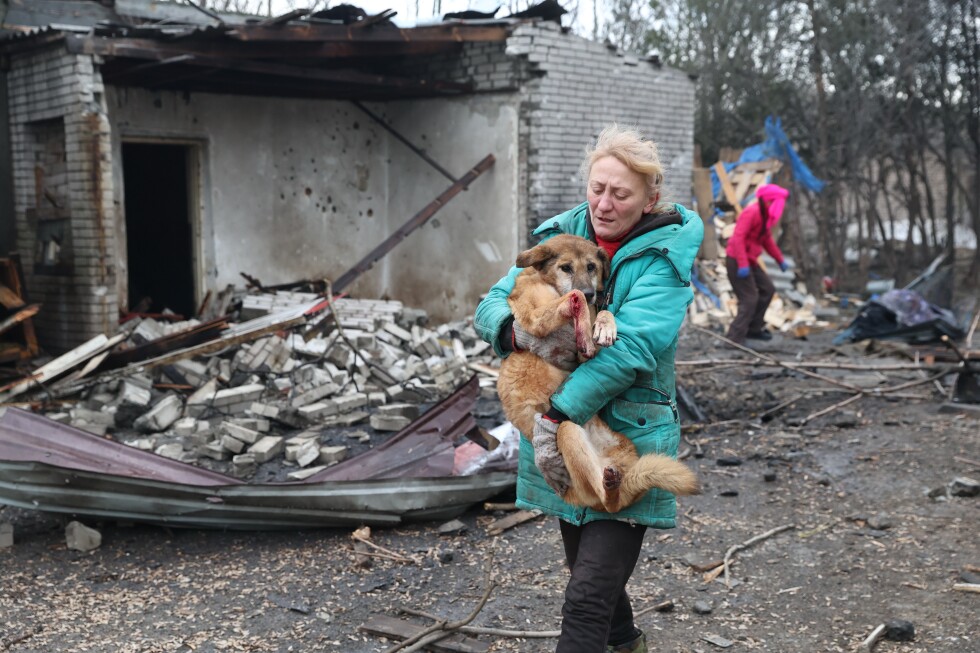
    Civilian casualties continue to mount with reports confirming one fatality and multiple injuries across central and southern regions. A particularly devastating strike hit a dog shelter in Zaporizhzhia, killing 13 animals and injuring seven others despite emergency veterinary intervention.

    With the conflict approaching its fifth anniversary later this month, diplomatic efforts remain stagnant despite recent U.S.-brokered negotiations in Abu Dhabi. Zelenskyy indicated forthcoming meetings between Russian and Ukrainian delegations, likely to convene in the United States, though specifics remain undisclosed.

    The military situation on the ground remains intensely contested across a 1,200-kilometer front line in eastern and southern Ukraine. Colonel General Oleksandr Syrskyi, Ukraine’s Commander-in-Chief, noted that technological advancements in drone warfare have expanded the lethal engagement zone to approximately 20 kilometers deep, significantly increasing combat risks for military personnel.

    Meanwhile, cross-border attacks have intensified with Ukraine targeting Russian energy infrastructure in Bryansk and Belgorod regions, causing temporary power disruptions to several villages and urban areas.

  • Chinese courts provide judicial aid to over 128,600 people over past three years

    Chinese courts provide judicial aid to over 128,600 people over past three years

    China’s judicial authorities have demonstrated significant commitment to social welfare through extensive financial assistance programs for vulnerable citizens involved in legal proceedings. Between 2023 and 2025, Chinese courts provided comprehensive judicial aid to 128,600 individuals across 90,400 separate cases, according to official statistics released by the Supreme People’s Court.

    Wang Zhenyu, head of the State Compensation Division at China’s top judicial body, disclosed at a Friday press conference that the total allocation for judicial assistance during this three-year period surpassed 2.56 billion yuan (approximately $369 million). This substantial financial support has played a crucial role in alleviating economic hardships for numerous families navigating the legal system.

    The initiative represents a fundamental component of China’s socialist judicial framework, specifically designed to support litigants experiencing severe financial distress. The program particularly prioritizes assistance for society’s most vulnerable members, including minors, elderly citizens, and individuals with severe disabilities. Official data reveals that courts nationwide provided support to 107,700 people from these demographic groups over the three-year timeframe.

    Wang cited a poignant example from Sichuan province where six children, left without their primary caregiver after their father was murdered, received crucial judicial aid delivered across 2,000 kilometers. This intervention provided not only financial relief but also renewed hope for the children’s future.

    Beyond financial distributions, judicial authorities are implementing innovative measures to enhance support mechanisms. These include establishing expedited channels for emergency medical treatment of criminal case victims, providing psychological counseling for those experiencing severe trauma, and facilitating social assistance for victims with mobility challenges. These comprehensive approaches significantly amplify the positive impact of judicial assistance programs throughout China’s legal system.

  • Former Zhejiang official expelled from Party

    Former Zhejiang official expelled from Party

    China’s top anti-corruption authorities have announced the expulsion and dismissal of Gao Xingfu, former deputy head of the standing committee of Zhejiang Provincial People’s Congress, following a comprehensive disciplinary investigation. The 62-year-old native official was removed from the Communist Party of China and all public offices on February 6, 2026, marking a significant development in the nation’s ongoing anti-graft campaign.

    The Central Commission for Discipline Inspection (CCDI) and National Commission of Supervision conducted an extensive probe into Gao’s activities after he was placed under investigation in August. The investigation uncovered multiple severe violations, including political opportunism, association with fraudulent elements, and active resistance against organizational scrutiny. Authorities also discovered his involvement in superstitious practices, which violate Party principles.

    Evidence revealed systematic abuse of power through repeated acceptance of lavish banquets and travel arrangements that compromised his official impartiality. Gao routinely transferred personal expenses to subordinates and improperly borrowed vehicles from individuals under his administrative purview. The former official engaged in extensive trading of power for monetary gain, soliciting bribes in exchange for promoting favored officials and arranging employment opportunities.

    According to disciplinary authorities, Gao treated public authority as a personal asset, indulging in hedonistic pursuits while orchestrating complex influence-peddling operations. His corrupt activities spanned multiple sectors including project contracting, land allocation, corporate listings, and market operations. The investigation concluded that he illegally amassed substantial wealth through these power-for-money transactions.

    In accordance with Party regulations and national laws, authorities have decided to confiscate all illicit gains and transfer the case to judicial organs for criminal proceedings. This case demonstrates China’s continued commitment to maintaining disciplinary rigor within its governance structure, particularly targeting senior officials who violate organizational integrity standards.

  • In a Nigerian village, extremists issued a call to prayer and then slaughtered those who turned up

    In a Nigerian village, extremists issued a call to prayer and then slaughtered those who turned up

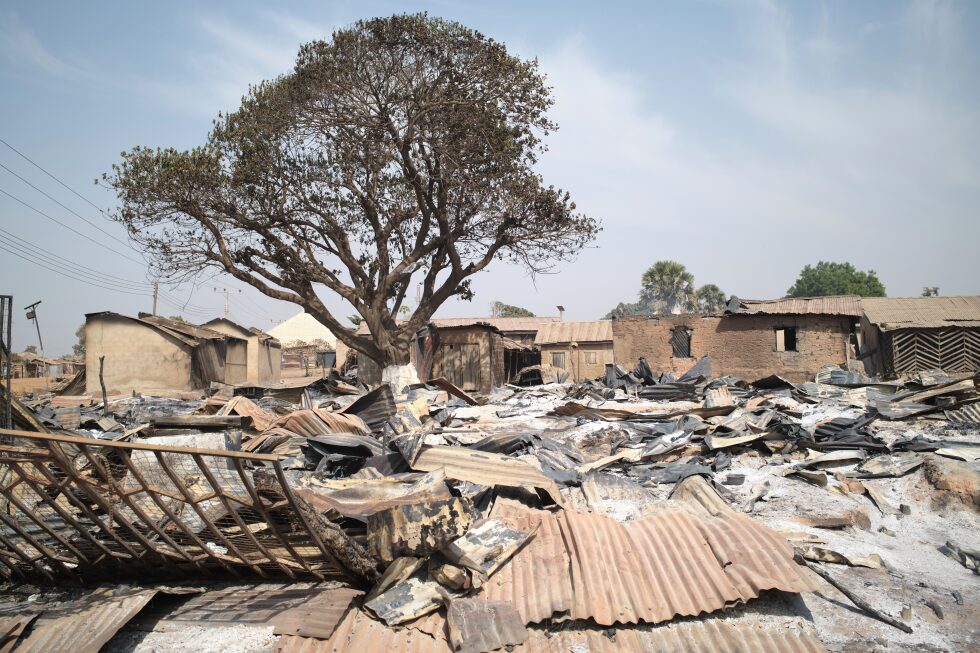
    In a brutal display of escalating violence, extremist militants carried out a meticulously planned massacre across two remote Nigerian villages, leaving communities shattered and raising alarms about the southward spread of the nation’s security crisis. The attacks on Woro and Nuku in Kwara State unfolded over a terrifying ten-hour period, marking one of the deadliest incidents in Nigeria in recent months.

    Prior to the assault, residents had received written warnings from militants proclaiming their intent to impose an extreme interpretation of Islam. These threats were largely disregarded until armed gunmen arrived on motorcycles, initiating a systematic campaign of violence. The attackers moved methodically from dwelling to dwelling, executing residents, setting structures ablaze, and ultimately desecrating local mosques by conducting fake prayer calls before murdering those who gathered.

    Official reports confirm at least 162 fatalities, though survivors indicate the actual death toll approaches 200, with numerous others abducted. The aftermath revealed scenes of profound devastation: charred remains, abandoned properties, and a pervasive stench of blood hanging in the air. Distraught survivors, assisted by a handful of remaining villagers, undertook the grim task of collecting bodies using pickup trucks while struggling with insufficient manpower for proper burials.

    This tragedy highlights critical failures in Nigeria’s security apparatus. Residents reported no intervention by security forces throughout the extended attack, despite police claims to the contrary. The incident reflects broader patterns of violence spreading from northern regions, where multiple armed groups—including Boko Haram, Islamic State West Africa Province (ISWAP), and various bandit factions—operate with increasing impunity.

    The Nigerian government has responded by announcing new military operations in Kwara State and declaring a state of emergency to address the deteriorating security situation. International observers note the complexity of Nigeria’s security landscape, where violence transcends religious boundaries despite recent geopolitical accusations. The United States has engaged in military cooperation with Nigeria, conducting airstrikes against ISIS-affiliated militants and providing weaponry to combat the expanding threat.

  • BBC at scene where Russian general was shot in Moscow

    BBC at scene where Russian general was shot in Moscow

    In a startling development from the Russian capital, Lieutenant General Vladimir Alexeyev, a high-ranking military official, has been shot and wounded on the outskirts of Moscow. BBC Russia editor Steve Rosenberg provided exclusive on-the-ground reporting from the scene where the attack unfolded, marking a significant security breach within proximity to the nation’s political center.

    The incident raises immediate questions about security protocols for senior defense officials and occurs against a backdrop of heightened military tensions. General Alexeyev’s current condition remains undisclosed, with authorities launching an urgent investigation into the circumstances surrounding the shooting. The attack on such a prominent figure within the Russian military establishment suggests potential internal security vulnerabilities or targeted political violence.

    This event represents one of the most serious attacks on Russia’s military leadership recently and underscores the increasingly complex security environment facing the country. International observers are closely monitoring the situation for potential implications on Russia’s domestic stability and military operations.

  • Second round of trilateral talks on Ukraine in Abu Dhabi was ‘constructive’, UAE says

    Second round of trilateral talks on Ukraine in Abu Dhabi was ‘constructive’, UAE says

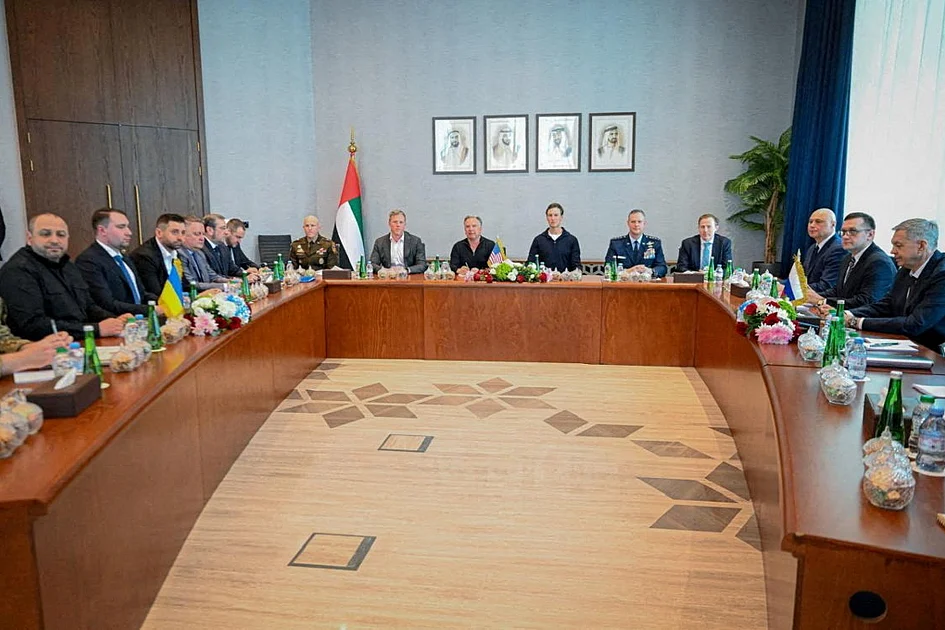
    Abu Dhabi has emerged as a pivotal diplomatic hub as it successfully hosted the second round of trilateral negotiations between Russia, Ukraine, and the United States. Sheikh Abdullah bin Zayed Al Nahyan, Deputy Prime Minister and Minister of Foreign Affairs, characterized the discussions as markedly constructive, noting they delivered encouraging signals regarding potential conflict resolution.

    The high-level talks, occurring during the fourth year of ongoing hostilities, demonstrated all parties’ genuine commitment to advancing diplomatic initiatives aimed at alleviating widespread humanitarian suffering. Sheikh Abdullah emphasized that the UAE’s role as host signifies strong international confidence in the nation’s capacity to facilitate meaningful dialogue and promote peaceful crisis resolution.

    Diplomatic appreciation was extended to Russian President Vladimir Putin, Ukrainian President Volodymyr Zelenskyy, and their respective negotiating teams for their productive engagement throughout the proceedings. The UAE also acknowledged the instrumental involvement of United States President Donald Trump and the American delegation, whose efforts were crucial in advancing the political track toward potential settlement.

    The initial two rounds of Abu Dhabi-mediated discussions have yielded substantive conversations that identified several areas of mutual agreement, establishing a foundation for continued diplomatic progress. Building upon its balanced relationships with all involved nations, the UAE reaffirmed its dedication to supporting comprehensive political solutions that could ultimately restore global stability and conclude the prolonged crisis.