博客

  • Stranded Chinese serow rescued and released back into the wild in Yunnan

    Stranded Chinese serow rescued and released back into the wild in Yunnan

    In a delicate wildlife rescue operation, conservation authorities at Yunnan’s Daxueshan National Nature Reserve have successfully saved a stranded Chinese serow from imminent danger and returned the vulnerable species to its natural habitat. The incident unfolded when routine patrol staff received urgent reports of a trapped animal within the reserve’s boundaries.

    Responding promptly to the alert, the rescue team discovered the distressed serow marooned on a narrow sandbar in the middle of a rapidly flowing river as daylight began to fade. Facing critically low temperatures and powerful river currents, the bovine species faced severe risks of hypothermia and complete exhaustion.

    The conservation team immediately established a secure perimeter to minimize additional stress to the animal while coordinating with the reserve’s management bureau. Specialized rescue personnel were dispatched to the location equipped with appropriate equipment for the sensitive operation.

    Using specially designed soft ropes to avoid injury, the experienced team carefully secured the struggling serow and executed a precise extraction from the watercourse. The animal was safely transported to a secure riverbank location where veterinary professionals conducted a thorough medical examination.

    The assessment revealed a minor injury on the serow’s left hind limb, which received immediate treatment. Following comprehensive evaluation of its physical condition and behavioral indicators, the rescue team determined the animal had fully recovered from the ordeal and was suitable for release.

    The successfully rehabilitated serow was subsequently released into an adjacent protected forest area, demonstrating the effectiveness of coordinated wildlife conservation efforts. The Chinese serow (Capricornis milneedwardsii) holds vulnerable status on the International Union for Conservation of Nature’s Red List and primarily inhabits specific regions of southwestern China including Yunnan, Tibet, and Qinghai provinces.

  • US, Iranian delegations start talks in Muscat

    US, Iranian delegations start talks in Muscat

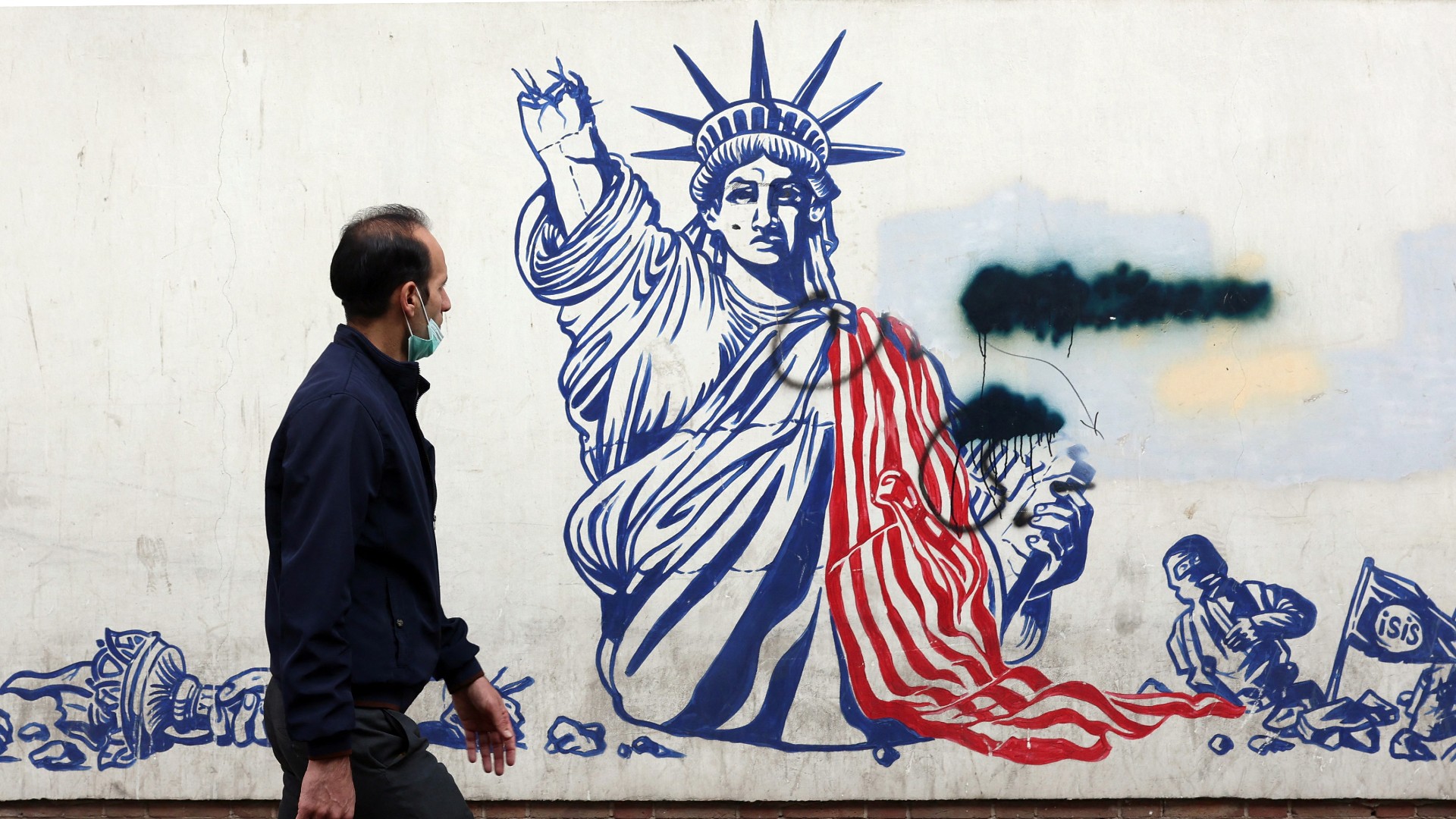
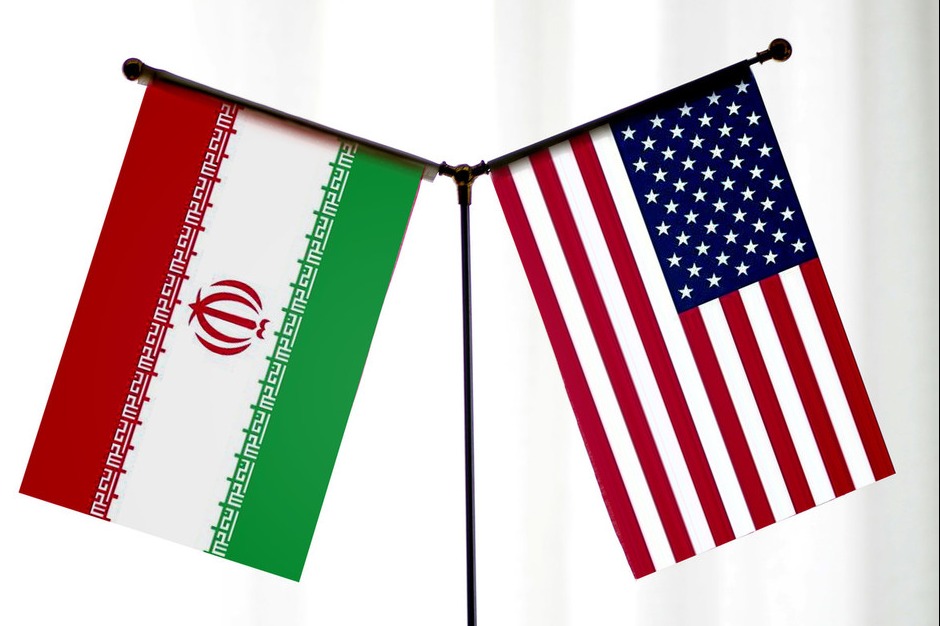
    In a significant diplomatic development, high-level delegations from the United States and Iran have initiated formal talks in Muscat, Oman. The discussions mark a crucial step in bilateral relations between the longstanding adversaries, with Oman serving as mediator for these sensitive negotiations.

    The talks represent the first substantial diplomatic engagement between the two nations in several years, occurring against a complex geopolitical backdrop of regional tensions and international concerns regarding nuclear proliferation. The Omani capital, known for its neutral diplomatic stance, provides an ideal setting for these delicate negotiations.

    While specific agenda items remain confidential, informed sources indicate the discussions will address regional security arrangements, nuclear non-proliferation concerns, and potential sanctions relief frameworks. The participation of senior officials from both governments suggests these talks carry substantial weight and potential for meaningful progress.

    International observers are closely monitoring the proceedings, recognizing that successful dialogue could significantly alter security dynamics in the Middle East. The European Union, United Nations, and regional powers have expressed cautious optimism about the potential for diplomatic breakthroughs emerging from these negotiations.

    The timing of these talks coincides with broader global diplomatic movements, including recent developments in UN nuclear agreements and shifting international alliances. This context adds considerable importance to the outcomes potentially emerging from the US-Iran discussions in Muscat.

  • China’s natural heritage sites thrive, boost local economies through tourism

    China’s natural heritage sites thrive, boost local economies through tourism

    China’s globally recognized natural heritage sites have demonstrated remarkable success in both ecological preservation and economic contribution, according to a comprehensive assessment report released by the National Forestry and Grassland Administration. The report, covering four decades of conservation efforts from 1985 to 2025, reveals that China’s 15 world natural heritage sites and 4 mixed cultural-natural sites have maintained impeccable conservation standards while simultaneously generating substantial socioeconomic benefits for local communities.

    These protected areas, spanning approximately 80,000 square kilometers across 20 provincial regions, represent some of China’s most diverse ecosystems including mountain ranges, forest systems, grassland expanses, lake networks, wetland habitats, desert landscapes, and coastal environments. The assessment confirms that none of these sites have experienced significant human-induced degradation, with their outstanding universal value remaining fully intact.

    Yuan Jiming, Director of the Nature Reserve Management Department, emphasized that international evaluations consistently validate China’s conservation achievements. Four successive World Heritage Outlook reports published by the International Union for Conservation of Nature between 2014 and 2025 consistently ranked China’s natural and mixed heritage sites above global conservation averages.

    Beyond environmental protection, China has pioneered innovative approaches to transform ecological assets into sustainable economic opportunities. Through carefully managed ecotourism development, nature education programs, study tours, and non-timber forest economies, these heritage sites have become engines of regional prosperity. Notably, over 90% of preservation positions are prioritized for local residents, while tourism has emerged as a foundational industry in many heritage regions.

    In 2024 alone, these heritage destinations welcomed over 180 million visitors, generating approximately 184.3 billion yuan ($26.6 billion) in tourism-related expenditure. In prominent sites including Jiuzhaigou, Huangshan, and Wulingyuan, tourism revenue constitutes more than 50% of local GDP, demonstrating how environmental stewardship and economic development can progress in harmonious synergy.

  • CPPCC Shanghai committee concludes annual plenary session

    CPPCC Shanghai committee concludes annual plenary session

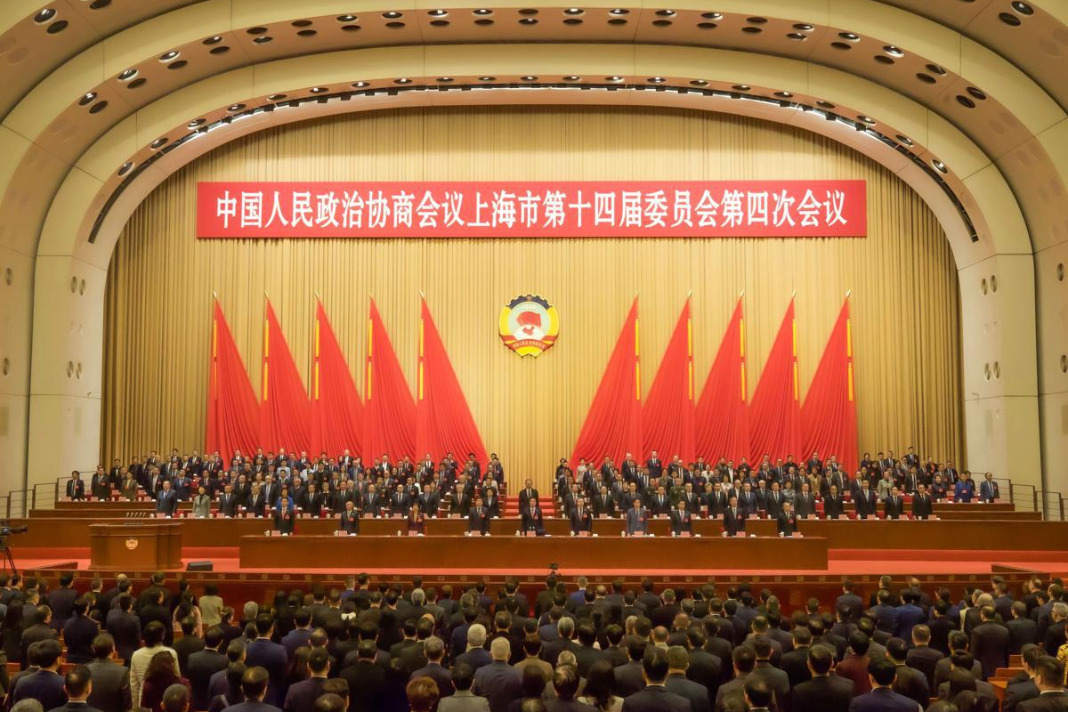
    The Shanghai Committee of the Chinese People’s Political Consultative Conference (CPPCC) successfully concluded its annual plenary session on Thursday after completing its scheduled agenda. The closing ceremony was presided over by Hu Wenrong, Chairman of the CPPCC Shanghai Committee, who emphasized the substantive contributions made by political advisors throughout the proceedings.

    During the session, members of the advisory body engaged in comprehensive consultations, provided strategic recommendations, and worked collectively to build consensus on key municipal matters. Chairman Hu highlighted that these deliberations effectively demonstrated the institutional strengths of China’s specialized consultative mechanism and showcased the dynamic nature of whole-process people’s democracy in practice.

    The conference recorded substantial participation from committee members, who submitted a total of 1,093 proposals addressing various aspects of Shanghai’s development. These initiatives spanned economic, political, cultural, social, and ecological dimensions, with economic development emerging as the predominant focus area. Of the total submissions, 476 proposals specifically targeted economic advancement strategies.

    Following a rigorous review process, 936 proposals met the established criteria for formal filing and will receive further consideration by relevant government departments. The concluded session marks another step in Shanghai’s continuous efforts to refine its governance mechanisms through structured political consultation and democratic processes.

  • Former Hainan official expelled from Party, dismissed from public office

    Former Hainan official expelled from Party, dismissed from public office

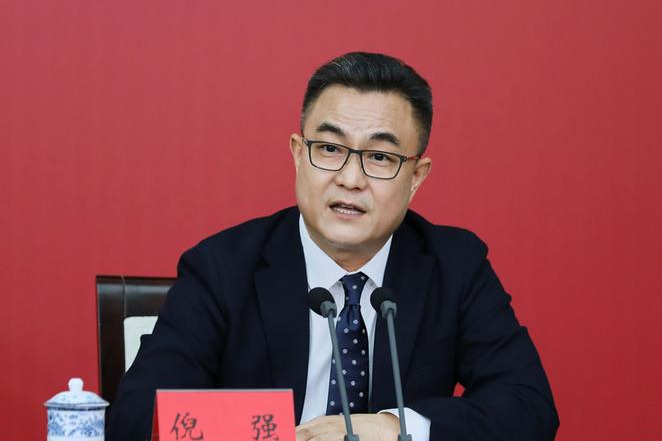
    In a significant demonstration of China’s ongoing anti-corruption campaign, Ni Qiang, former Secretary-General of Hainan Provincial Party Committee, has been permanently removed from all official positions following a comprehensive disciplinary investigation. The Central Commission for Discipline Inspection (CCDI) and National Commission of Supervision announced the decisive action on Friday, concluding a seven-month probe into the senior official’s conduct.

    The investigation uncovered multiple serious violations of Party discipline and national laws. The 59-year-old Jiangsu native was found to have engaged in political opportunism, maintained inappropriate associations with individuals involved in political fraud, and systematically resisted organizational scrutiny. Evidence revealed Ni consistently made irresponsible comments regarding Party directives and central government policies while implementing major decisions with deliberate alterations and insufficient commitment.

    Further examination exposed prolonged engagement in superstitious activities, seeking privileged treatment for family members, and accepting unauthorized banquets. Notably, Ni arranged for his wife to receive compensation without fulfilling corresponding job responsibilities. The former official also leveraged his position to secure project contracts and business advantages for associates in exchange for substantial financial benefits and valuable assets.

    In accordance with established Party regulations and legal statutes, authorities have ordered Ni’s expulsion from the Communist Party, termination from public office, and confiscation of all illicit gains. The case has been formally transferred to judicial authorities for criminal prosecution, marking another high-profile enforcement action in China’s systematic anti-corruption efforts.

  • Millions of documents – but Epstein’s victims say they are no closer to justice

    Millions of documents – but Epstein’s victims say they are no closer to justice

    The U.S. Department of Justice faces severe criticism following a catastrophic failure in its mandated release of millions of documents related to convicted sex offender Jeffrey Epstein. While the disclosure was intended to provide closure for victims under the 2023 legislation, the January 30th release of approximately three million documents instead exposed sensitive information including victim identities, personal emails, bank details, and intimate photographs due to what officials described as ‘technical or human error’ in redaction processes.

    The privacy violation has drawn furious responses from Epstein survivors and advocacy groups. Ashley Rubright, one of Epstein’s victims, expressed her devastation to the BBC: ‘I’m heartbroken for the girls whose information was released. It’s such a huge violation of one of the most terrible moments of their lives.’ Other survivors including Annie Farmer and Lisa Phillips echoed concerns that the breach demonstrates systemic disregard for victim protection and could deter future reporting of sexual crimes.

    Kim Villanueva, president of the National Organization for Women, warned of broader implications: ‘It creates a sense that if you come forward you will not be protected.’ Her organization had actively lobbied Congress to compel the files’ release but now questions whether accountability will extend beyond the high-profile figures named in the documents.

    The disclosure has indeed triggered consequences for several prominent individuals. Prince Andrew was stripped of his royal titles following renewed scrutiny of his Epstein connections, while Lord Mandelson was dismissed as U.S. ambassador and subsequently left the House of Lords over his association with the financier. Microsoft founder Bill Gates also appeared in the files, though without allegations of wrongdoing.

    Beyond the political fallout, the documents reveal deeply disturbing patterns of misogynistic language and objectification. Epstein’s communications with powerful associates—including foreign officials, business leaders, and celebrities—contain crude descriptions of women reduced to their age, nationality, or physical attributes. In one exchange with then-Slovakian Foreign Minister Miroslav Lajčák, Epstein casually offered women with the comment, ‘You can have them both, I am not possessive. And their sisters.’

    TV doctor Peter Attia has apologized for his ‘tasteless and indefensible’ comments about female anatomy in emails with Epstein. Numerous other communications show women being evaluated for their appearance rather than qualifications, with one 2017 email describing candidates for an unspecified position as ‘not as pretty as other applicants’ or ‘not very young but beautiful.’

    Despite the volume of material released—with the Justice Department warning that some content may be fabricated or misattributed—victims and advocates emphasize that true accountability remains elusive. With the government’s review concluded and no new prosecutions anticipated, survivors continue their exhausting pursuit of justice. As Jess Michaels told BBC Newsnight, ‘It can be really hard to keep going, but we know we’re trying to change things for the next generation.’

    The Epstein files disclosure, rather than providing resolution, has exposed fundamental flaws in how institutions handle sexual violence cases and protect victims. As Villanueva concluded, the failure to safeguard survivors’ identities and the lack of meaningful accountability ‘shows that misogyny still reigns in our society.’

  • Railway couple helps serve the Spring Festival travel rush

    Railway couple helps serve the Spring Festival travel rush

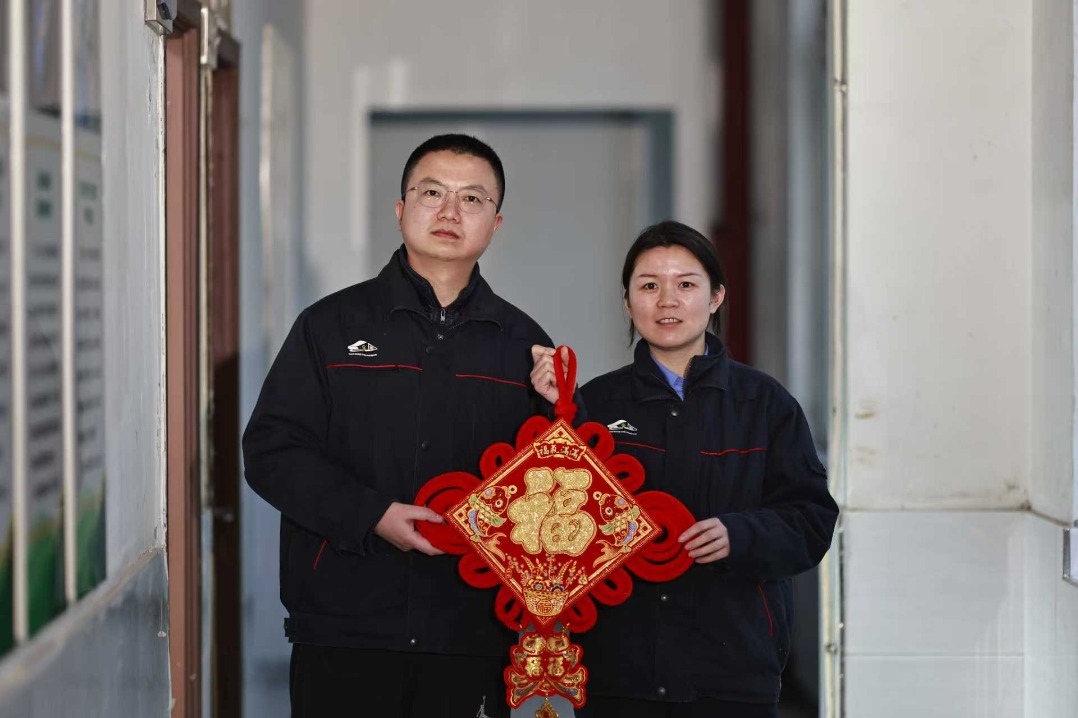
    As millions of Chinese travelers embark on their annual pilgrimage home for Spring Festival reunions, a dedicated railway couple continues their unsung mission to ensure safe journeys for all. Yang Jun and Li Yanzheng, both employed at Chongqing North EMU Depot under China Railway Chengdu Group Co., Ltd., have stood guard over the world’s largest annual human migration for five consecutive years.

    While passengers hurry home for family gatherings, this professional partnership maintains rigorous safety protocols at their respective posts. Li serves as a ground service mechanic, performing critical maintenance on electric multiple unit trains, while her husband Yang works as a passenger train inspector, examining rolling stock with meticulous attention to detail.

    Their synchronized efforts represent countless railway workers who sacrifice personal holiday time to maintain China’s transportation backbone during the 40-day Chunyun period. The couple’s story, captured in a February 5, 2026 photograph at their Chongqing workplace, exemplifies the quiet dedication of transportation professionals nationwide.

    Railway authorities estimate over 400 million passenger trips during this year’s travel rush, creating unprecedented demands on infrastructure and personnel. The couple’s dual commitment to both their marriage and professional duties highlights the human infrastructure supporting China’s massive transportation network during its most challenging operational period.

  • Talks with US were ‘very good start’ despite uncertainty, says Iran

    Talks with US were ‘very good start’ despite uncertainty, says Iran

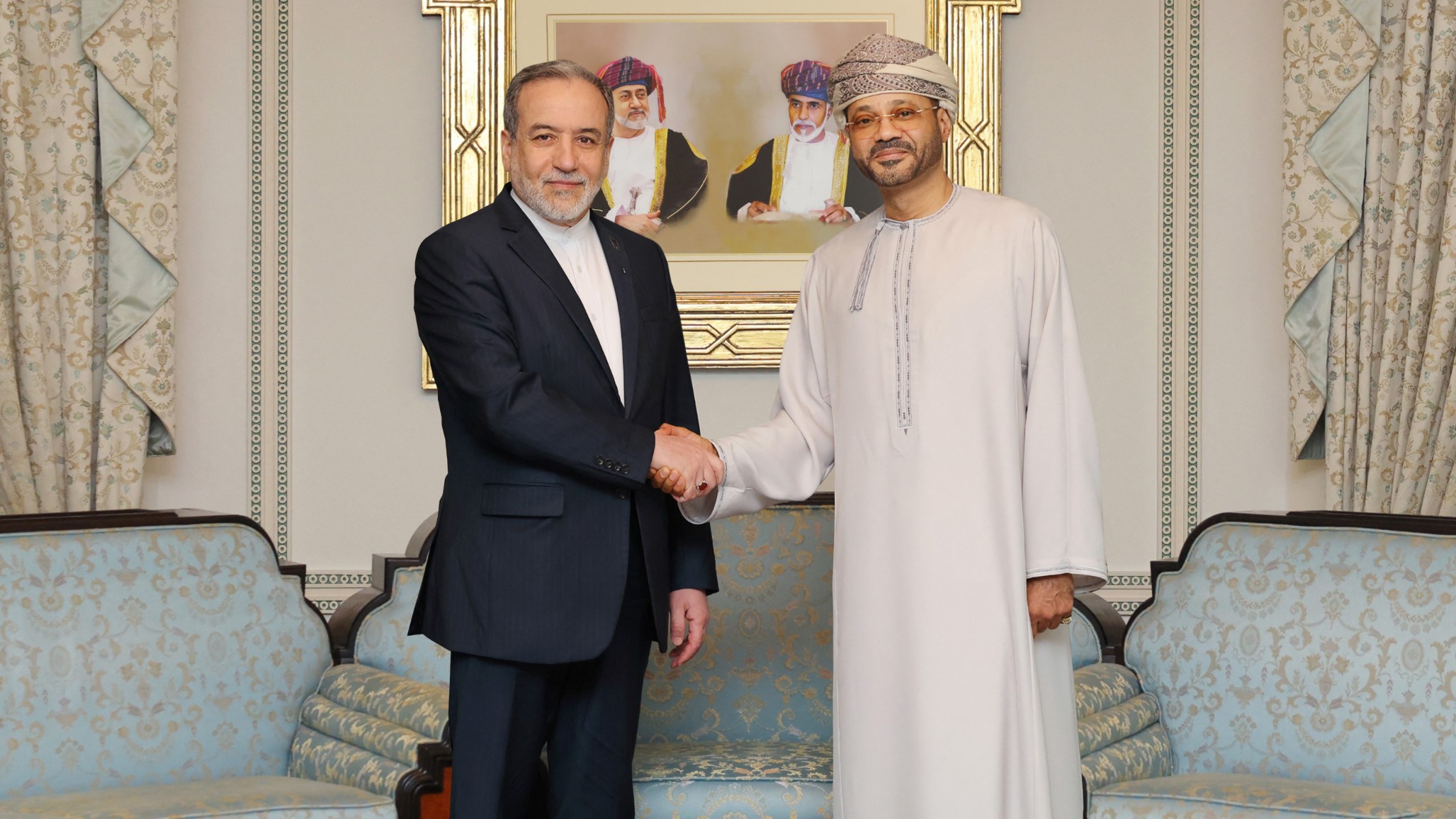
    Diplomatic efforts to address nuclear concerns between the United States and Iran initiated on Friday in Muscat, Oman, with both delegations characterizing the preliminary discussions as constructive. Iranian Foreign Minister Abbas Araghchi confirmed the meetings produced a “positive start” and established a mutual understanding for continued dialogue, though significant obstacles remain.

    The American delegation, featuring envoys Steve Witkoff and Jared Kushner, engaged with Iranian officials through mediation by Omani Foreign Minister Badr bin Hamad Al Busaidi. The Omani official described the talks as instrumental in clarifying positions and identifying potential pathways for progress.

    Despite the diplomatic opening, the atmosphere remains heavily charged. The U.S. immediately announced new sanctions targeting Iran’s oil export capabilities, sanctioning 14 vessels and 15 entities. Concurrently, U.S. aircraft carriers, including the USS Abraham Lincoln, are positioned near Iranian waters.

    Military posturing intensified as Iran’s army spokesperson, Brigadier-General Mohammad Akraminia, declared the nation’s readiness for a regional conflict that would encompass all U.S. bases. The White House responded by emphasizing President Trump’s multitude of options beyond diplomacy.

    Reports indicate a key concession in the negotiation framework, with the U.S. reportedly agreeing to limit discussions solely to Iran’s nuclear program, dropping previous demands to include ballistic missile development. This shift is attributed to diplomatic interventions by regional powers including Qatar, Saudi Arabia, and Oman.

    The U.S. Virtual Embassy in Iran issued an alert urging American citizens to depart immediately, while Israeli Prime Minister Benjamin Netanyahu suggested conditions were building toward the potential downfall of the Iranian regime, highlighting the complex geopolitical stakes surrounding these fragile talks.

  • US-Iran nuclear talks begin under shadow of military escalation

    US-Iran nuclear talks begin under shadow of military escalation

    High-stakes diplomatic engagement between the United States and Iran initiated on Friday in Muscat, Oman, focusing on Tehran’s controversial nuclear program. The American delegation, led by envoys Steve Witkoff and Jared Kushner, convened with Iranian officials headed by Foreign Minister Abbas Araghchi under tense circumstances.

  • After Epstein fallout, UK leader Starmer faces hurdles and rivals as he battles to keep his job

    After Epstein fallout, UK leader Starmer faces hurdles and rivals as he battles to keep his job

    LONDON — British Prime Minister Keir Starmer’s political future hangs in the balance following the controversial appointment of Peter Mandelson as U.K. ambassador to the United States, a decision now threatening to unravel his premiership due to Mandelson’s extensive connections to convicted sex offender Jeffrey Epstein.

    The disclosure of millions of Epstein-related documents by the U.S. Justice Department has placed Starmer’s judgment under unprecedented scrutiny. Revelations show Mandelson, a Labour Party grandee, maintained friendship with Epstein after the financier’s 2008 conviction for sex offenses involving a minor and allegedly shared sensitive government information with him in 2009 while serving in cabinet.

    Starmer has apologized to the British public and Epstein’s victims for what he termed ‘Mandelson’s lies,’ but the damage appears substantial. Multiple Labour lawmakers have called for his resignation following a series of missteps since the party’s landslide July 2024 victory.

    The prime minister now confronts several potential scenarios. The most straightforward path would involve his resignation, triggering a leadership contest requiring candidates to secure support from 20% of parliamentary colleagues. Potential successors include Health Secretary Wes Streeting, Home Secretary Shabana Mahmood, and former deputy prime minister Angela Rayner, though no clear frontrunner has emerged.

    Should Starmer resist stepping down, he could face a formal leadership challenge—an unusual scenario for Labour, which lacks the Conservative Party’s history of ousting sitting leaders. Complicating matters, Manchester Mayor Andy Burnham remains ineligible as leadership must come from parliamentary ranks.

    Immediate challenges include the pending release of Mandelson’s vetting documents and a critical special election in Gorton and Denton on February 26. Further tests await in May elections where Labour risks losing power in Wales for the first time since devolution, performing poorly in Scotland, and suffering losses in English local elections.

    The crisis echoes former Prime Minister Harold Macmillan’s observation about the unpredictable nature of leadership challenges: ‘Events, dear boy, events.’