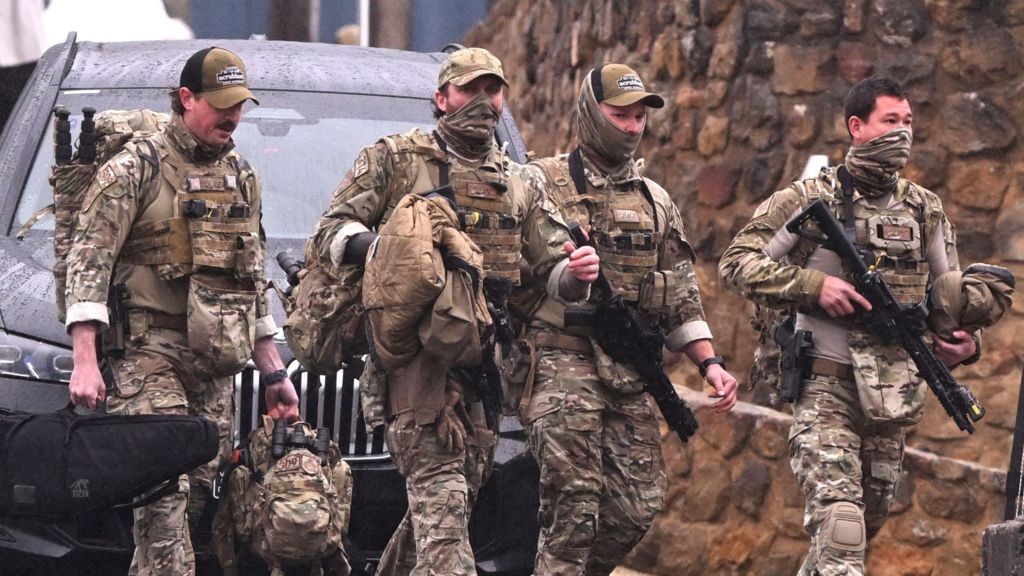
The tranquil town of Porepunkah, nestled in the Australian Alps, has been thrust into chaos as a massive manhunt unfolds for a heavily armed fugitive accused of fatally shooting two police officers. The incident, which occurred on Tuesday, has shattered the peace of this close-knit community of 1,000 residents, known for its wineries and serene bushwalking trails.
博客
-
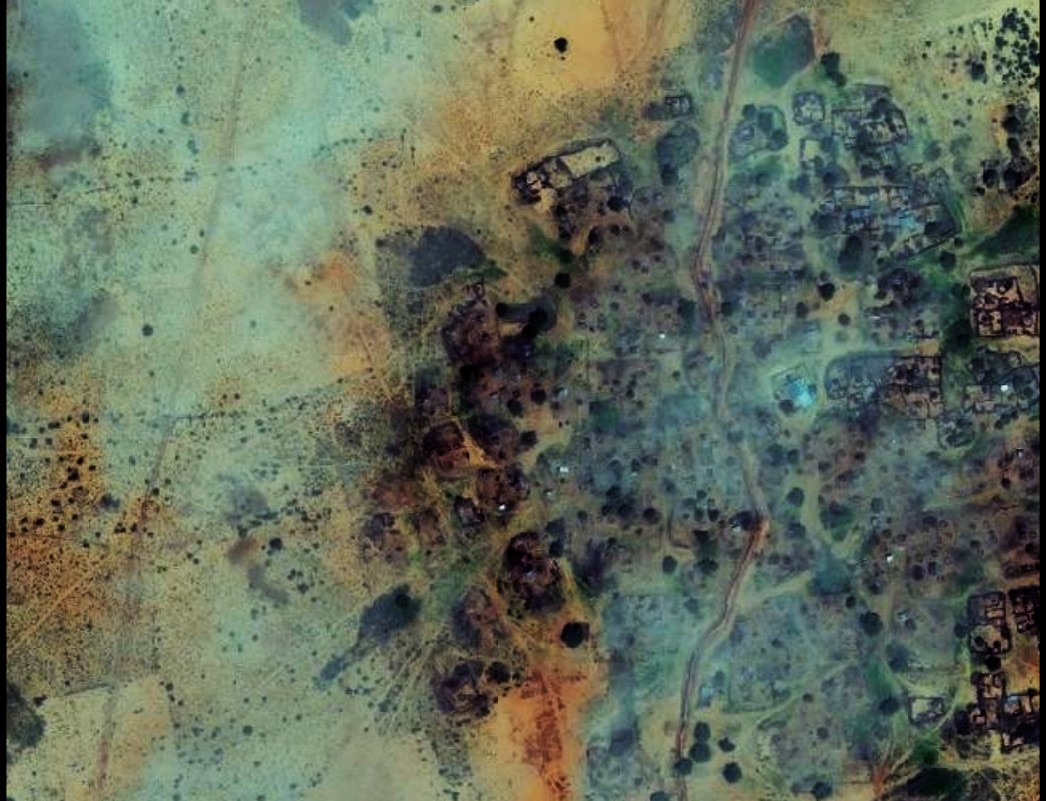
Sudan’s RSF traps el-Fasher inside network of earth walls
The Rapid Support Forces (RSF) in Sudan have erected a network of earth walls, known as berms, around the city of el-Fasher, effectively trapping hundreds of thousands of civilians. This siege, ongoing for over 500 days, has intensified the humanitarian crisis in the region. According to a report by the Yale School of Public Health’s Humanitarian Research Lab (HRL), over 31 kilometers of berms have been constructed since May 2024, encircling the capital of North Darfur. While hundreds of thousands have fled, approximately 750,000 civilians remain trapped, with 260,000, including 130,000 children, stranded in the Abu Shouk displacement camp. Nathaniel Raymond, executive director of the HRL, noted that civilian movement has dwindled, with many either deceased, attempting to escape, or hiding in bomb shelters. The RSF’s actions have created what the HRL describes as a ‘literal kill box,’ preventing the entry of essential supplies like food and medicine and blocking escape routes. The conflict between the RSF and the Sudanese Armed Forces (SAF) has led to over 1,100 verified human rights violations in el-Fasher alone, including the killing and maiming of more than 1,000 children. The RSF, accused of genocide by the US government and international human rights groups, controls much of western Sudan, with el-Fasher being a notable exception. The international community’s inaction has been criticized, with calls for the UAE, a key RSF supporter, to end the siege and allow humanitarian aid. Despite denials, evidence suggests the UAE’s involvement in supplying the RSF. The SAF’s 6th Division remains confined to a garrison surrounded by mines, while the Joint Forces maintain mobility. The siege of el-Fasher highlights a broader failure to protect civilians from atrocities, reminiscent of the Janjaweed militias’ actions in Darfur two decades ago.
-
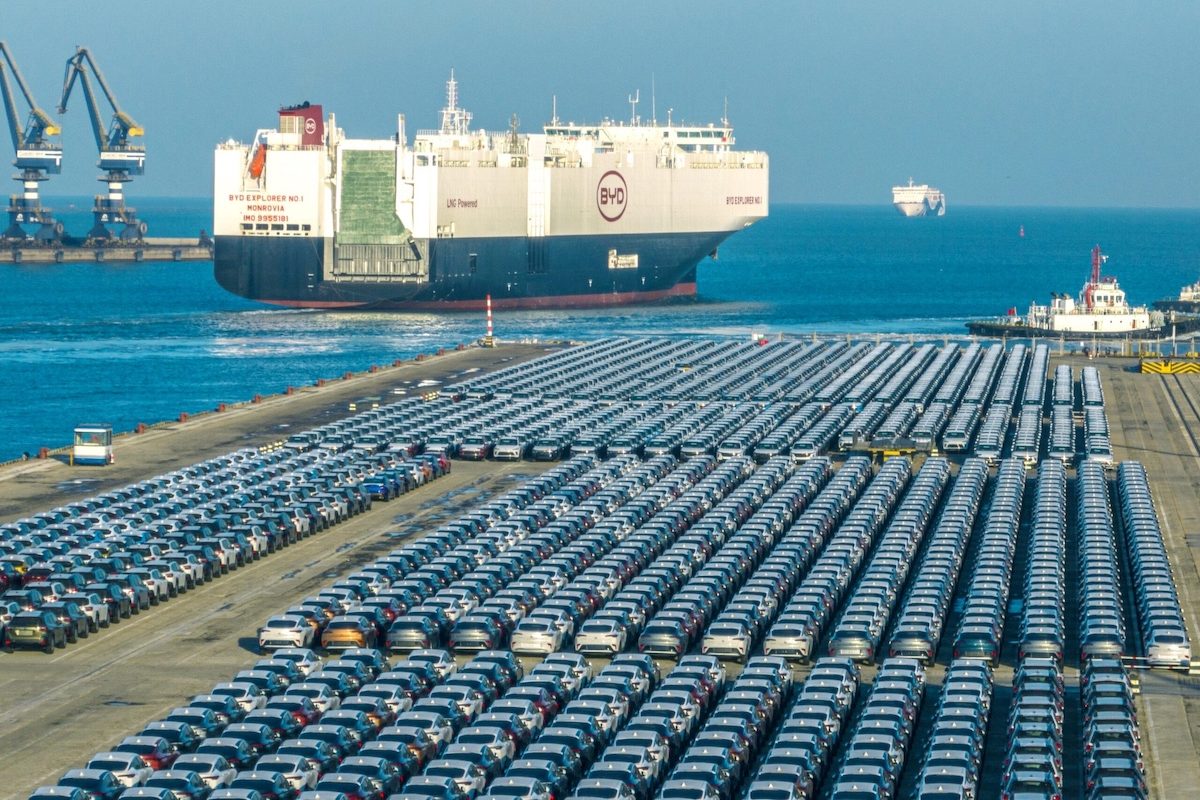
China’s EV takeover driving global supply chain revolution
China’s meteoric rise in the electric vehicle (EV) industry is no longer a domestic narrative but a global phenomenon reshaping automotive and energy supply chains. A decade ago, Chinese automakers were seen as imitators; today, they are industry leaders. BYD has surpassed Tesla in global EV sales, while companies like Nio, Li Auto, Geely, and SAIC are capturing significant market shares. Battery giant CATL has become indispensable, powering both Chinese and international brands. This transformation, initially driven by government support, has evolved into structural dominance, compelling the world to react. In 2023, China overtook Japan as the world’s largest vehicle exporter, shipping 5.2 million cars—a 70% increase from the previous year. Domestically, 31.4 million vehicles were sold, with EVs accounting for over 40% of production. Analysts predict that by 2030, China could produce 36 million cars annually, representing 40% of global output. This ascent is fueled by scale, cost control, and over $230 billion in state-backed subsidies, infrastructure, and research investments. China’s supply chain integration, lower labor costs, and vast battery ecosystem provide an unassailable advantage. The implications are profound: global auto incumbents face margin pressures, EV-linked commodities are in high demand, and trade tensions are escalating as Western governments impose tariffs to protect their markets. Yet, protectionism can only slow, not halt, China’s advance. European showrooms are increasingly filled with competitively priced Chinese EVs, and Chinese brands are gaining traction in markets like the UK and Norway. Beyond autos, the EV surge is reshaping metals markets, energy utilities, and software platforms. China’s dominance mirrors its success in solar panels, drones, and steel, driven by deliberate industrial policy. For investors, this represents both opportunities and risks, as the global automotive and energy sectors undergo a once-in-a-generation transformation. China’s EV revolution is accelerating the energy transition, reducing oil demand, and straining electricity grids. The future of mobility, energy, and manufacturing is being written in China, and the world must adapt.
-

Joaquin Phoenix and Brad Pitt join film about Hind Rajab as executive producers
Renowned Hollywood actors Joaquin Phoenix and Brad Pitt are lending their support as executive producers to an upcoming film titled ‘The Voice of Hind Rajab,’ directed by Tunisian filmmaker Kaouther Ben Hania. The film, set to premiere at the Venice Film Festival on September 3, 2024, chronicles the harrowing story of six-year-old Hind Rajab, who was killed by Israeli soldiers in Gaza in January 2024. The project incorporates actual audio recordings of Rajab pleading for help during a phone call with Red Crescent medics, capturing the tragic final moments of her life. An investigation by Forensic Architecture revealed that Israeli forces were aware of the presence of children in the vehicle and fired at least 335 bullets at it. Rajab initially survived the attack, which claimed the lives of her immediate family, but was killed before rescuers could reach her. The film has attracted a star-studded team of executive producers, including Oscar-winning director Jonathan Glazer, ‘Roma’ director Alfonso Cuarón, and actress Rooney Mara. Ben Hania, the director, expressed her emotional commitment to the project, stating, ‘I cannot accept a world where a child calls for help and no one comes. That pain, that failure, belongs to all of us.’ The film has sparked broader conversations about the entertainment industry’s response to the ongoing crisis in Gaza, with many criticizing Hollywood’s muted reaction to the violence. Glazer, who faced backlash for his Oscar acceptance speech in March 2024, condemned the misuse of the Holocaust to justify atrocities in Gaza, stating, ‘We stand here as men who refute their Jewishness and the Holocaust being hijacked by an occupation which has led to conflict, for so many innocent people.’ The film aims to shed light on the consequences of dehumanization and amplify the voices of those affected by the conflict.
-

Need a vacation? Imagine how US Open tennis players feel during their long season
As the U.S. Open progresses, top tennis players like Aryna Sabalenka are revealing the importance of taking breaks during the season to recharge. Sabalenka, the reigning U.S. Open champion, skipped the Montreal event in late July to unwind on the Greek island of Mykonos. ‘The season had been really intense, and I felt low on energy,’ Sabalenka explained. ‘I needed a little break to come back stronger.’ Her decision highlights a growing trend among tennis professionals who face a relentless calendar. Alex de Minaur, seeded No. 8 at the U.S. Open, echoed this sentiment, stating that without such breaks, the grind of the season feels never-ending. De Minaur and his fiancée, Katie Boulter, often take short vacations after Wimbledon to reset mentally for the latter half of the year. However, not all players can afford or desire such breaks. Some, like Adrian Mannarino, prefer to maintain their rhythm by competing continuously. Mannarino, who recently became the oldest man to break into the ATP top 20, believes in focusing on work now and saving vacations for retirement. The concept of in-season vacations is unique to tennis, as team sports like the NFL or NBA offer ample off-seasons for rest. Boulter, who struggled after skipping breaks, emphasized the importance of prioritizing personal well-being. Meanwhile, Ajla Tomljanovic, who lost to Coco Gauff in the first round, advocates for players to make their own choices about when to take breaks. ‘If I need a vacation, I take it,’ she said. As the tennis season continues, the debate over balancing competition and rest remains a hot topic among players.
-
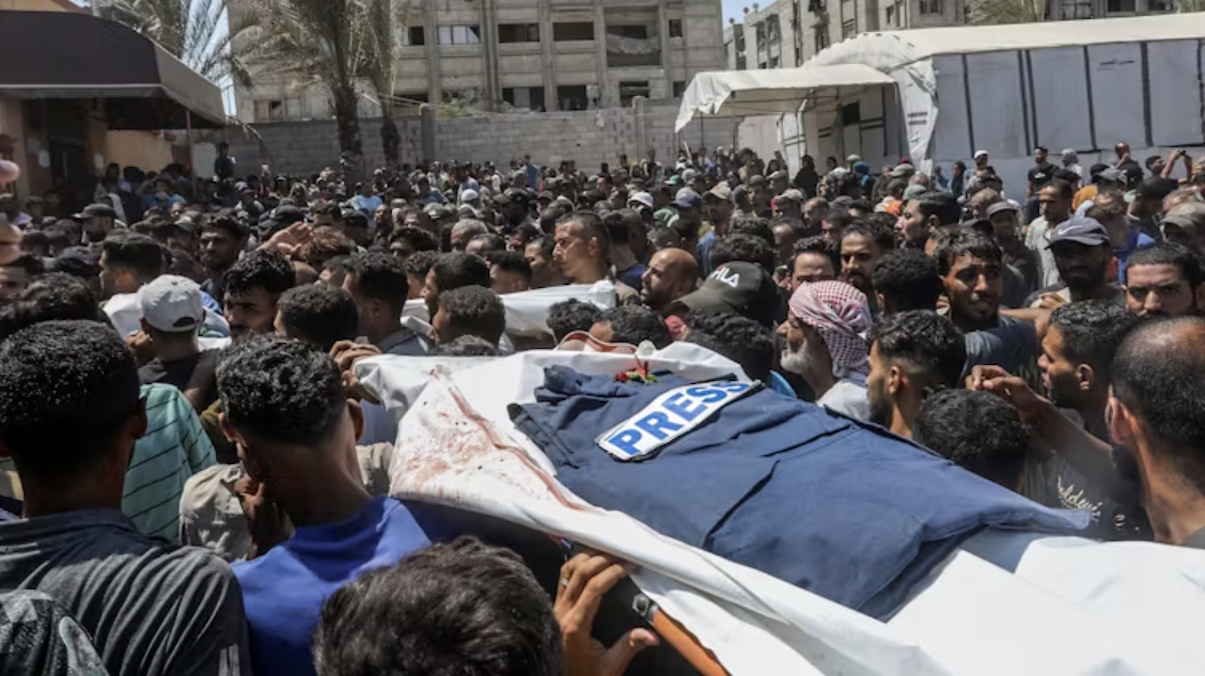
Nothing new in Israel’s killing of Palestinian journalists
In a devastating turn of events, five journalists were among the 22 individuals killed in Israeli strikes on Nasser Hospital in the Gaza Strip on August 25, 2025. This incident has drawn global condemnation, with Israeli Prime Minister Benjamin Netanyahu’s office issuing a statement claiming Israel “values the work of journalists.” However, the grim statistics paint a starkly different picture. The death toll of journalists in Gaza has now reached 192 over nearly two years of conflict, according to the Committee to Protect Journalists (CPJ). The CPJ has accused Israel of engaging in the “deadliest and most deliberate effort to kill and silence journalists” in its history. Palestinian journalists are reportedly being threatened, targeted, detained, and tortured by Israeli forces in retaliation for their work. This alarming trend is part of a broader historical context dating back to 1967, when Israel began its military occupation of Palestinian territories. Over the decades, Israel has systematically attempted to control and censor Palestinian journalism through legal and military measures, including the issuance of Military Order 101 in 1967, which criminalized political assembly and propagandistic publications. Despite these oppressive tactics, Palestinian journalism has persisted, with local publications flourishing in the 1980s, albeit under strict Israeli military censorship. Editors were forced to submit all content, including articles, photos, and even crossword puzzles, to Israeli censors for approval. Violations of these censorship rules often resulted in detention or deportation. The situation has escalated in recent years, with Israeli forces increasingly targeting journalists, often under the guise of combating terrorism. The international community has repeatedly called for Israel to allow independent media access to Gaza, but these requests have been consistently denied. As a result, Palestinian journalists remain the primary witnesses to the ongoing devastation in Gaza, often at great personal risk. The question now is whether the international community will hold Israel accountable for these egregious violations of press freedom and human rights.
-
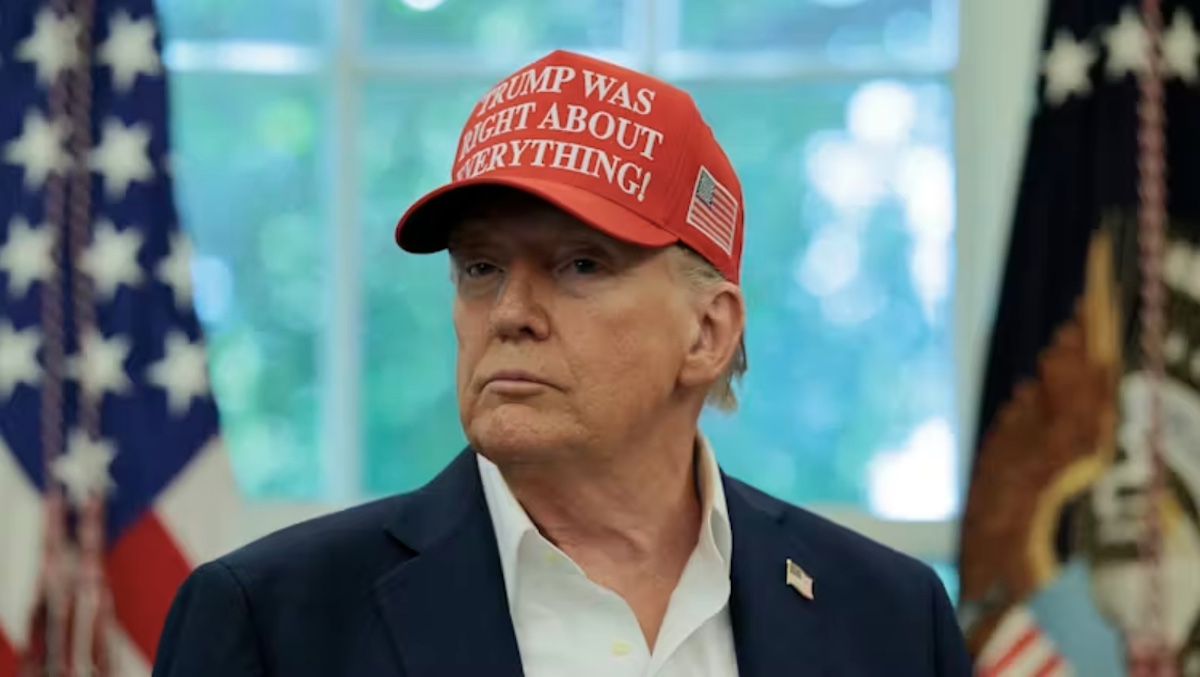
Post-truth stats: what if US economic data can no longer be trusted?
In an era increasingly defined by skepticism towards official narratives, the integrity of US economic data is now under unprecedented scrutiny. The recent actions of former President Donald Trump have cast a long shadow over the credibility of key economic indicators, raising concerns about the reliability of the nation’s statistical institutions.
-

WWII Japanese American internment memories spur protests in 2025
The recent opening of an immigration detention center in El Paso, Texas, has sparked widespread protests from Japanese Americans, who see eerie parallels between the Trump administration’s immigration policies and the internment of their community during World War II. The facility, which began operations in August 2025, is located on the site of a former military base used to detain Japanese Americans during the war. This has reignited painful memories for a community that endured forced incarceration under Executive Order 9066, signed by President Franklin D. Roosevelt in 1942. Hundreds of Japanese Americans have been vocal in their opposition to the construction of new detention centers and the aggressive enforcement tactics of the U.S. Immigration and Customs Enforcement (ICE), which they fear mirror the injustices of the past. The government’s invocation of the 1798 Alien Enemies Act, last used during WWII, has further heightened concerns. This law grants ICE expanded powers to detain individuals, echoing the legal framework that justified the internment of Japanese Americans. Protests have been particularly intense in California, where activists have drawn comparisons between ICE’s targeting of Latino communities and the wartime treatment of Japanese Americans. The Japanese American National Museum in Los Angeles, a symbolic site where families were forced onto buses bound for internment camps, has become a focal point for demonstrations. The museum has shared images comparing the cramped conditions of WWII camps to modern ICE detention facilities, highlighting the trauma inflicted on families. Critics argue that ICE’s actions, including the reopening of closed detention centers like Dublin Prison near San Francisco, are part of a broader agenda to meet alleged quotas for migrant arrests. The Trump administration has denied targeting specific ethnic groups, but civil rights organizations have documented disproportionate enforcement in Latino neighborhoods. Protesters like Lynn Yamashita and Douglas Yoshida have voiced their fears that history is repeating itself, with immigrants being detained without due process. The Japanese American community’s activism underscores a broader struggle against policies they view as rooted in racial prejudice and xenophobia. As the debate over immigration enforcement continues, many are calling for a reckoning with the nation’s past and a commitment to ensuring that such injustices are never repeated.
-
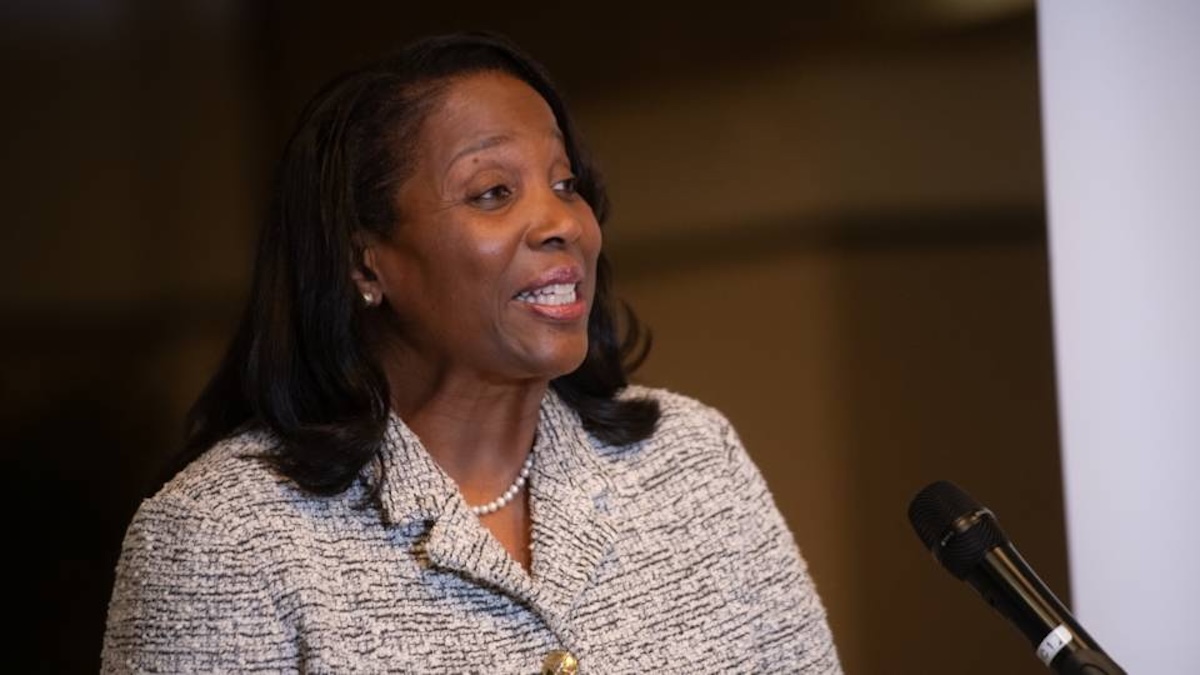
Trump move to oust Fed governor shakes US market credibility
The ongoing battle over Lisa Cook’s position on the Federal Reserve’s Board of Governors, amid President Donald Trump’s efforts to remove her, has ignited a critical discussion on the independence of central banks. This struggle underscores a broader power conflict between political leaders and public institutions tasked with managing monetary policy. Central banks, which regulate a nation’s currency and monetary flow, wield significant influence over economic growth, inflation, employment, and financial stability. Politicians often seek to control or manipulate these levers, especially during pivotal moments like elections or periods of declining popularity. However, such politically motivated interventions can jeopardize long-term economic health, leading to future economic challenges. Since the 1990s, data-driven and technocratic monetary policymaking has been regarded as the gold standard for national financial governance, effectively maintaining low and stable inflation. Despite this, central banks have faced mounting political pressure over the past decade. Trump’s administration exemplifies this trend, with the president openly criticizing Federal Reserve Chair Jerome Powell and demanding lower interest rates. Unable to remove Powell, Trump has shifted focus to Cook, alleging misconduct in a mortgage application—a claim Cook disputes, asserting the president lacks the authority to dismiss her. This confrontation highlights the fragile balance between political influence and central bank autonomy, a dynamic that has global implications for economic stability. While laws protect central banks from political interference, recent trends suggest a gradual erosion of this independence. As political economists note, the tug-of-war over monetary policy reflects the tension between short-term political gains and long-term economic well-being.
-
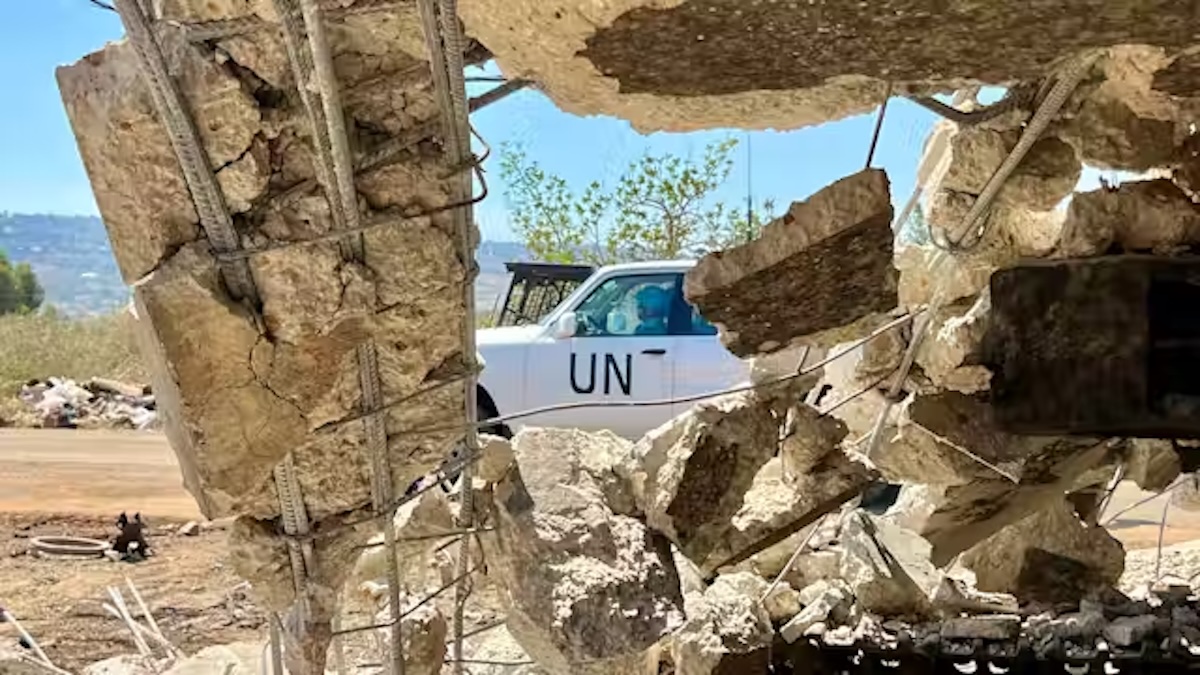
Push to end UN Lebanon peacekeeping mandate risks regional chaos
The United Nations Interim Force in Lebanon (UNIFIL), a critical peacekeeping entity between Israel, Lebanon, and Hezbollah, faces an uncertain future as its mandate renewal deadline of August 31 looms. Israeli pressure, US skepticism over its cost-effectiveness, and Lebanon’s fragile political landscape have raised concerns that the mission could be terminated rather than extended. Such a move would create a perilous security vacuum along the Israeli-Lebanese border, with far-reaching implications for Middle Eastern stability. The US, aiming to reduce its financial commitments to UN peacekeeping, has echoed Israeli claims that UNIFIL has been ineffective in countering Hezbollah’s threats. However, UNIFIL’s mandate has never been to disarm Hezbollah directly; instead, it focuses on supporting the Lebanese Armed Forces (LAF) to maintain a demilitarized zone in southern Lebanon. Israeli criticism of UNIFIL’s failure to uncover Hezbollah’s tunnel network overlooks the fact that Israeli intelligence also missed these tunnels for over a decade. Meanwhile, Lebanon has taken significant steps to curb Hezbollah’s military dominance, including expanding LAF deployments and consolidating weapons under state control. Yet, these efforts face fierce resistance from Hezbollah, as evidenced by deadly incidents like the August 9 explosion that killed six LAF troops. UNIFIL’s continued presence remains vital as a stabilizing buffer during this precarious process. Despite this, wrangling at the UN Security Council has delayed a vote on the mandate renewal, with the US being the sole holdout. France, as the penholder for the UNIFIL mandate, has proposed various options to appease the US, but divisions in Washington persist. A recent draft resolution suggested a strategic review by March 2026 to assess conditions for UNIFIL’s withdrawal, but the US insists on a firm endpoint. Israel’s strategy of delegitimizing UNIFIL, coupled with its military actions in Lebanon, further complicates the situation. Prime Minister Benjamin Netanyahu’s conciliatory gestures toward Lebanon’s disarmament efforts risk inflaming political tensions within the country. Amid these maneuvers, UNIFIL’s role as a stabilizing force remains indispensable, and its abrupt withdrawal could escalate tensions, potentially leading to another conflict between Hezbollah and Israel.