博客

  • Russian airstrike on Ukrainian city kills 1 as US pushes June deadline for peace deal

    Russian airstrike on Ukrainian city kills 1 as US pushes June deadline for peace deal

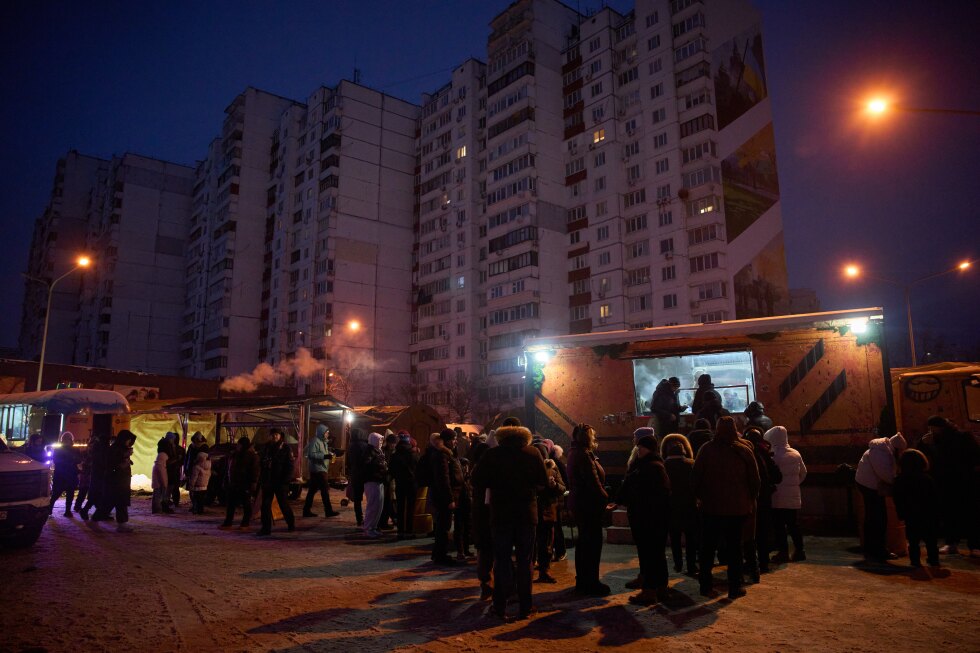
    KYIV, Ukraine — In a significant escalation of hostilities, Russian forces launched airstrikes on civilian infrastructure in eastern Ukraine this Sunday, resulting in one fatality and multiple injuries. The assault targeted a residential sector in Kramatorsk, Donetsk region, igniting a substantial fire within a nine-story apartment complex that required emergency response teams to contain.

    Concurrently, energy facilities in Ukraine’s Poltava region came under attack overnight, as confirmed by Serhii Koretskyi, head of Ukraine’s state-owned energy conglomerate Naftogaz. This continued targeting of critical power infrastructure represents Moscow’s strategic effort to demoralize Ukrainian resistance through what Kyiv officials term ‘weaponizing winter’ tactics—a pattern sustained throughout the nearly four-year conflict.

    The military offensive coincides with revealing statements from Ukrainian President Volodymyr Zelenskyy regarding diplomatic developments. Speaking to journalists on Friday, Zelenskyy disclosed that American officials have established a June deadline for Ukraine and Russia to negotiate a peace agreement. According to the Ukrainian leader, failure to achieve a settlement by summer would likely trigger increased pressure from the Trump administration on both conflicting parties.

    Zelenskyy elaborated: ‘The Americans are proposing the parties end the war by the beginning of this summer and will probably put pressure on the parties precisely according to this schedule. They indicate intentions to accomplish everything by June and will undertake all necessary measures to terminate hostilities, demanding a clear timeline of events.’

    The proposed deadline follows inconclusive trilateral negotiations mediated by the United States in Abu Dhabi, where opposing positions remained irreconcilable. Moscow continues to insist on Ukraine’s withdrawal from the Donbas region—a condition categorically rejected by Kyiv. Further diplomatic engagement is anticipated, with the United States suggesting subsequent talks be held on American soil, potentially in Miami, next week. Zelenskyy confirmed Ukraine’s participation in these forthcoming discussions.
  • Death toll rises to 8 in North China factory explosion

    Death toll rises to 8 in North China factory explosion

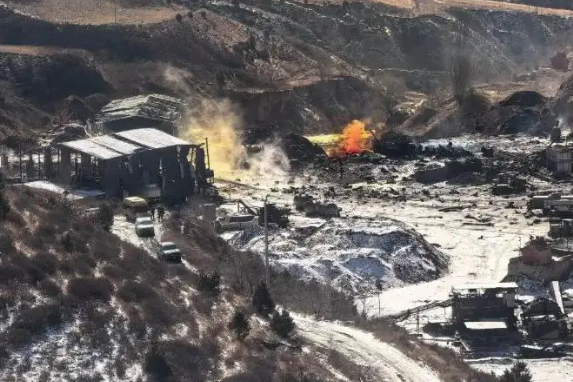
    A devastating explosion at a biotechnology manufacturing facility in northern China has resulted in eight confirmed fatalities, according to official reports from Shanxi provincial authorities. The industrial accident occurred on Saturday at Jiapeng Biotech Company’s production workshop located in Shanyin County, within Shuozhou City’s industrial zone.

    Emergency response teams worked through the night following the catastrophic blast, with the death toll officially confirmed at 8:00 AM local time on Sunday. The incident has prompted immediate regulatory action, with company leadership facing swift accountability measures.

    Authorities have confirmed that the legal representative and primary executive of the biotech firm has been placed under official control as part of the standard investigative procedure following major industrial incidents. A specialized investigation task force comprising safety experts, industrial regulators, and law enforcement personnel has been formally established to determine the precise cause of the explosion.

    The tragedy has raised renewed concerns about industrial safety protocols in China’s rapidly expanding biotechnology sector, which has seen significant growth in recent years. This incident represents one of the most serious industrial accidents in Shanxi province since recent safety regulation reforms were implemented.

    Local government officials have expressed condolences to the families of the victims and pledged comprehensive support for those affected by the tragedy. The investigation is expected to examine all aspects of the facility’s operational safety measures, regulatory compliance history, and emergency response protocols.

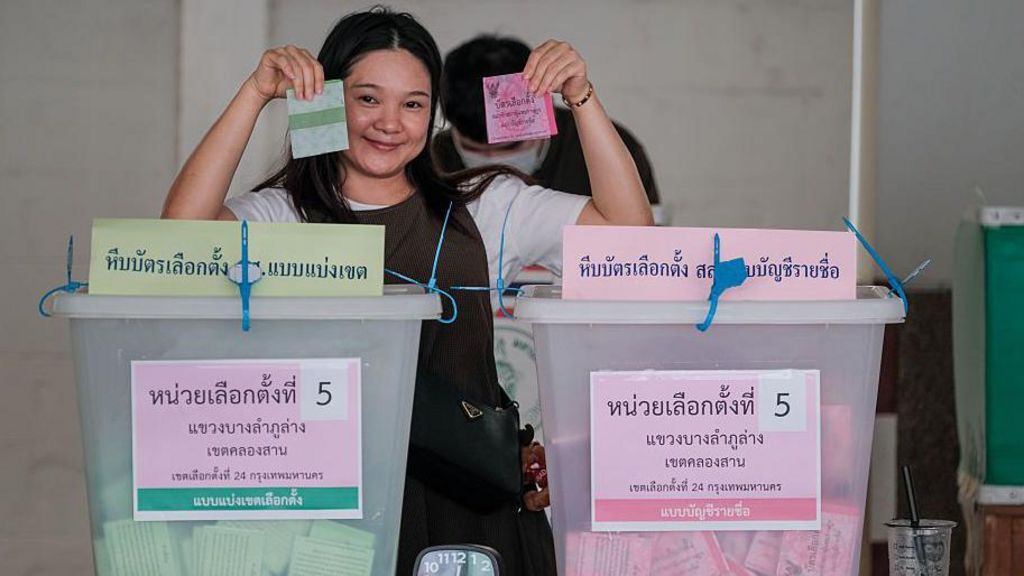
  • Polls close in Thailand election that pitted reformists against conservatives

    Polls close in Thailand election that pitted reformists against conservatives

    Thailand stands at a critical political juncture as citizens cast their ballots in a snap election triggered by the collapse of successive coalition governments. This marks the nation’s third premiership transition within as many years, reflecting profound political instability.

    The electoral landscape mirrors the 2023 contest, pitting progressive reformers from the People’s Party against the conservative establishment led by incumbent Prime Minister Anutin Charnavirakul. Despite previous electoral victories, reformist factions have faced systematic barriers including parliamentary blockades by military-appointed senators and constitutional court interventions that dissolved predecessor parties.

    Prime Minister Anutin has transformed his formerly regional Bhumjaithai (Thai Pride) party into the dominant conservative vehicle, leveraging patriotic sentiment following recent border conflicts with Cambodia. His platform emphasizes preservation of traditional institutions including the monarchy and military.

    Complicating the political calculus, the Shinawatra family’s Pheu Thai (For Thais) party—historically dominant through populist policies—faces diminished prospects following accusations of mishandling foreign relations and the imprisonment of patriarch Thaksin Shinawatra. Both major parties have deployed substantial subsidy promises and cash handout proposals to attract voters.

    Beyond the immediate electoral contest, citizens simultaneously participate in a constitutional referendum addressing the 2017 charter drafted under military rule. Critics argue this document excessively empowers non-elected entities, particularly the senate, thereby constraining democratic governance.

    The economic backdrop remains concerning, with political uncertainty and structural stagnation causing foreign investment hesitation and rising living costs. Voters express particular concern about Thailand’s competitive decline relative to regional neighbors like Vietnam.

    Despite leading pre-election polls, the People’s Party faces institutional hurdles even if achieving electoral success. Historical precedent shows two previous reformist iterations dissolved by judicial intervention, with leaders barred from political participation. Similar interventions have affected five Pheu Thai premiers since 2008.

    Election results expected by 22:00 local time (15:00 GMT) will likely produce no outright majority, setting the stage for continued political maneuvering and potential extra-electoral interventions that could determine Thailand’s governance direction for years to come.

  • UAE authorities warn of bank fraud, child exploitation through online games

    UAE authorities warn of bank fraud, child exploitation through online games

    United Arab Emirates law enforcement agencies have escalated warnings about sophisticated digital exploitation schemes targeting minors through online gaming platforms and social media. Recent court cases and police investigations reveal a disturbing pattern where criminals befriend children through interactive games, gradually gaining their trust before manipulating them into financial fraud and sexual exploitation.

    According to official investigations, perpetrators typically create fabricated online identities to establish rapport with young victims, eventually shifting conversations to private digital channels. Once trust is established, children are systematically manipulated into persuading parents to provide bank cards for in-game purchases. In numerous documented cases, minors were then coerced into photographing both sides of payment cards and sharing PIN numbers, enabling criminals to execute unauthorized transactions and substantial financial theft.

    This fraudulent methodology frequently coincides with other forms of online victimization including grooming practices and blackmail schemes. Abu Dhabi judicial authorities recently convicted eight individuals following comprehensive investigations that revealed systematic luring of children through social media platforms. The Abu Dhabi Criminal Court delivered severe penalties including extended prison terms, substantial financial fines, and confiscation of all electronic devices involved in the crimes.

    In parallel Dubai cases, courts convicted individuals for using Instagram accounts to solicit minors for inappropriate activities. One particularly concerning incident involved a Pakistani national who established online contact with a 14-year-old girl before persuading her to meet in person, demonstrating how digital interactions can rapidly escalate into physical danger.

    Legal expert Wael Obaid emphasized that UAE cybercrime legislation imposes stringent penalties for online exploitation of minors. The Federal Decree-Law on Combating Rumours and Cybercrimes mandates imprisonment and fines ranging from Dh250,000 to Dh500,000 for distributing pornographic material or content violating public morals through electronic means. Penalties intensify when crimes involve minors, carrying minimum one-year prison sentences and fines up to Dh500,000.

    Brigadier Omar Ahmed Abu Al Zoud highlighted that parental awareness constitutes the primary defense against digital exploitation. Lieutenant Colonel Ali Al Yamahi specifically noted the escalating trend of financial fraud through gaming platforms, urging parents to disable private chat features, monitor children’s digital activities, and immediately report suspicious behavior through official channels.

    Authorities recommend practical protective measures including refusing bank card access for in-game purchases, regularly reviewing privacy settings, establishing clear screen time rules, and educating children about never sharing financial information online. Early reporting mechanisms have been emphasized as critical for preventing financial losses and protecting children from extended exploitation.

  • France’s former culture minister resigns over Epstein-linked tax fraud probe

    France’s former culture minister resigns over Epstein-linked tax fraud probe

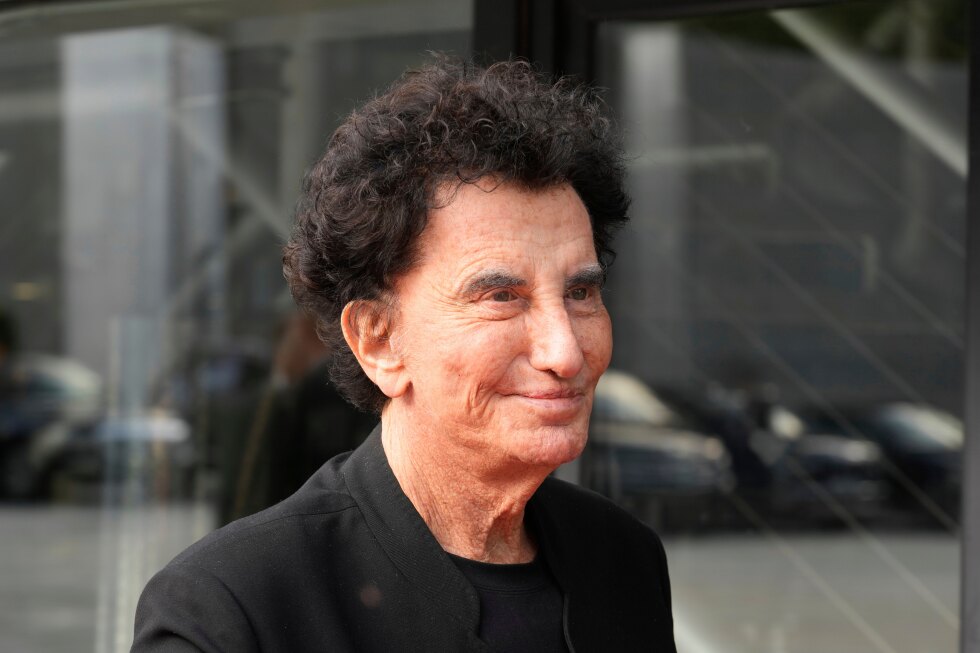
    PARIS — Jack Lang, France’s prominent former Culture Minister, has stepped down from his leadership role at the prestigious Arab World Institute following revelations of financial connections to the convicted sex offender Jeffrey Epstein. The resignation comes amid an ongoing tax fraud investigation involving Lang and his daughter, Caroline.

    The French Foreign Ministry, which oversees the cultural institution, confirmed Lang’s departure on Saturday evening. Lang was scheduled to meet with ministry officials on Sunday but preemptively submitted his resignation. The financial prosecutors’ office has initiated an investigation into alleged “aggravated tax fraud laundering” involving both Lang and his daughter.

    The scandal emerged following a Mediapart investigative report detailing financial and business relationships between the Lang family and Epstein through an offshore company based in the U.S. Virgin Islands. The connections span from 2012 to 2019, with Lang’s name appearing over 600 times in the recently released Epstein documents from the U.S. Department of Justice.

    Foreign Minister Jean-Noël Barrot has acknowledged the resignation and initiated the search for Lang’s successor. Lang, who served as Culture Minister under Socialist President François Mitterrand during the 1980s and 1990s, had led the Arab World Institute since 2013. His resignation marks the most significant French political fallout from the Epstein document release to date.

  • Nigeria’s president to make a state visit to the UK in March

    Nigeria’s president to make a state visit to the UK in March

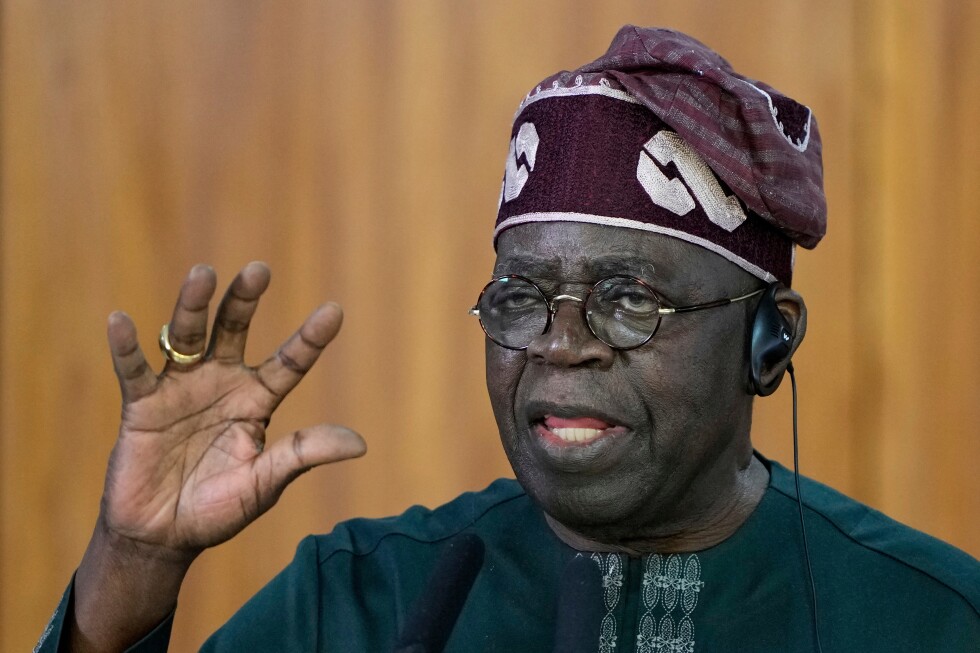
    Buckingham Palace announced on Sunday that Nigerian President Bola Tinubu will undertake an official state visit to the United Kingdom on March 18-19, 2025, marking the first such diplomatic engagement by a Nigerian head of state in nearly four decades. President Tinubu and First Lady Oluremi Tinubu will be formally hosted by King Charles III and Queen Camilla at Windsor Castle, with full itinerary details to be released subsequently.

    This visit represents a significant milestone in UK-Nigeria relations, as the last state visit by a Nigerian leader occurred in 1989. State visits typically feature ceremonial traditions including an official royal reception, carriage procession, and elaborate state banquet, symbolizing the highest level of diplomatic recognition.

    The upcoming engagement continues a longstanding relationship between the British monarchy and Nigeria, a Commonwealth member nation. King Charles has maintained consistent engagement with Nigeria, having visited four times between 1990 and 2018 during his tenure as Prince of Wales. Most recently, he received President Tinubu at Buckingham Palace in September 2024, establishing precedent for their upcoming Windsor Castle meeting.

    The visit places Nigeria among select nations honored with state visits during King Charles’s reign, following similar ceremonies for world leaders including U.S. President Donald Trump, French President Emmanuel Macron, and German President Frank-Walter Steinmeier in the past year.

  • Suspect in shooting of senior Russian general has been detained, Russia says

    Suspect in shooting of senior Russian general has been detained, Russia says

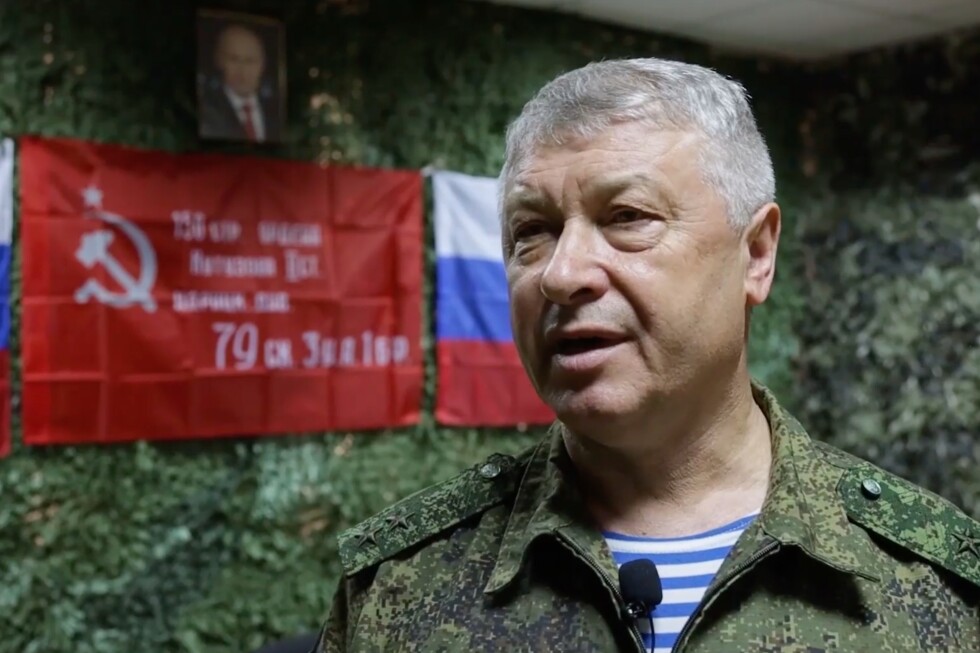
    Russian authorities have announced the detention of a suspect allegedly responsible for the shooting of Lieutenant General Vladimir Alekseyev, first deputy chief of Russia’s military intelligence agency (GRU). The Federal Security Service (FSB) identified the apprehended individual as Lyubomir Korba, a Russian citizen captured in Dubai and subsequently extradited to Moscow.

    The incident occurred Friday when an assailant shot General Alekseyev multiple times at an apartment complex in northwestern Moscow. The 64-year-old intelligence veteran, decorated as a Hero of Russia for his role in Syria operations, was hospitalized following the attack.

    FSB investigations have revealed two additional accomplices—one already detained in Moscow and another reportedly fled to Ukraine. Russian Foreign Minister Sergey Lavrov characterized the assault as a apparent ‘terrorist act’ orchestrated by Ukraine to undermine ongoing peace negotiations.

    This shooting follows a pattern of targeted attacks against Russian military leadership. Since the 2022 invasion of Ukraine, multiple high-ranking officers have been assassinated, including Lieutenant General Fanil Sarvarov (killed by car bomb in December), Lieutenant General Yaroslav Moskalik (car bomb assassination in April), and Lieutenant General Igor Kirillov (killed by explosive device in December 2024). Ukrainian intelligence has claimed responsibility for several of these operations.

    The timing is particularly significant as the attack occurred immediately following peace talks in Abu Dhabi involving Russian, Ukrainian, and U.S. negotiators. General Alekseyev’s superior, GRU chief Admiral Igor Kostyukov, led the Russian delegation in these discussions.

    Kyiv has not responded to Russia’s latest allegations regarding General Alekseyev’s shooting. President Zelenskyy previously acknowledged Ukraine’s ‘liquidation’ of top Russian military figures without specifying individual operations.

  • Italian police arrest protesters after clash in Olympic host city Milan

    Italian police arrest protesters after clash in Olympic host city Milan

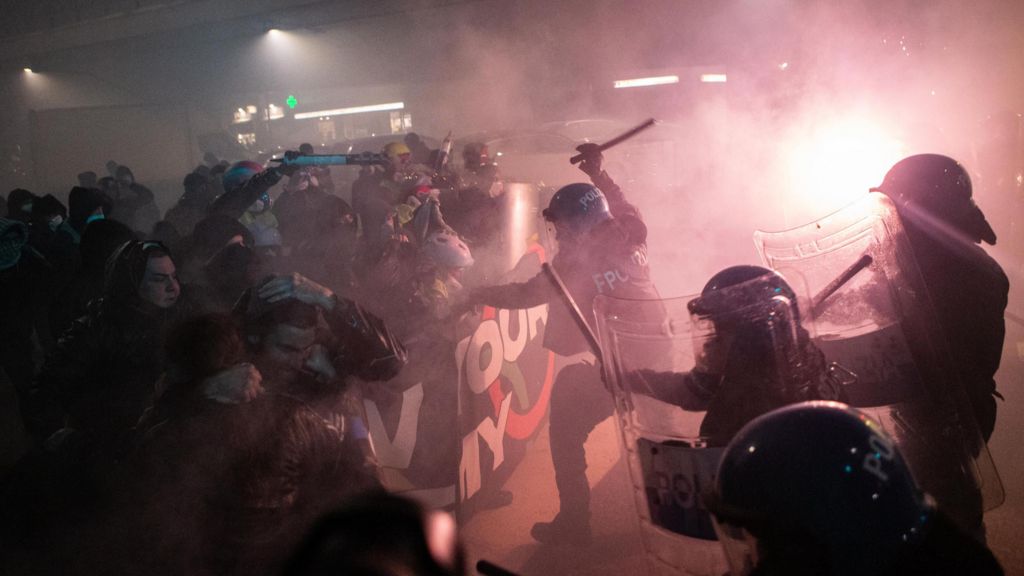
    Milan, one of the host cities for the Winter Olympic Games, witnessed violent confrontations between police and protesters on the competition’s opening day, resulting in six arrests. Thousands descended upon the northern Italian city on Saturday to demonstrate against various issues, primarily the soaring cost of living. The protest escalated as some individuals launched flares and hurled stones at law enforcement, who retaliated with water cannons.

    This unrest follows the Italian government’s swift implementation of stricter protest regulations. These measures were fast-tracked in response to a demonstration in Turin the previous weekend, which government figures indicate left over 100 police officers injured. In that incident, an officer was reportedly assaulted with a hammer—an act Prime Minister Giorgia Meloni condemned as attempted murder.

    Deputy Prime Minister Matteo Salvini denounced the Milan participants as ‘criminals,’ stating, ‘Just days after the shameful violence in Turin, more clashes, more attacks on law enforcement.’ He expressed pride in a new security package designed to enable ‘more effective interventions against thugs and criminals.’ This new legislation, enacted Thursday, permits police to detain individuals suspected of inciting unrest for up to 12 hours prior to scheduled demonstrations. While authorities hail it as necessary, critics have labeled the measure repressive.

    Simultaneously, officials are investigating acts of suspected sabotage on northern Italy’s critical railway network, which caused extensive delays. Services between Bologna and Venice were disrupted by a fire targeting rail infrastructure. Police discovered severed cables and a rudimentary explosive device near tracks. Bologna’s central station, a major national transport hub, was particularly affected. RFI, the national rail operator, confirmed services have since normalized. The Transport Ministry described these coordinated acts as ‘suspected sabotage,’ drawing parallels to vandalism encountered during the onset of the 2024 Paris Olympics.

    Despite the violence, the majority of protesters in Milan marched peacefully. Participants voiced objections to the Olympics themselves, with one protestor, Francesca Missana, telling AFP the Games were ‘no longer sustainable from an environmental or a social point of view.’ Organizer Alberto di Monte criticized the financial model, arguing that billions were spent on infrastructure like roads instead of mountain conservation, contradicting promises of a ‘sustainable and cost-neutral’ event.

    The Winter Olympics continue until February 22nd across multiple venues, including Milan, Cortina d’Ampezzo, and several Alpine resorts.

  • After Oman talks, Iran sees opening for diplomacy with US but rejects nuclear, missile curbs

    After Oman talks, Iran sees opening for diplomacy with US but rejects nuclear, missile curbs

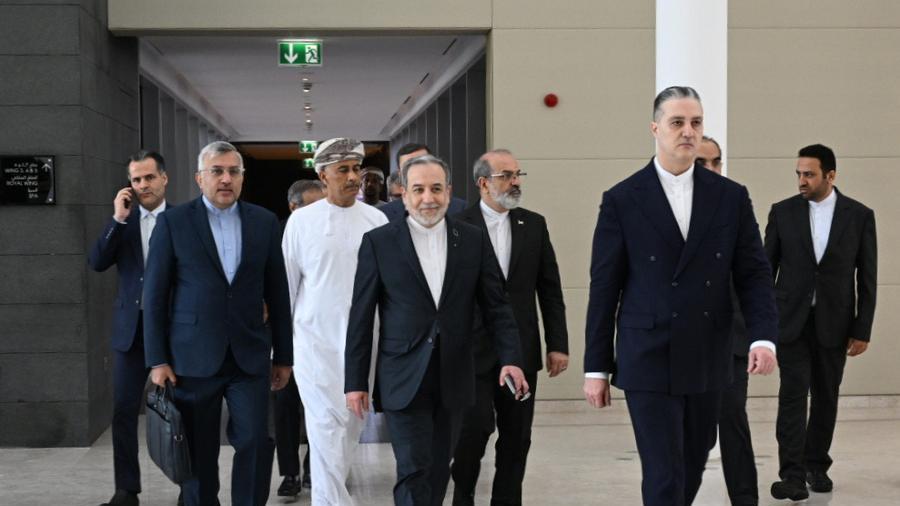
    Muscat has emerged as a critical diplomatic channel between longstanding adversaries Iran and the United States, following talks that revealed both potential openings for dialogue and significant obstacles to reconciliation. Iranian Foreign Minister Seyed Abbas Araghchi characterized the recent discussions in Oman as “a positive start” while emphasizing that rebuilding trust would require substantial time and effort.

    The negotiations, conducted through Omani mediators, nonetheless produced a notable moment of direct contact when members of both delegations briefly shook hands—a gesture Araghchi confirmed despite US reports of more extensive direct engagement. This symbolic interaction occurred between Araghchi and Steve Witkoff, President Trump’s special envoy, marking the highest-level contact between the two nations in recent years.

    However, Tehran immediately established clear red lines, declaring its nuclear enrichment program an “inalienable right” that remains non-negotiable. Araghchi explicitly rejected transferring uranium stocks abroad and dismissed US demands regarding Iran’s missile capabilities, stating defensive weapons are “never negotiable.” Instead, Iran proposed focusing on arrangements that would provide international reassurance while preserving its nuclear activities.

    Parallel to diplomatic efforts, both nations maintained military preparedness. Iran’s military chief of staff, Abdolrahim Mousavi, warned that any imposed conflict would rapidly spread throughout the Middle East, though he confirmed Iran would not initiate hostilities. Meanwhile, the US strengthened its regional military presence, creating a backdrop of heightened tension against which diplomacy unfolds.

    President Trump offered optimistic assessment from Air Force One, describing the talks as “very good” and suggesting Iran appeared eager to reach an agreement. He announced plans for subsequent meetings the following week, even as his administration signed an executive order threatening 25% tariffs on nations continuing trade with Iran.

    Regional responses reflected cautious support for the Omani mediation. Israel’s Prime Minister Benjamin Netanyahu prepared to visit Washington for consultations, maintaining that any agreement must address Iran’s missile program and support for militant groups. Saudi Arabia, Egypt, and the United Arab Emirates all welcomed the diplomatic initiative while emphasizing the need for comprehensive solutions that enhance regional security. Qatar, hosting Araghchi after the Oman talks, expressed hope for outcomes strengthening regional stability.

    The Muscat discussions represent the most significant diplomatic engagement between Washington and Tehran amid escalating tensions, with Oman continuing its traditional role as neutral mediator in Gulf conflicts.

  • Over 140m train tickets sold for Spring Festival travel rush

    Over 140m train tickets sold for Spring Festival travel rush

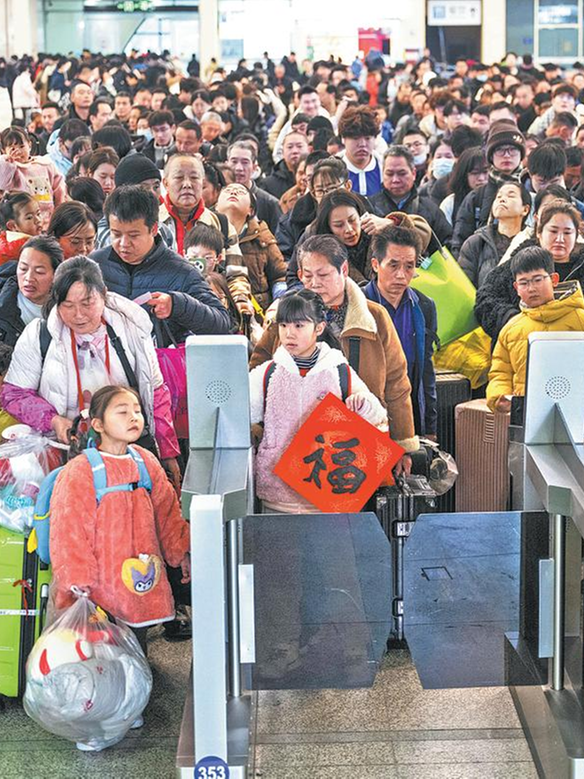
    China’s railway system is demonstrating unprecedented capacity during the annual Spring Festival travel period, with official data revealing extraordinary passenger volumes. The national 12306 ticketing platform has processed approximately 140 million train ticket sales as of Saturday morning, according to China State Railway Group Co Ltd.

    The massive migration phenomenon, known locally as ‘chunyun,’ continues to break records with the national railway network handling 12.845 million passenger journeys on Friday alone. This marks the fifth consecutive day that daily passenger trips have exceeded the 10 million threshold, highlighting the immense scale of holiday travel.

    Projections for Saturday indicate even higher numbers, with an estimated 13.8 million passenger trips anticipated nationwide. To accommodate this surge, railway authorities have deployed 1,249 additional trains strategically across the network. The comprehensive approach includes real-time monitoring of passenger flows through advanced big data analytics, allowing for dynamic adjustments to transportation capacity on high-demand routes.

    The current 40-day travel rush period is expected to witness a historic 9.5 billion inter-regional passenger trips throughout China. Railway services are projected to handle approximately 540 million of these journeys, representing a significant portion of the nation’s total holiday transportation burden. Service enhancements and capacity optimization measures have been implemented system-wide to ensure smooth and efficient travel experiences during this peak period.