博客

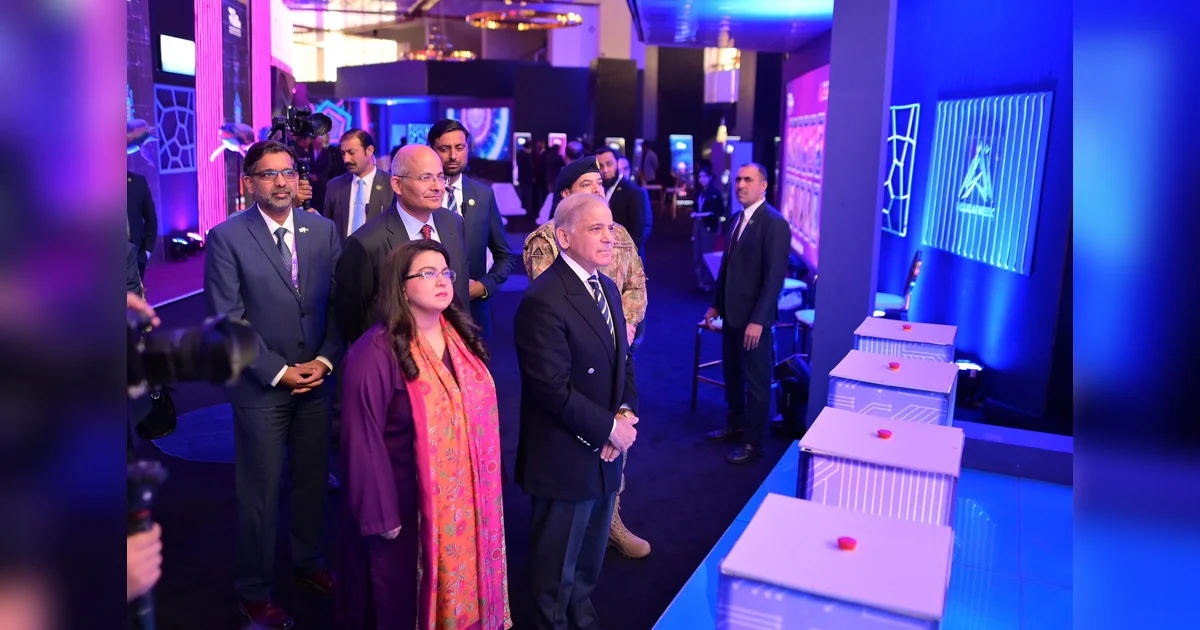
  • National AI adoption on display at Pakistan’s Indus AI Week 2026

    National AI adoption on display at Pakistan’s Indus AI Week 2026

    Pakistan has entered a new phase of technological advancement as it showcases tangible artificial intelligence implementations during Indus AI Week 2026, running from February 9-15. Organized under the Ministry of IT and Telecommunication, this national exhibition marks a significant transition from theoretical planning to practical AI deployment across critical sectors.

    The event represents Pakistan’s strategic positioning among nations progressing from policy formulation to actual implementation. Unlike conventional technology conferences that focus on future roadmaps, Indus AI Week emphasizes demonstrated operational capabilities in public services, education, industrial applications, and digital economy infrastructure.

    This milestone follows the 2025 approval of Pakistan’s National Artificial Intelligence Policy, which treats AI as fundamental infrastructure rather than merely a technological tool. The policy’s implementation is intrinsically linked to skills development, public sector modernization, and enhanced export competitiveness.

    Governance frameworks remain paramount as AI systems integrate into sensitive areas including judiciary and educational institutions. Sector-specific ethical guidelines and regulatory structures are being developed concurrently to ensure transparency and accountability.

    Infrastructure preparedness forms another critical pillar, with AI initiatives aligned with broader digital transformation efforts. These include cloud policy execution, data center modernization, and dedicated energy allocation for compute-intensive industries.

    Human capital development receives substantial emphasis through applied AI training programs for both public and private sectors. These initiatives aim to seamlessly integrate AI tools into daily operations and service delivery mechanisms.

    The event features live demonstrations of government AI platforms showcasing practical applications in healthcare, education, agriculture, and industrial automation. Supporting organizations like the Pakistan Software Export Board are connecting capability development with export readiness.

    Pakistan’s relatively limited legacy systems present an unexpected advantage, allowing more flexible integration of AI into emerging digital platforms rather than costly retrofitting of outdated infrastructure.

    Officials acknowledge ongoing challenges regarding workforce preparedness, ethical considerations, and digital inclusion. The national approach prioritizes phased implementation with measurable outcomes rather than rapid, uncontrolled expansion.

    The initiative holds particular relevance for regional partners, especially Gulf nations increasing investments in AI and digital transformation. Pakistan’s combination of workforce scale and expanding digital infrastructure positions it as a potential supplier of AI skills and services to neighboring markets.

  • UAE council flags mass student absences before public holidays; new policies tackle issue

    UAE council flags mass student absences before public holidays; new policies tackle issue

    The United Arab Emirates has launched a comprehensive crackdown on student absenteeism, particularly targeting the widespread practice of skipping school on Fridays and days preceding public holidays. The issue gained national attention during a Federal National Council session where Dr. Moza Al Shehhi raised concerns about the detrimental impact of these ‘mass absences’ on educational standards and social values.

    Education Minister Sarah Al Amiri presented compelling data demonstrating significant improvements since implementing new measures. Overall attendance during the first term reached 94.7%, with 86% of students achieving perfect attendance—a remarkable increase from the previous 3.8% rate.

    The ministry’s multi-faceted approach includes Ministerial Resolution No.79 of 2025, which standardizes attendance tracking and strengthens disciplinary procedures. A key deterrent involves counting absences on Fridays and pre-holiday periods as double infractions. The policy establishes a 15-day annual limit for unjustified absences, with consequences including withheld report cards and mandatory parental written commitments.

    Enhanced technological solutions feature prominently in the new system, with electronic monitoring and instant parent notifications ensuring real-time accountability. Chronic absence cases now receive individualized assessment and may be referred to child protection authorities when necessary.

    FNC Speaker Saqr Ghobash emphasized shared responsibility, stating that while ministerial efforts are commendable, parental involvement remains crucial. He invoked traditional practices where students required parental accompaniment to return after absences, highlighting the cultural dimension of attendance accountability.

    The comprehensive reforms represent part of broader initiatives to elevate educational quality and institutional responsibility throughout the UAE’s school system, with continued field monitoring and policy refinement planned to sustain progress.

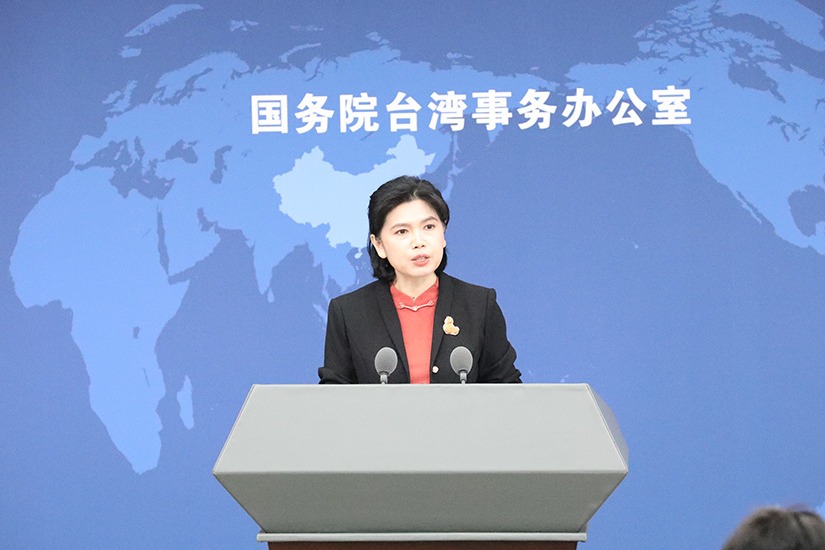
  • China urges Lithuania to adhere to one-China principle and align with “right side of history”

    China urges Lithuania to adhere to one-China principle and align with “right side of history”

    In a firm diplomatic stance, China has called upon Lithuania to promptly rectify its position on Taiwan and align with the “right side of history,” reinforcing the one-China principle as an fundamental tenet of international relations. The appeal was formally issued by Zhu Fenglian, spokesperson for China’s State Council Taiwan Affairs Office, during a regular press briefing in Beijing on Wednesday.

    Zhu emphasized that the one-China principle represents both a broad international consensus and a foundational norm governing global diplomacy, reflecting the collective will of people worldwide. Her statements came in direct response to recent remarks by Lithuanian Prime Minister Inga Ruginiene, who characterized her country’s 2021 decision to permit Taiwan to establish a representative office in Vilnius as a strategic miscalculation.

    The Lithuanian leader had previously acknowledged the diplomatic misstep, stating that her nation had essentially “jumped in front of a train and lost” through the controversial move. This admission has opened new possibilities for bilateral dialogue between the two countries.

    In a complementary development, China’s Foreign Ministry expressed openness to renewed discussions with Lithuanian officials on Friday, while simultaneously urging Vilnius to translate its stated willingness to improve relations into tangible actions and policy adjustments. The coordinated messaging from multiple Chinese government departments underscores the consistency and seriousness of Beijing’s position on matters of territorial integrity and diplomatic protocol.

  • James Cameron in Dubai: Here’s how you can meet the ‘Avatar’ director

    James Cameron in Dubai: Here’s how you can meet the ‘Avatar’ director

    Dubai is set to host one of the world’s most prestigious intellectual gatherings as Academy Award-winning director James Cameron headlines the Megacampus Summit 2026 at Coca-Cola Arena on March 6-7. The visionary filmmaker behind global blockbusters including ‘Avatar,’ ‘Titanic,’ and ‘The Terminator’ will join an extraordinary roster of international thought leaders for this Guinness World Records-certified event, recognized as the planet’s largest lecture series.

    The summit, anticipated to draw 13,000 global attendees, serves as a convergence point for pioneering minds across multiple disciplines. Cameron—renowned not only for his cinematic achievements but also as an explorer and CEO of Lightstorm Entertainment—will share the platform with Norwegian chess grandmaster Magnus Carlsen, widely considered the greatest player in the sport’s history; bestselling author Robert Greene (‘The 48 Laws of Power’); extreme athlete Wim Hof, creator of the acclaimed Wim Hof Method; and HR visionary Dave Ulrich, author of over 30 transformative books.

    This exclusive event, restricted to participants aged 16 and above, promises two days of intensive dialogue on progress, innovation, and future-shaping ideas. With early bird tickets starting at Dh220 and premium packages reaching Dh66,105, the summit offers unprecedented access to Nobel laureates, industry disruptors, and creative pioneers. Organizers indicate additional world-renowned speakers will be announced in coming months, further elevating the event’s status as a crucible of global innovation and cross-disciplinary collaboration.

  • Research finds interaction with father, not mother, affects child health

    Research finds interaction with father, not mother, affects child health

    A groundbreaking longitudinal study conducted by Pennsylvania State University researchers has revealed a surprising correlation between paternal parenting behaviors during infancy and children’s long-term cardiovascular health. Published in Health Psychology, the research followed 292 families over seven years, examining three-way interactions among infants, fathers, and mothers at multiple developmental stages.

    The investigation demonstrated that fathers who displayed less attentiveness toward their 10-month-old infants frequently encountered difficulties in cooperative parenting arrangements. These fathers typically exhibited either competitive behaviors with mothers for children’s attention or complete emotional withdrawal from family dynamics. Most significantly, children of these fathers displayed measurable biomarkers of compromised health at age seven, including elevated inflammatory markers and increased blood glucose levels.

    Remarkably, the study found no comparable correlation between maternal parenting behaviors and children’s physiological health outcomes. Dr. Alp Aytuglu, postdoctoral scholar at Penn State’s College of Health and Human Development and study co-author, expressed surprise at these findings: “We naturally anticipated that both parental figures would influence child development, but the data consistently pointed toward paternal behaviors as the determining factor.”

    The research team proposes the “father vulnerability hypothesis” to explain these results, suggesting that fathers demonstrate particular emotional sensitivity to relational stress within the family unit. This heightened reactivity may subsequently influence overall family dynamics and ultimately affect children’s physiological wellbeing. Alternatively, researchers speculate that children’s heightened sensitivity to paternal behavior in group settings might stem from typically spending more one-on-one time with mothers, making father-child interactions in family contexts particularly impactful.

    Independent experts caution that while the findings are compelling, the correlational nature of the study prevents definitive causal conclusions. The relatively homogeneous demographic composition of the study participants—predominantly white, middle-class, two-parent families—also limits immediate generalizability to more diverse populations. Nevertheless, the research represents a significant advancement in understanding how early family dynamics can influence long-term health outcomes, challenging historical assumptions that primarily emphasized maternal influence on child development.

  • UAE minister announces school bus trips now capped at 45–60 minutes

    UAE minister announces school bus trips now capped at 45–60 minutes

    The United Arab Emirates has implemented stringent new regulations limiting school bus journey durations nationwide. Education Minister Sarah Al Amiri announced definitive caps of 45 minutes for kindergarten students and 60 minutes for all other pupils during a Federal National Council session on Tuesday.

    The policy change follows mounting concerns raised by parents and council members regarding excessive travel times affecting student welfare. FNC member Naama Abdullah Al Sharhan brought attention to cases where students endured two hours or more on daily commutes, prompting ministerial intervention.

    Minister Al Amiri revealed compelling compliance data, indicating that 98.5% of school transport services adhered to these time limits during the first academic term. This represents a substantial improvement from previous years, with the education system achieving a 50% reduction in average journey times across the board.

    The minister clarified that while her ministry maintains no official records of routes exceeding two hours, the new caps establish clear operational parameters. Exceptions may occur during unforeseen circumstances such as traffic incidents or severe weather conditions, though these remain rare occurrences.

    Operational challenges were acknowledged, particularly late student registrations that disrupt careful route planning. To address systemic issues, the ministry has established a dedicated transport quality unit within its organizational structure. This specialized team conducts regular route reviews and monitors daily operations to ensure compliance and address complaints.

    The developments reflect growing emphasis on student welfare within UAE education policy, with transportation efficiency becoming an increasingly prominent aspect of educational quality discussions.

  • Spring Festival Adventures: Visiting dad on duty

    Spring Festival Adventures: Visiting dad on duty

    China Daily Information Co (CDIC) asserts full copyright protection over all content published on its platform. This comprehensive protection extends to textual materials, photographic images, multimedia information, and all other published elements. The company explicitly prohibits any republication or utilization of this content in any form without obtaining prior written authorization from CDIC. The publication operates under formal registration number 130349 and maintains multimedia online publishing license 0108263. The platform recommends optimal viewing with browsers set to 1024*768 resolution or higher. Additionally, the website provides information regarding corporate background, advertising opportunities, contact details, and employment prospects including expatriate positions. The organization also maintains an active presence across various social media channels for audience engagement.

  • In photos: Sachin Tendulkar meets Narendra Modi, Rahul Gandhi to invite them to son’s wedding

    In photos: Sachin Tendulkar meets Narendra Modi, Rahul Gandhi to invite them to son’s wedding

    Indian cricket icon Sachin Tendulkar has personally extended invitations to the nation’s top political leadership for his son Arjun’s upcoming wedding ceremony. The legendary batsman was photographed meeting with Prime Minister Narendra Modi and opposition leader Rahul Gandhi in New Delhi on Wednesday, February 11th, 2026.

    The meetings, which occurred separately, showcased the unique position sports icons hold in transcending political divisions in Indian society. Tendulkar, revered as the ‘God of Cricket’ by millions of fans, presented formal wedding invitations to both leaders in what observers describe as a display of traditional courtesy and respect.

    This cross-political outreach has generated significant public interest, particularly given Tendulkar’s own decorated parliamentary career as a nominated member of the Rajya Sabha from 2012 to 2018. The cricket maestro’s approach demonstrates the continuing tradition of prominent public figures maintaining cordial relationships across the political spectrum during family celebrations.

    The wedding of Arjun Tendulkar, himself an emerging cricketer who has represented Mumbai in domestic cricket and the Mumbai Indians in the Indian Premier League, is anticipated to be one of the most notable social events of the year. While specific details about the ceremony remain private, the involvement of high-profile political figures indicates the significance of the occasion within India’s cultural landscape.

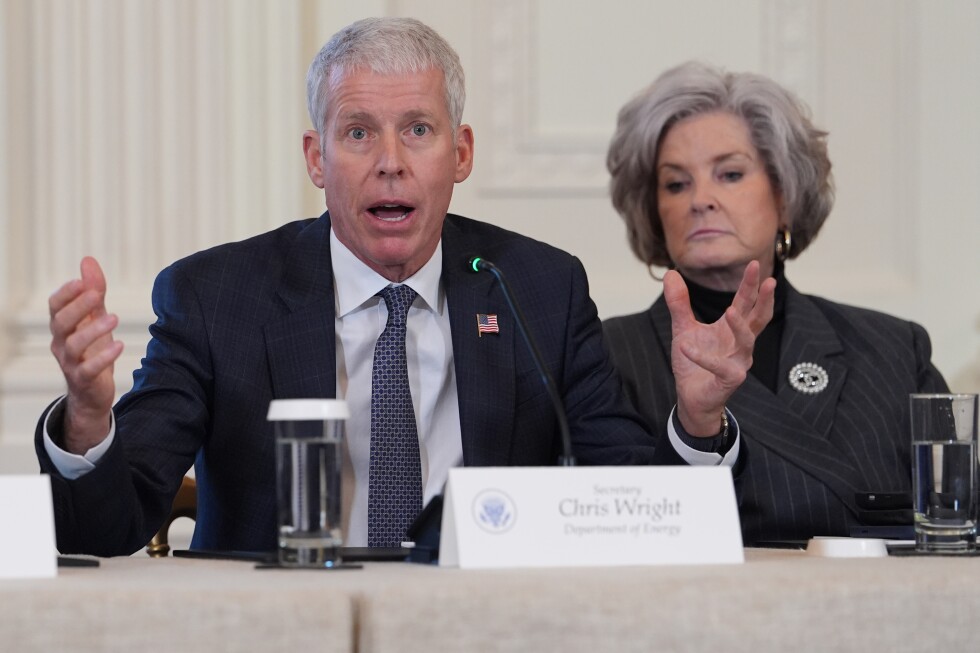
  • US Energy Secretary Chris Wright visits Venezuela to assess oil industry overhaul

    US Energy Secretary Chris Wright visits Venezuela to assess oil industry overhaul

    CARACAS, Venezuela — U.S. Energy Secretary Chris Wright arrived in Venezuela on Wednesday to conduct an on-the-ground evaluation of the country’s deteriorating oil infrastructure, signaling Washington’s deepening involvement in revitalizing the nation’s most critical economic sector. This high-level visit occurs amid the Trump administration’s ongoing suspension of sanctions designed to permit international energy corporations to resume operations in Venezuela. The diplomatic mission follows last month’s landmark legislative changes in Venezuela that effectively ended the state-owned PDVSA’s two-decade monopoly over oil production and sales. The new energy law permits private companies to control production, manage sales, and participate in independent arbitration processes—a significant departure from the socialist policies that have governed Venezuela’s oil industry since the early 2000s. Secretary Wright is scheduled to meet with acting President Delcy Rodríguez, who assumed office following the controversial military operation that resulted in the removal of former President Nicolás Maduro. Rodríguez personally championed the energy sector reforms after President Trump pledged American assistance in managing Venezuela’s oil exports and attracting foreign investment. The Venezuelan government anticipates these legal safeguards will reassure hesitant U.S. oil giants concerned about political instability and historical expropriation risks.

  • Thai police arrest gunman after two injured in school siege

    Thai police arrest gunman after two injured in school siege

    Thai authorities have successfully resolved a dangerous hostage situation at Phatong Prathan Keeriwat School following a two-hour standoff with an armed teenager. The incident unfolded on Wednesday afternoon when an 18-year-old male suspect entered the educational facility near Hat Yai city and commenced shooting, wounding at least two individuals before taking teachers and students hostage.

    According to official reports, the violence erupted shortly before 5:00 PM local time when the assailant forced his way into the school premises. The institution’s principal sustained gunshot injuries and was among those transported to medical facilities for emergency treatment. A female student was also shot during the confrontation, while another pupil suffered injuries after leaping from the building in a state of panic-induced desperation.

    Specialized police units immediately cordoned off the area and initiated crisis negotiation protocols. After prolonged discussions with law enforcement officials, the teenage suspect ultimately surrendered without further violence and was taken into custody. Multiple ambulances were dispatched to the scene and evacuated those affected once the situation was secured.

    While investigative authorities have not yet determined the precise motivation behind the attack, preliminary media reports indicate the perpetrator might have harbored personal grievances against a specific teacher at the institution.

    This distressing event highlights Thailand’s persistent challenges with firearm-related violence, where both legal and illegal gun possession remains prevalent nationwide. The Southeast Asian nation has witnessed several devastating shooting incidents in recent years, including last year’s food market tragedy in Bangkok that claimed five lives, a 2023 shopping mall shooting by a 14-year-old that resulted in two fatalities and five injuries, and the horrific 2022 kindergarten massacre in northeastern Thailand where a former police officer killed 36 people, predominantly young children.