博客

  • Gallop into Chinese New Year in Yantai

    Gallop into Chinese New Year in Yantai

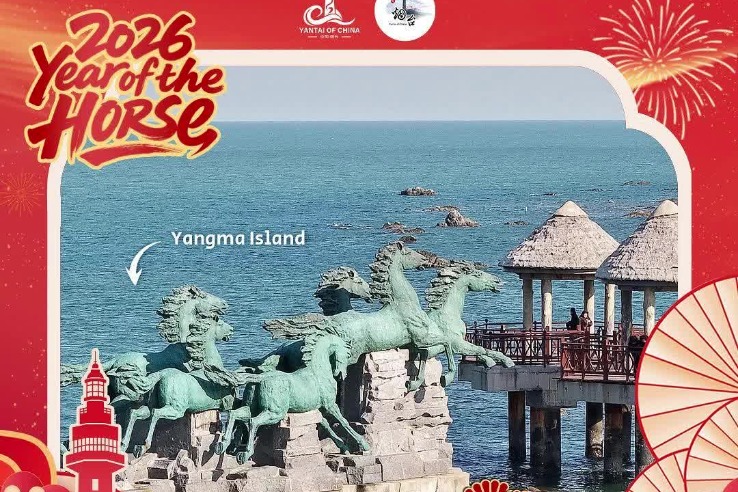
    As the Year of the Horse commenced, the coastal city of Yantai in Shandong province extended a unique invitation to experience Chinese New Year through its rich cultural tapestry. The city’s celebrations showcase an extraordinary blend of traditional craftsmanship and coastal charm, offering visitors an immersive journey into China’s cultural heritage.

    Yantai’s festivities feature meticulously preserved handicrafts that have been passed down through generations, alongside vibrant folk art performances that capture the spirit of the lunar new year. The city’s picturesque coastal location adds a distinctive maritime dimension to the traditional celebrations, creating a unique fusion of land and sea cultural elements.

    The local tourism authorities have curated special experiences allowing visitors to engage with time-honored traditions while enjoying the natural beauty of this eastern Chinese coastal destination. The celebration theme incorporates horse symbolism throughout its events, drawing on the animal’s cultural significance in Chinese mythology as a bearer of good fortune, strength, and perseverance.

    This cultural showcase forms part of Yantai’s broader initiative to preserve intangible cultural heritage while promoting sustainable tourism development. The city’s approach demonstrates how traditional celebrations can evolve while maintaining their authentic cultural core, offering both domestic and international visitors a genuine experience of Chinese New Year traditions within a contemporary coastal setting.
  • Rain ends Ireland & Australia’s T20 World Cup hopes

    Rain ends Ireland & Australia’s T20 World Cup hopes

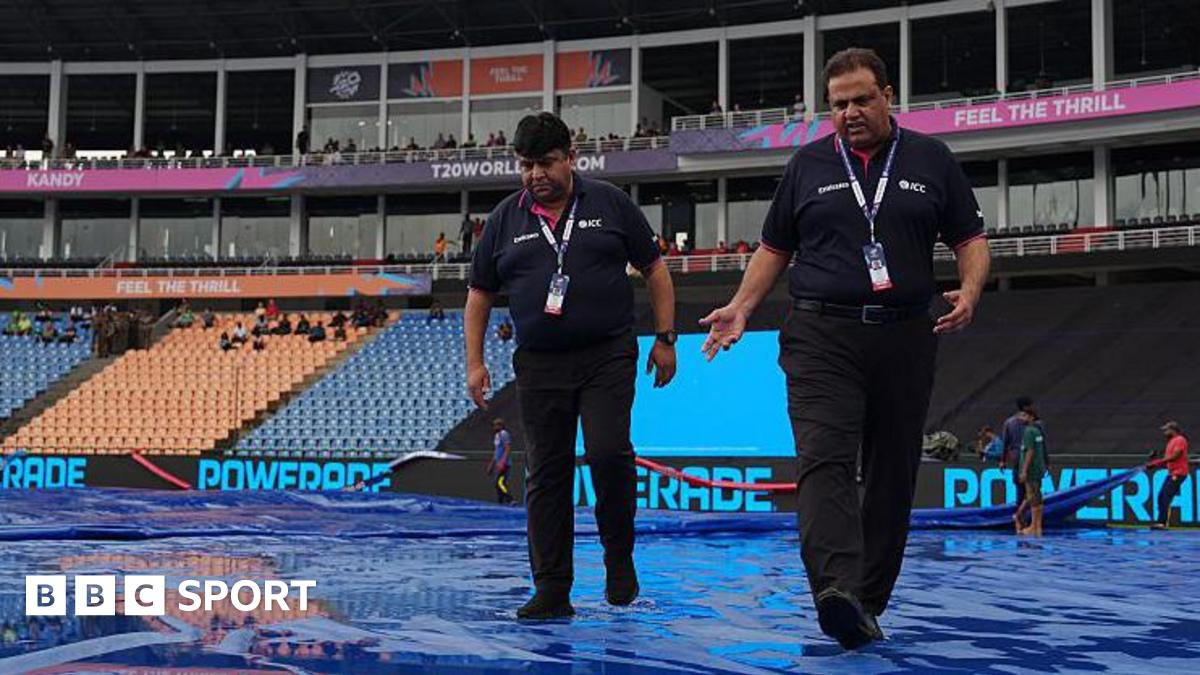
    Persistent rainfall at Pallekele Cricket Stadium in Kandy delivered a crushing, weather-induced verdict on the T20 World Cup fates of Ireland and Australia on Tuesday. The highly anticipated Group B clash between Ireland and Zimbabwe was abandoned without a ball bowled, resulting in both teams sharing a single point. This outcome proved decisive, catapulting Zimbabwe into the Super 8s phase while simultaneously ending the campaigns of both Ireland and the reigning champions, Australia.

    The dramatic twist caps a rollercoaster series of events in the group. Zimbabwe’s stunning victory over Australia had set the stage for this finale, requiring just a single point from this match to advance. Ireland, in contrast, faced a must-win scenario to keep their own hopes alive. Australia, reeling from an eight-wicket defeat to Sri Lanka just a day earlier, found themselves in the unusual position of relying on an Irish victory to remain in contention for the next round.

    With the abandonment, Zimbabwe finishes with five points. Ireland’s campaign concludes with three points from their four completed matches. Australia, now mathematically eliminated, sits on two points with one inconsequential game remaining against Oman on Friday.

    Ireland’s stand-in captain, Lorcan Tucker, expressed profound disappointment. “It’s very disappointing to go out in this fashion but it’s completely uncontrollable,” he stated, reflecting on a tournament that saw his team build momentum too late. Tucker pinpointed a missed opportunity in their opening loss to Sri Lanka and emphasized the valuable experience gained by his squad, many of whom were competing in their first World Cup. “It’s really competitive and shows the pressure elite cricketers are under… We hope to have big moments in the next couple of years and prepare well for the next tournament,” he added.

    The focus now shifts to Colombo, where Zimbabwe will face Sri Lanka on Thursday to determine the Group B winner, though both teams have already secured their progression to the Super 8s.

  • China unfazed as US rallies global critical minerals bloc

    China unfazed as US rallies global critical minerals bloc

    The United States is spearheading an ambitious international initiative to establish a 55-country critical minerals alliance, aiming to coordinate global supply chains and pricing mechanisms for metals essential to technology and defense sectors. This strategic move, championed by the Trump administration, seeks to diminish Western reliance on Chinese-dominated supply networks while addressing perceived vulnerabilities in national security frameworks.

    During his address at the Munich Security Conference on February 14, US Secretary of State Marco Rubio articulated a compelling vision for allied cooperation in securing rare earths and strategic minerals. He criticized post-Cold War economic policies that led to what he termed a “dangerous delusion” of inevitable global liberalization, arguing that unfettered trade practices enabled certain nations to undermine Western industries through subsidized competition.

    “We embraced what was new and glamorous while outsourcing what seemed old and unfashionable,” Rubio stated, emphasizing how this approach resulted in deindustrialization, job losses, and transfer of critical supply chain control to geopolitical rivals.

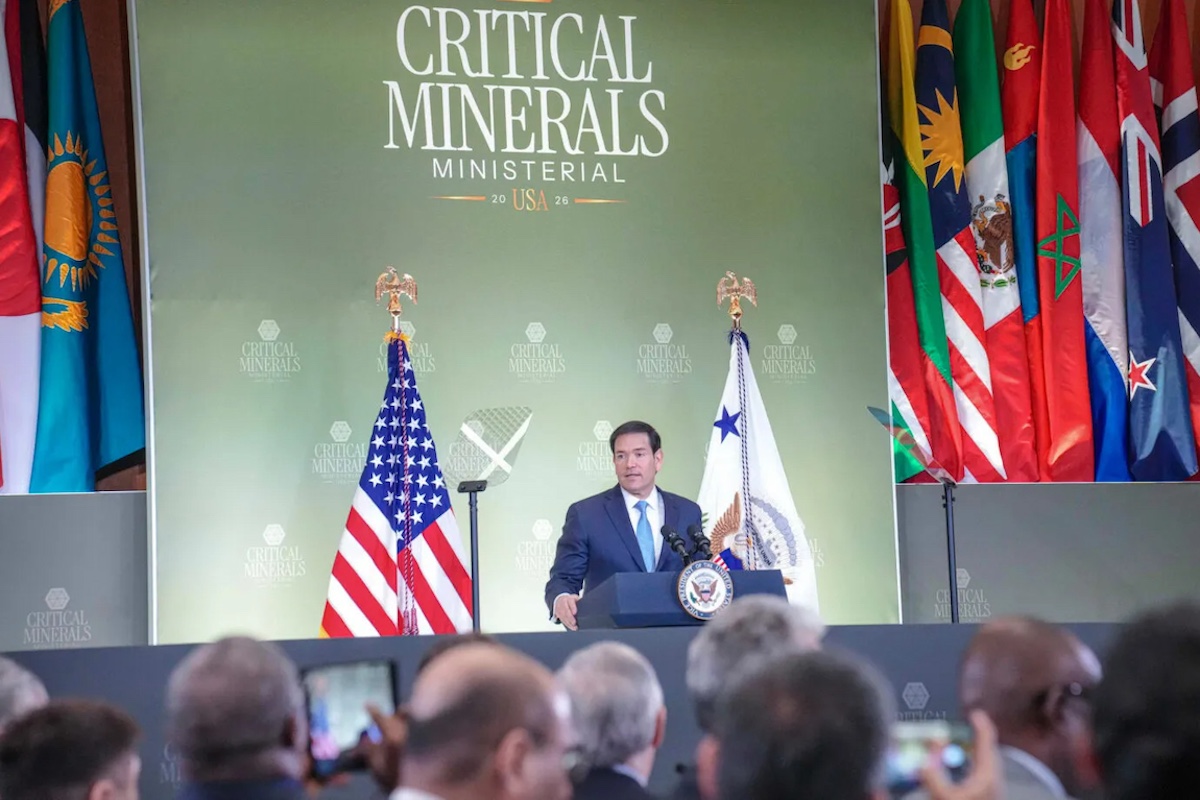
    The administration’s concrete actions include the February 4 Critical Minerals Ministerial conference, where representatives from 54 countries and the European Commission convened in Washington. This gathering culminated in new bilateral frameworks, memorandums of understanding, and the launch of FORGE (Forum on Resource Geostrategic Engagement)—a coordination platform for allied policy and investment.

    President Trump subsequently announced Project Vault, an EXIM Bank-led initiative backed by a $10 billion direct loan to establish domestic mineral reserves and shield manufacturers from supply disruptions.

    China, controlling approximately 60% of global niche metals production and over 90% of processing capacity, responded with measured confidence. Foreign Ministry spokesperson Lin Jian advocated for “an open, inclusive international trade environment beneficial to all,” opposing exclusive blocs that disrupt global economic order.

    Chinese analysts highlight structural advantages that may impede US efforts: China’s dominance in complex separation technologies, possession of nearly half the world’s rare-earth patents, and deeply integrated manufacturing ecosystems. Market realities suggest many alliance participants, including Argentina and South Korea, appear reluctant to fully sacrifice Chinese market access despite political alignment with US initiatives.

    Industry experts estimate achieving supply chain independence would require Western nations to overcome significant technological and economic hurdles spanning 10-20 years of development.

  • PLA conducts combat readiness patrols in South China Sea

    PLA conducts combat readiness patrols in South China Sea

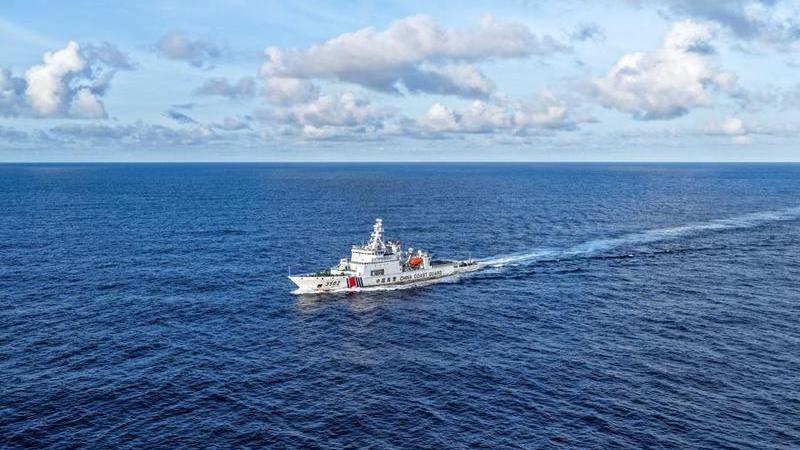
    The Chinese People’s Liberation Army Southern Theater Command has executed comprehensive combat readiness patrols in the South China Sea, demonstrating heightened military preparedness in the strategically vital waterway. The operations, conducted from Sunday through Monday, involved coordinated naval and air force deployments across the maritime region.

    Military spokesperson Zhai Shichen addressed the escalating regional dynamics, stating that recent Philippine collaborations with external nations have precipitated the need for enhanced defensive measures. “The Philippines’ coordination with extra-regional powers to conduct so-called ‘joint patrols’ has substantially destabilized the South China Sea’s security environment,” Zhai stated during Tuesday’s briefing.

    The theater command’s announcement emphasized China’s unwavering commitment to protecting territorial integrity and maritime interests through these proactive defense initiatives. Military authorities affirmed their continued vigilance in maintaining regional stability while safeguarding national sovereignty according to established international norms and domestic legal frameworks.

    The patrols represent the latest development in ongoing regional security discussions, occurring amid complex geopolitical negotiations concerning maritime boundaries and navigation rights. China maintains that these operations constitute legitimate exercises of national defense prerogatives within internationally recognized frameworks.

  • Third round of Russia-Ukraine talks starts in Geneva as strikes continue

    Third round of Russia-Ukraine talks starts in Geneva as strikes continue

    Diplomatic efforts to resolve the ongoing conflict between Russia and Ukraine resumed in Geneva this week, with delegations from both nations convening for U.S.-brokered negotiations. The talks, occurring just one week before the fourth anniversary of Russia’s full-scale invasion, proceed under a cloud of skepticism as Moscow maintains its uncompromising territorial demands.

    The negotiations, mediated by Special Envoy Steve Witkoff and Senior Advisor Jared Kushner, bring together Ukraine’s National Security Council Secretary Rustem Uierov and Presidential Chief of Staff Kyrylo Budanov facing Russia’s delegation led by Presidential Aide Vladimir Medinsky and military intelligence representatives.

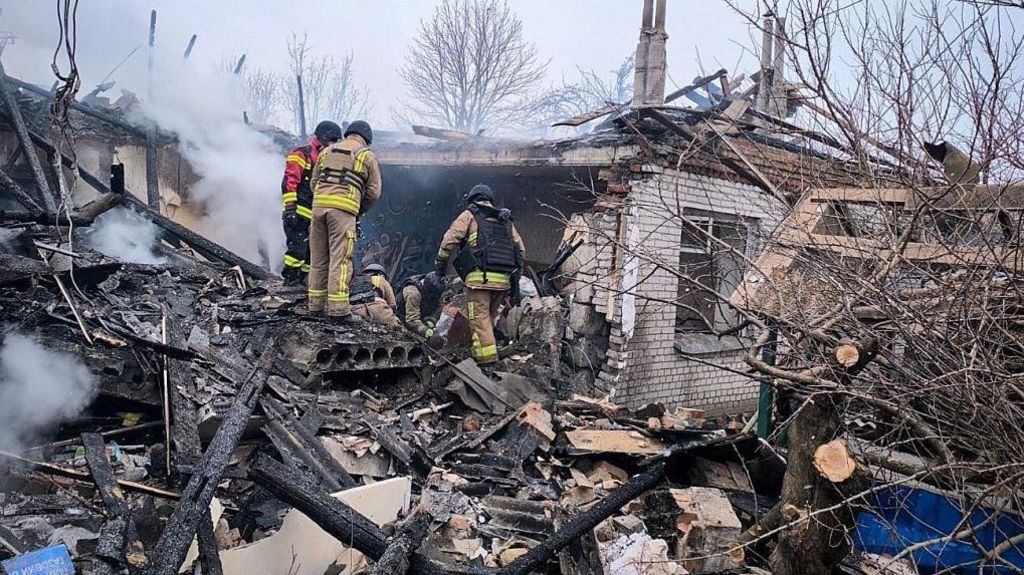
    Despite the diplomatic engagement, military actions intensified dramatically hours before the Geneva meeting. Russian forces launched a massive combined aerial assault targeting 12 Ukrainian regions with approximately 400 drones and nearly 30 missiles. The attacks resulted in at least three fatalities and multiple injuries, including children, while causing extensive damage to residential buildings and critical infrastructure.

    Ukrainian officials reported particularly severe consequences for the country’s already compromised energy grid. DTEK, Ukraine’s largest private energy firm, described the damage to power infrastructure in the southern port city of Odesa as “incredibly serious,” warning of prolonged restoration efforts. Deputy Energy Minister Artem Nekrasov confirmed three energy workers were killed near the frontline city of Slovyansk during overnight attacks.

    President Volodymyr Zelensky emphasized that “Russia must be held to account for its aggression,” asserting that any meaningful peace must address “the sole source of this aggression.” Ukrainian Foreign Minister Andrii Sybiha characterized the timing of the attacks as demonstrating Russia’s disregard for genuine peace efforts.

    Meanwhile, Russia claimed its air defenses intercepted over 150 drones, and reported that an oil refinery in the Krasnodar region caught fire following Ukrainian drone strikes. The border region of Belgorod also sustained significant power infrastructure damage from Ukrainian attacks.

    Kremlin spokesman Dmitry Peskov tempered expectations for immediate breakthroughs, indicating discussions would continue through Wednesday. The current talks follow trilateral negotiations in Abu Dhabi last month, which marked the first three-way discussions since the invasion began but yielded no substantial progress beyond subsequent prisoner exchanges.

    The conflict continues with Russia occupying approximately 20% of Ukrainian territory, including significant portions of the Donbas region. While Moscow demands control of remaining Donbas territories, Kyiv insists on robust Western security guarantees before considering any settlement.

  • Shein faces EU investigation over illegal products and addictive design features

    Shein faces EU investigation over illegal products and addictive design features

    The European Commission has initiated formal proceedings against fast-fashion retailer Shein under the Digital Services Act (DSA), marking a significant escalation in regulatory scrutiny of the online marketplace. European regulators are examining whether the platform has adequately prevented the sale of unlawful merchandise and protected consumers from potentially addictive interface designs.

    This investigation follows previous enforcement actions in France, where authorities discovered prohibited items including firearms, knives, machetes, and child-like sex dolls available through Shein’s platform. Although French attempts to restrict access to the website were previously blocked by judicial authorities, the matter has now been elevated to EU-level scrutiny.

    The probe will specifically assess Shein’s compliance mechanisms regarding three critical areas: prevention of illegal product sales, mitigation of addictive platform features that employ reward systems for user engagement, and transparency of algorithmic recommendation systems that suggest products to consumers without adequate explanation.

    Shein faces potential substantial financial penalties or mandatory operational modifications should the investigation conclude with a non-compliance determination. The company has publicly committed to cooperating with regulators, emphasizing substantial investments in DSA compliance measures including enhanced youth protection protocols and comprehensive risk assessment frameworks.

  • India seizes three Iran-linked US-sanctioned tankers, source says

    India seizes three Iran-linked US-sanctioned tankers, source says

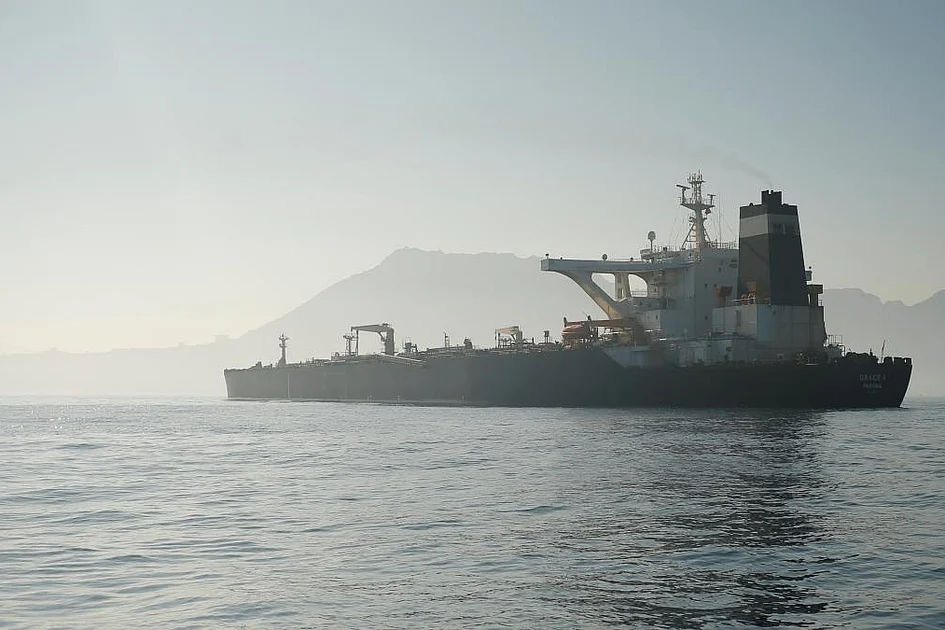
    In a significant maritime enforcement operation, Indian authorities have confiscated three oil tankers with connections to Iran that were under U.S. sanctions. The seizures occurred this month as part of New Delhi’s intensified surveillance campaign to combat illicit trade activities within its exclusive economic zone.

    According to a source with direct knowledge of the matter, the vessels—identified as Stellar Ruby, Asphalt Star, and Al Jafzia—were intercepted approximately 100 nautical miles west of Mumbai following detection of suspicious operations. These tankers had reportedly employed frequent identity alterations to evade detection by coastal states’ law enforcement agencies.

    The enforcement action aligns with strengthened U.S.-India relations, coming shortly after Washington’s announcement reducing import tariffs on Indian goods from 50% to 18%. This tariff reduction followed India’s agreement to cease Russian oil imports, signaling deepening bilateral cooperation.

    Iranian state media has contested the tankers’ affiliations, with the National Iranian Oil Company asserting that neither the vessels nor their cargoes had any connection to the company. Despite this denial, LSEG data indicates that two of the three tankers maintain Iranian links, with Al Jafzia having transported fuel oil from Iran to Djibouti in 2025 and Stellar Ruby registered under the Iranian flag.

    The Indian Coast Guard has significantly bolstered its surveillance capabilities, deploying approximately 55 ships and 10-12 aircraft for continuous monitoring of maritime zones. This enhanced vigilance aims to prevent ship-to-ship transfers that obscure oil cargo origins—a common method used to circumvent international sanctions.

    The U.S. Office of Foreign Assets Control had previously sanctioned vessels with identical IMO numbers to those captured by India, highlighting the global dimension of enforcement efforts against sanctioned oil trade. Such prohibited petroleum products typically trade at substantial discounts due to the complex ownership structures, falsified documentation, and mid-sea transfer operations that complicate regulatory enforcement.

  • Iran, United States set for new talks in Geneva; Trump to be involved indirectly

    Iran, United States set for new talks in Geneva; Trump to be involved indirectly

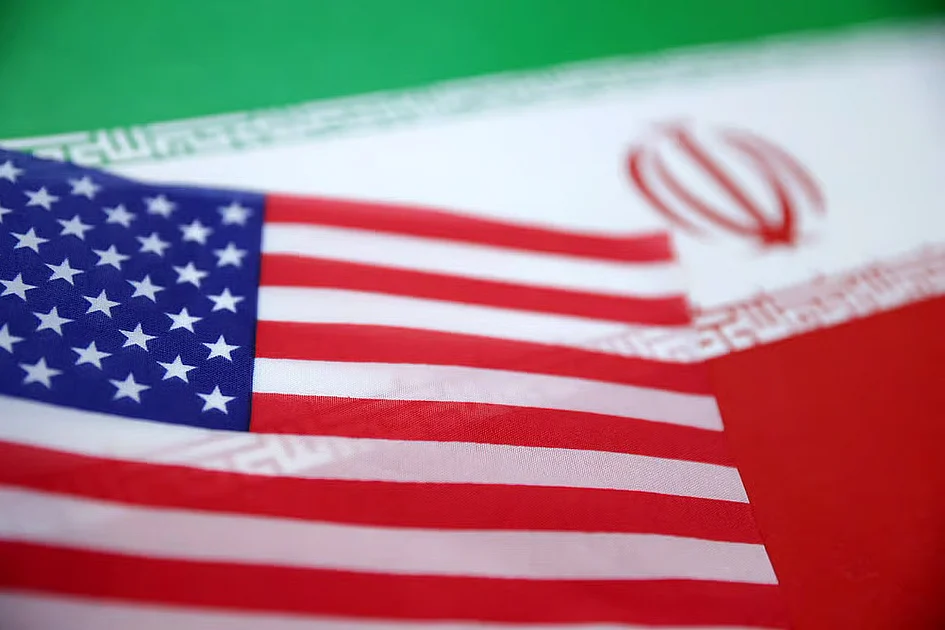
    Geneva is set to host a critical new round of diplomatic negotiations between the United States and Iran on Tuesday, mediated by Omani officials in an effort to de-escalate rising tensions and avert potential military conflict. The talks resume against a backdrop of heightened saber-rattling, with former President Donald Trump warning Tehran of severe consequences should the discussions fail to yield an agreement.

    The diplomatic engagement, which follows preliminary meetings in Muscat, marks a significant attempt to bridge differences over Iran’s nuclear program. Iranian Foreign Ministry spokesman Esmaeil Baqaei expressed measured optimism, noting that Washington’s stance had shifted towards a “more realistic” approach regarding nuclear issues, according to state-run IRNA news agency.

    While en route to the negotiations, Trump indicated his indirect involvement, stating, “I don’t think they want the consequences of not making a deal.” His comments came alongside increased military deployments to the region, including the positioning of the USS Abraham Lincoln aircraft carrier approximately 700 kilometers from Iranian shores and the dispatch of a second carrier group.

    The previous diplomatic effort collapsed dramatically in June when Israel launched surprise strikes against Iranian targets, triggering a brief but intense 12-day conflict that saw limited U.S. military participation against nuclear facilities.

    Iranian Foreign Minister Abbas Araghchi met with Omani counterpart Badr Albusaidi in Geneva to coordinate positions ahead of the main talks. Araghchi emphasized Tehran’s “seriousness in using result-oriented diplomacy” to secure Iranian interests while preserving regional stability. Simultaneously, Iran’s Revolutionary Guard Corps commenced military exercises in the strategic Strait of Hormuz, preparing for “potential security and military threats.”

    The negotiations face fundamental disagreements over their scope, with Iran insisting discussions be limited exclusively to nuclear matters and sanctions relief, while Washington has historically pushed for inclusion of Tehran’s ballistic missile program and support for regional armed groups.

    U.S. Secretary of State Marco Rubio expressed hope for a peaceful resolution, noting that the administration prefers “negotiated outcomes.” Iranian officials indicated potential flexibility on uranium stockpiles if Washington demonstrates sincerity through sanctions relief, with Deputy Foreign Minister Majid Takht-Ravanchi telling the BBC that compromises were possible with genuine American cooperation.

    The talks will also involve International Atomic Energy Agency director Rafael Grossi, who is scheduled for technical discussions with Iranian officials regarding nuclear monitoring and verification protocols.

  • Nigeria and Kenya lead Africa’s push for electric vans assembled from Chinese EV kits

    Nigeria and Kenya lead Africa’s push for electric vans assembled from Chinese EV kits

    Across Africa’s largest economies, a transformative shift in transportation is underway as e-mobility companies establish local assembly operations for electric vehicles through strategic Chinese partnerships and innovative financing models. Nigeria and Kenya are emerging as continental leaders in this green transportation revolution, leveraging imported Chinese kits to build electric vans and taxis tailored for African markets.

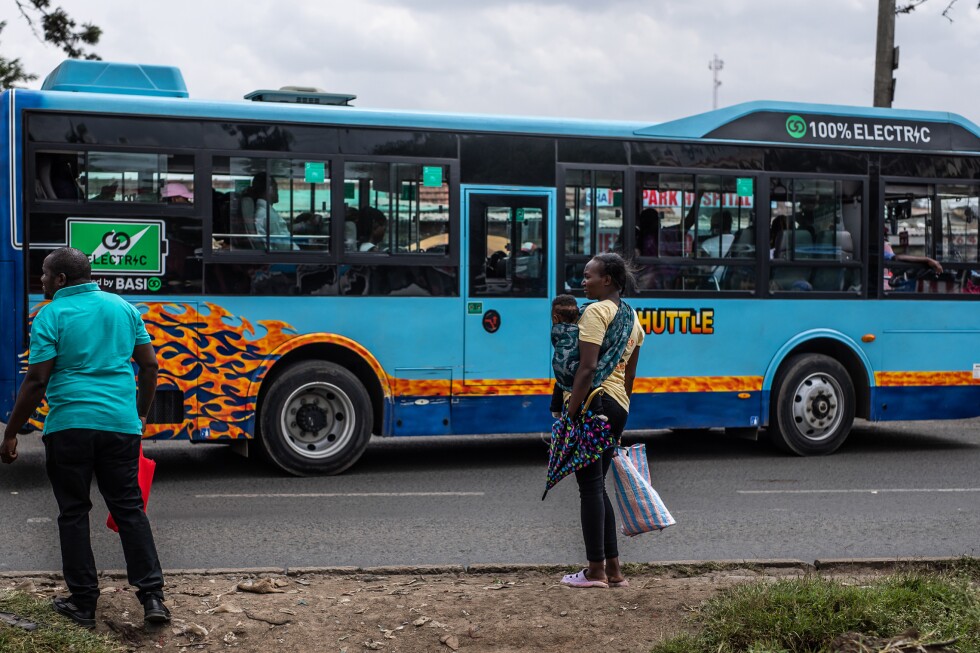
    In Nigeria, Saglev—a joint venture between Stallion Group and China’s Sokon Motor—has commenced assembly of 18-seater electric passenger vans using components from Dongfeng Motor Corp. The Lagos-based manufacturer aims to produce up to 2,500 vehicles annually, with plans to expand to 17 electric models for West African markets. CEO Olu Falaye heralded this development as “a major step in Nigeria’s transition toward clean, fossil-free transportation,” marking the first mass transit EV assembled locally in sub-Saharan Africa.

    Simultaneously in Kenya, Rideence Africa has invested $2.46 million in a partnership with Associated Vehicle Assemblers (AVA) to produce electric taxis and minibuses using kits from Jiangsu Joylong Automobile and Beijing Henrey Automobile Technology. Managing Director Minnan Yu emphasized the company’s evolution “from operator to manufacturer,” with ambitions to create a “Kenya-rooted new-energy mobility company serving Africa.”

    The economic advantages are substantial: EV charging costs average approximately $3 for 200 kilometers compared to over $15 for petrol equivalent distances. However, the transition faces infrastructure challenges, particularly regarding reliable power sources. Saglev addresses this by planning solar-powered charging stations to ensure consistent energy supply.

    Innovative financing models are crucial to adoption. Rideence leases taxis to drivers for about $18 daily, while BasiGo-Kenya Vehicle Manufacturer requires a deposit plus 20 cents per kilometer driven. These pay-as-you-drive and lease-to-own options overcome financial barriers in markets where credit access is limited and upfront vehicle costs are prohibitive.

    Despite progress, EVs remain a tiny fraction of Africa’s vehicle population—approximately 30,000 compared to millions of fossil-fuel vehicles. The continent produced just 1.1 million vehicles total in the previous year, with 90% manufactured in Morocco and South Africa. Nevertheless, industry experts like Dennis Wakaba of Kenya’s Electric Mobility Association note that scaling local assembly has already reduced costs, making EVs increasingly accessible to transport operators across the continent.

  • Why faithful flock to Manila’s Golden Mosque, built for Gaddafi 50 years ago

    Why faithful flock to Manila’s Golden Mosque, built for Gaddafi 50 years ago

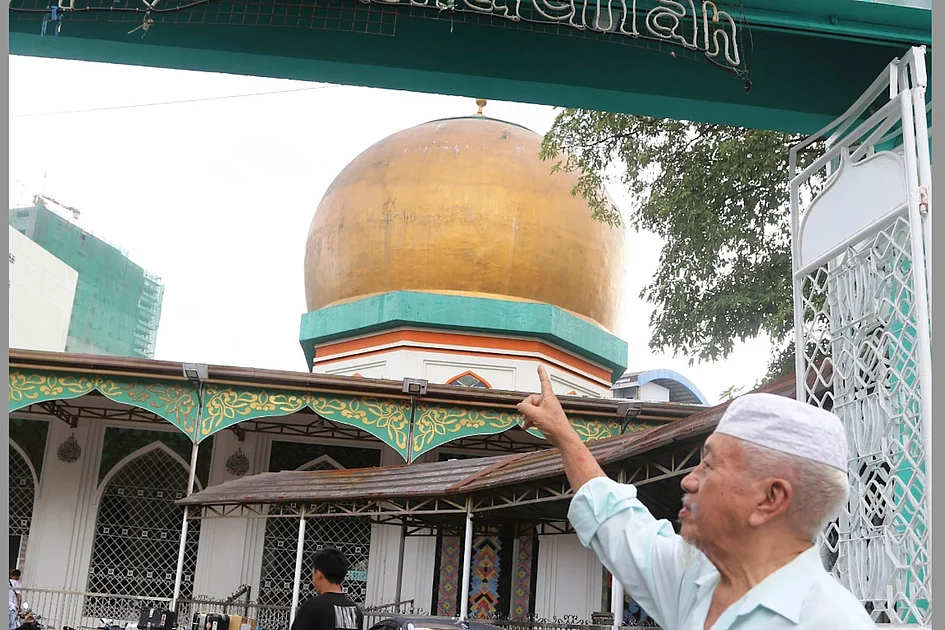
    In the bustling heart of Manila’s Quiapo district, the Golden Mosque stands as the Philippines’ largest Islamic place of worship outside Mindanao. This iconic structure, which becomes the focal point for Ramadan celebrations in the capital, carries a history far younger than most assume—marking just half a century since its construction.

    The mosque’s origins trace back to a pivotal diplomatic mission in November 1976 when former First Lady Imelda Marcos visited Libyan leader Muammar Gaddafi. Her husband, President Ferdinand Marcos Sr., sought Libya’s assistance in negotiating peace with the Moro National Liberation Front. The subsequent Tripoli Agreement granted limited autonomy to Muslim Mindanao, and during discussions, Gaddafi inquired about prayer facilities should he visit Manila.

    This query triggered an ambitious building spree. Imelda Marcos, renowned for her architectural projects, commissioned four mosques simultaneously: the Golden Mosque in Quiapo, the Blue Mosque in Taguig City, one within Malacañang Palace grounds, and another in Marcos’ hometown of Paoay. Remarkably, construction of the Golden Mosque concluded within just 40 days through the concerted efforts of local Muslim residents, many of whom still reside in the community.

    The mosque’s distinctive gold-colored dome pays homage to the brass cannons forged by Muslim blacksmith Pira that defended Manila against Spanish colonizers in the 1570s. Spanning 2,000 square meters on a 3,000-square-meter property, the complex houses Hadji Ali Alawi’s Arabic School and a Quranic institution for young students.

    Historical context reveals the significance of this Islamic revival. After Spanish conquest in the 16th century transformed Manila into a Catholic stronghold, no major mosques remained in what was once a Muslim-ruled kingdom. Historian Hadji Ali Alawi notes that Manila’s original mosque likely stood where the Roman Catholic Cathedral now resides, evidenced by Quranic inscriptions within the Christian structure.

    Today, only the Golden and Blue mosques remain operational—the Malacañang mosque was converted to a library after the Marcos regime fell, while the status of the Paoay mosque remains uncertain. Despite Gaddafi never making his anticipated visit, the Golden Mosque endures as a vibrant center for Manila’s Muslim community, surrounded by thriving markets and residences that maintain Quiapo’s dynamic character.