博客

  • As Israeli students return to classrooms, Gaza’s schools lie in ruins

    As Israeli students return to classrooms, Gaza’s schools lie in ruins

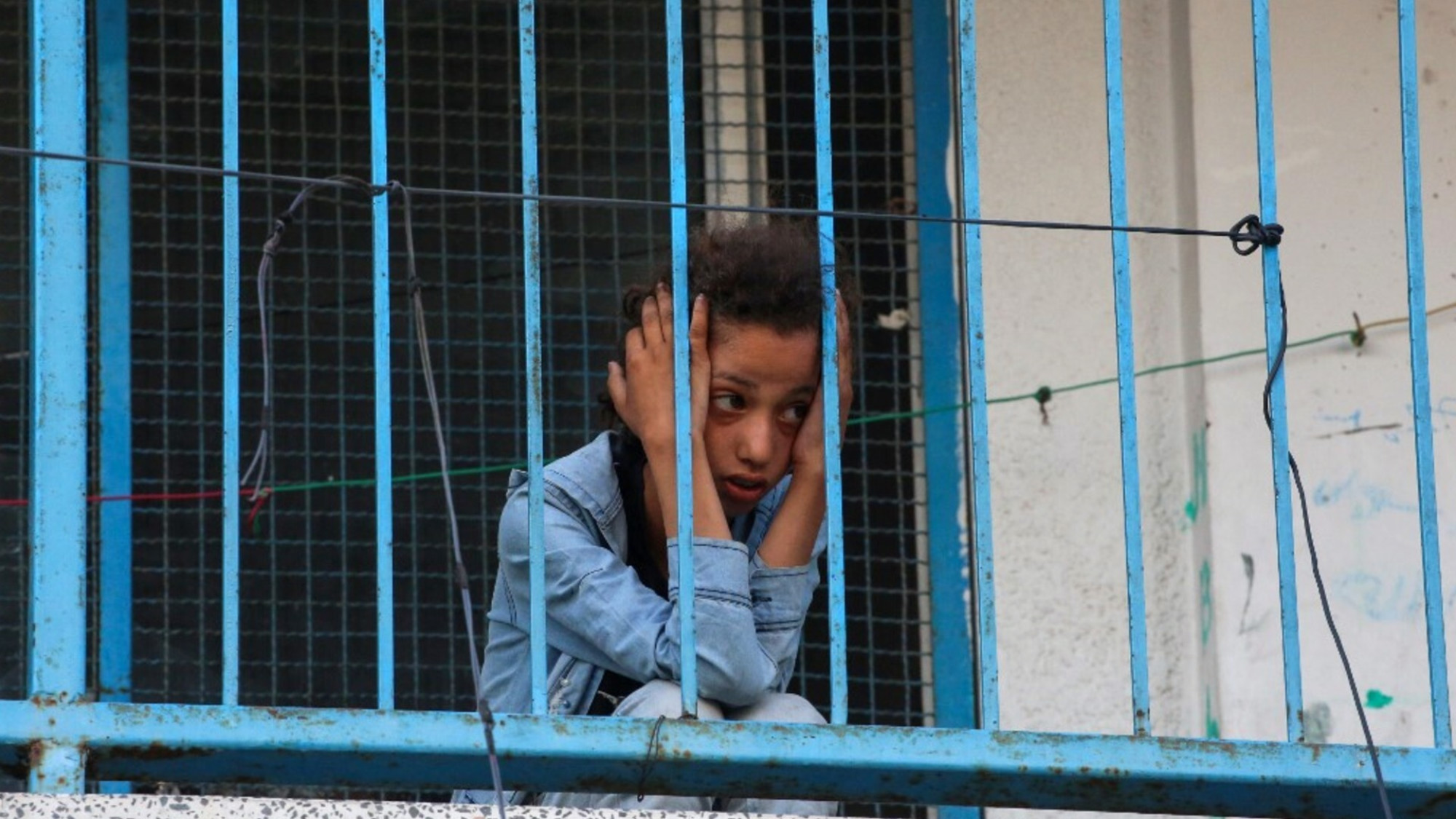
    In the shadow of Israel’s military offensive, Gaza’s education system lies in ruins, creating what experts describe as a deliberate campaign to undermine Palestinian development for generations to come. The devastating impact on students like 19-year-old Layan Abdul-Rahman illustrates the profound human cost of this educational catastrophe.

    Before the conflict, Abdul-Rahman was an ambitious, English-fluent student preparing for university applications. Now, after two years of delayed education and the trauma of losing her father and multiple family members in Israeli attacks, she struggles to comprehend the possibility of continuing her studies. ‘She is mentally exhausted and constantly cries,’ her sister Israa told Middle East Eye. ‘Every day, she comes to me asking, ‘Am I really going to apply?”

    The scale of destruction is staggering. UN analysis of satellite imagery reveals that 97% of Gaza’s school buildings have sustained damage, with 76.6% suffering direct hits since October 2023. The UN agency for Palestinian refugees reports that over 660,000 children are being deprived of schooling for a third consecutive year, while Palestinian officials estimate approximately 700,000 students have had their education suspended.

    Those attempting to continue their education face unimaginable challenges. Sixteen-year-old Abdul-Aziz, once a diligent student, ‘no longer remembers which class he is in,’ according to family members, his priorities shifted from academics to survival. Yara Khaled, whose children attended the American International School in Gaza, describes how ‘their thinking has completely changed’—now preoccupied with basic necessities like lighting fires and finding bread for the next meal.

    Amid the devastation, grassroots initiatives like Gaza Great Minds offer glimmers of hope. Founded by English teacher Ahmad Abu Rizik in May 2024 after witnessing a child scrambling for aid instead of attending school, the organization operates six of Gaza’s approximately 50 remaining schools, providing free education to some 3,000 children. These makeshift tent classrooms represent a defiant commitment to learning despite overwhelming odds.

    Yet even these efforts face extreme challenges. Students arrive hungry and traumatized, parents hesitate to send children to school amid random Israeli shootings, and the organization has already lost nine pupils to the violence—including Mohammed and Dalia, killed recently while playing in the streets.

    Neve Gordon, chair of the British Society for Middle Eastern Studies’ Committee on Academic Freedom, characterizes Israel’s destruction of Gaza’s education system as intentional policy with far-reaching implications: ‘By decimating Gaza’s educational and intellectual infrastructure, Israel is systematically undermining the Strip’s development for years to come, much after the genocidal violence subsides.’ This systematic dismantling of education represents what many describe as a war on the very existence of the Palestinian people, with consequences that will echo through generations.
  • A China blockade of Taiwan may or may not work

    A China blockade of Taiwan may or may not work

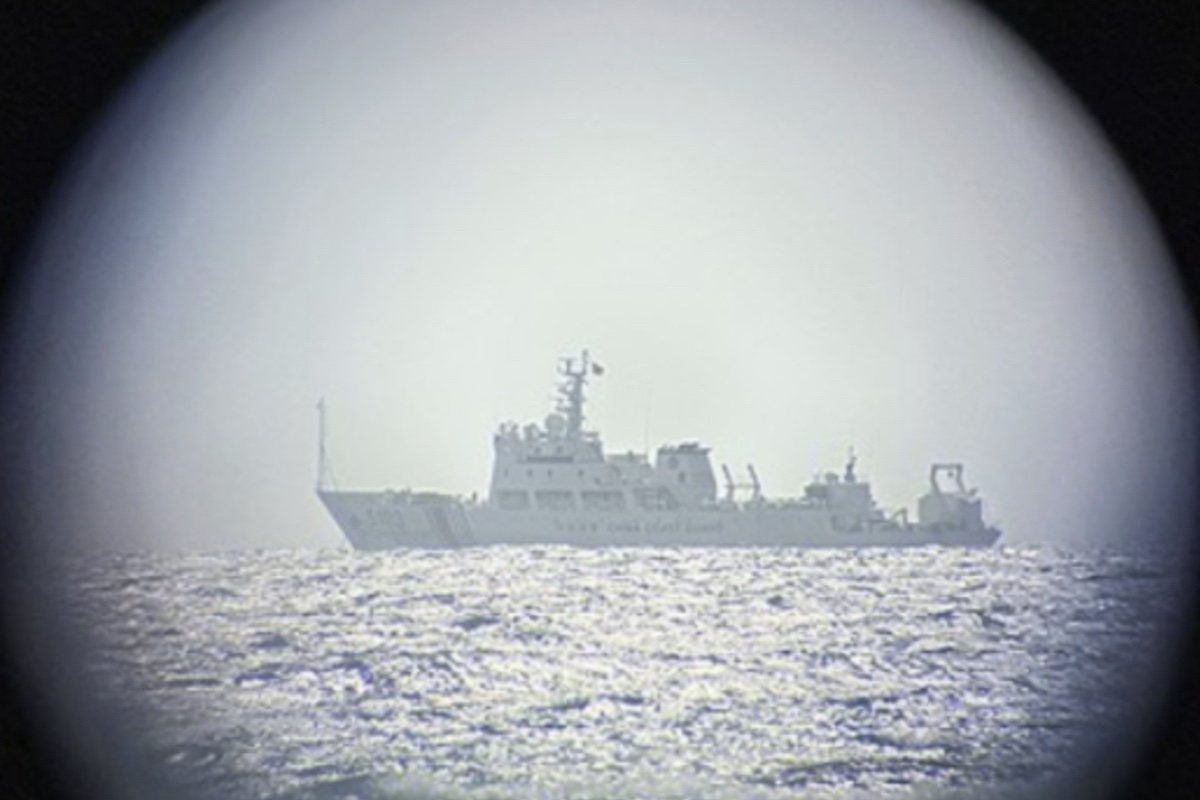
    US officials have indicated that Chinese President Xi Jinping has set a 2027 deadline for the People’s Liberation Army (PLA) to achieve the capability to invade Taiwan, coinciding with the centennial anniversary of the PLA’s founding. This revelation was highlighted by US Secretary of Defense Pete Hegseth during a security conference in Singapore in May, where he emphasized the “imminent threat” China poses to Taiwan. Over the past decade, the PLA has undergone significant modernization, building the world’s largest navy and coast guard. However, rather than outright invasion, China appears to be leaning towards a strategy of prolonged blockade to pressure Taiwan into submission. This approach, known as ‘lianhe fengkong’ (joint blockade), would involve cutting off Taiwan from external resources, leveraging coordinated air, sea, and land-based systems. A recent report by the Centre for Strategic and International Studies (CSIS) simulated 26 war game scenarios, predicting severe consequences for Taiwan, including depletion of natural gas within ten days, coal and oil shortages within weeks, and a halt in manufacturing if electricity levels drop to 20%. Taiwan’s vulnerability stems from its heavy reliance on port calls and limited emergency reserves. While blockades are not inherently illegal under international law, they must comply with war regulations, including effectiveness, notification, and impartial enforcement. China’s potential strategies range from kinetic blockades targeting merchant ships to non-kinetic measures like encircling the island with its naval forces. Counter-blockade strategies, such as those led by the US, could involve closing critical trade routes like the Malacca Strait, though such actions risk global economic disruption. The optimal response may lie in bolstering Taiwan’s resilience through increased stockpiles and infrastructure development, alongside US naval support to break potential blockades, albeit at significant risk of escalation.

  • UN World Food Programme says Yemen’s Houthis detained agency employee

    UN World Food Programme says Yemen’s Houthis detained agency employee

    In a concerning development, Yemen’s Houthi rebels have detained an employee of the United Nations World Food Programme (WFP) in the rebel-held capital of Sanaa. The incident occurred on Sunday, with fears that additional staff members may have been apprehended in other regions of the country. According to a statement issued by the WFP, local security forces entered their offices in Sanaa and detained one staff member, while reports suggest similar detentions in other areas. The agency is urgently seeking further information from Houthi authorities, who have controlled Sanaa since 2014 and now govern significant portions of Yemen. A security source revealed to AFP that seven WFP employees and three UNICEF workers were arrested following raids on their offices. The WFP condemned the arbitrary detention of humanitarian staff, emphasizing that the safety and security of personnel are crucial for delivering life-saving aid. This incident follows an Israeli airstrike on Sanaa last Thursday, which resulted in the death of the Houthi prime minister. In response, Houthi authorities arrested dozens of individuals on suspicion of collaborating with Israel. This is not the first time the Houthis have targeted UN and aid workers. Earlier this year, eight UN employees were detained, adding to dozens of personnel held since June 2024. The Houthis have accused these individuals of being part of an ‘American-Israeli spy network’ operating under the guise of humanitarian organizations—a claim vehemently denied by the UN. UN Secretary-General Antonio Guterres has repeatedly called for the immediate and unconditional release of detained personnel, describing the death of a WFP staffer in custody earlier this year as a ‘deplorable tragedy.’ Yemen, already grappling with one of the world’s worst humanitarian crises due to a decade-long civil war, relies heavily on international aid, with over half of its population in need of assistance. The arrests have forced the UN to curtail its operations and suspend activities in certain regions of the impoverished nation.

  • At least 70 killed, 30 feared dead after migrant boat capsizes off West Africa

    At least 70 killed, 30 feared dead after migrant boat capsizes off West Africa

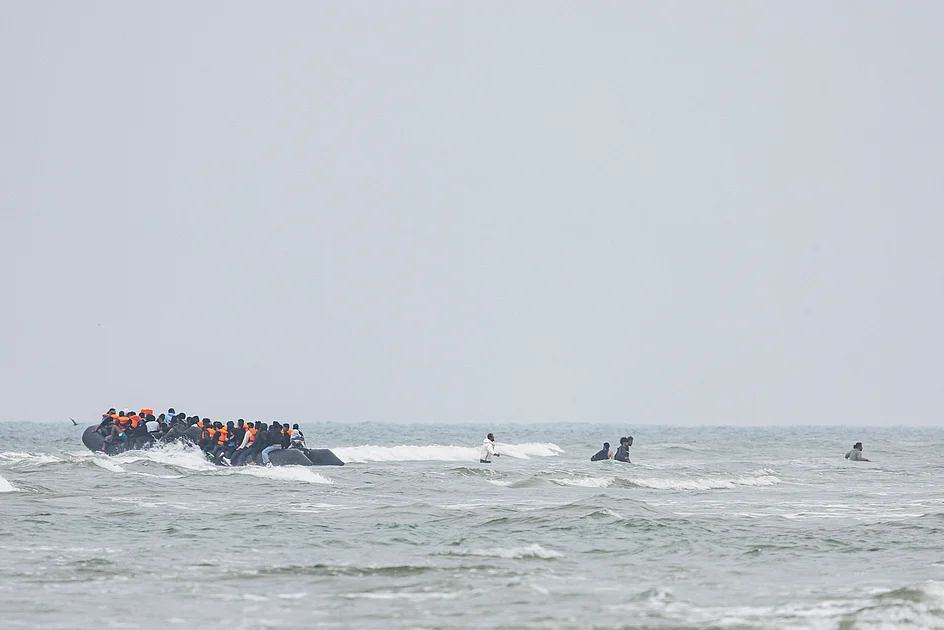
    In a devastating maritime disaster, at least 70 migrants lost their lives when a boat capsized off the coast of West Africa, according to a statement released by Gambia’s foreign affairs ministry on Friday. The vessel, believed to have departed from Gambia and carrying predominantly Gambian and Senegalese nationals, sank near Mauritania early Wednesday. Another 30 individuals are feared dead, bringing the potential death toll to over 100. The boat was reportedly carrying around 150 passengers, with only 16 survivors rescued so far. Mauritanian authorities have recovered 70 bodies, while witness accounts suggest the tragedy may have claimed even more lives. This incident marks one of the deadliest accidents along the perilous migration route from West Africa to Europe. The Atlantic migration route, particularly the journey from West Africa to Spain’s Canary Islands, is notorious for its dangers. Last year, over 46,000 irregular migrants reached the Canary Islands, a record number, according to the European Union. However, more than 10,000 died attempting the journey, a 58% increase from 2023, as reported by the rights group Caminando Fronteras. Gambia’s foreign affairs ministry has urged its citizens to avoid such hazardous voyages, which continue to claim countless lives. Mauritania remains a critical transit point for undocumented migrants from across Africa, many of whom risk their lives on overcrowded and unsafe vessels in pursuit of a better future in Europe. The tragedy underscores the ongoing humanitarian crisis and the urgent need for safer migration pathways.

  • China-Israel relations in subtle but certain drift

    China-Israel relations in subtle but certain drift

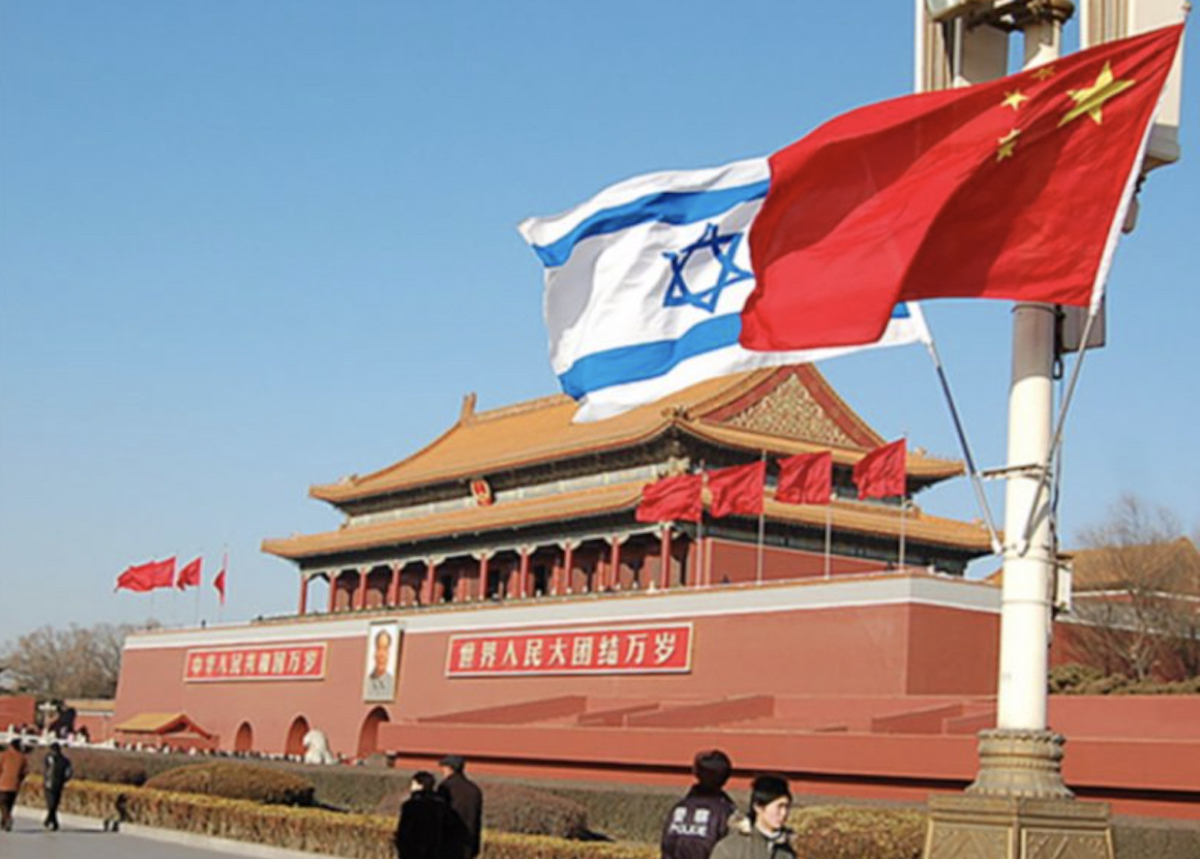
    The once-thriving diplomatic and economic partnership between China and Israel is facing unprecedented strain as escalating tensions between the United States and China force Israel into a delicate balancing act. What began as a pragmatic alliance centered on technological collaboration and trade has evolved into a complex geopolitical puzzle, with Israel caught between its most vital ally and one of its largest economic partners. Over the past three decades, China and Israel cultivated robust ties in technology, trade, and diplomacy, with Chinese investments fueling Israeli tech startups and bilateral trade flourishing in sectors like semiconductors and agricultural innovation. However, recent geopolitical shifts have disrupted this dynamic, creating unforeseen challenges for both nations. The turning point came after Hamas’s October 2023 attacks on Israel and the subsequent military response. China, previously neutral, adopted a pro-Palestinian stance, condemning Israeli actions and supporting UN resolutions critical of Israel’s policies. This marked a significant departure from its earlier balanced approach. The US-China rivalry has further complicated matters, particularly in the technology sector. Washington has pressured Israel to restrict technology transfers to China, especially in sensitive areas like semiconductors, artificial intelligence, and defense technologies. This pressure has yielded tangible results, with Israeli semiconductor exports to China halving from $21 million in 2020 to $11 million in 2022. Israeli companies have been forced to reevaluate their Chinese partnerships, with some deals canceled under American scrutiny. Despite these challenges, economic ties between China and Israel remain resilient, with bilateral trade reaching $16.3 billion in 2024. However, this interdependence also exposes vulnerabilities. China’s reliance on Middle Eastern oil, particularly from Iran, complicates its relationship with Israel, given Iran’s adversarial stance. The October 2023 conflict also reshaped Chinese perceptions of Israel, with Beijing increasingly critical of Israeli military actions. This shift has eroded trust, as evidenced by 2024 polls showing a majority of Israelis now view China as unfriendly. The crisis underscores broader strategic realignments in the Middle East, where the US and China vie for influence. While the US remains Israel’s primary security guarantor, China’s alignment with Iran and Palestine has limited its role as a regional mediator. US concerns over Chinese access to Israeli technology have intensified, leading to enhanced investment screening and restricted cooperation. The future of China-Israel relations hinges on several factors, including the trajectory of US-China competition, regional stability, and global technology governance. Israel must navigate these pressures while balancing its economic interests and security concerns. This evolving relationship serves as a microcosm of how great power competition impacts smaller states, offering insights into the challenges of navigating a multipolar world.

  • New Oceania soccer competition hopes to raise level of the sport in the Pacific region

    New Oceania soccer competition hopes to raise level of the sport in the Pacific region

    The Oceania Football Confederation (OFC) has unveiled a groundbreaking initiative aimed at elevating the region’s soccer prowess on the global stage. The newly announced OFC Professional League, set to debut in January, will feature eight elite clubs from across the western Pacific. This historic league marks the first professional competition specifically tailored for the Oceania region, offering a structured pathway for players, coaches, referees, and administrators to refine their skills and enhance competitiveness. Among the selected clubs are Auckland FC and Christchurch United from New Zealand, Bula Boys from Fiji, Solomon Kings from the Solomon Islands, Hekari United from Papua New Guinea, Vanuatu FC, Tahiti United, and South Melbourne from Australia. Despite Australia’s departure from the OFC in 2006 to join the Asian Football Confederation, South Melbourne’s inclusion underscores the league’s cross-border appeal. The OFC Professional League aims to address the challenges posed by the region’s scattered populations and limited infrastructure, which have historically hindered international success. League manager Stuart Larman emphasized the league’s potential to provide high-level competition, with each club guaranteed at least 17 matches per season. This increased exposure is expected to better prepare OFC representatives for FIFA tournaments, including the 2029 FIFA Club World Cup. The league’s stringent licensing requirements will also drive improvements in governance, infrastructure, and sporting standards, fostering a more professional environment. Former FIFA and AFC executive James Kitching highlighted the potential for this cross-border model to inspire similar initiatives worldwide, reflecting FIFA’s evolving approach to league structures. The OFC Professional League will be officially launched in Auckland at the end of October, heralding a new era for soccer in Oceania.

  • Manhunt in Australian bush brings long-dismissed conspiracy theorists to the fore

    Manhunt in Australian bush brings long-dismissed conspiracy theorists to the fore

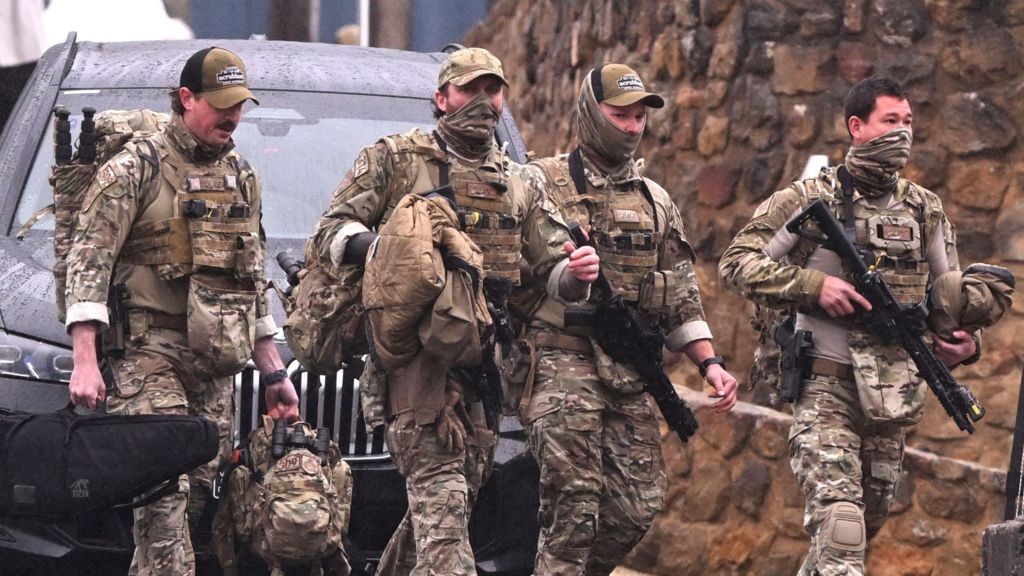
    The tranquil town of Porepunkah, nestled in the Australian Alps, has been thrust into chaos as a massive manhunt unfolds for a heavily armed fugitive accused of fatally shooting two police officers. The incident, which occurred on Tuesday, has shattered the peace of this close-knit community of 1,000 residents, known for its wineries and serene bushwalking trails.

  • Sudan’s RSF traps el-Fasher inside network of earth walls

    Sudan’s RSF traps el-Fasher inside network of earth walls

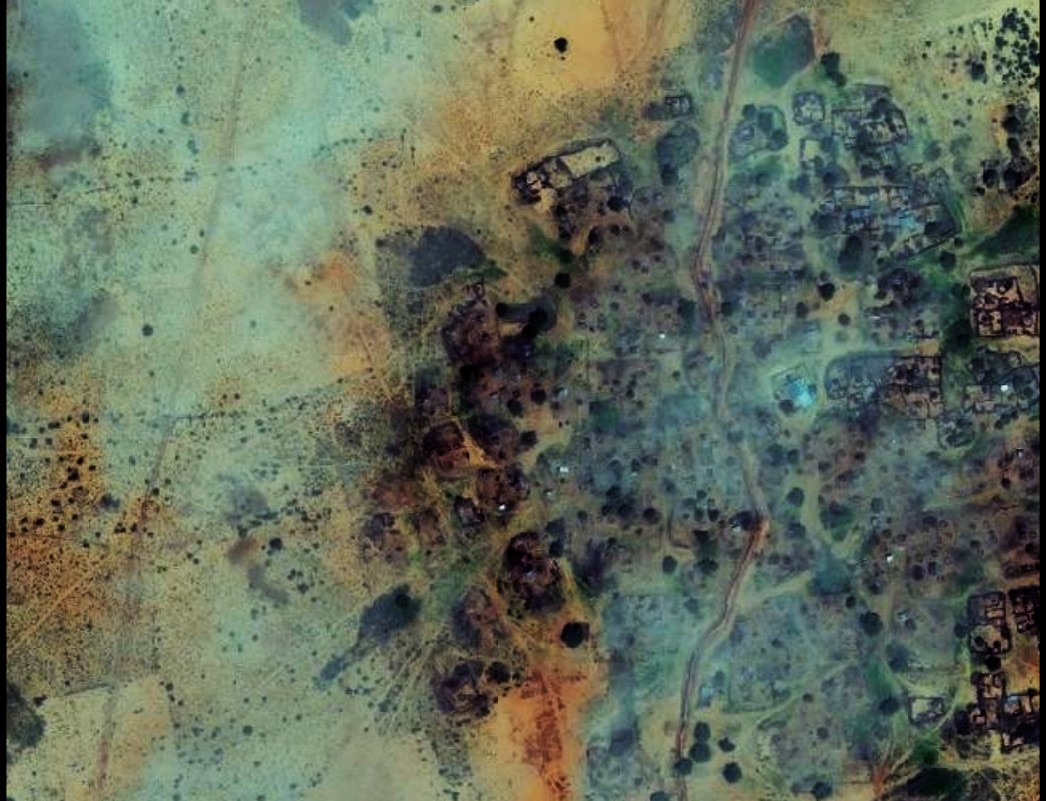
    The Rapid Support Forces (RSF) in Sudan have erected a network of earth walls, known as berms, around the city of el-Fasher, effectively trapping hundreds of thousands of civilians. This siege, ongoing for over 500 days, has intensified the humanitarian crisis in the region. According to a report by the Yale School of Public Health’s Humanitarian Research Lab (HRL), over 31 kilometers of berms have been constructed since May 2024, encircling the capital of North Darfur. While hundreds of thousands have fled, approximately 750,000 civilians remain trapped, with 260,000, including 130,000 children, stranded in the Abu Shouk displacement camp. Nathaniel Raymond, executive director of the HRL, noted that civilian movement has dwindled, with many either deceased, attempting to escape, or hiding in bomb shelters. The RSF’s actions have created what the HRL describes as a ‘literal kill box,’ preventing the entry of essential supplies like food and medicine and blocking escape routes. The conflict between the RSF and the Sudanese Armed Forces (SAF) has led to over 1,100 verified human rights violations in el-Fasher alone, including the killing and maiming of more than 1,000 children. The RSF, accused of genocide by the US government and international human rights groups, controls much of western Sudan, with el-Fasher being a notable exception. The international community’s inaction has been criticized, with calls for the UAE, a key RSF supporter, to end the siege and allow humanitarian aid. Despite denials, evidence suggests the UAE’s involvement in supplying the RSF. The SAF’s 6th Division remains confined to a garrison surrounded by mines, while the Joint Forces maintain mobility. The siege of el-Fasher highlights a broader failure to protect civilians from atrocities, reminiscent of the Janjaweed militias’ actions in Darfur two decades ago.

  • China’s EV takeover driving global supply chain revolution

    China’s EV takeover driving global supply chain revolution

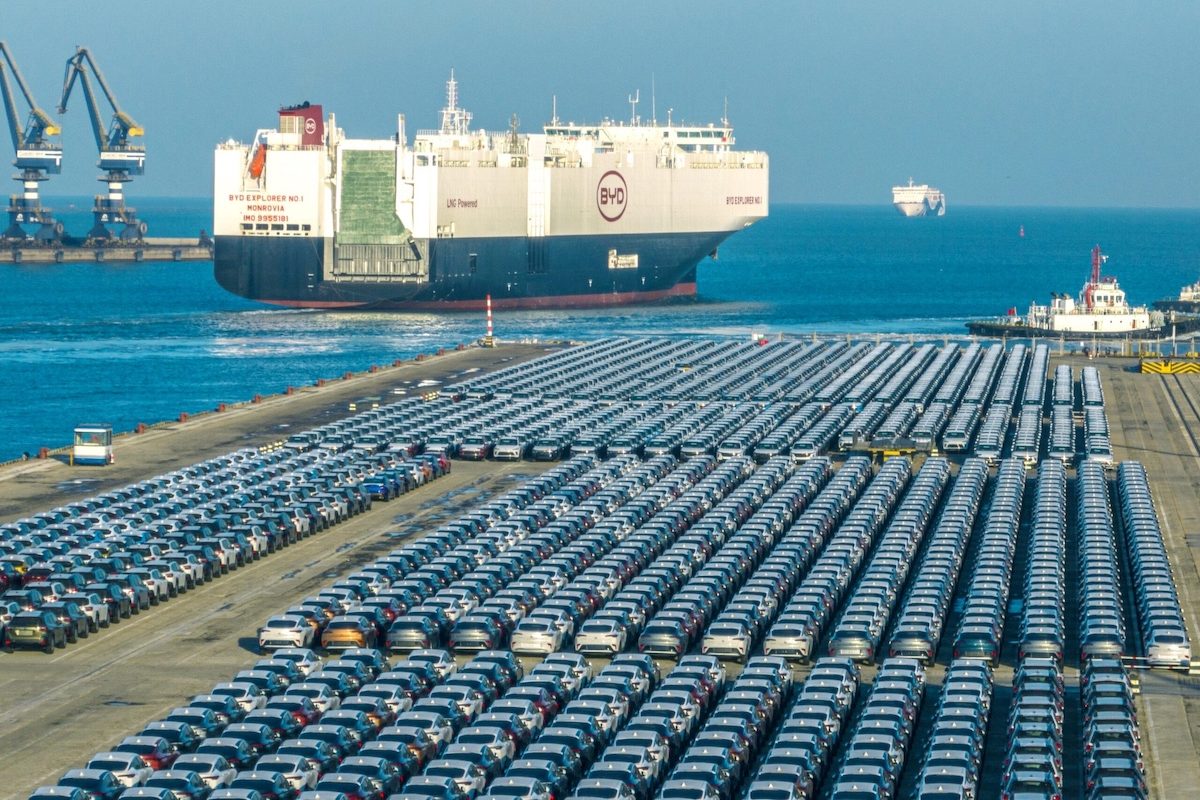
    China’s meteoric rise in the electric vehicle (EV) industry is no longer a domestic narrative but a global phenomenon reshaping automotive and energy supply chains. A decade ago, Chinese automakers were seen as imitators; today, they are industry leaders. BYD has surpassed Tesla in global EV sales, while companies like Nio, Li Auto, Geely, and SAIC are capturing significant market shares. Battery giant CATL has become indispensable, powering both Chinese and international brands. This transformation, initially driven by government support, has evolved into structural dominance, compelling the world to react. In 2023, China overtook Japan as the world’s largest vehicle exporter, shipping 5.2 million cars—a 70% increase from the previous year. Domestically, 31.4 million vehicles were sold, with EVs accounting for over 40% of production. Analysts predict that by 2030, China could produce 36 million cars annually, representing 40% of global output. This ascent is fueled by scale, cost control, and over $230 billion in state-backed subsidies, infrastructure, and research investments. China’s supply chain integration, lower labor costs, and vast battery ecosystem provide an unassailable advantage. The implications are profound: global auto incumbents face margin pressures, EV-linked commodities are in high demand, and trade tensions are escalating as Western governments impose tariffs to protect their markets. Yet, protectionism can only slow, not halt, China’s advance. European showrooms are increasingly filled with competitively priced Chinese EVs, and Chinese brands are gaining traction in markets like the UK and Norway. Beyond autos, the EV surge is reshaping metals markets, energy utilities, and software platforms. China’s dominance mirrors its success in solar panels, drones, and steel, driven by deliberate industrial policy. For investors, this represents both opportunities and risks, as the global automotive and energy sectors undergo a once-in-a-generation transformation. China’s EV revolution is accelerating the energy transition, reducing oil demand, and straining electricity grids. The future of mobility, energy, and manufacturing is being written in China, and the world must adapt.

  • Joaquin Phoenix and Brad Pitt join film about Hind Rajab as executive producers

    Joaquin Phoenix and Brad Pitt join film about Hind Rajab as executive producers

    Renowned Hollywood actors Joaquin Phoenix and Brad Pitt are lending their support as executive producers to an upcoming film titled ‘The Voice of Hind Rajab,’ directed by Tunisian filmmaker Kaouther Ben Hania. The film, set to premiere at the Venice Film Festival on September 3, 2024, chronicles the harrowing story of six-year-old Hind Rajab, who was killed by Israeli soldiers in Gaza in January 2024. The project incorporates actual audio recordings of Rajab pleading for help during a phone call with Red Crescent medics, capturing the tragic final moments of her life. An investigation by Forensic Architecture revealed that Israeli forces were aware of the presence of children in the vehicle and fired at least 335 bullets at it. Rajab initially survived the attack, which claimed the lives of her immediate family, but was killed before rescuers could reach her. The film has attracted a star-studded team of executive producers, including Oscar-winning director Jonathan Glazer, ‘Roma’ director Alfonso Cuarón, and actress Rooney Mara. Ben Hania, the director, expressed her emotional commitment to the project, stating, ‘I cannot accept a world where a child calls for help and no one comes. That pain, that failure, belongs to all of us.’ The film has sparked broader conversations about the entertainment industry’s response to the ongoing crisis in Gaza, with many criticizing Hollywood’s muted reaction to the violence. Glazer, who faced backlash for his Oscar acceptance speech in March 2024, condemned the misuse of the Holocaust to justify atrocities in Gaza, stating, ‘We stand here as men who refute their Jewishness and the Holocaust being hijacked by an occupation which has led to conflict, for so many innocent people.’ The film aims to shed light on the consequences of dehumanization and amplify the voices of those affected by the conflict.