博客

  • Verona prepares its ancient arena for the Olympics closing ceremony on Sunday

    Verona prepares its ancient arena for the Olympics closing ceremony on Sunday

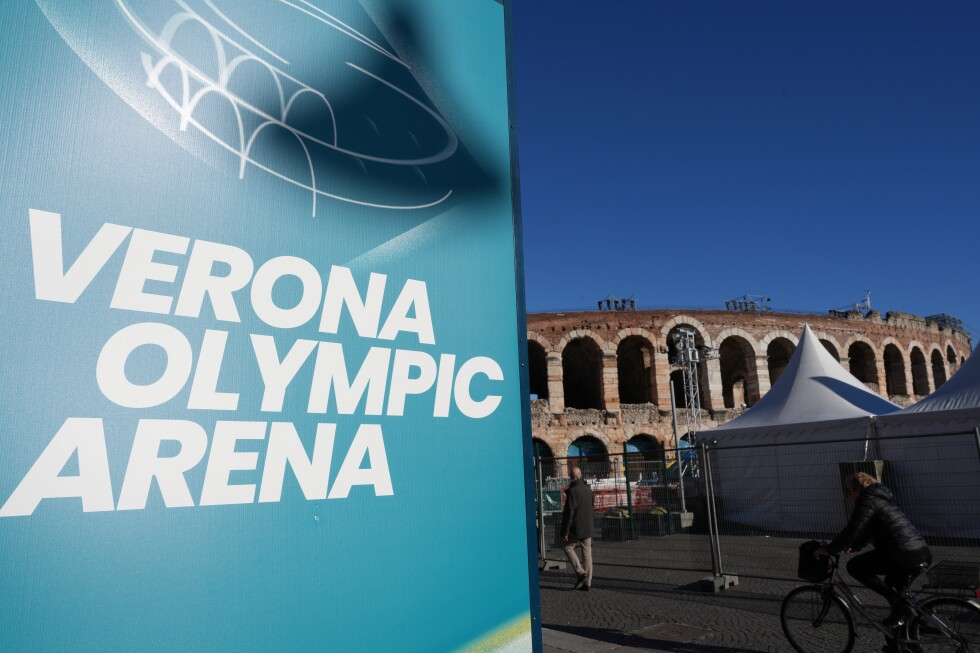
    VERONA, Italy — The historic Roman Arena in Verona, a monument dating back to 1 A.D., served as the magnificent backdrop for the final celebration of the Milan Cortina Winter Olympics on Sunday. Approximately 1,500 athletes gathered within the ancient amphitheater for a closing ceremony titled “Beauty in Motion,” which blended athletic achievement with Italian cultural artistry.

    Under the guidance of producer Alfredo Accatino, the production featured acclaimed ballet dancer Roberto Bolle and 350 volunteers who rehearsed secretly throughout the week. The conceptual framework explored beauty as a dynamic force, with Accatino explaining: “Beauty cannot be fixed in time. This ancient monument is beautiful if it is alive, if it continues to change. We want to narrate an Italy that is changing, and also the beauty of movement, sport, and nature.”

    The ceremony showcased prominent Italian performers including singer Achille Lauro and DJ Gabry Ponte, whose music echoed through the ancient structure during preparations. Elaborate costumes inspired by opera traditions were meticulously crafted by seamstresses in temporary dressing rooms.

    The production design incorporated a stage resembling a water droplet, symbolically connecting the mountain venues with the Po River Valley while acknowledging how climate change is transforming winter sports. The ceremony opened with athletes processing triumphantly through Piazza Bra into the Arena—a space that historically hosted gladiatorial combat and exotic animal hunts.

    Maria Laura Iascone, head of ceremonies for the local organizing committee, explained Verona’s selection over the smaller Cortina d’Ampezzo: “Only Italians can use such monuments to do special events. This is very unique, very rare.” The event maintained an intimate atmosphere with approximately 12,000 attendees, contrasting with the 60,000 spectators at Milan’s San Siro stadium opening.

    Logistical considerations included athletes traveling from six mountain venues, with some journeys lasting up to four hours. Environmental protections led to the replacement of traditional fireworks with a light show to prevent disturbing local wildlife.

    The Arena, recently upgraded with wheelchair ramps and accessible facilities, will host the Paralympic opening ceremony on March 6, with events continuing in Milan and Cortina until March 15.

  • Former South Korean President Yoon faces verdict on rebellion charges

    Former South Korean President Yoon faces verdict on rebellion charges

    SEOUL, South Korea — Former President Yoon Suk Yeol appeared at Seoul Central District Court on Thursday for a landmark verdict regarding rebellion charges stemming from his unprecedented attempt to impose martial law in December 2024. The ousted conservative leader arrived under heavy police security as both supporters and protesters gathered outside the judicial complex.

    The case represents the most severe political crisis in decades for South Korea, triggered when Yoon declared martial law and deployed military forces to surround the National Assembly on December 3, 2024. Special prosecutors have pursued capital punishment for the former president, arguing his actions constituted a grave threat to the nation’s democratic foundations.

    Legal experts anticipate a life imprisonment sentence rather than execution, noting that Yoon’s poorly executed power grab resulted in no casualties. South Korea maintains an unofficial moratorium on capital punishment, with no executions carried out since 1997.

    Presiding Judge Jee Kui-youn will also deliver rulings for seven former military and police officials accused of enforcing Yoon’s martial law decree, including ex-Defense Minister Kim Yong Hyun.

    Yoon has maintained that his actions were necessary to counter what he characterized as ‘anti-state’ liberal forces obstructing his governance agenda. The martial law declaration lasted approximately six hours before legislators breached the military blockade and unanimously voted to overturn the measure.

    The former president was initially suspended from office on December 14, 2024, following impeachment by lawmakers, and was formally removed by the Constitutional Court in April 2025. He has remained in custody since July facing multiple criminal trials.

    Last month, Yoon received a five-year prison sentence on separate charges including resisting arrest, fabricating the martial law proclamation, and bypassing mandatory Cabinet procedures. Former Prime Minister Han Duck-soo received a 23-year sentence for attempting to legitimize the decree through manipulated Cabinet meetings and falsified records, though he has appealed the verdict.

  • Trump gathers members of Board of Peace for first meeting, with some US allies wary of new body

    Trump gathers members of Board of Peace for first meeting, with some US allies wary of new body

    WASHINGTON — In a significant diplomatic gathering, President Donald Trump convened representatives from over two dozen nations for the inaugural meeting of his newly formed ‘Board of Peace’ on Thursday. The assembly focused on two primary objectives: mobilizing reconstruction efforts for war-devastated Gaza and establishing an international stabilization force for the territory, where a fragile ceasefire remains in effect.

    Ahead of the meeting, Trump announced that board members had committed approximately $5 billion toward reconstruction initiatives—a substantial sum yet merely a fraction of the estimated $70 billion required to rebuild the Palestinian territory following two years of destructive conflict. Additionally, participating nations are expected to contribute thousands of personnel to international security and police forces aimed at maintaining stability in the region.

    The board represents a cornerstone of Trump’s ambitious 20-point peace plan originally designed to resolve the Gaza conflict. However, since October’s ceasefire agreement, the president has expanded the board’s mandate beyond Middle Eastern peacemaking to include global conflict resolution—a development that has raised concerns among some international partners about creating a potential rival to the United Nations.

    Despite more than 40 countries and the European Union sending representatives to the meeting, notable absentees from full membership include Germany, Italy, Norway, and Switzerland, who attended as observers. This cautious participation reflects broader international skepticism about the initiative’s scope and structure.

    The timing of Trump’s meeting notably influenced international diplomacy, prompting the UN Security Council to reschedule its own high-level discussion on the Gaza ceasefire from Thursday to Wednesday. This adjustment avoided scheduling conflicts for diplomats who would have otherwise needed to be in two places simultaneously.

    Central to Thursday’s discussions was the critical challenge of disarming Hamas and establishing an armed international stabilization force. Thus far, only Indonesia has made a firm commitment to contribute to this proposed security force. Indonesian President Prabowo Subianto pledged to collaborate with other Islamic nations invited by Trump to pursue lasting peace in Palestine, acknowledging significant obstacles while emphasizing the necessity of the effort.

    The Trump administration defended the initiative against skepticism, with White House press secretary Karoline Leavitt describing it as ‘a legitimate organization’ and U.S. Ambassador to the UN Mike Waltz asserting that the board is action-oriented rather than merely discursive. However, analysts like Michael Hanna of the International Crisis Group suggested that allied skepticism is warranted, noting that many participating nations likely joined primarily to focus U.S. attention and leverage on Israel regarding Gaza’s future.

  • How rescuers raced against time to reach skiers trapped in avalanche

    How rescuers raced against time to reach skiers trapped in avalanche

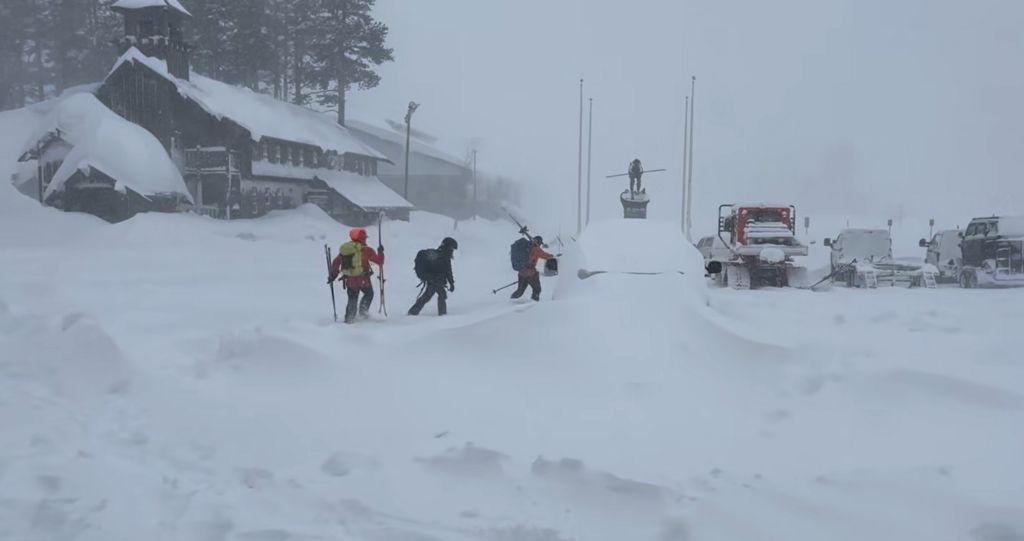
    A devastating backcountry skiing expedition in California’s Sierra Nevada mountains has culminated in tragedy, with eight of nine missing skiers confirmed deceased following a massive avalanche. The catastrophic event unfolded on Tuesday when emergency signals from both a guide’s satellite-enabled iPhone and another skier’s distress beacon alerted authorities in Truckee, California.

    The group of 15 individuals—comprising 11 recreational skiers and four professional guides—was concluding their three-day excursion at the Frog Lake Huts within the renowned Castle Peak region when the avalanche struck. Rescue operations faced immediate challenges as Highway 80 remained impassable due to severe winter storms, forcing authorities to implement unconventional access strategies.

    Nearby resorts including Boreal Mountain Ski Resort and Tahoe Donner’s Alder Creek Adventure Center deployed specialized rescue teams, utilizing snow-cats—vehicles designed for deep snow traversal—to navigate the treacherous conditions. By afternoon, approximately 50 rescuers had converged on the mountain from both northern and southern approaches.

    The rescue team eventually located six survivors sheltering in makeshift tents, though two required medical evacuation due to avalanche-related injuries. Placer County Sheriff Wayne Woo confirmed these survivors included one guide and five clients of Blackbird Mountain guided tours. Tragically, one deceased individual was identified as the spouse of a rescuer, adding profound personal dimension to the tragedy.

    Avalanche experts from the Sierra Avalanche Center had previously issued warnings about naturally occurring avalanches in the region, citing unstable snowpack conditions and continuing precipitation that increased loading on dangerous slopes. The accident site spanned approximately the area of a football field, complicating recovery efforts.

    Authorities have postponed recovery of the seven women and two men killed until weather conditions improve, citing ongoing safety concerns. The search for the one remaining missing skier continues, though officials presume this individual has also perished.

    Backcountry safety equipment—including avalanche beacons, shovels, and probes—proved critical in this incident, though officials remain uncertain whether any skiers carried inflatable avalanche airbag systems. The tragedy highlights the inherent dangers of winter backcountry travel despite technological advancements and professional guidance.

  • Float featuring Brazil’s Lula comes last at Rio Carnival

    Float featuring Brazil’s Lula comes last at Rio Carnival

    Rio de Janeiro’s iconic Carnival parade reached its spectacular climax as samba school Unidos do Viradouro claimed the championship title with their artistic homage to legendary drum director Master Ciça. The victory came amidst unprecedented political tensions that overshadowed portions of the world’s largest carnival celebration.

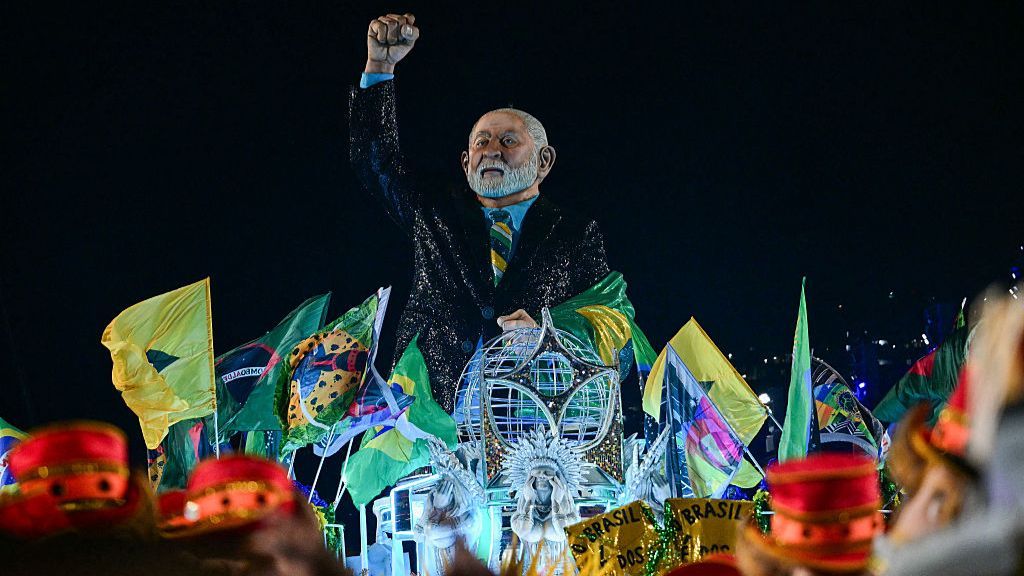
    The Academicos de Niteroi samba school found itself at the center of controversy with their politically-charged parade honoring President Luiz Inácio Lula da Silva’s journey from impoverished shoeshine boy to national leadership. The performance, which designer Tiago Martins described as ‘a deeply personal story of social mobility,’ finished in last place following substantial backlash from opposition groups.

    Political tensions escalated as opposition parties filed multiple legal challenges attempting to block the presidential tribute, alleging violation of electoral campaign regulations ahead of October’s elections. Despite judicial rejections of these petitions, the performance generated intense debate across Brazilian society.

    The parade’s provocative elements included a controversial depiction of former President Jair Bolsonaro as ‘Bozo the Clown’ behind bars, alongside segments that critics argued mocked traditional Christian values through performances titled ‘preserved neoconservatives.’

    President Lula personally attended the festivities, watching from the Sambadrome stands alongside thousands of spectators who witnessed the spectacular displays of giant lions, dancing books, and rainbow-colored plumes that characterized this year’s celebrations.

    The competition, judged across ten categories by forty officials, maintained its tradition of artistic excellence while unexpectedly becoming a platform for Brazil’s ongoing political divisions. Despite the controversies, the carnival’s vibrant spirit prevailed with breathtaking displays of color, choreography, and cultural expression that define Rio’s most celebrated annual event.

  • Watch: Filipina sensation Alexandra Eala’s dream Dubai run continues

    Watch: Filipina sensation Alexandra Eala’s dream Dubai run continues

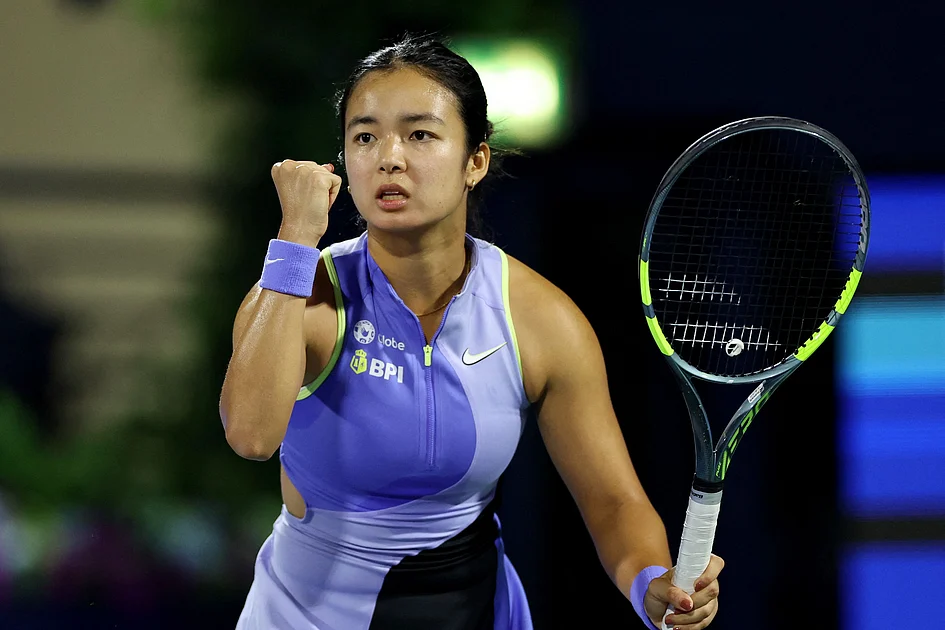
    In a stunning display of composure and skill, Philippine tennis prodigy Alexandra Eala extended her remarkable campaign at the Dubai Duty Free Tennis Championships with a decisive victory over seasoned Romanian Sorana Cîrstea. The 20-year-old sensation secured her quarterfinal berth with a 7-5, 6-4 triumph before an enthusiastic crowd that included numerous Filipino supporters.

    Eala’s performance demonstrated both tactical maturity and offensive prowess as she navigated a tightly contested opening set before dominating the second with aggressive shot-making. This victory follows her impressive upset against world number eight Jasmine Paolini in the previous round, cementing her status as a rising force in women’s tennis.

    The win propels the history-making Filipina—currently ranked 40th globally and her nation’s highest-ranked player ever—into a highly anticipated quarterfinal confrontation with American star Coco Gauff. The two-time Grand Slam champion survived her own dramatic encounter, saving three match points against Belgium’s Elise Mertens in a three-set thriller.

    Eala acknowledged the significance of facing an established champion, stating: ‘I view this as an exceptional opportunity for growth. Regardless of Thursday’s outcome, the experience against a player of Coco’s caliber in a prestigious quarterfinal represents invaluable learning for my development.’

    Gauff, recognizing both Eala’s talent and the electric atmosphere expected for their match, commented: ‘Such vibrant crowd engagement ultimately benefits our sport. Alexandra has demonstrated her capabilities by defeating top-ten opponents convincingly, ensuring our match will present considerable challenges.’

    The marquee quarterfinal is scheduled for 7 PM Thursday on Centre Court, where Eala’s supporters are expected to create a passionate, football-like environment. Other quarterfinal matchups feature defending champion Mirra Andreeva against Amanda Anisimova, Jessica Pegula versus Clara Tauson, and Elina Svitolina taking on Antonia Ruzic.

  • Australian presenter apologises for drinking before slurred Olympics report

    Australian presenter apologises for drinking before slurred Olympics report

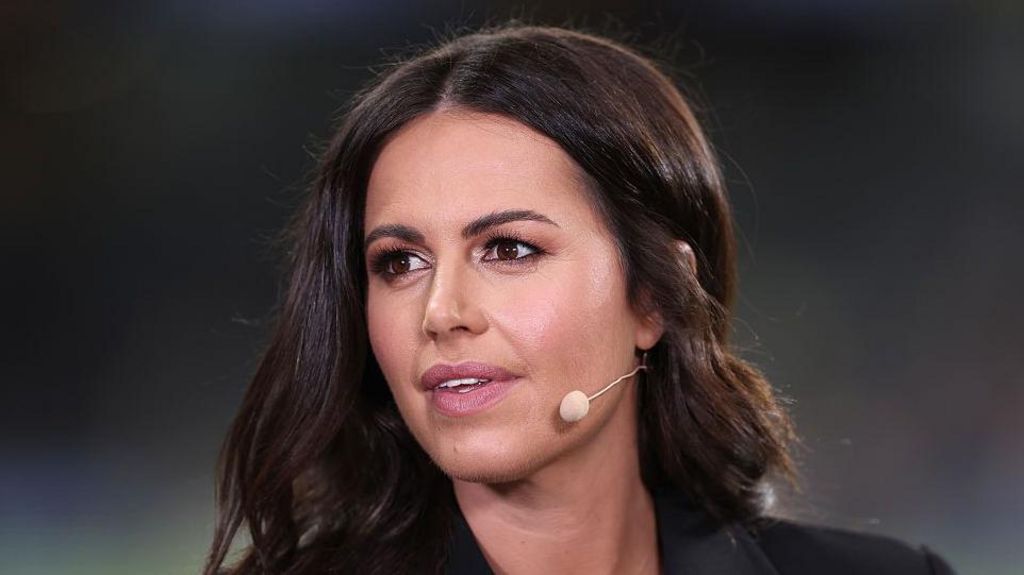
    Prominent Australian sports broadcaster Danika Mason has issued a public apology following a widely circulated clip of her visibly impaired performance during a live broadcast from the Winter Olympics in Italy. The Channel Nine reporter, renowned for her National Rugby League coverage, attributed the incident to poor judgment regarding alcohol consumption combined with altitude effects, cold weather, and lack of proper nutrition.

    During Wednesday’s live cross to the ‘Today’ breakfast program, Mason exhibited significant speech difficulties, delivering incoherent commentary that included random references to iguanas and comparative coffee pricing between Italy and the United States. The segment descended into confusion as she frequently slurred words and conflated geographical references, while studio host Karl Stefanovic’s audible laughter provided an awkward backdrop to the deteriorating broadcast.

    The viral clip sparked intense social media debate, with reactions ranging from sympathetic support to calls for immediate termination. Critics condemned the presentation as profoundly unprofessional, while defenders suggested it demonstrated human vulnerability in challenging broadcast conditions.

    Addressing the controversy during Thursday’s follow-up appearance, Mason expressed profound embarrassment while accepting full responsibility: ‘I totally misjudged the situation. I shouldn’t have had a drink, especially under these conditions combining cold, altitude, and without having dinner.’ Her contrite apology received supportive responses from colleagues, with Stefanovic labeling her a ‘legend’ and co-host Jenny Azzopardi acknowledging her established work ethic.

    Remarkably, the incident drew commentary from Australia’s highest political office, with Prime Minister Anthony Albanese publicly defending Mason’s professionalism while attributing the episode to fatigue and significant time zone differences. The unusual convergence of sports broadcasting mishap and political endorsement has created a multifaceted media narrative extending beyond typical entertainment news boundaries.

  • A Kenyan school like no other may be an African education blueprint

    A Kenyan school like no other may be an African education blueprint

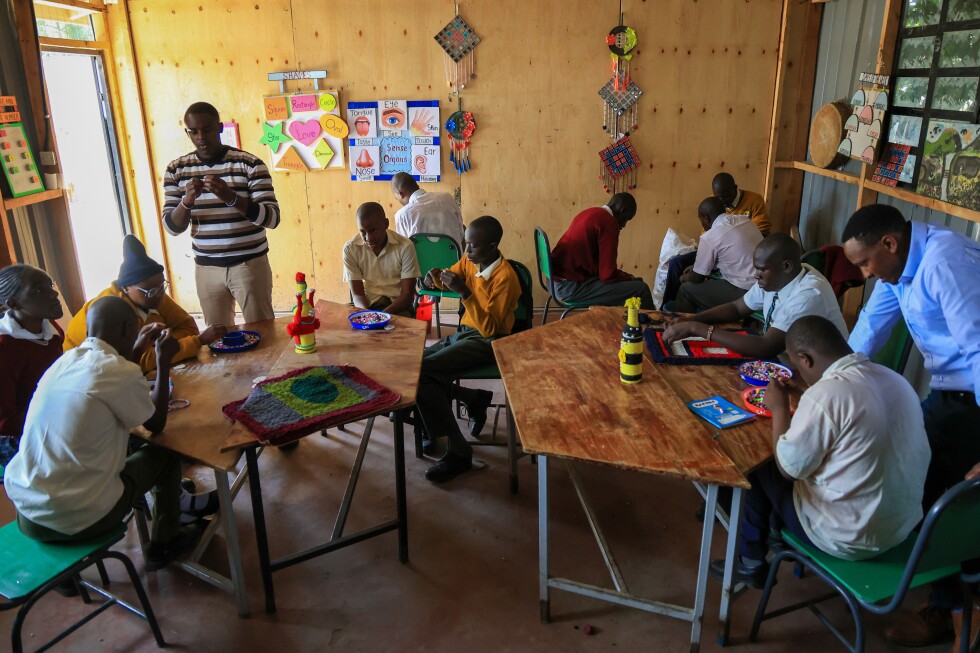
    In the Kenyan town of Kitengela, an innovative educational institution is transforming the learning experience for students with dyslexia through specialized teaching methodologies. Rare Gem Talent School has developed a unique educational framework that replaces traditional lecture-based instruction with multi-sensory techniques specifically designed for neurodiverse learners.

    The school addresses a critical gap in Kenya’s educational landscape, where despite significant improvements in general education access, students with learning disabilities frequently struggle within conventional systems. Dyslexia affects approximately 10% of learners nationwide, creating substantial barriers to literacy development and academic achievement.

    Educational specialists at Rare Gem employ what they term a ‘multi-sensorial approach’ to reading instruction. This methodology incorporates visual techniques such as color-coding word sounds, auditory methods including musical spelling patterns, and tactile learning using physical objects to represent word construction. “You teach step by step until the learner comprehends the material, moving beyond the traditional teacher-centered lecture model,” explained Dorothy Kioko, an educator at the institution.

    Founded in 2012 through the Dyslexia Organisation Kenya, the school began with fewer than ten students and has expanded to serve approximately 210 learners today. While primarily focused on dyslexia, the institution also accommodates students with other learning challenges including autism spectrum disorders.

    The school’s founder, Phyllis Munyi, established Rare Gem after witnessing the educational struggles of her own son with dyslexia. “Early identification and intervention are crucial,” Munyi emphasized. “With proper support, these students can develop their skills, discover their talents, and complete their education successfully.

    Despite Kenya’s remarkable progress in educational access—with primary school enrollment increasing from 5.9 million in 2002 to 10.2 million in 2023—special needs education has lagged considerably. Official statistics indicate that while 11.4% of Kenyan children have special educational requirements, only 250,000 such students are currently enrolled in appropriate educational programs.

    Rare Gem offers a potentially scalable model for inclusive education, utilizing a modified version of Kenya’s standard curriculum rather than creating an entirely separate educational framework. The school charges $180 per term, making it more affordable than elite private institutions while remaining financially inaccessible to many Kenyan families compared to government schools.

    Significant challenges remain, including persistent social stigma, limited parental awareness, and the traumatic impact of bullying that many students experienced in previous educational settings. Former student Geoffrey Karani, now an art teacher at the school, noted: “In conventional schools, there was extensive discrimination and bullying. Now I mentor students by showing them I’ve traveled the same difficult journey.”

  • Turkish TV network accused of stoking social tensions with pork dinner scene

    Turkish TV network accused of stoking social tensions with pork dinner scene

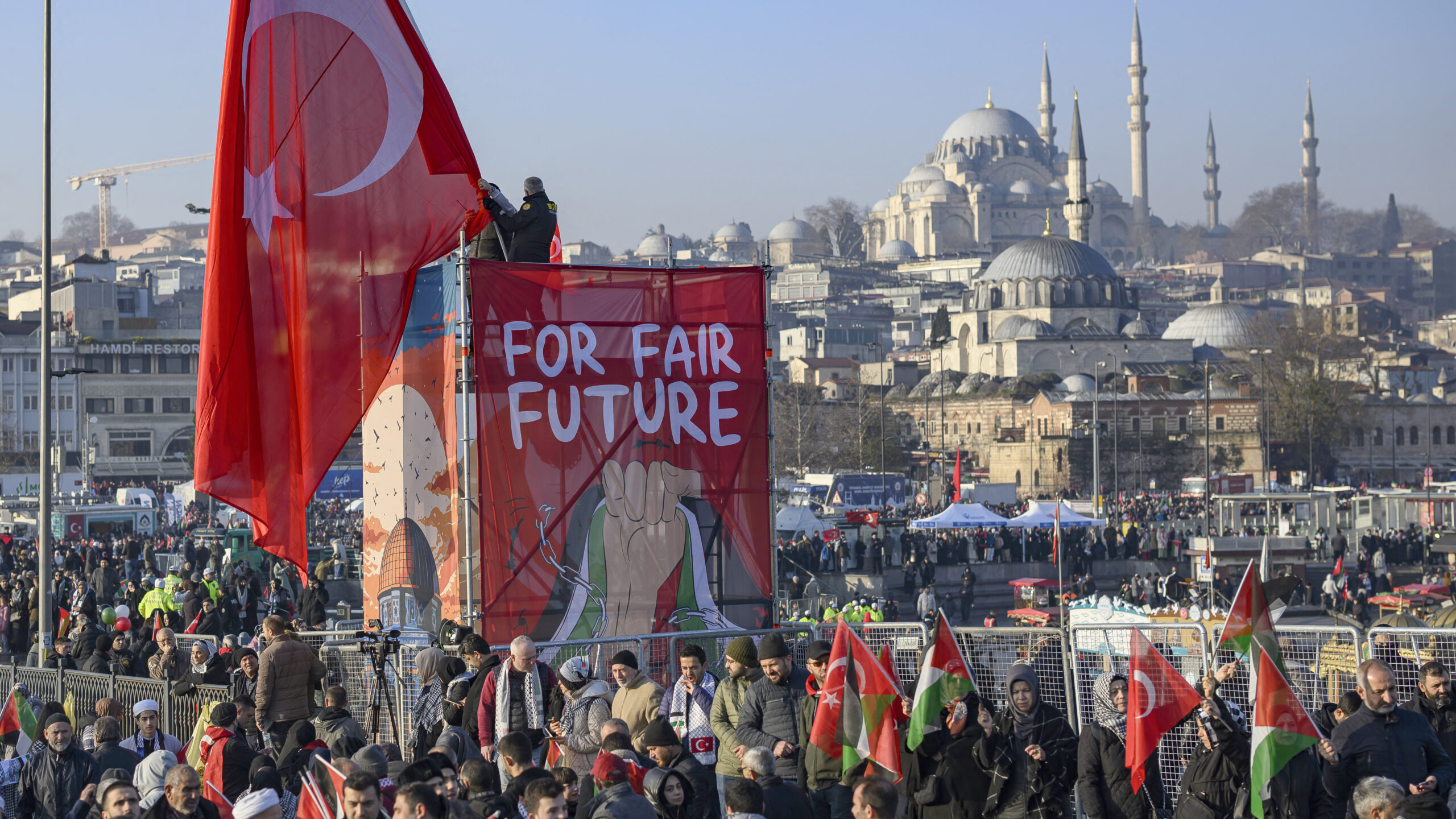
    A Turkish television drama has triggered intense nationwide controversy after airing a scene depicting pork being served to conservative Muslim guests, igniting debates about cultural sensitivity and media responsibility in the country’s polarized social landscape.

    The incident occurred during the February 17th episode of ‘Aynı Yagmur Altında’ (Under the Same Rain), broadcast on ATV network. The controversial scene showed host characters serving pork to newly arrived guests who displayed visual markers of religious conservatism, including headscarves and traditional attire. While the characters weren’t explicitly identified as Muslim, viewers overwhelmingly interpreted the implication as intentional given Turkey’s predominantly Muslim population.

    Social media backlash erupted immediately, with critics arguing the scenario represented cultural implausibility rather than religious offense. The Turkish Orthodox Society highlighted the peculiarity in a viral statement: ‘Even Christian Turks rarely consume pork, and we would never serve it to Muslim neighbors. This suggests either deliberate provocation or serious lack of cultural awareness.’

    The series, which premiered on February 9th, follows protagonist Rosa’s journey from London—where she attended pro-Palestine protests—back to Turkey, exploring themes of activism, identity, and cross-cultural relationships. However, the pork scene has largely overshadowed the intended narrative.

    Further complicating the controversy is ATV’s ownership structure. The channel operates under Turkuvaz Media Group, whose chairman Serhat Albayrak is brother to Berat Albayrak—former energy minister and son-in-law of President Recep Tayyip Erdoğan. This connection led many to question why a government-aligned network would broadcast content perceived as marginalizing religious conservatives.

    Production company Baba Yapim defended the scene in a statement to Middle East Eye, explaining: ‘The scene wasn’t designed to endorse the host’s behavior but rather to demonstrate how her actions were rejected by her own family. Our story aims to bridge differences through fundamental values of respect and human courtesy.’

    The show’s official social media account was deactivated following the episode’s airing, while discussions expanded beyond religious dietary rules to encompass media ethics, cultural polarization, and the role of entertainment in reflecting societal tensions.

  • Afghanistan faces catastrophic hunger crisis as aid cuts force the WFP to turn away 3 in 4 children

    Afghanistan faces catastrophic hunger crisis as aid cuts force the WFP to turn away 3 in 4 children

    Afghanistan is confronting the most severe malnutrition crisis in its recorded history, with approximately 4 million children facing acute food insecurity and life-threatening conditions. The situation has reached catastrophic proportions, with two-thirds of the nation experiencing serious or crisis-level malnutrition according to United Nations assessments.

    The World Food Program’s Afghanistan Country Director John Aylieff characterizes the emergency as unprecedented in his three-decade humanitarian career. Current funding constraints force the organization to turn away three out of every four malnourished children seeking assistance. Of the 17.4 million Afghans experiencing acute hunger, only 2 million currently receive support, and even this assistance has been significantly reduced.

    This humanitarian catastrophe stems from multiple converging factors: the abrupt halt of direct foreign aid following the 2021 Taliban takeover, a crippled economy, severe drought conditions, recent devastating earthquakes, and the return of over 5 million Afghan refugees from neighboring Pakistan and Iran. Compounding these challenges, international donor budgets are increasingly stretched thin by simultaneous global emergencies including conflicts in Gaza and Ukraine, and famine conditions in Sudan.

    WFP funding has experienced dramatic reductions, dropping from $600 million in 2024 to an anticipated $200 million for the current year. This financial shortfall occurs as hunger conditions spiral out of control across the nation.

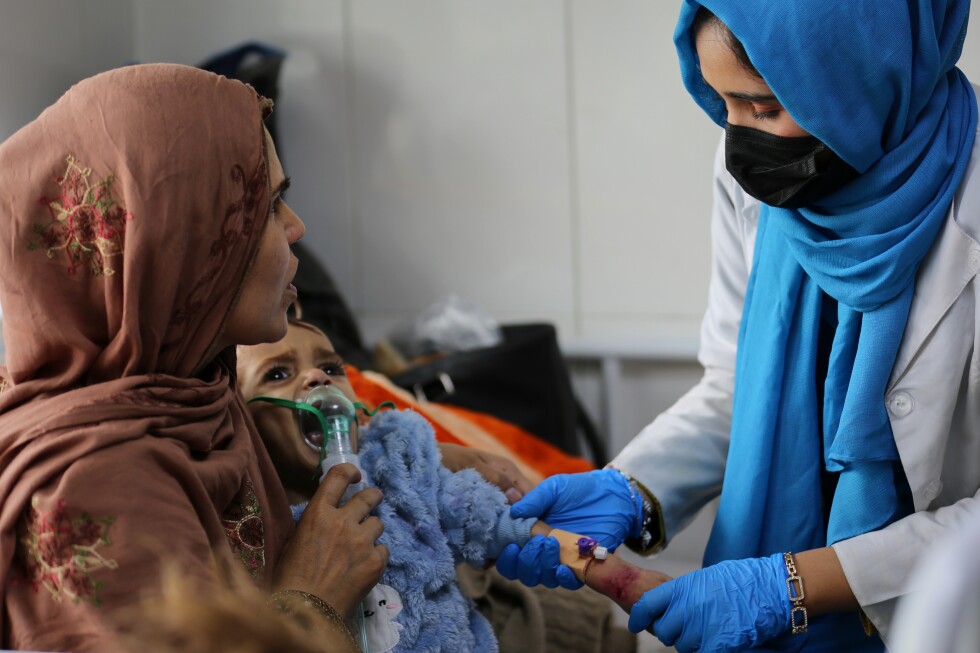
    Medical facilities like Kabul’s Indira Gandhi Children’s Hospital illustrate the human toll. Two-and-a-half-year-old Abu Bakar, weighing just 6 kilograms—half his expected weight—represents one of the fortunate few receiving life-saving care. His mother Latifa describes how critical food assistance ceased three years ago, leaving her construction-worker husband unemployed and her family without reliable meals for their five children.

    The crisis has driven a disturbing increase in child mortality, with WFP documenting over 500 child deaths in recent months—a figure officials describe as merely ‘the tip of the iceberg’ given many winter deaths in snow-bound villages go unrecorded.

    Afghanistan’s Health Ministry acknowledges the decades-long problem, reporting expansion of malnutrition treatment facilities from 800 to approximately 3,200 centers, with about 3 million malnourished children and mothers treated in 2025. Ministry spokesman Dr. Sharafat Zaman emphasizes that health services should remain separate from political considerations.

    Women bear particularly severe consequences from the crisis. Taliban restrictions banning women from employment have left widows with children especially vulnerable. WFP reports a 30% increase in acutely malnourished pregnant and breastfeeding women—a surge described as unprecedented by nutrition experts. The organization increasingly receives suicide calls from desperate women who cannot feed their children.

    Aylieff issues an urgent plea to the international community: ‘How many more Afghan children will die before the world wakes up? Don’t walk away from Afghan women who are now facing abject misery, hunger, malnutrition and watching their children die.’