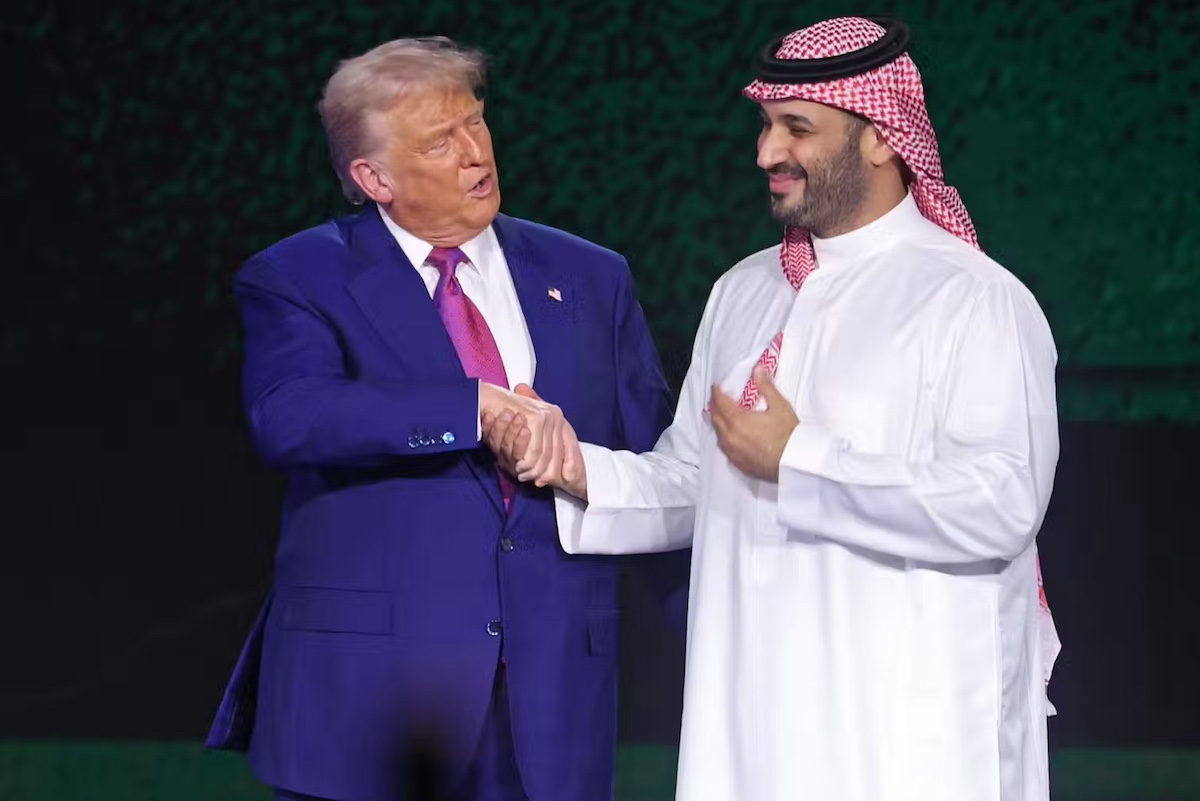
In a recent diplomatic event at the White House, former US President Donald Trump oversaw the signing of a peace agreement between Armenia and Azerbaijan, ending a nearly 40-year conflict. The deal grants the US exclusive rights to develop a transit corridor through southern Armenia, linking Azerbaijan to its exclave of Nakhchivan. This corridor, dubbed the ‘Trump Route for International Peace and Prosperity,’ exemplifies Trump’s transactional foreign policy, which prioritizes commercial opportunities over shared values and institutional frameworks. Trump’s approach marks a significant departure from traditional US foreign policy, as it operates outside institutional constraints and targets democratic allies, often exploiting American power for personal gain. Historically, US presidents have employed transactional strategies, such as Theodore Roosevelt’s interventions in Latin America and Harry Truman’s foreign aid policies during the Cold War. However, Trump’s methods resemble those of authoritarian leaders, with minimal congressional or judicial oversight, and policies shaped by personal whims rather than institutional consistency. This approach has strained relationships with democratic allies while fostering closer ties with authoritarian regimes. Trump’s foreign policy also prioritizes domestic political enemies over traditional adversaries, as seen in his gutting of institutions like USAID and the State Department. Furthermore, Trump has exploited foreign policy for personal gain, receiving gifts from foreign governments and securing lucrative deals for his family businesses. While Trump’s deals may yield short-term benefits, such as the Armenia-Azerbaijan peace agreement, his undemocratic approach undermines long-term global stability and institutional competence. This shift in American leadership raises concerns about the future of US foreign policy and its impact on international relations.
博客
-
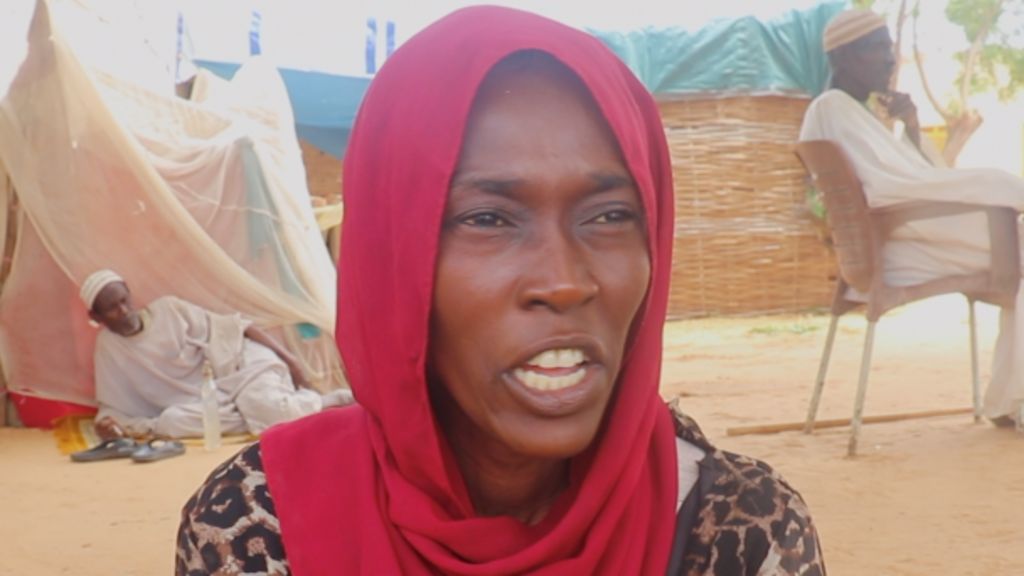
‘Our children are dying’: Rare footage shows plight of civilians in besieged Sudan city
The city of el-Fasher in Sudan has become a harrowing symbol of the ongoing civil war, as residents face starvation, disease, and relentless violence. Rare footage obtained by the BBC reveals the dire conditions inside the besieged city, where women at a community kitchen express their despair. ‘Our children are dying before our eyes,’ one woman laments, highlighting the innocence of those caught in the crossfire. Food scarcity has driven prices to unprecedented levels, with money that once bought a week’s worth of meals now covering just one. International aid organizations have condemned the deliberate use of starvation as a weapon of war, while a cholera outbreak exacerbates the crisis. Doctors Without Borders (MSF) reports nearly 100,000 cholera cases and 2,470 deaths in the past year, with el-Fasher at the epicenter. The conflict between the Sudanese army and the Rapid Support Forces (RSF) has raged for over two years, with el-Fasher emerging as one of the most brutal frontlines. The RSF has tightened its blockade, escalating attacks on the city. Despite the army’s clearance for aid convoys, the UN awaits official approval from the RSF, which accuses the army of using civilians as shields. Hospitals are overwhelmed, with shortages of medical supplies and therapeutic food. ‘The children of el-Fasher are dying daily due to lack of food and medicine,’ says Dr. Ibrahim Abdullah Khater. The international community has been urged to intervene as NGOs warn of a deliberate strategy to break civilians through hunger and fear. Meanwhile, displaced persons face violence and extortion as they flee to overcrowded camps, where cholera thrives due to polluted water and inadequate facilities. The situation remains catastrophic, with residents pleading for any form of assistance to end their suffering.
-
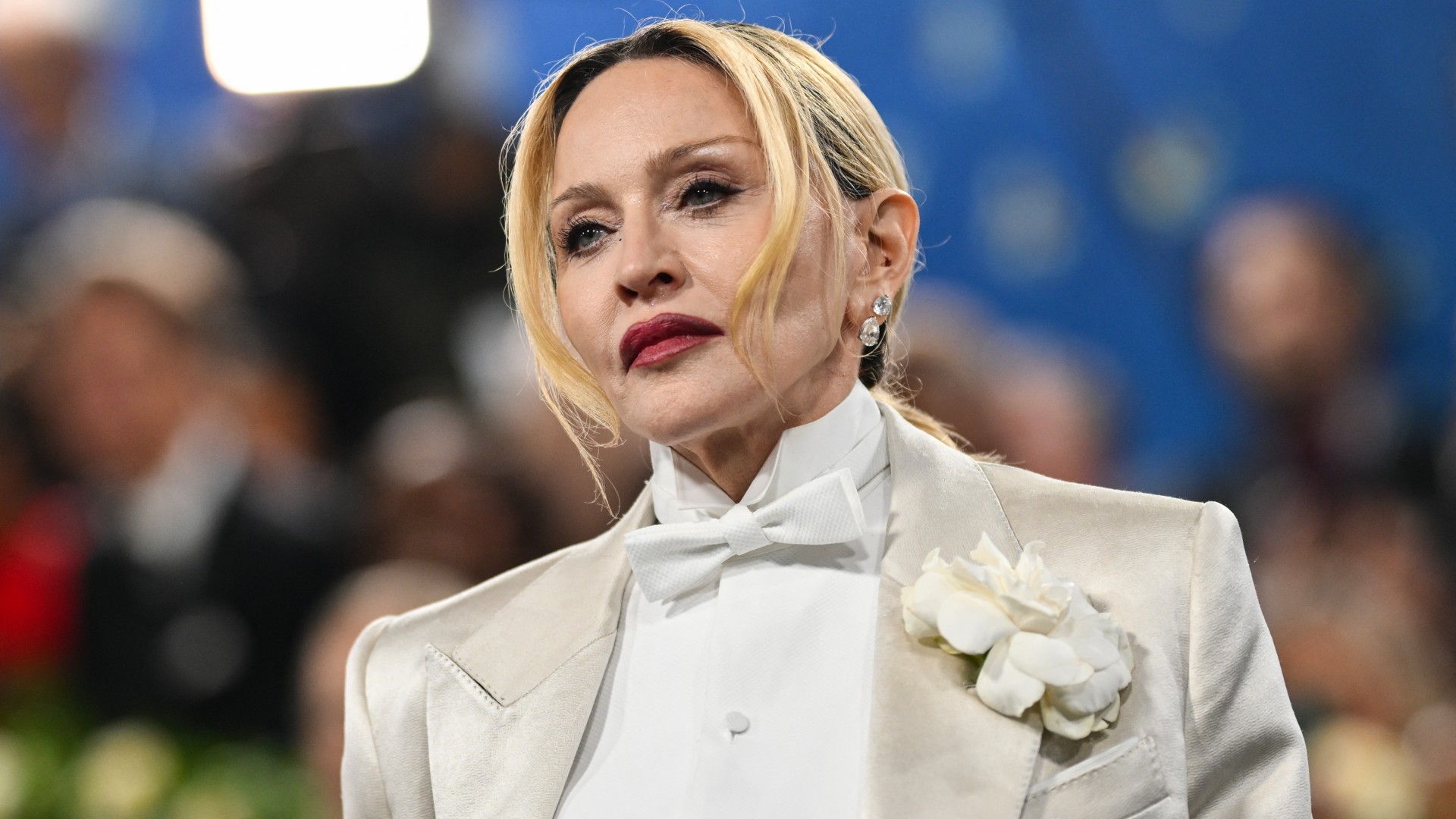
Madonna to Pope Leo: ‘Please say you will go to Gaza’
Pop icon Madonna has issued a direct public appeal to Pope Leo, urging him to personally travel to Gaza to alleviate the suffering of children affected by the ongoing humanitarian crisis. In a heartfelt Instagram post published Monday evening, the music superstar addressed the pontiff with the words: “Most Holy Father, Please go to Gaza and bring your light to the children before it’s too late.
The artist, speaking from her perspective as a mother, expressed profound distress at witnessing the deteriorating conditions, stating she could no longer bear to observe the anguish of innocent children. Madonna emphasized the universal responsibility toward children worldwide, noting that the Pope possesses unique diplomatic and spiritual authority that might facilitate access where others are denied.
This plea emerges amidst growing international concern over Gaza’s humanitarian situation. Last month witnessed a rare visit by Cardinal Pierbattista Pizzaballa, Jerusalem’s highest-ranking Catholic official, who toured Gaza alongside Greek Orthodox Patriarch Theophilos III. Their visit followed a tragic incident where an Israeli strike on Gaza City’s Holy Family Church—the territory’s last Catholic church—resulted in three Palestinian fatalities and multiple injuries.
Pope Leo initially faced criticism for his measured response to the church attack, which acknowledged casualties without explicitly identifying Israel as responsible. He later attributed the strike to the Israeli military, drawing comparisons to his predecessor Pope Francis’s more outspoken condemnation of Israel’s military actions.
The blockade imposed by Israel since March has severely restricted food and humanitarian assistance entering Gaza, creating widespread starvation and malnutrition. Despite the controversial US and Israel-backed Gaza Humanitarian Foundation (GHF) assuming control of aid distribution in late May, the organization has distributed only a fraction of required supplies. Tragically, at least 1,800 Palestinians have perished while seeking aid, predominantly near heavily militarized GHF locations.
According to Gaza’s Palestinian health ministry, at least 222 Palestinians, including 101 children, have died from starvation since the conflict began.
Madonna carefully framed her appeal as humanitarian rather than political, explicitly stating: “I am not pointing fingers, placing blame or taking sides. Everyone is suffering. Including the mothers of the hostages. I pray that they are released as well.” She characterized her outreach as an attempt to leverage spiritual consciousness rather than political discourse, describing the Pope as “a Man of God” who might effect change where politics has failed.
The singer’s relationship with the Catholic Church has been historically complex. Raised Roman Catholic, Madonna has frequently incorporated Catholic imagery into her artistic work, sometimes provocatively. Her Blond Ambition Tour (1990) was condemned by Pope John Paul II as “one of the most satanic shows in the history of humanity,” while her 2006 Confessions tour drew criticism from Cardinal Ersilio Tonini—speaking with Pope Benedict XVI’s approval—as “a blasphemous challenge to the faith.” Most recently, Madonna sparked controversy by sharing an AI-generated image depicting Pope Francis with his arm around her waist.
Adding an intriguing dimension to their relationship, a New York Times investigation revealed in June that Madonna and Pope Leo share a common ancestor six generations removed, making them ninth cousins.
-
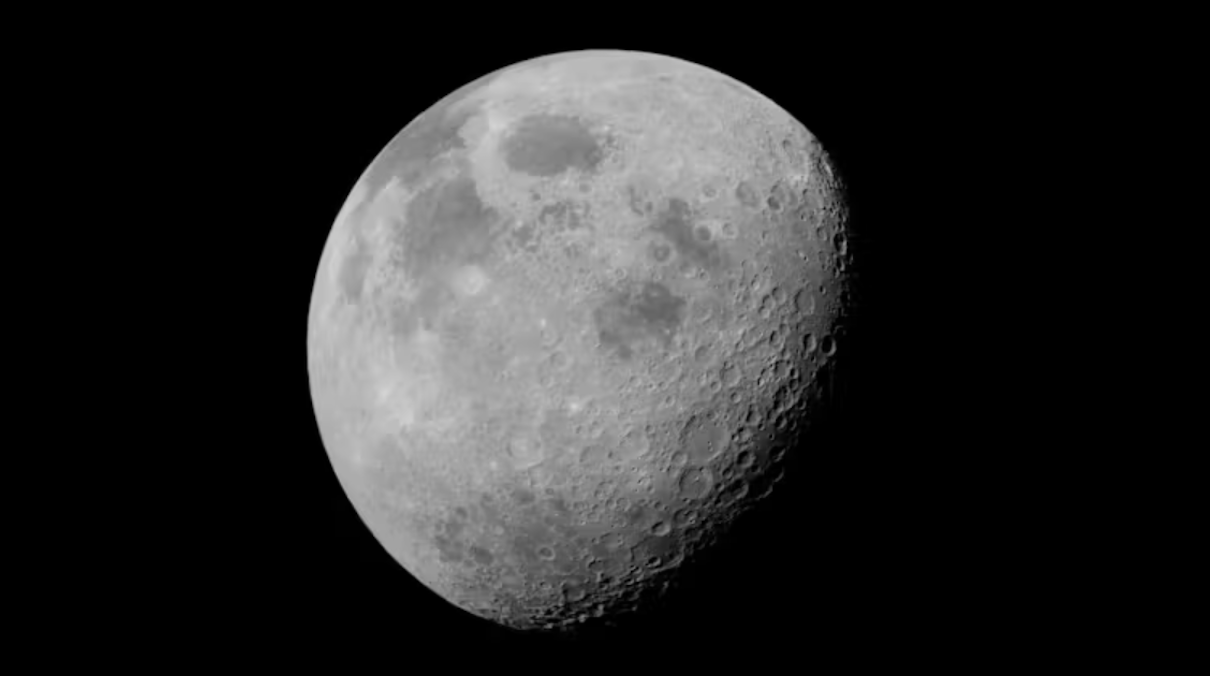
Space race next: US, China rushing to nuclearize the moon
The first space race was defined by symbolic achievements like planting flags and leaving footprints on the moon. Today, the focus has shifted dramatically. The new frontier is about building sustainable infrastructure on the lunar surface, and the key to this endeavor lies in power generation. In April 2025, China announced ambitious plans to construct a nuclear power plant on the moon by 2035, aimed at supporting its proposed international lunar research station. Not to be outdone, the United States, through NASA’s acting administrator Sean Duffy, revealed intentions to deploy a lunar reactor by 2030. While these developments may seem sudden, they are the culmination of years of research and development by NASA and the Department of Energy into small nuclear power systems designed for lunar bases, mining operations, and long-term habitats. From the perspective of space law, this is not an arms race but a strategic infrastructure race, where influence is wielded through the establishment of critical facilities. A lunar nuclear reactor, while dramatic, is neither illegal nor unprecedented. If implemented responsibly, it could enable peaceful exploration, economic growth, and technological advancements for deeper space missions. However, it also raises significant questions about access, safety, and geopolitical influence. The legal framework for such endeavors already exists, with the 1992 UN Principles Relevant to the Use of Nuclear Power Sources in Outer Space providing guidelines for safety and international consultation. The 1967 Outer Space Treaty further governs space activity, emphasizing cooperation and due regard for other nations. Being the first to establish a lunar reactor could set norms for future lunar presence and operations, particularly in resource-rich areas like the moon’s south pole, where water ice could sustain life and fuel rockets. Critics have raised concerns about radiation risks, but adherence to UN safety protocols could mitigate these issues. Solar power, while viable in some regions, is unreliable in the moon’s permanently shadowed craters, making nuclear energy a practical necessity. The deployment of nuclear power on the moon is not just about lunar exploration; it is a stepping stone for missions to Mars and beyond. The United States has an opportunity to lead not only in technology but also in governance by adhering to international guidelines and promoting transparency. The future of lunar exploration will be shaped by who builds what and how, with infrastructure serving as the cornerstone of influence in the next era of space exploration.
-
UAE and Haftar behind RSF capture of Sudan’s triangle border region
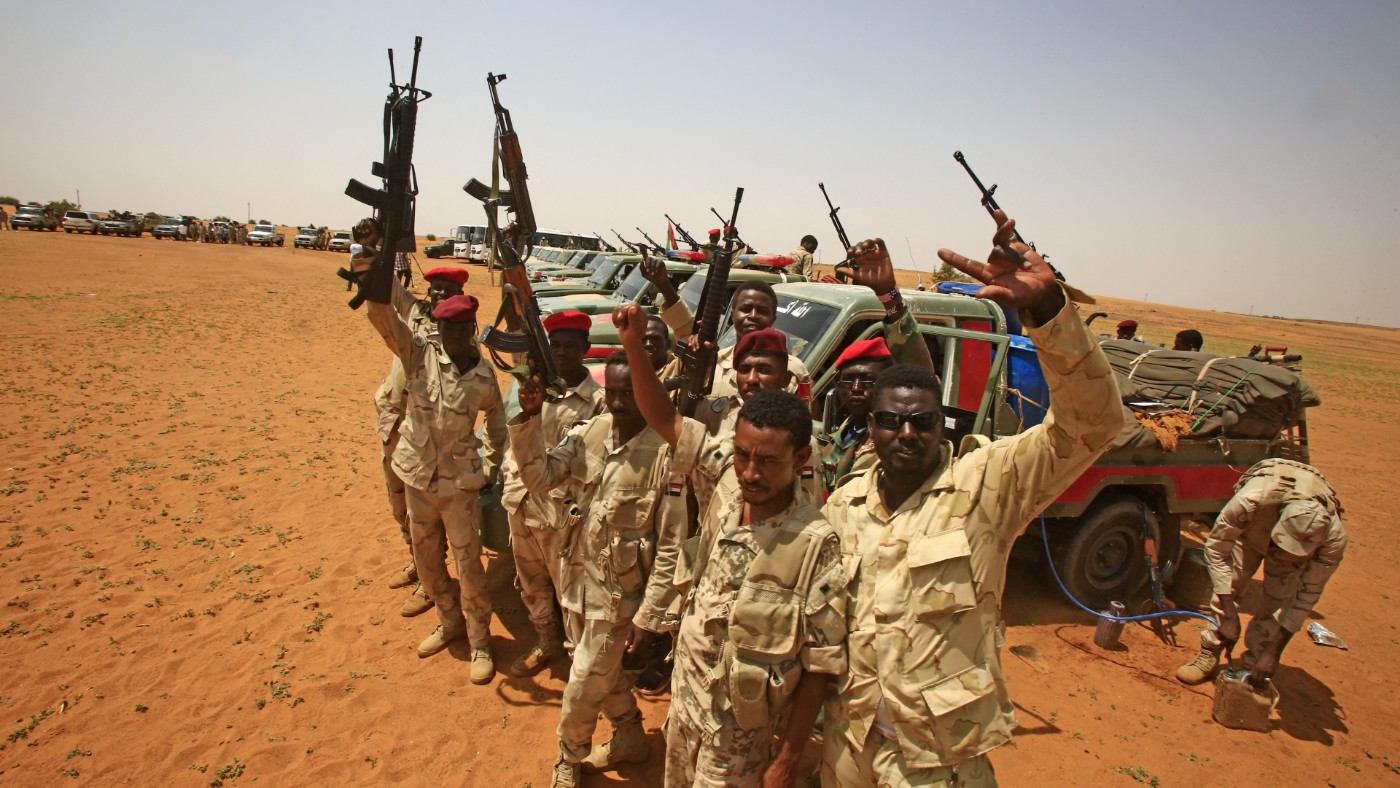
In a significant escalation of the ongoing conflict in Sudan, the Rapid Support Forces (RSF), a Sudanese paramilitary group, has taken control of the strategic Almuthallath triangle border region, which connects Sudan, Libya, and Egypt. The operation, which began on June 10, saw over 250 military vehicles, including fighters from the RSF and Libyan mercenary groups affiliated with eastern Libyan commander Khalifa Haftar, enter the area. According to Ismail Hassan, a local gold miner and trader, the RSF declared control of the region and proceeded to loot markets, taking gold, money, vehicles, and other valuables. The Sudanese Armed Forces (SAF) and their allied Joint Forces militia were forced to retreat following the attack. The RSF’s success in the lawless border region was reportedly facilitated by logistical support from the United Arab Emirates (UAE) and Russia, as well as the involvement of Haftar’s Libyan forces. Satellite imagery and flight tracking data revealed that Emirati planes delivered weapons and supplies to the RSF via southeastern Libya’s al-Kufra airport. The UAE’s involvement has further strained its relations with Egypt, which has attempted to mediate between Haftar and SAF leader Abdel Fattah al-Burhan. The RSF’s control of the border region has solidified its hold on western Sudan, particularly Darfur, and has raised concerns about the potential for prolonged conflict and regional instability. The RSF has also declared a parallel government in Nyala, South Darfur, which borders five countries, including Libya and Egypt. Analysts warn that the RSF’s control of border areas could exacerbate Sudan’s war, facilitate weapons smuggling, and enable the illegal extraction of gold and other resources.
-
‘I learnt to fire an RPG with YouTube’: How one Sudanese village fought the RSF – and won
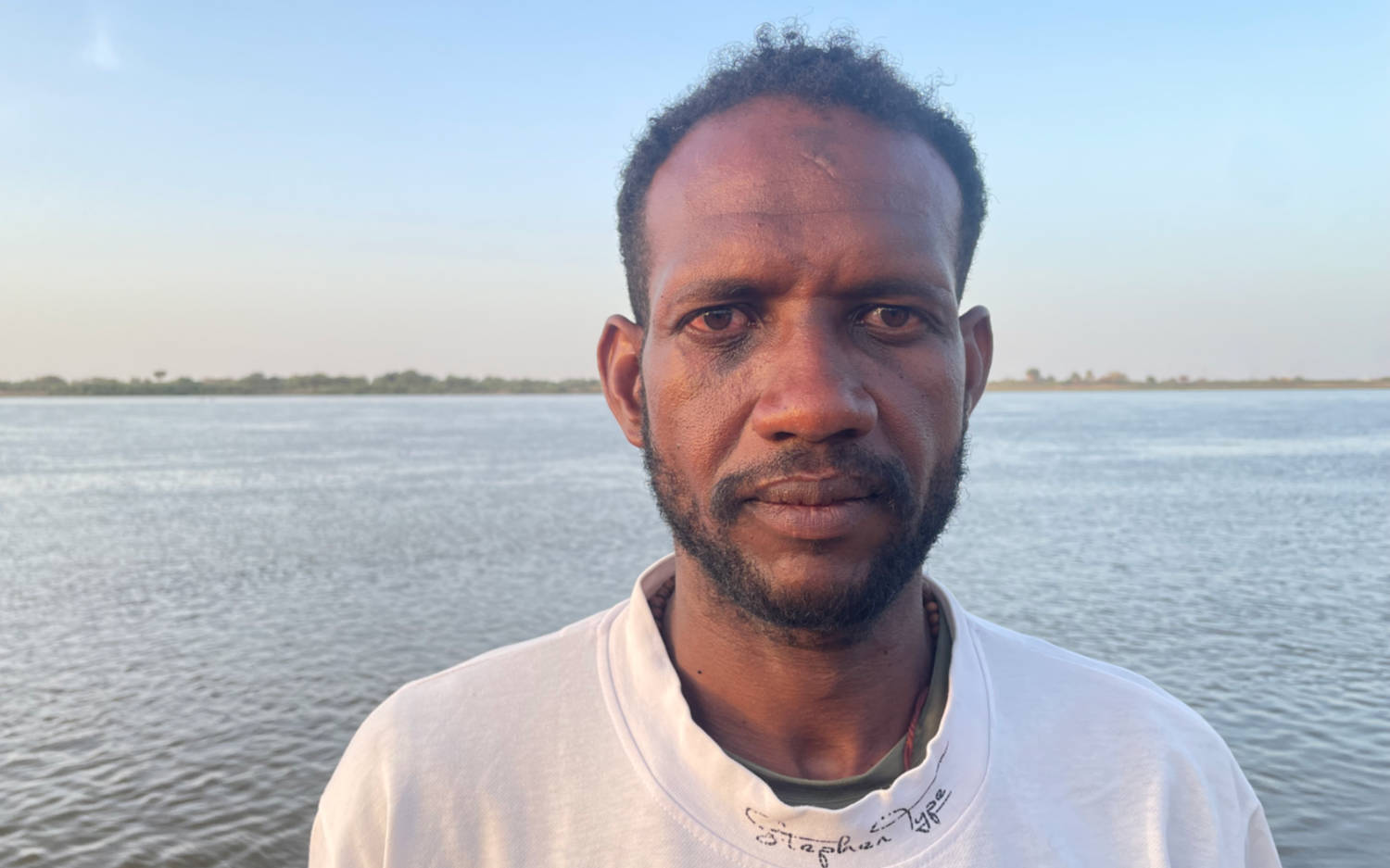
In the heart of Sudan’s al-Jazira state lies al-Tekeina, a village that has become a symbol of resilience and self-reliance in the face of war. Before the conflict erupted in April 2023, al-Amin Idriss Mohammed, a 41-year-old businessman, had never held a weapon. Yet, as the Rapid Support Forces (RSF) advanced, Mohammed and his fellow villagers transformed into a formidable self-taught militia, defending their home against relentless paramilitary attacks.
-
Gaza’s full occupation would pave way for Israeli resettlement
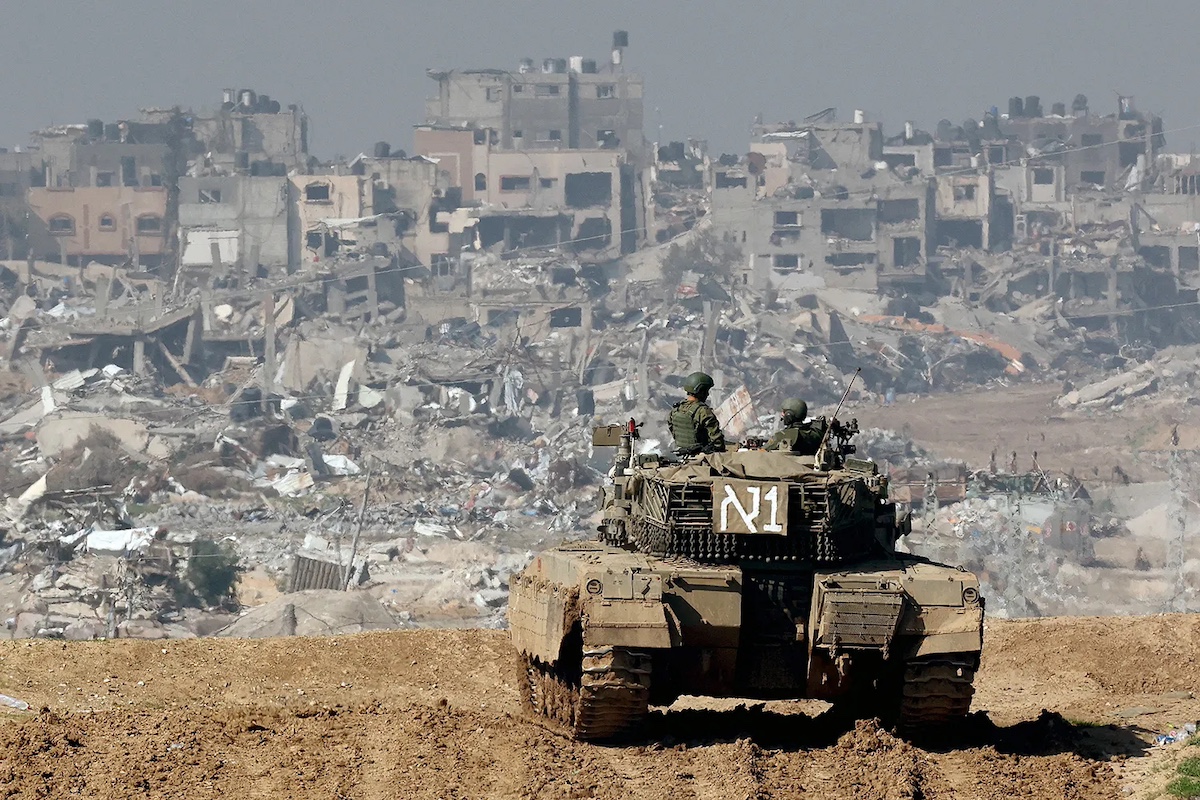
Israeli Prime Minister Benjamin Netanyahu is reportedly contemplating a significant escalation in the ongoing conflict, including a full occupation of the Gaza Strip. This potential move has sparked strong opposition from senior military officials within Israel, as well as mounting international criticism over the worsening humanitarian crisis in Gaza. Despite this, Netanyahu is expected to propose the plan to his cabinet, aiming to seize the remaining areas of the strip not under Israeli control, including regions where hostages are believed to be held. While a majority of Israelis desire an end to the war and the safe return of hostages, some are hopeful for the possibility of resettling Gaza. Netanyahu’s decision, though not necessarily aligned with the settlers’ motives, could lead to similar outcomes on the ground. Historically, Israeli governments have justified settlement expansions under security pretexts, leading to the establishment of military outposts that eventually became civilian settlements. The Gaza Strip was first occupied by Israel during the Six-Day War in 1967, and over time, Israeli settlements grew, creating stark disparities with the Palestinian population. The 2005 disengagement plan, which saw the evacuation of all Israeli settlements from Gaza, marked a significant shift in policy. However, recent calls from settler groups for the resettlement of Gaza, coupled with the inclusion of influential settler leaders in Netanyahu’s cabinet, suggest a potential return to such policies. The international community remains watchful as the situation unfolds.
-
Did the 12-day war forever change Iran’s Khamenei?
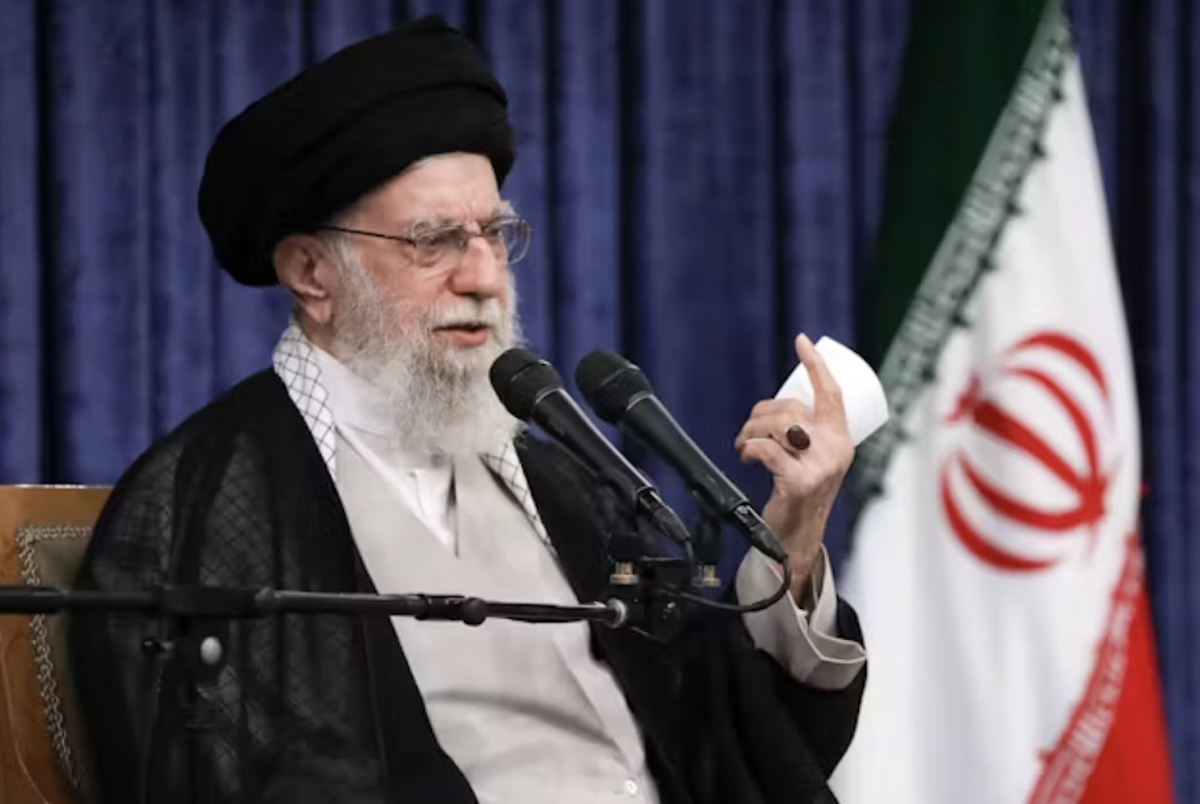
In the aftermath of Israel’s 12-day military campaign against Iran, Supreme Leader Ayatollah Ali Khamenei has largely retreated from public view, sparking widespread speculation about his health and the future direction of the Islamic Republic. The conflict, which saw extensive Israeli and U.S. strikes on Iranian targets, resulted in over 1,000 casualties, including top military commanders and nuclear scientists. This unexpected assault has left Iran grappling with its most significant challenges since the Iran-Iraq War of the 1980s.
-
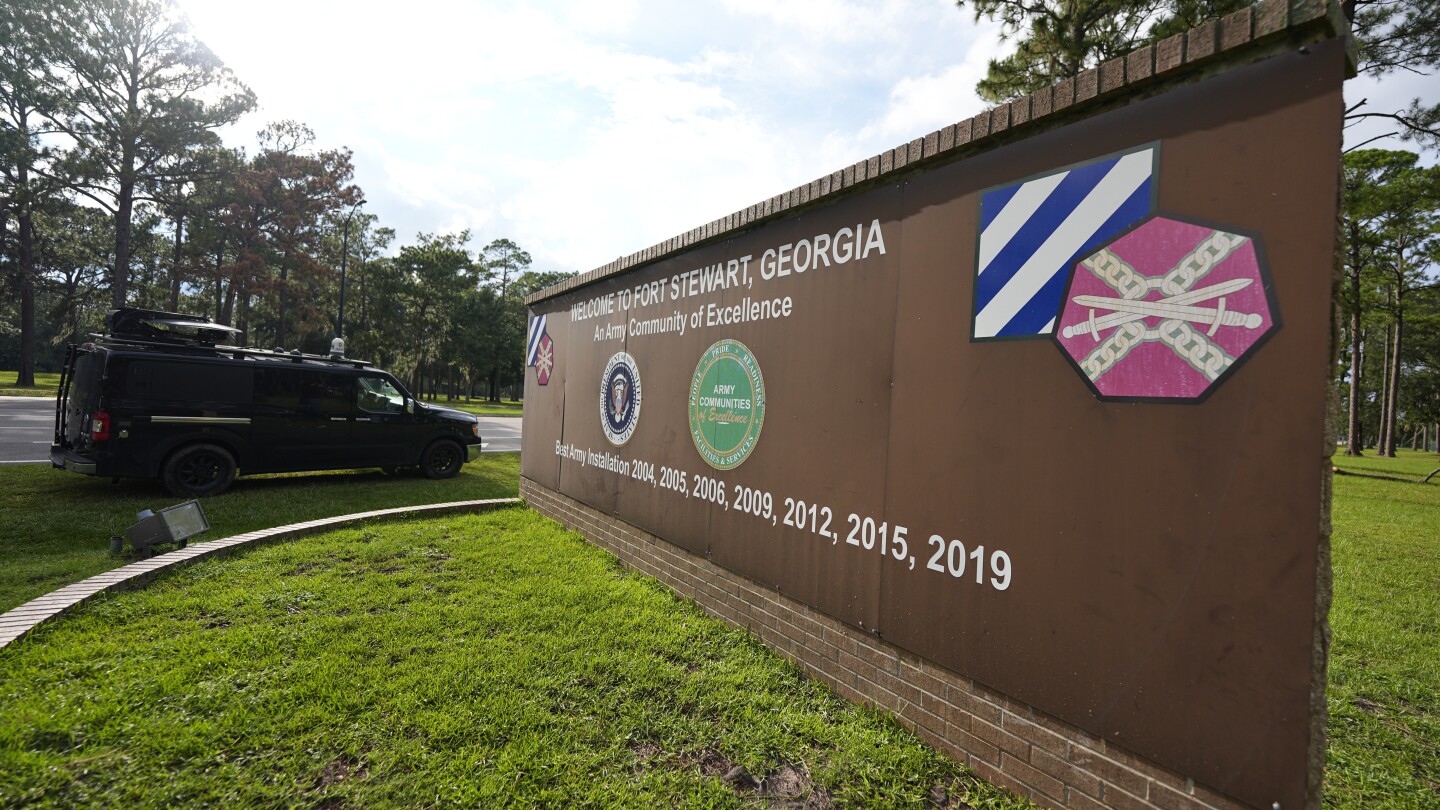
Fort Stewart army base shooting raises questions about military gun policies
A recent shooting at Fort Stewart, one of the largest military bases in the United States, has reignited debates over longstanding policies that restrict service members from carrying personal weapons on military installations. The incident, which left five soldiers injured, occurred on Wednesday and was swiftly addressed by soldiers who subdued the shooter before law enforcement arrived. However, the absence of firearms among the responding soldiers has sparked widespread discussion. The shooter, identified as logistics Sgt. Quornelius Radford, used a personal weapon, highlighting the limitations of current regulations. Videos circulating on social media show service members running for safety during the lockdown, raising questions about the effectiveness of existing policies. This incident adds to a growing list of violent episodes at U.S. military bases, some of which have resulted in significant casualties. Experts argue that while the strict gun policies on military bases are designed to protect national security, they may not be sufficient to prevent such incidents. The Department of Defense’s regulations, which have been in place for decades, require military personnel to store their firearms securely and only use them in designated areas. These rules leave little room for local commanders to exercise discretion, even in states like Georgia, which has some of the most lenient gun laws in the country. Robert Capovilla, a military law expert, emphasized that the heightened security measures are necessary due to the sensitive nature of military installations. However, former military prosecutor Eric Carpenter noted that these regulations mirror broader debates on gun control and do not entirely prevent service members from bringing weapons onto bases. The incident underscores the complexities of balancing security with individual rights within the military context.
-
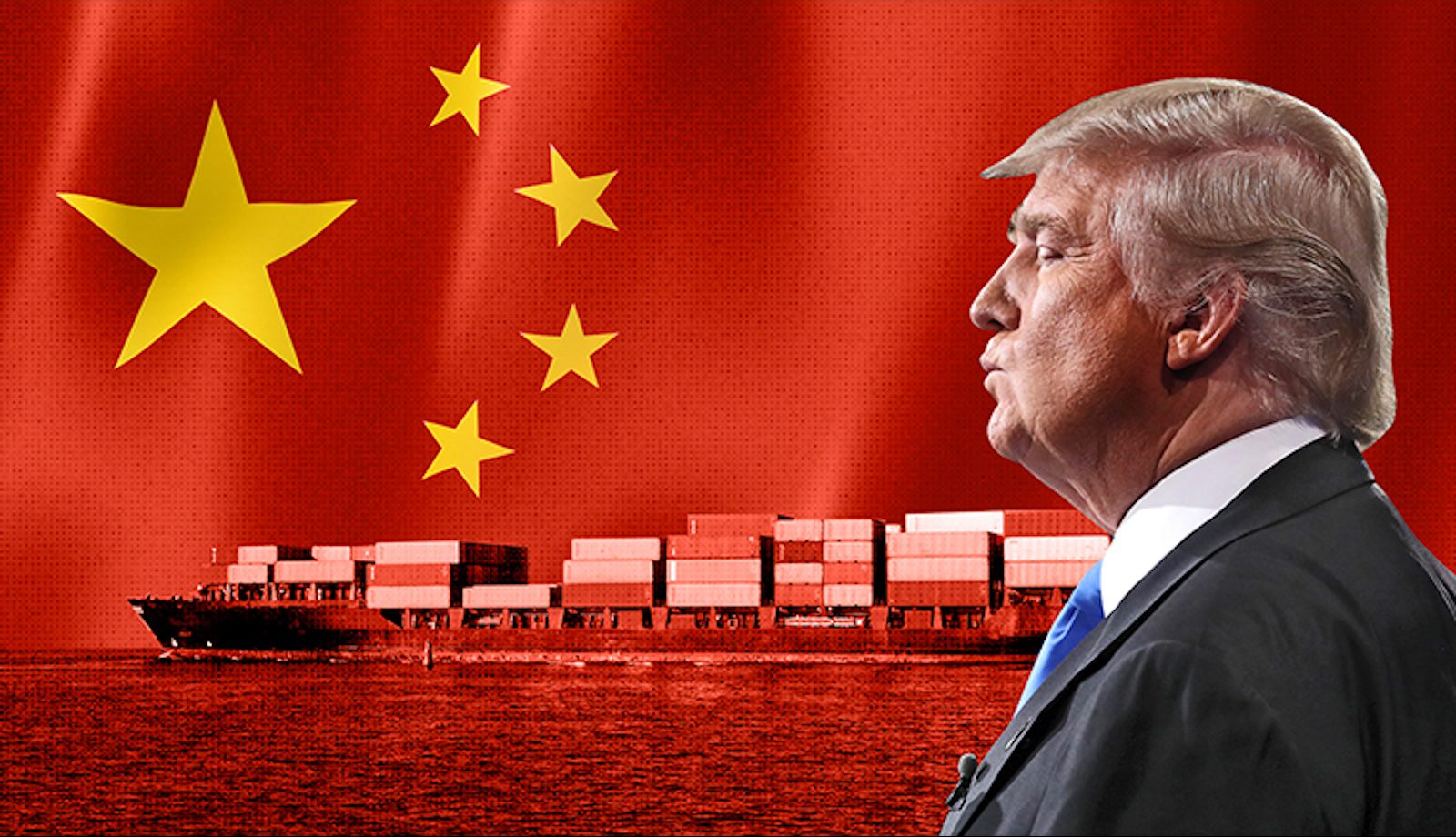
Trump’s tariff paradox is making China great again
Donald Trump’s aggressive tariff policies, initially aimed at restoring American economic dominance, have instead triggered a series of unintended consequences. Rather than weakening China’s global position, these tariffs have created economic headwinds domestically, strained key alliances, and provided Beijing with opportunities to expand its influence. The average US tariff rate has surged to 18%, the highest since the 1930s, with projections indicating that US households will bear an additional $2,400 in costs by 2025. This has led to higher prices across consumer goods, from electronics to clothing. Despite a tripling of monthly tariff revenues to $29 billion by July 2025, the Congressional Budget Office warns that supply chain disruptions and rising prices will ultimately hinder economic growth. US GDP growth has already slowed to 1.2% in the first half of 2025, down from 2.8% in 2024, with manufacturing job growth stagnating and trade-related sectors suffering significant losses. California alone is projected to lose over 64,000 jobs in trade and logistics, while the Port of Los Angeles operates at just 70% capacity due to declining trade volumes. These domestic pressures have broader strategic implications, as allies and competitors alike recalibrate their relationships with an increasingly unpredictable Washington. The tariff strategy has complicated alliance relationships, with Japan and South Korea accepting modified terms to reduce tariffs to 15%, while India continues to face the full 25% tariff, leading to diplomatic tensions. This fractured alliance structure has created openings for China to offer more attractive economic incentives, positioning itself as a more stable and pragmatic partner. China has capitalized on these shifting dynamics, accelerating its dominance in clean energy technology and expanding its engagement with the Global South. Beijing’s $9 billion investment credit line to Latin America and its deepening partnerships across Africa underscore its growing influence. The US’s continued dependence on Chinese supply chains, particularly in rare earths and critical minerals, further limits its ability to confront Beijing effectively. In essence, Trump’s tariff strategy, while generating short-term revenue, risks accelerating the very shift toward Chinese centrality in the global economy that it was designed to prevent.