博客

  • Arsenal’s Eze sinks Spurs again, Liverpool late show floors Forest

    Arsenal’s Eze sinks Spurs again, Liverpool late show floors Forest

    In a dramatic Sunday of Premier League action, Arsenal reasserted their title credentials with a commanding 4-1 victory over Tottenham Hotspur, while Liverpool secured a crucial 1-0 win against Nottingham Forest with a stunning 97th-minute goal.

    Arsenal’s triumph was orchestrated by Eberechi Eze, who delivered a decisive brace against their North London rivals. The English international, who nearly joined Spurs before his move from Crystal Palace, broke the deadlock with a close-range finish just after the half-hour mark. Though Randal Kolo Muani equalized almost immediately for Tottenham, Arsenal dominated the second half with Viktor Gyokeres restoring their lead before Eze sealed the victory with his second goal. Gyokeres added a fourth in stoppage time to complete the emphatic scoreline.

    The victory provides crucial breathing space for Mikel Arteta’s squad after recent setbacks, maintaining their five-point advantage at the summit. For Tottenham, the defeat marks a difficult start for interim manager Igor Tudor, leaving the club just four points above the relegation zone.

    Meanwhile at the City Ground, Liverpool produced a dramatic late show with Alexis Mac Allister’s last-gasp winner securing three vital points. The Argentine midfielder pounced on a rebound after Virgil van Dijk’s header was saved, breaking Forest’s resistance in the seventh minute of added time. The victory came despite Liverpool’s admission of an underwhelming performance, with Mac Allister acknowledging significant areas for improvement.

    The result lifts Liverpool level on points with Chelsea and Manchester United, keeping them firmly in the race for Champions League qualification. For Nottingham Forest, the heartbreaking defeat leaves them hovering just two points above the relegation places, increasing pressure on manager Vitor Pereira.

    In other Sunday fixtures, Fulham climbed into the top half of the table with a 3-1 victory at Sunderland, while Crystal Palace secured a much-needed 1-0 win against Wolverhampton Wanderers thanks to Evann Guessand’s 90th-minute strike.


  • Bunnings to be made available on Uber Eats delivery app

    Bunnings to be made available on Uber Eats delivery app

    In a transformative move for retail convenience, Australian hardware leader Bunnings Warehouse has announced a groundbreaking partnership with Uber Eats, marking its inaugural entry into rapid delivery services. The collaboration will enable customers across Australia and New Zealand to access over 30,000 hardware, garden, and household products through the popular delivery platform, with promised delivery times under 60 minutes.

    The strategic rollout commences with 15 Australian locations following a successful pilot program conducted in Melbourne earlier this year. This expansion represents a significant diversification for Uber Eats, which has progressively broadened its offerings beyond food delivery to include retail commodities from established brands such as Officeworks and Pet Barn.

    Consumers can expect identical in-store pricing for all items available through the delivery service. The extensive product range encompasses everything from emergency DIY tools and garden equipment to power washers, outdoor furniture, cleaning supplies, pet necessities, and even larger items like lawnmowers.

    Ryan Baker, Chief Operating Officer at Bunnings, acknowledged the enduring appeal of the traditional warehouse shopping experience while emphasizing the growing consumer demand for convenience. ‘We recognize there are instances where speed and accessibility take precedence over the conventional browsing experience,’ Baker stated.

    Lucas Groeneveld, Uber Eats’ APAC Regional General Manager, highlighted the partnership’s value proposition: ‘This collaboration delivers an extensive selection of essential items directly to customers’ doors, facilitating everything from urgent home repairs and garden projects to barbecue preparations and workplace continuity.’

    The service will incorporate standard delivery fees, though Uber One membership benefits include waived delivery charges for qualifying orders exceeding specific value thresholds. This initiative builds upon the same-day parcel delivery service already established between Bunnings and Uber in select metropolitan and regional areas throughout 2024. Further expansion of the Uber Eats integration to additional Bunnings locations is anticipated commencing in 2026.

  • France to summon US ambassador over comments on slain far-right activist

    France to summon US ambassador over comments on slain far-right activist

    France has announced it will formally summon the United States ambassador following controversial remarks by the Trump administration regarding the killing of a far-right activist in France. The diplomatic move comes as tensions escalate between the two nations over what Paris considers inappropriate interference in its domestic affairs.

    French Foreign Minister Jean-Noel Barrot confirmed the summons during a Sunday media appearance, stating that the U.S. Embassy’s commentary on the tragic incident involving radical far-right activist Quentin Deranque warranted a formal diplomatic response. Barrot emphasized that France ‘rejects any attempt to use this tragedy for political purposes’ and considers the matter one that exclusively concerns the French national community.

    The controversy stems from statements issued by President Donald Trump’s administration that condemned ‘violent radical leftism’ for its alleged role in Deranque’s fatal beating. The U.S. administration called for those responsible to be ‘brought to justice,’ a position that French authorities view as undue interference in an ongoing judicial investigation.

    This diplomatic friction occurs against a backdrop of existing trade tensions between the two nations, including recent threats of 200% tariffs on certain French goods by the Trump administration. The summoning of the American ambassador represents a significant escalation in diplomatic rhetoric and underscores the delicate nature of Franco-American relations during this period.

    The incident highlights the complex challenges facing international diplomacy when domestic tragedies become subjects of foreign political commentary, particularly when involving sensitive issues of political violence and ideological extremism.

  • Mexico’s most wanted drug lord ‘El Mencho’ killed in military operation

    Mexico’s most wanted drug lord ‘El Mencho’ killed in military operation

    Mexican defense authorities have confirmed the death of Nemesio Oseguera Cervantes, alias ‘El Mencho’, the notorious leader of the Jalisco New Generation Cartel (CJNG), during a high-stakes military operation. The raid occurred in the early hours of Sunday in Tapalpa, a municipality within the cartel’s home territory of Jalisco state.

    According to official statements from the Mexican Defense Ministry, the operation resulted in multiple CJNG casualties. El Mencho sustained critical injuries during the firefight and succumbed to his wounds while being medically evacuated by air to Mexico City. The military successfully confiscated a significant arsenal from the cartel, including armored vehicles and rocket launchers. The operation came at a cost, however, with three Mexican soldiers wounded and subsequently hospitalized for emergency care.

    In the aftermath of the operation, unverified reports emerged of vehicles set ablaze and armed individuals patrolling streets in Jalisco and other regions. The escalating violence prompted the U.S. State Department to issue immediate shelter-in-place advisories for its citizens across multiple Mexican states, including Jalisco, Tamaulipas, and parts of Michoacán, Guerrero, and Nuevo León.

    The operation benefited from critical intelligence sharing between nations. The Mexican Defense Ministry acknowledged the United States provided valuable information that facilitated the mission. This bilateral cooperation underscores the international significance of neutralizing El Mencho, whose CJNG cartel had expanded from its regional base to establish a pervasive, nationwide criminal network in Mexico.

    Christopher Landau, former U.S. Ambassador to Mexico, hailed the development on social media, declaring it a monumental victory for regional and global security. The U.S. government had previously designated El Mencho as a top-priority target, offering a substantial $15 million reward for information leading to his capture.

  • Al Fahidi Fort: First look at one of Dubai’s earliest buildings set to reopen as museum

    Al Fahidi Fort: First look at one of Dubai’s earliest buildings set to reopen as museum

    Dubai’s iconic Al Fahidi Fort, one of the emirate’s most ancient structures dating back to 1787, is poised to reopen its gates to the public during the first half of this year following an extensive rehabilitation project. The landmark development was confirmed on Sunday following an inspection tour by Sheikha Latifa bint Mohammed bin Rashid Al Maktoum, Chairperson of Dubai Culture and Arts Authority, who reviewed the final phase of restoration works.

    This historically significant fortress, which has witnessed Dubai’s remarkable transformation from a modest coastal settlement to a global metropolis over two centuries, will be reimagined as a cutting-edge museum experience. The revitalized complex will feature six meticulously curated galleries and exhibition spaces showcasing precious historical artifacts, archival photography, and rare documents that chronicle the emirate’s rich heritage.

    Through innovative digital media installations, audiovisual presentations, and interactive 3D displays, visitors will embark on an immersive journey tracing the fort’s evolution and its multifaceted role throughout history. Before its initial conversion into Dubai’s inaugural museum in 1971, the site served as a vital community hub, center of governance, judicial headquarters, and residential quarters for successive generations of rulers whose visionary leadership shaped modern Dubai.

    Sheikha Latifa emphasized the fort’s profound cultural significance, stating: “Al Fahidi Fort stands as a reminder of where our journey began; within its walls lies the spirit of a city shaped by vision and belief in what could be achieved.” She highlighted the foresight of the late Sheikh Rashid bin Saeed Al Maktoum in recognizing that enduring progress must be built upon strong foundations and clear purpose.

    The restored monument will serve as both a cornerstone of Dubai’s cultural landscape and a key pillar of its cultural tourism strategy, offering visitors meaningful insights into the traditions, daily life, and values that forged the emirate’s unique identity while safeguarding this heritage for future generations.

  • India delays US trade talks after Supreme Court rejects Trump tariffs, source says

    India delays US trade talks after Supreme Court rejects Trump tariffs, source says

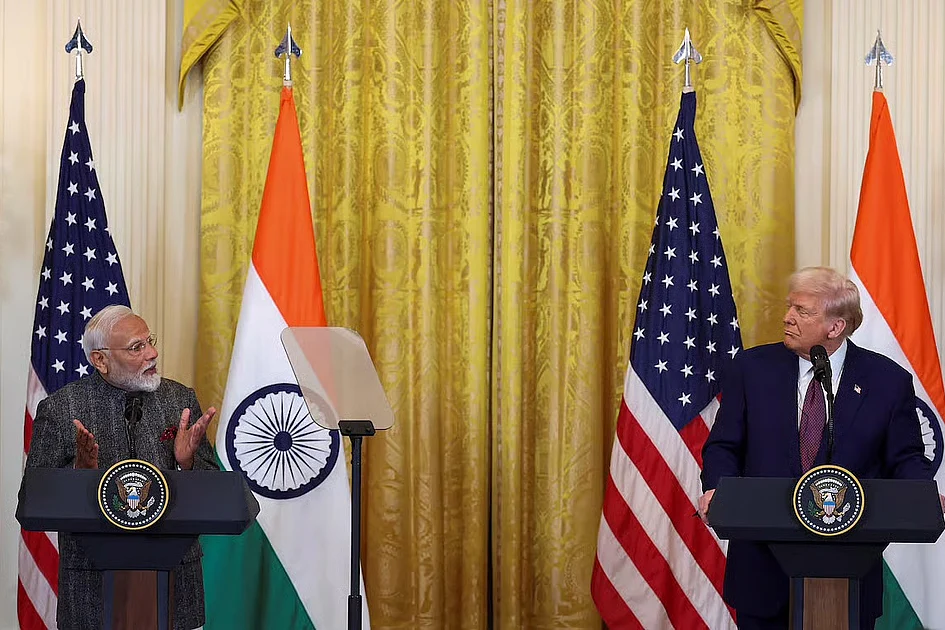
    India has abruptly postponed a high-level trade delegation to Washington scheduled for this week, creating uncertainty around a landmark bilateral trade agreement. The decision comes directly in response to the U.S. Supreme Court’s recent rejection of tariff measures previously imposed by former President Donald Trump.

    According to an anonymous source within India’s trade ministry, the postponement was mutually agreed upon by officials from both nations due to the significant legal and economic uncertainty created by the court’s Friday ruling. No alternative date for rescheduled talks has been established.

    The now-delayed negotiations were intended to finalize an interim trade pact that had been carefully developed over months. The framework agreement would have seen the United States reduce punitive tariffs on specific Indian exports from 25% to 18%, while India committed to purchasing American goods worth approximately $500 billion over a five-year period. These purchases were to include energy supplies, aircraft and components, precious metals, and advanced technology products.

    The Supreme Court’s decision has triggered immediate international repercussions, with India’s response representing one of the first concrete reactions from Asian nations. In a subsequent move, President Trump announced on Saturday the imposition of a temporary 15% tariff on imports from all countries—the maximum permitted under existing legislation.

    Domestically, India’s opposition Congress party has seized on the judicial development, demanding that the interim agreement be suspended and renegotiated. Party officials have questioned Prime Minister Narendra Modi’s decision to issue a joint statement with the U.S. prior to the court’s ruling.

    Indian Trade Minister Piyush Goyal had previously indicated that the interim pact could take effect as early as April, pending resolution of outstanding issues during the Washington visit. The Indian trade ministry has confirmed it is conducting a comprehensive analysis of both the court judgment and subsequent U.S. policy announcements.

  • Russian missile barrage hits energy, railways across Ukraine

    Russian missile barrage hits energy, railways across Ukraine

    In a significant escalation of hostilities just days before the fourth anniversary of its full-scale invasion, Russia launched a coordinated multi-pronged assault across Ukraine on Sunday. The widespread offensive targeted critical energy infrastructure, railway networks, and residential areas with a barrage of 50 missiles and 297 drones, marking one of the most intensive attacks in recent weeks.

    Ukrainian air defense systems demonstrated remarkable effectiveness by intercepting 33 missiles and 274 drones, though significant damage still occurred across multiple regions. The capital Kyiv and its surrounding areas suffered particularly severe impacts, with reports confirming one fatality and at least a dozen injuries, including four children. In the suburb of Sofiivska Borshchagivka, residential structures sustained extensive damage, with eyewitnesses describing powerful explosions that shook buildings violently.

    President Volodymyr Zelensky condemned the attacks, stating that Moscow continues to prioritize military strikes over diplomatic solutions. ‘The main target was the energy sector, but ordinary residential buildings were also damaged, along with railway infrastructure,’ Zelensky emphasized during his address.

    Concurrently, a separate security incident unfolded in Lviv, where an explosion at a central retail establishment resulted in the death of a police officer and injuries to 25 individuals. Ukrainian authorities subsequently detained a suspect allegedly recruited through Telegram messaging platform, with Zelensky characterizing the event as ‘a cynical and cruel act of terrorism’ orchestrated by Russian operatives.

    The military offensive occurred against a complex geopolitical backdrop, with Hungary threatening to block the European Union’s latest sanctions package against Russia unless Ukraine reinstates operations of the damaged Druzhba oil pipeline. Ukraine maintains that Russian strikes originally compromised this critical energy conduit in late January.

    Poland’s armed forces responded to the heightened tensions by scrambling fighter jets as Russian long-range aviation conducted strikes near border regions. Meanwhile, Russia’s defense ministry asserted that all targeted facilities served military purposes, though evidence from impact sites contradicted these claims.

  • Andrew’s arrest hands King Charles fresh royal crisis

    Andrew’s arrest hands King Charles fresh royal crisis

    The British monarchy faces one of its most severe modern crises following the arrest of Prince Andrew, creating unprecedented challenges for King Charles III’s reign. The Duke of York was taken into police custody on suspicion of transmitting confidential information to convicted sex offender Jeffrey Epstein during his tenure as UK trade envoy from 2001-2011—marking the first arrest of a senior royal in contemporary history.

    This development compounds a series of difficulties that have plagued Charles’ monarchy since his ascension in September 2022 following Queen Elizabeth II’s death. His reign has been characterized by multiple personal and institutional challenges, including Prince Harry’s explosive memoir “Spare,” which revealed damaging family disputes, and simultaneous cancer diagnoses affecting both the King and Catherine, Princess of Wales.

    Royal commentator Ed Owens observed: “Charles has been battered by a succession of difficulties and crises, whether it’s in relation to his second son, Harry, his health, the health of Catherine, or the very disruptive figure of Andrew.”

    The current situation represents what royal historian Andrew Lownie describes as “a crunch point” for the monarchy. The institution’s moral authority faces significant erosion due to Andrew’s longstanding association with Epstein, which has caused years of embarrassment. A particularly damaging 2011 photograph showed the prince with his arm around Virginia Giuffre, Epstein’s primary accuser.

    Despite Charles’ October attempt to distance the monarchy by stripping Andrew of all titles, newly released documents from the U.S. Department of Justice have reignited public outrage. In response to the arrest, Charles issued a rare personally signed statement vowing that “the law must take its course” while expressing his “deepest concern.”

    Experts compare the current crisis to historical monarchy-shaking events including Edward VIII’s 1936 abdication and Princess Diana’s 1997 death. Academic and royal expert Pauline Maclaran notes that the monarchy appears “quite unstable now” following Queen Elizabeth’s passing, adding that the late queen “certainly protected Andrew.”

    Owens offered a more stark assessment: “Andrew was an unexploded bomb that the queen passed on to Charles. This episode could potentially be hugely damaging to the institution. Already, I think its moral authority has suffered.”

    Restoring public confidence may require visible changes to the monarchy’s structure and operations, with attention turning to Prince William as a potential agent of modernization. The coming months will test whether the institution can navigate this crisis while maintaining its relevance in modern British society.

  • Philippines braces for possible protests amid ex president Duterte’s ICC hearings

    Philippines braces for possible protests amid ex president Duterte’s ICC hearings

    The Philippine National Police (PNP) has elevated its alert status nationwide in anticipation of potential demonstrations surrounding former President Rodrigo Duterte’s inaugural International Criminal Court (ICC) proceedings. Police General Jose Melencio Nartatez, PNP Chief, confirmed Sunday that security forces are maintaining vigilant surveillance regarding possible mass gatherings connected to the high-profile case.

    Authorities have implemented comprehensive security protocols to safeguard public order during any organized activities. “Our personnel will be present to protect citizens’ rights and ensure peaceful conditions regardless of group affiliations,” Nartatez stated, emphasizing the commitment to balanced law enforcement.

    The ICC hearings, scheduled for February 23-24 and 26-27, will address the confirmation of criminal charges against the former leader. Duterte remains in ICC custody since March 2025, facing allegations of crimes against humanity stemming from his controversial anti-drug initiative during both his presidential term and earlier tenure as Davao City mayor.

    Notably, the ICC Pre-Trial Chamber I has approved Duterte’s request to be absent from the confirmation proceedings. The former president has consistently rejected the court’s jurisdiction over his case, describing himself as “old, tired and frail” while acknowledging the possibility of dying in detention.

    The legal journey began with an initial ICC complaint filed in June 2017. Duterte subsequently initiated the Philippines’ withdrawal from the Rome Statute in March 2018, which took full effect in March 2019. However, the ICC maintains jurisdiction over alleged offenses occurring between November 1, 2011, and March 16, 2019—the period when the Philippines remained a state party to the international court.

  • ‘No thanks’: Greenland, Denmark reject Trump’s hospital ship offer

    ‘No thanks’: Greenland, Denmark reject Trump’s hospital ship offer

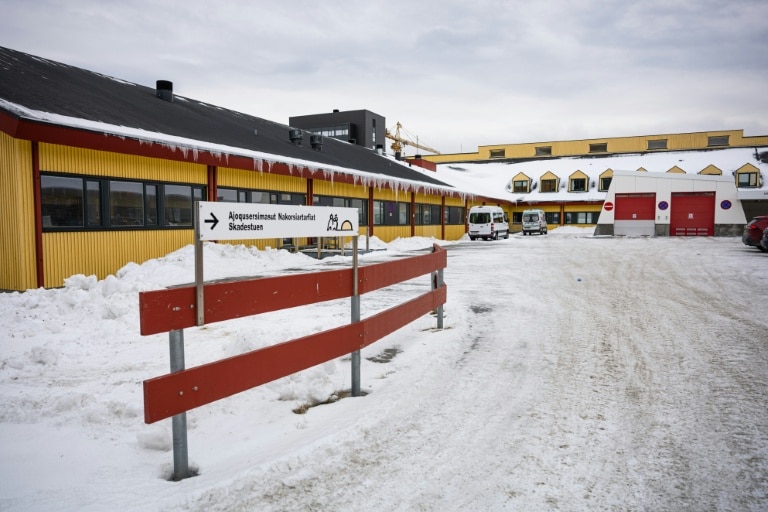
    In a diplomatic rebuff, the governments of Denmark and its autonomous territory, Greenland, have formally declined an offer from former U.S. President Donald Trump to dispatch a U.S. naval hospital ship to the Arctic island. The proposal, which Trump announced on his Truth Social platform alongside an AI-generated image of the USNS Mercy, was met with a firm and public rejection.

    Greenlandic Prime Minister Kim Kielsen, leading the autonomous government, articulated the refusal on social media, stating, ‘That will be ‘no thanks’ from us.’ He emphasized the territory’s commitment to its existing, fully public healthcare system, noting, ‘We have a public health system where care is free for citizens. This is not the case in the United States, where going to the doctor costs money.’ This sentiment was echoed by Danish Defence Minister Troels Lund Poulsen, who confirmed to national media that Greenlandic citizens receive all necessary medical care either locally or through specialized treatment in Denmark, negating any requirement for external assistance.

    The offer emerged concurrently with a real medical evacuation, where Danish forces airlifted a sailor from a U.S. submarine off the coast of Nuuk. However, officials were quick to clarify that this incident was routine and unrelated to the political proposal. The rejection also underscores a broader geopolitical context. Trump has repeatedly expressed a strategic interest in Greenland, previously suggesting its purchase for national security reasons. This latest episode, described by Danish officials as part of a ‘new normal’ in international politics, reflects ongoing tensions and the complex diplomatic relationship between the U.S. and its Arctic allies.

    Further highlighting the contrast between the two nations’ systems, Danish Prime Minister Mette Frederiksen expressed pride in Denmark’s model of free and equal healthcare access. The rejection was supported by Aaja Chemnitz, Greenland’s representative in the Danish Parliament, who acknowledged challenges within Greenland’s health system but asserted they are best addressed through its existing partnership with Denmark, a nation she contrasted with the U.S. due to its own well-documented healthcare struggles.