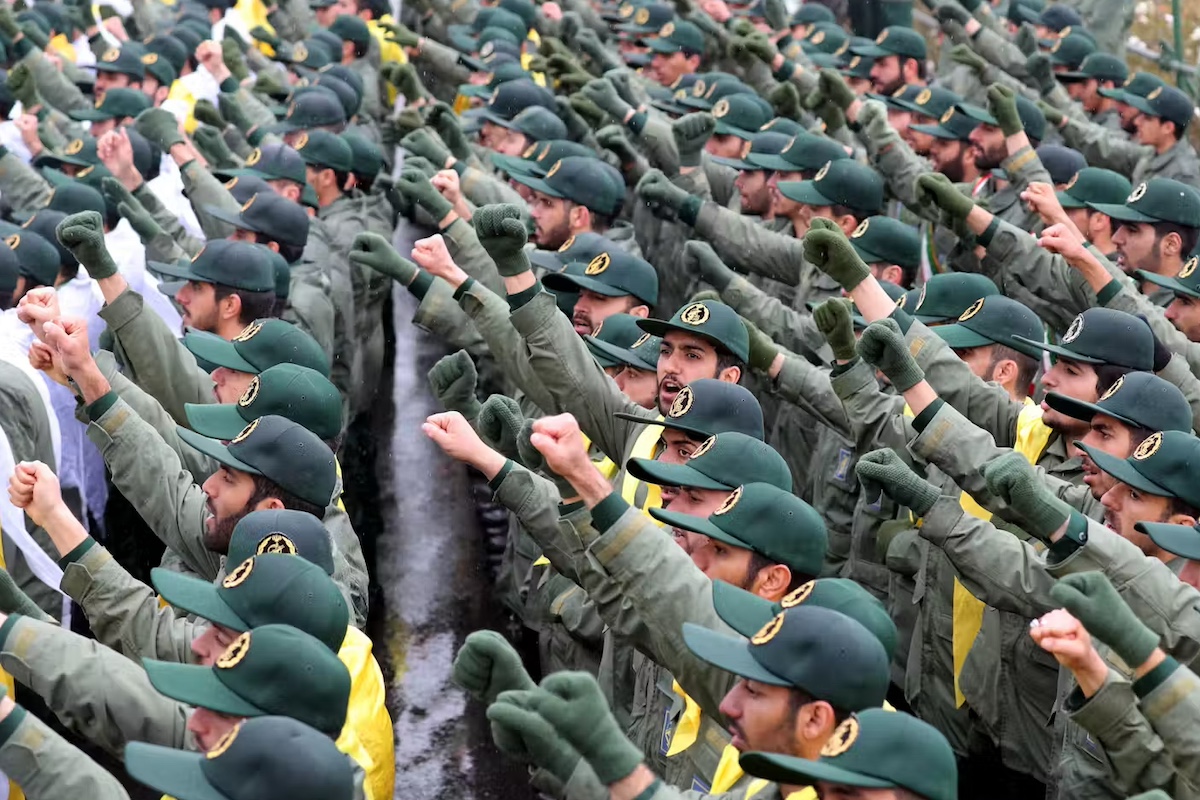
In a dramatic move, Australian Prime Minister Anthony Albanese has accused Iran of directing at least two antisemitic attacks on Australian soil, including the firebombing of a synagogue. These actions, Albanese claims, were intended to sow discord and undermine social cohesion in the country. In response, Australia has expelled Iran’s ambassador, suspended operations of its embassy in Tehran, and announced plans to designate Iran’s Islamic Revolutionary Guard Corps (IRGC) as a terrorist organization, aligning with similar actions by the United States and Canada. The IRGC, a branch of Iran’s armed forces, has been implicated in various destabilizing activities globally, including coordinating support for groups like Hezbollah and Hamas. Western intelligence agencies have long accused the IRGC of involvement in covert operations, with the UK recently revealing it had thwarted 20 Iranian-linked plots since 2022. Australia’s decision marks a significant escalation in its stance toward Iran, with officials noting this is the first time since World War II that Canberra has expelled an ambassador. Tehran is expected to reject the allegations, dismissing them as politically motivated. This development comes amid broader tensions over Iran’s nuclear program, with Western powers demanding a halt to uranium enrichment activities and preparing to reimpose sanctions. Australia’s actions may further isolate Iran internationally, adding momentum to Western efforts to counter its influence.
博客
-
Trump Doctrine 2.0: a half-year economic autopsy
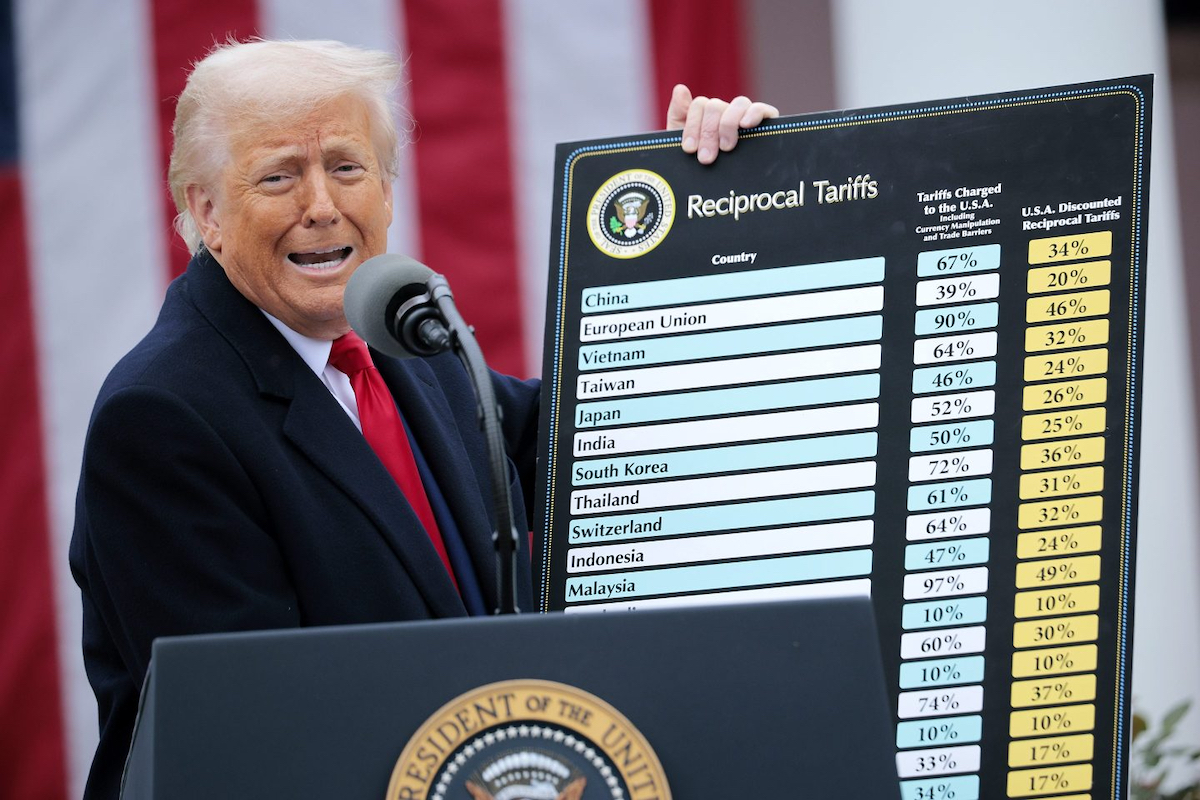
On January 20, 2025, Donald Trump reclaimed the presidency with a bold promise of an ‘economic revolution.’ Six months into his term, the global economy is grappling with the consequences of his radical policies, which have created a bifurcated economic landscape. Traditional markets are struggling under the weight of trade wars and uncertainty, while the digital economy is experiencing unprecedented growth. This report delves into the implementation and impact of Trump’s economic agenda, revealing a mixed record of successes, failures, and suspended projects. Key initiatives such as cryptocurrency deregulation and oil production expansion have seen significant victories, while efforts to curb inflation and end the Ukraine war have faltered. The US economy is now characterized by a dual-speed dynamic: the Main Street economy faces stagnation and rising costs, while the speculative digital economy booms. This dichotomy poses significant challenges for policymakers, with the Federal Reserve caught between combating inflation and preventing recession. The long-term implications of Trump’s policies include rising national debt, increased economic inequality, and a shift toward a multipolar global order. As the world adapts to an unpredictable America, the Trump doctrine’s legacy remains uncertain, with the potential for both transformative change and systemic crisis.
-
Chinese calligraphy can bring creative freedom in the age of AI
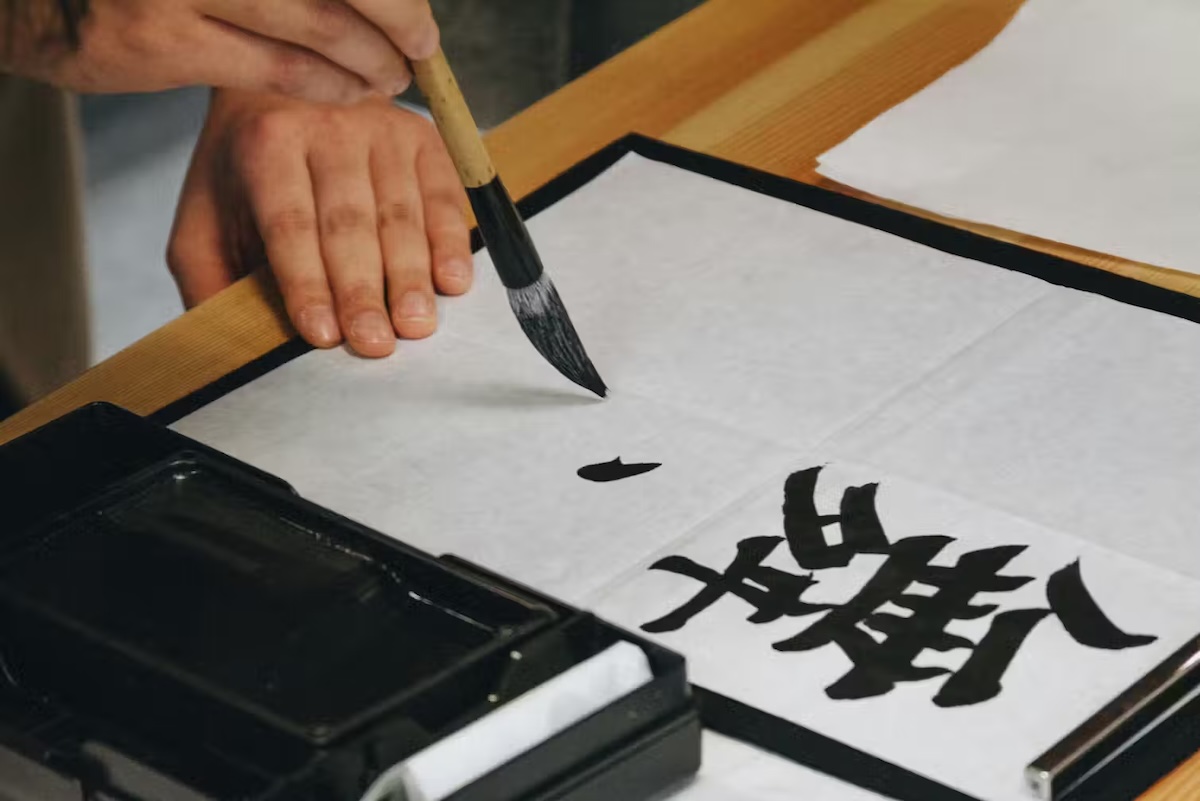
In an era dominated by digital devices, the act of handwriting has become increasingly rare. However, research reveals that handwriting engages the brain more extensively than typing, fostering intricate motor skills and enhanced visual processing. This practice not only influences our thinking and creativity but also offers a unique way to express ourselves and generate new ideas. One of the oldest and most profound forms of handwriting is Chinese calligraphy, a practice that has transcended centuries, blending cultural, philosophical, and artistic elements. Chinese calligraphy, with its emphasis on brushstrokes and composition, values both the inked and the empty spaces on the scroll, symbolizing balance and harmony. The tools of calligraphy—a soft brush, Xuan paper, and ink—are simple, yet the art demands a clear mind, sincerity, humility, and self-restraint. As generative AI takes over more writing tasks, there is a growing concern that humans are becoming disconnected from their creative ideas. The multi-sensory experience of handwritten calligraphy fosters a deeper connection with the writer’s emotions and surroundings, promoting patient introspection and grounding the practitioner in the physical world. This practice offers lasting benefits for our often overwhelmed and restless minds. Writers like Nicholas Carr and Aden Evens highlight the ongoing rewiring of our minds due to excessive online engagement, which can diminish attention spans and deep-reading abilities, leading to superficial information processing. Artist and author James Bridle warns of the dangers of tech-dependency and over-reliance on automated systems, which can blind us to bias and bad data. Ink artist Pan Jianfeng, based in Finland, has embraced handwriting with a brush as a modern pursuit of self-cultivation and creative freedom. Through his experimental use of paper and brush, Pan invites us to reconsider the meaning of ‘content generation,’ ‘human creativity,’ and ‘communication.’ His artworks, created with traditional organic materials, engage with concepts beyond our expectations and imagination, without adding to the environmental burden of generative AI. Pan’s ‘One Breath Workshops’ advocate for mindful handwriting that brings stillness and peace in an age saturated with information. His exhibitions, such as ‘Ink Roamings,’ encourage visitors to engage in imaginative discovery and contemplation, fostering a deeper understanding of the world and each other. As Pan aptly puts it, ‘We don’t need more content—we need a better understanding of the world with all its challenges, and of each other.’
-
Trump, Venezuela and China’s Latin America advance
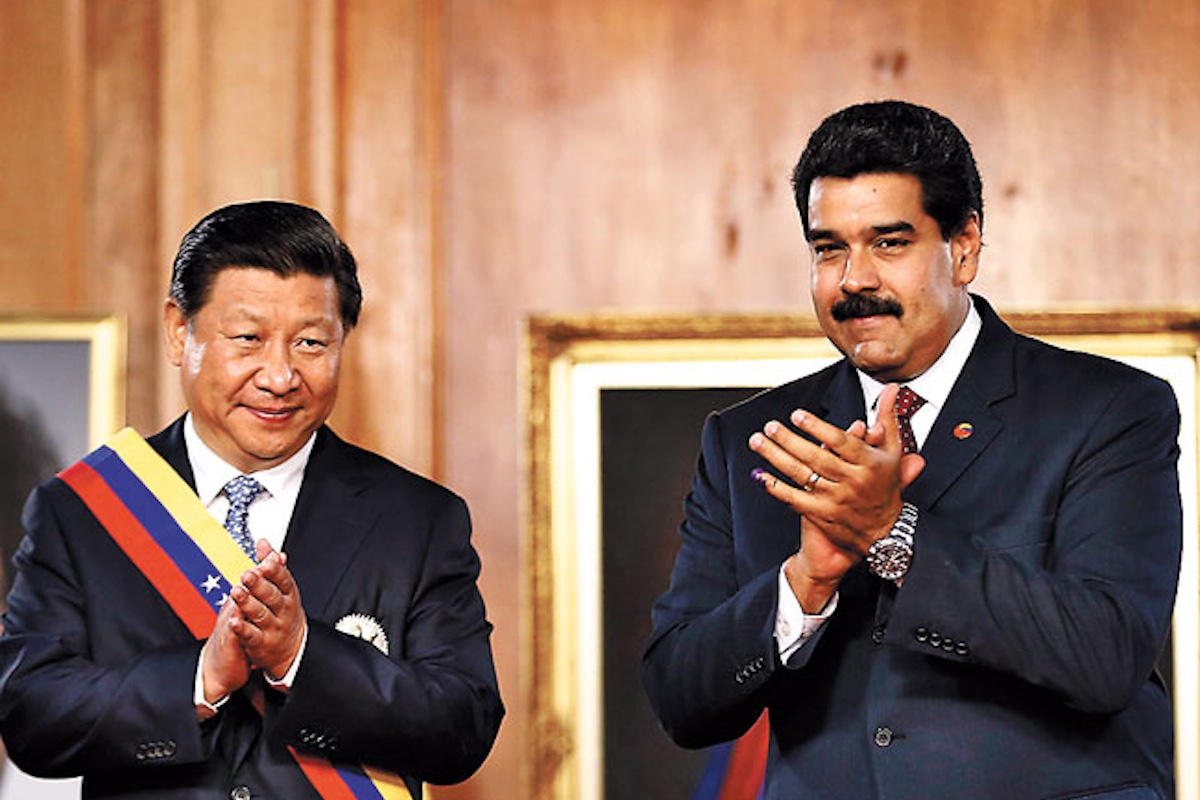
The Trump administration’s Venezuela policy, largely continued by the Biden administration, serves as a cautionary tale of how ideological rigidity can undermine strategic interests, particularly in the context of geopolitical competition with China. While Washington focused on maximum pressure tactics—sanctions, diplomatic isolation, and threats of military intervention—Beijing quietly positioned itself as Venezuela’s economic lifeline, deepening its influence in America’s backyard. This outcome was predictable: cutting off a regime’s traditional economic ties inevitably drives it toward alternative partners. China, with its non-interference policy and hunger for energy resources, emerged as the obvious choice, reaping significant strategic benefits at Washington’s expense. The US approach, rooted in the flawed assumption that economic pressure alone would trigger regime change, has proven counterproductive. Instead of weakening President Maduro’s grip, sanctions fostered a dependency on China, further entrenching Beijing’s foothold in the region. China’s strategy, characterized by ‘authoritarian pragmatism,’ has secured access to Venezuela’s oil reserves, expanded its economic presence in Latin America, and positioned itself as a counterbalance to US hegemony. This case highlights a broader issue in US foreign policy: prioritizing moral satisfaction over strategic calculation. By framing Venezuela policy around democracy promotion rather than managing great power competition, Washington inadvertently handed Beijing a strategic victory. A more effective approach would involve selective engagement with the Maduro government, economic competition with China, and multilateral coordination with regional partners. The lesson is clear: in an era of great power competition, ideological foreign policy is a luxury the US can no longer afford.
-
China’s lithium mining faces strict new regulatory era
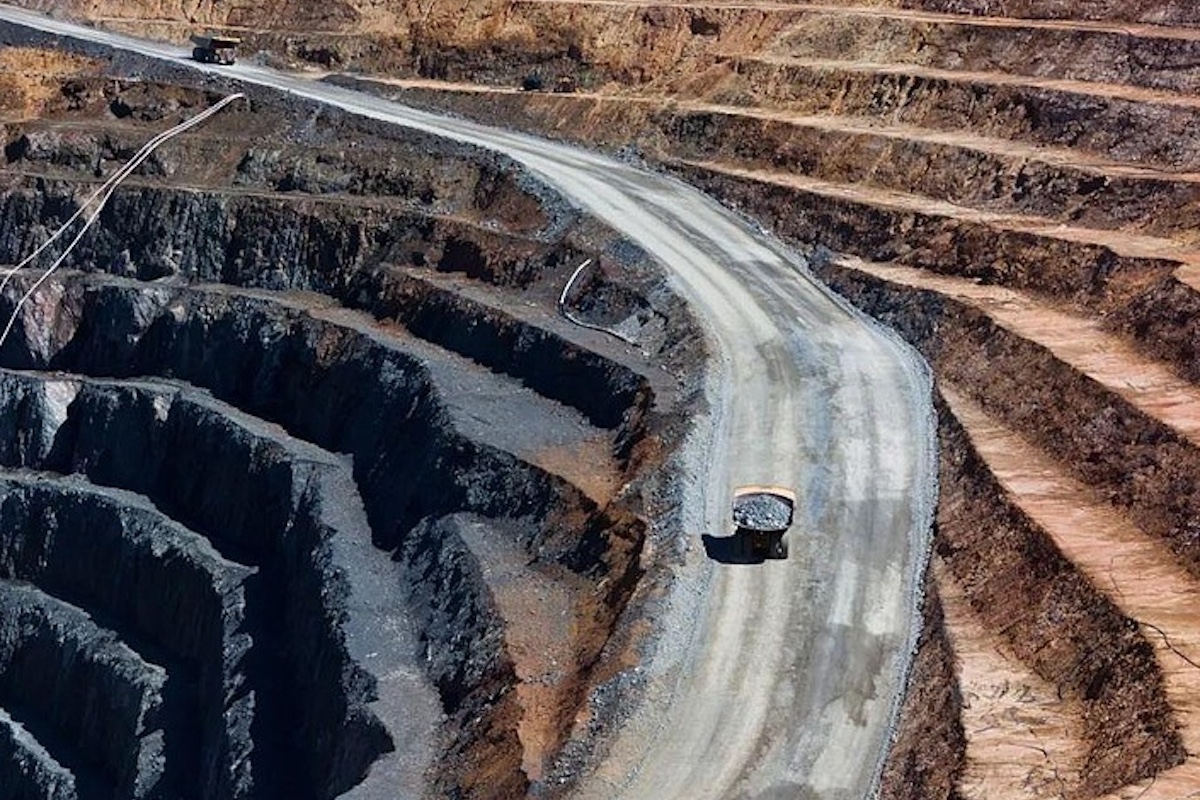
China has significantly intensified its regulatory oversight of lithium mining, transitioning from a lenient approach to a stringent framework aimed at ensuring sustainable and high-quality growth. In 2023, authorities initiated a policy to ‘clean up’ productive capacity, eliminating unlicensed operators and enforcing stricter compliance standards. This shift culminated in the enactment of a revised Mineral Resources Law in July 2025, which for the first time classified lithium as an independent, strategic mineral, thereby raising entry barriers and centralizing approval authority within the Ministry of Natural Resources (MNR).
Among the key changes, the new framework established a minimum lithium oxide (Li₂O) content of 0.4% for deposits to qualify as lithium orebodies, mandated the reclassification of mines previously registered under other categories, and reinforced environmental and safety standards through ‘green mine’ criteria. The centralization of mining rights approval aimed to curb past issues, such as in Yichun, where local officials had overstepped their jurisdiction.
The lithium industry faced significant challenges in 2023, with prices plummeting nearly 90% due to oversupply and slowing demand. This downturn led to fierce competition and overcapacity, forcing smaller, high-cost mines to operate at a loss. By mid-2025, around 30% of Jiangxi’s lithium-mica capacity remained idle due to negative margins.
In response, policymakers adopted ‘supply-side reform’ strategies, encouraging industry consolidation and curbing excess capacity. Measures included banning below-cost sales, adding lithium to the stabilization list of new energy materials, and coordinating temporary shutdowns in lithium-rich provinces. The Lithium Branch of the China Nonferrous Metals Industry Association also urged the supply chain to resist ‘vicious competition’ and promote healthy development.
The regulatory overhaul highlighted China’s shift from maximizing production volume to prioritizing quality, efficiency, and sustainability. Inspections in Yichun uncovered irregularities, leading to the suspension of non-compliant mines and stricter licensing procedures. This transition has bolstered lithium carbonate prices and fostered expectations of more disciplined supply.
China’s new approach aims to filter speculative or obsolete capacity, reduce domestic oversupply, and establish a technologically advanced production ecosystem. By raising entry barriers and compliance costs, the country seeks to reinforce its global leadership in lithium production on a more robust foundation.
-
Netanyahu’s Gaza City assault tied to fight for his own survival
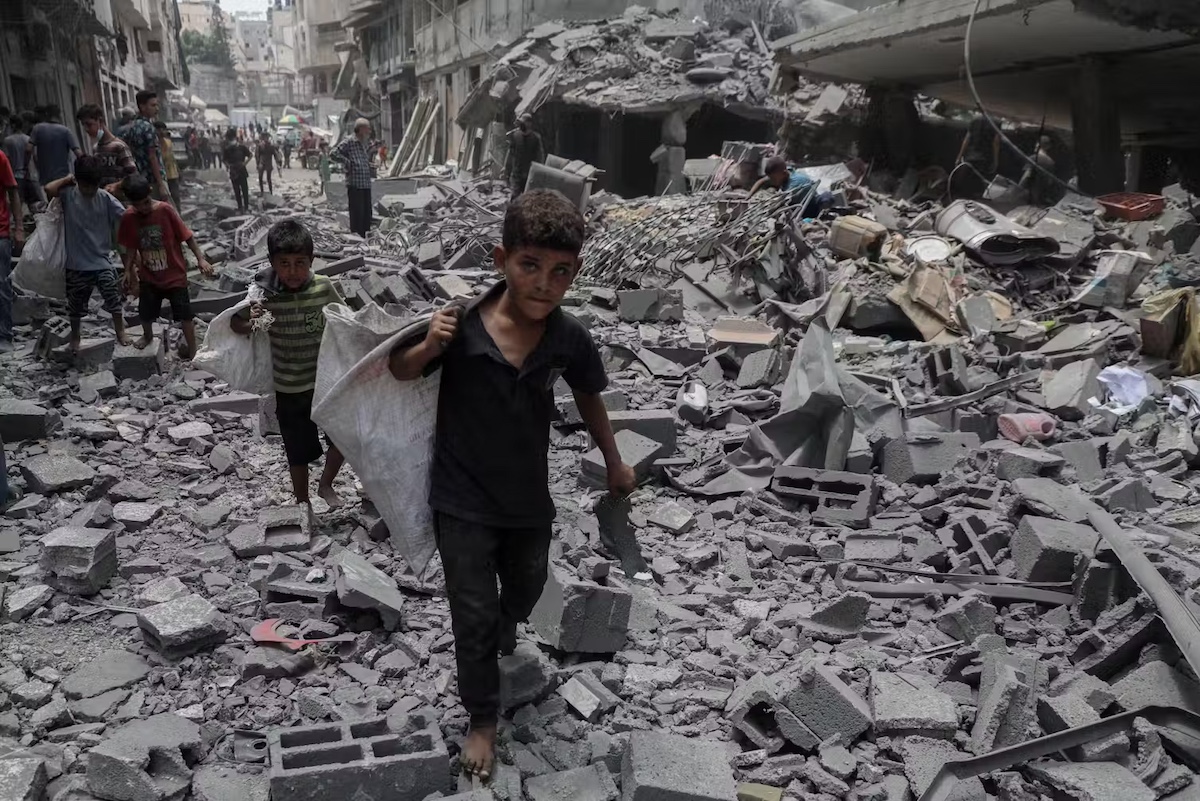
In Gaza City, a renewed Israeli military offensive has forced thousands of Palestinians to flee their homes, following days of intense airstrikes that have claimed dozens of lives. This latest escalation comes just days after Hamas officials, in Cairo, announced their acceptance of a ceasefire proposal brokered by Qatari and Egyptian mediators. However, the assault has likely derailed any hopes of a truce. Meanwhile, across Israel, hundreds of thousands of citizens have taken to the streets in protest against Prime Minister Benjamin Netanyahu’s handling of the war, demanding an end to the conflict and the return of hostages. While some may view Hamas’s ceasefire acceptance and the protests as potential turning points, the situation on the ground suggests otherwise. Gaza City has endured repeated bombardments over the 22-month-long war, and past ceasefire agreements have consistently collapsed. Similarly, large-scale protests in Israel have failed to yield tangible results. The Israeli government has expressed disinterest in partial deals, insisting on a comprehensive agreement that secures the release of all hostages. Netanyahu’s coalition members have already rejected the current proposal, highlighting the deep divide between Israel and Hamas. The latter demands a permanent truce and Israeli troop withdrawal, while Israel’s five-point plan includes disarming Hamas, demilitarizing Gaza, and establishing a new civil administration. These conflicting objectives, coupled with Israel’s plans to maintain security control in Gaza, present significant obstacles to peace. Amid growing public discontent in Israel and internal divisions within Hamas, the prospects for a ceasefire remain bleak, leaving civilians and hostages to bear the brunt of the ongoing violence.
-
Trump slams door on Afghan asylum seekers fleeing Taliban
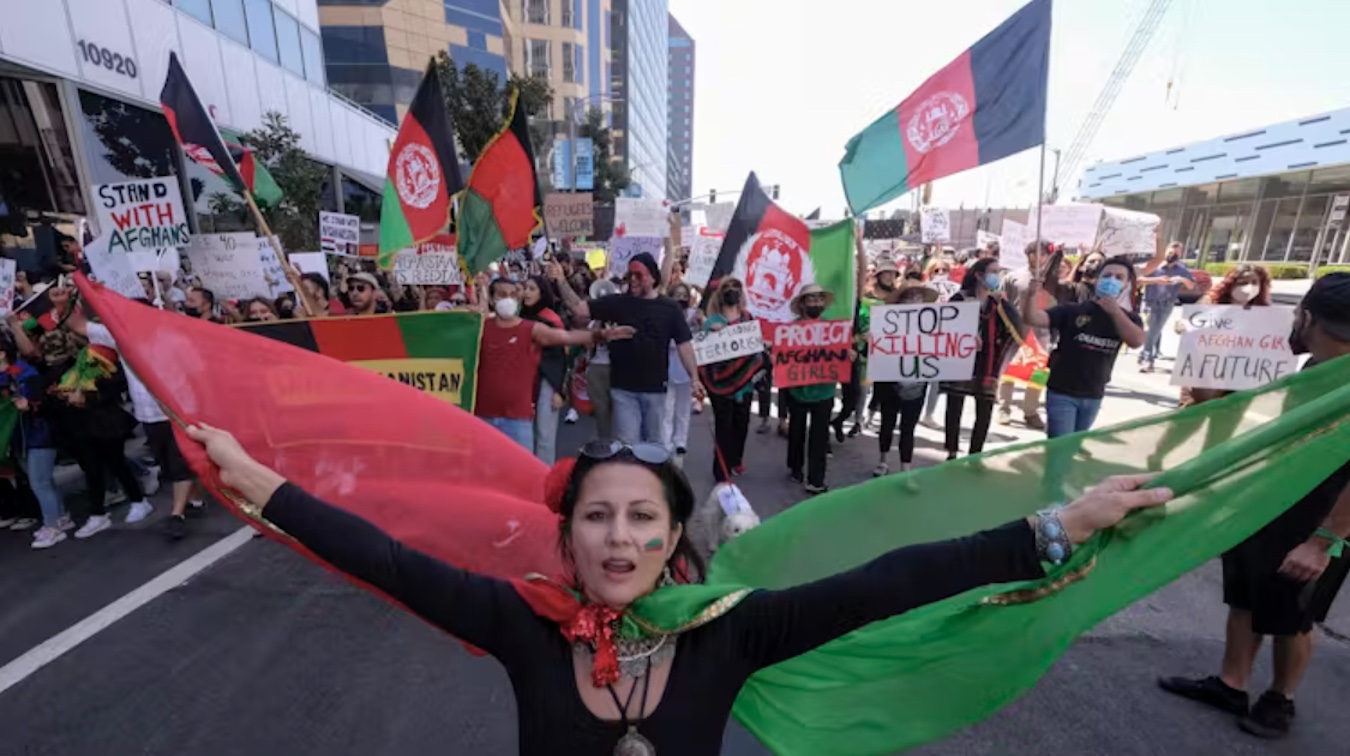
Thousands of Afghan nationals residing in the United States are grappling with an uncertain future following a federal appeals court ruling on July 21, 2025, which upheld the Trump administration’s decision to terminate the Temporary Protected Status (TPS) program for Afghans. This program, which provided work permits and protection from deportation, was initially granted in 2022 after the Taliban regained control of Afghanistan in late 2021. The Taliban’s oppressive regime, which enforces a strict interpretation of Islamic law, has banned women and girls from education and employment, creating a humanitarian crisis that justified the TPS designation. However, in May 2025, Homeland Security Secretary Kristi Noem announced the termination of TPS for Afghans, citing improved security and economic stability in Afghanistan. This decision affects approximately 8,000 Afghan TPS holders, many of whom fled due to fears of persecution by the Taliban, including former government employees, women’s rights advocates, and those who collaborated with the U.S. military. Experts argue that the termination is unlikely to result in voluntary repatriation, as the threat of persecution remains a significant concern. Instead, it may force thousands into unlawful residency, limiting their access to employment, healthcare, and financial stability. Many Afghans are expected to seek asylum, but the U.S. asylum system is already overwhelmed, with a backlog of 1.5 million applications and wait times of up to six years. This situation leaves Afghan TPS holders in a precarious position, with limited legal pathways to remain in the U.S. and support their families both in the U.S. and Afghanistan.
-
Why Iran can’t keep the lights on
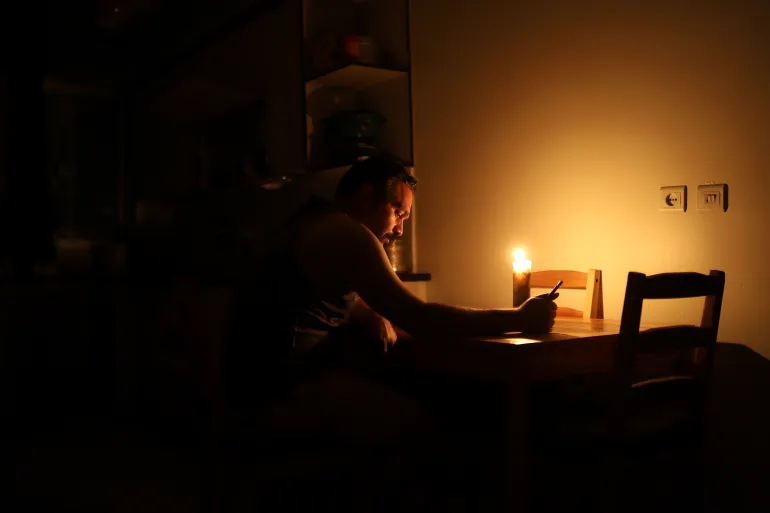
For Iranians, the changing seasons bring not just weather shifts but also recurring energy crises. Scorching summers are plagued by rolling blackouts, while freezing winters are marked by toxic smog from burning low-grade fuel in power plants. These challenges are symptomatic of Iran’s chronic electricity imbalance, a structural crisis that has evolved into a significant economic and public welfare burden. Despite a nominal installed capacity of 94 gigawatts, Iran’s power grid is in systemic decay. Aging thermal plants, over-reliance on natural gas, recurring droughts crippling hydropower, and soaring demand have created a persistent gap between capacity and reliable output. This crisis is further exacerbated by geopolitical isolation, which hampers access to international finance and technology. A comparative analysis reveals Iran’s underperformance in electricity generation, lagging behind industrial economies and even Gulf neighbors. To address this, a four-point recovery plan has been proposed, emphasizing international contracts, budgetary realignment, fuel mix reformation, and regional power exchange agreements. However, the success of these measures hinges on resolving Iran’s geopolitical standoff with the West, as domestic reforms alone are insufficient. Without a sustainable solution, Iran risks further economic isolation, technological backwardness, and continued degradation of public health and industrial competitiveness.
-
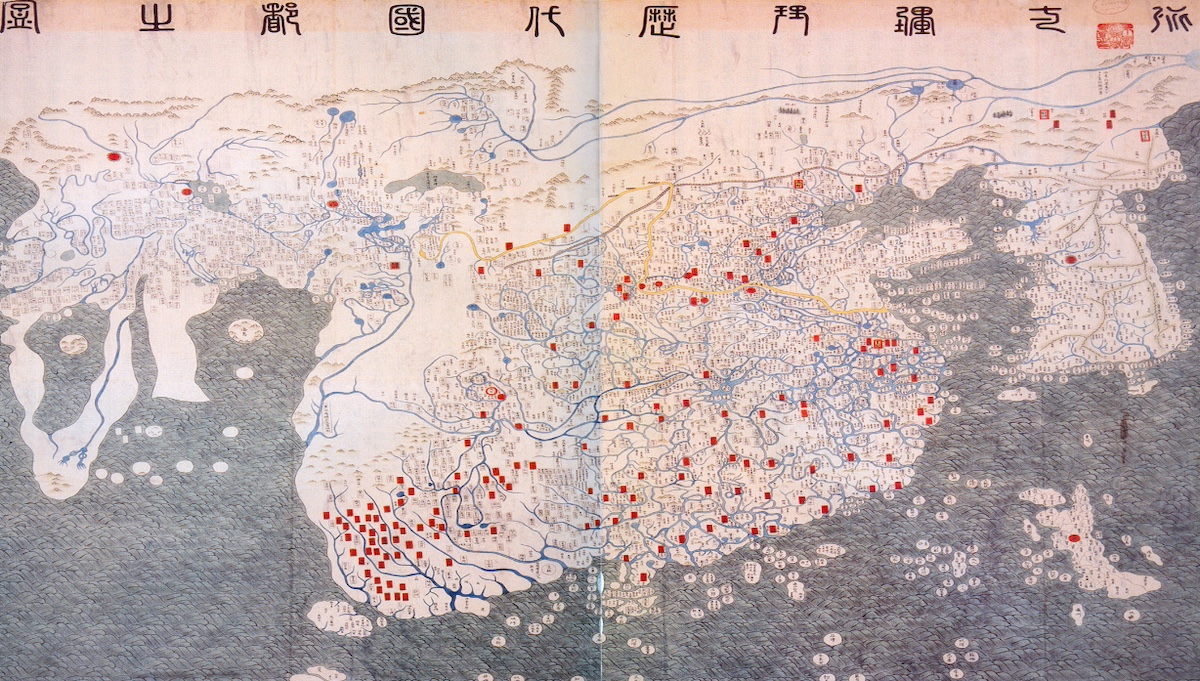
Global historic story in an ancient Chinese map
The late 16th century marked a pivotal era in global exploration, but long before Europeans reached China by sea, ancient Chinese scholars had already developed a sophisticated understanding of the world. This knowledge, encapsulated in a 15th-century map, offers a fascinating glimpse into the intellectual and cultural exchanges of the time. The *Honil Gangni Yeokdae Gukdo Ji Do* (Map of Integrated Lands and Regions of Historical Countries and Capitals), created by Koreans in 1402, is a testament to this early global awareness. This map, now housed at Ryukoku University in Kyoto, Japan, was based on earlier Chinese maps from the Mongol Yuan era, reflecting a blend of scientific geography, national sentiment, and cultural imagination. The map’s depiction of regions from Japan to Africa and Europe raises intriguing questions about how Asians acquired such detailed geographical knowledge before Europeans. Scholars suggest that Persian-Arab astronomical and geographical knowledge, transmitted during the Mongol Empire, played a crucial role. This map not only highlights the interconnectedness of ancient civilizations but also challenges the notion of a closed-off ancient China, revealing a rich tradition of intellectual and cultural exchange.
-
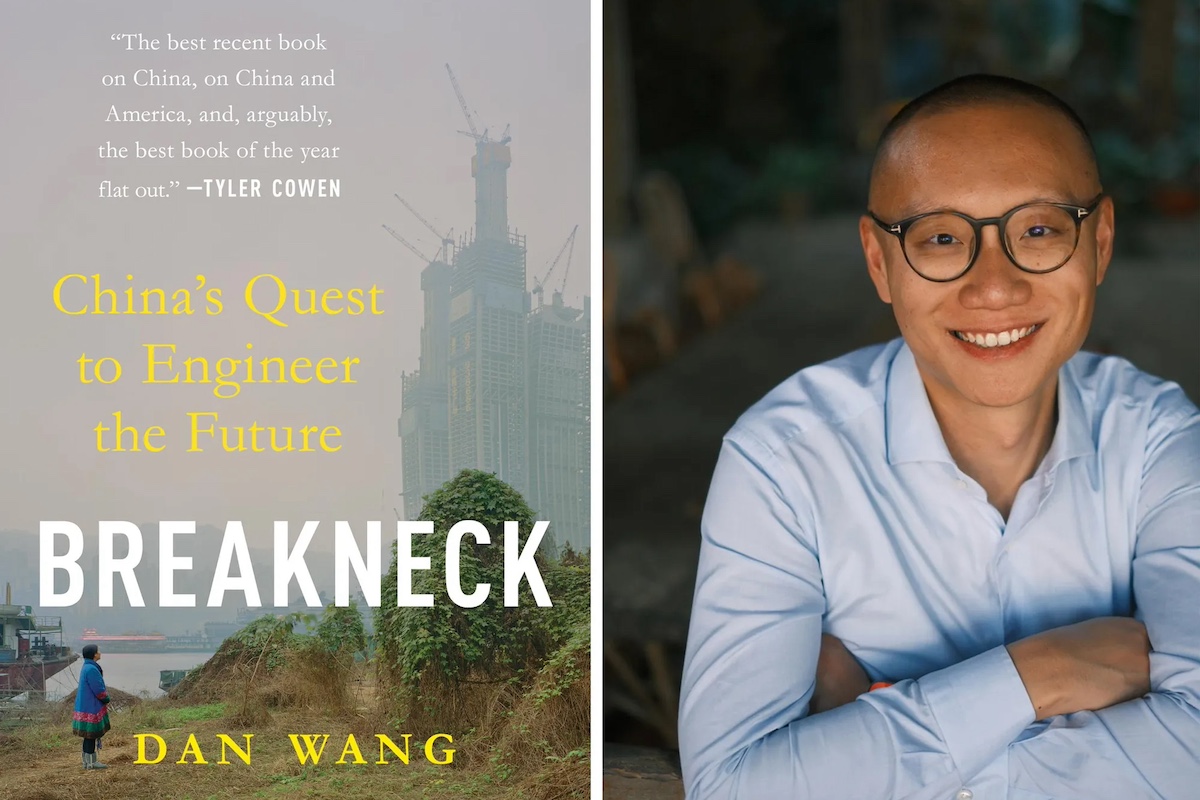
Breakneck divide: China’s builders vs America’s lawyers
Dan Wang’s forthcoming book, ‘Breakneck: China’s Quest to Engineer the Future,’ provides a groundbreaking perspective on the contrasting governance styles of China and the United States, as well as the barriers to mutual understanding between the two superpowers. Published by W.W. Norton & Company in 2025, the book merges Wang’s economic analysis from his years in China (2017–2023) with his personal experiences as a Canadian of Chinese descent educated in the US. Wang’s unique background allows him to offer a balanced view of the two nations, free from the hostility that often characterizes their relationship. He describes China as an ‘engineering state,’ driven by rapid construction and technological advancement, while portraying the US as a ‘lawyerly society,’ marked by legal obstructionism. Wang argues that both countries are deeply flawed yet fundamentally alike in their ambition and restlessness. Through vivid anecdotes, such as his cycling trip through Guizhou, Wang highlights China’s rapid modernization and cultural richness. He also critiques the inefficiencies of the US legal system, using the stalled California high-speed rail project as a case study. Wang’s work calls for mutual curiosity and a new lens to understand the China-US rivalry, moving beyond outdated ideological labels. ‘Breakneck’ is set to release on August 26, 2025.