博客

  • UN sanctions paramilitary leaders over Sudan atrocities

    UN sanctions paramilitary leaders over Sudan atrocities

    The United Nations Security Council has levied targeted sanctions against four high-ranking commanders of Sudan’s paramilitary Rapid Support Forces (RSF) for their direct involvement in atrocities committed during the capture of el-Fasher. Among those designated are Abdul Rahim Hamdan Dagalo (brother of RSF chief Mohamed ‘Hemedti’ Dagalo) and Brigadier General Al-Fateh Abdullah Idris, infamously dubbed the ‘Butcher of el-Fasher.’ The list also includes deputy commander Gedo Hamdan Ahmed and field commander Tijani Ibrahim.

    This decisive action follows a damning UN fact-finding mission report that characterized the RSF’s violent October takeover of the city as bearing the ‘hallmarks of a genocide.’ The operation, which ended an 18-month siege on the capital of North Darfur, was described as ‘three days of horror’ marked by summary executions, systematic sexual violence, and mass detentions primarily targeting the ethnic Zaghawa population.

    The UN cited extensive evidence, including graphic videos posted by Idris himself, showing him executing civilians and boasting of killing over 2,000 people. Dagalo was identified as having overseen operations on the day of the capture, during which his forces conducted mass killings and ethnically targeted executions.

    This marks the fourth international sanction designation for Dagalo, following similar actions by the United States, United Kingdom, and European Union. While war crimes investigators from The Sentry organization welcome the coordinated targeting of officials, they emphasize that far more comprehensive measures are needed to impose real financial consequences on the RSF and its support networks.

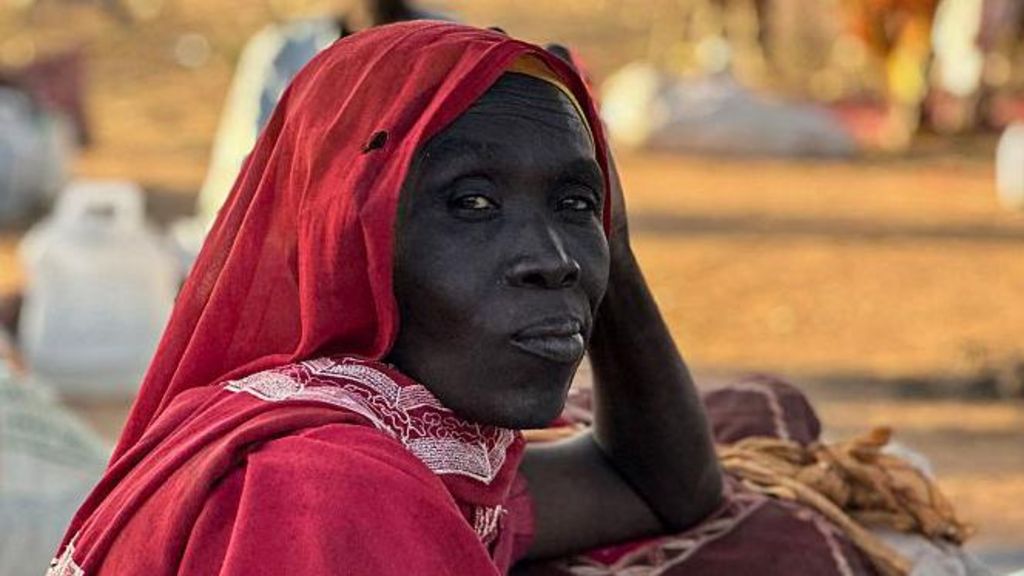
    The conflict in Sudan, escalating since April 2023 between the RSF and national army, has created what the UN describes as a ‘war of atrocities,’ resulting in tens of thousands of deaths and triggering the world’s most severe hunger and displacement crisis. According to the UN refugee agency, over 70,000 people have fled el-Fasher since its capture, with many civilians remaining trapped, missing, or detained by RSF forces within the city.

    The specific sanctions imposed were not detailed in the announcement, though the UN Security Council holds authority to implement measures including asset freezes and travel bans.
  • Man charged in connection with death of Kerry farmer Michael Gaine

    Man charged in connection with death of Kerry farmer Michael Gaine

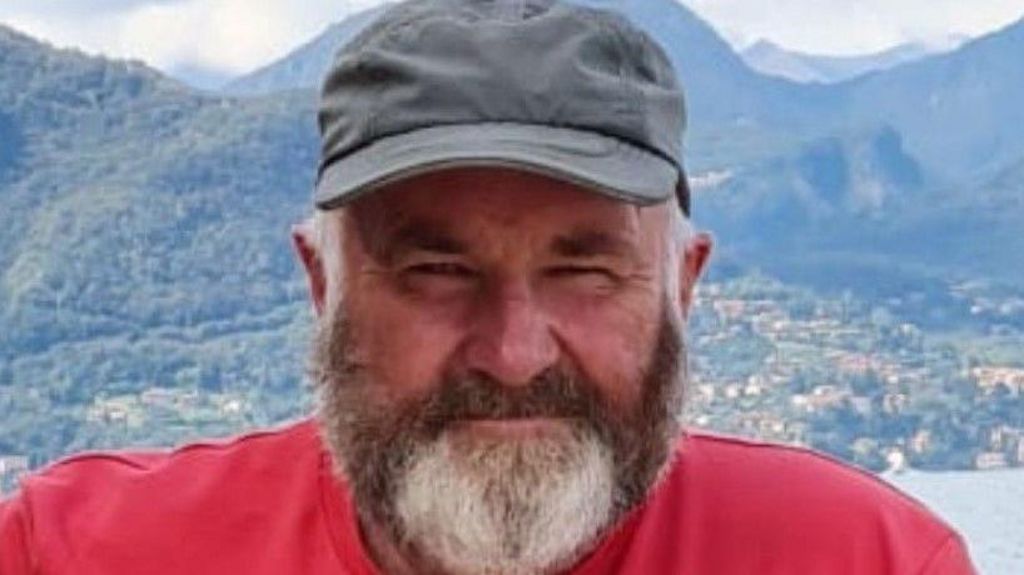
    Irish authorities have made a significant breakthrough in the eight-month investigation into the disappearance and murder of County Kerry farmer Michael Gaine, with formal charges now filed against a suspect. The 56-year-old agriculturalist, who maintained sheep and cattle in the remote Carrig East area near Kenmare, vanished without trace on March 21, 2025, after last being seen in the County Kerry town the previous day.

    The case underwent a dramatic evolution from missing persons investigation to homicide inquiry when human remains discovered on Gaine’s property in May 2025 were conclusively identified as belonging to the missing farmer. The grim discovery followed an extensive eight-week search operation that mobilized hundreds of local volunteers who scoured the victim’s farmlands and surrounding water bodies including lakes, streams, and rivers throughout the picturesque Ring of Kerry region near the Molls Gap beauty spot.

    Law enforcement officials have confirmed that a male suspect in his 50s has been formally charged in connection with Gaine’s disappearance and murder. The accused is scheduled to appear before Tralee District Court for a preliminary hearing on Wednesday afternoon, marking a pivotal development in a case that has gripped the rural Irish community for nearly three-quarters of a year. The judicial proceedings will determine the next steps in a prosecution that could bring resolution to one of County Kerry’s most troubling criminal investigations in recent memory.

  • France appoints new Louvre chief after jewellery heist

    France appoints new Louvre chief after jewellery heist

    In a decisive move to address mounting institutional challenges, France has appointed Christophe Leribault, current president of the Palace of Versailles, as the new director of the Louvre Museum following the resignation of Laurence des Cars. The leadership transition comes after a series of crises that have plagued the world’s most-visited museum, including a spectacular $100 million jewelry heist of French crown jewels in October 2025 that remains unsolved.

    The culture ministry has tasked Leribault with restoring “a climate of trust” and steering major modernization projects, particularly addressing critical security vulnerabilities. The 62-year-old art historian and specialist in 18th-century art assumes control of an institution grappling with multiple operational challenges beyond the high-profile theft. These include a sophisticated ticket fraud scheme costing approximately €10 million, repeated strike actions forcing four museum closures since December, structural maintenance issues, and water damage incidents.

    Des Cars, the first woman to lead the Louvre in its history, submitted her resignation to President Emmanuel Macron on Tuesday after three years of leadership. Her departure became “inevitable” according to French media, following the compounded pressures of the robbery and ongoing labor disputes. In statements to Le Figaro, des Cars acknowledged the “media and political storm of unprecedented proportions” that followed the October heist, noting that while proud of her accomplishments, “the conditions for moving forward are no longer in place.

    Leribault brings considerable experience from his tenure at Versailles and previous directorship of prestigious Paris institutions including the Petit Palais and Musee d’Orsay. His appointment has received cautious optimism from museum staff representatives, with union leaders noting his successful dialogue with employees at Versailles and expressing hope for improved labor relations. The new director faces the formidable challenge of balancing security enhancements with the museum’s public accessibility mission while maintaining its status as a cultural crown jewel attracting nine million annual visitors.

    The investigation into the jewelry robbery continues with four suspects in custody, though the eight stolen items remain unrecovered. Parliamentary inquiries have revealed concerning institutional control issues, with one lawmaker describing the Louvre as having become a “state within a state” beyond proper governmental oversight.

  • Trump keeps world waiting on his plans for Iran after State of the Union

    Trump keeps world waiting on his plans for Iran after State of the Union

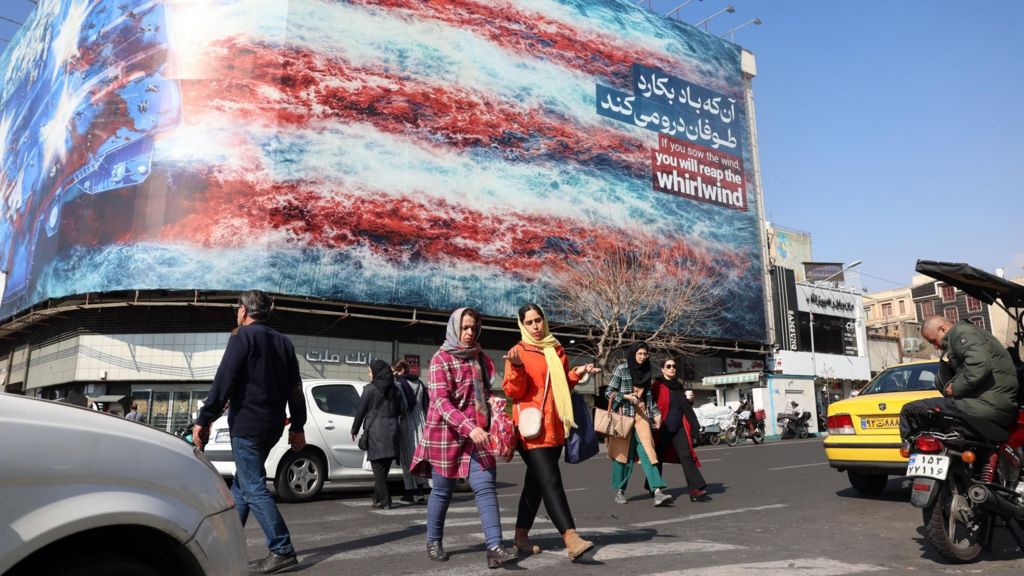
    Amidst the largest U.S. military deployment to the Middle East since the 2003 Iraq invasion, President Donald Trump has signaled a preference for diplomatic engagement with Iran rather than military confrontation. During his historic State of the Union address, Trump notably avoided making a comprehensive case for potential military action, instead emphasizing his openness to negotiation while maintaining consistent demands for Iranian nuclear transparency.

    The diplomatic landscape is reaching a critical juncture as envoys prepare for the third round of negotiations this month in Geneva. Trump’s top envoy Steve Witkoff and son-in-law Jared Kushner are expected to engage in talks that could determine whether the two nations can bridge their significant differences. A diplomat familiar with the process warned that failure to secure an acceptable agreement text from Tehran could prompt military action shortly after the negotiations.

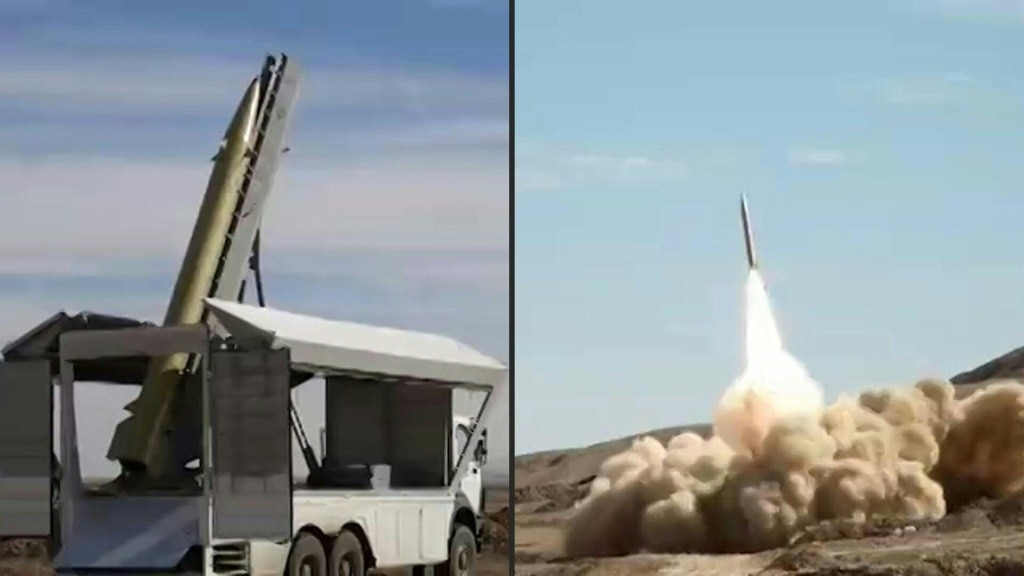
    Central to the discussions remains Trump’s insistence that Iran explicitly declare it will never pursue nuclear weapons—a demand that appears partially met by Iranian Foreign Minister Abbas Araghchi’s recent statement on social media that “Iran will under no circumstances ever develop a nuclear weapon.” However, verification mechanisms and Iran’s ballistic missile program continue to present substantial obstacles.

    The current negotiations differ significantly from previous rounds, with International Atomic Energy Agency head Rafael Grossi playing an expanded role in technical discussions. Iran has offered new proposals including diluting its highly enriched uranium, which at 60% purity approaches weapons-grade concentration. The involvement of Ali Larijani, secretary of Iran’s Supreme National Security Council and senior adviser to Supreme Leader Ayatollah Ali Khamenei, signals the seriousness of Tehran’s engagement.

    Complicating the diplomatic calculus are Trump’s controversial claims about Iranian domestic unrest, including an unsubstantiated assertion that authorities killed approximately 32,000 protesters—a figure dramatically higher than the 3,100 acknowledged by Tehran and the 7,000 documented by HRANA activists. Iranian officials immediately denounced these statements as “big lies.”

    Analysts note that both nations face unprecedented pressures: the Islamic Republic confronts severe economic sanctions and internal legitimacy challenges, while the Trump administration balances its anti-interventionist base against concerns about Iran’s regional ambitions and nuclear capabilities. As the clock counts down toward decisive negotiations, the world watches to see whether diplomacy can prevail over military escalation in one of the world’s most volatile regions.

  • Eid Al Fitr 2026: Oman residents likely to get 5-day public holiday; here’s why

    Eid Al Fitr 2026: Oman residents likely to get 5-day public holiday; here’s why

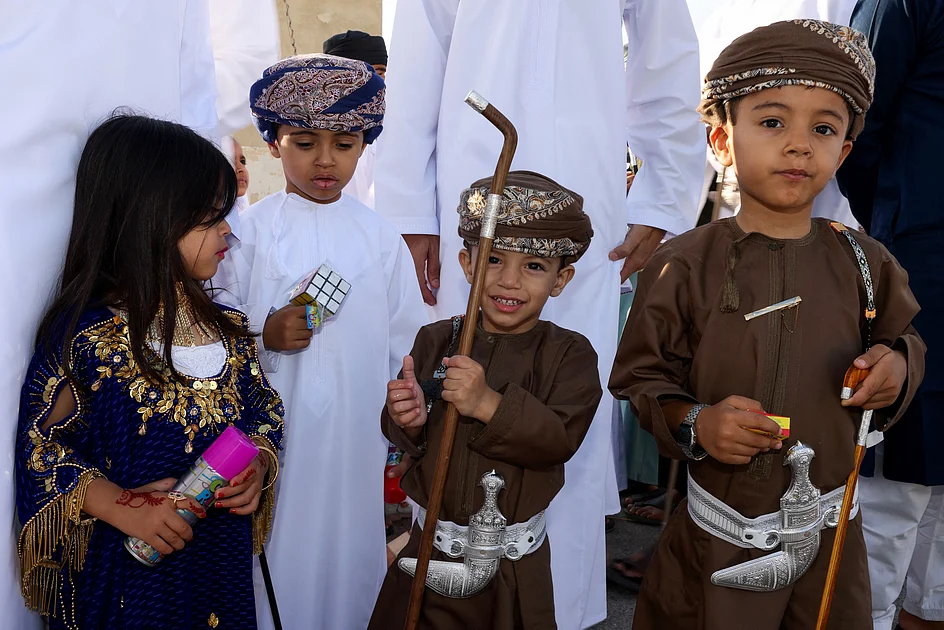
    Oman stands poised to grant its residents an extended five-day public holiday for Eid Al Fitr in 2026, potentially offering one of the region’s longest festive breaks. This anticipated extension stems from the Sultanate’s unique lunar calendar observations that diverged from neighboring Gulf nations.

    The foundation for this extended celebration dates to February 17, 2026, when Oman joined 26 other countries in announcing the Ramadan crescent had not been sighted, consequently establishing February 19 as the commencement of the holy month. This astronomical positioning means Oman will attempt to sight the Shawwal crescent on Thursday, March 19, 2026, which marks the conclusion of Ramadan and the beginning of Eid celebrations.

    According to Oman’s official holiday decree 88/2022, the Eid Al Fitr holiday traditionally spans from Ramadan 29 to Shawwal 3. Crucially, the regulation stipulates that if either Eid Al Fitr or Eid Al Adha commences on a Friday, citizens receive compensatory time off. Multiple Omani media outlets, referencing astronomical projections, indicate Eid will likely begin on Friday, March 20, 2026.

    This celestial alignment would create an official holiday period from Thursday, March 19 through Sunday, March 22, with the compensatory day off on Monday, March 23—collectively forming a five-day break. Final confirmation remains subject to the actual moon sighting by Omani authorities, maintaining the Islamic tradition of empirical lunar observation.

    Meanwhile, regional comparisons reveal varying holiday schedules. The United Arab Emirates has announced a four-day public sector holiday from March 19-22, while private sector employees receive March 19-21 off, with Sunday workers returning on March 22 unless Ramadan extends to 30 days.

  • Iran negotiators head to Geneva for US talks, president strikes hopeful tone

    Iran negotiators head to Geneva for US talks, president strikes hopeful tone

    A high-level Iranian delegation led by Foreign Minister Abbas Araghchi departed for Geneva on Wednesday to resume critical negotiations with the United States, creating a pivotal moment for Middle East diplomacy. The talks occur against a backdrop of heightened military tensions and conflicting statements from both nations regarding Iran’s nuclear and missile capabilities.

    Iranian President Masoud Pezeshkian expressed cautious optimism about the diplomatic process, stating he maintained a “favorable outlook for the negotiations” while emphasizing Iran’s commitment to moving beyond the current “neither war nor peace” situation under the guidance of Supreme Leader Ali Khamenei.

    The diplomatic engagement follows President Donald Trump’s State of the Union address where he accused Tehran of pursuing “sinister nuclear ambitions” and developing missiles capable of threatening European targets and U.S. bases overseas. Trump asserted he would “never allow the world’s number one sponsor of terror to have a nuclear weapon” while preferring diplomatic solutions.

    Iranian officials promptly dismissed these allegations as “repetition of ‘big lies’.” Technical assessments indicate Iran’s missile range currently reaches approximately 2,000-3,000 kilometers, falling significantly short of continental United States targets.

    The negotiations represent the first major diplomatic engagement since previous talks collapsed following Israel’s attack on Iran and subsequent military exchanges. Recent weeks have seen substantial U.S. military deployments to the region, including two aircraft carrier groups, amplifying concerns about potential conflict.

    Tehran residents expressed divided perspectives, with some predicting inevitable conflict while others believed American threats represented mere bluffing. One homemaker noted the devastating humanitarian consequences war would bring, acknowledging current hardships while questioning whether conflict might at least provide clarity.

    International security analysts suggest the massive military buildup may have created political complications for the U.S. administration, as failure to secure an agreement following such demonstrative force deployment could impact presidential credibility.

  • Heated Rivalry cottage in Canada will soon be up for rent

    Heated Rivalry cottage in Canada will soon be up for rent

    The iconic lakeside cottage that served as the pivotal romantic backdrop in the hit television series ‘Heated Rivalry’ is now available for public rental through Airbnb. Starting March 3rd, fans of the ice hockey romance drama can experience the actual property where fictional characters Shane Hollander and Ilya Rozanov cemented their relationship.

    Located in Ontario’s picturesque Muskoka region, the Barlochan cottage features striking architectural design by Toronto-based architect Trevor McIvor. The property boasts floor-to-ceiling windows offering panoramic views of lush greenery, complemented by a private dock and dedicated home gym facilities.

    In a clever nod to the show’s narrative, the initial rental rate has been set at C$248.10 per night—a direct reference to the jersey numbers of the two main characters (24 and 81). This special pricing will be available for May weekend bookings, with general reservations opening in June at a to-be-announced rate.

    The property represents more than just a vacation rental; it embodies Canada’s cherished cottage culture that formed central themes throughout the series. The real-life location provided the setting for Hollander’s invitation to Rozanov for a secluded romantic weekend, away from public scrutiny—a turning point in their fictional relationship.

    Situated approximately two hours from Toronto Pearson International Airport, the prefabricated Douglas fir structure was specifically designed as a four-season retreat that harmonizes with the surrounding Canadian Shield topography. While the current property owner has chosen to remain anonymous, they have collaborated directly with Airbnb to make this cultural landmark accessible to the public.

    This listing joins other notable entertainment properties available on the platform, including Harry Potter’s childhood home in Lavenham, England, and the Swan House from the Twilight vampire series in Washington state.

  • Bill Gates admits affairs but denies involvement in Epstein crimes

    Bill Gates admits affairs but denies involvement in Epstein crimes

    Microsoft co-founder Bill Gates has publicly acknowledged personal misconduct while vehemently denying any involvement in Jeffrey Epstein’s criminal activities during a recent Gates Foundation staff gathering. The tech billionaire characterized his association with the convicted sex offender as a “huge mistake” that negatively impacted his philanthropic organization’s work.

    Recently unsealed court documents from the U.S. Justice Department reveal Gates among numerous high-profile individuals connected to Epstein, detailing financial interactions and private photographic evidence. During the foundation’s town hall meeting—a recording of which was obtained by The Wall Street Journal—Gates expressed particular regret for involving foundation executives in meetings with Epstein.

    The 70-year-old philanthropist confirmed two extramarital relationships referenced in the documents: “I did have affairs, one with a Russian bridge player who met me at bridge events, and one with a Russian nuclear physicist who I met through business activities.” These admissions came in response to Epstein’s alleged email claims about facilitating Gates’ “illicit trysts” and obtaining drugs.

    Gates emphasized his complete dissociation from Epstein’s victimization patterns: “I did nothing illicit. I saw nothing illicit.” His relationship with Epstein reportedly began in 2011, three years after Epstein’s conviction for soliciting a minor. Gates acknowledged awareness of travel restrictions imposed on Epstein but admitted to insufficient background research.

    The foundation confirmed this discussion occurred during its regular biannual meeting, stating Gates “spoke candidly, addressing several questions in detail, and took responsibility for his actions.” Gates revealed that his former wife Melinda had expressed concerns about Epstein as early as 2013, yet he continued the association for at least another year—a decision he now recognizes as profoundly misguided given Epstein’s ongoing criminal behavior.

  • UK parliamentary speaker says he tipped off police over possible Mandelson flight risk

    UK parliamentary speaker says he tipped off police over possible Mandelson flight risk

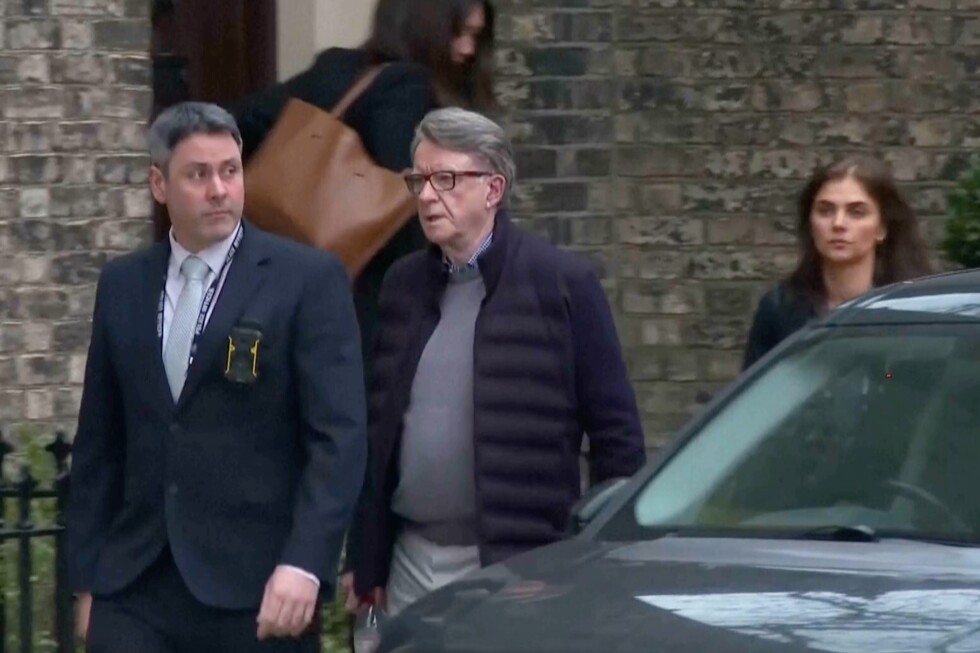
    LONDON — The Speaker of Britain’s House of Commons, Lindsay Hoyle, has publicly acknowledged informing metropolitan police authorities about potential flight risk concerns regarding Peter Mandelson, the former UK ambassador to the United States currently embroiled in a high-profile leak investigation connected to the late financier Jeffrey Epstein.

    This revelation follows Mandelson’s dramatic arrest at his North London residence on Monday under suspicion of misconduct in public office. The veteran politician, who previously held senior Cabinet ministerial positions, underwent extensive interrogation for over nine hours before being released on bail early Tuesday.

    Legal representatives for Mandelson have characterized the arrest as an unnecessary escalation, citing pre-existing arrangements for voluntary cooperation with police inquiries. The law firm Mishcon de Reya stated their client’s “overriding priority is to cooperate with the police investigation and to clear his name.”

    Speaker Hoyle addressed Parliament members regarding his decision to share information with law enforcement, emphasizing his constitutional responsibility to relay relevant intelligence while expressing regret about subsequent media coverage. “Upon receipt of information that I felt was relevant, I passed this on to the Metropolitan Police in good faith, as is my duty and responsibility,” Hoyle stated, adding that further commentary would be inappropriate during an active investigation.

    The development occurs within days of similar investigative actions involving Prince Andrew (now Andrew Mountbatten-Windsor), who likewise faces allegations of improperly sharing government information with Epstein. Both cases emerged following the US Justice Department’s release of over three million documents related to Epstein’s activities.

    Evidence suggests Mandelson, 72, potentially provided Epstein with sensitive government information during his tenure as a senior minister between 2009-2010, including discussions about post-financial crisis asset sales and banking bonus tax policies. Financial records indicate Epstein transferred $75,000 to Mandelson or his husband in 2003-2004, though the former ambassador disputes recalling such transactions and questions document authenticity.

    Notably, neither Mandelson nor Prince Andrew face allegations related to sexual misconduct, distinguishing their cases from the broader Epstein scandal that involved numerous sexual abuse charges prior to Epstein’s 2019 prison suicide.

  • Xizang’s annual air passengers top 8 million for first time

    Xizang’s annual air passengers top 8 million for first time

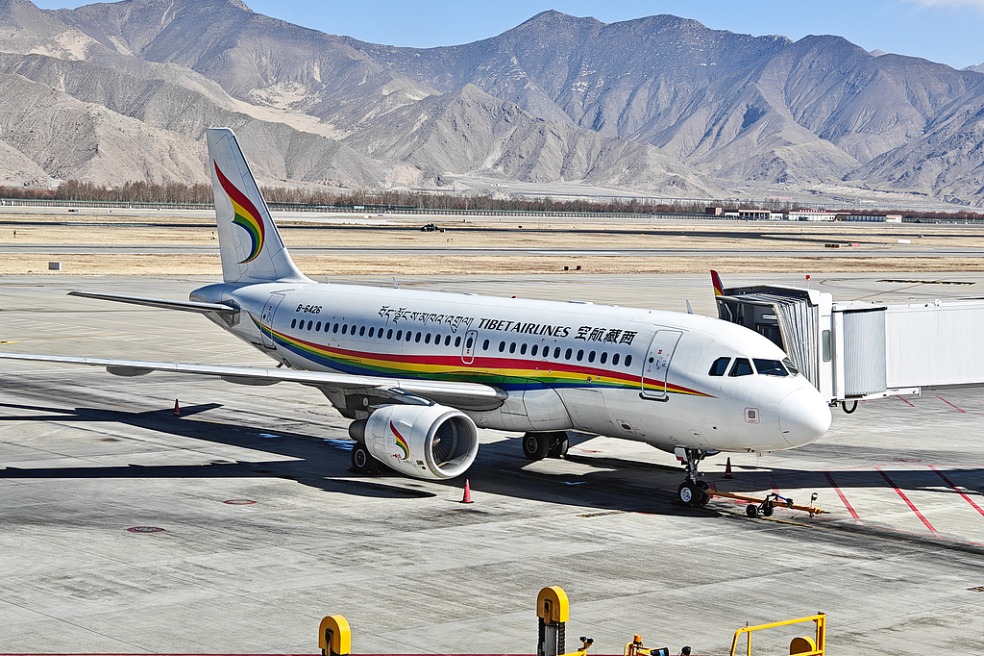
    Xizang’s civil aviation sector achieved unprecedented growth in 2025, surpassing eight million annual passengers for the first time in history. According to regional aviation authorities, the autonomous region handled 71,000 flights throughout the year while moving 8.06 million passengers and 56,000 tons of cargo and mail. These figures represent substantial year-on-year increases of 6.9%, 6%, and 8% respectively, demonstrating remarkable expansion in regional air connectivity.

    The growth trajectory—adding approximately one million passengers compared to 2024—has been fueled by strategic infrastructure development. The expansion centers around Lhasa Gonggar International Airport, supported by seven regional feeder airports. New routes connecting Lhasa with Chengdu and Guangzhou were established, alongside connections from Ngari prefecture and Lhokha to Chengdu. Authorities resumed popular routes linking Fujian and Chongqing with Lhasa while increasing flight frequencies to major hub cities including Chengdu, Chongqing, and Xi’an.

    Xizang’s aviation network now encompasses 204 air routes operated by 12 airlines, connecting the region to 84 domestic and international destinations. This enhanced connectivity has significantly strengthened ties between Xizang and other Chinese regions while dramatically improving accessibility for residents in remote areas.

    Technological advancements have played a crucial role in supporting this growth. Lhasa’s Terminal 3 has implemented paperless check-in systems, facial recognition boarding, and AI-assisted image screening technology. Additional passenger convenience measures include multilingual translation devices, priority security services, and expanded cabin options, collectively elevating the travel experience for the growing number of passengers.