博客

  • Maersk suspends vessel transit through Strait of Hormuz

    Maersk suspends vessel transit through Strait of Hormuz

    In a significant escalation of maritime security concerns, global shipping giant Maersk has suspended all vessel transits through the strategically vital Strait of Hormuz and the Bab el-Mandeb Strait leading to the Suez Canal. The Danish container shipping company announced the precautionary measure Sunday following declarations from Iran’s Revolutionary Guards that the strait was closed and multiple security incidents reported in the region.

    The decision comes as part of a broader industry response to heightened risks, with Maersk stating that ‘the safety of our crews, vessels and customers’ cargo remains our key priority.’ The company has implemented rerouting strategies that will send vessels around the Cape of Good Hope at Africa’s southern tip, adding substantial distance and time to traditional shipping routes between Europe and Asia.

    Simultaneously, Maersk has temporarily closed its regional offices in the United Arab Emirates, Qatar, and Oman as a security precaution. The shipping conglomerate joins other major industry players including MSC, Hapag-Lloyd, and CMA CGM in implementing similar safety measures across the affected waterways.

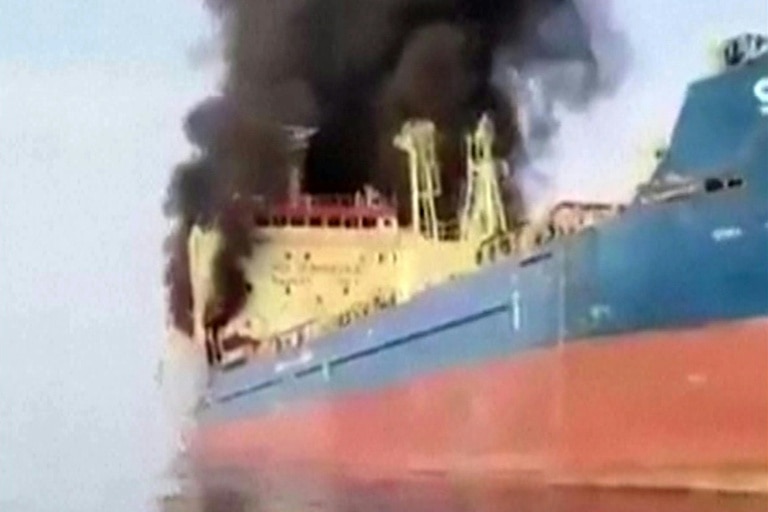
    The security situation intensified Sunday with reports from Omani state media indicating an oil tanker off its coast had been targeted, resulting in injuries to four crew members. Separately, the United Kingdom Maritime Trade Operations Centre documented another vessel near the UAE coast reporting impact ‘by an unknown projectile causing a fire.’

    International Maritime Organization Secretary-General Arsenio Dominguez issued a statement urging ‘maximum caution’ among shipping companies and recommending vessels avoid the affected region ‘until conditions improve.’ The collective industry response underscores the critical nature of these waterways, with the Strait of Hormuz alone facilitating nearly a quarter of global seaborne oil shipments alongside substantial commercial cargo volumes.
  • Capital city property prices defy RBA as median value soars

    Capital city property prices defy RBA as median value soars

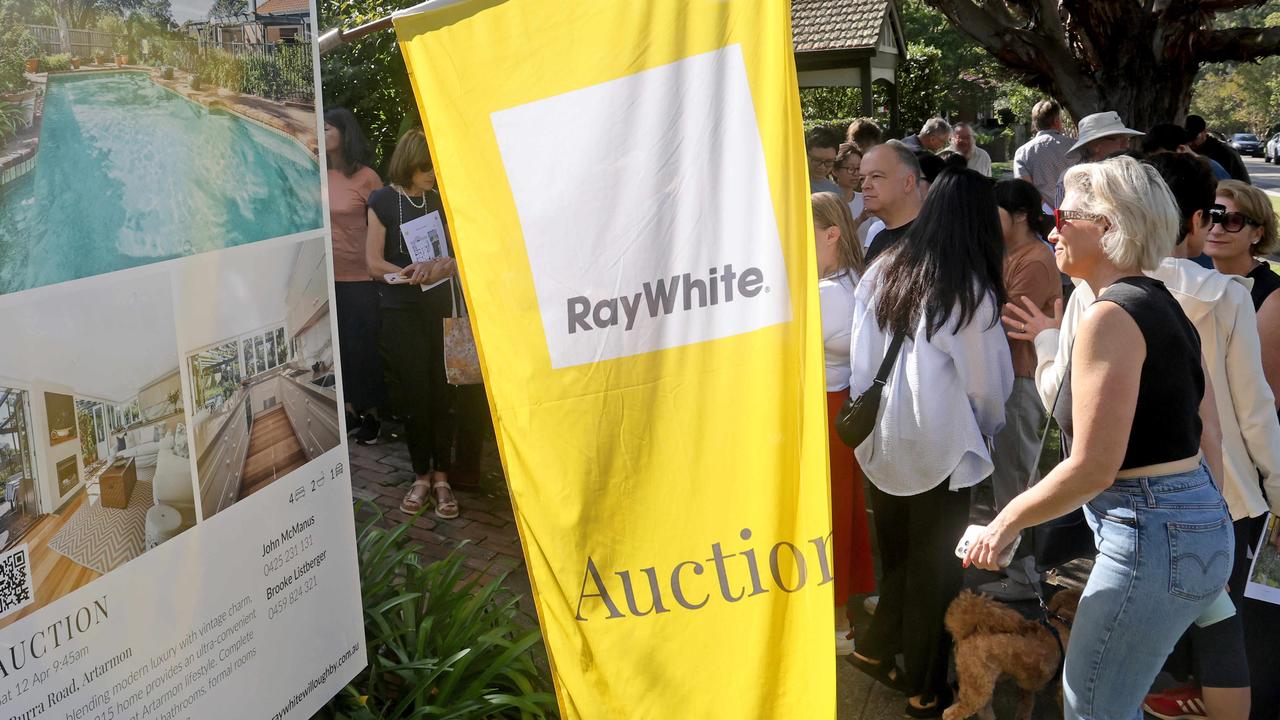
    Australia’s capital city housing market has achieved an unprecedented milestone, with the median house price exceeding $1 million for the first time in February. This remarkable surge occurred despite the Reserve Bank of Australia’s recent decision to implement a 25 basis point interest rate increase, bringing the official cash rate to 3.85%.

    According to the latest PropTrack data analysis, capital city house prices experienced a 0.5% monthly increase, pushing the national median to a record $1,004,000. The market demonstrated broad-based strength with every capital city registering price growth during February.

    Hobart emerged as the standout performer with a robust 1% monthly increase, reaching a median price of $718,000. Brisbane and Adelaide followed closely, both recording 0.7% gains. Brisbane’s annual performance has been particularly impressive, with prices surging $153,500 over the past year to establish a new median of $1,046,000. Adelaide similarly appreciated by $118,600 to reach $929,000.

    Major markets Sydney and Melbourne maintained steady growth with increases of 0.5% and 0.3% respectively. Sydney’s median house price now stands at $1,255,000. Regional markets outperformed capital cities with a 0.6% monthly increase and a striking 10.5% annual growth rate, continuing a five-year trend of regional outperformance.

    REA Group senior economist Eleanor Creagh noted that the national increase represents the fastest annual pace of growth since June 2022. She highlighted Hobart’s reacceleration, attributing it to significantly reduced market inventory, with total stock down approximately 30% over the past year.

    The market dynamics show an interesting shift, with capital city unit growth outperforming houses both quarterly and annually across most markets, indicating buyer preference for more affordable options amid rising interest rates.

  • US futures and Asian shares open lower, oil prices soar as US and Israeli attack Iran

    US futures and Asian shares open lower, oil prices soar as US and Israeli attack Iran

    Financial markets worldwide experienced significant turbulence early Monday following military actions by the United States and Israel against Iranian targets. The geopolitical escalation triggered immediate reactions across global asset classes, with risk-off sentiment dominating trading patterns.

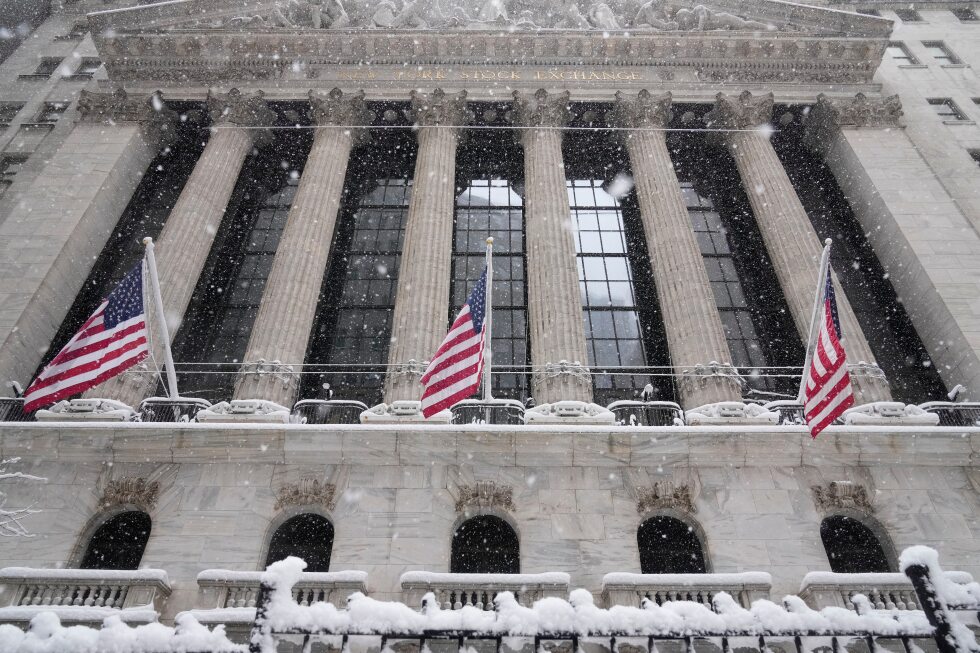
    Asian equity markets opened substantially lower, with Japan’s Nikkei 225 index plummeting 2.4% to 57,430.18 and Australia’s S&P/ASX 200 declining 0.4% to 9,159.60. U.S. stock futures pointed to sharp opening losses, with S&P 500 futures down 1.1%, Dow Jones Industrial Average futures falling 1.2%, and Nasdaq composite futures slipping 1.1%.

    The energy sector witnessed dramatic movements as Brent crude oil surged 7.5% to $78.33 per barrel while U.S. benchmark crude skyrocketed 6.8% to $71.58. The price surge reflects mounting concerns about potential disruptions to Middle Eastern energy exports, particularly through the critical Strait of Hormuz waterway where recent attacks have already constrained shipping activities.

    Safe-haven assets experienced substantial inflows, with gold climbing 2.3% to $5,380.60 and silver advancing 2.1% as investors sought protection from market volatility. Treasury yields declined as capital moved toward government debt instruments.

    Market analysts emphasized the strategic significance of the affected region, with Stephen Innes of SPI Asset Management noting, ‘Roughly one-fifth of global oil and LNG flows squeeze through the Strait of Hormuz. This is not an obscure canal. It is the aorta of the global energy system.’

    The inflationary implications of sustained energy price increases present additional complications for monetary policy. Friday’s wholesale inflation data showing a 2.9% year-over-year increase—substantially exceeding economists’ 1.6% expectation—had already created uncertainty about the Federal Reserve’s timing for interest rate reductions. Higher energy prices could further delay anticipated rate cuts, maintaining pressure on both equity valuations and economic growth prospects.

    Iran’s daily export volume of approximately 1.6 million barrels, primarily destined for China, represents another potential supply disruption factor that could sustain elevated energy prices if military actions persist.

  • Lindsey Heaps and Jaedyn Shaw score as USWNT blanks Argentina 2-0 in SheBelieves Cup

    Lindsey Heaps and Jaedyn Shaw score as USWNT blanks Argentina 2-0 in SheBelieves Cup

    The United States Women’s National Soccer Team continued its formidable form with a decisive 2-0 triumph against Argentina in the SheBelieves Cup on Sunday, held in Nashville, Tennessee. This victory marks the team’s sixth consecutive clean sheet, underscoring a period of defensive excellence and offensive firepower.

    Lindsey Heaps emerged as a pivotal force, contributing both a goal and an assist. The opening score materialized in the 19th minute following a skillful play from Emma Sears, who maneuvered the ball from the left corner into the penalty area before delivering a pass to an unmarked Heaps. The veteran forward expertly finished with her left foot, notching her 39th international goal—the highest tally among the current squad.

    The American offensive pressure persisted, culminating in a second goal from Jaedyn Shaw. Positioned at the top left corner of the box, Shaw unleashed a precisely curved right-footed shot that found the net’s left post, securing her 10th goal for the national team.

    The match was not without its physical challenges. Following Shaw’s goal, defender Lilly Reale sustained a right leg injury, necessitating her substitution by Emily Fox. The game’s intensity was further highlighted during stoppage time when Argentina’s Milagros Martín received a yellow card for a push on U.S. forward Trinity Rodman.

    Statistically, the U.S. asserted overwhelming control, commanding 67.7% of possession and registering three shots on target. In contrast, the Argentine squad managed only a single shot on goal against U.S. keeper Claudia Dickey. This performance extends the team’s impressive run, having outscored opponents 27-1 over its last seven fixtures since a narrow October defeat to Portugal.

    The SheBelieves Cup, a round-robin tournament featuring the U.S., Argentina, Canada, and Colombia, now progresses to Columbus, Ohio. The next marquee matchup will see the United States face Canada, who earlier defeated Colombia 4-1, on Wednesday.

  • Explained: Who will lead Iran now and what happens next?

    Explained: Who will lead Iran now and what happens next?

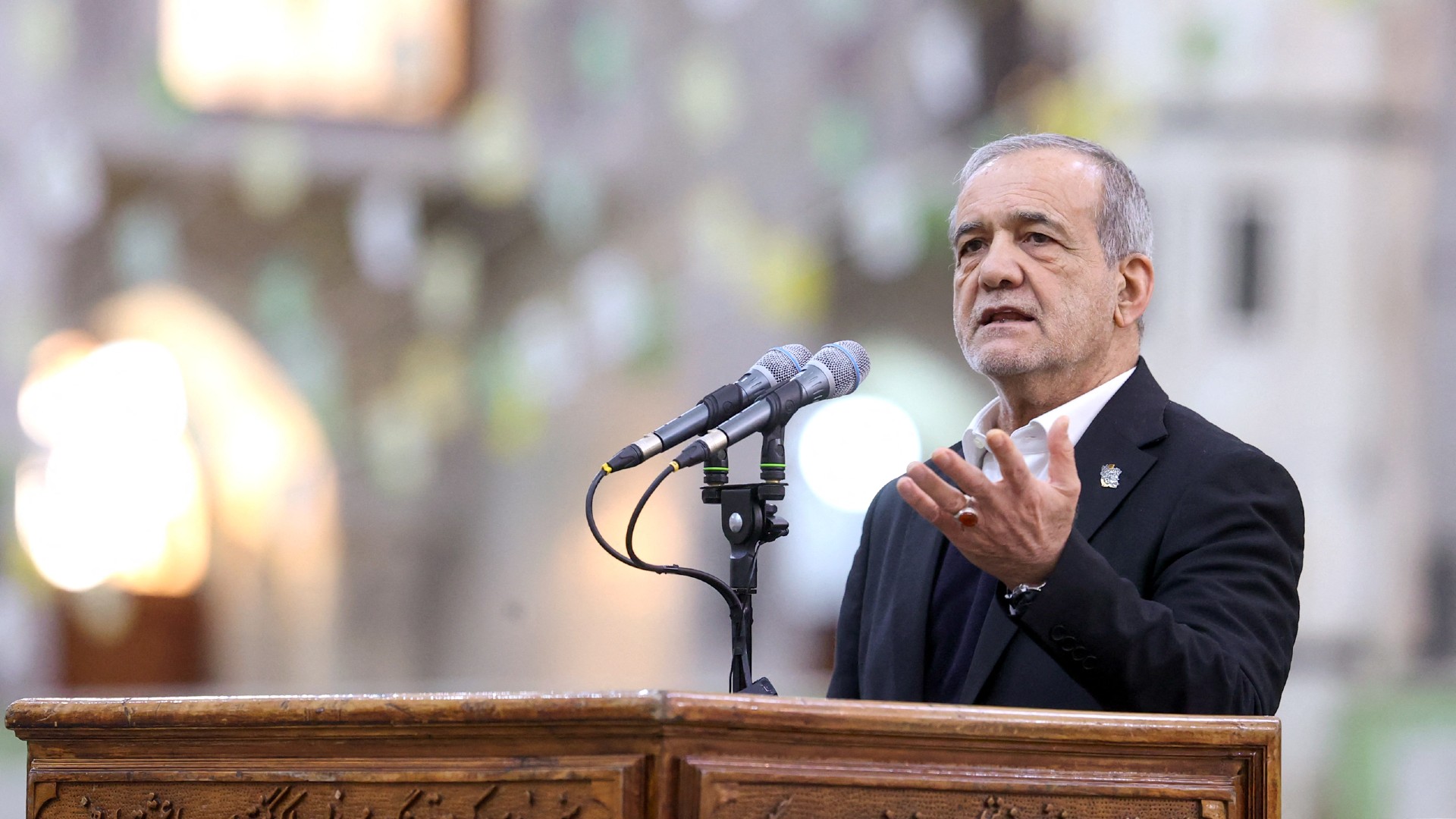
    Iran confronts an unprecedented leadership vacuum following the death of Supreme Leader Ali Khamenei, who held power for nearly four decades. His passing triggers constitutional protocols that place temporary authority with a three-member council consisting of President Masoud Pezeshkian, Judiciary Chief Gholam-Hossein Mohseni-Ejei, and Ayatollah Alireza Arafi from the Guardian Council.

    The succession process reveals the complex architecture of Iran’s political system, centered on the concept of Marja al-Taqlid (source of emulation) in Shia Islam. The Assembly of Experts, comprising 88 high-ranking Shia scholars, holds constitutional responsibility for selecting the new leader. However, this body operates within a carefully constructed vetting system that ensures only Khamenei-loyal candidates participate in the selection process.

    Multiple structural challenges complicate the transition. The Guardian Council, with half its members directly appointed by the late leader, serves as the primary filter for Assembly candidates. Additional vetting comes from the Ministry of Intelligence and the IRGC’s intelligence branch, creating what analysts describe as an impenetrable loyalty screen.

    The practical difficulties of convening the Assembly during heightened regional tensions present further complications. Recent targeted strikes against Iranian officials have raised questions about the safety of gathering members physically, potentially delaying the selection process.

    Several names have emerged as potential successors, including Ayatollah Arafi (already serving on the interim council), former judiciary head Ayatollah Sadeq Larijani, former president Hassan Rouhani, and Khamenei’s son Mojtaba. Beyond formal qualifications requiring religious expertise, political vision, and administrative capability, the successful candidate must maintain functional relationships with the powerful Revolutionary Guards and navigate competing fundamentalist and conservative factions.

    The 1989 selection of Khamenei himself, despite his then-questionable religious credentials, suggests that political considerations may ultimately outweigh strict doctrinal requirements in determining Iran’s next supreme leader.

  • Penny Wong lashed as Coalition, Greens vote to suspend Senate for Iran vote

    Penny Wong lashed as Coalition, Greens vote to suspend Senate for Iran vote

    Australia’s parliamentary proceedings descended into political turmoil as lawmakers clashed over a controversial motion concerning recent US-Israeli military actions against Iran. The Coalition and Greens parties forced an unexpected suspension of standing orders, temporarily halting government business to introduce a contentious resolution.

    Coalition Senator Michaelia Cash introduced the motion expressing support for US strikes against Iran and welcoming the death of Iranian leader Ayatollah Ali Khamenei, whom she characterized as ‘the most evil person in history.’ The resolution further sought to affirm Australia’s opposition to Iran’s alleged nuclear weapons program and condemn attacks on US allies in the Gulf region.

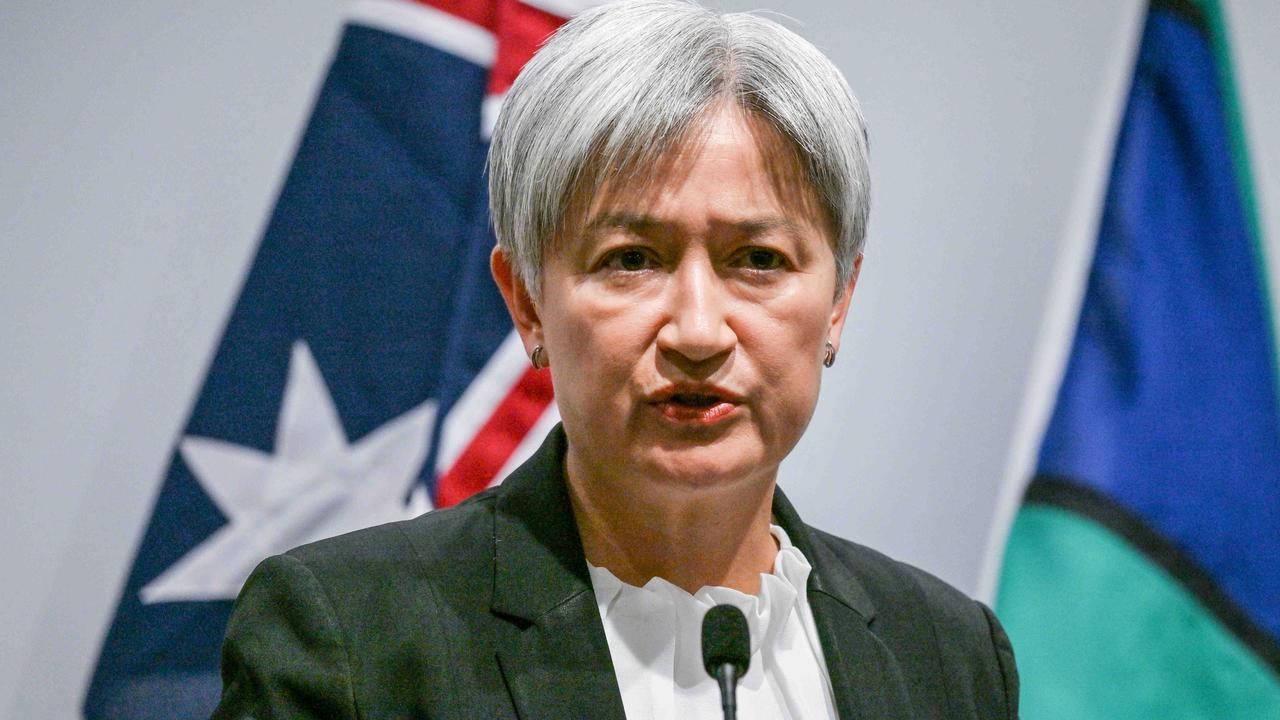
    Foreign Affairs Minister Penny Wong opposed the procedural motion while supporting the substantive motion with amendments. Wong emphasized prioritizing the safety of approximately 115,000 Australians in the region and criticized the opposition for their previous inaction on Iranian sanctions during their tenure.

    The debate grew increasingly acrimonious as senators exchanged heated remarks across party lines. One Nation Leader Pauline Hanson endorsed the motion, claiming Iranians were ‘dancing in the streets’ following the Ayatollah’s death. Tensions escalated when independent Senator Lidia Thorpe accused Hanson of using derogatory language, resulting in a personal confrontation.

    Greens senators criticized both major parties for supporting what they termed an ‘illegal war,’ with Senator David Shoebridge accusing Labor and Liberals of forming ‘the three war parties.’ The discussion also touched on concerns about regional stability, international law violations, and potential repercussions from other global powers.

    The parliamentary interruption delayed scheduled debates on Indigenous affairs, specifically the Closing the Gap initiative, highlighting the competing priorities facing Australian lawmakers amid international crises.

  • Hollywood’s finest gather for guild’s Actor Awards

    Hollywood’s finest gather for guild’s Actor Awards

    The entertainment industry’s spotlight shifted to Los Angeles as Hollywood’s elite convened for the prestigious Screen Actors Guild Awards, the final major ceremony before the Academy Awards. The newly rebranded Actor Awards ceremony saw film and television luminaries gracing the red carpet, with Paul Thomas Anderson’s political thriller ‘One Battle After Another’ leading nominations with seven nods, closely followed by Ryan Coogler’s vampire allegory ‘Sinners’ with five nominations.

    The evening’s central drama revolved around the top honor for outstanding ensemble cast, a category that industry analysts watched closely for potential Oscars forecasting. According to Scott Feinberg, awards columnist for The Hollywood Reporter, ‘Sinners’ appeared positioned for victory in the ensemble category, though he noted the SAG Awards and Oscars have frequently diverged in their best picture preferences in recent years.

    In individual performance categories, Timothée Chalamet emerged as the clear frontrunner for best male actor for his transformative portrayal of a obsessive 1950s table tennis star in ‘Marty Supreme.’ The rising star, who previously won for his Bob Dylan biopic performance, faced formidable competition from Leonardo DiCaprio (‘One Battle After Another’), Michael B. Jordan (‘Sinners’), Ethan Hawke (‘Blue Moon’), and Jesse Plemons (‘Bugonia’).

    The best female actor category saw Jessie Buckley (‘Hamnet’) as the presumptive favorite after dominating the awards season circuit, though she competed against Rose Byrne, Kate Hudson, Chase Infiniti, and Emma Stone in what remained technically contested categories.

    Supporting role nominations presented greater unpredictability, with Feinberg noting significant divergence among previous awards ceremonies. Teyana Taylor, fresh from her Golden Globe win for ‘One Battle After Another,’ competed against Critics Choice winner Amy Madigan and BAFTA recipient Wunmi Mosaku, alongside Ariana Grande and Odessa A’zion.

    Television categories promised to extend the success of Netflix’s ‘Adolescence,’ medical drama ‘The Pitt,’ and Apple TV’s Hollywood satire ‘The Studio,’ with potential posthumous recognition for Catherine O’Hara in the comedy series category. The ceremony, hosted by Kristen Bell and streaming live on Netflix, also honored Harrison Ford with a lifetime achievement award during what many consider the most predictive event for Oscar success.

  • Trump vows to avenge first US deaths as Iran war intensifies

    Trump vows to avenge first US deaths as Iran war intensifies

    The Middle East conflict initiated by the United States has entered a dangerous new phase with the confirmation of the first American military fatalities. President Donald Trump, speaking from his Mar-a-Lago estate in Florida, pledged severe retaliation against Iranian forces following a coordinated US-Israeli offensive that eliminated Iran’s Supreme Leader Ayatollah Ali Khamenei and decimated the headquarters of Iran’s Islamic Revolutionary Guard Corps (IRGC).

    The Pentagon confirmed three US service members killed and five seriously wounded in Operation ‘Epic Fury’ – the joint military campaign targeting Iranian leadership and military infrastructure. President Trump warned of additional casualties while promising ‘the most punishing blow to the terrorists who have waged war against civilization.’

    Iran’s response has been immediate and widespread, launching missile and drone attacks across the Middle East that have caused significant casualties in Israel and the United Arab Emirates. The conflict has transformed glittering Gulf economic centers into conflict zones, with explosions reported in previously secure urban areas.

    In Israel, Beit Shemesh suffered a devastating missile strike that killed nine civilians and injured dozens. The Iran-backed Hezbollah movement in Lebanon also entered the conflict, launching projectiles into northern Israel despite being weakened by previous Israeli military actions.

    Political fallout within the United States has been immediate, with House Democratic leader Hakeem Jeffries condemning the operation as a ‘reckless decision’ lacking sufficient justification. The casualties present a particular political challenge for President Trump, who built his political career criticizing foreign military interventions.

    Iran’s interim leadership, including President Masoud Pezeshkian and newly appointed Ayatollah Alireza Arafi, has vowed severe retaliation, characterizing Khamenei’s assassination as ‘a declaration of war against Muslims.’ Ali Larijani, head of Iran’s Supreme National Security Council, promised unprecedented counterstrikes against American and Israeli targets.

    The international response remains divided, with the attack occurring just two days after reportedly productive nuclear negotiations between US and Iranian officials in Oman. The sultanate itself became a casualty of the conflict when its commercial port at Duqm suffered drone strikes that injured a foreign worker.

    Maritime security has deteriorated dramatically, with three commercial vessels attacked in the strategically vital Strait of Hormuz and global oil prices spiking after Iran declared the waterway closed to navigation. While Iran’s Revolutionary Guards claimed successful strikes against the USS Abraham Lincoln, Pentagon officials dismissed these assertions as ‘not even close’ to accurate.

    Humanitarian organizations report significant casualties within Iran, with the Red Crescent documenting 201 fatalities and hundreds injured from the initial strikes. Among the confirmed deaths are Ali Shamkhani, a senior adviser to Khamenei, and General Mohammad Pakpour, commander of the Revolutionary Guards ground forces.

    The UAE has taken diplomatic action against Iran, recalling its ambassador and closing its embassy in response to attacks that killed three of its citizens. The conflict has sparked both celebration and anger across the region, with protests outside the US consulate in Karachi, Pakistan resulting in 17 fatalities.

  • Kidnapping of foreigners soars in Africa’s lawless Sahel region

    Kidnapping of foreigners soars in Africa’s lawless Sahel region

    The West African Sahel region has witnessed a dramatic escalation in high-profile kidnappings of foreign nationals throughout 2025, with Islamist militants employing abduction as both economic strategy and political weapon. This alarming trend represents a strategic shift by al-Qaeda affiliate Jama’at Nusrat al-Islam wal-Muslimin (JNIM), which has transformed kidnapping into a sophisticated revenue stream while simultaneously undermining regional governments.

    Marin Petrović’s harrowing experience exemplifies this crisis. The Bosnian mountain rescue expert documented his 55-day captivity after JNIM militants intercepted his vehicle en route to Mopti’s historic mosque. His Instagram testimony reveals brutal conditions: sleeping on bare ground, drinking contaminated water, and surviving on minimal rations while surrounded by wildlife and armed guards. Despite his ordeal, Petrović observed unexpected humanity among some captors, noting that ‘many of them have a heart’ beneath their militant exterior.

    Statistical analysis reveals disturbing patterns. According to ACLED conflict monitoring data, 30 separate kidnapping events targeted foreigners by November 2025, with final numbers expected to surpass previous years significantly. Chinese nationals constitute the largest demographic among abducted foreigners, representing 38 of 89 documented cases—primarily workers in Mali’s gold mining regions where Chinese corporations have expanded operations amid soaring gold prices.

    The economic dimensions are staggering. Ransom payments allegedly contribute up to 40% of JNIM’s annual revenue, with one UAE royal family member’s release reportedly commanding $50 million. This financial incentive combines with strategic objectives: by targeting foreign workers, JNIM destabilizes Mali’s economy and strains international partnerships, particularly China’s significant mining investments.

    Analyst Héni Nsaibia of ACLED explains this dual motivation: ‘Ransom provides obvious incentive, but kidnapping primarily serves broader economic warfare with direct ramifications for bilateral relations.’ The group’s recent avoidance of Western targets suggests calculated public relations efforts to build international credibility, contrasting with their continued targeting of Chinese nationals who receive less diplomatic protection.

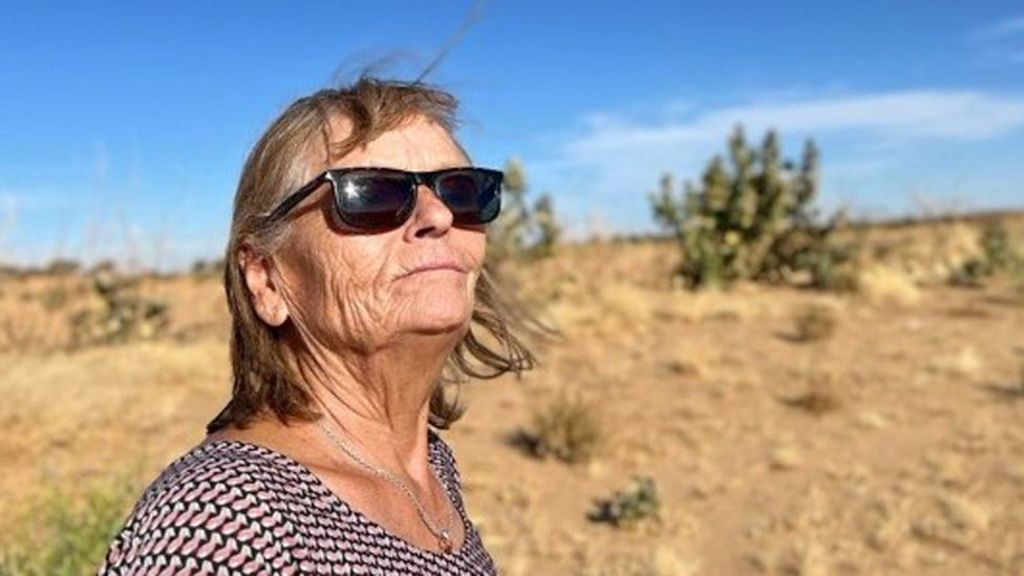
    While Petrović eventually gained freedom without ransom payment, others remain captive. Austrian humanitarian worker Eva Greztmacher, now 74, has endured over a year in desert conditions with temperatures reaching 50°C (122°F). Her son Christoph maintains cautious optimism while coordinating discreet efforts for her release, acknowledging the delicate balance between media attention and negotiation tactics.

    The crisis continues evolving. Recent Chinese embassy warnings against ‘illegal gold mining’ and personnel evacuations signal growing governmental concern, though official intervention remains limited. As JNIM refines its kidnapping calculus—weighing financial gains against political consequences—foreign workers and travelers throughout the Sahel face increasingly perilous conditions with no comprehensive solution in sight.

  • ‘I couldn’t say no’: Phil Gould’s son makes name for himself as Storm eyes major milestone

    ‘I couldn’t say no’: Phil Gould’s son makes name for himself as Storm eyes major milestone

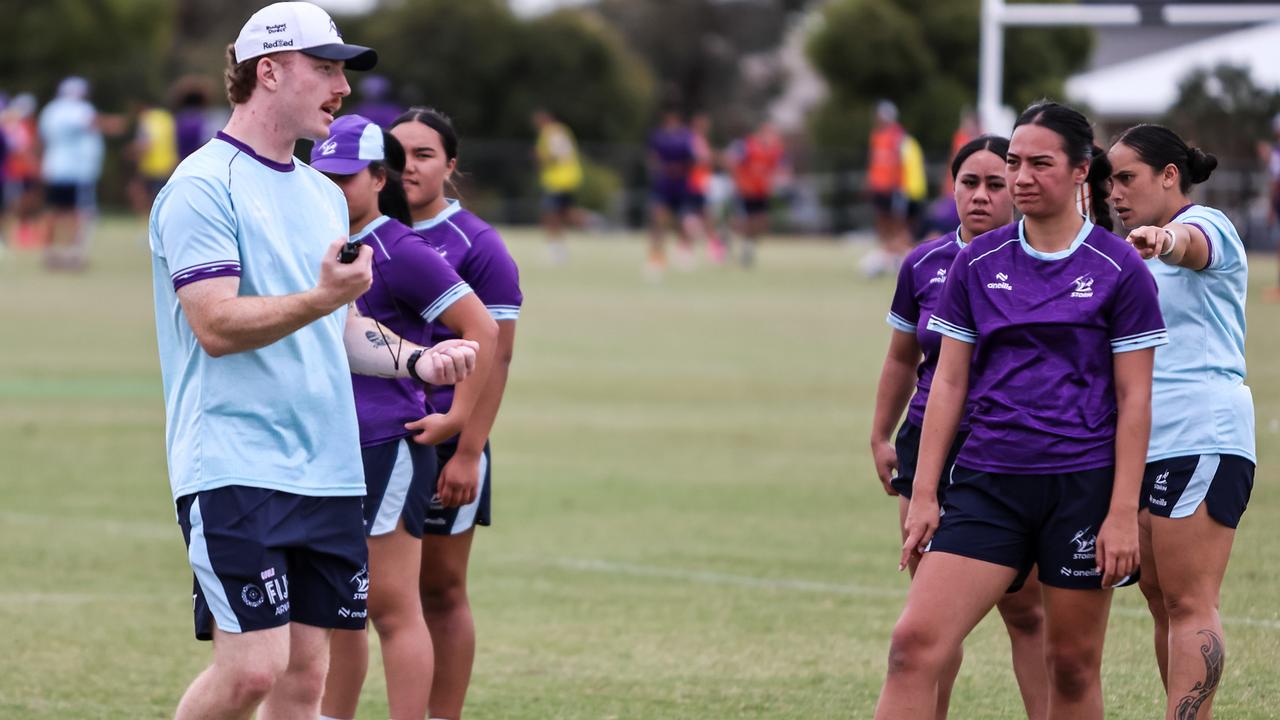
    A new chapter in one of rugby league’s most storied family legacies is being written in Melbourne, far from the familiar Sydney spotlight. Jack Gould, son of league immortal Phil Gould, is spearheading a groundbreaking initiative as the coaching director for the Melbourne Storm’s burgeoning women’s pathways program.

    While his father, Phil, continues his transformative work with the Canterbury-Bankstown Bulldogs, Jack is carving his own distinct identity in the sport. His journey began with a five-year tenure at the Cronulla-Sutherland Sharks, where his role as female pathways coordinator earned him the prestigious Andrew Ettingshausen Club Person of the Year Award in 2025. This experience laid the foundation for his current ambitious project with the Storm.

    Jack’s appointment marks a strategic move by Melbourne to build a sustainable future in women’s rugby league. He is working in close partnership with female pathways manager Pauline Poloai to establish the club’s first-ever entries in the Tarsha Gale Cup (U19s) and Lisa Fiaola Cup (U17s). A key architect of this development, Gould has also assumed head coaching duties for the Tarsha Gale side, balancing this with his oversight of the academy programs.

    The philosophy driving this initiative, endorsed by football director Frank Ponissi’s ‘Road to AAMI Park’ program, emphasizes cultivating homegrown talent. This focus is yielding impressive results, with the U17s squad comprising 100% Victorian players and the U19s team featuring 90% local talent—a point of immense pride for the club.

    The long-term vision, as outlined by Gould, is a methodical ascent to the NRLW. The strategy involves patiently strengthening the current junior foundations before establishing a reserve grade team in the Harvey Norman Women’s Premiership by 2027 or 2028. This deliberate, bottom-up approach aims to ensure the future NRLW side is built on a robust and competitive local player base, ready to excel from its inception.