博客

  • Israel hits Lebanon after Hezbollah fire, expanding Iran war

    Israel hits Lebanon after Hezbollah fire, expanding Iran war

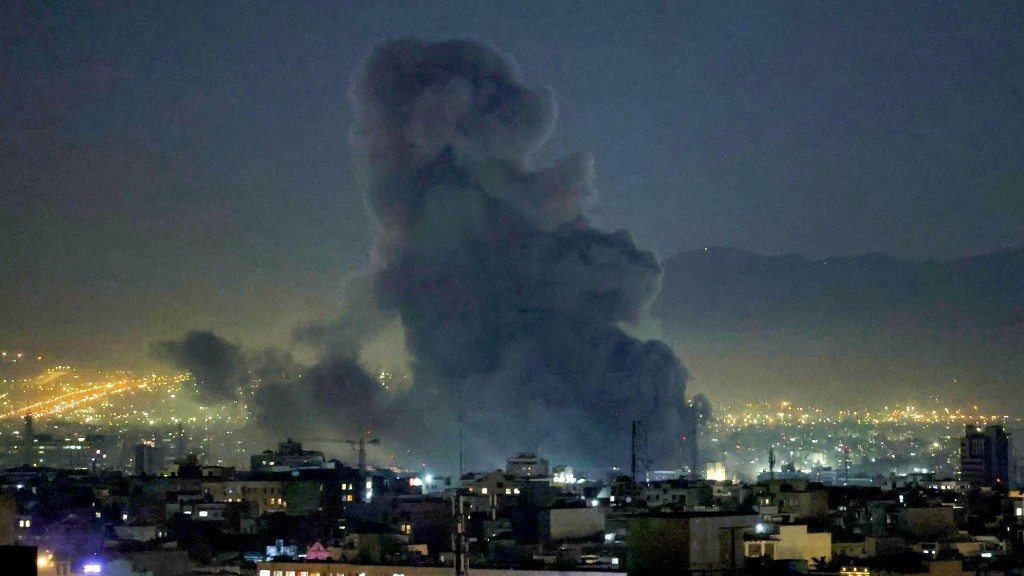
    Israeli military forces initiated a significant escalation in hostilities with Hezbollah on Monday, launching targeted strikes across Lebanon, including the capital city of Beirut. This offensive action came in direct response to rocket and drone attacks launched by the Iranian-backed militant group against Israeli territory earlier that day.

    The Israeli Defense Forces confirmed they had ‘begun striking targets of the Hezbollah terrorist organization across Lebanon,’ with an AFP journalist documenting multiple powerful explosions resonating through Beirut. Military officials specified that their operations ‘precisely struck’ senior Hezbollah members both in the Beirut metropolitan area and in southern Lebanon, marking the most substantial military engagement since the November 2024 ceasefire agreement.

    Hezbollah, the Shiite Muslim political and military organization, claimed responsibility for the initial rocket barrage, characterizing it as retaliatory measure for the killing of Iranian Supreme Leader Ayatollah Ali Khamenei during coordinated US-Israeli strikes on Tehran over the weekend. The group’s leadership had previously established any attack against Khamenei as an unequivocal ‘red line’ that would necessitate military response.

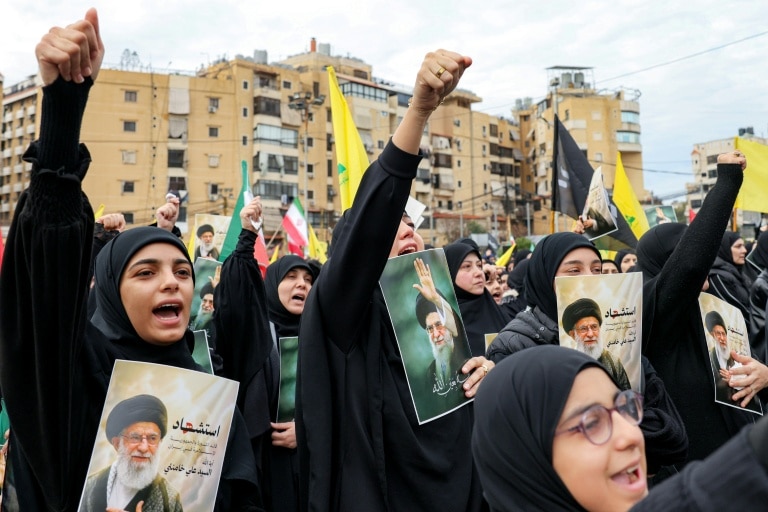
    The escalation has triggered widespread evacuations throughout southern Lebanon and Beirut’s suburbs, with Israel issuing formal warnings to residents in approximately 50 towns and villages within Hezbollah strongholds. Army spokeswoman Ella Waweya urged civilians to ‘evacuate your homes immediately and move at least 1,000 metres away from your village to open areas’ for their safety.

    Lebanese Prime Minister Nawaf Salam condemned Hezbollah’s rocket fire as ‘irresponsible,’ asserting that such actions ‘endanger Lebanon’s security and safety, and gives Israel pretexts to continue its attacks.’ His government, which has historically advocated for Hezbollah’s disarmament, announced plans to convene an emergency meeting to address the crisis and implement protective measures for Lebanese citizens.

    The National News Agency of Lebanon reported substantial population displacement from conflict zones, with local media footage showing congested roadways as residents fled targeted areas. This development represents a dangerous expansion of regional tensions that originated with the October 2023 Hamas attack on Israel and subsequent military operations in Gaza.
  • Hopes and fears as US Iranians take to streets after toppling of supreme leader

    Hopes and fears as US Iranians take to streets after toppling of supreme leader

    The Iranian-American community across the United States has responded with complex and divided emotions following the joint U.S.-Israel military operation that resulted in the death of Iranian Supreme Leader Ayatollah Ali Khamenei over the weekend.

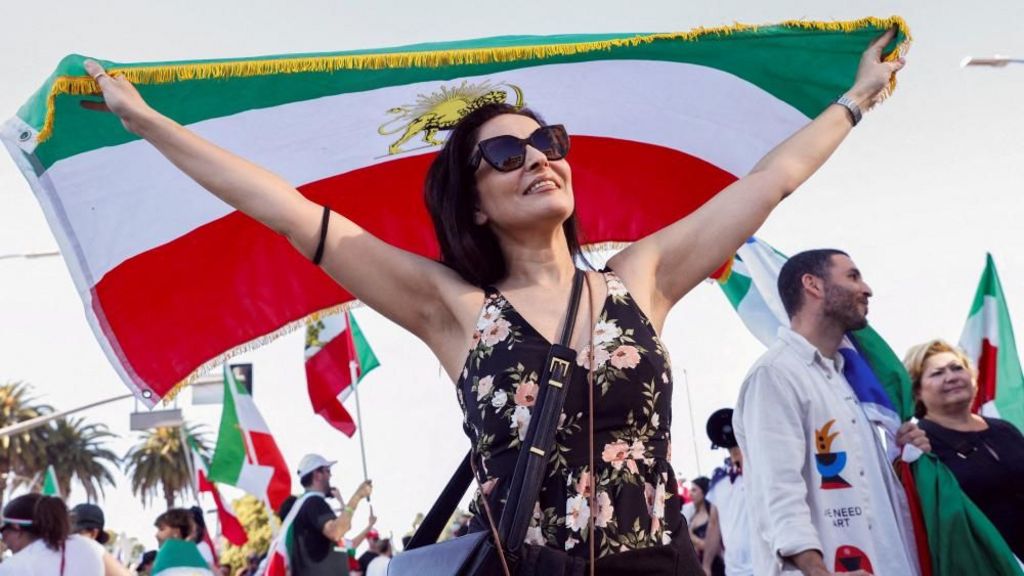
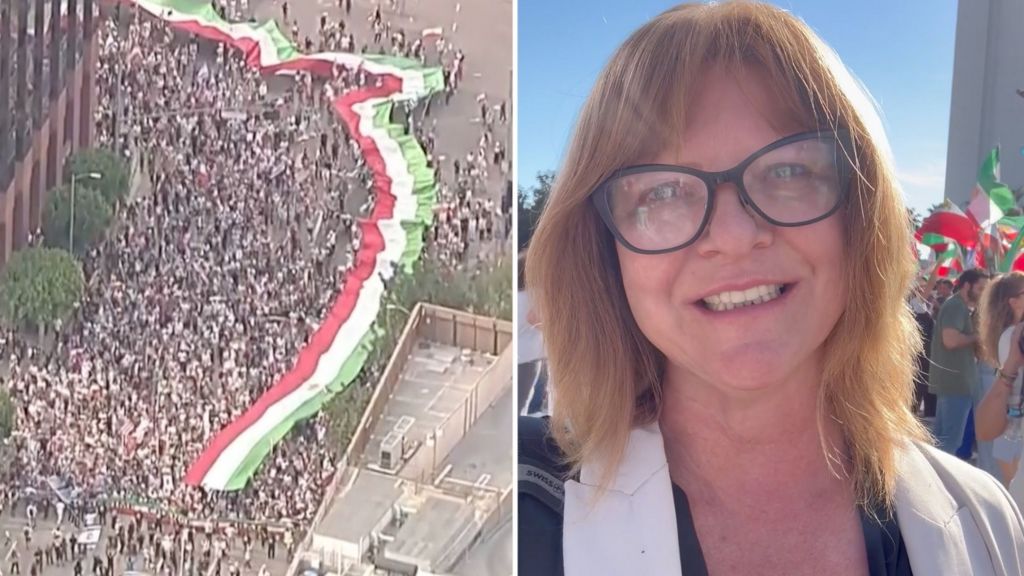
    In Los Angeles, home to the largest concentration of Iranian immigrants in America, police closed streets outside federal buildings to accommodate celebratory demonstrations. The city witnessed emotional scenes as thousands waved flags and danced in celebration. A plane circled overhead displaying a banner reading “THANK U TRUMP,” capturing the sentiment of many exiles who have long opposed the Tehran regime.

    Fatemeh Shams, an Iranian-American in Philadelphia since 2009, expressed the conflicted feelings shared by many: “We all have very mixed feelings about what’s happening. On the one hand, we are extremely happy that our killers… they no longer breathe. The fact that Khamenei was killed in less than a moment, after 38 years of corruption and crime, it kind of feels that we didn’t have any control over the justice we had been fighting for.”

    Hoda Zeaighamnia celebrated with her three children, one of whom was just days old when the family fled Iran. Her daughter Donya Cheshmaghil stated: “My family was forced to flee because we’re not Muslim and they’re very oppressive against anyone that’s not Muslim. We’re hoping this leads to regime change. We’re very grateful for the US for finally intervening.”

    However, not all responses were celebratory. Anti-war protests emerged in several cities, including Los Angeles where actress and activist Jane Fonda, 88, addressed hundreds of demonstrators. “You may wage this war in our name, but not with our consent,” she declared.

    The division was also evident among U.S. Congress members with Iranian heritage. Republican Congresswoman Stephanie Bice called for Iranians to “stand up and take back their nation,” while Democratic Representative Yassamin Ansari expressed concerns about potential U.S. involvement in “another endless war in the Middle East.”

    Despite uncertainties about the future, many Iranian-Americans chose to focus on the immediate outcome—the removal of a leader whose regime has been responsible for thousands of deaths during recent protests. As one celebrator in LA expressed: “This is a great day. Our country has been wanting this for a while. It’s beautiful. It really is.”

  • Watch: Iranian Americans celebrate on the streets of Los Angeles

    Watch: Iranian Americans celebrate on the streets of Los Angeles

    The streets of Los Angeles witnessed vibrant celebrations as members of the Iranian American community gathered publicly for the second consecutive day following the outbreak of regional hostilities. Demonstrating a complex geopolitical stance, expatriates and their descendants expressed support for Israel’s defensive measures through spontaneous street gatherings characterized by dancing, singing, and waving Israeli flags.

    This public display in one of America’s largest Iranian diaspora communities reflects deep-seated opposition to the Tehran regime rather than endorsement of conflict itself. The celebrations, concentrated in West Los Angeles neighborhoods traditionally associated with Persian Jewish populations, represent a political statement against Iran’s current leadership and its proxy networks.

    Community leaders emphasized that the demonstrations symbolize solidarity with democratic values and opposition to authoritarian regimes, highlighting the nuanced perspectives within immigrant communities regarding their nations of origin. The gatherings occurred peacefully without reported incidents, though they present striking visual contrasts to protests occurring simultaneously in other global cities.

    These events underscore how international conflicts frequently trigger transnational responses within diaspora communities, where geopolitical tensions become locally performed through public expression. The demonstrations also reveal the multifaceted nature of immigrant identity politics, where homeland conflicts become reinterpreted through the lens of American civic values and experiences.

  • US troop deaths ignite anger over ‘war for Israel’

    US troop deaths ignite anger over ‘war for Israel’

    The Pentagon confirmed on Sunday that three American service members lost their lives and five sustained serious injuries during joint military operations with Israel against Iranian targets. This development marks the first US combat fatalities since the initiation of this conflict. According to US Central Command, several additional personnel received minor shrapnel wounds and concussions, with many already returning to active duty while major combat operations persist.

    The incident, reported by NBC News to have occurred in Kuwait based on US official sources, has ignited substantial political backlash within the United States. Critics from across the political spectrum have intensified their condemnation of Washington’s decision to engage in a conflict that many argue primarily serves Israeli strategic interests rather than American national security objectives.

    Prominent Republican figures including former congresswoman Marjorie Taylor Greene offered condolences to bereaved families while simultaneously denouncing the military intervention as “absolutely unnecessary and unacceptable.” Greene emphasized that she and other Trump allies had campaigned explicitly against foreign wars and regime change operations.

    Democratic Senator Chris Van Hollen similarly criticized the escalation, noting that fallen soldiers “should still be with us” and characterizing the conflict as “Trump’s war of choice” despite campaign promises to avoid such entanglements.

    The criticism extends beyond traditional political channels, with influential voices from Trump’s own MAGA movement expressing vehement opposition. Longtime Trump ally Tucker Carlson described the joint US-Israeli operation as “absolutely disgusting and evil” during an ABC News interview, predicting substantial realignment within Trump’s political base due to this decision.

    Pro-Trump commentator Tim Pool joined the criticism, labeling the military action a betrayal of core campaign promises, while influential MAGA commentators Keith and Kevin Hodge explicitly rejected the intervention’s rationale, stating that freeing Iranian people was not their motivation for supporting Trump.

    The fatalities have intensified fundamental debates about whether American forces are effectively advancing national interests or primarily supporting Israeli strategic objectives in the region, raising questions about the future direction of US foreign policy in the Middle East.

  • Deadly strikes hit Israel as Iran promises to avenge Khamenei’s killing

    Deadly strikes hit Israel as Iran promises to avenge Khamenei’s killing

    The Middle East plunged deeper into a widespread military confrontation as Iran, reeling from the assassination of its Supreme Leader Ali Khamenei, announced an interim governing council and vowed severe retaliation against the United States and Israel. For a second consecutive day, the region endured a relentless exchange of missile and drone attacks, marking a significant escalation in hostilities.

    Iranian authorities confirmed the deaths of several high-ranking officials, including Islamic Revolutionary Guard Corps (IRGC) Commander Mohammad Pakpour, Defence Council Secretary Ali Shamkhani, and Defence Minister Aziz Nasirzadeh, attributing their killings to coordinated strikes by Israel and the U.S. Former U.S. President Donald Trump claimed that 48 Iranian leaders had been eliminated since operations commenced on Saturday.

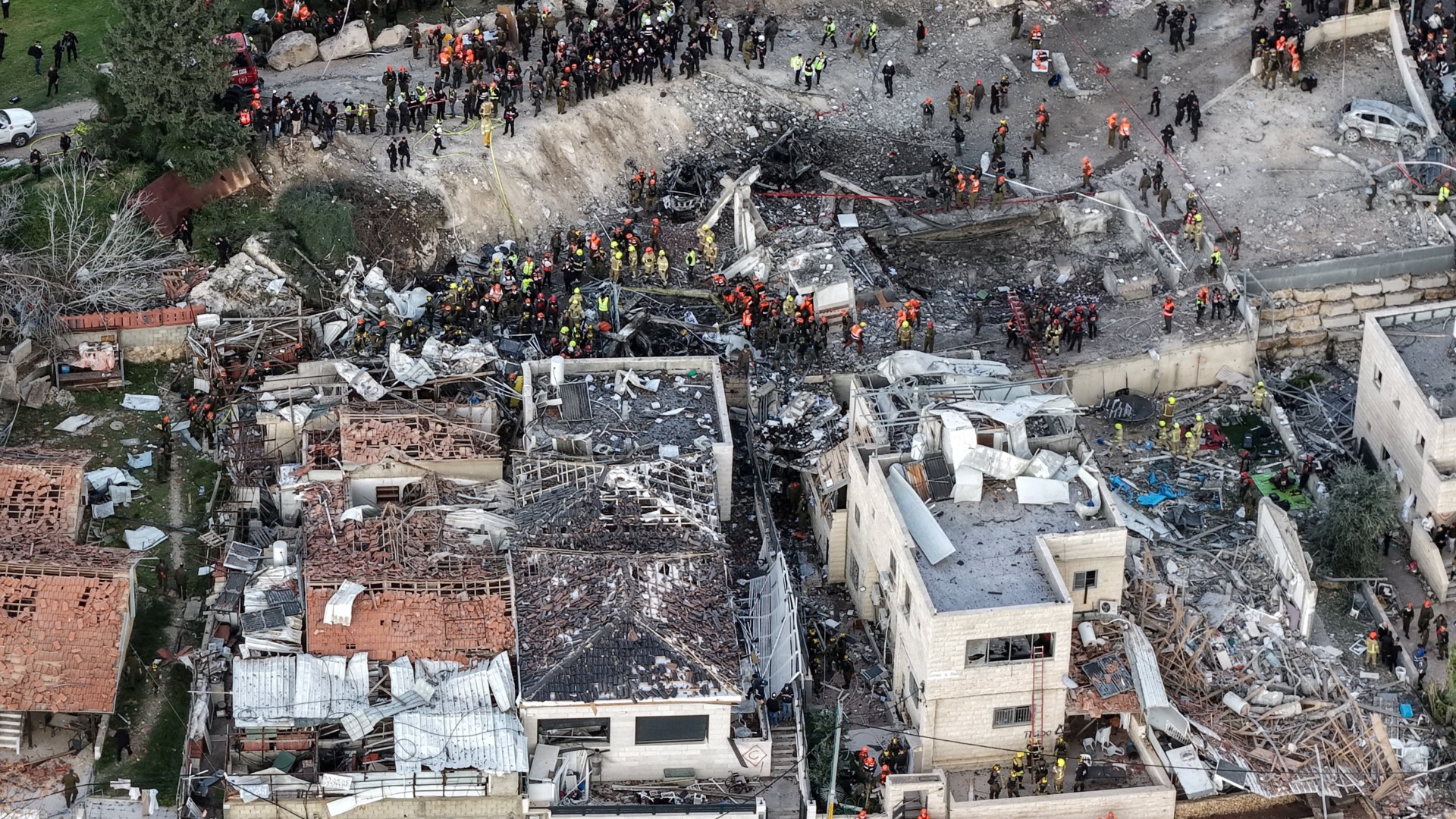
    Despite these significant losses, Tehran continued its offensive operations. An Iranian missile struck a bomb shelter in the densely populated ultra-Orthodox town of Beit Shemesh, Israel, resulting in at least nine fatalities and raising the Israeli death toll to twelve since the conflict began. Simultaneously, Iranian forces launched attacks across the Gulf, targeting capitals including Riyadh, Abu Dhabi, Dubai, Manama, Doha, and Kuwait City, as well as Oman—a nation previously engaged in mediation efforts. Civilian casualties were reported, with three killed in the UAE and one in Kuwait.

    The U.S. military reported three personnel killed and five seriously wounded during ‘Operation Epic Fury.’ In a strategic move with global economic implications, Iran closed the Strait of Hormuz, a critical chokepoint for 20% of the world’s oil supply. Attacks on two vessels in the strait, including an oil tanker reported to be sinking, threatened to trigger a surge in crude prices. The U.S. claimed to have sunk an Iranian warship in the Gulf of Oman, while the IRGC asserted an attack on the USS Abraham Lincoln, a claim promptly denied by the Pentagon.

    In response to the leadership vacuum, Iranian President Masoud Pezeshkian appeared on state television alongside Judiciary Chief Gholam-Hossein Mohseni-Ejei and senior religious scholar Ayatollah Alireza Arafi, forming a three-man interim council. President Pezeshkian declared a ‘legitimate duty and right to avenge’ Khamenei’s killing, which he labeled a ‘historic crime.’

    The political atmosphere within Iran was deeply fractured. Organized pro-government rallies demanding ‘severe revenge’ dominated the streets of Tehran, Isfahan, and Qom. Conversely, celebrations erupted in some areas, such as the conservative holy city of Mashhad, where residents distributed sweets and openly flouted hijab laws, highlighting the nation’s internal divisions. The Iranian Red Crescent reported a preliminary toll of at least 201 killed and 747 wounded in airstrikes, with a devastating strike on a girls’ primary school in Minab claiming 153 lives, most of them children aged seven to twelve.

    Israeli Prime Minister Benjamin Netanyahu declared that the campaign would intensify, with 100,000 reservists called up and strikes continuing ‘at the heart of Tehran.’ He warned the situation would ‘only escalate in the days ahead,’ signaling no near-term de-escalation despite unverified claims from Trump about potential negotiations and a reported refusal from Tehran for a ceasefire.

  • Recognition, not competition, for Oscar-nominated foreign filmmakers

    Recognition, not competition, for Oscar-nominated foreign filmmakers

    The landscape of the Academy Awards is undergoing a profound transformation as foreign-language cinema moves from the periphery to the center stage of Hollywood’s most prestigious night. This year’s nominations underscore a significant shift, with two non-English films—Brazil’s ‘The Secret Agent’ and Norway’s ‘Sentimental Value’—competing for Best Picture, a category traditionally dominated by American productions.

    Joachim Trier’s Nordic family drama ‘Sentimental Value’ leads this charge with an extraordinary nine nominations, including Best Director and Best International Feature. For Trier, the recognition itself represents victory beyond competition. ‘It’s not about competition. It’s more about recognition. And I like that,’ the Danish-Norwegian director remarked. He attributes this inclusivity to the evolving diversity within the Academy’s voting body, noting that films succeed globally when they articulate universal personal emotions through intimate storytelling.

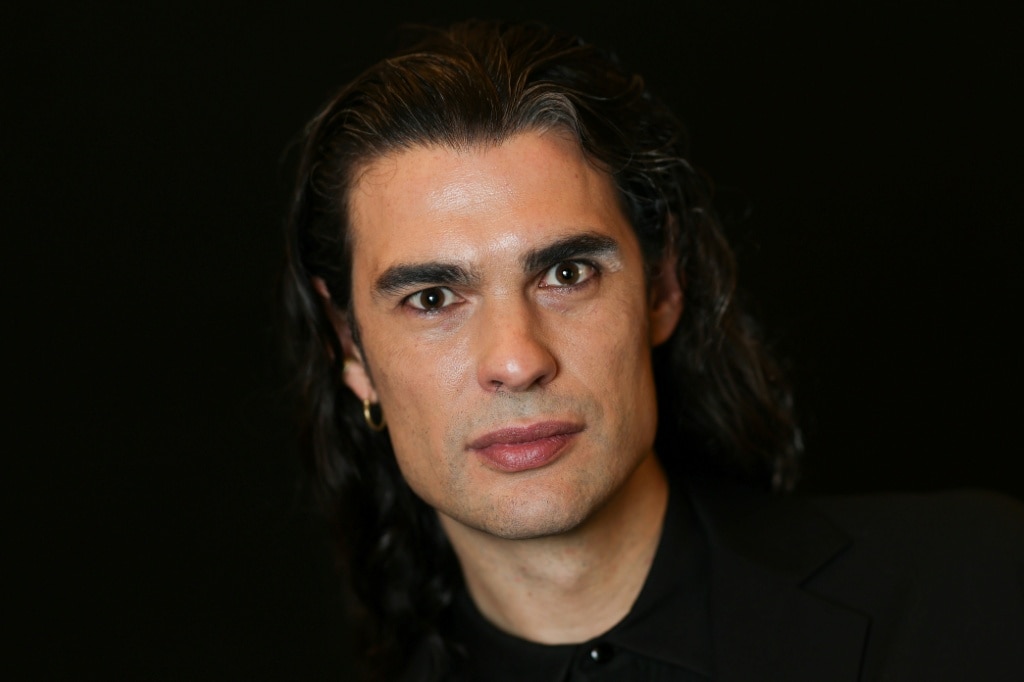
    This sentiment resonates across the international nominees. Franco-Spanish director Oliver Laxe, nominated for ‘Sirat,’ views the recognition as a collective triumph that validates artistic authenticity over conventional formulas. ‘I think nobody loses here. We all win,’ Laxe stated, emphasizing that audiences increasingly seek genuine individual sensitivity in cinema.

    From South America, Brazilian director Kleber Mendonca Filho expressed astonishment at the worldwide impact of his political thriller ‘The Secret Agent,’ which examines military dictatorship-era persecution. His wife and producer, Emilie Lesclaux, observed that the Oscars have evolved from an insular American ceremony to truly global recognition where powerful international films receive equal consideration.

    The political dimension of international cinema remains potent. Iranian director Jafar Panahi’s secretly filmed ‘It Was Just an Accident,’ representing France, uses its platform to highlight ongoing oppression in Iran, while Tunisian director Kaouther Ben Hania’s Gaza-set docudrama ‘The Voice of Hind Rajab’ transforms a Palestinian child’s tragedy into a global call for witness responsibility. Both demonstrate how international films are expanding the Oscars’ cultural and political conversations, creating what nominees describe as a ‘new normal’ in global cinema recognition.

  • ‘Better Call Ivan’: Ivan Cleary’s advice to the judiciary as Panthers coach shuts down revenge theory

    ‘Better Call Ivan’: Ivan Cleary’s advice to the judiciary as Panthers coach shuts down revenge theory

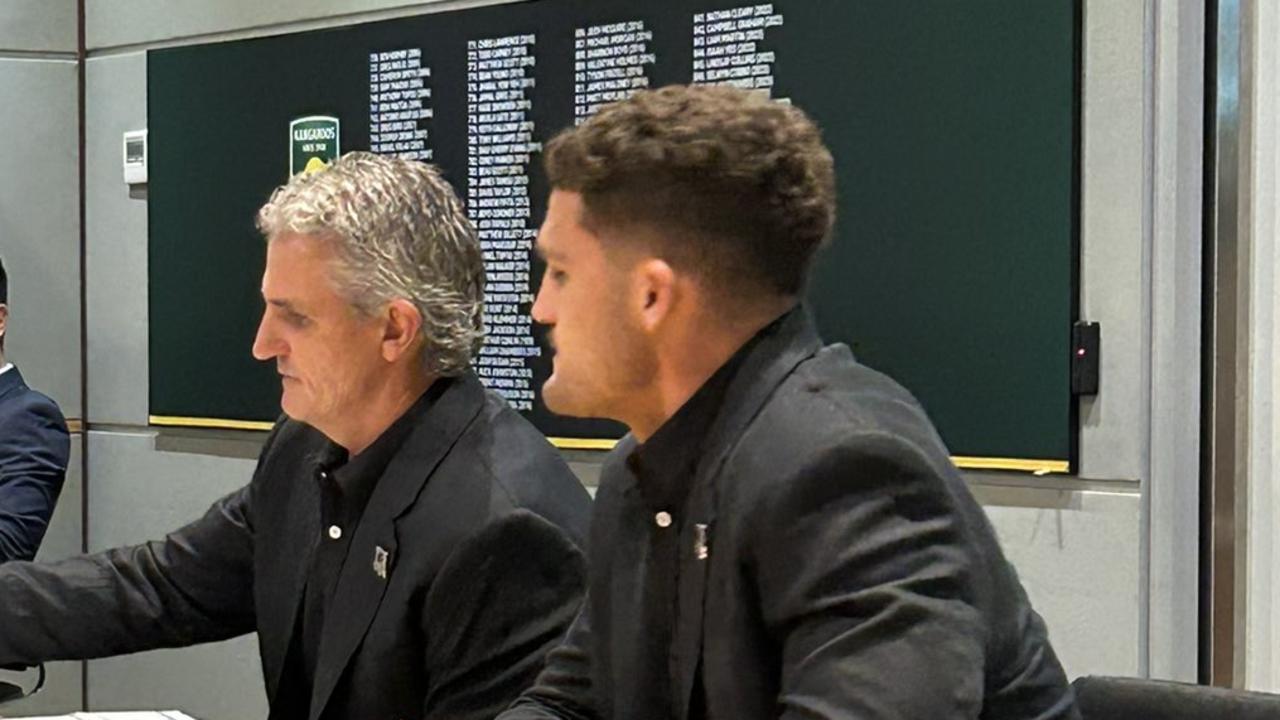
    Penrith Panthers coach Ivan Cleary has emphatically declared his retirement from legal advocacy duties following a successful judiciary appearance that overturned his son Nathan’s suspension. The four-time premiership-winning mentor temporarily swapped his coaching attire for formal wear last week, delivering a compelling defense that reduced a potential three-match ban to a mere fine.

    The contentious case centered on a tackle during a trial match that the match review committee had initially graded as warranting suspension. Cleary presented visual evidence demonstrating the absence of direct head contact, securing his halfback’s availability for the season opener against Brisbane.

    Expressing frustration with the judicial process, Cleary criticized the system’s inherent flaws, particularly the risk-reward calculation that forces clubs to weigh challenging incorrect decisions against potential extended bans. ‘It was quite a big thing – either no weeks or three weeks for something that was pretty clearly a grade one,’ Cleary remarked, highlighting the disproportionate consequences clubs face.

    The veteran coach specifically questioned the match review committee’s assessment capabilities, suggesting technological upgrades might be necessary for proper incident evaluation. He advocated for greater understanding toward players’ timing in trial matches and expressed satisfaction with the hearing’s eventual outcome despite his reservations about the process.

    With Nathan Cleary now available for selection, the Panthers turn their attention to Friday’s season opener against the Broncos – a rematch of last year’s grand final that ended Penrith’s premiership streak. Cleary dismissed revenge narratives, instead expressing confidence in his squad’s competitive readiness for the 2026 campaign.

    ‘I feel like we’re going to be really competitive,’ Cleary stated, acknowledging the uncertainty of early season form while maintaining optimism about his team’s championship credentials.

  • Infantino says players who cover mouths when speaking could be sent off

    Infantino says players who cover mouths when speaking could be sent off

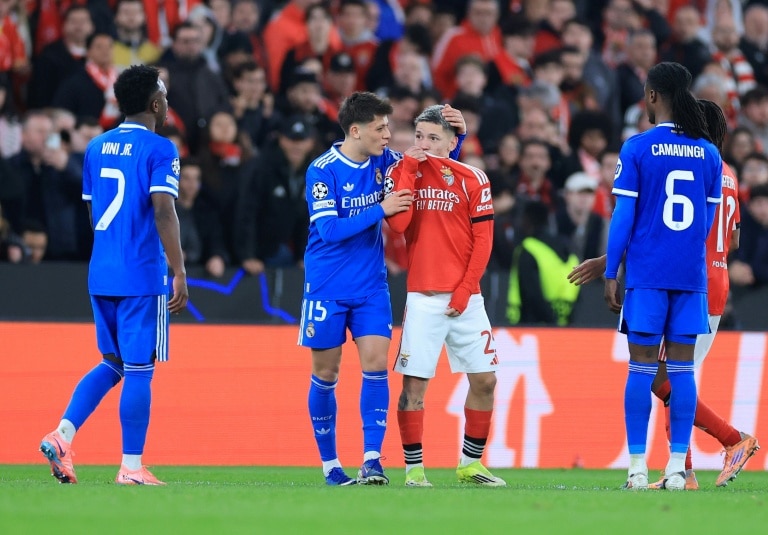
    FIFA President Gianni Infantino has proposed a significant shift in football’s disciplinary approach, suggesting that players who cover their mouths during on-field conversations could face immediate red cards. This radical proposal emerges amid ongoing investigations into racial abuse allegations involving Benfica’s Gianluca Prestianni and Real Madrid’s Vinícius Júnior.

    The controversial incident occurred during a recent Champions League match where Prestianni was accused of racially abusing the Brazilian forward while concealing his mouth with his shirt. This case has prompted football’s governing bodies to reconsider how such concealed interactions are handled in professional play.

    Infantino articulated his position clearly at Saturday’s International Football Association Board (IFAB) meeting, stating: ‘When a player obscures his mouth and makes remarks with racist consequences, the obvious outcome must be immediate dismissal. The very act of concealment creates a presumption of wrongdoing—why would one hide their words if they had nothing to conceal?’

    The FIFA president’s comments signal a potential paradigm shift in how football authorities address on-pitch communications. Infantino emphasized that mouth-covering actions fundamentally undermine the spirit of transparency in football, suggesting that such behavior inherently indicates the speaker has something inappropriate to hide.

    Looking ahead to next month’s FIFA Congress in Vancouver, Infantino revealed that governing bodies may implement specific measures to prevent mouth-covering at this year’s World Cup tournaments. Additionally, he proposed a novel approach to disciplinary measures, suggesting that players who publicly apologize for racist behavior might receive reduced sanctions compared to those who do not.

    While Prestianni maintains his innocence regarding the racial abuse allegations, he has been provisionally suspended from Champions League play pending UEFA’s investigation outcome. If found guilty, the Argentine player could face a substantial 10-match ban, highlighting the serious consequences players face for discriminatory behavior on the pitch.

  • As China’s economy slows, some young people are snapping up cheap apartments to ‘retire’ early

    As China’s economy slows, some young people are snapping up cheap apartments to ‘retire’ early

    Across China, a profound demographic shift is underway as young professionals abandon high-pressure careers in megacities for affordable tranquility in smaller communities. This movement represents a dramatic reversal of China’s traditional urbanization pattern, where previous generations flocked to booming metropolitan centers seeking economic advancement.

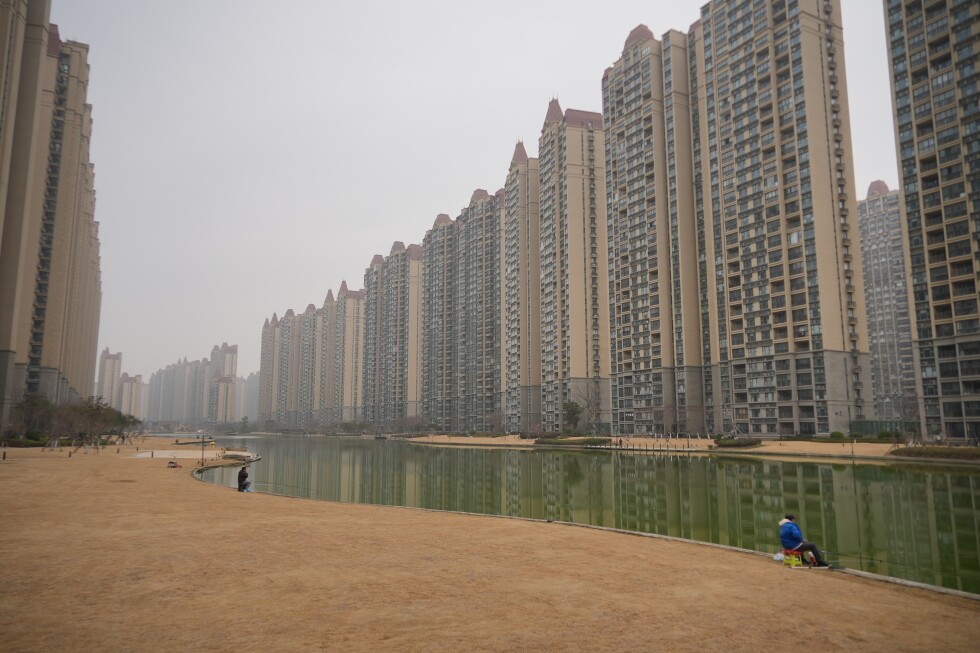
    The partially abandoned ‘Life in Venice’ development in Jiangsu province exemplifies this trend. Originally conceived as a luxury weekend resort for wealthy Shanghai residents, this massive replica of the Italian city now stands largely empty after China’s property market collapse bankrupted developer Evergrande in 2024. With less than 20% occupancy, the development has become an unlikely haven for young urban refugees like Sasa Chen, a former finance professional who left her 700,000 RMB ($98,480) Shanghai job at age 28.

    Chen now pays just 1,200 RMB ($168) monthly for her apartment, enabling her to retire early through careful savings and investment returns. ‘I have all the time in the world, the freedom of doing whatever I want,’ Chen explains. ‘I never believed that work is the meaning of life.’

    This phenomenon reflects broader economic pressures facing Chinese youth. The economy grew just 5% in 2025—respectable globally but significantly below China’s historical double-digit growth. Youth unemployment reached 16.5% in December, driving many to reject the grueling ‘996’ work culture (9 a.m.-9 p.m., six days weekly) that dominates Chinese tech and finance sectors.

    Instead, young Chinese are embracing the ‘lying flat’ movement—shunning competitive careers for ‘low-desire living’—or pursuing FIRE (Financial Independence, Retire Early) principles more aggressively than Western counterparts due to China’s extremely low regional living costs.

    Migration patterns confirm this trend: Beijing lost approximately 1.6 million residents in their twenties and early thirties between 2019-2024. Some are flocking to extremely affordable regions like Hegang, a northeastern mining city where apartments now sell for as little as $3,000—less than many cars.

    Professor Chen Zhiwu of Hong Kong University observes: ‘Young people are facing reality and thinking hard about their futures.’ As economic opportunities diminish in traditional urban centers, China’s youth are fundamentally redefining success, prioritizing personal freedom and well-being over conventional career advancement.

  • 17 killed at pro-Iran protests across Pakistan

    17 killed at pro-Iran protests across Pakistan

    Pakistan witnessed violent nationwide demonstrations on Sunday as protests erupted over the killing of Iran’s Supreme Leader Ayatollah Ali Khamenei in US-Israel strikes, resulting in at least 17 fatalities and numerous injuries across multiple cities.

    In Karachi, hundreds of pro-Iranian protesters attempted to storm the US consulate, leading to intense clashes with security forces. Medical authorities confirmed at least 10 deaths and over 70 injuries in the city, with hospital records indicating many victims suffered fatal gunshot wounds. AFP journalists witnessed demonstrators scaling the consulate’s main gate, smashing windows before police dispersed crowds with tear gas.

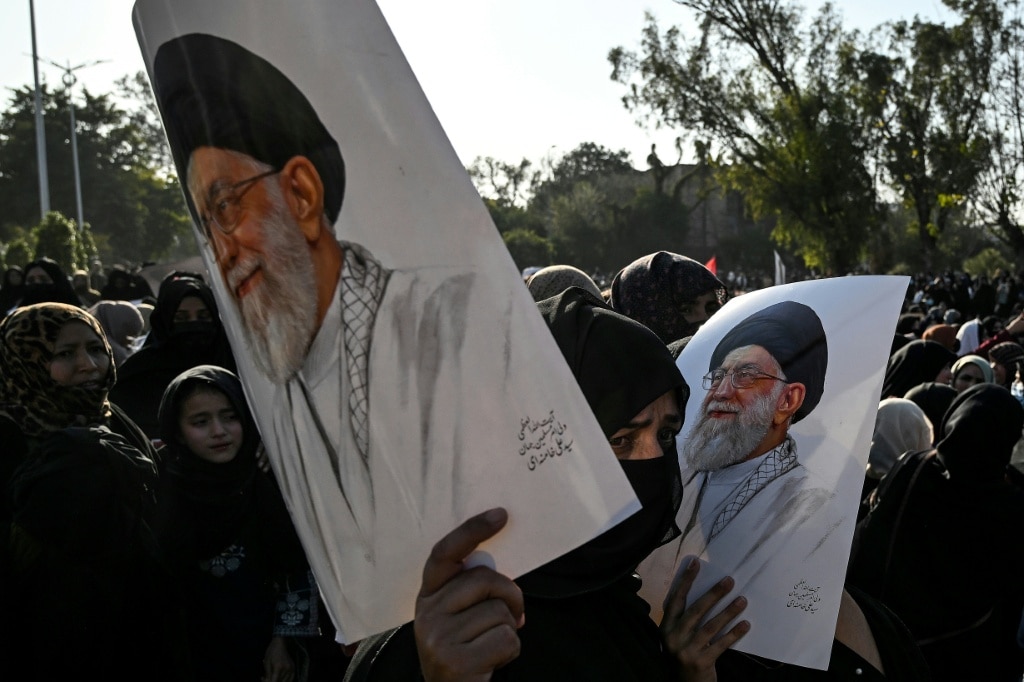
    The northern city of Gilgit experienced similarly deadly confrontations, where rescue official Zaheer Shah reported at least seven fatalities and multiple injuries during protests. In the capital Islamabad, thousands gathered bearing images of the deceased Iranian leader, prompting security forces to deploy tear gas and audible gunfire to control crowds near US diplomatic compounds.

    Prime Minister Shehbaz Sharif condemned Khamenei’s killing as a ‘violation of international law,’ stating on social media platform X that ‘Heads of State/Government should not be targeted.’ While expressing solidarity with Iran, Sharif’s statements notably characterized the offensive as an Israeli operation, omitting significant US involvement.

    The protests revealed deep anti-American sentiment among demonstrators. ‘We don’t need anything in Pakistan that is linked with the US,’ protester Sabir Hussain told AFP. Another participant, Zahra Mumtaz, accused Pakistani leadership of being ‘stooges of the Americans’ while demanding the right to grieve openly.

    The violence extended to international organizations as protesters in Skardu stormed and set fire to a United Nations office, with nearby vehicles completely burned according to AFP correspondents. The US and British embassies subsequently issued security alerts urging citizens to exercise extreme caution throughout Pakistan.