博客

  • Iran war spreads with strikes across Middle East and beyond

    Iran war spreads with strikes across Middle East and beyond

    The Middle East has descended into a rapidly expanding military conflict, with violence spreading across the region and beyond following the targeted killing of Iran’s Supreme Leader Ayatollah Ali Khamenei. For three consecutive days, joint U.S.-Israeli operations have continued striking targets within Tehran, while multiple fronts have opened throughout the region.

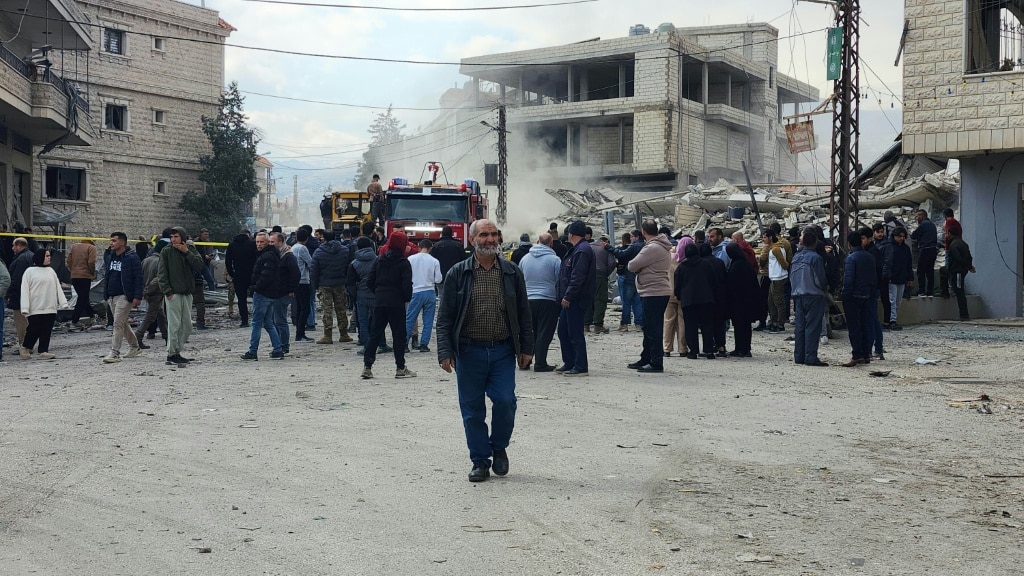
    The conflict has drawn in numerous state and non-state actors, with Lebanon’s Hezbollah launching rocket attacks against Israel, prompting Israeli airstrikes across Lebanon. The Israeli Defense Minister issued stark warnings to Hezbollah leadership, vowing to eliminate them following the same path as Khamenei. In response, Lebanon’s government announced an immediate ban on all Hezbollah military activities, declaring them illegal.

    Critical infrastructure throughout the Gulf region has been severely impacted, with a Saudi oil refinery set ablaze, Qatar halting its liquefied natural gas production, and multiple tankers attacked near the Strait of Hormuz. The strategic waterway, crucial for global oil transit, has become a flashpoint as Iran had previously warned vessels against crossing.

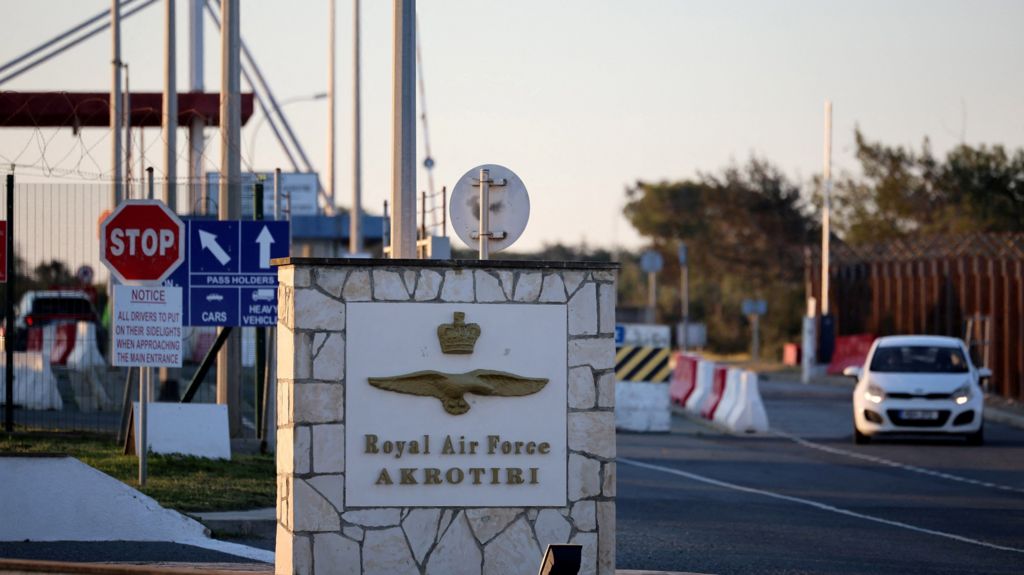
    The conflict has reached European territory with an Iranian drone striking a UK air force base in Akrotiri, Cyprus, prompting evacuations and resulting in Greece deploying naval frigates and fighter jets to protect its EU partner nation.

    In a tragic incident of friendly fire, three U.S. F-15E Strike Eagle jets were mistakenly shot down by Kuwaiti air defenses during active combat operations. The pilots and gunners survived the incident according to CENTCOM statements.

    Communication within Iran has been severely restricted, with internet services down for over 48 hours according to NetBlocks monitoring organization. World leaders have offered mixed reactions to the escalating conflict, which began just two days after Iran and the United States had held negotiations regarding Tehran’s nuclear program.
  • Russia-Ukraine talks planned for Abu Dhabi this week may change venue, Zelenskyy says

    Russia-Ukraine talks planned for Abu Dhabi this week may change venue, Zelenskyy says

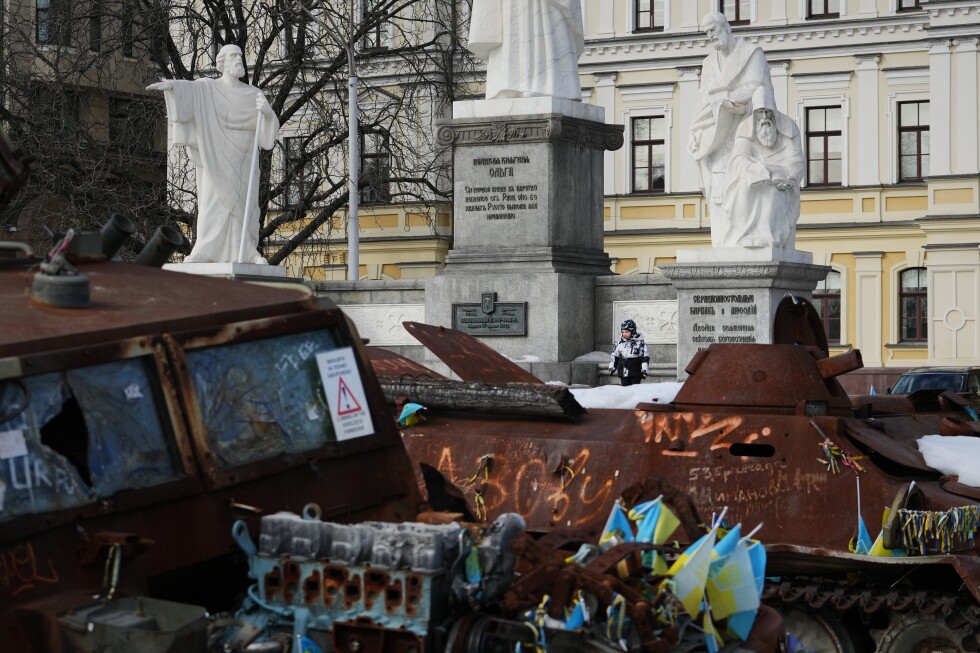
    Ukrainian President Volodymyr Zelenskyy indicated on Monday that planned U.S.-mediated negotiations between Russia and Ukraine could be relocated from Abu Dhabi to alternative European venues such as Switzerland or Turkey. This potential shift stems from logistical complications arising from the ongoing Middle East conflict.

    Despite geopolitical tensions diverting international attention, Zelenskyy affirmed that Western military support to Ukraine remains uninterrupted. Specifically, he confirmed continued deliveries of critical air defense systems, including American-made Patriot missiles, which have proven vital in countering Russian aerial assaults.

    The diplomatic efforts, spearheaded by the United States, persist in seeking resolution to the conflict that began with Russia’s February 2022 invasion. However, recent escalations involving U.S.-Israeli operations against Iran and subsequent missile exchanges have introduced new complexities to the peace process.

    Zelenskyy highlighted Ukraine’s successful defense against Russia’s winter campaign targeting energy infrastructure, though he acknowledged significant damage sustained. Russian tactics have now shifted toward attacking other critical infrastructure, including water supply systems.

    In a related development, British Prime Minister Keir Starmer announced plans to facilitate knowledge transfer between Ukrainian drone warfare experts and Persian Gulf nations seeking to counter Iranian drone technologies. Despite this proposal, Zelenskyy noted no formal requests had been received from the UK or other nations regarding such cooperation.

  • Rembrandt painting rediscovered after 65 years

    Rembrandt painting rediscovered after 65 years

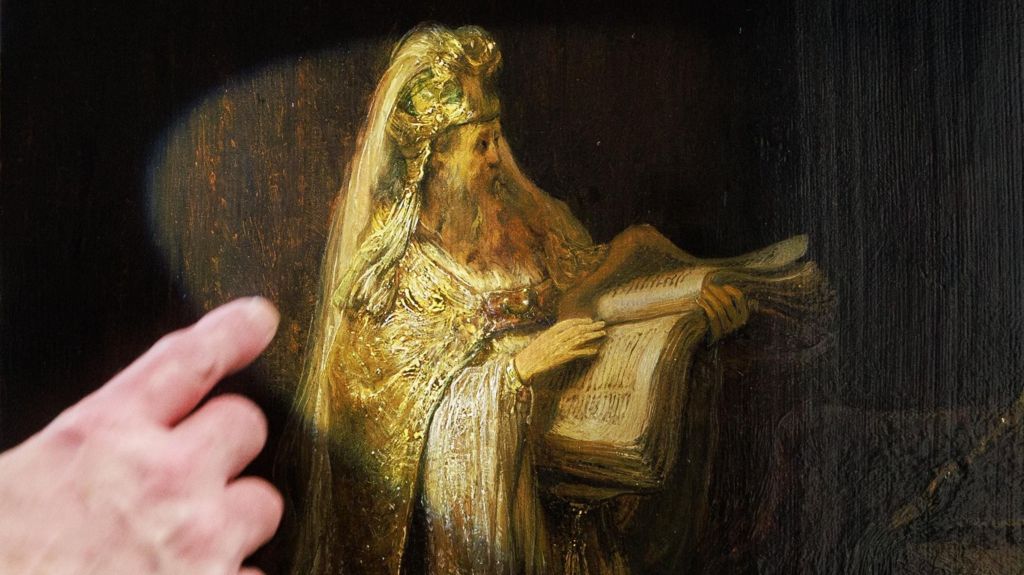
    A significant artwork by the Dutch master Rembrandt van Rijn, missing for over six decades, has been officially authenticated and restored to its rightful place in art history. The painting, titled ‘Vision of Zacharias in the Temple,’ created in 1633 when the artist was merely 27 years old, has undergone a rigorous two-year examination at Amsterdam’s Rijksmuseum before receiving definitive authentication.

    The artwork’s remarkable journey began when its current owners, who inherited the piece, contacted the museum via email seeking expert evaluation. Despite being excluded from the official Rembrandt catalog in 1960 and vanishing from public view after a private sale in 1961, the painting’s exceptional quality immediately captured the attention of museum curators.

    Rijksmuseum director Taco Dibbits described the moment of revelation: ‘When I saw it in our studio during restoration, I was immediately struck by the incredible power it possesses. While Rembrandt often produced portraits in quantity, this work demonstrates his complete artistic dedication.’

    The authentication process involved comprehensive technical analysis, including examination of painting materials consistent with Rembrandt’s 17th-century palette, detailed study of the artist’s characteristic layering technique, and verification of both the original signature and period-appropriate wooden panel. Researchers confirmed that ‘materials analysis, stylistic and thematic similarities, alterations made by Rembrandt, and the overall quality of the painting all support the conclusion that this is a genuine work.’

    The artwork depicts the biblical narrative of High Priest Zacharias receiving divine prophecy from the Archangel Gabriel regarding the birth of his son, John the Baptist. Art historians note Rembrandt’s innovative interpretation of the scene, particularly his departure from traditional visual conventions by suggesting the angel’s presence rather than depicting it explicitly. This creative decision captures the dramatic moment just before Gabriel reveals his true identity, demonstrating the young artist’s emerging genius.

    Notably, this history painting represents a rare departure from Rembrandt’s predominantly portrait-focused output during this commercially successful period of his career. The museum has announced that the newly authenticated masterpiece will be placed on public display starting Wednesday, allowing art enthusiasts to witness this remarkable rediscovery firsthand.

  • Two drones headed to RAF base intercepted, Cyprus says

    Two drones headed to RAF base intercepted, Cyprus says

    Cyprus remains on heightened security alert following a series of aerial incidents targeting RAF Akrotiri, a strategic British military installation on the Mediterranean island. The escalation comes amid broader regional hostilities between Iran and Western allies.

    On Monday, Cypriot authorities confirmed the successful interception of two unmanned aerial vehicles heading toward the British base. This incident occurred just hours after a separate drone struck the facility overnight Sunday, causing minimal damage but no casualties.

    The base implemented emergency protocols, instructing personnel to shelter away from windows and behind furniture as warning sirens sounded throughout the area. The UK Ministry of Defence initiated precautionary measures, including relocating family members to alternative accommodation and planning the temporary dispersal of non-essential personnel.

    The tension extended beyond the military base, with Paphos Airport briefly raising alarms and issuing evacuation instructions after a suspected drone was spotted in its airspace. The US Embassy in Cyprus subsequently issued warnings about potential drone threats in the Paphos region.

    Cypriot President Nikos Christodoulides identified the Sunday attack as involving an Iranian drone, though officials emphasized that Cyprus itself was not the intended target. This assessment was corroborated by UK Prime Minister Sir Keir Starmer during a phone call with the Cypriot leader.

    The incidents form part of a broader regional confrontation that began on Saturday when US and Israeli forces launched massive strikes against Iranian leadership and military targets, resulting in the death of Supreme Leader Ayatollah Ali Khamenei. Iran has responded with ballistic missiles and drone attacks targeting US assets and allies across the Middle East.

    UK Defence Secretary John Healey expressed concern about Iranian ‘indiscriminate attacks’ endangering British troops and civilians in the region. In a significant development, an RAF Typhoon jet operating from Qatar shot down an Iranian drone during a defensive air patrol—marking the first such engagement by a UK fighter since hostilities escalated.

    Prime Minister Starmer confirmed the UK had agreed to a US request to use British military bases for defensive strikes, emphasizing the decision was based on ‘collective self-defence’ of allies and protecting British lives. The BBC understands RAF Fairford in Gloucestershire and Diego Garcia in the Indian Ocean are likely staging points for US operations against Iranian missile sites.

    The Cypriot government announced it would make formal representations to the UK regarding information sharing procedures during Sunday’s incident, highlighting concerns about coordination with local authorities and residents.

  • Intl faculty, students experience Chinese New Year flavors in Sanming

    Intl faculty, students experience Chinese New Year flavors in Sanming

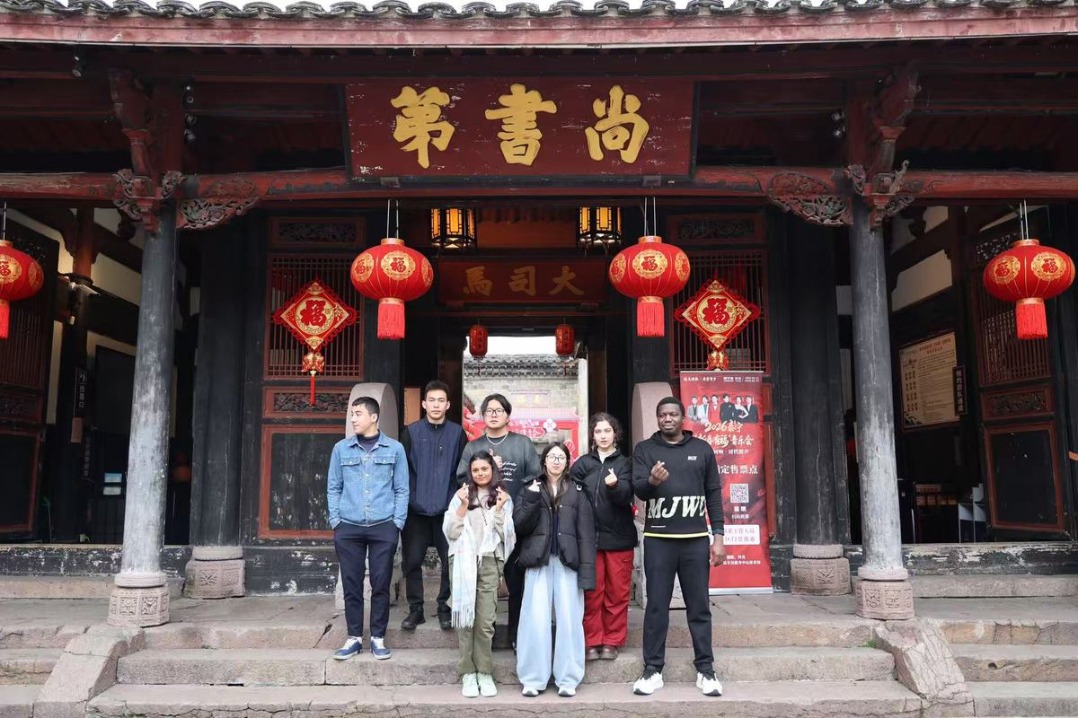
    Sanming University in Fujian province has transformed into a vibrant hub of cultural exchange as international faculty and students actively participate in traditional Chinese New Year celebrations. The institution’s School of Overseas Education has orchestrated a series of immersive events designed to foster cross-cultural understanding through hands-on experiences with China’s rich cultural heritage.

    Among the standout activities was the ‘Welcoming the New Year with Ink and Tradition’ event, organized in collaboration with the Sanming Translators Association. Held at the prestigious Qilin Academy on January 30, the gathering provided international participants with exclusive access to observe master artisans demonstrating intricate cloisonné enamel techniques and Yunjin silk weaving—both recognized as intangible cultural treasures of China.

    The cultural immersion extended beyond observation as visitors actively engaged in creating traditional Spring Festival elements. Participants crafted elaborate paper window decorations and composed poetic couplets, many experiencing these ancient art forms for the first time. The atmosphere brimmed with enthusiasm as international guests expressed their New Year wishes through these traditional mediums.

    The celebrations culminated on Chinese New Year’s Eve with the campus adorned in festive lanterns and decorations. University President Zhang Juncheng joined faculty and students who remained on campus for a special reunion dinner in the staff canteen, collectively welcoming the arrival of the Year of the Horse in a warm, communal atmosphere that blended cultural education with genuine interpersonal connection.

  • Killing Khamenei was easy — toppling Iran’s regime is not

    Killing Khamenei was easy — toppling Iran’s regime is not

    In a dramatic escalation of Middle Eastern conflict, coordinated US-Israeli airstrikes have targeted and eliminated Iranian Supreme Leader Ali Khamenei during a meeting with advisors. The attack, which struck both his residence and offices, represents the most direct assault on Iran’s leadership structure in decades.

    The strategic assumption behind decapitation strikes mirrors previous Western interventions in Libya and Syria, where removing central figures triggered state collapse. However, Iran’s Islamic Republic presents a fundamentally different case study in political resilience. Unlike personalist regimes, Iran’s revolutionary system was specifically engineered to withstand leadership disruption through sophisticated institutional safeguards.

    Historical consciousness profoundly shapes Tehran’s political behavior. The ruling elite has internalized centuries of Persian state collapse following leadership vacuums—from Safavid disintegration to Qajar dynasty failures. These historical precedents informed the constitutional architecture established after the 1979 revolution, which deliberately distributed authority across multiple bodies to prevent catastrophic failure.

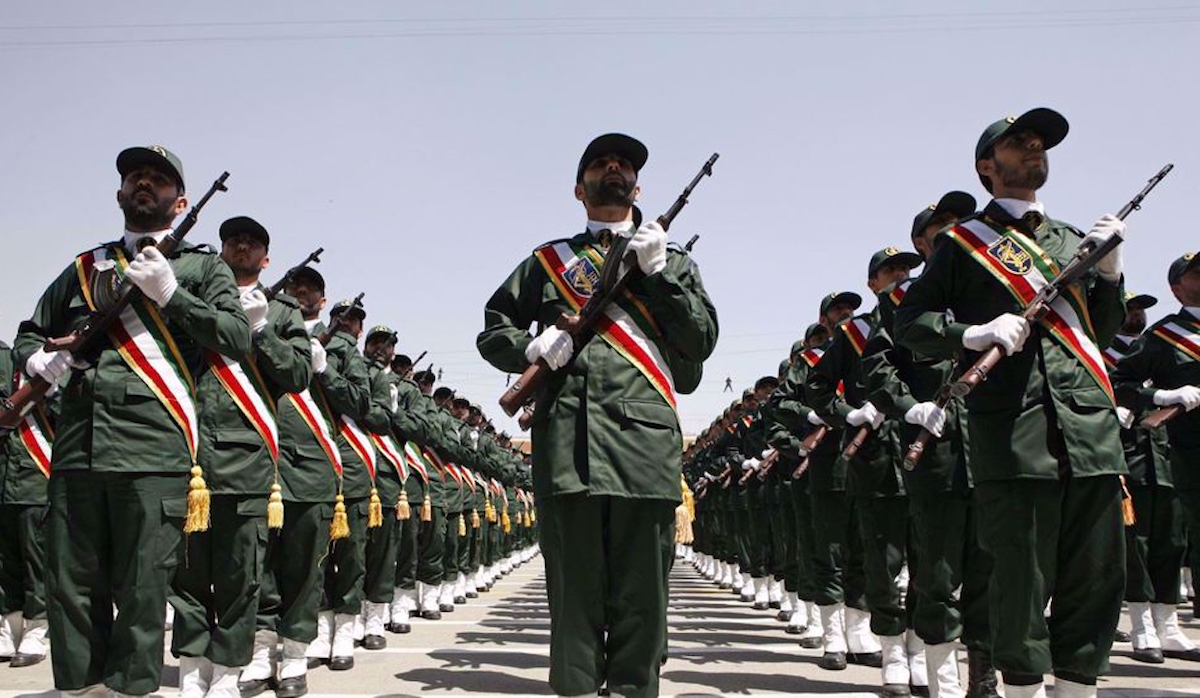
    The Guardian Council maintains ideological purity, while the Assembly of Experts oversees leadership succession. The Expediency Council resolves institutional deadlocks, and the Revolutionary Guards protect regime security. This interlocking system was designed explicitly to ensure the state outlasts any individual leader, a principle articulated by Ayatollah Khomeini himself when he stated preserving the Islamic Republic supersedes preserving any single figure.

    With Khamenei confirmed dead, Article 111 of Iran’s constitution immediately activates: interim authority transfers to a council comprising the president, judiciary head, and a senior cleric selected by the Expediency Council. The system has demonstrated this resilience before—when President Raisi died in a 2024 helicopter crash, constitutional procedures maintained stability rather than triggering chaos.

    Succession dynamics will now unfold within established parameters. The Revolutionary Guards will prioritize domestic stability while influencing candidate viability through security vetting. Qom’s clerical networks must grant religious legitimacy to any successor. Critically, Khamenei’s martyrdom likely favors hardline candidates over pragmatists, potentially intensifying regional confrontation.

    The coming weeks will test whether Iran’s revolutionary institutions can validate their foundational purpose: enduring leadership decapitation through designed redundancy rather than fragmenting under pressure. This represents not merely a political transition but the ultimate stress-test of the Islamic Republic’s architectural resilience.

  • Will Jessie Buckley’s winning streak continue at the Oscars?

    Will Jessie Buckley’s winning streak continue at the Oscars?

    Irish actress Jessie Buckley has solidified her status as this year’s most celebrated performer by claiming the prestigious Actor Award for Outstanding Performance by a Female Actor in a Leading Role. Her captivating portrayal of Agnes Shakespeare in the period drama ‘Hamnet’ earned her this latest honor, adding to an already remarkable awards season collection that includes Golden Globe and BAFTA victories.

    The ceremony, formerly known as the Screen Actors Guild Awards, recognized Buckley’s exceptional performance among the year’s finest on-screen achievements. During her emotional acceptance speech, Buckley expressed profound gratitude toward the acting community, stating, ‘I have been categorically changed by so many people in this room and beyond.’ She specifically honored her co-star Emily Watson, recalling how Watson’s performance in ‘Breaking The Waves’ initially inspired her acting ambitions.

    Based on Maggie O’Farrell’s award-winning novel, ‘Hamnet’ presents a fictional exploration of William Shakespeare’s family life, particularly focusing on his wife Agnes and the tragic death of their son Hamnet. The film speculates how this personal tragedy might have influenced Shakespeare’s creation of his masterpiece ‘Hamlet.’ The production has received widespread critical acclaim, earning six Golden Globe nominations and securing two wins, including Best Film.

    Buckley’s artistic journey spans nearly two decades, beginning with her musical education at Dublin’s Royal Irish Academy of Music where she mastered multiple instruments. Her breakthrough came through the BBC television competition ‘I’d Do Anything,’ though she notably declined a supporting role to pursue independent opportunities. After formal training at London’s Royal Academy of Dramatic Art, Buckley has demonstrated remarkable versatility across theater, film, and musical performances—most notably earning a Laurence Olivier Award for her role in ‘Cabaret.’

    The entertainment industry now eagerly anticipates whether Buckley’s awards success will culminate with an Oscar victory as the Academy Awards approach on March 15, 2026, in Los Angeles.

  • 169 people killed after insurgents raid a village in a remote area of South Sudan

    169 people killed after insurgents raid a village in a remote area of South Sudan

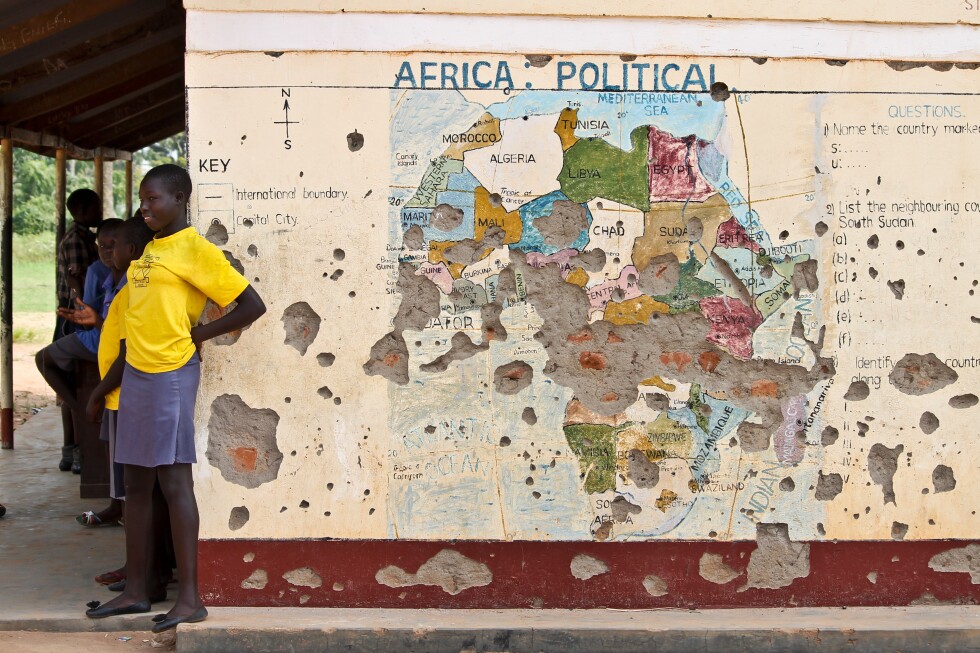
    JUBA, South Sudan — A brutal insurgent attack on a remote village in South Sudan’s Abiemnom county has resulted in the deaths of at least 169 people, including 90 civilians, according to local authorities. The assault occurred Sunday in Ruweng administrative area, marking the latest eruption of violence threatening to plunge the nation back into full-scale civil war.

    James Monyluak, information minister for Ruweng, confirmed that women and children were among the civilian casualties, alongside dozens of combatants killed in the fighting. In response to the violence, approximately 1,000 terrified residents sought refuge at a United Nations base following the attack.

    The UN Mission in South Sudan (UNMISS) reported 23 wounded victims and expressed grave concern over accounts indicating “dozens of civilians and some local officials have lost their lives.” UNMISS official Anita Kiki Gbeho issued a stern warning: “Such violence places civilians at grave risk and must stop immediately. I urge all involved to cease hostilities without delay and engage in constructive dialogue to address their grievances.”

    The massacre represents the escalating conflict between government forces loyal to President Salva Kiir and armed factions believed to be aligned with opposition leader Riek Machar. The attacking youths are suspected to have connections to Machar’s Sudan People’s Liberation Movement-In-Opposition faction.

    This surge in violence threatens to unravel the fragile 2018 peace agreement that ended South Sudan’s five-year civil war. Machar, who served as first vice president in the unity government formed after the peace deal, currently faces house arrest in Juba on subversion charges that his supporters claim are politically motivated.

    The conflict intensified dramatically in December when opposition forces captured government outposts in Jonglei county, a opposition stronghold where renewed fighting has displaced approximately 280,000 people according to UN estimates. Humanitarian organizations have raised alarms about access restrictions to opposition-controlled territories endangering civilian populations.

    Despite official commitments to the peace process, the government has conducted counteroffensive operations since January employing aerial bombardments and ground assaults, further destabilizing the precarious security situation in the world’s youngest nation.

  • €400m weight loss tablet factory to be built in Ireland

    €400m weight loss tablet factory to be built in Ireland

    Danish pharmaceutical giant Novo Nordisk has announced a major €400 million (£350 million) investment to upgrade its manufacturing facility in Athlone, County Westmeath, Republic of Ireland. This strategic move will enable the production of tablet versions of its blockbuster weight-loss medication Wegovy, marking a significant expansion beyond the currently available injectable form.

    The investment represents a pivotal shift in obesity treatment delivery methods. While Wegovy and similar GLP-1 receptor agonist drugs have traditionally been administered via injection, the tablet formulation offers patients an alternative delivery method. The oral version of Wegovy received regulatory approval in the United States in January 2024 and is anticipated to gain approval in other global markets shortly.

    Kasper Bødker Mejlvang, Executive Vice President at Novo Nordisk, characterized the development as “a historic milestone which marks our continued commitment to Ireland and our highly skilled employees in Athlone.” Construction activities have already commenced at the Athlone site and are projected to continue through 2028. The facility will specifically manufacture tablets for markets outside the United States.

    This expansion occurs against a backdrop of intensifying competition in the weight-loss pharmaceutical sector. Ireland already serves as a major manufacturing base for Novo Nordisk’s primary competitor, Eli Lilly, which produces active pharmaceutical ingredients for its Mounjaro and Zepbound medications at its Kinsale, County Cork facility. These ingredients are subsequently air-freighted to the United States, making Eli Lilly one of Ireland’s most significant exporters.

    Both Wegovy and Mounjaro function as appetite suppressants by mimicking the GLP-1 hormone that induces feelings of fullness, with Mounjaro additionally affecting metabolism and energy balance regulation. Treatment typically begins with low doses that are gradually increased until patients reach a maintenance dosage, always accompanied by healthier eating and exercise programs when prescribed in the UK.

    The investment decision follows recent job cuts at Novo Nordisk, reflecting the company’s strategic response to growing market competition and impending patent expirations that could affect its product portfolio.

  • A long way from the war, Iran loses its opening Women’s Asian Cup game to South Korea

    A long way from the war, Iran loses its opening Women’s Asian Cup game to South Korea

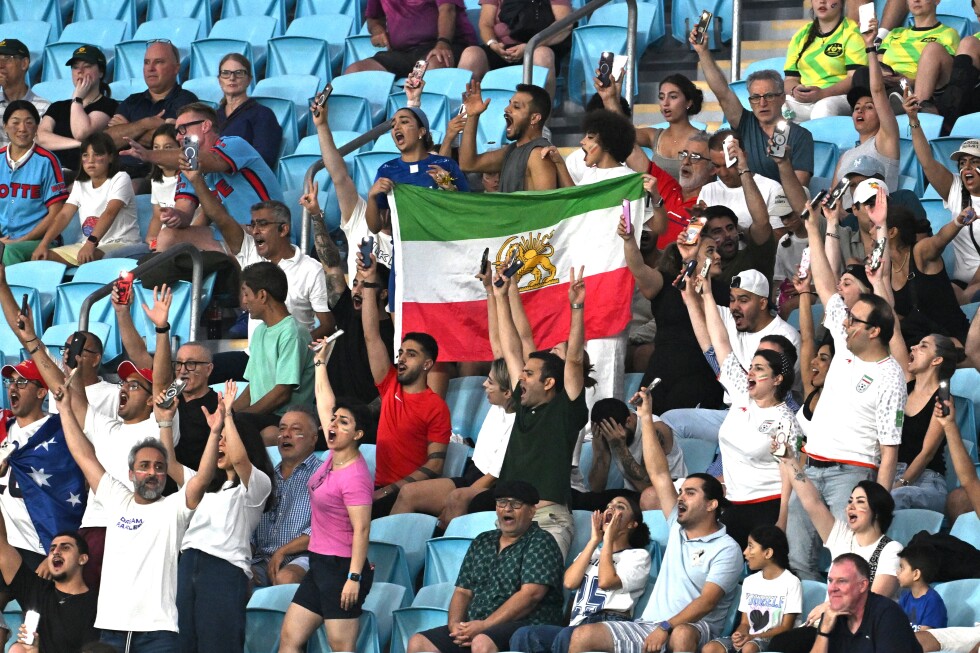
    GOLD COAST, Australia — The Iranian women’s national football team maintained their competitive focus amid escalating geopolitical tensions during their opening match at the Women’s Asian Cup on Monday. The team observed solemn protocol during the national anthem performance, offering respectful acknowledgment to supporters displaying national colors in the Gold Coast stadium stands.

    Head coach Marziyeh Jafari elected to maintain sporting neutrality when approached for commentary regarding recent military developments involving Israel and the United States, alongside the passing of Supreme Leader Ayatollah Ali Khamenei.

    On the pitch, Iran confronted the formidable South Korean squad that finished as runners-up in the 2022 tournament. Despite implementing determined defensive strategies anchored by goalkeeper Maryam Yektaei’s efforts, Iran succumbed to a 3-0 defeat against their technically superior opponents.

    South Korea demonstrated offensive dominance with 20 first-half attempts, ultimately breaking through via Choe Yu-ri’s 37th-minute finish following a rebounded effort. The margin expanded in the second half as Kim Hye-ri converted a penalty kick in the 59th minute, with Ko Yoo-jin completing the scoring through a precisely executed header in the 75th minute.

    Statistical analysis revealed Iran’s challenges, managing only 21% possession and three scoring attempts against South Korea’s 32 efforts. The physical contest concluded with captain Zahra Ghanbari exiting following a late collision.

    Tournament host Australia awaits Iran in Thursday’s subsequent group stage encounter at the same Queensland venue. The Matildas commenced their campaign triumphantly before a record-breaking crowd of 44,379 spectators in Perth, where superstar Sam Kerr secured a 1-0 victory against Philippines.

    Kerr subsequently acknowledged the unique circumstances confronting Iran’s squad, emphasizing: “We’ll treat the game like any other match while demonstrating utmost respect for their team. Proper preparation remains our priority despite external factors.”