博客

  • Ecuador declares Cuba’s ambassador ‘persona non grata, orders mission to leave the country

    Ecuador declares Cuba’s ambassador ‘persona non grata, orders mission to leave the country

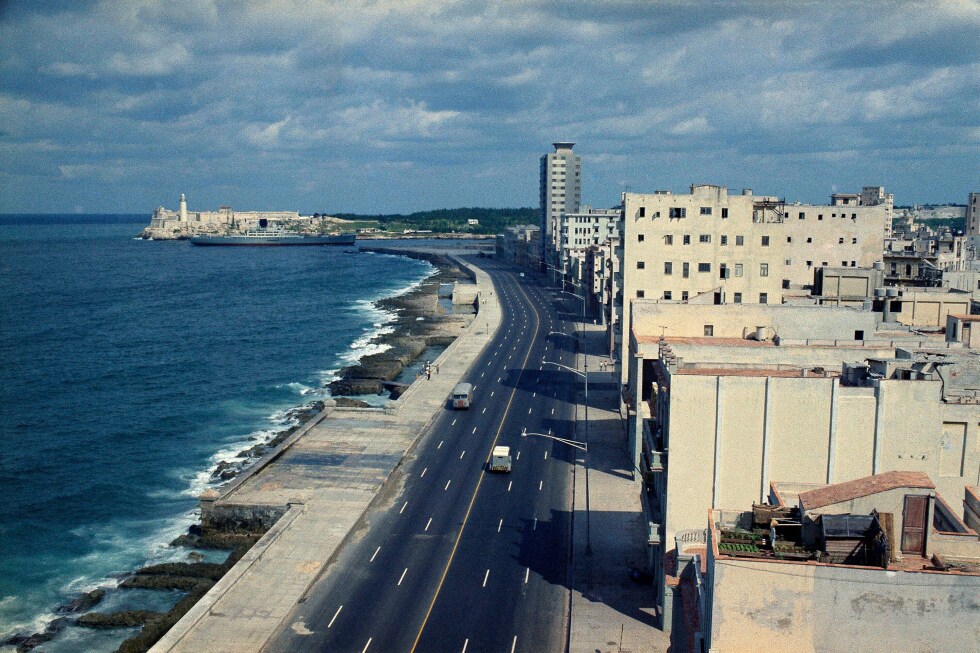
    In a significant diplomatic escalation, Ecuador has formally declared Cuba’s ambassador Basilio Antonio Gutiérrez and his entire diplomatic team persona non grata, ordering them to depart the South American nation within 48 hours. The Ecuadorian Ministry of Foreign Affairs announced the decision Wednesday, citing provisions under international diplomatic law while offering no specific justification for the expulsion.

    The move follows President Daniel Noboa’s executive order from Tuesday that abruptly recalled Ecuador’s ambassador to Cuba, José María Borja, similarly without explanation. This diplomatic rupture coincides with Ecuador’s announcement of new joint military operations with the United States targeting organized crime networks operating within the country.

    The expulsion occurs against a backdrop of intensified U.S. pressure on Cuba following Washington’s involvement in the removal of former Venezuelan leader Nicolás Maduro. The Trump administration has implemented stringent restrictions on Cuban oil imports and publicly speculated about the potential collapse of the Cuban government. Ecuador has emerged as a key regional partner for the U.S. in combating drug trafficking and criminal organizations.

    Under the Vienna Convention on Diplomatic Relations, host nations maintain the authority to declare foreign diplomats persona non grata without providing rationale, though such actions typically signal serious diplomatic discord. The Cuban embassy in Quito did not immediately respond to requests for comment regarding the unprecedented diplomatic development.

  • Congress votes to summon Attorney General Bondi in Epstein case

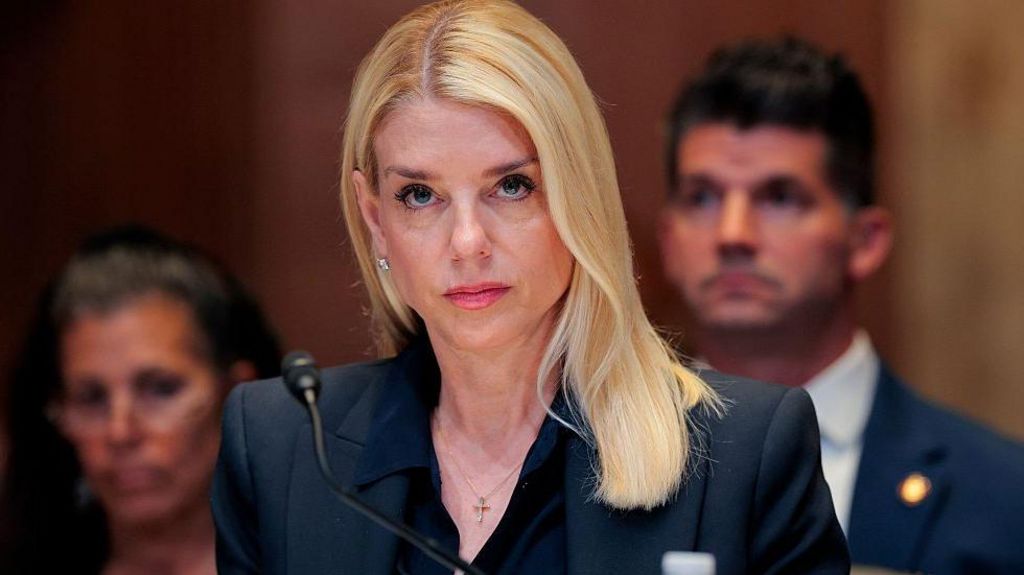
    Congress votes to summon Attorney General Bondi in Epstein case

    In a significant bipartisan move, a congressional oversight committee has authorized a subpoena compelling U.S. Attorney General Pam Bondi to testify regarding the Justice Department’s handling of the Jeffrey Epstein investigation documents. The motion, introduced by Republican Representative Nancy Mace, gained support from both sides of the political aisle amid growing concerns about transparency and document management.

    The committee action follows mounting pressure on the Trump administration to release all materials connected to the Epstein probe, with lawmakers accusing the Justice Department of inadequate redaction practices that allegedly exposed victims’ identities while protecting non-victims. Representative Mace, despite her general support for the president, has been particularly vocal in her criticism, describing the Epstein case as “one of the greatest cover-ups in American history” on social media platforms.

    The bipartisan nature of the vote saw five Republican representatives, including Mace, Lauren Boebert, Tim Burchett, Michael Cloud, and Scott Perry, joining Democratic colleagues in approving the legal summons. This development occurs against the backdrop of ongoing document releases, with millions of files already public but millions more reportedly remaining undisclosed.

    Democratic oversight committee member Robert Garcia has further intensified scrutiny by alleging that the Justice Department is withholding files containing sexual abuse allegations against former President Donald Trump. Garcia claims to have personally reviewed such documents that have not been made publicly available.

    The Justice Department has maintained that no relevant documents have been deleted, stating that materials are only withheld if they constitute duplicates, contain privileged information, or relate to ongoing federal investigations. This testimony demand follows recent committee appearances by former President Bill Clinton and former Secretary of State Hillary Clinton, though neither has been accused of wrongdoing by Epstein’s victims.

  • Man City falter as Premier League leaders Arsenal go seven points clear

    Man City falter as Premier League leaders Arsenal go seven points clear

    In a dramatic midweek Premier League showdown, Arsenal capitalized on Manchester City’s misstep to establish a formidable seven-point lead at the summit of English football. The Gunners secured a hard-fought 1-0 victory against Brighton while their title rivals were held to a surprising 2-2 draw by relegation-threatened Nottingham Forest.

    Arsenal’s breakthrough came through winger Bukayo Saka, who marked his 300th appearance for the club with a decisive ninth-minute strike. The England international cut in from the right flank before unleashing a deflected shot that squirmed past Brighton goalkeeper Bart Verbruggen. Despite Brighton’s dominance in possession and shots, Mikel Arteta’s squad demonstrated defensive resilience to preserve their narrow advantage.

    Meanwhile at the City Ground, Manchester City twice surrendered leads against a determined Forest side fighting for survival. January signing Antoine Semenyo opened the scoring for City in the 31st minute with a well-taken volley, but Morgan Gibbs-White equalized with an ingenious backheel finish in the 56th minute. Rodri restored City’s advantage six minutes later with a powerful header, only for Forest midfielder Elliot Anderson to deliver a beautifully crafted equalizer in the 76th minute.

    The draw leaves City five points behind Arsenal having played one fewer game, setting up a crucial confrontation when the teams meet at Etihad Stadium on April 19th.

    In other Premier League action, Chelsea’s João Pedro delivered a spectacular hat-trick in their 4-1 comeback victory against Aston Villa, propelling the Blues into fifth position in the tight race for Champions League qualification. The result dropped Liverpool to sixth place while maintaining Villa’s grip on fourth position.

    The relegation battle intensified as West Ham defeated Fulham 1-0 to draw level with Nottingham Forest on 28 points, with both teams sitting just one point behind Tottenham Hotspur ahead of their Thursday fixture against Crystal Palace.

  • Open University reverses UKLFI-influenced ‘ancient Palestine’ ban

    Open University reverses UKLFI-influenced ‘ancient Palestine’ ban

    The Open University (OU) has reversed its position on using the term ‘ancient Palestine’ in academic materials following significant scholarly backlash. This development comes after pressure from UK Lawyers for Israel (UKLFI), who previously persuaded the university to abandon the terminology.

    In November 2025, UKLFI argued that references to ‘ancient Palestine’ in an OU humanities module could create a ‘hostile environment for Jewish and Israeli students’ and potentially violate equality legislation. The group claimed the term was historically inaccurate for periods before Roman Emperor Hadrian renamed the region ‘Syria Palaestina’ in the second century CE.

    Initially, the university’s Faculty of Arts and Social Sciences head Adrienne Scullion acquiesced to these demands in December, promising to eliminate the term from future materials and contextualize its use in existing ones. UKLFI celebrated this as a victory on their website.

    However, this decision triggered substantial academic opposition. Over 600 scholars and public figures, including prominent Israeli historians Ilan Pappe and Avi Shlaim alongside Palestinian historians Rashid Khalidi and Nur Masalha, signed an open letter demanding retraction. They argued the commitment threatened academic freedom, potentially violated the Higher Education (Freedom of Speech) Act 2023, and represented complicity in ‘politically motivated attempts to erase Palestine from history.’

    The OU has now clarified its position through a spokesperson, stating academics remain ‘free to use the term ‘ancient Palestine’ where scholarly appropriate’ without mandatory contextual notes. The university explained its previous commitment to UKLFI applied only to a single module ‘scheduled for replacement.’

    This controversy occurs amidst broader patterns of institutional pressure. UKLFI has similarly targeted the British Museum and Encyclopaedia Britannica regarding Palestinian references, though the museum denied acting on UKLFI’s complaints. Academic experts maintain that ‘ancient Palestine’ is historically accurate, with OU classical studies lecturer Marchella Ward calling claims of its illegitimacy a ‘lie’ supporting ‘the erasure of Palestinians.’

  • At least 87 killed in US attack on Iranian warship off Sri Lanka’s coast

    At least 87 killed in US attack on Iranian warship off Sri Lanka’s coast

    A devastating naval confrontation has escalated tensions globally after a U.S. submarine torpedoed and sank an Iranian warship in international waters off the coast of Sri Lanka. The attack resulted in the deaths of at least 87 Iranian sailors, according to statements from the country’s deputy foreign minister on Wednesday.

    U.S. Defense Secretary Pete Hegseth confirmed American involvement during a Pentagon briefing, starkly declaring that ‘the Iranian navy rests at the bottom of the Persian Gulf’ while presenting visual evidence of the strike. This operation marks the first direct military engagement against Iran’s forces outside the Middle Eastern theater since hostilities began.

    The targeted vessel, the Iranian frigate Iris Dena, carried a complement of 180 personnel when it was struck. Sri Lankan naval authorities immediately launched search and rescue operations, managing to recover 32 survivors who were transported to Karapitiya Hospital in Galle for emergency medical treatment. Tragically, circulating images depicted emergency workers transferring deceased sailors to hospital mortuaries.

    Navy Commander Buddhika Sampath reported that rescue teams arrived to find only an oil slick where the warship had submerged, with no other vessels or aircraft observed in the vicinity. ‘We are hopeful we can rescue more people and will continue operations until we are sure,’ Sampath stated, noting that 61 sailors remain unaccounted for.

    The maritime tragedy occurred following a distress signal received by Sri Lankan forces from the Iranian ship. Foreign Minister Vijitha Herath informed parliament that the rescue mission was initiated promptly upon receiving the emergency communication.

    This naval engagement forms part of the fifth day of intensified military actions between the United States, Israel, and Iran, with reported civilian casualties exceeding 1,000 individuals—including at least 153 schoolgirls according to witness-confirmed local reports. In retaliation for the ongoing offensive, Tehran has launched strikes against Israeli and U.S. military installations throughout the Middle East, significantly raising regional tensions and international concerns about broader conflict escalation.

  • Armed Iranian Kurds weigh role in potential US-backed ground assault

    Armed Iranian Kurds weigh role in potential US-backed ground assault

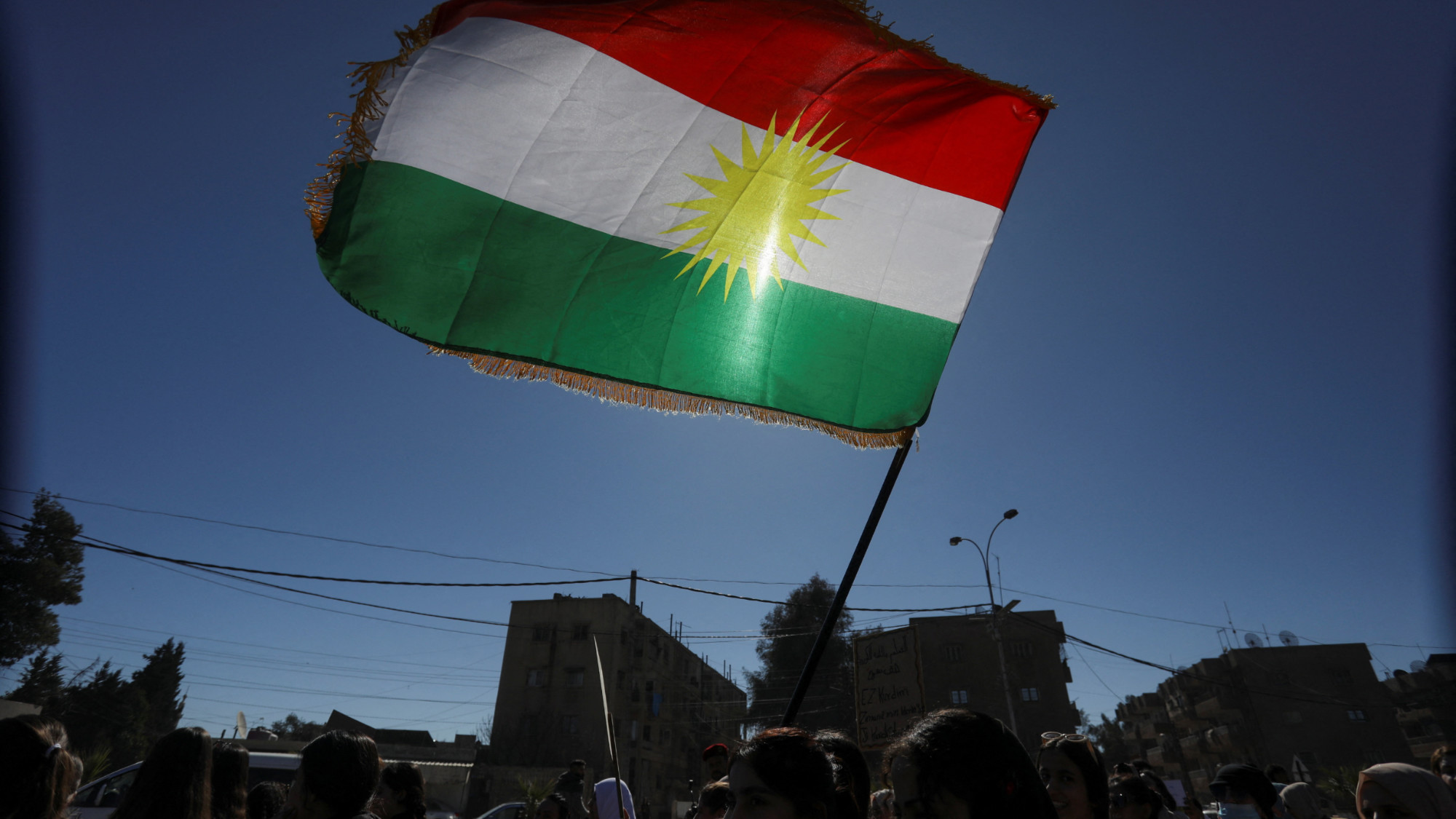
    Amid escalating regional hostilities, the United States is reportedly evaluating strategic options to support Iranian Kurdish opposition groups based in Iraq for potential operations inside western Iran. Multiple US media outlets indicate the White House is considering backing these factions as part of broader efforts to pressure Tehran, though no final decisions have been confirmed.

    Several senior Kurdish officials from different opposition parties provided conflicting assessments to Middle East Eye regarding potential ground operations. A source within the Komala Party suggested it was the “right time” for fighters to return after 47 years in exile, while Siamand Moeini of the Kurdistan Free Life Party (PJAK) expressed uncertainty about going to war with Tehran. Amanj Zebaii of the Democratic Party of Iranian Kurdistan (PDKI) noted that “everything is possible” if Kurdish fighters entered Iran.

    The reporting coincides with intensified military actions along the Iran-Iraq border. US-Israeli airstrikes have targeted Revolutionary Guard facilities in multiple western Iranian cities including Mariwan, Urmiyeh, and Sanandaj. Simultaneously, Tehran has conducted drone strikes against Kurdish opposition camps in Iraq’s Kurdistan Region.

    Analysts suggest the US sees experienced Kurdish fighters as potential partners for any uprising in northwest Iran. Nicholas Heras of the Middle East Policy Council noted these fighters could serve as “key interlocutors” with US forces. However, significant trust issues remain from previous US disengagement from Kurdish partners in Syria.

    Military experts caution that without substantial air support and guarantees of political recognition, Kurdish forces would struggle to hold territory against Iranian counteroffensives. Former PJAK member Shamal Bishir warned that without proper backing, Kurdish groups could find themselves “exposed, holding territory without the means to secure it” if the Iranian state fragments without fully collapsing.

  • Israel orders civilians in half of southern Lebanon to leave

    Israel orders civilians in half of southern Lebanon to leave

    Israeli military authorities have issued a comprehensive evacuation directive for all residents residing south of Lebanon’s Litani River, signaling a significant escalation in cross-border hostilities. The order, communicated via social media by military spokesperson Avichay Adraee, affects hundreds of square kilometers and represents the most extensive displacement directive since fighting resumed earlier this week.

    The evacuation mandate coincides with confirmed Israeli military advancements into southern Lebanese territory, including the penetration of ground forces into the border town of Khiam approximately six kilometers from the Israeli frontier. This movement follows Tuesday’s authorization by Defense Minister Israel Katz for expanded military operations to secure additional positions in the contested region.

    Current hostilities mark the third day of renewed conflict between Israel and Hezbollah, triggered Monday when the Iranian-backed militia launched retaliatory strikes following the killing of Iranian Supreme Leader Ali Khamenei. Since then, Israel has conducted extensive aerial and ground operations across southern Lebanon, with particular focus on Beirut’s southern suburbs (Dahiyeh) and eastern regions.

    Lebanese health officials report at least 50 fatalities and 335 injuries from Israeli attacks since Monday, with overnight strikes claiming at least 11 additional lives. Medical infrastructure has sustained significant damage, including Bahman Hospital in Haret Hreik neighborhood which suffered collateral damage from a nearby building strike, injuring several healthcare workers.

    The conflict has expanded beyond traditional conflict zones, with an airstrike hitting a hotel in the predominantly Christian suburb of Hazmieh—marking the first Israeli attack near Beirut’s presidential palace and foreign embassy district. Meanwhile, Hezbollah has continued counterstrikes targeting Israeli military installations including the Haifa naval base and facilities near Ben Gurion Airport.

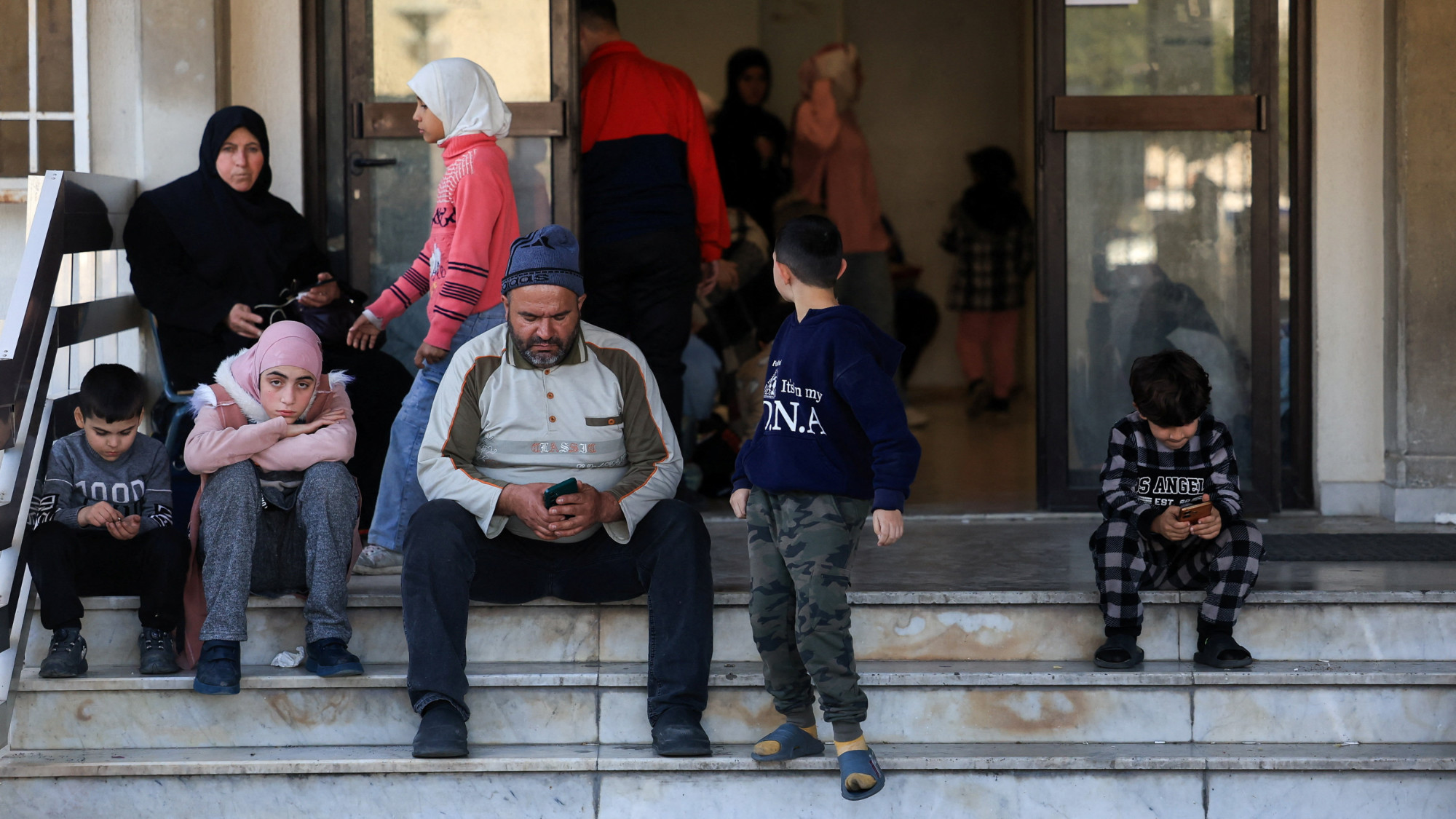
    Humanitarian concerns are mounting as Lebanon’s social affairs ministry reports approximately 65,000 displaced persons have registered at shelters, with an additional 10,000-20,000 estimated to be in transit or temporarily housed while awaiting formal registration.

  • ‘Isolated’ Iranian forces suspected of firing missile towards Turkey

    ‘Isolated’ Iranian forces suspected of firing missile towards Turkey

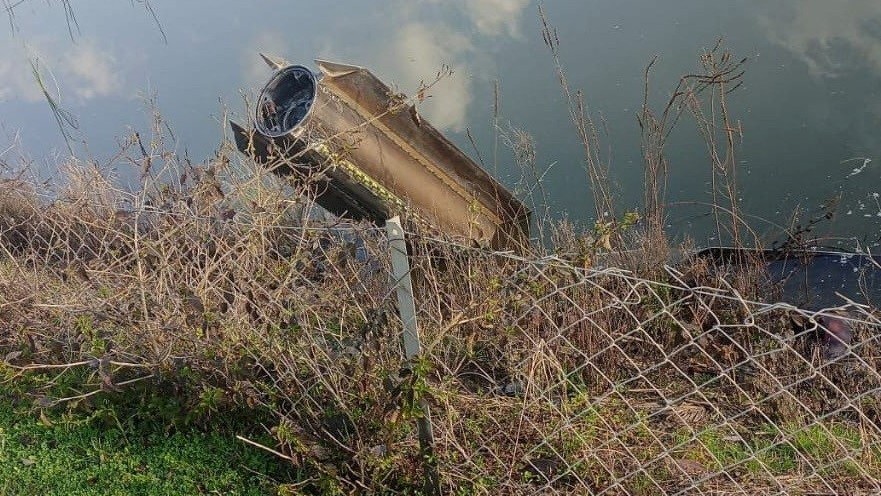
    A destabilizing incident occurred on Wednesday when a NATO missile defense system intercepted an Iranian ballistic missile heading near Turkish airspace. The event took place close to the southern city of Hatay, raising immediate concerns about regional escalation. According to sources speaking with Middle East Eye, the projectile may have been launched by isolated elements within Iran’s military, rather than representing a deliberate act by the central government in Tehran.

    This event is particularly notable as Iran had previously avoided Turkish airspace throughout its ongoing exchanges with the US and Israel. The missile was intercepted approximately 100 kilometers east of Turkey’s Incirlik Air Base, a strategic NATO asset, likely by alliance vessels stationed in the Eastern Mediterranean.

    Expert analysis suggests this incident may be a direct consequence of Iran’s ‘Mosaic’ doctrine—a decentralized military command structure designed for resilience. Oral Toga, an analyst at the Ankara-based Centre for Iranian Studies, explained that this system empowers regional commanders to operate autonomously, especially if communications with central command are severed. This decentralization, reportedly activated after recent strikes killed over 40 high-ranking Iranian officials, might have led to rogue elements firing without explicit orders.

    The situation was serious enough to prompt a diplomatic response. Turkish Foreign Minister Hakan Fidan formally protested to his Iranian counterpart, Abbas Araghchi, in a phone call, warning Tehran to prevent any actions that could widen the regional conflict. This diplomatic exchange underscores the delicate balance Turkey maintains as a NATO member hosting critical alliance assets, including an early-warning radar station, while navigating its complex relationship with Iran.

    Further compounding the situation, Iranian Foreign Minister Araghchi had previously acknowledged in an interview that some military units had become ‘independent and somewhat isolated,’ operating on pre-issued general instructions rather than specific orders. This admission, coupled with a separate missile interception report in Syria’s Qamishli on the same day, suggests a pattern of potentially rogue operations that Tehran may not fully control.

  • Nepal votes in key post-uprising polls

    Nepal votes in key post-uprising polls

    Nepal embarked on a pivotal democratic exercise Thursday as millions of citizens cast ballots in parliamentary elections that represent a fundamental test between established political forces and an emergent youth movement. This electoral confrontation, the first since September 2025’s deadly anti-corruption uprising that claimed 77 lives and toppled the government, has mobilized nearly 19 million eligible voters across the Himalayan nation.

    The electoral landscape features three prominent figures vying for leadership: Marxist former Prime Minister KP Sharma Oli seeking political redemption, Balendra Shah—the rapper-turned-Kathmandu-mayor championing youth representation, and Gagan Thapa, the 49-year-old newly elected leader of the centrist Nepali Congress party promising generational change. Their competition reflects broader tensions between experienced politicians advocating stability and younger candidates demanding economic reform and accountability.

    Security measures were extensively implemented with thousands of soldiers and police deployed at polling centers following Interim Prime Minister Sushila Karki’s appeal for citizens to vote ‘without any fear.’ The logistical complexity of conducting elections in the world’s most mountainous country required helicopter transport of voting materials to remote regions, including areas near Mount Everest.

    Unlike previous elections focused primarily on the capital, political attention centered on the agricultural plains south of Kathmandu, particularly the Jhapa-5 constituency where Oli and Shah faced direct competition. With 3,400 candidates competing for 165 directly elected seats in the 275-member House of Representatives, election authorities anticipated results within 24 hours for direct contests, though proportional representation outcomes may require additional time.

    Analysts project no single party will secure an outright majority, potentially necessitating extended coalition negotiations that could shape Nepal’s political trajectory for years to come. The election represents not merely a transfer of power but a referendum on governance itself, testing whether the energy that fueled September’s uprising can transform into sustainable political change.

  • Google settles with Epic Games with offer to lower its app store commissions

    Google settles with Epic Games with offer to lower its app store commissions

    In a landmark settlement ending a protracted legal battle, Google has agreed to significantly restructure its Android app store operations. The tech giant will reduce its controversial commission fees and establish a certification pathway for alternative app marketplaces, marking a substantial shift from its previous monopoly practices.

    The concessions, formally submitted to a federal court in San Francisco, stem from Epic Games’ August 2020 antitrust lawsuit challenging Google’s payment system. The Fortnite developer argued that Google’s 15-30% commissions on in-app transactions stifled competition and consumer choice.

    This resolution follows the U.S. Supreme Court’s refusal to hear Google’s appeal against a federal judge’s order mandating comprehensive Play Store reforms. A 2023 trial jury had previously declared Google’s ecosystem an illegal monopoly, creating legal pressure that forced the company’s hand.

    Under the new framework, Google will lower baseline commissions for subscriptions and e-commerce to 10-20%. Additionally, apps preferring to remain within the Play Store can opt for a separate 5% payment processing fee. Developers retain the freedom to use alternative payment systems, while consumers gain access to certified third-party app stores with reduced security warnings.

    Though U.S. District Judge James Donato must approve the proposed registration process as an alternative to more drastic measures ordered in October 2024, Google is already preparing to implement these changes globally. The rollout will commence in the United States, United Kingdom, and European Union.

    Epic Games CEO Tim Sweeney, who has long advocated for open digital platforms, endorsed the settlement. ‘This transformation elevates Android to a genuinely open platform,’ Sweeney stated during a joint interview with Google’s Android executive Sameer Samat. Samat acknowledged the company’s desire to ‘focus more energy on building than quarreling’ after years of legal acrimony.

    The reduced fee structure may impact profits at Alphabet Inc., Google’s parent company. However, with a current market valuation of $3.7 trillion—quadruple its worth when Epic filed suit—Alphabet remains well-positioned to absorb financial impacts.

    This settlement occurs amid broader antitrust challenges for Google, including ongoing cases regarding its search engine monopoly and digital advertising practices. Meanwhile, Epic’s parallel crusade against Apple’s App Store continues with less optimistic prospects for similar concessions, as courts have not deemed Apple’s ecosystem monopolistic.

    Sweeney referenced Rolling Stones lyrics to characterize the outcome: ‘You can’t always get what you want, but if you try, you can often get what you need. And what we need is competition.’