博客

  • Millions of Cubans plunged into darkness as fuel crisis deepens

    Millions of Cubans plunged into darkness as fuel crisis deepens

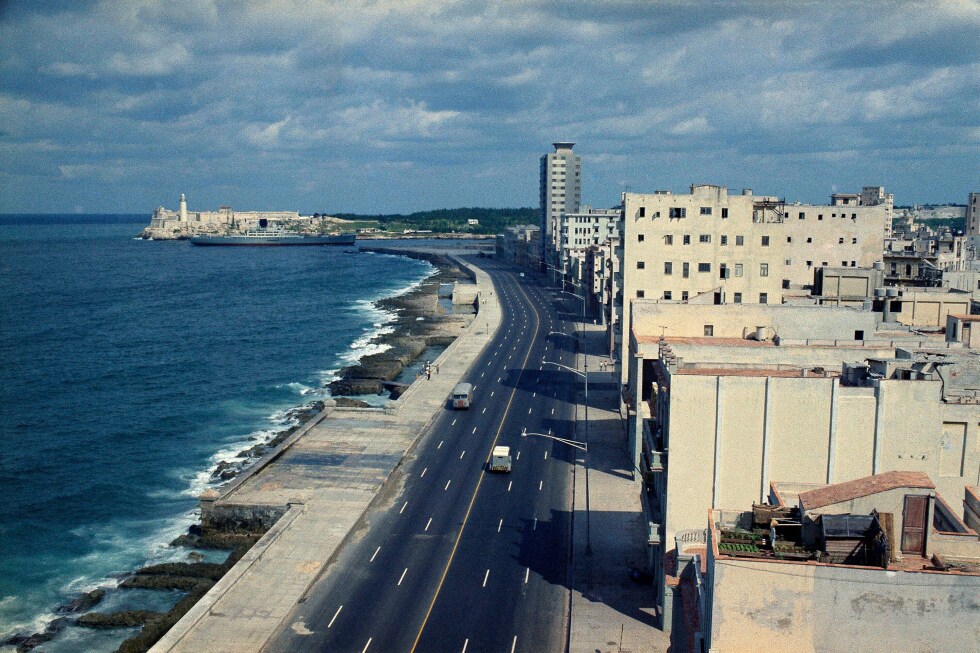
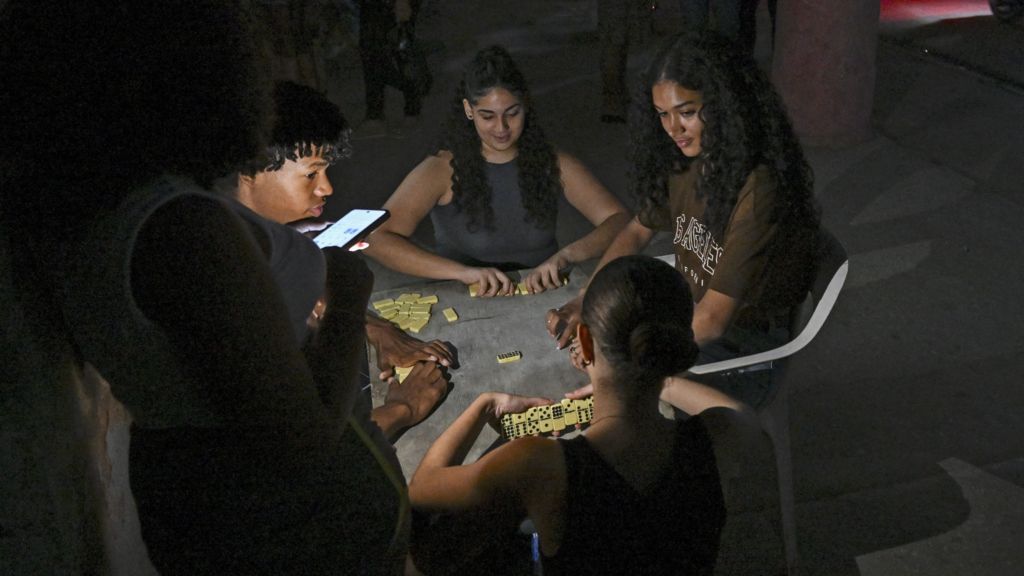
    A catastrophic power failure left millions of Cubans without electricity on Wednesday, marking one of the most severe blackouts in recent history as the nation grapples with an escalating energy crisis. The outage engulfed approximately two-thirds of the island, including the capital Havana, following an unexpected technical failure at the Antonio Guiteras thermal power plant located 100km east of Havana.

    This incident represents the latest manifestation of Cuba’s deteriorating energy infrastructure, which has been crippled by chronic fuel shortages exacerbated by intensified U.S. sanctions. The national electricity utility UNE immediately initiated restoration efforts, though the scale of the outage presented significant challenges to recovery operations.

    The current energy crisis has been compounded by multiple factors including aging infrastructure, reduced fuel imports from key ally Venezuela, and stringent U.S. embargo measures. Venezuela had previously supplied approximately 35,000 barrels of oil daily—covering nearly half of Cuba’s requirements—before the U.S. intervention in Venezuelan oil exports earlier this year.

    The repercussions extend beyond household electricity, with critical services including hospital emergency wards, dialysis treatment facilities, and water pumping stations experiencing severe disruptions. The energy shortage has also crippled public transportation systems and garbage collection services, creating secondary public health concerns.

    In a related development, Air France announced the suspension of its Havana services from late March through mid-June, citing insufficient aviation fuel availability. This follows similar decisions by other international carriers, further isolating the island nation and damaging its vital tourism industry.

    The current situation reflects the prolonged geopolitical tensions between the United States and Cuba that have persisted since the 1959 revolution. Recent measures under the Trump administration have explicitly targeted Cuba’s energy imports, threatening tariffs on nations providing oil to the Caribbean nation and actively intercepting fuel shipments destined for Cuban ports.
  • Turkey says Iranian missile over its airspace destroyed by Nato defences

    Turkey says Iranian missile over its airspace destroyed by Nato defences

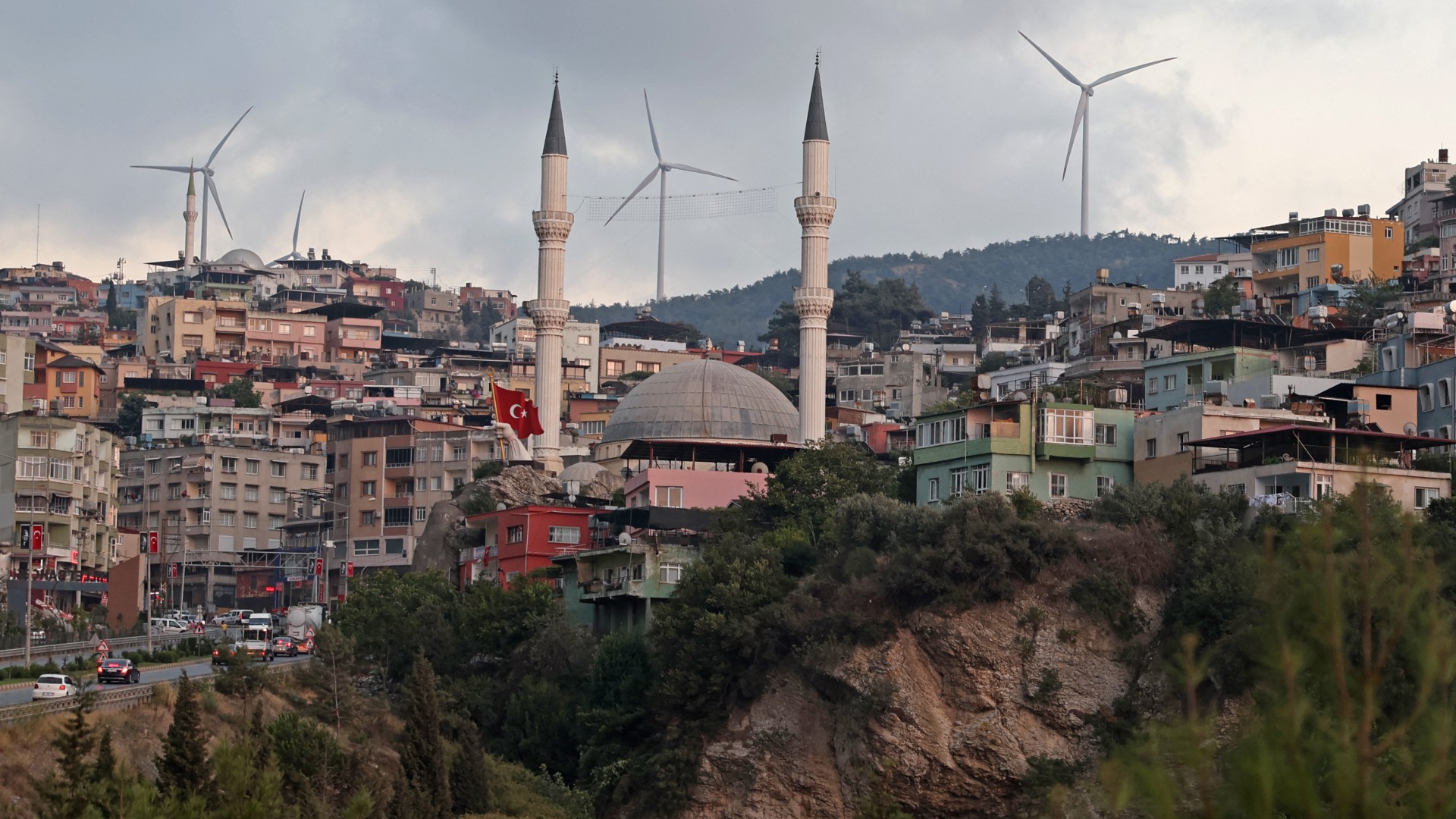
    Turkish defense authorities confirmed on Wednesday that NATO air defense systems successfully intercepted and destroyed an Iranian ballistic missile transiting toward Turkish airspace. The incident represents a significant escalation in regional tensions and demonstrates NATO’s active defensive posture in the Eastern Mediterranean.

    According to official statements from Ankara, the projectile had traversed Iraqi and Syrian airspace before being neutralized by NATO’s integrated air and missile defense network. Ministry officials reported that missile fragments recovered in Hatay province’s Dortyol district confirmed the successful interception. The incident resulted in no casualties or property damage.

    Turkey’s defense ministry issued a stern warning following the interception, emphasizing the nation’s capability to protect its territorial integrity against any threat regardless of origin. While reaffirming Turkey’s commitment to regional stability, the statement explicitly reserved the right to respond to hostile actions against Turkish sovereignty.

    The incident occurs amid deteriorating regional security conditions following recent military actions against Iranian leadership. Iranian forces have employed a decentralized retaliation strategy, targeting Gulf nations with missile strikes that damaged infrastructure in Dubai and Saudi Arabia while disrupting Qatar’s LNG exports.

    Ankara’s diplomatic efforts to mediate between Washington and Tehran have collapsed following recent military actions. Turkish Foreign Minister Hakan Fidan acknowledged the failure of mediation attempts despite proposing creative solutions to nuclear and ballistic missile disagreements. Fidan emphasized that any successful negotiations would require multilayered engagement given the unpredictable nature of current hostilities.

    Meanwhile, Turkey’s pro-Kurdish DEM Party criticized external intervention in Iran, arguing that regime change should emerge from internal popular will rather than foreign imposition. The party expressed concern that current military actions fail to address the aspirations of Iran’s diverse ethnic communities while acknowledging the Iranian regime’s history of human rights abuses.

  • Tech firms pledge to pay for AI data centre power costs. But will they?

    Tech firms pledge to pay for AI data centre power costs. But will they?

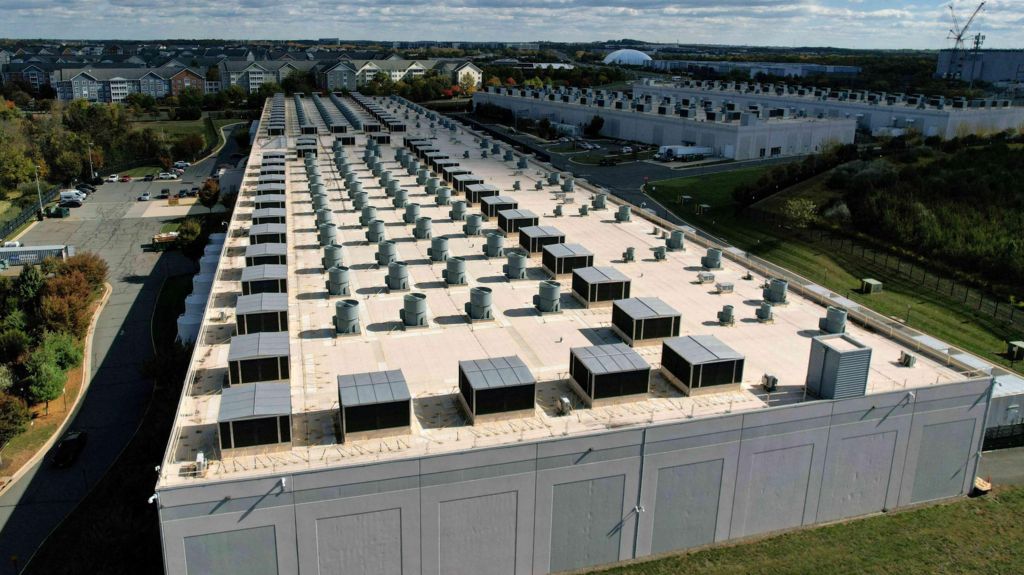
    In a significant move addressing America’s growing energy challenges, seven leading technology corporations—Google, Meta, Microsoft, Oracle, xAI, OpenAI, and Amazon—have formally committed to financing new power generation capacity for their artificial intelligence data centers. The commitment came during a White House meeting where executives signed what President Donald Trump termed the “ratepayer protection pledge,” an initiative unveiled last month to prevent AI expansion from driving up household electricity bills.

    The pledge emerges as data center proliferation creates substantial strain on national power grids, with utility costs becoming a pivotal voter concern ahead of November’s midterm elections. Under the agreement, companies will directly fund new power infrastructure upgrades, negotiate state-level rate structures with utility providers, and prioritize local hiring for data center construction projects.

    President Trump praised the commitment, stating it would “help keep down utility bills very substantially,” though he acknowledged results would require time. Energy Secretary Chris Wright reinforced the administration’s dual commitment to AI leadership and stable electricity pricing.

    However, policy experts express skepticism regarding enforcement mechanisms. John Quigley of the University of Pennsylvania’s Kleinman Center for Energy Policy noted the complexity of power project regulation across multiple government layers, suggesting the administration bears the “burden of proof” to demonstrate the pledge transcends political theater.

    Compounding these challenges are external factors including supply chain disruptions from the U.S.-Israel conflict with Iran, which have triggered spikes in global oil and natural gas prices. Additionally, increased natural gas exports—driven by lucrative international demand—are contributing to domestic price pressures. These developments occur alongside a 6% average increase in residential electricity prices during 2025, despite campaign promises to slash energy costs.

  • At least 200 dead in a Congo coltan mine collapse, authorities say, as rebels dispute toll

    At least 200 dead in a Congo coltan mine collapse, authorities say, as rebels dispute toll

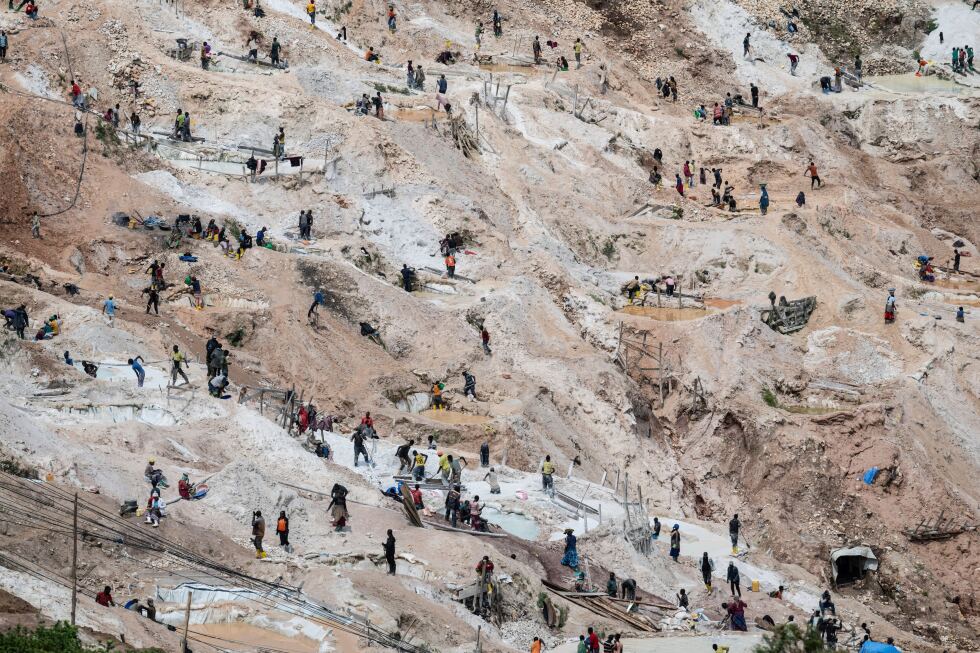
    A catastrophic mine collapse at a coltan mining operation in eastern Congo’s Rubaya region has resulted in massive casualties, with conflicting reports emerging about the actual death toll. Congolese authorities reported at least 200 fatalities from Tuesday’s incident, while the M23 rebel group controlling the mine claims only five deaths occurred.

    The Congolese Ministry of Mines confirmed the collapse occurred at the Rubaya mines, which have been under M23 control since the group seized the town in May 2024. This represents the latest in a series of mining disasters plaguing the mineral-rich but conflict-ridden eastern territories of the Central African nation.

    Fanny Kaj, a senior M23 official, vehemently disputed the government’s account, asserting that the incident resulted from ‘bombings’ rather than a structural collapse. ‘I can confirm that what people are publishing is not true. There was no landslide; there were bombings, and the death toll isn’t what people are saying. It’s simply about five people who died,’ Kaj stated.

    However, firsthand accounts from miners at the site contradict the rebel narrative. Ibrahim Taluseke, a miner who participated in recovery efforts, reported helping retrieve over 200 bodies from the rubble. ‘We are afraid, but these are lives that are in danger,’ Taluseke revealed. ‘The owners of the pits do not accept that the exact number of deaths be revealed.’

    The Rubaya mining region sits at the heart of eastern Congo’s protracted humanitarian crisis, where violence between government forces and various armed groups has displaced over 7 million people, including more than 300,000 since December alone. The M23 rebels, allegedly backed by Rwanda, have intensified the conflict through their recent resurgence.

    Coltan mining represents a critical economic activity for the region, with Congo supplying approximately 40% of global production in 2023 according to U.S. Geological Survey data. The black metallic ore contains tantalum, an essential component in manufacturing smartphones, computers, and aircraft engines. Since capturing Rubaya, M23 rebels have imposed taxes on coltan trade and transport, generating an estimated $800,000 monthly according to UN reports.

    The tragedy occurs amidst ongoing peace negotiations between Congolese and Rwandan governments, brokered by the United States. While the diplomatic process continues, fighting persists across multiple fronts in eastern Congo, resulting in continued civilian and military casualties. The recent agreement also facilitates increased access to critical minerals for U.S. government and American companies.

    This incident follows a similar collapse last month that claimed over 200 lives, highlighting the dangerous working conditions and regulatory challenges in rebel-controlled mining territories.

  • A Canadian town says it’s the ‘birthplace’ of ice hockey. Some historians aren’t so sure

    A Canadian town says it’s the ‘birthplace’ of ice hockey. Some historians aren’t so sure

    A legislative proposal in Nova Scotia has ignited a fiery historical debate among scholars regarding the true origins of modern ice hockey. The controversial bill, introduced by lawmaker Melissa Sheehy-Richard in late February, seeks to officially designate the town of Windsor as hockey’s “birthplace” based on documented accounts of “hurley on the ice” being played there as early as 1810.

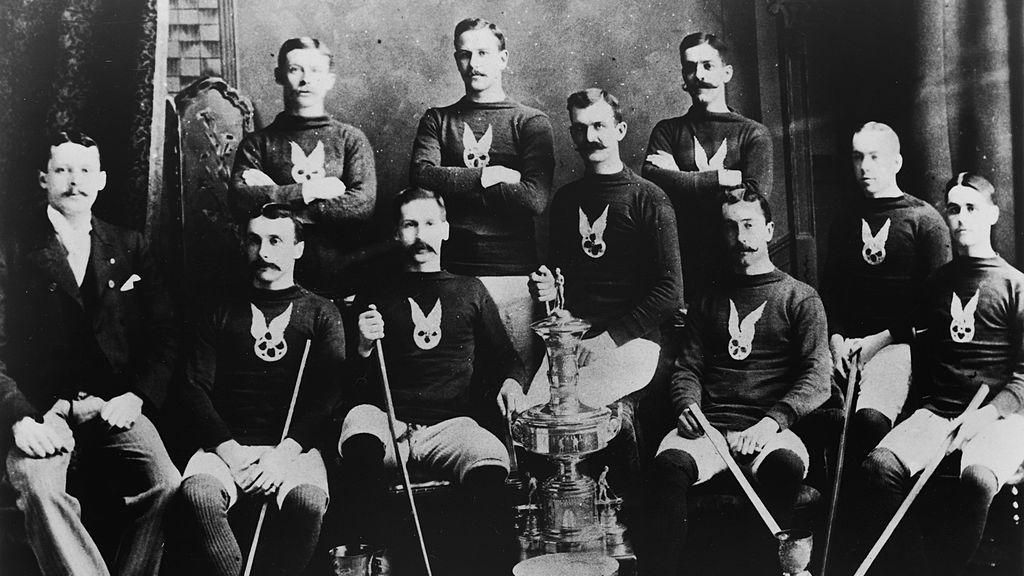
    The proposed legislation traces hockey’s evolution from these early ice adaptations of hurling—an ancient Irish field sport—to British soldiers playing organized games in Halifax by the mid-1850s, before the sport gained widespread popularity in Montreal where the first Stanley Cup was awarded in 1893.

    However, prominent historians have challenged this narrative. Jean-Patrice Martel, co-author of “On the Origin of Hockey,” presented evidence suggesting the sport was played earlier in Manhattan, though his research ultimately points to 1607 Scotland during The Great Frost as the earliest documented instance of shinty played on ice.

    Indigenous communities have also voiced strong objections. Mi’kmaw historian Cheryl Maloney testified that her ancestors were playing ice games with tree roots in Tufts Cove, Dartmouth, as early as 1749—decades before the Windsor documentation. Local historian David Jones supported this claim, emphasizing the Mi’kmaq’s significant role in hockey’s evolution and suggesting the bill should be scrapped entirely.

    Sheehy-Richard has responded to critics, stating the bill was “not intended to be exclusionary” and that she remains open to amendments. The controversy mirrors other Canadian historical disputes, including the origins of poutine and butter tarts, highlighting the complex nature of tracing cultural heritage.

  • Freed Argentine officer urges release of remaining foreign prisoners in Venezuela

    Freed Argentine officer urges release of remaining foreign prisoners in Venezuela

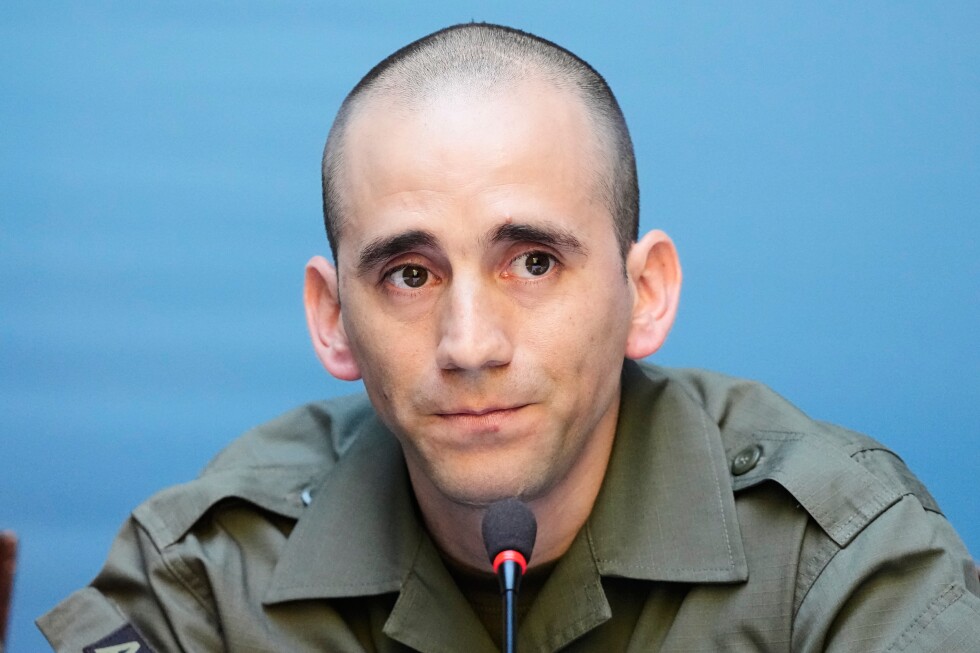
    BUENOS AIRES, Argentina — In his first public appearance since being released from Venezuelan custody, Argentine military police officer Nahuel Gallo made an emotional appeal Wednesday for the international community to secure the freedom of two dozen foreign nationals still detained at the notorious Rodeo I prison in Venezuela.

    Gallo, who endured 448 days of incarceration in a facility outside Caracas before his Sunday release, declared that he cannot truly consider himself free while these detainees remain imprisoned. “My mind is still in prison,” the officer stated during a press conference in the Argentine capital, where he was flanked by high-ranking officials including Foreign Minister Pablo Quirno.

    The Argentine government maintained that Gallo had traveled to Venezuela in December 2024 on personal leave to visit his Venezuelan partner and their son. However, Venezuelan authorities under then-Attorney General Tarek William Saab arrested him on espionage charges, alleging he had attempted “irregular entry” into the country while concealing what they described as a “criminal plan” beneath the pretext of a romantic visit. Saab further accused Gallo of connections to “international far-right groups.”

    Foreign Minister Quirno expressed gratitude to several nations including the United States, Italy, and Israel for their diplomatic efforts in securing Gallo’s release. The development occurs against a backdrop of heightened international scrutiny regarding Venezuela’s judicial system and human rights record.

    In a significant judicial development hours before the press briefing, Argentine Federal Judge Sebastián Ramos summoned Gallo to testify as a witness in an investigation into alleged crimes against humanity attributed to the administration of former Venezuelan President Nicolás Maduro. According to the summons obtained by The Associated Press, Gallo potentially possesses knowledge of “events carried out by the Venezuelan state apparatus” that are under examination.

    The recently freed officer declined to address the summons during the conference, instead requesting patience from journalists, indicating he remains unprepared to fully disclose his experiences. “I still can’t talk about the atrocities they committed,” Gallo stated, suggesting deeper revelations may emerge in time.

  • Musk tells jury ‘people read too much’ into his posts

    Musk tells jury ‘people read too much’ into his posts

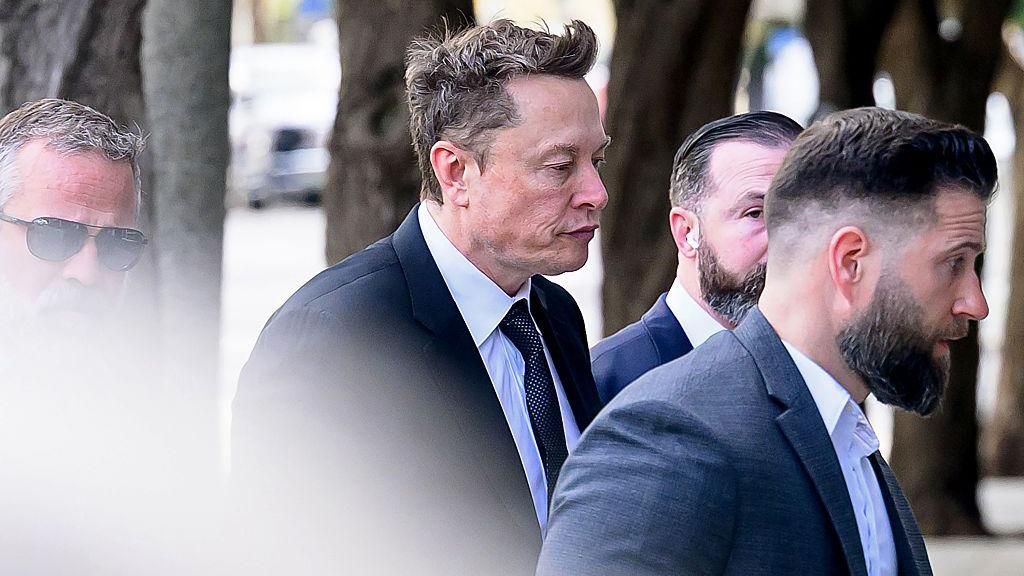
    SAN FRANCISCO – Billionaire entrepreneur Elon Musk testified before a California jury on Wednesday, asserting that financial markets overanalyze his social media communications. The testimony forms part of Musk’s defense against allegations that he deliberately manipulated markets through misleading tweets preceding his 2022 acquisition of Twitter.

    Musk characterized his posts following the initial acquisition agreement as “extremely literal” statements rather than tactical maneuvers to renegotiate the purchase price. “I was simply speaking my mind,” Musk stated when questioned about his awareness of the market impact caused by his declaration that the takeover was “on hold.”

    The litigation represents the first courtroom battle stemming from Musk’s $44 billion Twitter acquisition. While Musk has previously defeated legal challenges regarding his social media communications involving Tesla investors and defamation claims, this class action lawsuit initiated by individual investors seeks unspecified monetary damages for alleged financial losses.

    Lead plaintiff Brian Belgrave testified Monday that he sold thousands of Twitter shares in July 2022 based on his interpretation that Musk was abandoning the acquisition. Belgrave liquidated his position below both his original purchase price and the eventual $54.20 per share that Musk paid after Twitter successfully sued to enforce the merger agreement. “I got screwed. I got cheated,” Belgrave told the court.

    Plaintiffs’ attorney Aaron Arnzen presented a theory that Musk employed strategic negotiation tactics comparable to boxing’s “rope-a-dope” technique – intentionally allowing Twitter to exhaust itself to gain bargaining leverage. When questioned about this approach, Musk conceded he “may have” utilized such strategies.

    Throughout Wednesday’s proceedings, Musk initially provided terse responses limited to “yes,” “no,” or “I don’t recall” before later accusing Arnzen of “trying to mislead the jury” through his questioning methodology. Presiding Judge Charles Breyer briefly paused testimony to address the witness before allowing proceedings to continue.

    The trial, expected to span three weeks, also featured testimony from Jared Birchall, head of Musk’s family office, who repeatedly responded to questions about Twitter acquisition discussions with “I don’t recall” – including questions about whether Jack Dorsey served as Twitter’s CEO prior to Musk’s takeover bid. Dorsey had led the company for seven years before stepping down just months before Musk’s acquisition attempt.

  • Ecuador declares Cuba’s ambassador ‘persona non grata, orders mission to leave the country

    Ecuador declares Cuba’s ambassador ‘persona non grata, orders mission to leave the country

    In a significant diplomatic escalation, Ecuador has formally declared Cuba’s ambassador Basilio Antonio Gutiérrez and his entire diplomatic team persona non grata, ordering them to depart the South American nation within 48 hours. The Ecuadorian Ministry of Foreign Affairs announced the decision Wednesday, citing provisions under international diplomatic law while offering no specific justification for the expulsion.

    The move follows President Daniel Noboa’s executive order from Tuesday that abruptly recalled Ecuador’s ambassador to Cuba, José María Borja, similarly without explanation. This diplomatic rupture coincides with Ecuador’s announcement of new joint military operations with the United States targeting organized crime networks operating within the country.

    The expulsion occurs against a backdrop of intensified U.S. pressure on Cuba following Washington’s involvement in the removal of former Venezuelan leader Nicolás Maduro. The Trump administration has implemented stringent restrictions on Cuban oil imports and publicly speculated about the potential collapse of the Cuban government. Ecuador has emerged as a key regional partner for the U.S. in combating drug trafficking and criminal organizations.

    Under the Vienna Convention on Diplomatic Relations, host nations maintain the authority to declare foreign diplomats persona non grata without providing rationale, though such actions typically signal serious diplomatic discord. The Cuban embassy in Quito did not immediately respond to requests for comment regarding the unprecedented diplomatic development.

  • Congress votes to summon Attorney General Bondi in Epstein case

    Congress votes to summon Attorney General Bondi in Epstein case

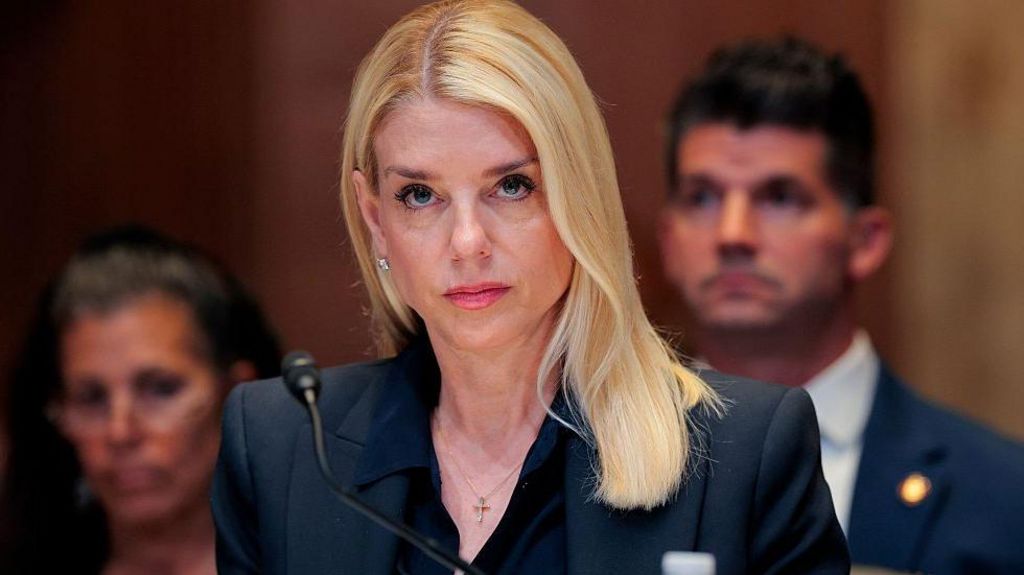
    In a significant bipartisan move, a congressional oversight committee has authorized a subpoena compelling U.S. Attorney General Pam Bondi to testify regarding the Justice Department’s handling of the Jeffrey Epstein investigation documents. The motion, introduced by Republican Representative Nancy Mace, gained support from both sides of the political aisle amid growing concerns about transparency and document management.

    The committee action follows mounting pressure on the Trump administration to release all materials connected to the Epstein probe, with lawmakers accusing the Justice Department of inadequate redaction practices that allegedly exposed victims’ identities while protecting non-victims. Representative Mace, despite her general support for the president, has been particularly vocal in her criticism, describing the Epstein case as “one of the greatest cover-ups in American history” on social media platforms.

    The bipartisan nature of the vote saw five Republican representatives, including Mace, Lauren Boebert, Tim Burchett, Michael Cloud, and Scott Perry, joining Democratic colleagues in approving the legal summons. This development occurs against the backdrop of ongoing document releases, with millions of files already public but millions more reportedly remaining undisclosed.

    Democratic oversight committee member Robert Garcia has further intensified scrutiny by alleging that the Justice Department is withholding files containing sexual abuse allegations against former President Donald Trump. Garcia claims to have personally reviewed such documents that have not been made publicly available.

    The Justice Department has maintained that no relevant documents have been deleted, stating that materials are only withheld if they constitute duplicates, contain privileged information, or relate to ongoing federal investigations. This testimony demand follows recent committee appearances by former President Bill Clinton and former Secretary of State Hillary Clinton, though neither has been accused of wrongdoing by Epstein’s victims.

  • Man City falter as Premier League leaders Arsenal go seven points clear

    Man City falter as Premier League leaders Arsenal go seven points clear

    In a dramatic midweek Premier League showdown, Arsenal capitalized on Manchester City’s misstep to establish a formidable seven-point lead at the summit of English football. The Gunners secured a hard-fought 1-0 victory against Brighton while their title rivals were held to a surprising 2-2 draw by relegation-threatened Nottingham Forest.

    Arsenal’s breakthrough came through winger Bukayo Saka, who marked his 300th appearance for the club with a decisive ninth-minute strike. The England international cut in from the right flank before unleashing a deflected shot that squirmed past Brighton goalkeeper Bart Verbruggen. Despite Brighton’s dominance in possession and shots, Mikel Arteta’s squad demonstrated defensive resilience to preserve their narrow advantage.

    Meanwhile at the City Ground, Manchester City twice surrendered leads against a determined Forest side fighting for survival. January signing Antoine Semenyo opened the scoring for City in the 31st minute with a well-taken volley, but Morgan Gibbs-White equalized with an ingenious backheel finish in the 56th minute. Rodri restored City’s advantage six minutes later with a powerful header, only for Forest midfielder Elliot Anderson to deliver a beautifully crafted equalizer in the 76th minute.

    The draw leaves City five points behind Arsenal having played one fewer game, setting up a crucial confrontation when the teams meet at Etihad Stadium on April 19th.

    In other Premier League action, Chelsea’s João Pedro delivered a spectacular hat-trick in their 4-1 comeback victory against Aston Villa, propelling the Blues into fifth position in the tight race for Champions League qualification. The result dropped Liverpool to sixth place while maintaining Villa’s grip on fourth position.

    The relegation battle intensified as West Ham defeated Fulham 1-0 to draw level with Nottingham Forest on 28 points, with both teams sitting just one point behind Tottenham Hotspur ahead of their Thursday fixture against Crystal Palace.