博客

  • Drone-assisted snow and ice clearing takes off

    Drone-assisted snow and ice clearing takes off

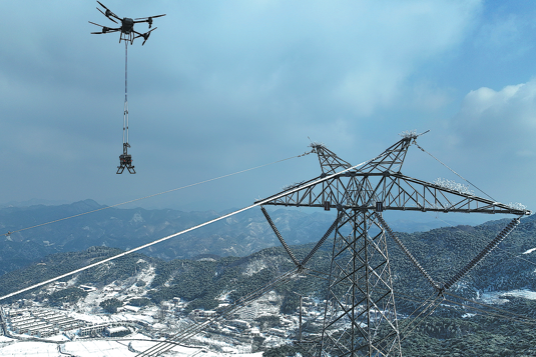
    Across China’s snow-prone regions, a technological transformation is underway as drones take center stage in winter maintenance operations. In remote mountainous areas of Xinjiang Uygur Autonomous Region, where heavy snowfall regularly threatens power infrastructure, utility companies have deployed unmanned aircraft systems to perform critical de-icing tasks that previously endangered human workers.

    The innovative approach involves drones equipped with specialized insulating tools that mechanically dislodge thick ice accumulations from high-voltage power lines. This technological intervention represents a significant departure from traditional methods that required linemen to undertake dangerous climbs in freezing conditions. State Grid Xinjiang Electric Power Company, which implemented heavy-lift drones for de-icing operations starting December 2024, reports substantial operational improvements and cost savings exceeding 1 million yuan ($144,000).

    Beyond power infrastructure, agricultural applications have emerged as another frontier for drone technology. In Hubei province’s Badong county, orange growers like Zhou Zongbao have adopted drone-assisted snow removal techniques. Using rotor-generated airflow, farmers can efficiently clear snow from fruit trees without damaging branches or compromising fruit quality. This method proves particularly valuable for protecting citrus crops where accumulated snow can break branches and cold damage affects both sweetness and appearance.

    The economic impact extends beyond operational efficiency. Drone-based snow removal services have created new business opportunities and employment pathways across multiple provinces. In Suzhou city, Anhui province, companies charge approximately 200 yuan for greenhouse snow clearance, while in Xuchang city, Henan province, certified drone pilots command rates of 300 yuan per hour. Regional variations in pricing reflect factors including job complexity and operational difficulty, but overall returns remain attractive for service providers.

    With over 1,600 drones deployed and more than 1,300 employees certified as drone pilots, State Grid Xinjiang exemplifies the scaling of this technology. The company emphasizes that drone operation has become an essential skill within its workforce, signaling a permanent shift in maintenance methodologies. As winter conditions persist across northern China, drone-assisted ice and snow clearing continues to demonstrate how technological innovation translates into practical solutions for both industrial and agricultural challenges.
  • China’s healthcare advances drawing worldwide attention

    China’s healthcare advances drawing worldwide attention

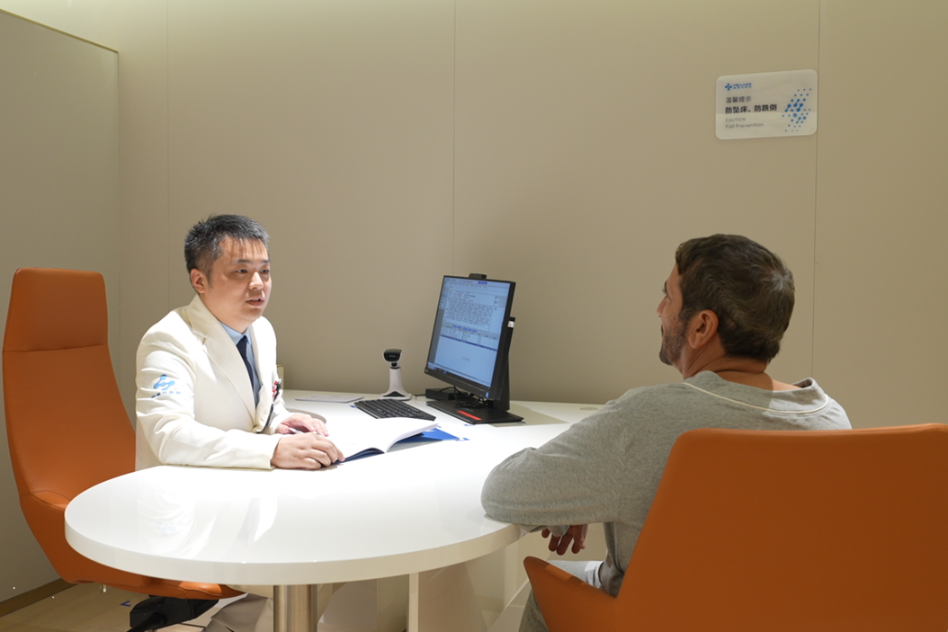
    China’s healthcare system is gaining international recognition through groundbreaking surgical achievements and growing medical tourism. A recent case at Chongqing Medical University’s First Affiliated Hospital demonstrates this transformation, where Spanish tourist Juan received life-saving robotic surgery for a severe pelvic fracture using domestically developed technology.

    The 30-year-old patient suffered critical injuries during a trip to Sichuan province in January. Under the leadership of Dr. Shui Wei, deputy director of orthopedics, a multidisciplinary team performed a 90-minute procedure using China’s innovative orthopedic surgical robot system. The technology enabled minimally invasive surgery with remarkably small incisions—just 7 centimeters in front and two 2-millimeter wounds in the back—compared to traditional approaches requiring much larger openings.

    Juan reported an exceptionally positive experience, noting rapid recovery that allowed him to sit up within three days and discharge after just five days. Dr. Shui projected full recovery within months, potentially enabling a return to extreme sports with proper rehabilitation.

    This case exemplifies China’s broader healthcare evolution. Where citizens once sought treatment abroad, China now attracts international patients through what experts term ‘reverse medical tourism.’ British influencer Amie’s experience highlights this shift—after waiting two years for treatment in the UK, she completed entire medical procedures in China within 13 days at approximately one-tenth the cost.

    Official data from the National Health Commission reveals staggering growth: key hospitals handled 1.28 million international visits in 2025, representing a 73.6% increase from three years prior, with European and American patients doubling. Medical institutions are responding by establishing specialized international clinics, enhancing bilingual services, and implementing direct billing with global health insurers.

    China’s combination of surgical innovation, treatment efficiency, cost effectiveness, and accessibility is positioning the nation as an emerging powerhouse in global healthcare services.

  • Woodland ‘can’t waste energy’ hiding PTSD diagnosis

    Woodland ‘can’t waste energy’ hiding PTSD diagnosis

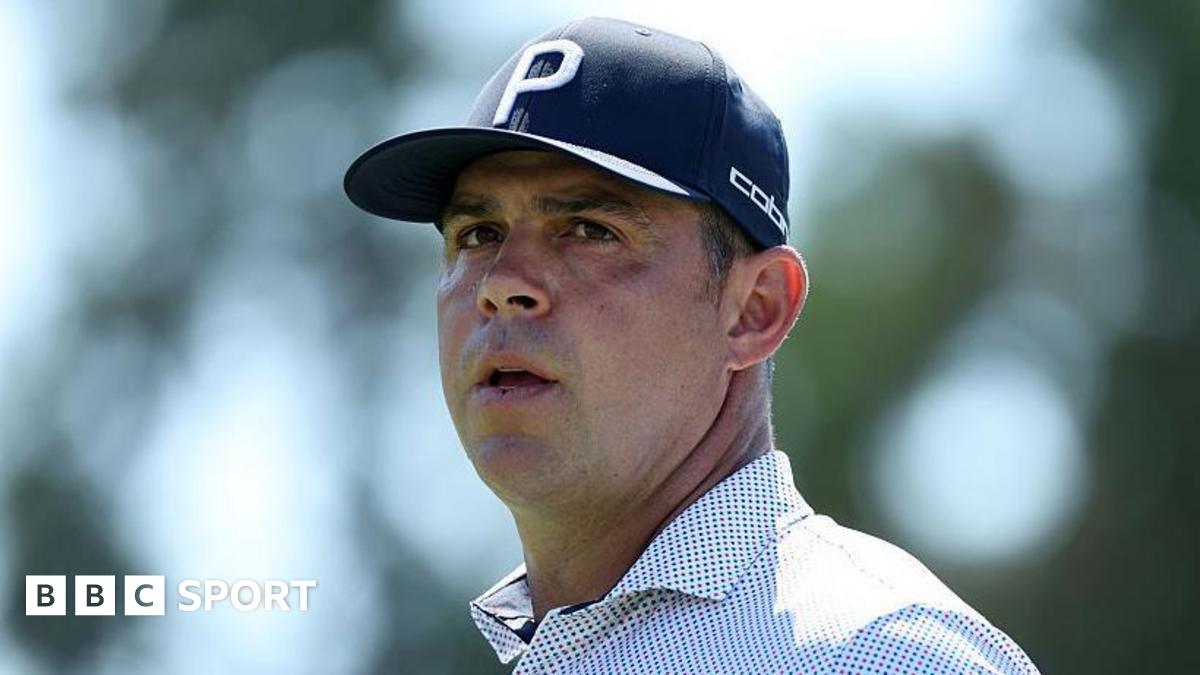
    PGA Tour professional Gary Woodland, the 2019 U.S. Open champion, has courageously disclosed his ongoing struggle with post-traumatic stress disorder following his recovery from brain tumor surgery in September 2023. The 41-year-old athlete received the PGA Tour Courage Award in 2025 for his remarkable return to competitive golf despite significant health challenges.

    Woodland revealed that approximately one year ago, he was diagnosed with PTSD, which has profoundly impacted his performance and mental state during tournaments. In a heartfelt interview with Golf Channel, the professional golfer explained his decision to stop concealing his condition: ‘I can’t waste energy any more hiding this, and I’m blessed with a lot of support out here on the Tour. I appreciate that love and support. But inside, I feel like I’m dying and I feel like I’m living a lie.’

    The athlete described a particularly distressing episode during last year’s Procore Championship in California when a walking scorer unexpectedly approached him from behind, triggering severe symptoms. ‘My eyesight started to get blurry. I couldn’t remember what I was doing,’ Woodland recounted, noting that he continued playing against his caddie’s advice due to his commitment as vice captain for the U.S. Ryder Cup team.

    Woodland’s journey has included emotional struggles both on and off the course, with the golfer frequently seeking privacy in restrooms to manage his symptoms during tournaments. He has since engaged in conversations with military veterans about mental health challenges and hopes his transparency will inspire others facing similar battles. ‘I hope somebody that’s struggling sees me out here still fighting and battling and trying to live my dreams,’ Woodland stated, emphasizing the importance of addressing mental health in professional sports.

    The PGA Tour has recognized Woodland’s perseverance with its highest honor for courage, highlighting his determination to compete at the highest level while managing significant health obstacles. Woodland continues to participate in PGA Tour events, demonstrating exceptional resilience in his professional comeback.

  • Iran vows to fight on and block all Gulf oil

    Iran vows to fight on and block all Gulf oil

    In a dramatic escalation of Middle East tensions, Iran has declared an absolute blockade on all Gulf oil exports for the duration of its ongoing conflict with the United States and Israel. The Islamic Revolutionary Guard Corps (IRGC) issued a stark warning that “not a single litre of oil” would leave the region until further notice, directly challenging President Donald Trump’s assertion that the conflict was nearing its conclusion.

    The confrontation has triggered significant volatility in global energy markets, with oil prices briefly surging past $100 per barrel before retreating following Trump’s optimistic statements. European gas markets opened 15% lower after the president’s comments, while Asian stock markets showed tentative recovery from Monday’s substantial losses.

    Iranian Foreign Minister Abbas Araghchi explicitly ruled out further diplomatic engagement with Washington, citing previous attacks during ongoing negotiations. “We are well prepared to continue attacking them with our missiles as long as needed,” Araghchi stated in an interview with PBS News, emphasizing Tehran’s determination to continue military operations.

    President Trump responded with characteristically forceful language, warning on his social media platform that continued Iranian interference with oil exports would trigger devastating retaliatory strikes that would make reconstruction “virtually impossible.” His remarks alternated between claiming victory and threatening “Death, Fire, and Fury” upon Iran.

    The conflict has drawn in regional and global powers, with Egypt implementing fuel price increases up to 30%, Pakistan offering naval escorts for commercial shipping, and NATO deploying Patriot missile systems to Turkey after ballistic missile incidents. France announced plans for a “purely defensive” mission to reopen the strategic Strait of Hormuz, through which approximately 20% of global crude oil typically transits.

    Meanwhile, Israeli Prime Minister Benjamin Netanyahu expressed hope that military pressure would inspire the Iranian people to “cast off the yoke of tyranny,” as fighting spread to Lebanon and northern Iraq, where Tehran-backed militias reported casualties from aerial bombardments.

  • Madagascar military leader dissolves government in surprise move

    Madagascar military leader dissolves government in surprise move

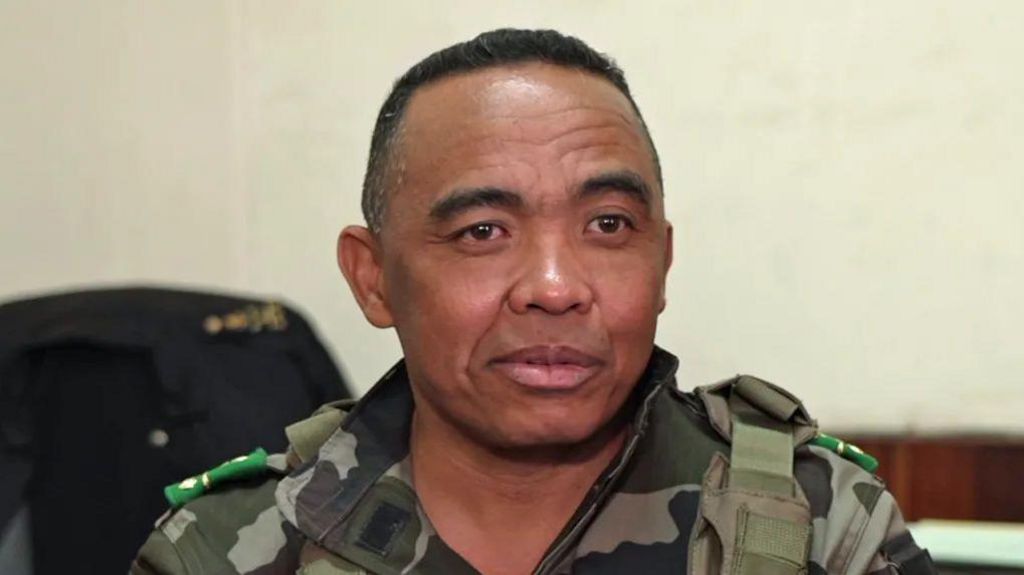
    In a dramatic political development, Madagascar’s military ruler Colonel Michael Randrianirina has abruptly dissolved the national government, dismissing both the prime minister and the entire cabinet. The unexpected decision was announced through an official statement from the presidential spokesperson on Monday.

    The declaration stated that ‘the government has ceased its functions,’ indicating that Randrianirina will appoint a new prime minister in accordance with constitutional provisions. No explicit justification was provided for this sweeping governmental overhaul.

    Colonel Randrianirina originally assumed power last October following weeks of youth-led protests against former president Andry Rajoelina, who had secured a controversial third term in the 2023 elections. The demonstrations primarily addressed chronic shortages of electricity and clean water, eventually gaining military support that facilitated the transfer of power.

    The military leader had previously committed to organizing fresh elections within a two-year timeframe. This pledge aligned with demands from the Southern African Development Community (SADC), which had instructed Madagascar’s authorities to present a detailed roadmap for democratic restoration by February’s end.

    However, the recent dissolution suggests potential complications in the transition process. Leaders of the Gen Z movement, whose grassroots activism contributed to Randrianirina’s rise, have expressed dissatisfaction with the current administration’s inclusivity and representation in decision-making bodies.

    Local media reports indicate that activist groups identifying as Gen Z and Gen Y movements recently issued a 72-hour ultimatum demanding Randrianirina’s resignation, citing disappointment with his governance performance. These groups had previously rejected the October appointment of businessman Herintsalama Rajaonarivelo as prime minister, criticizing the selection process as non-transparent and questioning his connections to the previous administration.

    With permanent secretaries temporarily managing ministerial operations until a new cabinet forms, this governmental dissolution potentially signals a significant recalibration of Madagascar’s political trajectory under military leadership.

  • Regional hub sets sights on world-class innovation

    Regional hub sets sights on world-class innovation

    The Beijing-Tianjin-Hebei economic cluster is accelerating its transformation into a globally competitive innovation corridor, with the Xiong’an New Area emerging as a pivotal hub for advanced aerospace manufacturing. The region’s technological ambitions were demonstrated when Xiong’an No 1, the area’s inaugural domestically produced satellite, completed production in October 2025 at Land-Space HongQing (Xiong’an) Space Technology Co’s state-of-the-art facility.

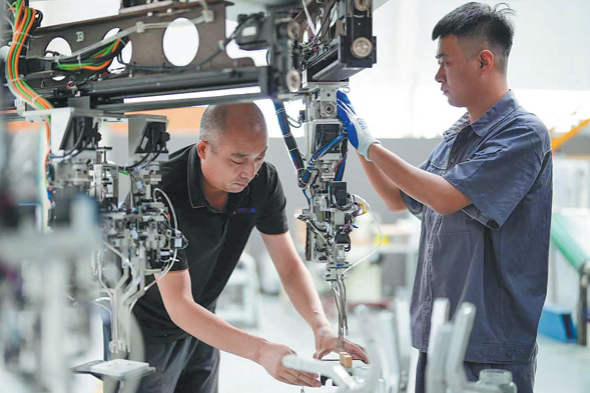
    Within the company’s satellite assembly plant, automated robotic arms execute precision maneuvers along production lines, handling components with millimeter accuracy. This technical achievement represents more than manufacturing prowess—it signifies Xiong’an’s rapid evolution from conceptual development to tangible high-tech product realization.

    Land-Space HongQing achieved a remarkable industrial milestone by completing company registration, facility construction, production setup, and satellite rollout within a single calendar year. “The velocity of this project exceeds national standards for such complex undertakings,” stated General Manager Shi Yaozhong.

    The company exemplifies a innovative collaborative model between Beijing and Xiong’an. While Beijing headquarters manages administrative functions and research development, the Xiong’an subsidiary specializes in pilot production—the critical phase where engineers refine manufacturing processes and validate technologies under operational conditions.

    Shi emphasized Xiong’an’s strategic advantages: “The area’s prioritization of satellite internet industry development creates an ecosystem conducive to innovation. Proximity to supply chain partners and end-users enables immediate feedback integration during pilot production, facilitating continuous product enhancement.”

    This development aligns with broader regional efforts to establish the Beijing-Tianjin-Hebei cluster as a dominant force in China’s high-technology landscape, potentially reshaping global competitiveness in aerospace and satellite technology sectors.

  • Hainan FTP off to a good start, sees imports and arrivals soaring

    Hainan FTP off to a good start, sees imports and arrivals soaring

    Hainan Free Trade Port (FTP) has demonstrated remarkable progress in its initial operational phase, achieving substantial growth in foreign investment, duty-free imports, and international tourism. Governor Liu Xiaoming, speaking during the Two Sessions meetings, characterized the island-wide special customs operations launched December 18 as a transformative milestone in China’s economic liberalization agenda.

    The customs framework has triggered significant tariff reforms, expanding zero-tariff coverage from 21% to 74% of all tariff items. Imported goods undergoing at least 30% value-added processing in Hainan now enjoy tariff-free access to mainland China. During the recent Spring Festival holiday period, zero-tariff imports reached approximately 48.6 million yuan ($7.03 million), generating duty savings of 9.42 million yuan. Overall import-export values through local customs ports grew 9% year-on-year in the first two months of operation.

    International enterprises have responded positively to these developments. Siemens Energy (Germany), Mayoly (France), and Singapore’s Fullerton Health Group have established significant operations, with the latter opening Hainan’s first wholly foreign-owned hospital. The province recorded a 45.6% increase in new foreign-invested enterprises during the initial operational period.

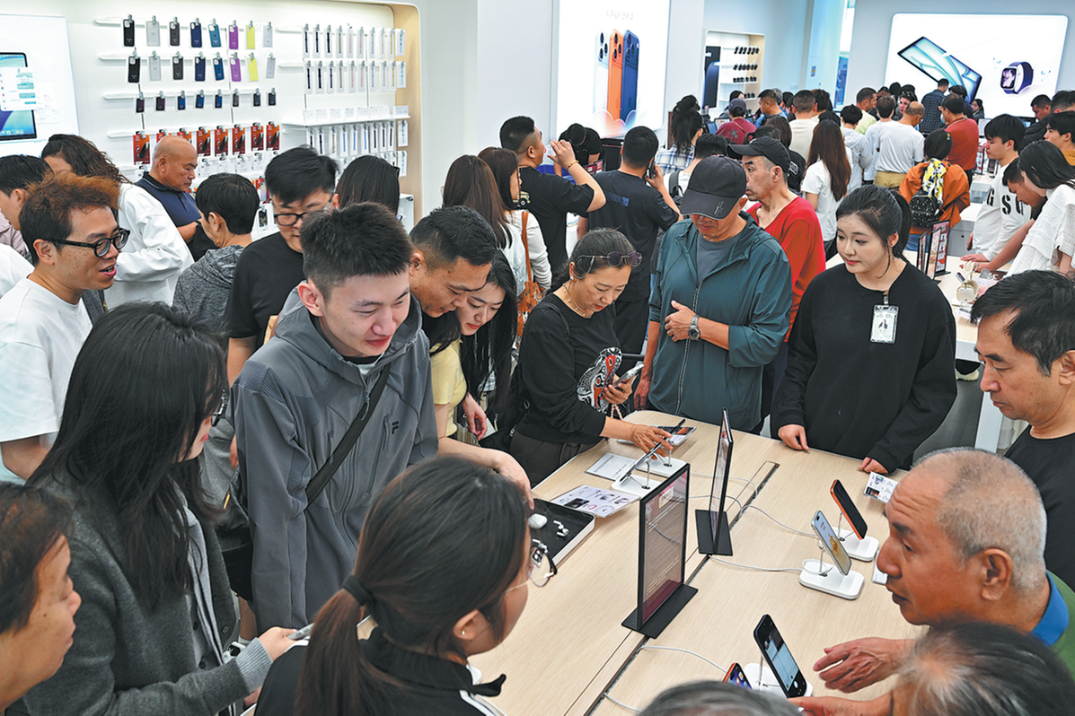
    Tourism metrics reflect similarly impressive growth, with 557,700 international transits recorded in the first two months. Visa-free foreign nationals accounted for 141,000 of these arrivals, representing a 62.2% year-on-year increase. Duty-free retail has emerged as a major economic driver, with five new daily consumer goods stores attracting 465,000 visitors within their first two weeks of operation. Offshore duty-free sales during the Spring Festival holiday surged 30.8% alongside a 35.4% increase in shoppers.

    Governor Liu outlined Hainan’s strategic vision to deepen institutional alignment with international frameworks including the Regional Comprehensive Economic Partnership (RCEP) and high-standard trade agreements. The province will optimize port layouts, shorten negative lists for cross-border service trade, and implement coordinated market access systems for domestic and foreign capital. Additional measures include expanding visa-free country lists, enhancing data export management protocols, and leveraging multi-function free trade accounts.

    Positioned within four hours flight time of 21 countries representing 47% of the global population, Hainan aims to become a strategic hub within China’s dual-circulation development paradigm. The province has already established economic partnerships with 41 international free trade zones and attracted investment from 180 countries and regions.

    Industrial development priorities focus on five key sectors: seed breeding technology, marine industries (targeting 40% of provincial GDP), commercial space launches (60 annual launches planned), green technology development, and cross-border e-commerce enabled by advanced data flow policies. These initiatives collectively position Hainan FTP as an emerging platform for global economic integration and innovation.

  • Iran names new leader amid escalating conflict

    Iran names new leader amid escalating conflict

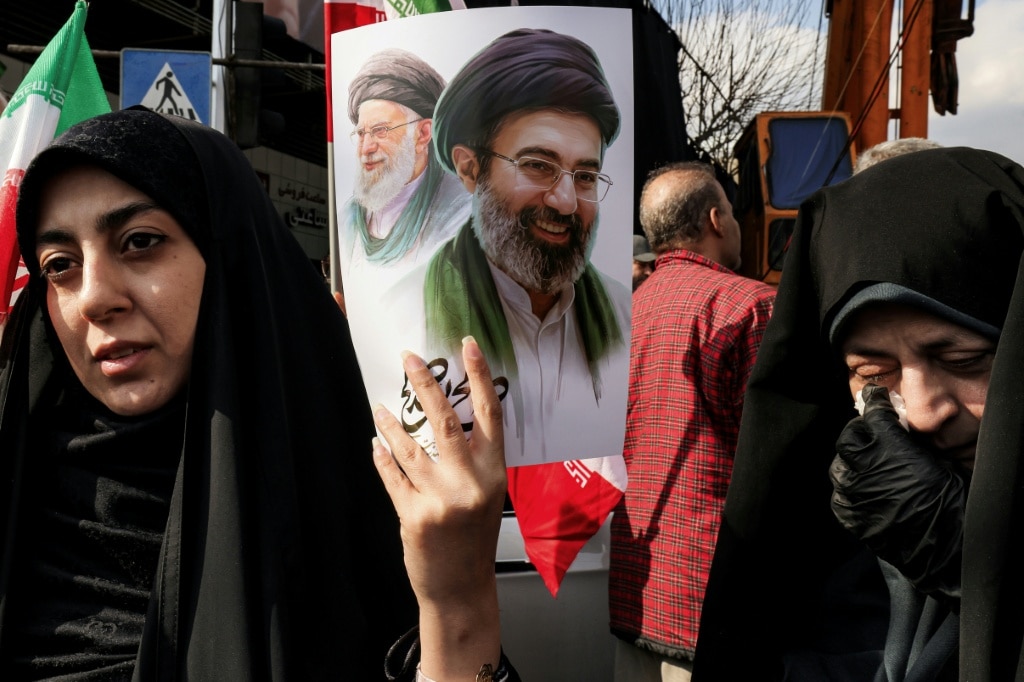
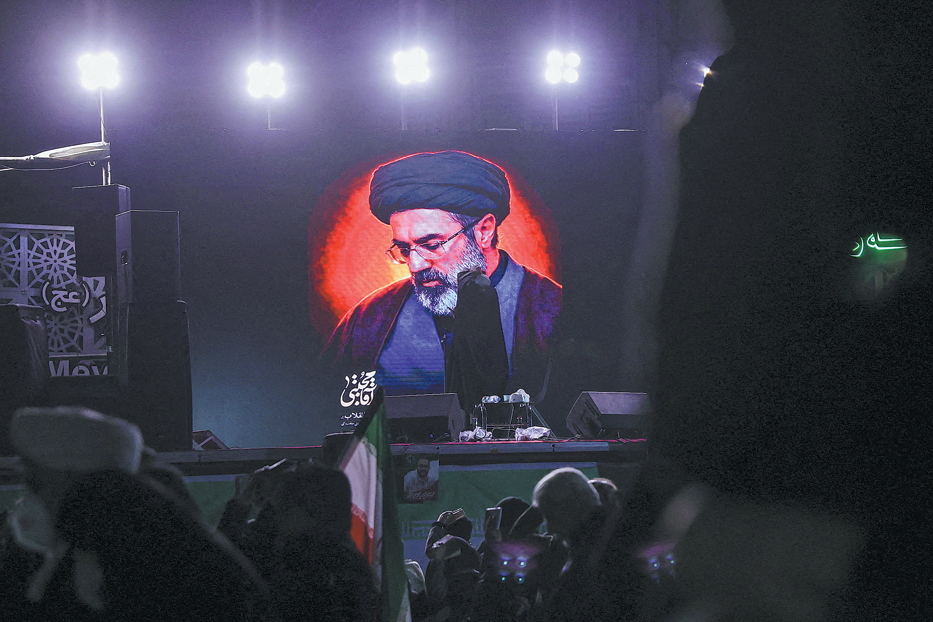
    In a pivotal development reshaping Iran’s political landscape, Mojtaba Khamenei has been formally designated as the nation’s third supreme leader following the fatal joint military operation by the United States and Israel that claimed numerous lives, including children. The 56-year-old cleric, son of the late Ayatollah Ali Khamenei, assumes leadership with strong connections to Iran’s Islamic Revolutionary Guard Corps, marking a significant transition since the 1979 Islamic Revolution.

    Concurrently, China has intensified its diplomatic engagement in the Middle East, with Foreign Minister Wang Yi conducting separate telephone discussions with counterparts from Kuwait and Bahrain. Wang emphasized China’s commitment to regional stability, disclosing that Beijing’s special Middle East envoy has initiated mediation efforts throughout the area. He characterized the ongoing conflict as an unnecessary war benefiting no involved party, while condemning attacks on civilian populations and non-military infrastructure.

    During communications with Bahrain’s Foreign Minister Abdullatif bin Rashid Al Zayani, Wang advocated for immediate cessation of military activities and reaffirmed the principle of respecting national sovereignty and territorial integrity. Iranian diplomats, led by Foreign Minister Seyed Abbas Araghchi, concurrently pledged unwavering loyalty to the new supreme leader, framing the appointment as crucial for preserving national sovereignty.

    The geopolitical turbulence has triggered substantial economic repercussions, with oil prices surging over 25% to peak levels unseen since 2022. Major Middle Eastern producers including Iraq, Kuwait, and the United Arab Emirates have curtailed output amid market instability and concerns regarding prolonged shipping disruptions in the strategically vital Strait of Hormuz.

    Military confrontations persist as Israel conducted strikes against Iranian internal security command centers and missile sites shortly after the leadership transition. Saudi Arabia reported intercepting drones targeting its Shaybah oilfield, while the UAE contained a fire at a Fujairah oil facility.

    Beyond energy security concerns, the conflict threatens critical water infrastructure throughout the arid region. Hundreds of coastal desalination plants supplying millions remain vulnerable to missile and drone attacks. Bahrain has already accused Iran of damaging one facility, though water distribution continues uninterrupted. Earlier, Iran reported that a U.S. airstrike disabled a desalination plant serving 30 villages near the Strait of Hormuz.

    With no immediate resolution apparent, the U.S. State Department has ordered nonessential personnel to evacuate Saudi Arabia following a drone incident at the Riyadh embassy, while President Trump affirmed that any ceasefire decision would be coordinated with Israeli leadership.

  • Trump says will waive some oil sanctions as Iran war roils markets

    Trump says will waive some oil sanctions as Iran war roils markets

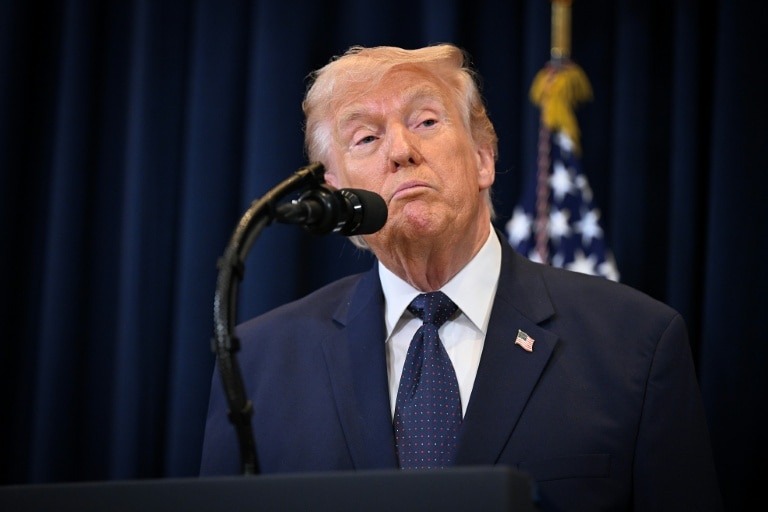
    In a significant policy shift addressing global energy market turmoil, U.S. President Donald Trump announced Monday his administration would temporarily suspend certain oil-related sanctions to increase supply and curb rising prices. The decision comes as military confrontations between U.S.-Israeli forces and Iran, including Tehran’s retaliatory strikes across the Gulf region, have severely disrupted energy and transportation sectors, bringing vital shipping activities in the Strait of Hormuz to a virtual standstill.

    Speaking after discussions with Russian President Vladimir Putin, Trump revealed the sanctions relief strategy without specifying which countries would benefit. ‘We’re waiving certain oil-related sanctions to reduce prices,’ Trump stated, adding that Chinese President Xi Jinping was also part of these considerations. The administration may maintain this sanctions relief if regional conflicts resolve satisfactorily, with Trump remarking, ‘Maybe we won’t have to put them on. There’ll be so much peace.’

    The announcement follows earlier temporary authorization for India to purchase Russian oil and comes as the Treasury Department, under Secretary Scott Bessent, considers expanding sanctions relief for Russian oil exports. These measures authorize transactions through April 3, 2026, including from vessels previously blocked under various sanctions regimes.

    Analysts suggest the policy reflects administration concerns about the economic impact of soaring crude prices on American consumers ahead of crucial midterm elections. The Carnegie Russia Eurasia Center noted that conflicts with Iran and Venezuela have inadvertently benefited Russia by redirecting major importers toward Russian oil. ‘Now that those supplies are compromised, the primary beneficiary is Russia, which is ready to increase oil exports to China,’ the center observed, adding that Trump’s actions highlight how ‘the only reliable option is pipelines and roads from Russia.’

    The sanctions waiver presents a complex dilemma for Washington, balancing global energy market stability against efforts to limit Russian revenues amid the ongoing conflict in Ukraine. Russian oil and gas revenues hit a five-year low in January as Western sanctions continue affecting the nation’s economy.

  • China exports surge in first two months of the year despite Trump tariffs

    China exports surge in first two months of the year despite Trump tariffs

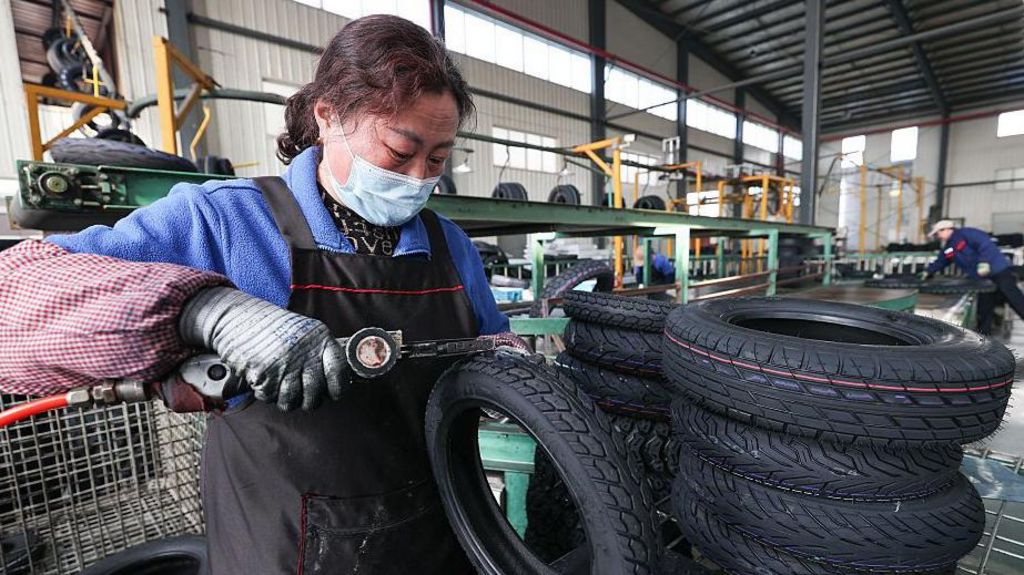
    China’s export economy has demonstrated remarkable resilience in the opening months of 2026, with official data revealing a surprising 20% increase in overseas shipments during January and February. This performance substantially exceeded economist forecasts by nearly threefold, positioning China to potentially surpass its record-breaking 2025 trade surplus.

    The robust export growth emerges against a complex backdrop of domestic economic challenges, including subdued consumer spending, demographic constraints, and ongoing property market instability. Beijing’s customary practice of combining January and February trade data effectively neutralized distortions caused by the variable timing of the Lunar New Year celebrations.

    Electronics exports served as the primary growth engine, with significant contributions from agricultural and manufactured goods. Regional analysis reveals particularly strong performance in European markets (27.8% growth) and ASEAN nations (approximately 30% increase), though exports to the United States declined by over 10% following tariff implementations and trade rebalancing measures.

    This export surge arrives at a critical juncture as China recently adjusted its annual growth target to 4.5%-5%, down from 2025’s 5% benchmark. The timing is especially significant with the anticipated April meeting between Chinese President Xi Jinping and US President Donald Trump, who is scheduled to visit China amid ongoing trade negotiations.

    Global economic dynamics further complicate the picture, as Asian nations including China navigate disruptions in energy markets stemming from the US-Israeli conflict with Iran, highlighting the interconnected nature of contemporary international trade relationships.